Tag: AutomaticCleaning

  • Solving Quality Control Team’s Concerns: Traditional Cleaning vs. Multi-Stage Cleaning, What’s the Best Choice to Reduce Defect Rates?

    Solving Quality Control Team’s Concerns: Traditional Cleaning vs. Multi-Stage Cleaning, What’s the Best Choice to Reduce Defect Rates?

    Are you struggling with defect rates due to microscopic contamination particles that are not visible to the naked eye in your production field? These chronic issues may lead to significant production time and cost losses that extend beyond simple rework. If you continue to overlook decisions regarding precision cleaning methods, this could result in a drastic decline in product quality competitiveness and pose a critical threat to market confidence. At this crucial point, should we adhere to traditional manual cleaning or consider transitioning to automatic cleaning?

    Issues Caused by Microscopic Contaminants in Production Fields

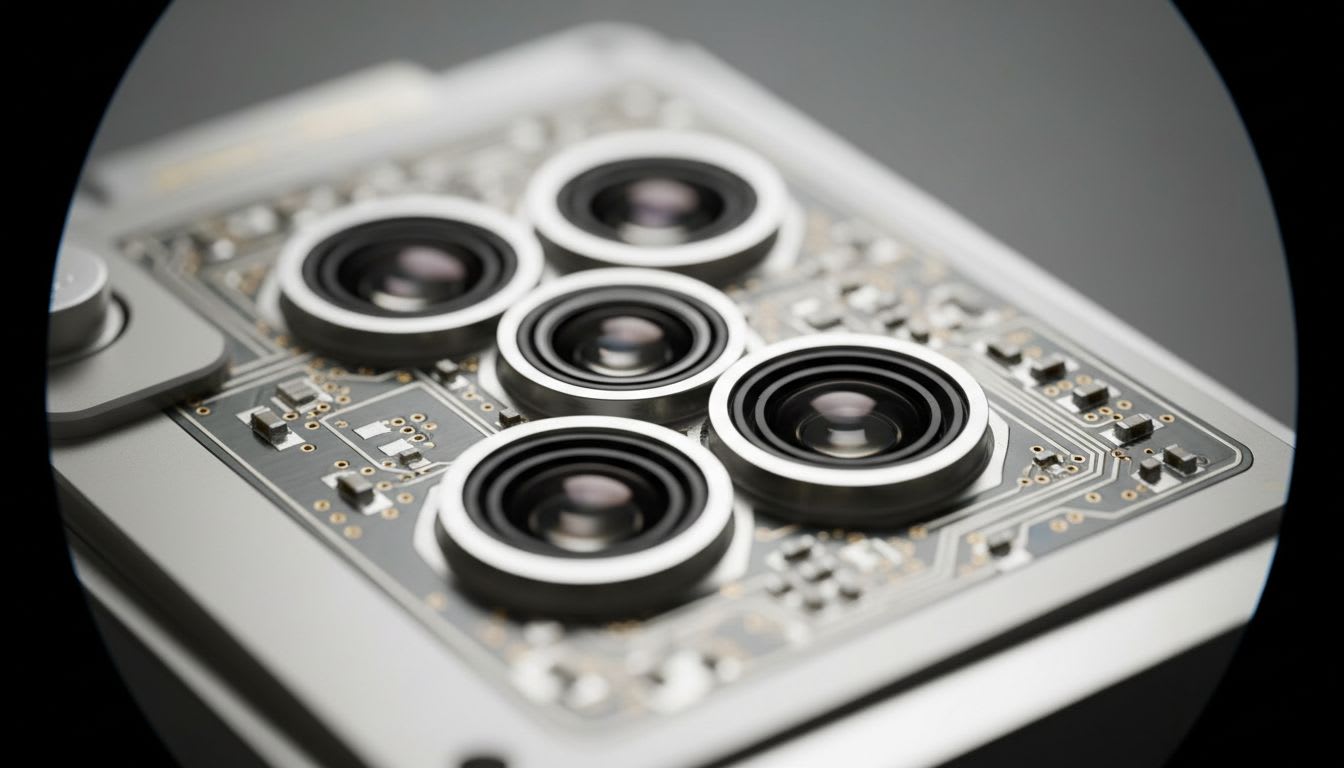
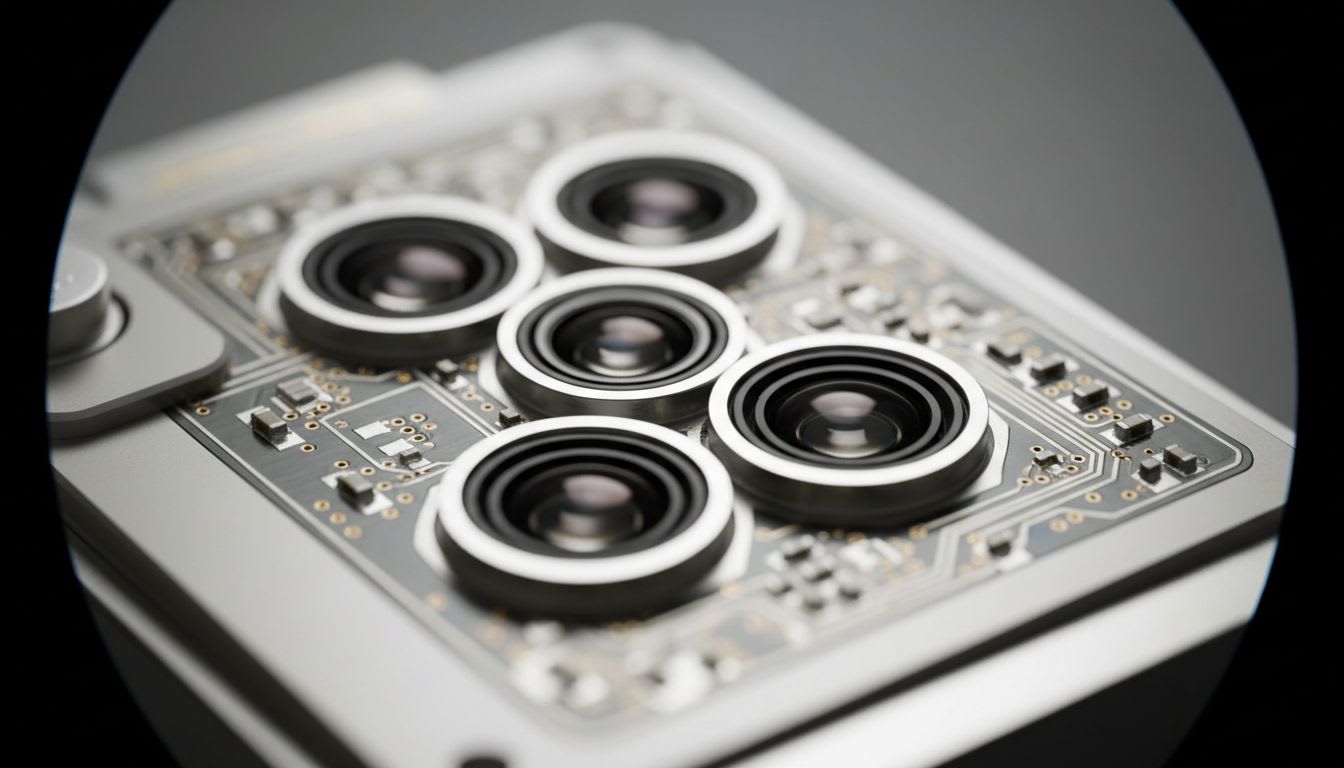
    One of the long-standing issues in the production field has been the microscopic contamination particles and residues that are not easily visible. The usual cleaning methods often struggled to completely remove these microscopic contaminants, significantly increasing the defect rates on the production line and posing a serious threat to the quality stability of the final product. Particularly with ultra-precision components like camera modules and sensors, even the smallest contamination could disable the functionality or lead to serious defects, which happened quite frequently. Consequently, quality control teams suffered from unnecessarily repetitive reworks and the burden of rigorous inspections, while their desire for a more reliable precision cleaning solution grew. Ultimately, the limitations of such traditional cleaning methods could result in decreased production efficiency, affecting the overall competitiveness of a company. Huvics clearly recognizes these limitations and aims to fundamentally resolve these issues with next-generation technology, setting a new standard by thoroughly eliminating the microscopic particles that determine the product’s longevity.

    Core of Huvics Advanced Multi-Stage Cleaning Technology
    Limitations of Traditional Cleaning Methods

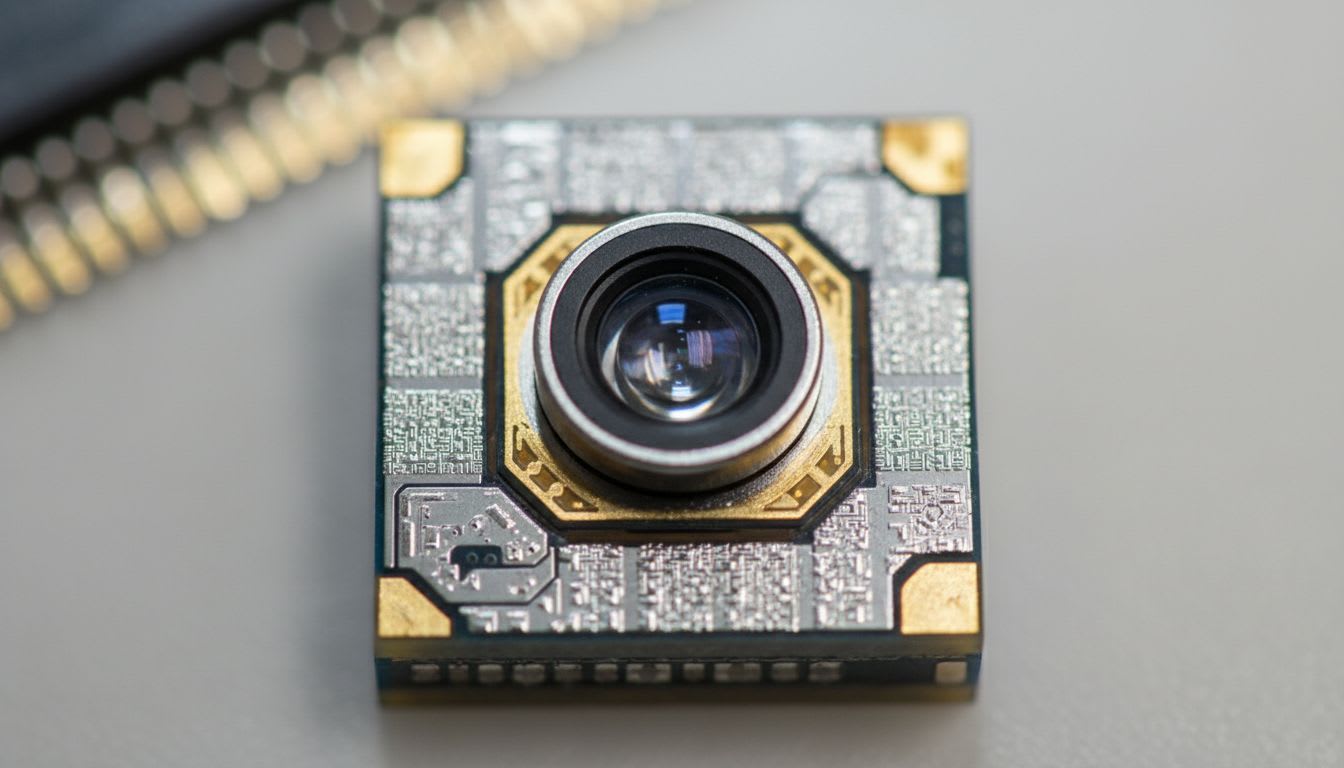
    Against this background, Huvics’ advanced multi-stage cleaning technology was developed to fundamentally overcome the limitations of traditional methods. Microscopic contaminants and residues that determine the quality of precision components have been a persistent challenge in production processes, especially for highly sensitive products like camera modules and sensors where even the slightest contamination could lead to fatal defects and always posed difficulties for quality control teams. With traditional manual cleaning methods, even experienced operators had difficulty maintaining uniformity and perfection, and they could not completely eliminate the possibility of microscopic residues or recontamination. It was a chronic issue akin to lime deposits in old water pipes that can’t be cleaned in one go.

    Features of the Multi-Stage Cleaning Technology

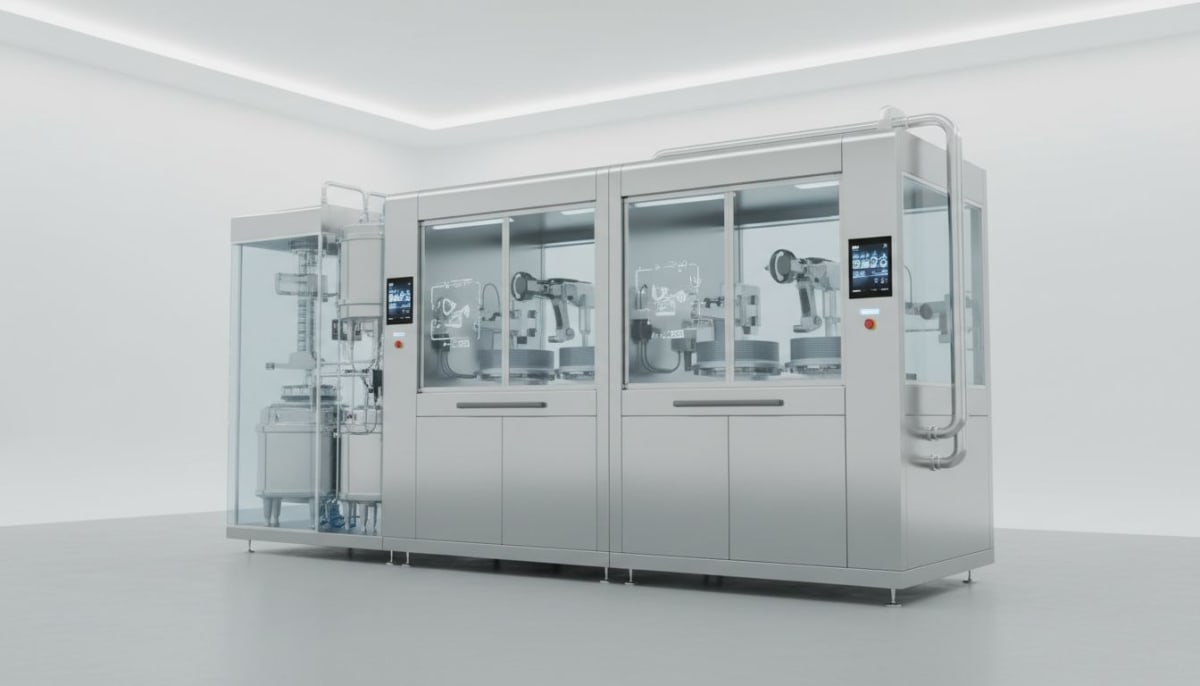
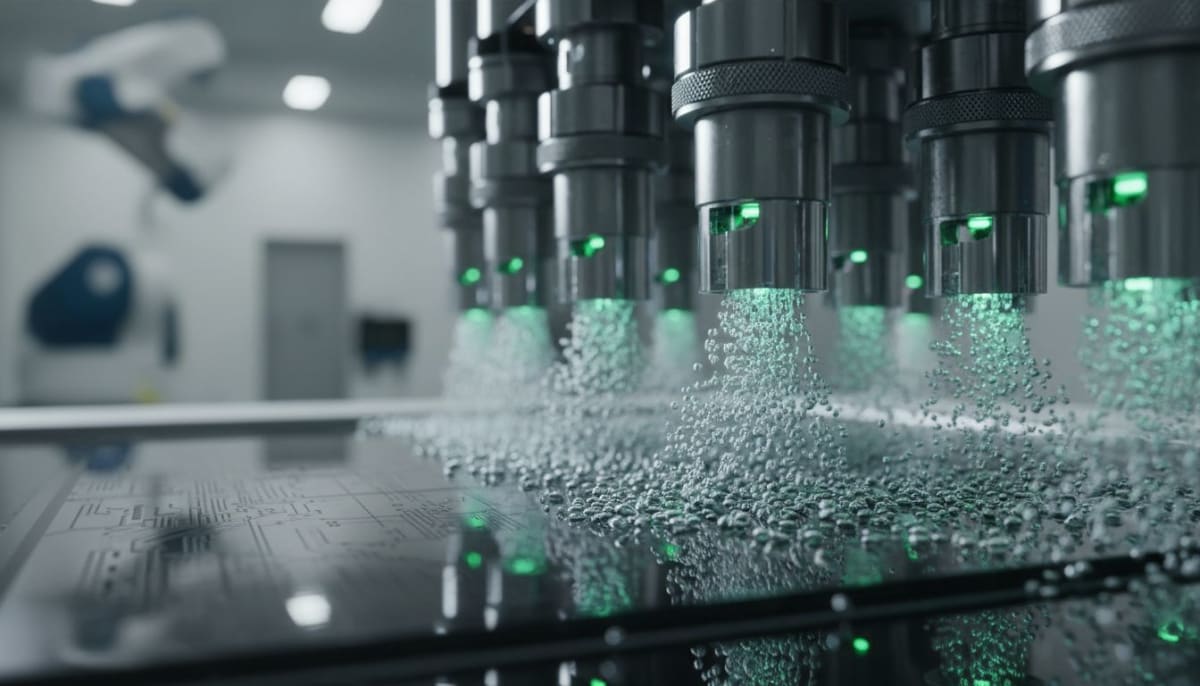
    The core of Huvics’ multi-stage cleaning technology is the combination of multiple elaborate cleaning processes like micro-bubbles, water jets, and air knives that meticulously remove all contaminant particles from the product surface. It can completely handle the microscopic residues resulting from ultra-precision grinding technology, and offers optimized solutions for sensitive products like camera modules and sensors, boasting faultless precision. Moreover, the integrated oven dry function ensures perfect drying after cleaning, thereby fundamentally blocking the risk of recontamination and allowing quality control teams to have confidence in the final quality.

    Effects of Reducing Defect Rates and Enhancing Quality Reliability

    Concerns of the Quality Control Team

    Huvics’ advanced multi-stage cleaning technology provides an outstanding solution to fundamentally eliminate the microscopic defect factors, which are among the biggest concerns for quality control teams. It’s challenging to completely remove micron-level contaminant particles remaining on precision components using traditional manual or simple automatic cleaning methods, which directly leads to unpredictable defect rates, causing great distress to many quality managers. Like invisible dust stopping the operation of an important machine, a single microscopic particle becomes the main culprit that reduces the value of the product.

    Reduction of Defect Rates and Increased Reliability

    The multi-stage cleaning technology applied to Huvics’ cleaner machines utilizes an optimized combination of techniques like micro-bubbles, water jets, and air knives to remove contaminant particles from the product surface with remarkably high efficiency. This achieves a level of precise cleaning at the micron level that is difficult to reach with traditional cleaning methods, ultimately playing a crucial role in dramatically reducing defect rates. From the perspective of quality control teams, this technology is not just about cleaning effectively but acts as a strong shield that preemptively blocks potential defect factors, elevating product reliability to a new level.

    Flexible System and Operational Efficiency

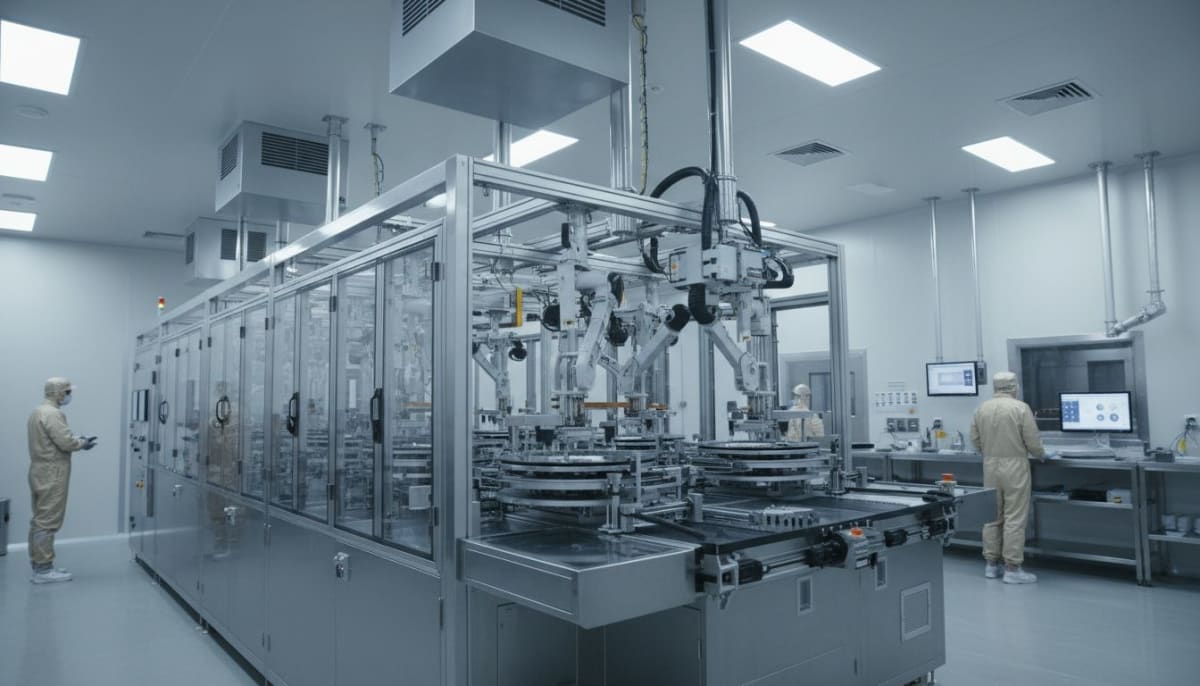
    Especially, the flexible system configuration capable of full automation or manual conversion is a strong point unique to Huvics, considering both the characteristics of the production line and ease of maintenance. It is designed to maximize process efficiency while allowing flexible responses as needed, continuously providing consistent and reliable cleaning results that leave quality control managers impressed. Through this advanced cleaning technology, Huvics contributes to creating an environment where the quality control team can focus on product innovation rather than worrying about defect rates.

    Strategic Choice for Securing Future Competitiveness
    Issue of Microscopic Contamination and Strategic Investment

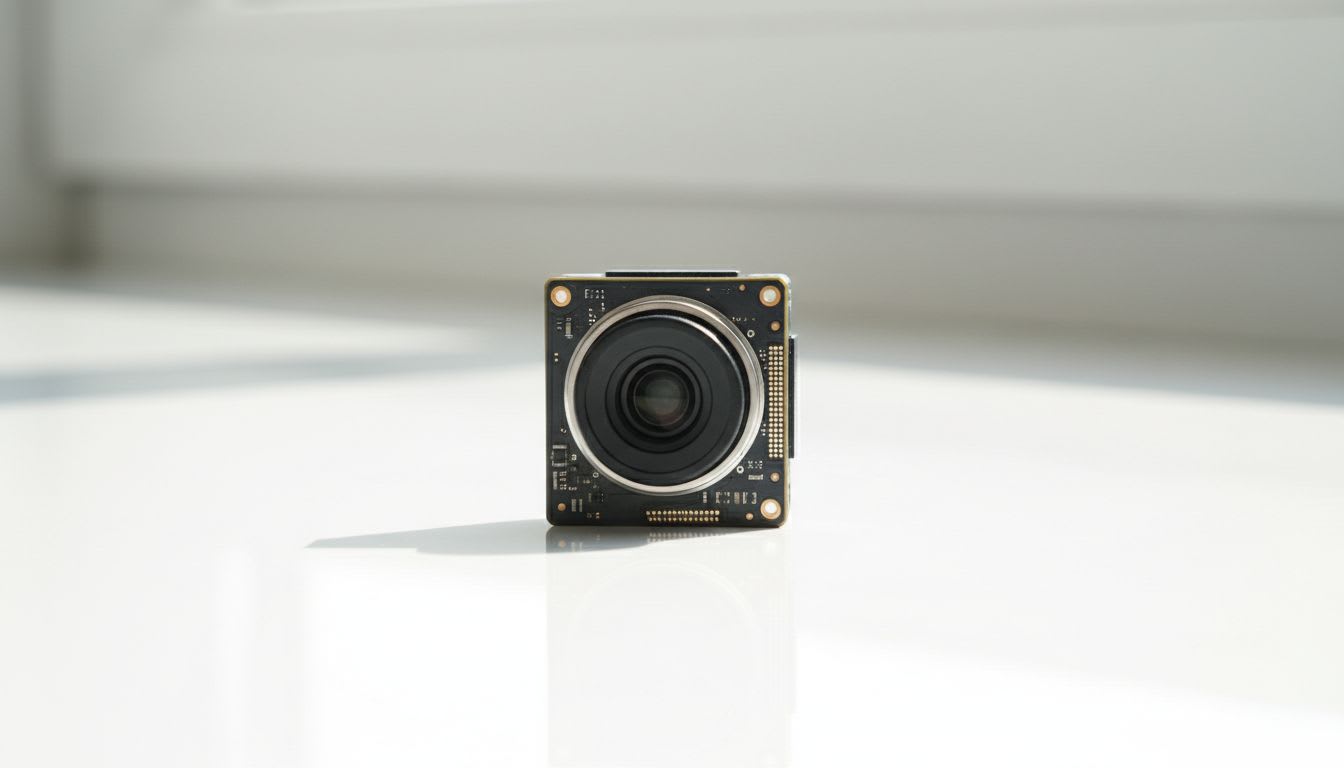
    In high-value or high-precision industries, microscopic contamination is not a simple issue but a critical defect leading directly to production and reliability impacts. Huvics’ advanced multi-stage cleaning technology is a strategic investment that transcends the fundamental limitations of traditional cleaning methods and brings innovative efficiency to production lines. Beyond simply wiping surfaces, it completely removes contaminant particles from product surfaces through innovative multi-stage processes such as micro-bubbles, water jets, and air knives.

    Cleaning and Drying of Ultra-Precise Components

    It cleans even the microscopic crevices of ultra-precise components such as camera modules, sensors, and VCM motors and removes residual moisture perfectly with oven drying capabilities, blocking the potential for stains or recontamination. This provides a level of cleanliness not consistently achievable with manual work, playing a decisive role in reducing defect rates. Huvics’ cleaning machines offer Full Auto and Manual options, allowing consideration of the customer’s process automation level and maintenance convenience, but the core is the fundamental superiority that ‘multi-stage cleaning technology’ offers, regardless of method.

    Benefits and Necessary Adoption of Automated Processes

    Through automated advanced multi-stage cleaning processes, quality control teams can minimize human errors and maintain uniform quality, significantly reducing the burden of inspection processes and allowing them to focus on key competencies. Therefore, if you’re currently struggling with high defect rates or aiming for a step-up in product quality, it is time to surpass existing limitations by adopting Huvics’ advanced multi-stage cleaning technology. This technology serves as a strong foundation for securing a competitive edge and achieving customer satisfaction, becoming a key factor that influences the company’s future competitiveness beyond the choice of the quality control team.

    Microscopic contamination particles and residues causing chronic defect rates are a hidden company loss and a risk factor threatening future competitiveness, beyond merely reducing production efficiency. It is time to clearly recognize and surpass the limitations of both manual and automatic traditional cleaning methods. Huvics’ advanced multi-stage cleaning technology fundamentally solves this challenge, providing a solid foundation for quality control teams to focus on product innovations rather than unpredictable defects. Ultimately, this technology becomes the most strategic choice that raises product reliability to a higher level and drives the company’s future.


    Huvics is a cutting-edge technology company developing and manufacturing automation equipment and production systems across industries like semiconductors, LED, mobile, and cosmetics.
    We support customer productivity improvements and quality competitiveness with top-tier personnel and continuous technological innovation.

    Contact Huvics Co., Ltd.

    Phone: 031-374-8285
    Email: cdpark@huvics.com

    Contact Huvics

  • Huvics Semiconductor Cleaner: Manual vs Automatic, Which is Right for Your Production Environment?

    Huvics Semiconductor Cleaner: Manual vs Automatic, Which is Right for Your Production Environment?

    In the past, semiconductor cleaning was often considered an important yet ancillary step in the production process. However, as semiconductor integration increases and processes become more refined, the situation has changed dramatically. Now, even the smallest contamination on a wafer surface can significantly impact the performance of an entire chip, highlighting the increased importance of cleaning technology. In response to these changes, Huvics offers both manual and automatic cleaning systems, providing customers with optimal solutions.

    Understanding Water Jet and Micro Bubble: Cleaning Methods

    In the intricate world of semiconductor manufacturing, cleaning technology goes beyond mere ‘cleaning’ to become a crucial process directly linked to the performance of the final product. It is only natural to ponder which cleaning method suits your production line best. Water Jet and Micro Bubble represent two major technologies, each with unique advantages and application scopes.

    Features of Water Jet Method

    The Water Jet method excels at quickly processing relatively large contaminants that can be easily removed by spraying powerful water streams. This is akin to using a high-pressure hose to clean a wide area of dust and is efficient for cleaning large or robust materials. However, there is a risk of damage for delicate or intricately structured components.

    Features of Micro Bubble Method

    On the other hand, the Micro Bubble method utilizes invisible micro-bubbles to penetrate even the tiniest crevices of submerged components, gently removing contaminants adhered to surfaces. Similar to how an ultrasonic cleaner polishes complex grooves of precious metals, this method is particularly effective for high-value components like camera modules or sensors requiring fine and precise cleaning.

    Customized Technology Application by Huvics

    Huvics comprehends the characteristics of both technologies, conducting thorough analyses of the production lines and product specifications to discover the most optimal combination. For instance, the Micro Bubble method is applied for precise component cleaning like camera modules or sensors, while the Water Jet method maximizes cleaning efficiency for larger parts like VCM motors or trays.

    Designing the Optimal Cleaning System: Enhancing Quality and Yield

    The significance of cleaning technology in semiconductor manufacturing cannot be overstated. As nanometer-scale contaminants left on wafer surfaces can lead to critical defects, the choice of cleaning method can greatly impact the quality and production yield of the final product.

    Effects of Water Jet Method

    The Water Jet method, as previously discussed, focuses on physically dislodging contaminants with powerful water pressure. This provides a refreshing and potent cleaning effect akin to sweeping dust accumulated on factory floors with a high-pressure washer, making it suitable for effectively removing particulate contaminants from large and solid parts.

    Advantages of Micro Bubble Method

    Meanwhile, the Micro Bubble method leverages shock waves (cavitation) created by bursting micro-bubbles to remove contaminants. This is similar to placing delicate jewels in an ultrasonic cleaner for a scratch-free, flawless clean down to the tiniest crevices. This method particularly shines in cleaning high-precision components, which are hard to reach by human hands or susceptible to physical damage. For example, when removing fine dust or residues from intricate optical sensor components, the Water Jet method could risk damage, whereas the Micro Bubble method ensures perfect cleaning with its gentle yet penetrating force.

    Huvics’ Multi-Stage Cleaning System

    Based on the clear characteristics of each method, Huvics designs the optimal cleaning system by thoroughly considering all factors like client production goals, material characteristics, and contamination types. By integrating multi-stage cleaning technologies, including Water Jet, Micro Bubble, and Air Knife for powerful drying, Huvics builds customer-specific systems that support not just contamination removal but the ultimate goal of enhancing productivity and yield.

    System Selection by Production Environment: Manual vs Automated

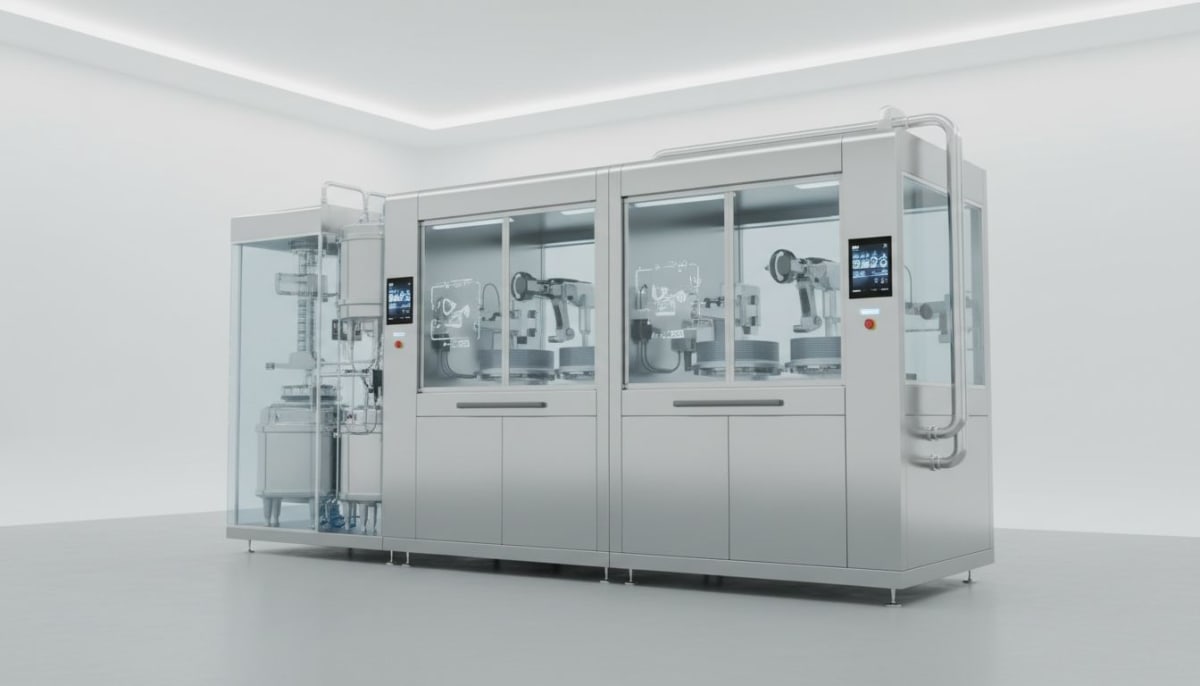
    Choosing the optimal cleaning method is just as crucial as deciding on the system type that suits your production environment. Semiconductor cleaning technology is no longer optional but a vital process for producing high-quality products. Particularly when considering the scale and efficiency of the production line, deciding between manual and automated systems is a critical issue that directly affects a company’s productivity. To meet these complex demands, Huvics provides Full Auto and Manual cleaner systems in various cleaning methods, aiding customers in making the best decisions.

    Characteristics and Limitations of Manual Cleaning Method

    The manual cleaning method shows flexibility in low-volume production or multi-variant small-scale manufacturing setups. It offers the advantage of relatively lower initial investment costs, enabling operators to finely control the cleaning process and respond immediately to special requirements. For instance, small research labs or production lines creating prototypes or custom semiconductor parts with extremely sensitive and unique structures may find the manual approach efficient. However, the consistency of cleaning results can depend on operator skill, and the method proves unsuitable for mass production, increasing labor costs.

    Advantages and Efficiency of Automated Systems

    Conversely, automated systems excel in mass production environments. By precisely repeating set processes with minimal user intervention, they ensure uniform and stable quality. Huvics’ automated systems precisely control cutting-edge cleaning technologies like Water Jet and Micro Bubble to deliver flawless cleaning power without deviation. This is particularly crucial for producing parts like camera modules or high-performance sensors, where a defect rate nearing zero is essential. While the initial investment may be high, the long-term economic benefits, including labor cost savings, increased production volume, and defect rate reduction leading to yield improvement, are significant. Furthermore, 24/7 uninterrupted operation maximizes productivity, and data-driven process management allows continuous improvement, offering substantial advantages. Huvics supports informed investments by collectively considering customers’ production scale, product characteristics, budget, and future growth plans, providing tailored offers for manual or automated systems, or even hybrid solutions combining both.

    Customized Cleaning Solutions with Huvics

    The Importance of Selecting the Optimal Cleaning Method

    Ultimately, choosing semiconductor cleaning technology is not merely about adopting the latest technology but rather finding the best-fit attire for your company’s production environment and product specifications. A blind preference for the most powerful Water Jet method or selecting the Micro Bubble method solely because of its advanced nature can result in inefficiencies. For example, the Water Jet method provides overwhelming efficiency and economy for cleaning relatively robust parts produced in large quantities, but for ultra-precise and high-quality components allowing for no minute damage, the Micro Bubble method might be more suitable. Similarly, while manual systems have advantages in small batch production or frequently changing processes common in research and development phases, automated systems become indispensable in settings prioritizing stable mass production and quality uniformity.

    Huvics’ Customized Solutions and Partnership

    Huvics clearly understands the complexities and various pros and cons of cleaning methods and systems and focuses on providing customer-specific solutions based on this understanding. More than just selling equipment, Huvics accurately understands the current production goals and future vision of clients to establish the optimal cleaning system that reduces defect rates and ensures product quality stability. Like a guide offering the fastest and safest path to a traveler faced with a complex map, Huvics promises to be a reliable partner that can maximize clients’ productivity and improve quality. With relentless research and innovation pushing the boundaries of semiconductor cleaning technology, successful business outcomes are never just a dream when partnering with Huvics.

    The decision between manual and automated systems in semiconductor cleaning processes is an important one that goes beyond production methods, impacting a company’s future competitiveness. Understanding the unique strengths and limitations of each method and finding the solution best suited to your production environment is key. Huvics provides customized cleaner systems with advanced technologies like Water Jet and Micro Bubble based on clients’ specific requirements and goals, helping make the smartest investments possible. Ultimately, even in a changing market, partnering with Huvics ensures the ability to maintain unwavering quality and efficiency for continued business success.


    Huvics is a high-tech company developing and manufacturing automation equipment and production systems across the semiconductor, LED, Mobile, and Cosmetic industries.
    We support customers’ productivity improvement and quality competitiveness with top talent and ongoing technological innovation.

    Contact Huvics Inc.

    Phone: 031-374-8285
    Email: cdpark@huvics.com
    Huvics Inquiry