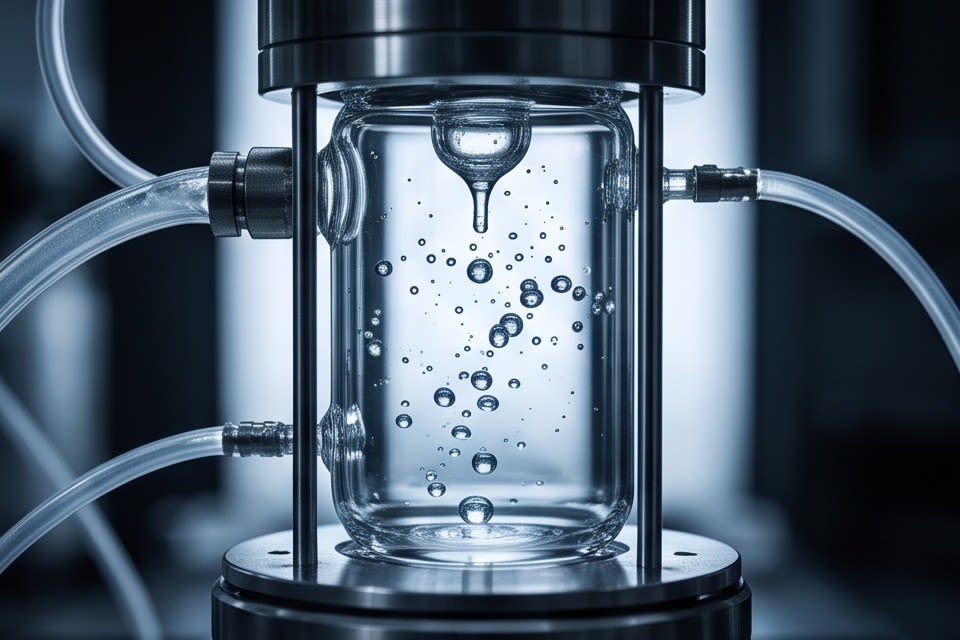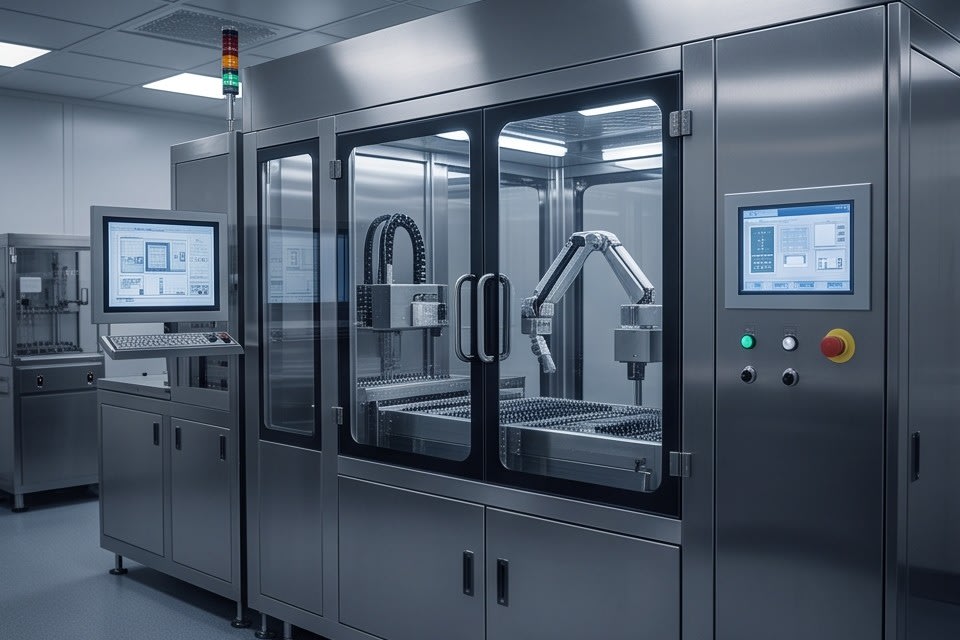

It is time to move beyond the idea that shaving a few more micrometers off the thickness of a semiconductor package will not change its performance. As demand for AI semiconductors and high performance memory grows explosively, stacked packaging that vertically stacks dozens of chips has become common, and a single thickness variation has become a factor that can shake the reliability of the entire process. This may sound exaggerated, but when you examine the defect data accumulated in actual manufacturing sites, it is far from an empty claim. Let us take a closer look at how equipment operation becomes the starting point of quality.
Why Thickness Uniformity Determines Packaging Reliability
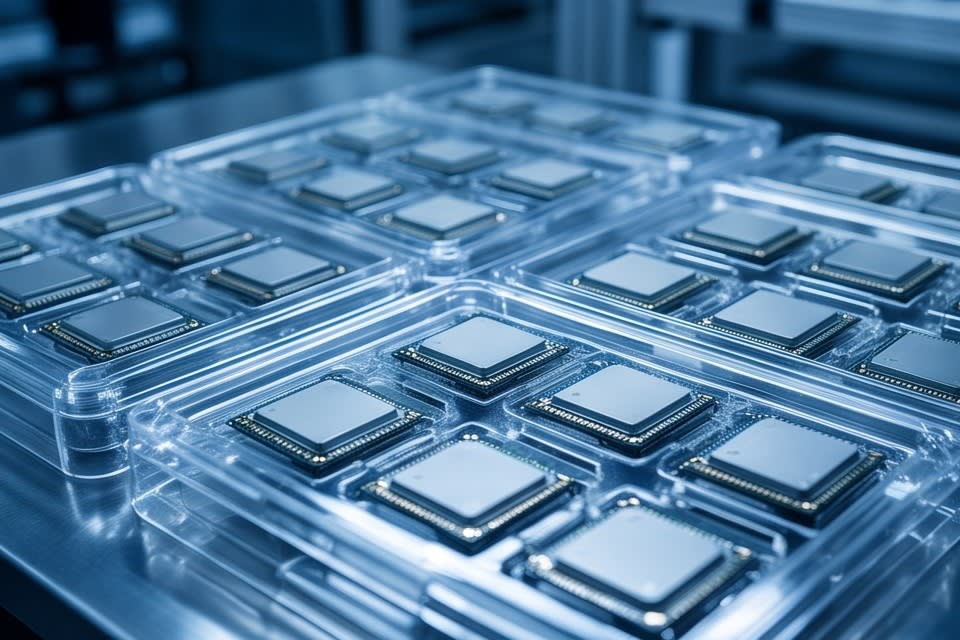
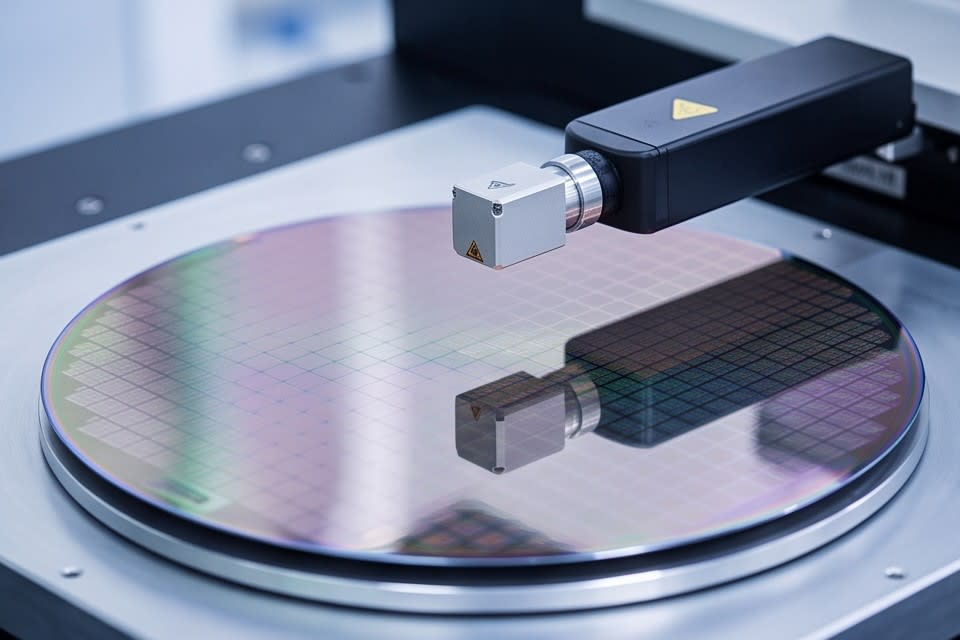
In high performance semiconductor packaging, thickness uniformity is not optional. In a structure where chips are stacked in multiple layers, even a slight deviation in the thickness of each layer can create voids at the joints or concentrate stress at specific points during subsequent bonding or stacking processes. This phenomenon is not easily noticeable at first, but over time it seriously reduces electrical reliability.
The concept of total thickness variation, or TTV, reveals this issue numerically. This is why international standards define the allowable TTV range for advanced applications at ±2 to 5 micrometers. As package types become more diverse, such as FCBGA, WLCSP, and QFN, the required machining precision becomes even higher. On manufacturing sites, allowable deviations vary by package type, and process conditions are adjusted in detail. Ultimately, the stability of the packaging process depends on how uniformly thickness can be maintained.
How Grinding Equipment Operation Determines TTV Stability
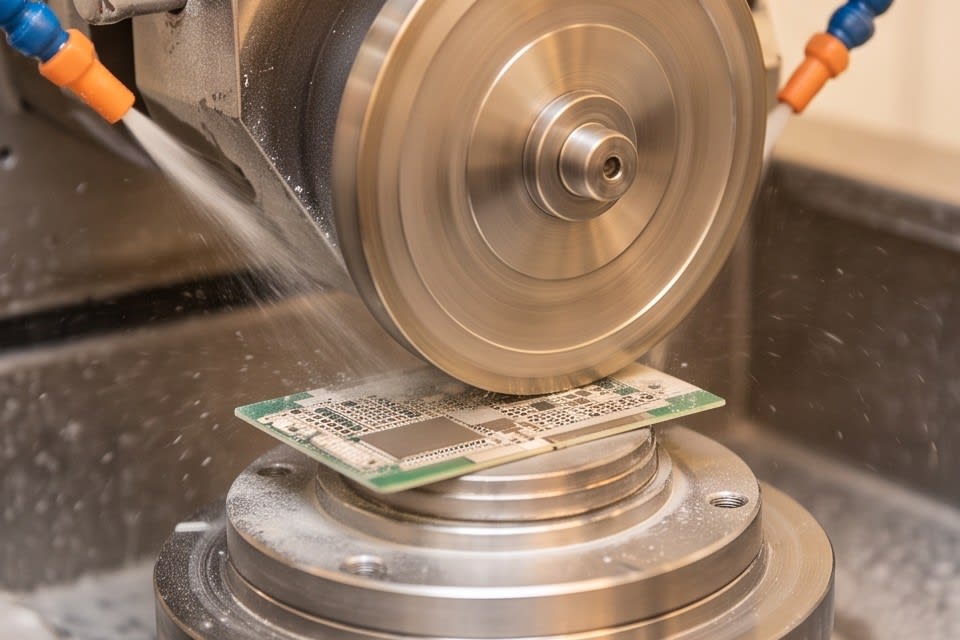
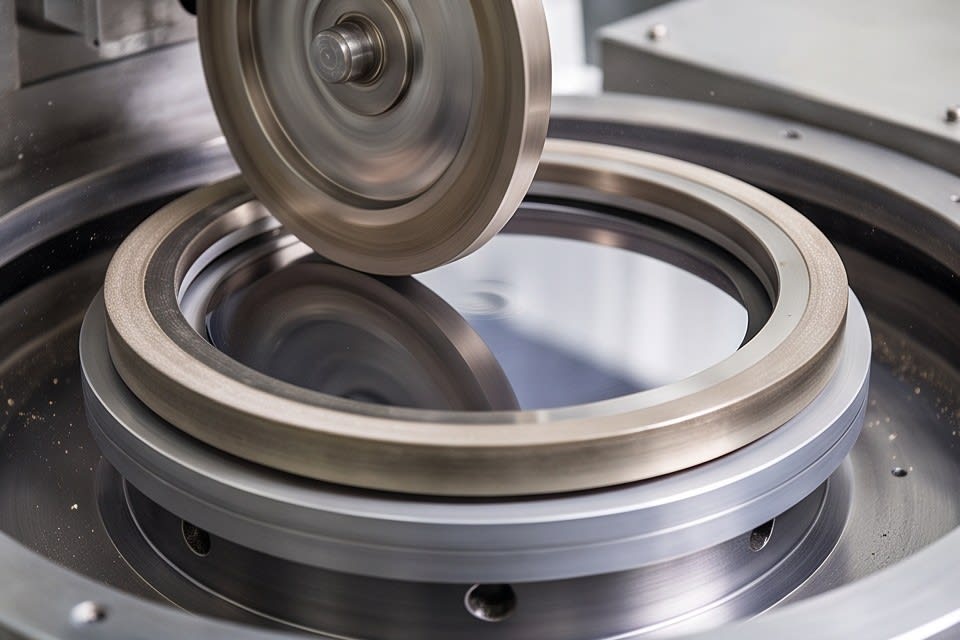
The way grinding equipment achieves TTV stability lies in the combination of mechanical precision and process design. Spindle speed, the material and grit size of the grinding wheel, and the leveling precision of the stage must work together to enable uniform machining at the micrometer level. In the industry, grinding equipment spindles are known to operate in the range of 5,000 to 60,000 RPM depending on the application and material, and selecting the appropriate speed within this range directly affects yield.
Huvics PKG Grinder combines a high precision stage with a diamond wheel to deliver stable grinding within this range. With Full Auto A Type, B Type, and Manual Type options, line configurations can be selected flexibly, allowing the process to be designed differently according to production scale or product characteristics. The level of automation selected affects the production efficiency of the entire line, and reducing operator intervention also reduces sources of variation. Controlling TTV within specification at the grinding stage is how the foundation is prepared for all subsequent processes.
Why the Cleaning Process Is the Final Gateway to Packaging Quality
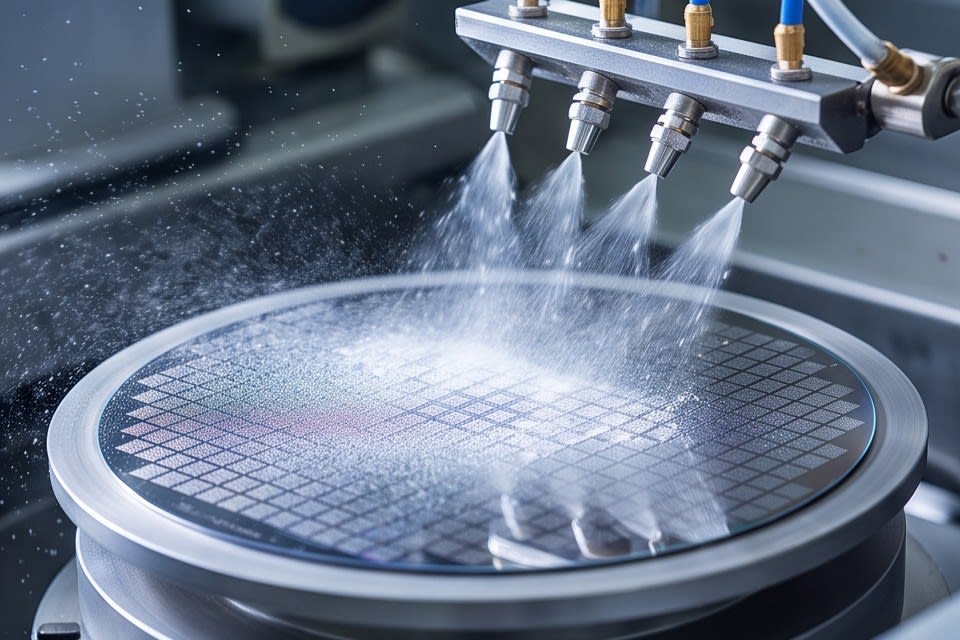
Even after grinding is completed, the risk factors in the packaging process do not disappear. If fine particles and machining residues generated during grinding remain on the surface, they can lead to bonding defects or contamination in later processes. Particle Removal Efficiency, or PRE, is an indicator of how effectively a cleaning system removes surface contaminants. As device structures become finer, even very small particles can affect performance, making it increasingly important to achieve high PRE.
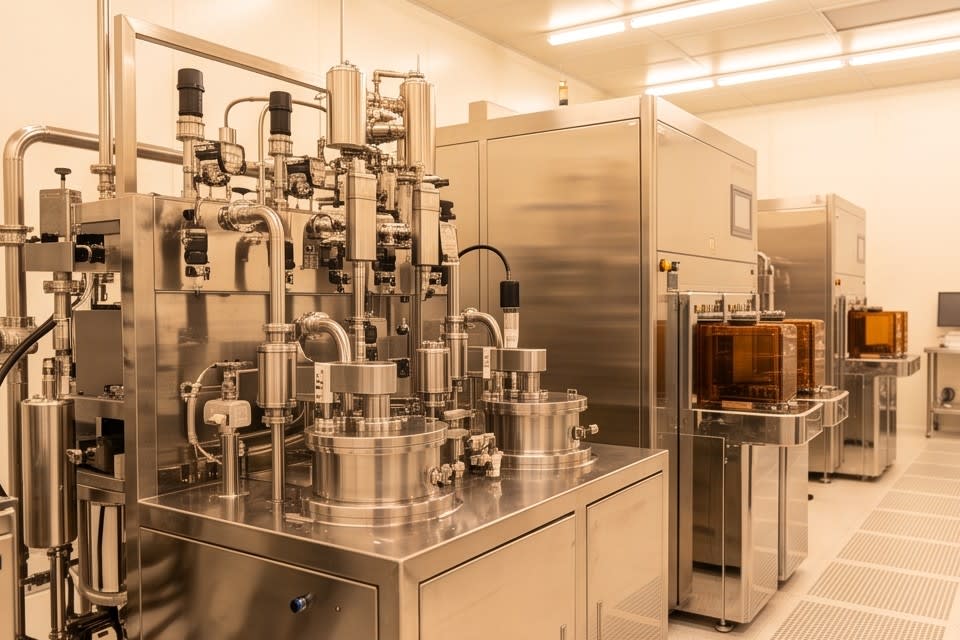
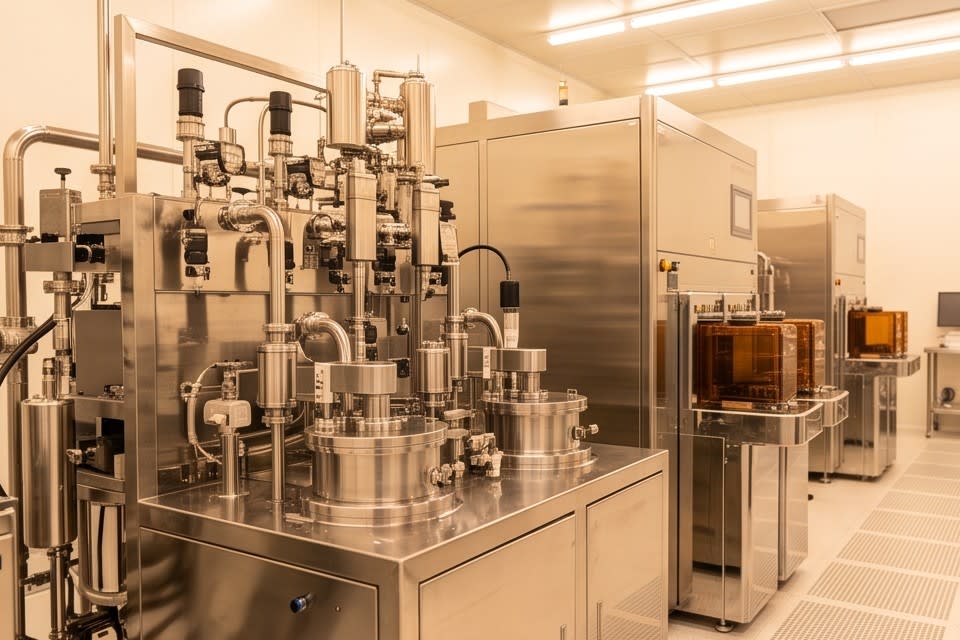
In the post grinding cleaning process, it has been confirmed that controlling the pressure of the buffing disk and the flow rate of chemical solutions is effective in improving PRE. Huvics Cleaner System adopts a multi step cleaning method that sequentially applies micro bubbles, water jet, and air knife, and adjusts cleaning conditions according to products with various forms and materials, including camera modules, sensors, VCM motors, and trays. It also includes an Oven Dry function, enabling the process from cleaning to drying to be handled in one continuous flow. Managing the connected process from grinding to cleaning and drying in an integrated way, rather than separating each step, is becoming a key trend for improving packaging quality stability.
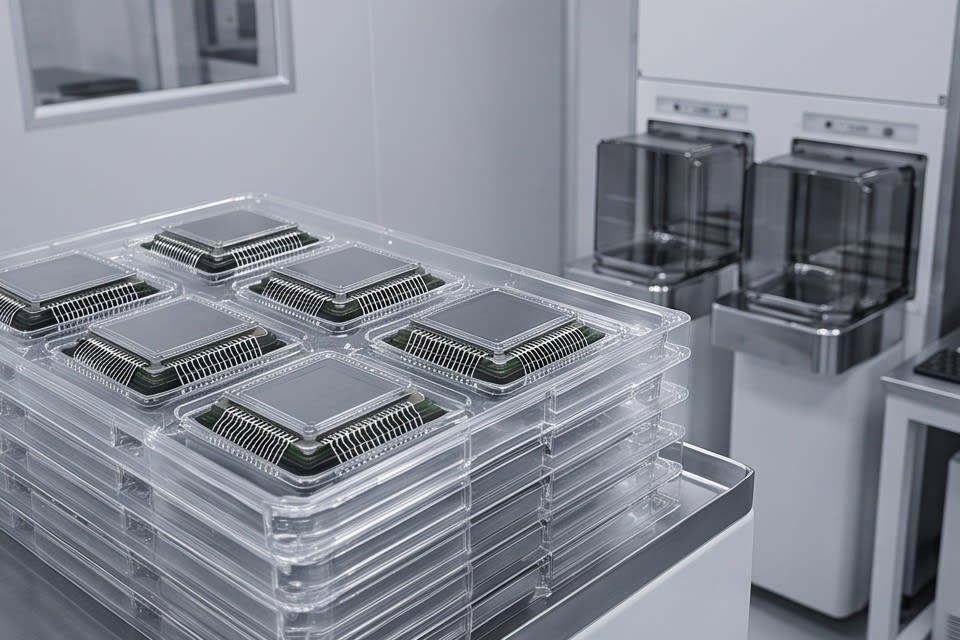
Only when grinding precision and cleaning efficiency work together can the reliability of the packaging process truly be secured. Controlling thickness variation at the micrometer level and completely removing contamination particles generated during that process are quality standards for high performance packaging. The fact that the way equipment is operated directly determines the reliability level of the product prompts us to reconsider the standards by which processes should be designed and managed.
Huvics is an advanced technology company that develops and manufactures automation equipment and
production systems across the Semiconductor, LED, Mobile, and Cosmetic industries.
With outstanding talent and continuous technological innovation, we support customers in improving productivity and
securing quality competitiveness.
Huvics Contact Information
Phone: 031-374-8285
Email: cdpark@huvics.com