Tag: CleanProcess

  • Summary of the Three Vulnerabilities in Semiconductor Process Contamination

    Summary of the Three Vulnerabilities in Semiconductor Process Contamination

    Just a few years ago, ‘micro contamination management’ in semiconductor processing used to focus primarily on specific key stages. However, recent advancements in circuit miniaturization and heightened yield demands have set rigid standards allowing no room for a single micro particle. Now, every moment—from wafer processing to cleaning and even material transfer—is recognized as a contamination-prone ‘critical moment.’ Amid these changes, Huvics emphasizes the importance of integrated solutions that go beyond mere equipment supply to block contamination risks across the entire process. Where should our semiconductor industry look for new solutions to reduce defect rates moving forward?

    Micro Contamination Control in Grinding and Polishing Stages

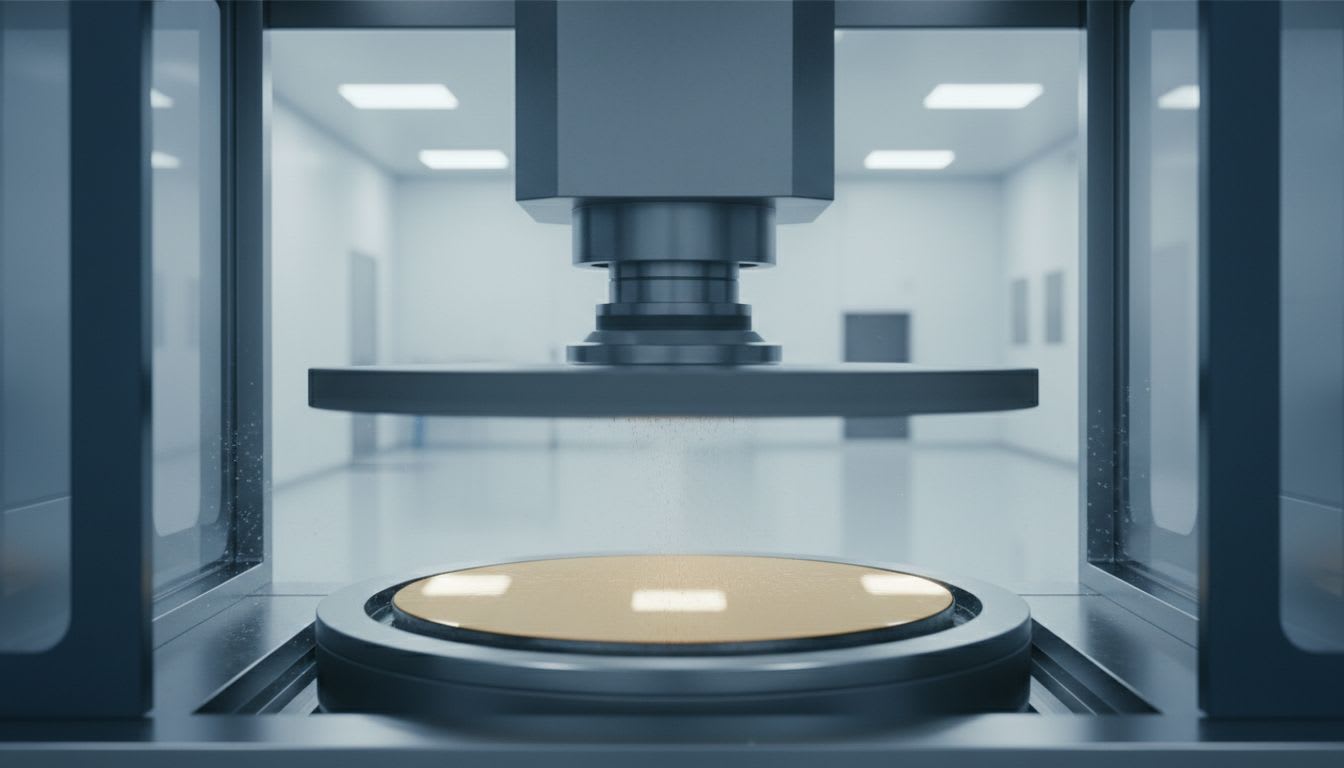
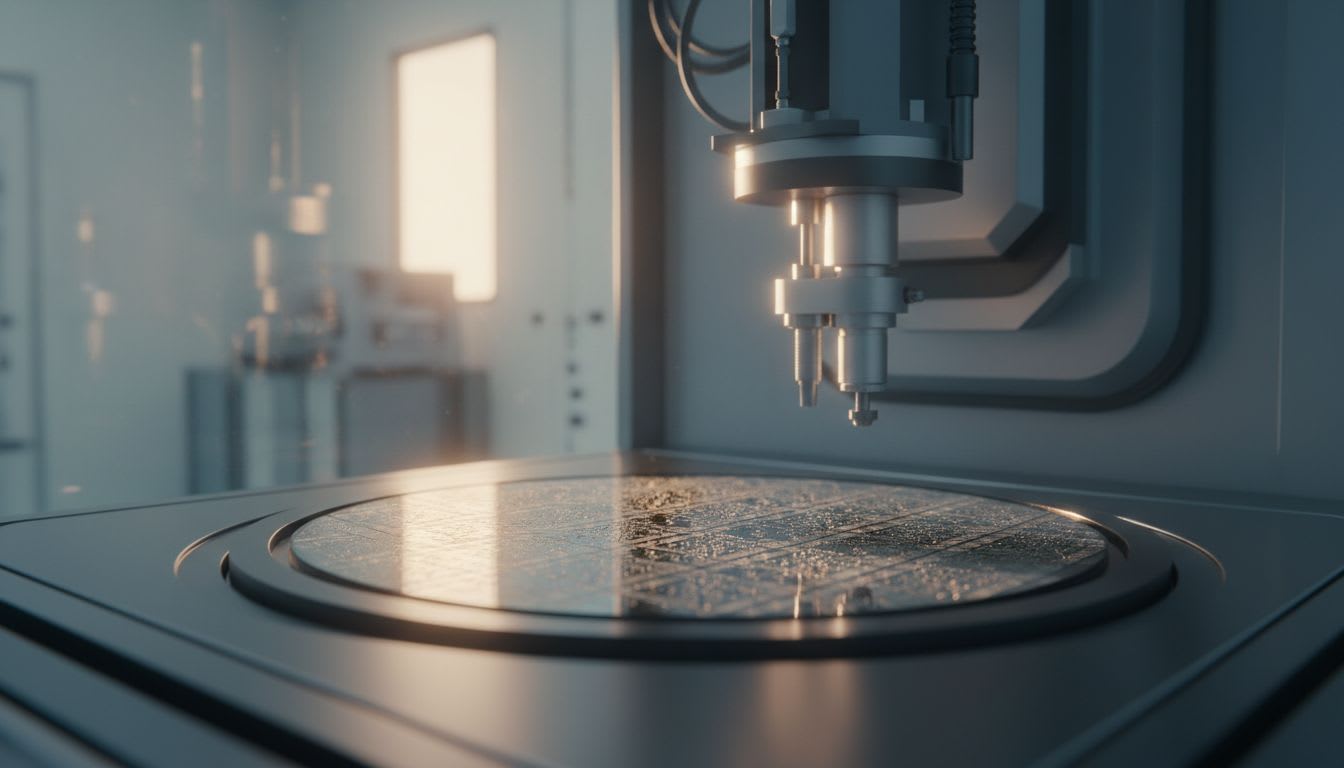
    Everyone in the semiconductor industry agrees that even a small defect can lead to significant losses for the entire production line. The grinding and polishing stages, especially, where wafers or packages are processed to a specified thickness, inevitably involve mechanical friction and material removal, which can result in the mass generation of micro particles. These dust particles, barely visible to the naked eye, can cause critical defects such as shorts or functionality deterioration of micro circuits if they enter subsequent processes. Hence, the effectiveness of controlling contamination sources at this initial stage becomes crucial in determining the defect rate of the entire process. Huvics’ Grinder System and PKG Grinder dramatically minimize the occurrence of these contamination sources through ultra-precision grinding technology and micron-level precision machining capabilities. This not only involves material removal but also lays down a robust foundation for ensuring high-quality stability of the final product by reducing contamination risks from the beginning and guaranteeing the precise thickness and uniformity our clients require.
    Residual Contamination Removal through Multistage Cleaning and Perfect Drying

    Issues in Cleaning and Drying Processes

    No matter how much contamination is reduced during the grinding and polishing process, micro particles are almost impossible to avoid completely. Therefore, a multistage cleaning technology that thoroughly removes residual contamination particles on the product surface right after processing is critical for the success of the next stages. The interface where drying occurs after wet cleaning is a particularly sensitive moment that can cause new contamination, thus requiring a perfect finish beyond simple cleaning. For instance, the following problems may arise:

    • Residual chemicals can adversely affect subsequent processes
    • Improper drying can result in watermarks forming on the surface
    • Ambient micro particles can reattach during drying

    Huvics’ Multistage Cleaning Technology

    To address these fundamental contamination issues, Huvics’ Cleaner Machine employs the following multistage cleaning technologies to meticulously eliminate even the finest contamination particles from product surfaces.

    • Micro bubble technology is used to effectively remove micro contamination particles
    • Powerful water jet technology cleans residual contaminants from surfaces
    • An air knife technology ensures complete drying and prevents reattachment

    Oven Dry for Perfect Drying

    Moreover, through a robust Oven Dry function, it thoroughly prevents watermarks or reattachment phenomena that can occur after cleaning, maximizing particle removal efficiency and firmly ensuring the quality stability of the final product.

    Blocking Contamination Risks in Material Transfer and Handling Processes

    Contamination Sources in Transfer and Handling Processes

    Another overlooked contamination vulnerability in semiconductor processing is the material transfer and handling process between process stages. Every moment that wafers or packages are moved from one piece of equipment to another, or during loading and unloading, they are inevitably exposed to the external environment. During this time, the following contamination sources can lead to critical defects in the final product:

    • Invisible airborne micro particles ingress
    • Contamination from minor contact by operators
    • Contamination originating from the transfer trays or jigs themselves

    Particularly if the transfer tools, which are supposed to be kept clean, contain contamination sources, then no matter how strictly the process stages are managed, it becomes futile.

    Automated Transfer System

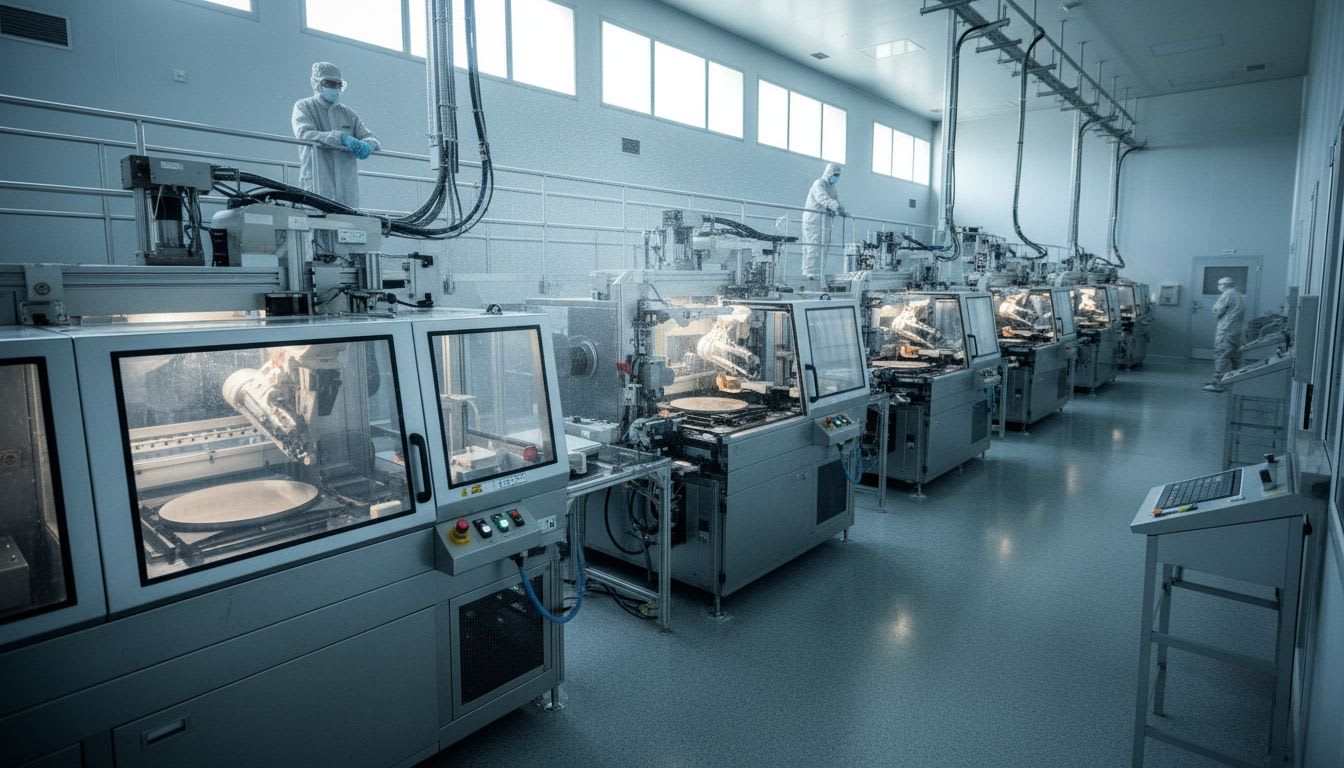
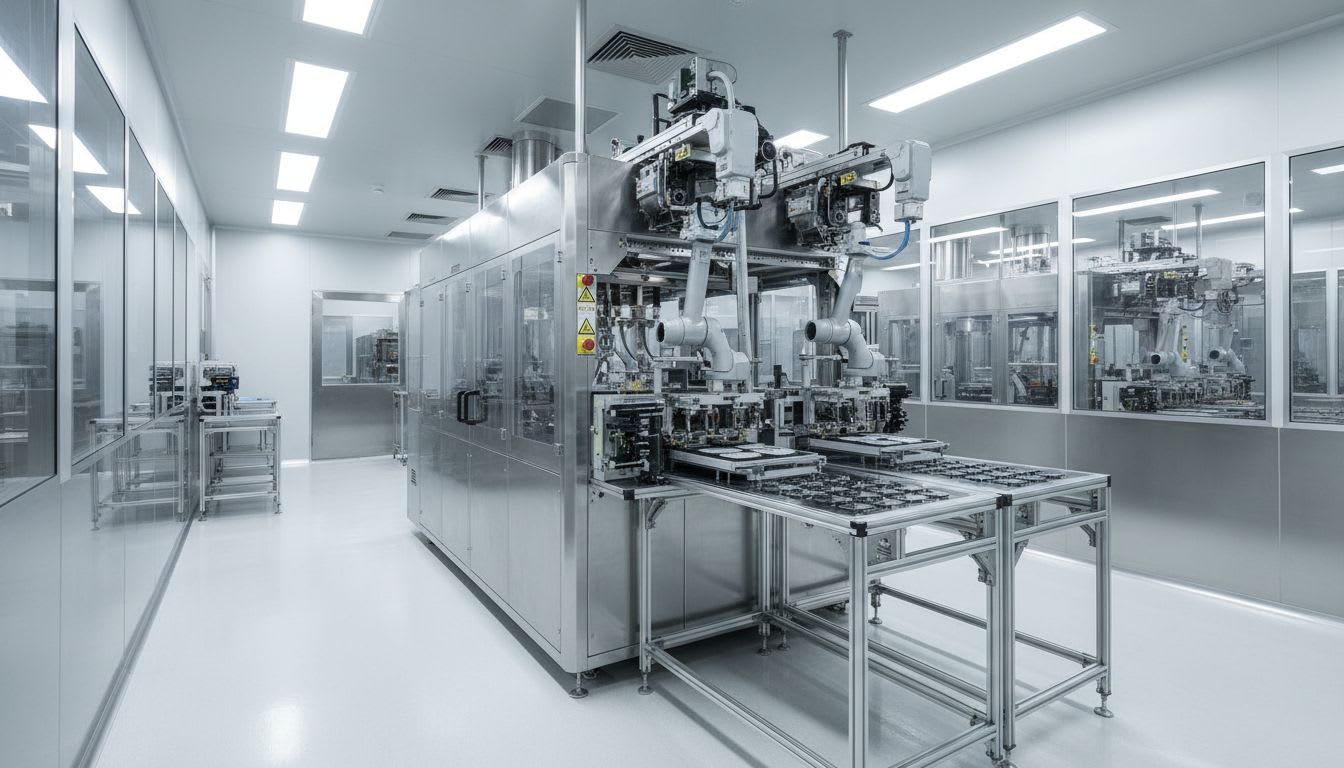
    With a deep understanding of these potential threats, Huvics plays a critical role in establishing a ‘fully automated transfer and clean handling protocol’ that surpasses mere process efficiency. Huvics’ Full Auto system minimizes contact with the external environment during material transfer between equipment and fundamentally eliminates the possibility of human error.

    Cleaning and Drying of Transfer Tools

    To thoroughly remove micro contamination particles that might remain on transfer trays or jigs, Huvics provides a Cleaner Machine featuring the following multistage cleaning technologies.

    • The use of micro bubble technology effectively removes micro particles
    • Powerful water jet technology cleans residual contaminants from surfaces
    • The air knife technology ensures complete drying and prevents reattachment

    This goes beyond simple cleaning to guarantee perfect drying through an Oven Dry function, fundamentally preventing the transfer tools from becoming contamination sources themselves.
    Reducing Defect Rates with Huvics’ Integrated Contamination Management Solutions

    To significantly reduce defect rates occurring in semiconductor processing, it is vital to clearly recognize and effectively control that micro contamination sources can threaten product stability throughout the entire process rather than just at specific stages. From this perspective, Huvics focuses on three contamination-prone key moments to actively support high-quality semiconductor production.

    1. Precisely controlling contamination sources in mechanical processing to minimize contamination risks.
    2. Perfectly removing residual contamination in the post-cleaning drying stage to prevent secondary contamination.
    3. Controlling the environment of the material transfer process and using automation to reduce recontamination risks.

    In this way, Huvics ensures rigorous management from the start to the end of the semiconductor process, including even the inter-phase transfer stages, promising increased production efficiency and high product reliability for our clients.

    Contamination management, which once focused on specific processes just a few years ago, now demands an integrated view encompassing the entire process. As we’ve explored today, every stage of semiconductor production—from wafer processing to post-cleaning drying and material transfer—carries potential contamination vulnerabilities. Huvics provides the essential solutions needed to protect the valuable productions of our clients against these invisible contamination sources, serving as a solid partner for the highest-quality semiconductor production. Ultimately, impeccable contamination control will be the crucial key determining the success of the future semiconductor industry.


    Huvics is a high-tech company developing and manufacturing automation equipment and production systems across semiconductor, LED, mobile, and cosmetic industries.
    With top-tier personnel and continuous technological innovation, we support enhancing our customers’ productivity and securing quality competitiveness.

    Huvics Co., Ltd. Contact

    Phone: 031-374-8285
    Email: cdpar&#k@huvics.com

    Huvics Inquiry

  • The Real Reason Why Semiconductor Grinding Matters – Understanding Chip Quality with Huvics Technology

    The Real Reason Why Semiconductor Grinding Matters – Understanding Chip Quality with Huvics Technology

    Have you ever felt a strange sense of curiosity mixed with unease when you turn on your smartphone’s camera or launch the latest game, wondering, ‘How does this tiny device handle such complex tasks?’ It’s astonishing that everything is contained within a semiconductor chip smaller than a fingernail. Yet, it’s also nerve-wracking to think that this small component could halt the entire system. If you work in the semiconductor industry, you’re even more aware of how precision-made these chips are through intricate processes. Huvics shares this concern over the nuances that determine product performance and lifespan through semiconductor grinding technology and strives to provide the best solutions continuously.

    Semiconductor Grinding: A Key Technology for Determining Chip Performance and Lifespan

    The Importance of Grinding Processes

    Semiconductors are at the heart of numerous essential electronic devices in our lives. We often overlook how meticulously these small chips are crafted. The ‘grinding’ process, for instance, is easily dismissed as merely smoothing the surface of semiconductor wafers. However, this grinding process is crucial in determining the performance and lifespan of chips. By meticulously refining and correcting minute defects and thickness irregularities from the initial wafer production phase, the grinding stage significantly influences the final product’s quality. Like the precise gears of a clock, even small errors can compromise the stability and accuracy of the entire system.

    Modern Technological Demands and Huvics’ Solutions

    As modern electronic devices become smaller and more efficient, the density of semiconductor chips continues to increase. This means more circuits and components need to be concentrated within the chip, and even minor thickness errors or surface irregularities can critically affect the system’s stability and performance. Huvics deeply understands these industrial demands and technological significance. By focusing on ultra-precision grinding technology, we solve subtle issues faced by our customers and provide the best solutions. Huvics’ grinding systems, available in both fully automatic and manual types, can be flexibly applied to various production environments and requirements, serving as a successful partner for our customers’ businesses with technology that doesn’t miss even the smallest details.

    Ensuring Wafer Thickness Uniformity and Perfect Cleaning Technology

    Ensuring Wafer Thickness Uniformity

    Why is semiconductor grinding truly important? The core lies in achieving ‘perfect thickness uniformity’ of the wafer and ‘absolute cleanliness’ of its surface. Huvics’ ultra-precision grinding technology uses diamond wheels and high-precision stages to process wafers to micron-level thickness thinner than a hair. Maintaining uniformity across the entire wafer thickness, without any deviation, is crucial. Only then can the electrical characteristics within the chip stabilize, ensuring the performance and reliability of the final semiconductor chip. If thickness is inconsistent, it can cause unforeseen electrical instability or performance degradation.

    The Importance of Multi-Step Cleaning Technology

    The minute particles or contaminants left on the wafer surface after grinding cannot be overlooked. Such impurities must be completely removed as they are primary factors for increased defect rates in semiconductor chips and degradation of ultimate performance. Huvics applies the following innovative multi-step cleaning technology to meticulously remove contaminants from the wafer surface:

    • Effectively removes fine particles from the wafer surface using micro bubbles
    • Cleans remaining contaminants thoroughly with powerful water jets
    • Completely dries the wafer surface after cleaning using an air knife

    These technologies, when combined with oven dry functions if necessary, ensure a perfect drying process. Through the perfect integration of ultra-precision grinding and multi-step cleaning technologies, Huvics significantly reduces defect rates, actively contributing to producing semiconductor chips of the highest quality and performance for our customers.

    Grinding Solutions for Various Semiconductor Packages and Applications

    Wide Range of Applications

    The importance of semiconductor grinding isn’t restricted to just specific chip manufacturing. Huvics provides optimized solutions across a wide range of fields through precision grinding technology, such as:

    • Grinding high-performance semiconductor packages like FCBGA, WLCSP, QFN/DFN
    • Precision grinding in solar cell manufacturing processes

    The key is to finely set grinding conditions according to each package’s characteristics, ensuring the uniformity of chip thickness and maximizing electrical performance. This greatly enhances the functionality and reliability of various products.

    Application Cases by Major Package Types

    For instance, in FCBGA packages requiring high-density integration, Huvics’ high-precision grinding technology corrects minute defects and processes the surface uniformly to minimize electrical signal loss. This leads to increased data transmission speed and improved power efficiency, directly contributing to enhancing the performance of smart devices or servers. Moreover, grinding technology is essential for increasing solar power generation efficiency. The surface of solar cells processed with Huvics technology drastically enhances light absorption rates, enabling the production of more energy. Huvics’ adaptable technology, capable of flexible application to various packages, is a significant driving force for both the success of our customers and the advancement of the semiconductor industry. The Full Auto and Manual Grinder Systems offer optimized support tailored to customers’ production environments, with Huvics being more than a mere technology provider, creating the future together as partners.

    Huvics Grinding Technology Opens the Future of the Advanced Semiconductor Industry

    Core Driver of Advanced Technological Development

    Semiconductor grinding is the core driver of advanced technological development that goes beyond smoothing surfaces, making our lives more convenient. The technology to grind wafers thinly and perfectly uniformly significantly enhances a chip’s electrical properties and opens up possibilities for integrating more functions into limited spaces. This precision enables innovative technologies like:

    • Improving the performance of essential electronic devices in everyday life such as smartphones and computers
    • The stable implementation of advanced future mobility technologies such as autonomous vehicles

    This indicates that the importance of semiconductor grinding is directly linked to the development of modern technological civilization.

    Huvics’ Ultra-Precision Grinding System

    Huvics leads innovations in semiconductor grinding technology. Through the ultra-precision PKG Grinder that processes wafers uniformly and accurately to the desired thickness, we maximize chip performance and reliability. Diverse Grinder Systems that enhance production line flexibility guarantee optimal solutions in any production environment.

    • Full Auto Type: Maximizes efficiency in mass production, contributing to increased productivity
    • Manual Type: Optimized for tailored production environments through precise control

    Cleaner Machines for Perfect Cleaning

    Additionally, the minute contaminants left on the wafer surface after grinding are primary causes of chip defect rates and performance degradation, requiring perfect removal. Huvics’ Cleaner Machine utilizes the following multi-step cleaning technologies along with oven dry functions to implement a perfect drying process free of secondary contamination:

    • Effectively removes fine particles from the wafer surface using micro bubbles
    • Thoroughly cleans remaining contaminants with powerful water jet sprays
    • Completely dries the wafer surface post-cleaning using an air knife

    This system significantly reduces defect rates and ensures the stability of final quality, making a decisive contribution to the success of our customers.

    Ultimately, Huvics’ precision grinding technology plays an essential role in creating smaller, faster, and more efficient next-generation semiconductor chips. This aligns deeply with Huvics’ goal to cultivate better technology and a richer future, persistently leading the advancement of the semiconductor industry with innovative technology.

    Ultimately, semiconductor grinding ensures the micron-level thickness uniformity and perfect cleanliness of the wafer, which in turn, is a key process that determines chip performance and reliability. When backed by such ultra-precision technology, it’s possible to implement smaller, faster, and more efficient next-generation semiconductor chips. Through innovative grinding and cleaning solutions, Huvics will continuously lead the advancement of advanced technological civilization, surpassing the limits of this precision.


    Huvics is a high-tech company developing and manufacturing automation equipment and production systems across the semiconductor, LED, mobile, and cosmetic industries.
    We support improving customer productivity and securing quality competitiveness through the best workforce and continuous technological innovation.

    Contact Huvics Co., Ltd.

    Phone: 031-374-8285
    Email: cdpark@huvics.com

    Huvics Inquiry