Tag: Grinder

  • Precision Measurement of Grinder, Are You Managing It Properly with These 3 Key Points?

    Precision Measurement of Grinder, Are You Managing It Properly with These 3 Key Points?

    Recently, I vividly recall the face of a customer in charge, who was anxious due to accuracy issues with their semiconductor Grinder equipment. Their urgent question was, “How can we properly measure and manage the precision of this equipment?” At Huvics, we offered 3 key checkpoint suggestions based on our accumulated expertise. As a result, the customer was able to significantly reduce defect rates and greatly enhance production efficiency. Does the Grinder equipment still seem daunting to you? Let Huvics clearly highlight the essentials of precision measurement.

    In cutting-edge industries, particularly in semiconductors and electronic components, the precision of Grinder equipment is directly linked to a company’s core competitiveness. In a microscale environment, even a 1-micron error can lead to fatal defects, making precision crucial for avoiding productivity decline and increased costs while maintaining market trust. Understanding these industry demands, Huvics supports customers in achieving consistent quality and stable productivity through micron-level precision processing capabilities. So, how should the ‘true’ accuracy of Grinder equipment be measured and verified? Huvics offers clear practical checkpoints.

    Confirming Precision of Key Components

    Importance of Key Components

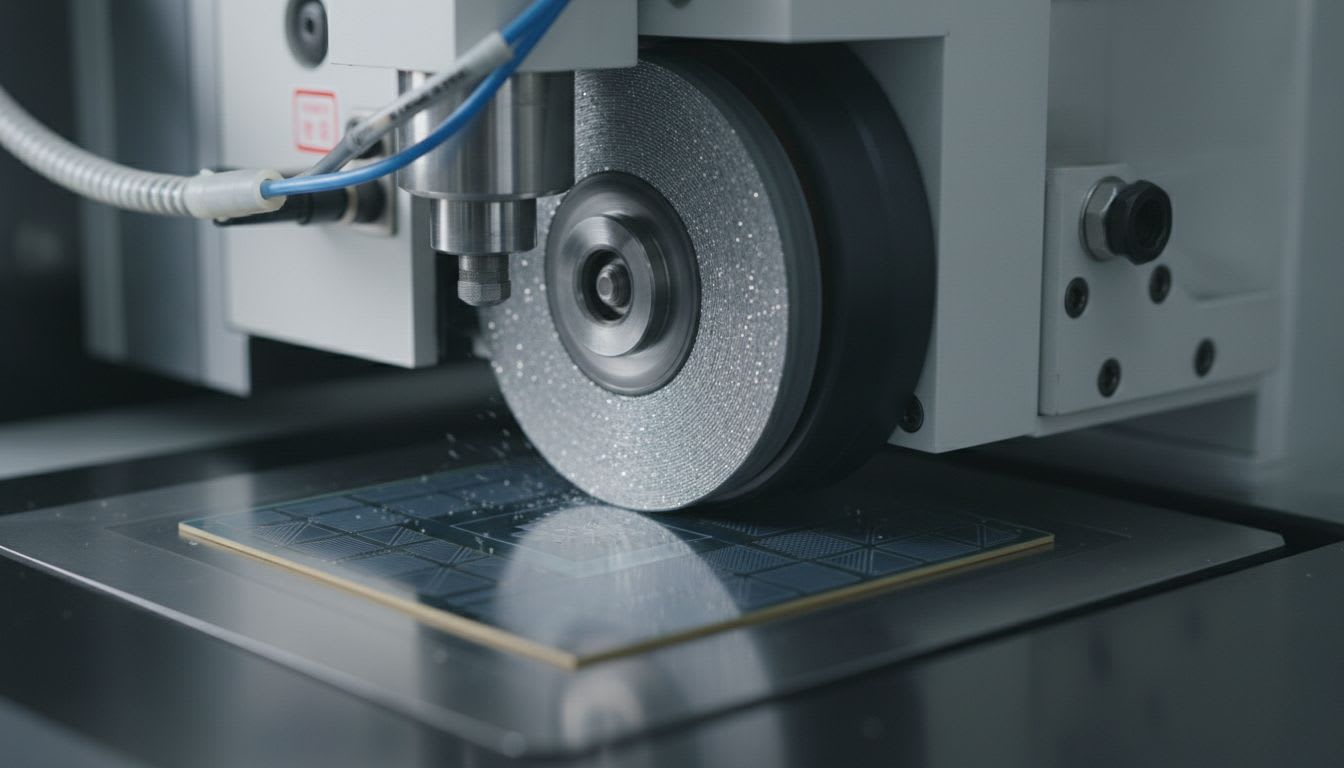
    The first key in measuring the precision of Grinder equipment is to meticulously check the precision of the key components known as the heart of the equipment, which are the stage and wheel. The stage moves and controls the processing target to precise positions, and the diamond wheel is the core tool that actually grinds the product. Without optimal performance from these two components, achieving the desired precision is impossible, regardless of the sophistication of the control system.

    Huvics’ Ultra-Precision Verification

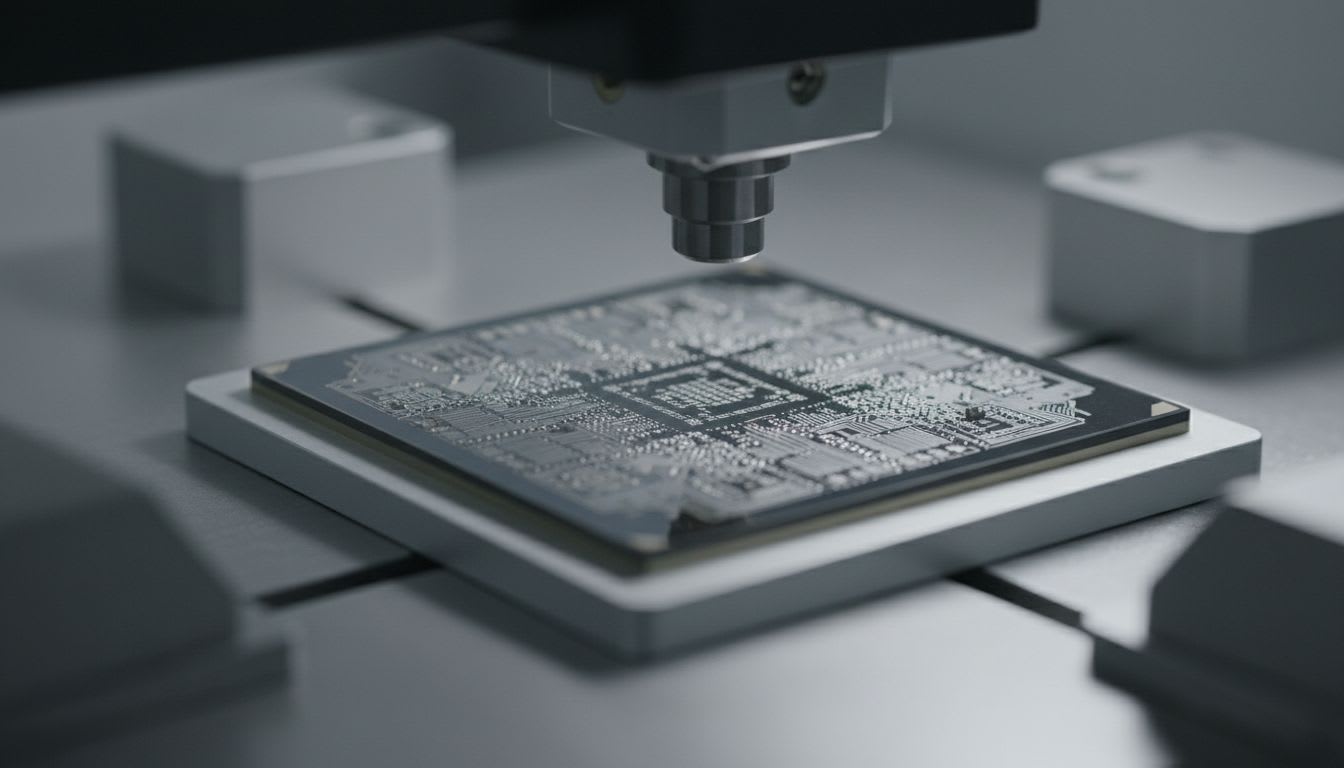
    For instance, during semiconductor package processing, slight vibrations of the stage or uneven wear of the wheel inevitably lead to processing defects. To fundamentally resolve these issues, Huvics delicately verifies the precision of stage movements in all Grinder systems using laser measurement equipment. Additionally, the surface roughness and roundness of diamond wheels are measured strictly using optical microscopes and high-performance surface roughness testers. This thorough verification process enables micron-level uniform and precise processing demanded by customers across various packages such as FCBGA, WLCSP, QFN/DFN, and Solar Cells. Precision of key components is a crucial first step that determines the quality and yield of the final product.

    Thickness Uniformity and Surface Roughness Analysis of Processed Samples

    Importance of Sample Analysis

    The second key checkpoint is to thoroughly analyze the thickness uniformity and surface roughness of samples actually processed using Grinder equipment. While the performance metrics of the equipment itself are important, the precision of the final output it produces is ultimately what matters. Even the most advanced equipment is pointless if the actual processing results do not meet expectations.

    Data-Based Precision Measurement

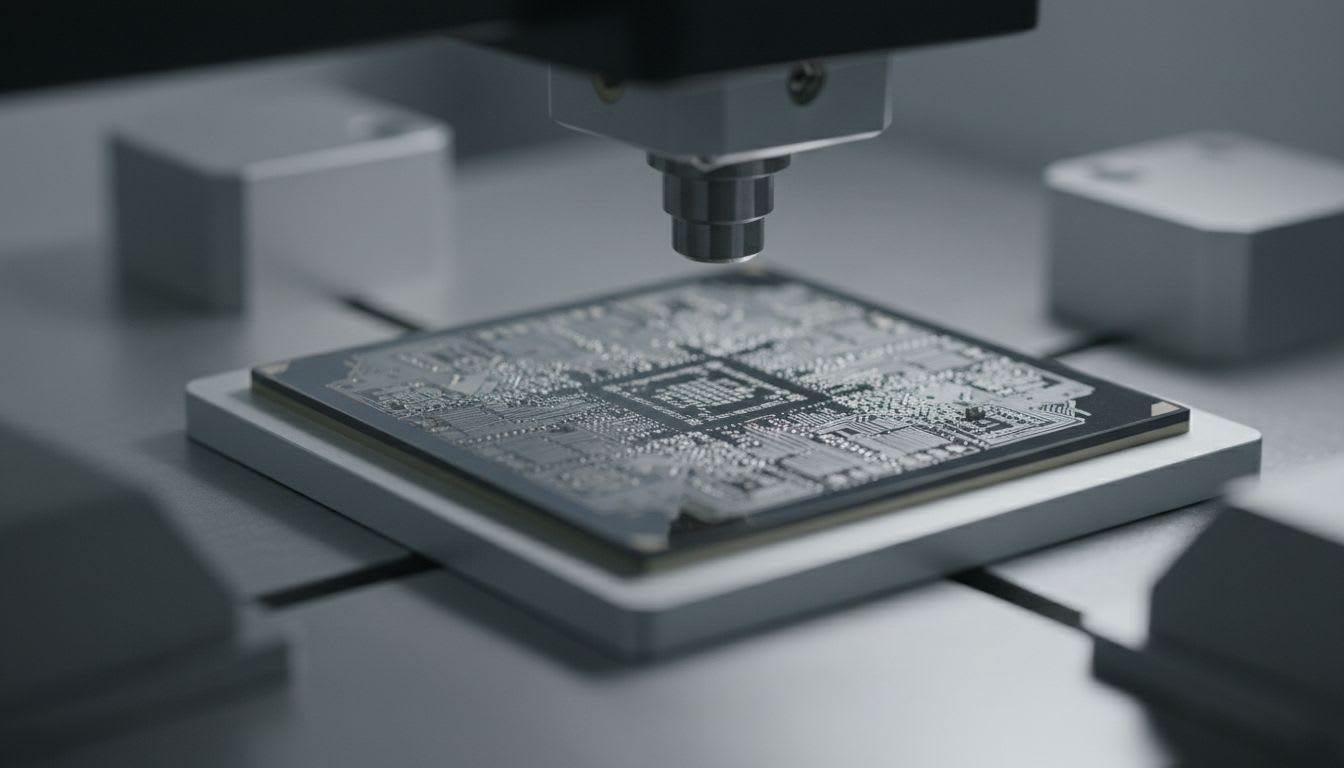
    For example, if a semiconductor wafer lacks uniformity in thickness or surface is rough during grinding, it can cause serious defects in subsequent processes, lowering the yield of the entire production line. To eliminate such uncertainties, Huvics precisely measures samples processed by Grinder equipment to provide objective analysis based on data. By measuring the thickness at multiple points of a sample to assess uniformity and examining whether the surface roughness meets target levels using cutting-edge profilometers, critical data is obtained. This directly reflects grinding performance, helping customers preemptively recognize potential equipment issues and maintain optimal processing conditions. Beyond merely supplying equipment, Huvics builds trust by optimizing the customer’s entire production process through quantitative data, ultimately ensuring successful production of final products with Total Solution.

    Monitoring Vibration and Noise of Equipment

    Necessity of Vibration and Noise Monitoring

    The third method to maintain and optimize the precision of Grinder equipment over the long term is to consistently monitor the vibration and noise levels occurring during equipment operation. Have you ever felt that the equipment sounds louder than usual in the production site or sensed slight vibrations? Such minor changes are often early signs indicating problems with the precision of Grinder equipment.

    Detection and Analysis of Abnormal Signals

    Excessive vibration or abnormal noise of equipment arises from various causes such as component wear, imbalance, and bearing issues, and they become a major factor leading to increased defect rates by deteriorating processing precision. To prevent such problems upfront, Huvics actively recommends continuous monitoring using vibration measurement sensors and noise meters. Vibration measurement sensors detect the equipment’s subtle movements in real time, converting them into data, while noise meters meticulously track any unusual noise patterns.

    Preventative Maintenance and Productivity Improvement

    Regular analysis of the collected data allows early detection of potential equipment issues, enabling prompt maintenance before leading to serious failures. Huvics aims not just to sell equipment but to support customers in maintaining the equipment’s optimal performance for an extended period, thereby maximizing production efficiency and product quality. By listening to every minor change in vibration and noise, Huvics stands by you in securing the precision of your equipment.

    Ultimately, the true precision of Grinder equipment is not limited to a singular measurement or particular component’s performance. From the perfection of key components to the meticulous uniformity of actual processing results, and the stability of long-term operations, it is the integration of all these elements that ensures the best quality and productivity. Understanding and proactively managing the significant impact a 1-micron difference can make in a microscale processing environment determines a company’s core competitiveness. Huvics will become a solid partner for your successful business from this integrated perspective.


    Huvics is a high-tech company developing and manufacturing automation equipment and production systems across the semiconductor, LED, mobile, and cosmetic industries.
    With the best workforce and continuous technological innovation, we support customers in improving productivity and securing quality competitiveness.

    Contact Huvics Co., Ltd.

    Phone: 031-374-8285
    Email: cdpark@huvics.com

    Contact Huvics

  • Purchasing Semiconductor Grinder Equipment, 3 Key Checkpoints for Success

    Purchasing Semiconductor Grinder Equipment, 3 Key Checkpoints for Success

    Think that the most expensive, latest model is the answer when purchasing semiconductor grinder equipment? Surprisingly, that’s not necessarily the case. The key is to choose equipment that is ‘just right for our company.’ Chasing advanced features alone can actually inflate unnecessary costs and reduce production efficiency. Huvics focuses on this aspect and offers grinder equipment solutions optimized for your production environment and goals. Let’s explore the three checkpoints to capture productivity and quality with a reasonable investment with Huvics.

    Purchasing a semiconductor grinder, a core of semiconductor manufacturing, is a critical decision that goes beyond merely acquiring machinery; it is directly related to the future of the production process. In today’s rapidly miniaturizing and highly integrated semiconductor industry, equipment selection affects product quality, productivity, and corporate competitiveness. A wrong choice can lead to a significant loss of time and cost, so thorough examination prior to purchase is essential. Huvics understands these concerns deeply and aims to provide clear guidelines to ensure you make a successful equipment adoption. Based on the importance of equipment that guarantees precision without error, efficient process flow, and perfect final quality, the next section will look at specific checkpoints that realize these core values.

    Precision Grinding Technology: The Core of Microprocessing

    The Importance of Precision Grinding in Microprocessing

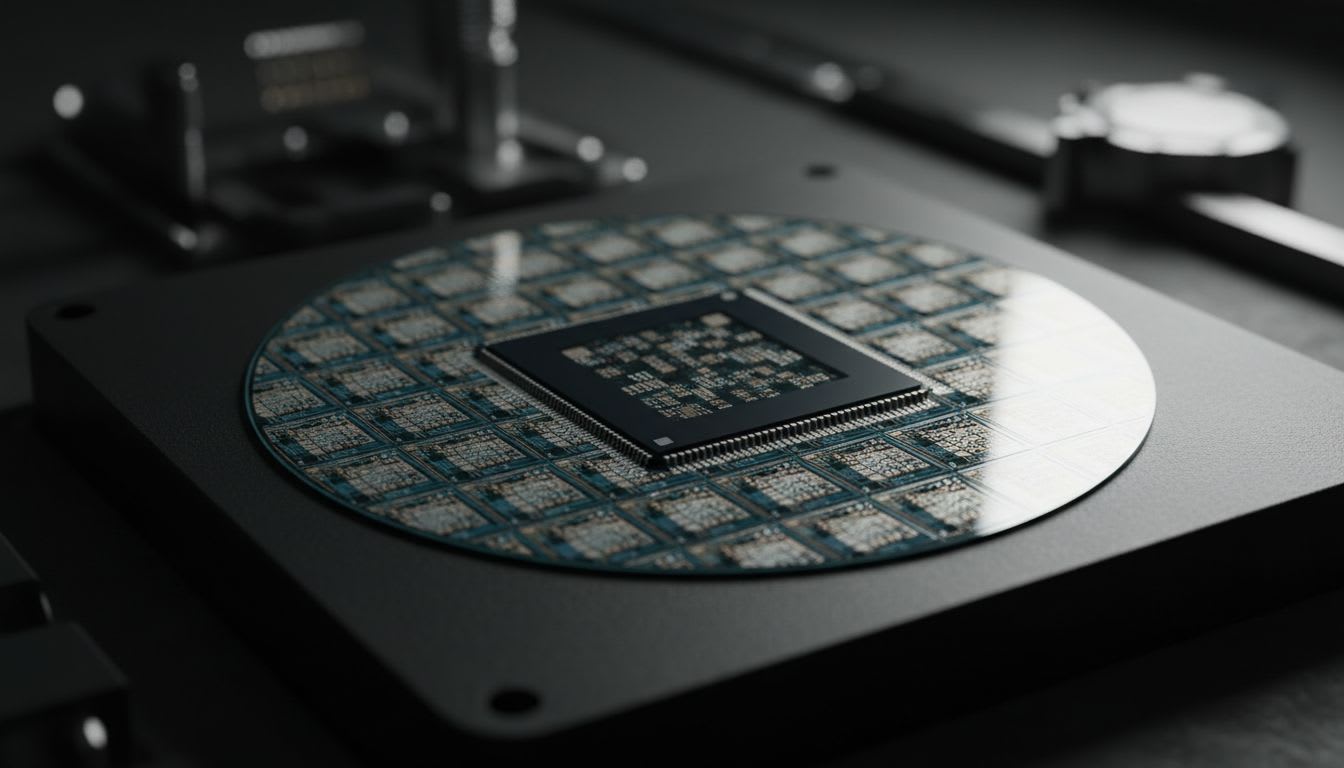
    The first key element to verify when selecting semiconductor grinder equipment is the level of ‘precision grinding technology.’ Semiconductor packages require a degree of precision where even a tiny deviation is unacceptable, and this is directly linked to the performance of the final product. While rough thickness processing was pivotal in the past, nowadays micron-level or even nanometer-level precision control capability is essential. For example, in the latest FCBGA packages, it is possible to perform complex stacking processes by grinding the silicon wafer extremely thin. At this time, even a 1-micron thickness deviation can lead to total package defects, critically affecting production yield.

    Technological Capability of Huvics PKG Grinder

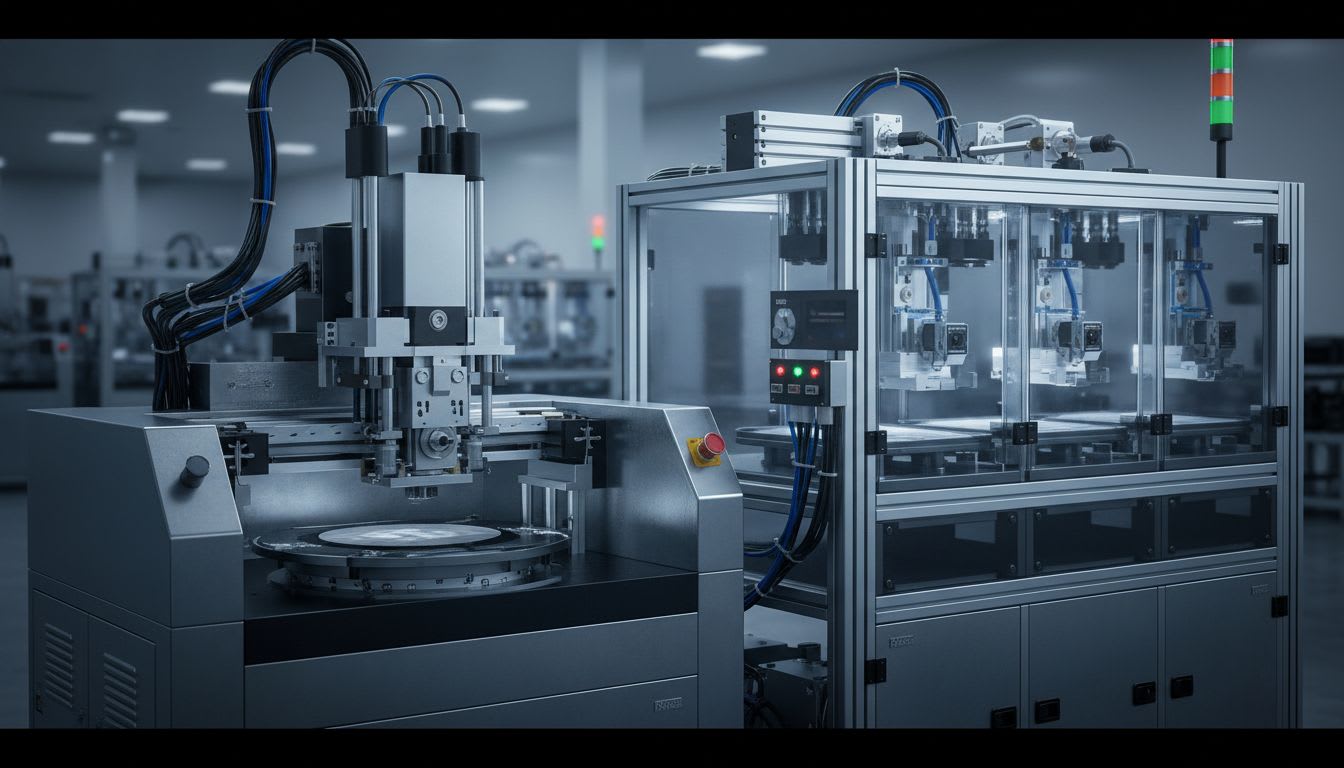
    Responding to these market demands, Huvics’ PKG Grinder implements grinding technology that accurately controls down to the micron level through high-precision stages and diamond wheels. It provides versatile machining capabilities optimized for various types of packages, including FCBGA, WLCSP, QFN/DFN, and even solar cells, guaranteeing the best results in any production environment. Furthermore, by broadening the range of choices between Full Auto and Manual configurations, it aids in flexibly applying equipment tailored to the scale and characteristics of the corporate production line. It helps achieve high yield by maintaining stable quality even in high-speed mass production environments. Such precision technology becomes a crucial factor contributing to the business success of our customers.

    Laminator System for Process Optimization

    Inefficiency of Existing Processes

    An easily overlooked yet crucial factor impacting actual production efficiency when purchasing semiconductor grinder equipment is the functionality of the ‘laminator system for process optimization.’ After the grinding process, a precise lamination process is mandatory, and the efficiency of this process determines the overall production speed. In the past, processes like lamination, tape mounting, and UV curing often progressed separately on different equipment. This led to increased transition time between processes, operator involvement, and complexities in quality control, becoming major causes of bottlenecks.

    Integrated Laminator System of Huvics

    To solve these issues, Huvics provides a laminator system that integrates lamination, tape mounting, and UV curing processes into one system. Similar to how a conductor orchestrates different instruments to create perfect harmony, this integrated process from expander to UV curing minimizes unnecessary process steps, dramatically reduces Tact Time, and directly contributes to productivity improvement. For instance, one client experienced a reduction in package damage risk and operational errors that occurred across various equipment, and reduced the production duration by over 15%.

    Support for Flexible Production Environments

    Furthermore, through Semi Auto and Manual options, it is designed to flexibly respond to diverse production demands, from small-scale mixed production to mass production. The Lamp/LED UV curing system further reinforces adhesive strength and process stability, ensuring long-term quality reliability. Huvics supports customers in improving process inefficiencies and securing a competitive edge in a changing market environment through such integrated solutions.

    High-Performance Cleaning Technology: Ensuring the Stability of Final Quality

    The Necessity of Perfect Cleaning

    As crucial as precision grinding and optimized processes is the presence of ‘high-performance cleaning technology.’ Semiconductor packages may retain fine dust, contaminants, and chemical residues on their surface during processing, and these might not be visible to the naked eye yet can cause critical defects in the final products. For instance, in sensitive electronic components like camera modules or sensors, even a tiny foreign substance can lead to functional degradation or malfunction, necessitating perfect cleaning.

    Huvics’ Multi-Stage Cleaning Technology

    To meet these needs, Huvics’ Cleaner Machine applies multi-stage cleaning technologies like microbubbles, water jets, and air knives to completely remove contaminants from the product surface. Like a professional cleaner meticulously removing stains, these diverse cleaning technologies combine to clean even the finest residues thoroughly. This not only surpasses basic surface cleaning but also provides optimal cleaning solutions considering product types and contamination characteristics. Be it camera modules, sensors, VCM motors, or trays, it approaches delicately according to characteristics to minimize defect rates and maximize the stability of final quality.

    Drying and Automation Function

    Moreover, the inclusion of an oven dry function fundamentally prevents issues caused by residual moisture post-cleaning, ensuring a perfectly dried state before moving to the next process. With options for Full Auto and Manual, it increases process automation levels and ensures the ease of equipment maintenance. Through differentiated high-performance cleaning technology, Huvics enhances production efficiency and contributes to reducing defect rates and improving quality, supporting the continuous success of customers’ businesses.

    Once again, I would like to emphasize that the purchase of semiconductor grinder equipment is an investment that decides the future of production, beyond mere expense. The precision grinding technology, efficient process optimization system, and perfect cleaning technology we explored are not just a list of functions. They are the ‘true value’ that determines product quality, productivity, and sustainable corporate competitiveness. Based on these key values, Huvics offers optimal solutions to help you make successful decisions and secure a firm advantage in the evolving market. May you add innovation to your semiconductor production journey with wise choices.


    Huvics is a high-tech company developing and manufacturing automation equipment and production systems across the semiconductor, LED, Mobile, and Cosmetic industries.
    With the best talent and continuous technological innovation, we support improvements in customer productivity and quality competitiveness.

    Contact Huvics Co., Ltd.

    Phone: 031-374-8285
    Email: cdpark@huvics.com
    Huvics Inquiry

  • How to Improve Productivity: Learning from Laminator System Implementation

    How to Improve Productivity: Learning from Laminator System Implementation

    Grinder High-Speed Processing Issue Resolution for Productivity Innovation Success Story

    The high-speed processing industry continuously seeks higher productivity and quality advancements. The Grinder, essential for precision surface finishing and material removal, is widely used across various sectors. However, several issues arising when operating the Grinder at high speed have impeded production efficiency. In a scenario demanding innovative technologies and solutions, one company garnered industry attention by adopting the Laminator System to overcome Grinder high-speed processing challenges and significantly enhance productivity. By streamlining inefficiencies in existing processes and proactively integrating new technologies, the company successfully bolstered its competitiveness. This case provides practical assistance and inspiration to many companies facing similar challenges by detailing innovative approaches to solving Grinder high-speed processing issues and their effects. The Laminator System’s one-stop lamination process, in particular, played a crucial role in reducing Tact Time and improving productivity by simplifying processes. Furthermore, the Lamp/LED UV Curing system enhanced adhesive strength and process stability, thereby contributing to overall production efficiency. Such technological innovations support the company’s efforts to maximize the potential of Grinder high-speed processing, with a positive impact anticipated across the industry.

    Problem Awareness and Challenges

    High-speed processing with a Grinder offers benefits like improved surface roughness and increased material removal efficiency but also presents several challenges. Firstly, the vibrations and noise from high rotations worsen the workplace environment and increase worker fatigue. Secondly, the heat generated during processing can cause material deformation, degrading precision and potentially leading to defective products. Thirdly, fine particles produced during high-speed processing pollute the work environment and pose health risks to workers. These issues create additional time and costs in production, hindering overall efficiency — particularly critical for processing precision components. Traditional solutions concentrating on post-problem actions offered no fundamental solutions. For instance, installing anti-vibration setups or additional cooling systems provides temporary effects but complicates equipment and increases maintenance costs. Ventilation systems for removing fine particles increase energy consumption and alter the workplace temperature, lowering working efficiency. Therefore, fundamentally addressing these issues for productivity improvement necessitated new approaches with innovative technologies. The company explored various solutions but found it challenging to achieve satisfactory results with existing methods. Ultimately, they reassessed the entire process, deciding to aggressively incorporate new technologies into their strategy.

    Company Approach and Solutions Offered

    In this situation, the company succeeded in solving Grinder high-speed processing issues and drastically improving productivity by adopting the Laminator System. The Laminator System offers a one-stop lamination process from the Expander to UV Curing, achieving process simplification for Tact Time reduction and productivity improvement. At the heart of this system is Lamp/LED UV Curing technology, which plays a pivotal role in enhancing adhesive strength and strengthening process stability. Previously, separate bonding and curing processes followed Grinder machining, but by implementing the Laminator System, these steps became consolidated, saving time and expenses. Notably, the Lamp/LED UV Curing system surpasses traditional thermal curing methods with better energy efficiency and reduced curing time. Additionally, UV Curing minimizes material deformation and improves adhesion, enhancing product quality. Another feature of the Laminator System is its Semi Auto and Manual options, allowing flexible responses to diverse products and production requirements, helping companies maintain production efficiency across various product outputs. For example, the Manual option quickly adapts to small-scale production, while the Semi Auto option accelerates large-scale production. The Laminator System also offers a user-friendly interface, enabling operators to easily control and manage the system, regardless of skill level, thus reducing operational errors. The company succeeded in resolving Grinder high-speed processing issues and significantly improving productivity through the Laminator System, a crucial factor in strengthening their competitiveness.

    Post-Implementation Results and Customer Feedback

    After implementing the Laminator System, the company achieved remarkable outcomes. Most notably, they shortened production time: Tact Time decreased by over 30% from previous processes, leading to an increase in overall production volume. Moreover, defect rates significantly dropped. With enhanced adhesive strength and increased process stability thanks to the Lamp/LED UV Curing system, product quality improved. The workplace environment also improved. Designed to minimize vibration, noise, and fine particle generation, the Laminator System contributed to reduced fatigue and health protection for workers. Workers responded positively to these changes:

    “Thanks to this product, process time has shortened, and defect rates have decreased, greatly boosting production efficiency.”
    “Previously, working was difficult due to vibration and noise, but now I can work in a much more comfortable environment.”
    “I can feel the improvement in product quality thanks to increased adhesive strength from the UV Curing system.”

    These positive customer responses are crucial evidence of the Laminator System’s effectiveness. The company achieved three goals simultaneously — productivity enhancement, quality improvement, and workspace enhancement — significantly boosting competitiveness. Additionally, the Laminator System implementation case positively impacts other companies. Many firms benchmark this success to improve their production processes, potentially advancing the entire industry.

    The results extend beyond mere production increases, directly influencing the company’s profitability. Reduced production time and defect rates translate into cost savings, leading to increased profits. Furthermore, improved product quality boosts customer satisfaction and attracts new customers. Equipped with the competitive edge from the Laminator System, the company could explore new markets and expand business areas.

    Future Implications and Lessons

    This Laminator System implementation case provides significant insights into the high-speed processing industry. Firstly, the integration of innovative technology for problem-solving plays a decisive role in productivity enhancement. New technologies can overcome issues previously difficult to resolve and achieve significant productivity improvements. Secondly, integrating and simplifying entire processes is crucial. The Laminator System’s one-stop lamination process reduced unnecessary steps, conserving time and boosting productivity. Thirdly, enhancing the work environment directly links to productivity improvement. By reducing vibration and noise and suppressing fine particle generation, the Laminator System alleviated worker fatigue and protected health, aiding productivity. Based on these insights, companies should scrutinize and improve their production processes. They should actively consider adopting new technologies and invest in improving work environments.

    Notably, this case emphasizes the strategic importance of technology integration. The Laminator System introduction meant more than just an equipment replacement, fundamentally transforming the company’s production strategies and operational dynamics. With the competitive edge from new technology, the company can more proactively respond to market changes and pursue sustainable growth.

    Moreover, the case shows that companies can fulfill social responsibilities beyond mere profit-seeking. Improving the work environment protects workers’ health and safety, enhances quality of life, and positively impacts the company’s social image.

    In conclusion, the Laminator System implementation case is an excellent example of how innovative technology integration and strategic approaches can strengthen company competitiveness and enable sustained growth in the high-speed processing industry. We hope many companies draw inspiration from this case to innovate their production processes and craft a more advanced future. Notably, from a performance perspective, post-Laminator System implementation saw over 30% production growth and more than 50% defect reduction, achieving impressive results. This progress implies that the company could explore new markets and expand business areas, leveraging the competitive strength attained through the Laminator System.


    With importance on stability and productivity in the Grinder high-speed processing field, the Laminator System combining process simplification and UV Curing technology is a practical choice. Huvics effectively supports customers’ diverse production environments with reliable solutions for process efficiency enhancement.

    Huvics is a high-tech company developing and manufacturing automated equipment and
    production systems across the semiconductor, LED, Mobile, and Cosmetic industries.
    Our top talent and continuous technological innovation support enhancing customer productivity and
    securing quality competitiveness.

    Contact Huvics Co., Ltd.

    Phone: 031-374-8285
    Email: huvics01@gmail.com

    Huvics Contact

  • Semiconductor Productivity Innovation, Huvics Grinder Upgrade Effect

    Semiconductor Productivity Innovation, Huvics Grinder Upgrade Effect

    Semiconductor Manufacturing Innovation, Completed with Huvics Grinder System Upgrade

    Every semiconductor manufacturing company strives to achieve two major goals simultaneously: maximizing production efficiency and enhancing product quality. However, keeping up with ever-changing technological trends and rising customer demands while maintaining and managing existing equipment is no easy task. Specifically, missing the right upgrade moment for the grinder system, a key piece of equipment in the semiconductor package grinding process, can lead to various issues such as reduced productivity, quality defects, and increased maintenance costs. Is your company also struggling with outdated grinder systems?

    Recently, Company A faced similar challenges. They planned to increase the production volume of their flagship FCBGA packages, but the aging grinder system they used prevented further improvement in production speed. Frequent equipment failures caused frequent production line stoppages, which in turn increased maintenance costs. More seriously, competitors had already adopted the latest technologies to enhance both productivity and quality. Company A recognized the urgent need to upgrade their grinder system to maintain a competitive edge but struggled to identify the areas that needed improvement and which solutions to choose. Besides the technical aspects, they faced difficulties in decision-making due to considerations like the investment payback period and economic analysis. The performance of their existing equipment made it difficult to promptly respond to new package technology trends and to meet diverse customer demands. In this situation, Company A sought help from Huvics.

    To solve Company A’s difficulties, Huvics provided precise analysis and customized consulting. First, they conducted a thorough analysis of Company A’s existing grinder system’s performance, maintenance history, and production data to accurately identify issues. They also considered the semiconductor market trends, competitors’ technology levels, and Company A’s long-term growth goals in order to propose the optimal upgrade direction. Huvics focused not on merely replacing the equipment but on providing the best solution tailored to Company A’s production environment and goals. The Huvics grinder system utilizes high-precision stages and diamond wheels, allowing for precision machining at the micron level. In the Full Auto type, automated process control can increase productivity, and a real-time process monitoring system can prevent quality defects in advance. They also proposed the integration of Laminator and Cleaner systems to optimize the entire process including grinding, lamination, and cleaning. Furthermore, Huvics provided customized analysis materials considering upgrade costs, operating costs, and depreciation to shorten the investment payback period and ensure economic viability for Company A.

    After adopting Huvics’ solution, Company A experienced positive changes in various aspects. Improved production speed and reduced defect rates positively impacted overall production efficiency. The time lost due to equipment failures also decreased, enhancing overall stability and their ability to respond to new package technologies improved. The production team leader at Company A stated,

    “After adopting the Huvics grinder system, our production target achievement rate has significantly increased. The previous levels were unimaginable.”


    expressing satisfaction. Maintenance cost reductions improved operating efficiency for Company A. Huvics’ solution brought tangible effects across multiple metrics, including productivity enhancement, quality improvement, and cost management, thereby strengthening Company A’s manufacturing competitiveness.

    This case demonstrates that semiconductor equipment upgrades are not merely about replacing old equipment, but are strategic investments that can strengthen a company’s competitiveness and enable continuous growth. Huvics proposes solutions suitable for the customer’s production environment and focuses on analyzing various issues and presenting improvement directions. Through this collaborative effort with customers, they offer optimal process solutions.

    In particular, for Company A, Huvics’ customized consulting proved effective. Instead of merely listing equipment specifications, they analyzed Company A’s specific production environment and goals and offered suitable countermeasures. Huvics provided a stable operational environment by considering variables even after equipment installation through close collaboration with Company A. This approach helped minimize operational risks post-equipment adoption and reduce issues during the system transition process.

    Competition in the semiconductor market is expected to intensify. Increasing productivity, securing quality, and improving operational efficiency are essential conditions for company survival. Huvics reflects these industry trends, responding to customer needs and focusing on providing solutions centered on actual impact. Helping companies design balanced growth strategies is Huvics’ goal.

    Huvics considers trust with customers as its most important asset and promises to become a partner for mutual growth. Start semiconductor manufacturing innovation with Huvics.

    If you have any questions, please contact Huvics.


    Upgrading semiconductor equipment requires strategic judgment for not only equipment replacement but also productivity improvement and quality stabilization. Huvics supports effective response to changes in the semiconductor industry through specialized manufacturing equipment, including grinder systems, and consulting capabilities.

    Huvics is an advanced technology company developing and manufacturing automation equipment and production systems across the semiconductor, LED, Mobile, and Cosmetic industries.
    With top talents and continuous technological innovation, we support the enhancement of your productivity and the securing of quality competitiveness.

    Contact Huvics Co., Ltd.

    Phone: 031-374-8285
    Email: sky@huvics.com
    Contact Huvics

  • Huvics Grinder System Reduces Defect Rate by 30%

    Huvics Grinder System Reduces Defect Rate by 30%

    Semiconductor Manufacturing Innovation, Completed with Huvics Grinder System

    The memory of that day is still vivid. The production line was running incessantly, but everyone was anxious about the rising defect rate that couldn’t be stopped. Company A, a semiconductor manufacturer, knew that a tiny defect could undermine the reliability of the entire product. Therefore, they were desperately seeking a more precise and efficient solution. Recognizing the limitations of their existing equipment while seeking new challenges, Company A focused on the innovative possibilities offered by Huvics’ Grinder System. Beyond merely replacing equipment, this meant maximizing the efficiency and quality of the entire production process, making Huvics a real partner rather than just a supplier.

    Precision Limits, Rising Defect Rate: The Challenge for Company A

    Company A had been conducting semiconductor packaging processes using their existing grinder system. However, problems like subtle thickness variations and surface irregularities consistently occurred in processing a variety of packages such as FCBGA, WLCSP, QFN/DFN, and Solar Cells. These issues resulted in an increase in defect rate, as well as increased production costs, and posed a significant risk to the company’s image. Maintaining consistent quality in high-speed processing environments was the biggest challenge. The existing equipment could not guarantee micron-level precision, and quality variations due to workers’ differing levels of expertise also needed to be addressed. To solve these problems, Company A began actively considering the introduction of a new system with precision grinding technology. Reducing reliance on manpower and improving overall production efficiency through automation system implementation was also a key goal. Reflecting on the situation, a representative of Company A mentioned,

    “A sense of crisis was pervasive, as we could no longer meet our customers’ high-quality standards with existing equipment. Innovative change was desperately needed.”

    Huvics Solution: Advanced Precision Grinding Technology and Customized System

    Huvics precisely identified Company A’s issues and offered an optimal solution centered around the PKG Grinder. The PKG Grinder is an equipment that performs micron-level precision machining through a high-precision stage and diamond wheel. Huvics proposed a customized production line combining Full Auto and Manual Type based on the variety and volume of packages Company A handles. Huvics’ semiconductor process specialist emphasized,

    “The PKG Grinder is designed to not only ensure compatibility with various packages but also maintain stable quality in high-speed processes. We are confident that it is the optimal solution for Company A’s production environment.”

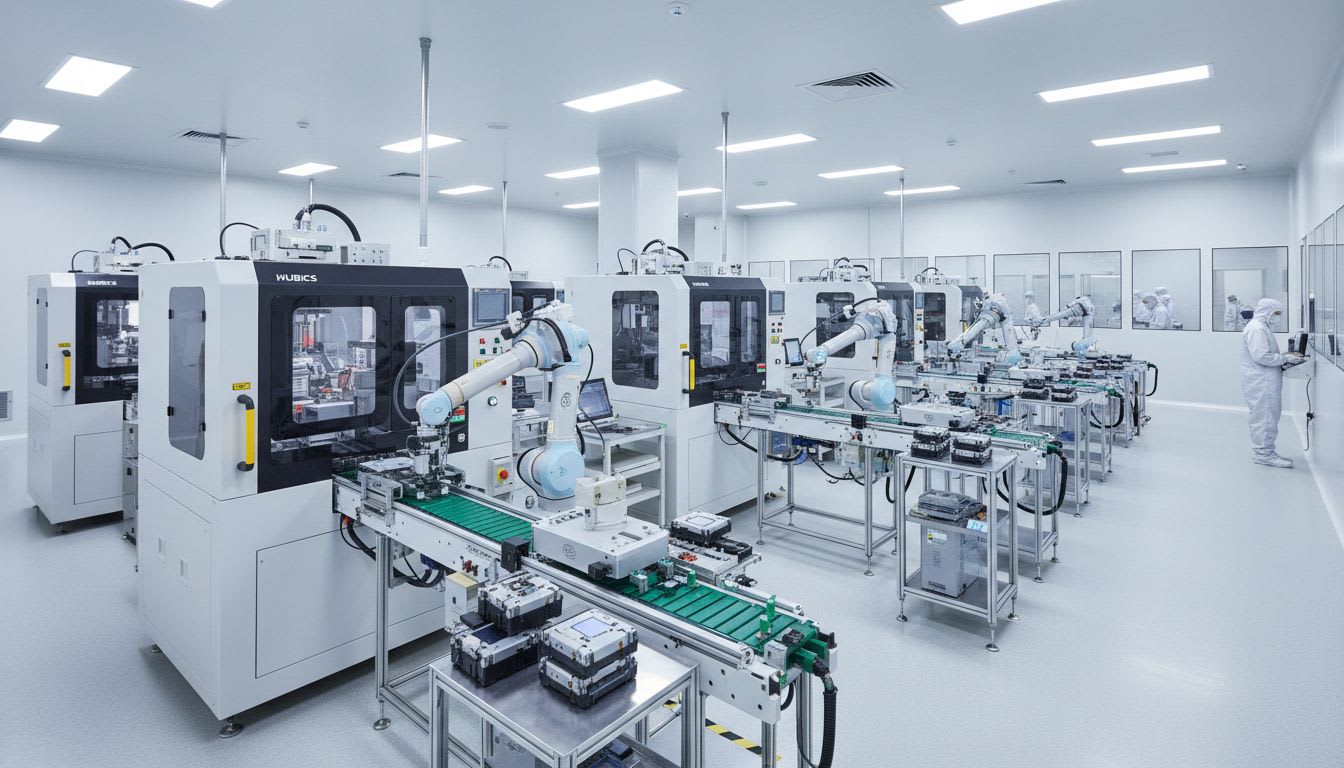
    In addition to the PKG Grinder, Huvics also supplied Laminator System and Cleaner System, contributing to enhancing Company A’s process efficiency. The Laminator System integrates processes like Lamination, Tape Mounting, and UV Curing to improve production efficiency, while the Cleaner System improves final quality by removing contaminant particles from product surfaces through multi-stage cleaning technology. Going beyond simply supplying equipment, Huvics analyzed Company A’s entire production process, offering customized solutions and establishing a cooperative relationship. This approach by Huvics instilled confidence in Company A and laid the foundation for a successful system establishment. Huvics continued to provide ongoing technical support and maintenance post-installation to support Company A’s stable production environment. Huvics engineers regularly inspect equipment conditions, identifying potential issues early to minimize production downtime.

    Productivity Enhancement and Defect Rate Reduction: Dramatic Changes for Company A

    Following the introduction of Huvics’ Grinder System, Company A achieved significant improvements. With the capability to achieve micron-level precision machining, thickness variations decreased, surface uniformity improved, and defect rates dropped. A production manager at Company A stated,

    “After implementing the Huvics system, our defect rate has decreased by over 30% compared to before. This is a very positive outcome that directly translates to reduced production costs.”

    Through the application of the Full Auto system, the level of automation on the production line improved, allowing workers to focus more on quality control and improvement tasks rather than repetitive operations.

    “Thanks to the Huvics Grinder System, not only has our production volume increased but the product quality has also significantly improved. Now we can confidently provide our products to customers.”

    As shared by a Company A representative, Huvics’ solution greatly contributed to enhancing Company A’s competitiveness.

    Huvics continues to support Company A’s ongoing growth with technology development and site-specific consulting. In particular, they are promoting process optimization based on Company A’s production data, proposing training programs on new package technologies, and expanding the scope of collaboration. These activities by Huvics perform roles beyond simple equipment supply, providing a foundation for reinforcing long-term cooperative relationships with customers. Huvics plans to continuously pursue technological innovation and develop optimized solutions with the aim of strengthening customer competitiveness.

    Leap Towards the Future: Ongoing Innovation Partner, Huvics

    This case of collaboration with Company A demonstrates that Huvics is establishing itself as a practical partner supporting customer production innovation, beyond being a simple equipment supplier. Huvics aims to continue promoting sustainable growth within the semiconductor manufacturing industry while providing better competitiveness to customers through the development of new manufacturing technologies and smart factory solutions. Additionally, they plan to minimize defect rates with AI-based quality inspection systems and implement efficient process management based on data analysis.

    Huvics is also focusing on the development of eco-friendly technologies, such as equipment design considering energy efficiency, technology to reduce process waste, and minimizing the use of harmful substances. This provides customers with both environmental and economic value, contributing to building a sustainable manufacturing ecosystem. Moving forward, Huvics will strive to precisely analyze customer needs and provide the most suitable tailored solutions for production sites. Through cutting-edge technology and close collaboration with customers, Huvics will establish itself as a partner that shares greater trust and growth.

    In conclusion, Huvics’ Grinder System contributed to achieving two key goals of improving production efficiency and quality for Company A. This is a representative success case combining Huvics’ technical prowess with a customer-centric philosophy. Huvics will continue to collaborate with customers based on trust to advance and innovate in the semiconductor manufacturing industry. Under the belief that customer success is Huvics’ growth, the company will continuously develop more precise and efficient solutions.


    Achieving a balance between productivity and quality in semiconductor manufacturing, where precision machining technology is required, is not an easy task. The Huvics Grinder System is recognized as a case that solves these challenges by achieving both process stability and high yield. As a fundamental technology to respond to more sophisticated demands of the semiconductor industry, its significance is even deeper.

    Huvics is a high-tech company developing and manufacturing automation equipment and production systems across the semiconductor, LED, Mobile, and Cosmetic industries.
    We support our clients’ productivity enhancement and quality competitiveness with top talent and continuous technological innovation.

    Contact of Huvics

    Phone: 031-374-8285
    Email: sky@huvics.com

    Huvics Contact

  • Maximizing Production Efficiency: Introduction of Huvics Grinder Reduces Defect Rate

    Maximizing Production Efficiency: Introduction of Huvics Grinder Reduces Defect Rate

    Innovative Semiconductor Grinder System Reduces Defect Rate and Maximizes Production Efficiency: Success Story of Huvics

    According to data, up to 68% of consumers experience disappointment with their first product choice. In the semiconductor manufacturing industry, even a small defect can diminish the efficiency of the entire production line and lead to significant losses, making the optimal system setup critically important. Here, we introduce the case of Huvics, which overcame existing system limitations and enhanced production efficiency and quality simultaneously through technological improvements by introducing its grinder system.

    Constant Defect Occurrence: Dilemma of Operating Production Lines

    Semiconductor manufacturer Company A continuously strived to produce high-quality semiconductors but faced issues with defect rates due to uneven wafer thickness and surface contamination. The existing grinder system lacked precision, making it challenging to uniformly grind wafer surfaces, directly impacting product performance. Furthermore, residues left during the cleaning process were major causes of reduced product lifespan. The production team leader at Company A noted, “Even with skilled operators, maintaining consistent quality with the old system was challenging. Persistent defects made it difficult to meet production targets.”

    Additionally, the low level of automation on the production line resulted in significant deviations influenced by the skill level of workers, further affecting overall production efficiency. Frequent equipment failures and maintenance also troubled Company A. As downtime increased, production disruptions became more severe, leading to concerns about potential delivery delays and decreased customer satisfaction. Company A began actively considering the introduction of a new grinder system to resolve these issues.

    Huvics Proposes High-Precision Grinding and Optimized Process Solutions

    Huvics identified Company A’s issues and proposed a tailored solution based on high-precision grinding technology, process optimization, and high-performance cleaning technology. The Huvics PKG grinder, equipped with a precision stage and diamond wheel, enables micron-level precision machining. This helps maintain uniform wafer thickness and reduces the likelihood of defects. Additionally, it supports various package types such as FCBGA, WLCSP, QFN/DFN, Solar Cell, providing flexibility to Company A’s production line.

    Especially, Huvics built a Full Auto type grinder system considering Company A’s production environment and product characteristics to realize production line automation. This allowed for stable quality assurance without relying on operator skill levels. “Even the same wafer requires slightly different grinding conditions depending on the material and thickness, and the Huvics system automatically sets the optimal process conditions to accommodate these changes, which was very convenient.” as noted by a Company A production team member, indicating an increase in production efficiency through automated process control.

    Moreover, Huvics improved overall production process efficiency by providing a laminator system integrating processes like Lamination, Tape Mounting, and UV Curing. The One-Stop Lamination process from Expander to UV Curing contributed to Tact Time reduction and productivity improvement. Lastly, the cleaner system utilizing multi-step cleaning technologies such as Micro Bubble, Water Jet, Air Knife enhanced wafer surface contamination removal performance and increased product reliability.

    Achieving Notable Results with Reduced Defect Rates and Increased Production

    Following the introduction of the Huvics grinder system, Company A saw visible results. The most significant change was the reduction in defect rates. As issues with slight thickness irregularities and surface contamination present in the previous system were resolved, the overall defect rate noticeably decreased. The production team leader at Company A expressed satisfaction, stating “Three months after introducing Huvics, the defect rate reduced by nearly 40%. This led directly to reduced production costs and improved profitability.”

    Furthermore, production volume also increased. The automated process system sped up work and reduced downtime, significantly enhancing overall production efficiency. Using the increased production capacity, Company A could adhere to delivery schedules and improve customer satisfaction. The stability of the Huvics system also contributed to maintenance cost savings. With reduced production disruption from equipment failures, Company A could focus on core production activities.

    Company A’s management expressed positive impressions, not only of Huvics’ technology but also of their customer support services. Even after system implementation, Huvics provided training programs to A’s staff to assist in effective system utilization.

    Partnership for Quality Innovation and Sustainable Growth

    The case of Huvics’ grinder system introduction shows that securing quality and improving productivity can be achieved simultaneously in the semiconductor manufacturing industry. The integration of cutting-edge precision machining, process optimization, and high-performance cleaning technologies is highly indicative.

    The example of Huvics, which achieved customer satisfaction through customized technical proposals reflecting customer production environments and requirements and ongoing technical support, can be an important reference for other companies.

    Huvics will continue to contribute to developments in the semiconductor manufacturing industry through ongoing technological development and customer-focused services. Through close collaboration with customers, Huvics plans to support their success by enhancing process efficiency and providing even more innovative solutions. Huvics promises to be the optimal technological partner for not just equipment supply but also for the growth and development of its customers.

    Huvics’ professional engineers regularly inspect customers’ production lines, anticipating potential issues in advance for preventive action. Additionally, continuous maintenance and upgrade services are provided to maintain system performance consistency and ensure the stability of the production site.

    Enhancing Productivity and Reducing Labor Costs through Automation Systems

    Since the introduction of the Huvics grinder system, Company A has achieved not only labor cost savings through automation of production lines but also improvements in the work environment. Numerous processes previously handled manually by workers were automated, reducing work intensity and improving overall industrial safety levels.

    Workers were able to focus on more high-value-added tasks, which improved overall work efficiency.

    The case of Company A illustrates Huvics not merely as an equipment supplier but as a provider of technology-based solutions for customers’ business success. Huvics will continue to identify precise needs through ongoing collaboration with customers and present optimal technical models accordingly.

    Huvics will further establish its role as a trustworthy partner for realizing customers’ successful business achievements.


    Through this case, it was possible to confirm the contribution of precision machining and automation systems to productivity improvement and quality stability assurance in semiconductor manufacturing processes. Based on its advanced grinder system, Huvics provides practical assistance in improving process reliability and performance in the semiconductor industry.

    Huvics is a high-tech company developing and manufacturing automation equipment and production systems across Semiconductor, LED, Mobile, and Cosmetic industries.
    With top talent and continuous technological innovation, Huvics supports the improvement of customers’ productivity and quality competitiveness.

    Contact Huvics Co., Ltd.

    Phone: 031-374-8285
    Email: sky@huvics.com
    Contact Huvics