Tag: Lamination

  • What Standards Protect Yield in Semiconductor Cleaning and Lamination Processes?

    What Standards Protect Yield in Semiconductor Cleaning and Lamination Processes?

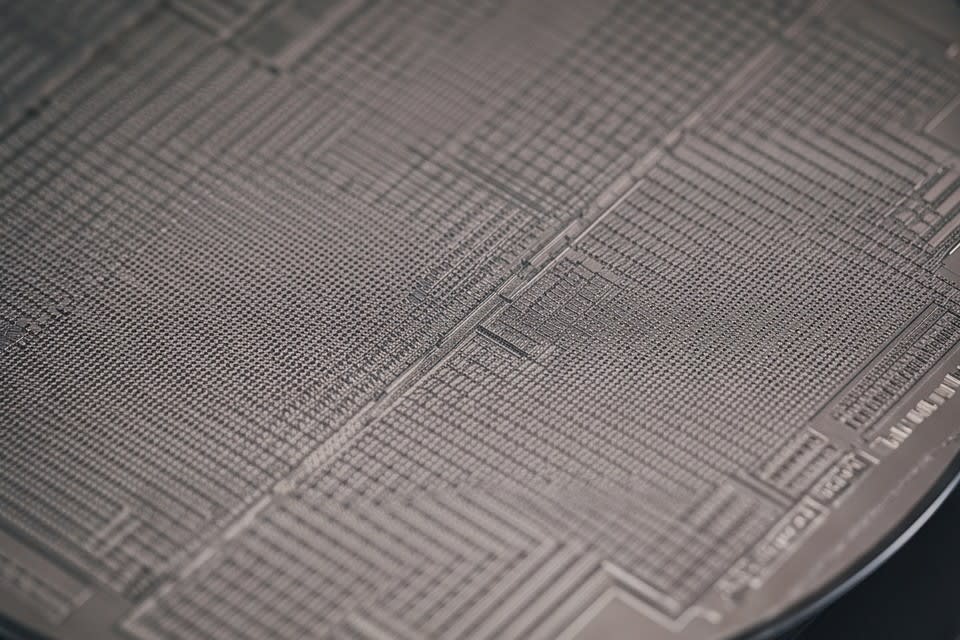
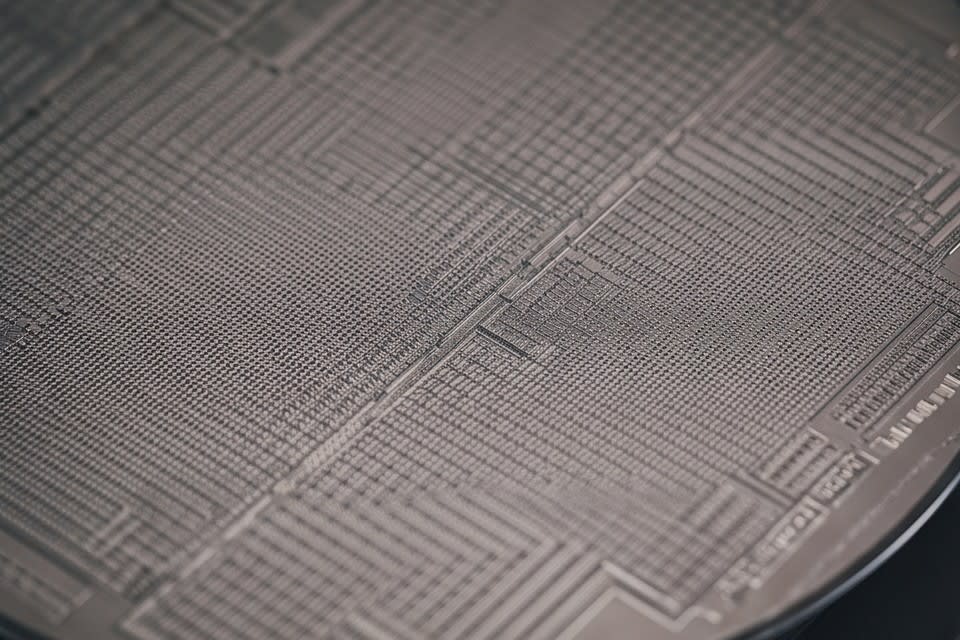
    Surface of a semiconductor wafer engraved with fine circuit patterns on the micrometer scale

    Cleaning is not the final step of the process. In many production sites, cleaning is often seen as a step that simply wipes things down once at the end, but actual yield data points in the opposite direction. In semiconductor manufacturing, a single contaminant particle only a few micrometers in size left on the surface can disrupt the entire downstream process, and this fact makes the cleaning process not merely a matter of maintaining cleanliness, but the starting point of a quality strategy.
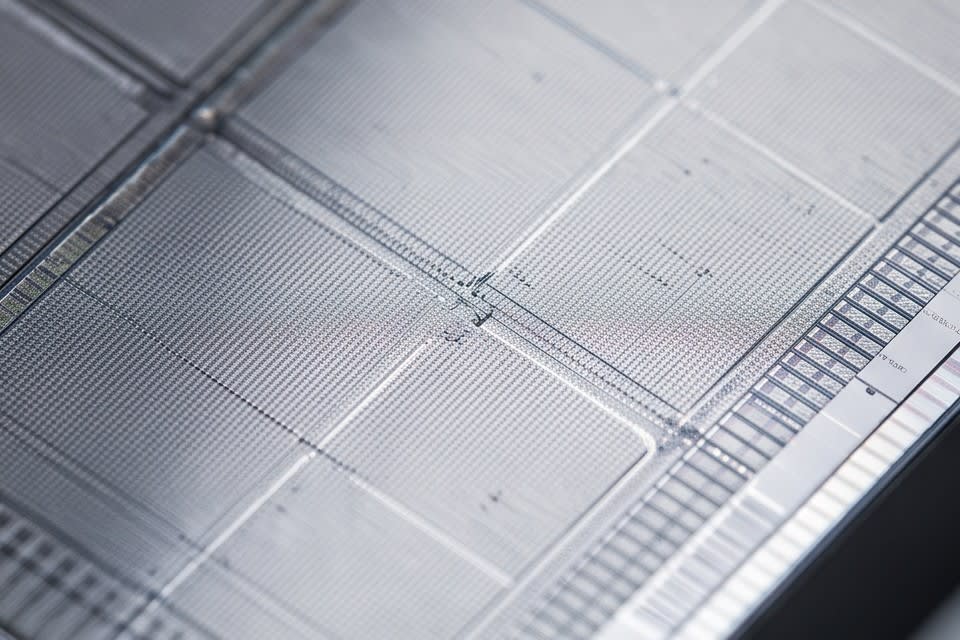
    Close-up of a semiconductor wafer surface with fine patterns precisely engraved in a grid structure

    Why the Cleaning Process Determines Yield

    The cleaning process accounts for a much larger share of semiconductor manufacturing than many expect. According to MDPI Nanomaterials, the cleaning process takes up about 30% of total production time, and related costs exceed 20% of the overall budget. This does not simply mean it is a time-consuming process. It means cleaning is deeply connected to the overall process flow and quality.

    Surface contaminant particles cannot be identified with the naked eye, but they appear as defects in later adhesion, curing, and packaging stages. For this reason, how particles are removed during the cleaning stage effectively determines the final yield.

    This is also why microbubbles, or ultrafine bubbles, are attracting attention. When microbubbles collapse, the shock waves and localized high-temperature and high-pressure effects physically separate contaminant particles adhered to the surface. When water jets, or high-pressure water streams, and air knives, or high-speed air flows, are combined in stages, particle removal efficiency increases significantly compared to a single method. By integrating the oven drying process as well, secondary contamination paths caused by residual moisture after cleaning can also be blocked.

    In this way, the industry is increasingly recognizing that cleaning is not an act of wiping, but a matter of process design that blocks contamination paths step by step.

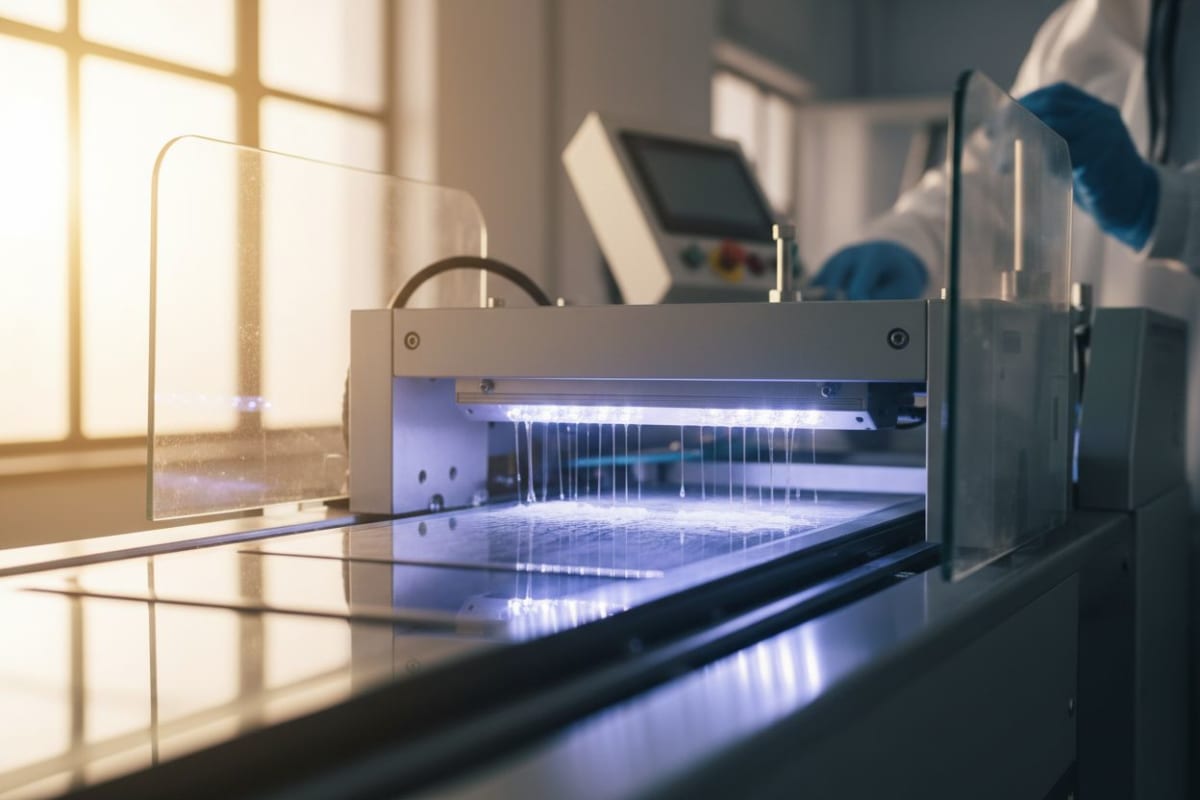
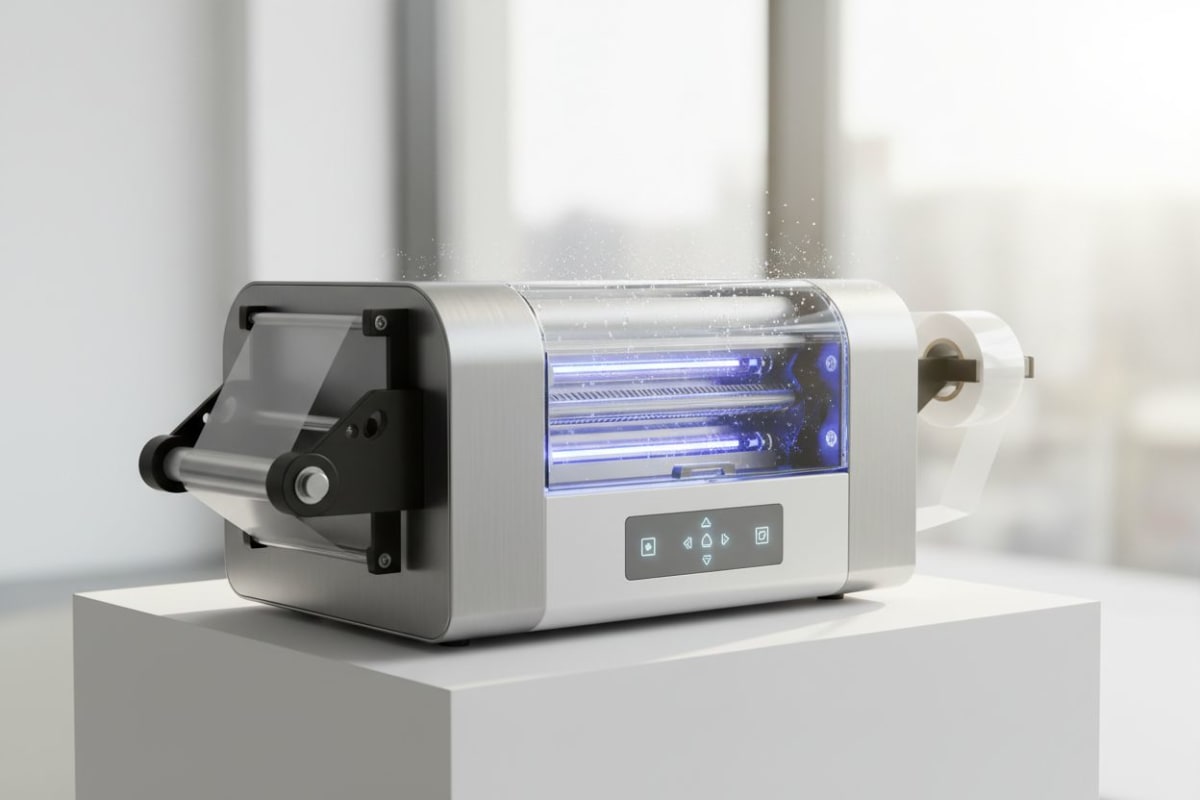
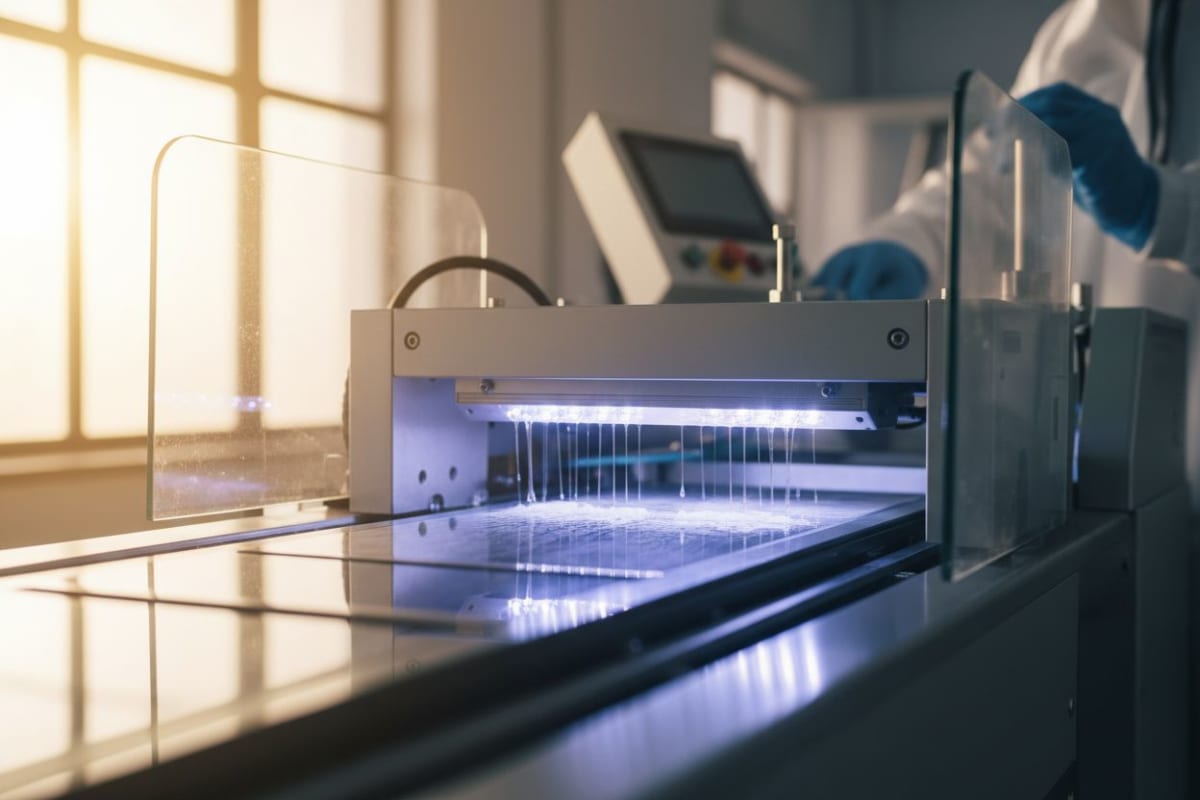
    UV LED irradiation equipment that stably cures film after the lamination process

    The Meaning of Curing Methods in the Lamination Process

    In the lamination, or film attachment, process as well, the key quality variable is shifting from how the film is attached to how accurately and how stably it is cured. In the UV curing step that follows tape mounting, or the attachment of tape for fixing semiconductor chips, the choice of light source is not simply a matter of equipment specifications.

    Conventional mercury lamp systems require about 15 minutes of warm-up and cool-down cycles before lighting, and they continuously consume power regardless of whether irradiation is being performed. In contrast, UV LED systems can be turned on immediately and use energy only during operation. Energy consumption is reduced by more than 80% compared to mercury lamps, and service life reaches up to 20,000~30,000 hours compared to about 1,000 hours for mercury lamps. A longer replacement cycle reduces the frequency of line stoppages and also lowers maintenance costs.

    The Huvics laminator system integrates everything from the expander, or film expansion device, to the tape mounter and UV curing into a single flow, reducing transfer errors and unnecessary waiting time between process stages. Simplifying the process also means blocking, one by one, the paths where defects can occur. Ultimately, how the curing method and integrated process design are selected in the lamination process becomes the basis for determining the operating rate and yield of the entire line.

    Semiconductor trays neatly stacked, where contaminant control is critical

    How to Solve On-Site Challenges: Read the Process First

    On-site challenges are not found in standard catalogs. Take the semiconductor tray cleaning process as an example. Tray materials and shapes, types of contaminants, and drying conditions after cleaning vary by customer. Even when the same cleaning equipment is introduced, if the process parameters are not set correctly, surface damage or residual contamination may occur instead.

    The same applies to camera module defect rates. Fine particles generated during the lens assembly process often cannot be removed under general cleaning conditions, and increasing cleaning intensity creates a dilemma because it can cause physical damage to the module itself.

    Huvics first analyzes the overall manufacturing process of the customer, identifies contamination paths and product characteristics, and then designs the equipment. Reading the process comes before building the equipment. Whether a fully automated, or full-auto, configuration or a manual method is suitable for the line is also determined during this analysis process, and close technical support continues even after equipment delivery.

    Whether it is cleaning, lamination, or grinding, what these cases show is that protecting the basic cleanliness of a process ultimately comes down to how deeply the process is understood.
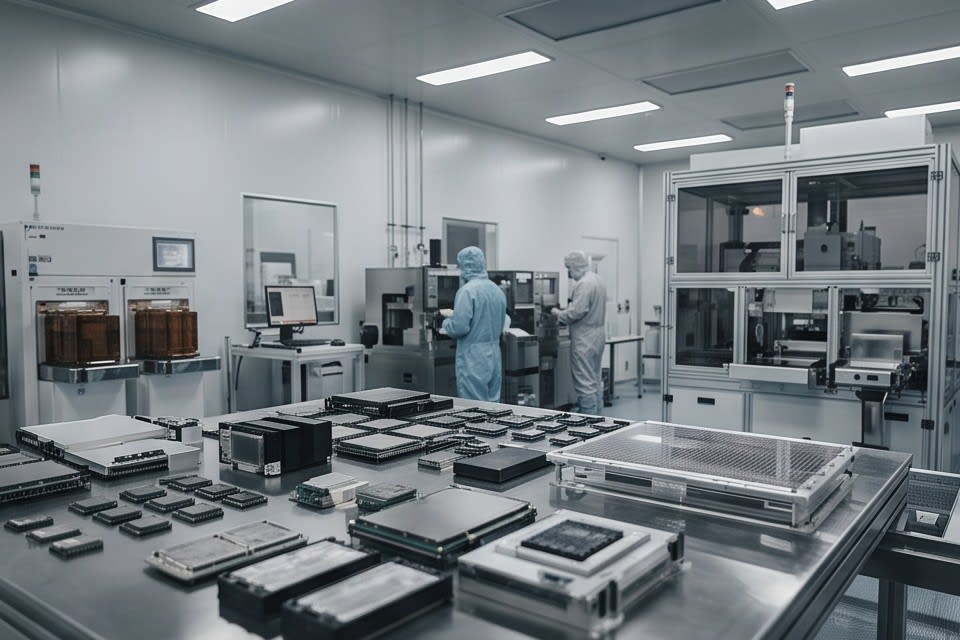
    Production site scene where workers operate precision equipment and inspect products inside a cleanroom

    Protecting the fundamentals of a process is the hardest task. Cleaning, lamination, precision grinding — these processes may not carry flashy names, but if these steps become unstable, no advanced technology that follows can perform properly. In semiconductor manufacturing sites, basic cleanliness does not simply mean making things clean. It means the ability to accurately identify the different contamination paths in each process and block them with the right method. That ability protects yield, stabilizes the line, and ultimately determines product reliability.


    Huvics is an advanced technology company that develops and manufactures automation equipment and
    production systems across the semiconductor, LED, mobile, and cosmetics industries.
    With top talent and continuous technological innovation, we support improvements in customer productivity and
    the securing of quality competitiveness.

    Huvics Contact

    Phone: 031-374-8285
    Email: cdpark@huvics.com

    Huvics Inquiry

  • Prevent Product Shrinkage After UV Curing, Three Laminator Design Know-Hows from Huvics

    Prevent Product Shrinkage After UV Curing, Three Laminator Design Know-Hows from Huvics

    As the saying goes, “Well begun is half done,” the first step in solving shrinkage problems during UV curing is a precise design. This is not just a proverb but a principle that Huvics considers most important when designing laminator systems. Today, we will look at how to minimize product shrinkage after UV curing and maximize production efficiency through Huvics’ three innovative laminator design know-hows.

    UV Curing Process’s Major Challenge: Product Shrinkage Issue

    UV curing might sound like an advanced technology boasting fast and strong adhesion. Indeed, its potential is widely recognized and actively utilized in many industries. However, for engineers handling this process on the ground, UV curing is like a double-edged sword. Behind its attractive fast curing speed and excellent adhesion is the inevitable and intricate issue of ‘volume shrinkage’ during curing.

    This problem can lead to critical defects, especially when manufacturing products requiring micron-level precision, like smartphone displays, semiconductor packages, and advanced medical devices. Even a tiny twist, invisible to the naked eye, can degrade product performance or classify it as defective, leading to significant production losses. These minute deformations can lower assembly precision and cause unexpected quality issues, leading to customer complaints.

    Therefore, the product shrinkage issue during UV curing should be recognized as more than just a ‘technical issue.’ It directly impacts a company’s production efficiency, market competitiveness, and customer trust. Huvics fully understands this reality and is persistently engaged in research and technological innovation to maximize the potential of UV curing while minimizing shrinkage issues from the product design stage. Ultimately, only extremely delicate and meticulous design can realize the true value of UV curing technology and lead to successful business beyond customer satisfaction.

    To solve these challenges, Huvics has integrated three core design know-hows into its laminator system.

    1. Precision Initial Process Design Using Expander Technology

    Precision initial process design using Expander technology. Just as the success of lamination depends on how the first button is fastened, if the film or substrate is not uniformly unrolled from the outset, it is difficult to avoid twists or misalignments. Huvics’ laminator unfolds and fixes films or substrates with micron-level precision through a high-performance Expander. This minimizes the possibility of minor shrinkage deformations occurring during UV curing from the onset, significantly lowering defect rates by maximizing the flatness and uniformity of products.

    2. Optimal UV Curing System Selection and Process Optimization

    Optimal UV Curing System Selection

    The selection of an optimal UV Curing system goes beyond choosing equipment and decides the success or failure of a process. Huvics meticulously analyzes customers’ product characteristics and production requirements to propose the most suitable solution between Lamp type and LED type UV Curing systems. Since the heat generated during UV curing can be a leading cause of product shrinkage, Huvics’ system applies proprietary technology to effectively control and distribute this heat. This maximizes adhesion strength while reducing thermal stress on the product, minimizing shrinkage. By enhancing process stability and securing consistent quality, customers can achieve the best results beyond expectations.

    Precise Optimization of UV Curing Conditions

    In addition to selecting the optimal system, Huvics excels in focusing on ‘process optimization.’ A core tip many manufacturers ponder is the ‘setting of optimal UV curing conditions.’ The intensity of UV lamps, exposure time, and curing temperature lead the entire curing reaction like a conductor’s baton. If the balance of these three factors is broken, the curing speed becomes too fast or uneven, increasing internal stress within the product, which leads to excessive shrinkage.

    To prevent such issues, Huvics finely adjusts the intensity of UV lamps through precise control technology, applying optimal exposure times suitable for the product’s characteristics. For example, in some high-precision products, rather than rapid curing, a step-wise gradual UV exposure method is adopted to allow the materials to stabilize slowly. This gives the internal molecular structure of the material time to reorder stably, significantly reducing the final shrinkage rate.

    Furthermore, since the heat generated during the UV curing process directly impacts shrinkage rates, Huvics systems are equipped with sophisticated temperature control mechanisms to maintain optimal curing temperatures. They effectively manage not only excessive heat but also uneven temperature distribution, ensuring uniform curing and minimal shrinkage throughout the entire product. These meticulous control technologies go beyond merely increasing product productivity, serving as the critical driving force for meeting the highest quality standards customers demand.

    3. Shortening Tact Time with One-Stop Lamination Process Design

    One-Stop Lamination process design is about shortening Tact Time. In conventional complex processes, moving and realigning products at each step takes considerable time and effort, causing a decline in productivity. Huvics’ laminator system integrates all key processes from Expander to UV Curing, boldly eliminating unnecessary movement time and transition steps. This integrated system drastically shortens total production time, significantly enhancing productivity and strengthens the company’s competitiveness. The time savings obtained through process simplification directly translate into operational cost savings, offering customers tangible economic benefits. Through this integrated solution, Huvics continuously strives not only to supply equipment but also to contribute to customers’ production innovation and successful product launches.

    Additionally, another crucial perspective Huvics offers in solving product shrinkage issues after UV curing is the ‘selection of low-shrinkage materials.’ No matter how sophisticated the equipment or the optimal process conditions, if materials with high shrinkage rates are used initially, limitations are bound to be encountered. Just like even with meticulous groundwork, it is difficult to expect robustness in building a sturdy house using weak materials from the start. Various UV curing resins such as epoxy, acrylic, and silicone exist, each with inherent shrinkage rate characteristics. Therefore, it is paramount to carefully select the material with the lowest shrinkage rate according to the product’s final performance goals, purpose, and required precision.

    Of course, a material isn’t automatically deemed good just because it has a low shrinkage rate. Adhesion, heat resistance, chemical resistance, and other diverse physical properties required for the product must be comprehensively considered. If finding the optimal material is challenging or further reducing the shrinkage rate of an existing material is necessary, utilizing shrinkage prevention additives is also effective in further lowering the shrinkage rate.

    Huvics becomes a reassuring adviser for customers at this point. Huvics goes beyond merely providing laminator equipment, deeply understanding and analyzing customers’ product characteristics and production requirements to propose the optimal material selection guidelines. With years of experience and accumulated expertise, they provide detailed guidance on the pros and cons of each material, application cases for specific product groups, and, when necessary, consult on customized material formulations. This thorough material selection drastically raises product completeness and minimizes defect rates, eventually providing the quickest and most reliable path to maximize production efficiency.

    The challenging task of ‘product shrinkage’ hidden behind the powerful potential of UV curing ultimately finds its answer in micron-level delicate approaches and integrative perspectives. From initial Expander technology to optimal UV Curing system selection and efficient One-Stop Lamination processes, Huvics is resolving these challenges through precise control and optimization at every stage. Beyond just equipment, this is also why they propose shrinkage-resistant material selection and optimal curing conditions through accumulated know-how and customer-tailored consultations. Now, with Huvics, you can fully realize the true value of UV curing, ensuring unwavering quality and achieving business success beyond customer satisfaction.

    Huvics is a high-tech company that develops and manufactures automation equipment and production systems across the semiconductor, LED, mobile, and cosmetic industries. With top-notch personnel and continuous technological innovation, we support customers in enhancing productivity and securing quality competitiveness.

    Huvics Contact Information

    Phone: 031-374-8285
    Email: cdpark@huvics.com
    Huvics Inquiry

  • Three Key Technologies to Enhance the Efficiency of Laminator Adhesive Processes

    Three Key Technologies to Enhance the Efficiency of Laminator Adhesive Processes

    The laminator adhesive process might feel like a routine repeated daily. However, even the slightest dust or minor temperature changes can drastically alter the results, leaving a constant sense of unease. “Will it be okay this time?” Amidst this recurring question, we have prepared three key technologies to maximize production efficiency. It’s time to explore the hidden world of technology and ease your worries.

    Essential Technologies to Enhance the Efficiency of Laminator Adhesive Processes

    In the semiconductor and advanced electronic components industry, integrated solutions that maximize precision machining, process efficiency, and quality reliability are essential. This is why technology that aids in improving productivity and yield is needed alongside custom equipment design that reflects customer needs. Here, we introduce three key technologies to maximize efficiency in laminator adhesive processes.

    1. Laminator System that Achieves Process Optimization

    The laminator system focuses on maximizing production efficiency. By integrating key processes like Lamination, Tape Mounting, and UV Curing into one system, it has realized ‘One-Stop Lamination’.

    The most significant feature of this system is integrating the entire process from Expander to UV Curing, reducing operation time and remarkably enhancing productivity. Beyond merely providing equipment, it aims to optimize the entire production line for customers, helping achieve higher quality and output.

    Furthermore, it offers Semi Auto and Manual options tailored to diverse demands, adding flexibility. As the market constantly evolves and new products are continually launched, line flexibility is crucial. Designed to adjust to various product sizes and shapes, it allows for swift and easy reconfiguration of the production line.

    The Lamp/LED UV curing system is the hidden key technology in the laminator adhesive process. It not only cures adhesives but also maximizes bonding strength and significantly enhances the overall process’s stability. The UV curing technology shortens curing times, increasing production speed while simultaneously strengthening adhesion to enhance product durability. This directly correlates to product lifespan extension and is a crucial factor in boosting customer satisfaction.

    2. A Cleaner System, The Epitome of High-Performance Cleaning Technology

    One often overlooked aspect in the laminator adhesive process is ‘cleanliness’. No matter how advanced the adhesive technology, if minute contaminants remain on the surface, perfect adhesion is hard to achieve. The Cleaner System addresses this by applying multi-step cleaning technology to effectively remove contaminants from product surfaces.

    • Micro Bubble
    • Water Jet
    • Air Knife

    Especially for precise components like camera modules, sensors, and VCM motors, even one tiny contaminant can significantly impact overall performance. This system captures fine contaminants, reducing defect rates and ensuring final product quality stability. Additionally, it implements a perfect drying process with the Oven Dry function, preventing issues caused by moisture. Full Auto and Manual selections are available, simplifying process automation and maintenance.

    3. Grinder System Based on Ultra Precision Grinding Technology

    Ultra precision grinding technology is like the unsung hero of the laminator adhesive process. The PKG Grinder processes various packages uniformly and precisely to the desired thickness through high-precision grinding technology. It is applicable to various packages such as FCBGA, WLCSP, QFN/DFN, and Solar Cell, achieving precision machining at the micron level using a high-precision Stage and Diamond Wheel.

    In semiconductor packaging processes, thickness is a crucial element directly linked to performance. To meet these demands, the PKG Grinder supports flexible production line configuration with Full Auto and Manual options. It ensures stable quality even in high-speed processes, achieving high yield. It is not merely about refining product appearances but technologies that maximize product potential.

    Remember that laminator adhesive technology is not just listing some equipment but the harmony of delicate science. With the belief that small improvements can bring significant changes, we will continue to strive to provide innovative solutions to maximize our customers’ production efficiency. Discover the hidden potential in adhesive processes and build a successful business.

    Huvics is a cutting-edge technology company that develops and manufactures automation equipment and production systems across the semiconductor, LED, Mobile, and Cosmetic industries.
    With the best workforce and continuous technological innovation, we support enhancing our clients’ productivity and quality competitiveness.

    Huvics Contact Info

    Phone: 031-374-8285
    Email: huvics01@gmail.com

    Contact Huvics