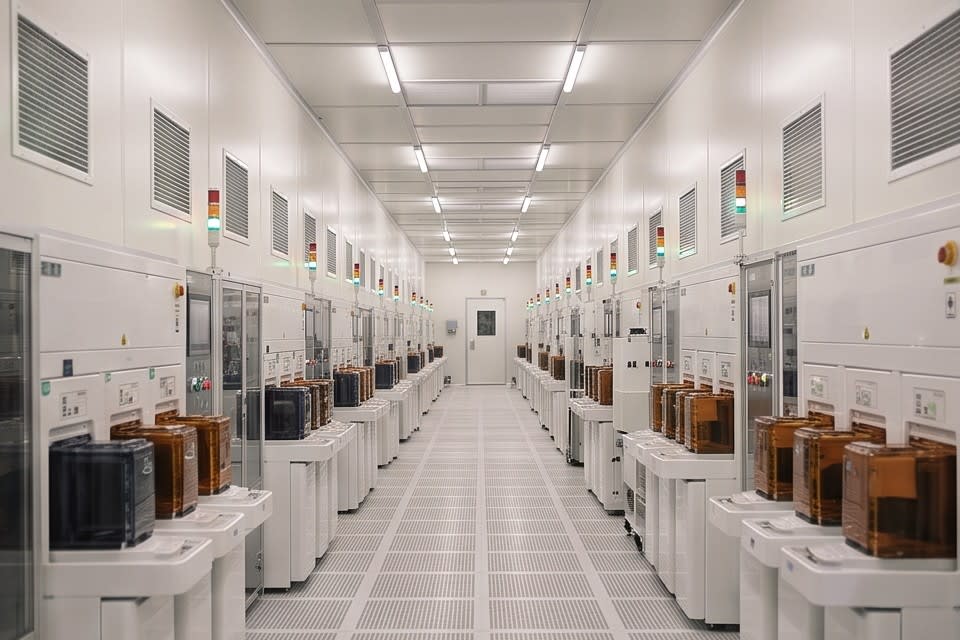
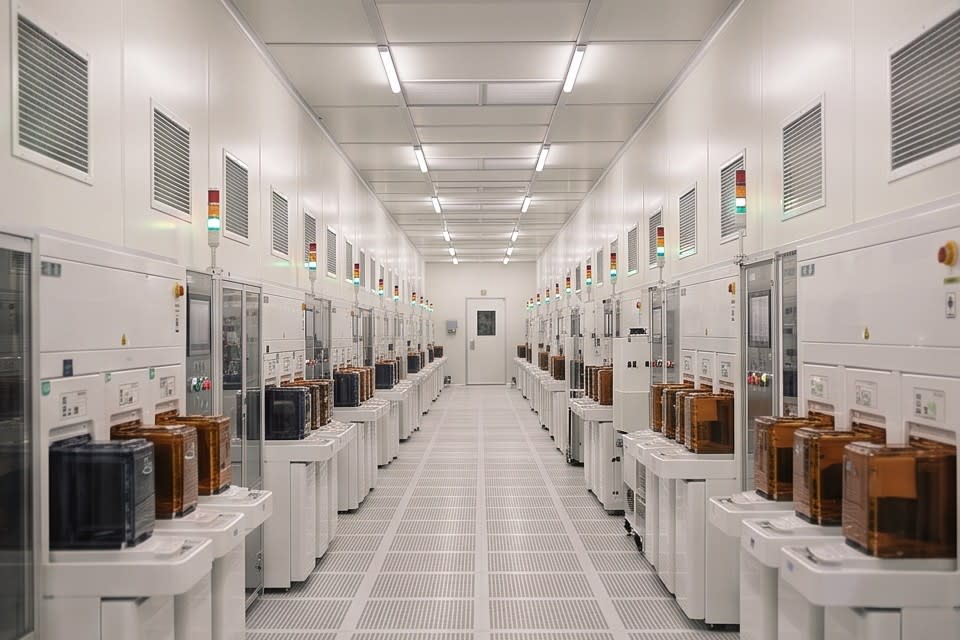
Many semiconductor and electronic component manufacturing sites still lack systematic standards for cleaning processes. Even after introducing equipment, many operations continue without clearly determining which method best fits their production line or when a multi-stage system is required. As a result, defect rates may not decrease, or the expected yield improvement from facility investment may not be realized. The cleaning process is not a finishing step at the end of the production line, but a key variable that determines initial quality.
In semiconductor processes, the cleaning stage is directly linked to yield. In environments where circuit line widths have become extremely narrow, such as 3nm·2nm processes, a single 10-nanometer particle can cause a short circuit in a transistor or trigger structural deformation. According to Applied Physics USA, when producing 10-nanometer devices in a 300mm wafer fab, a 1% decrease in yield can eliminate approximately 50,000 dollars in potential revenue. This figure shows that the precision of the cleaning process is not merely a quality control issue, but a business factor directly tied to profitability.
How effectively contamination particles are removed depends on the cleaning method of the equipment. A multi-stage cleaning structure combining Micro Bubble, Water Jet, and Air Knife separates and removes complex contamination step by step, which is difficult to handle with a single method. Each stage is designed to respond to different types of contamination, preventing surface residues and fine particles from moving on to the next process. The recognition that process precision comes before process sequence is gradually becoming established on production sites.
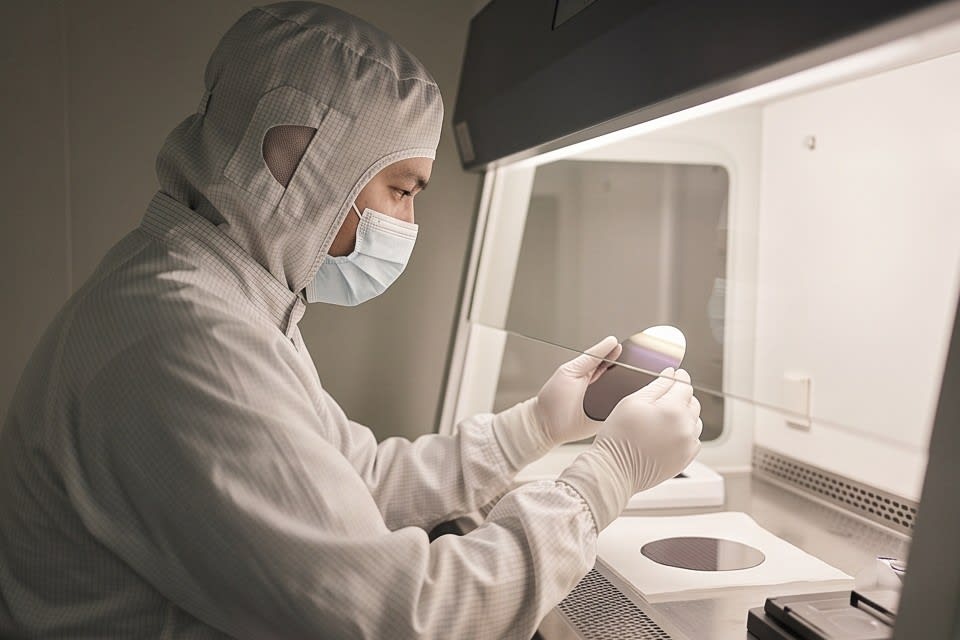
Cleaning Equipment Selection Criteria: Throughput and Automation Level
The first criterion to consider when selecting cleaning equipment is production volume. For a line that processes fewer than 100 parts per day, a single-tank method can be sufficiently economical. On the other hand, in an environment where more than 200 parts must be cleaned per day, the investment value of a multi-stage ultrasonic cleaning system becomes clearly different. The moment throughput exceeds this threshold, it is necessary to consider not only simple cost comparison, but also process stability and automation level.
For lines that produce a mix of parts with diverse shapes and materials, such as camera modules, sensors, VCM motors, and trays, equipment flexibility is also an important decision factor. The Full Auto method is advantageous for securing consistent processing speed and repeatable precision, while the Manual method reduces operational burden in low-volume, high-mix processes or early validation stages. Both methods must be designed to be selected according to process requirements in order to improve on-site adaptability. Whether to automate is not simply a matter of convenience, but a technical decision determined by the production conditions and quality goals of the line.
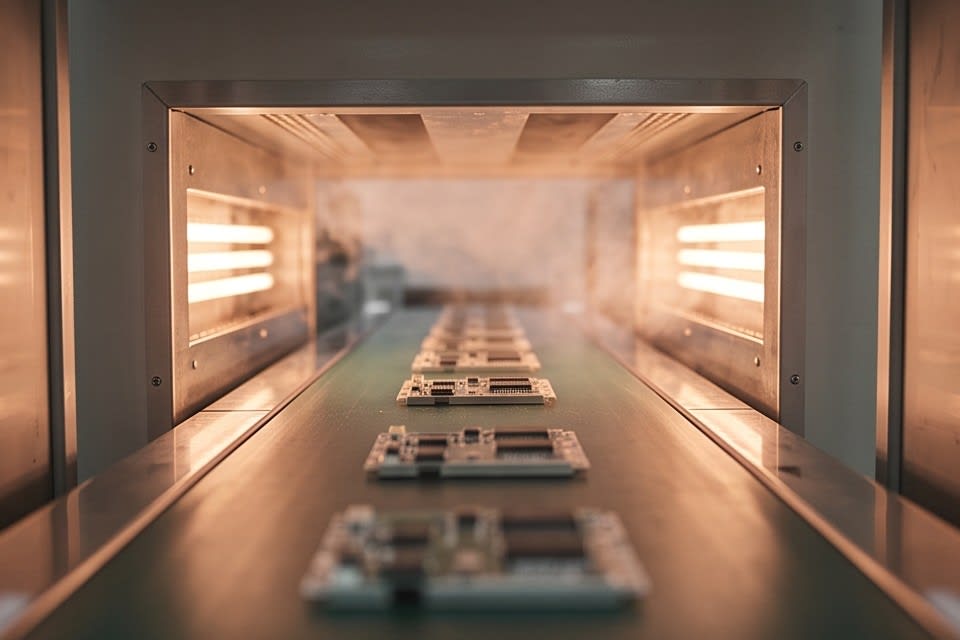
Practical Operation of Cleaning Processes: Drying, Inspection, and Technology Integration
Connecting Drying and Cleaning into One Flow
If defects occur even after the cleaning process is complete, the drying stage should be reviewed. If residual moisture or recontamination occurs after cleaning, the effect of cleaning itself is reduced. When the Oven Dry function is integrated into the cleaning equipment, the surface condition can be kept stable without a separate drying process. In processes that handle complex structures, such as semiconductor tray cleaning, connecting cleaning and drying into one continuous flow is a practical way to prevent contamination from recurring due to process interruption.
Combining Ultrasonic Dispersion and Vision Inspection
Ultrasonic dispersion technology helps the cleaning solution act evenly even between fine irregularities on the component surface, treating contaminated areas that are difficult to reach with visual inspection or simple water jet cleaning. When a vision inspection algorithm is combined with this, cleaning results can be verified quantitatively, so defect judgment does not rely only on operator experience. As shown in cases where defect rates improved in camera module processes, yield changes become visible in numbers when inspection functions are integrated into the cleaning stage.
Meanwhile, the operation of cleaning equipment must also consider chemical handling standards in accordance with SEMI guidelines and local environmental regulations. Equipment reliability is maintained longer in environments equipped with operator training and emergency response procedures. The difference in technology becomes meaningful on site only when that technology has been repeatedly verified under actual process conditions.
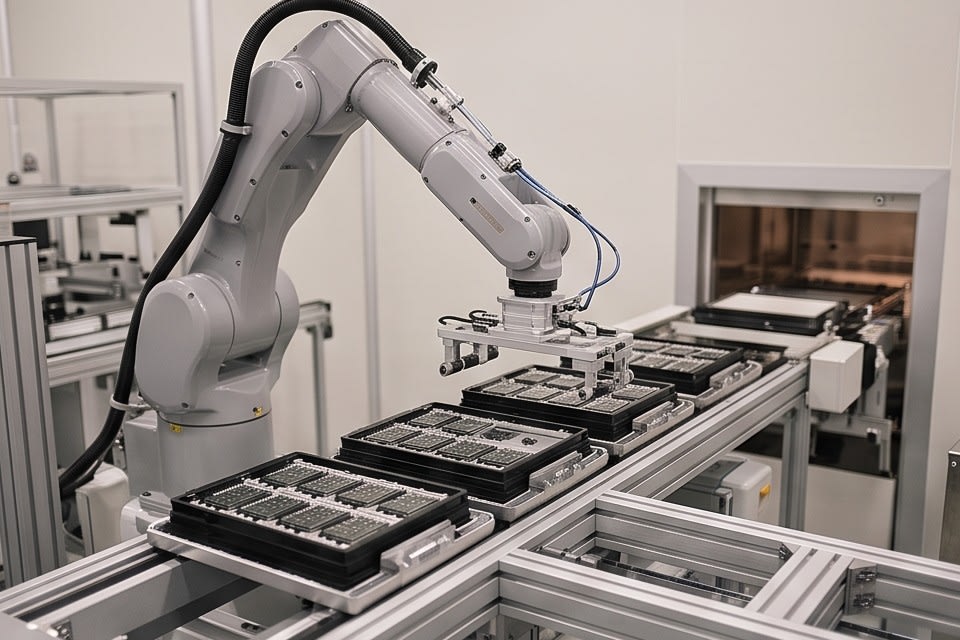
The questions that may feel unclear when first designing a cleaning process, such as which method is appropriate, when automation is needed, and whether drying can be handled by a single piece of equipment, are ultimately answered by production conditions and quality goals. When equipment is selected based on four criteria, throughput, component shape, contamination type, and process continuity, yield improvement becomes not an expectation, but a result of design. When the introduction of cleaning equipment is recognized not as a cost item but as the starting point of yield management, the quality stability of the production line changes.
Huvics is an advanced technology company that develops and manufactures automation equipment and
production systems across the semiconductor, LED, Mobile, and Cosmetic industries.
With top talent and continuous technological innovation, Huvics supports customers in improving productivity and
securing quality competitiveness.
Huvics Contact
Phone: 031-374-8285
Email: cdpark@huvics.com