Tag: ManufacturingSolutions

  • What are the 3 design criteria that improve laminator process stability?

    What are the 3 design criteria that improve laminator process stability?

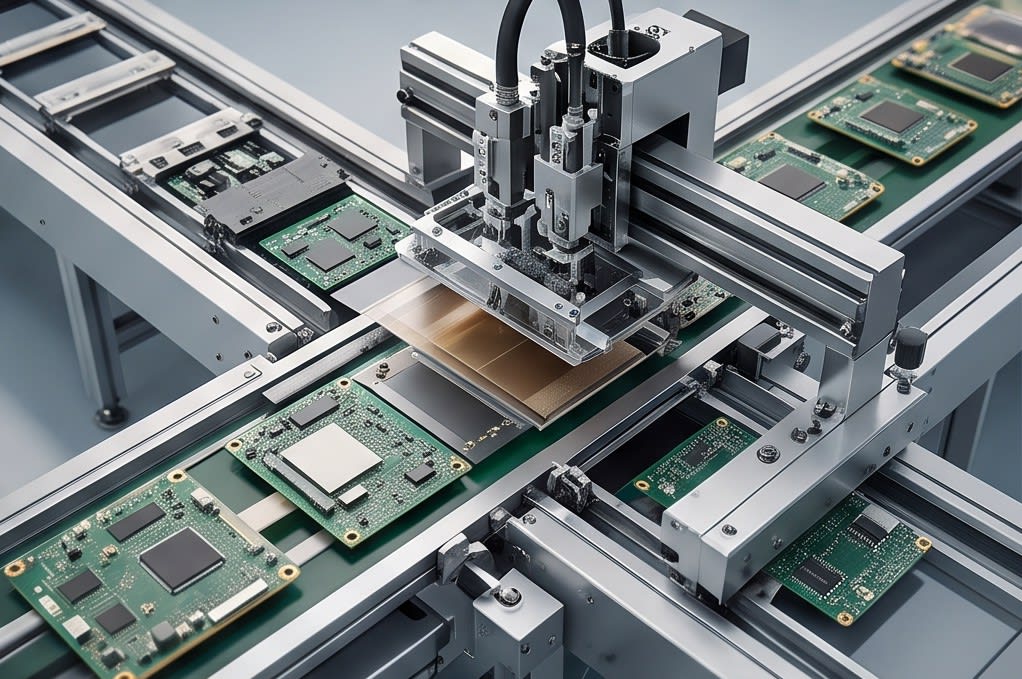
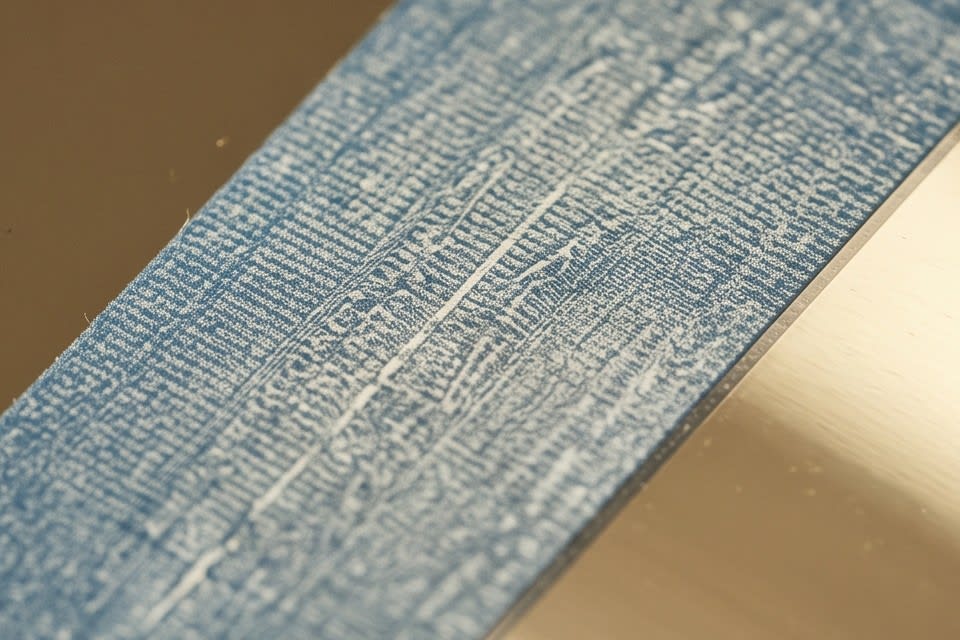
    A close-up view of tape attachment showing the importance of the lamination process

    In the semiconductor process, many people still overlook the fact that a single sheet of tape can determine yield. Even a slight deviation in the precision of the lamination process can lead to defects across an entire wafer, and the resulting loss goes far beyond simple rework costs. The quality of the process depends on how accurately the direction of equipment design reflects the needs of the production site.

    A precise process in which metal rollers closely attach tape to a wafer

    Process principles and configuration of a laminator system

    In the semiconductor packaging process, a laminator handles a sequence of operations that attaches tape to a wafer, controls the adhesion state through UV curing, and then separates the tape after dicing or backgrinding. The reason this process may look simple is that the visible movement is concise, but in reality, micron-level alignment and the maintenance of uniform adhesion are required at the same time.

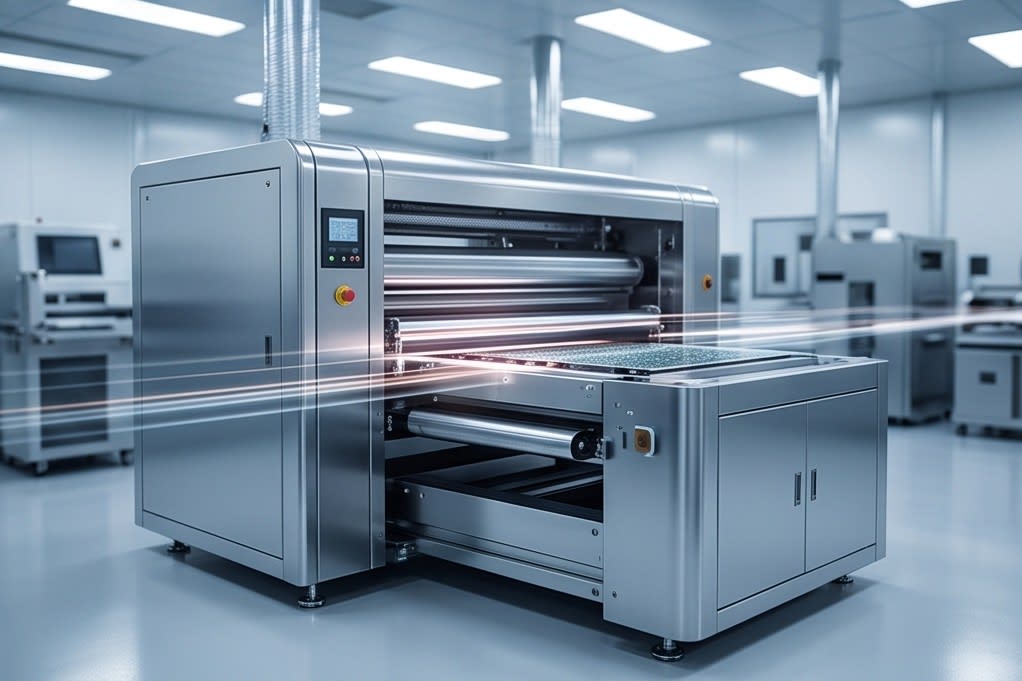
    UV curing adhesives lose adhesion and harden when exposed to ultraviolet light, and this principle makes it possible to separate chips after dicing without damage. A one-stop configuration that evenly expands the tape with an Expander, precisely attaches it to the wafer with a Tape Mounter, and controls the adhesion state through UV Curing is integrated within a single laminator system.

    Overall process stability is secured only when each stage does not operate independently but is connected as a continuous flow. If adhesion uniformity breaks down, chip breakage occurs in the subsequent dicing process, and if the UV curing time is inaccurate, separation defects follow. The core premise of a laminator system is that the process must be designed not as a structure where errors accumulate, but as a method that blocks errors at each stage. The process of attaching, curing, and separating tape is implemented as a continuous sequence of precise control.

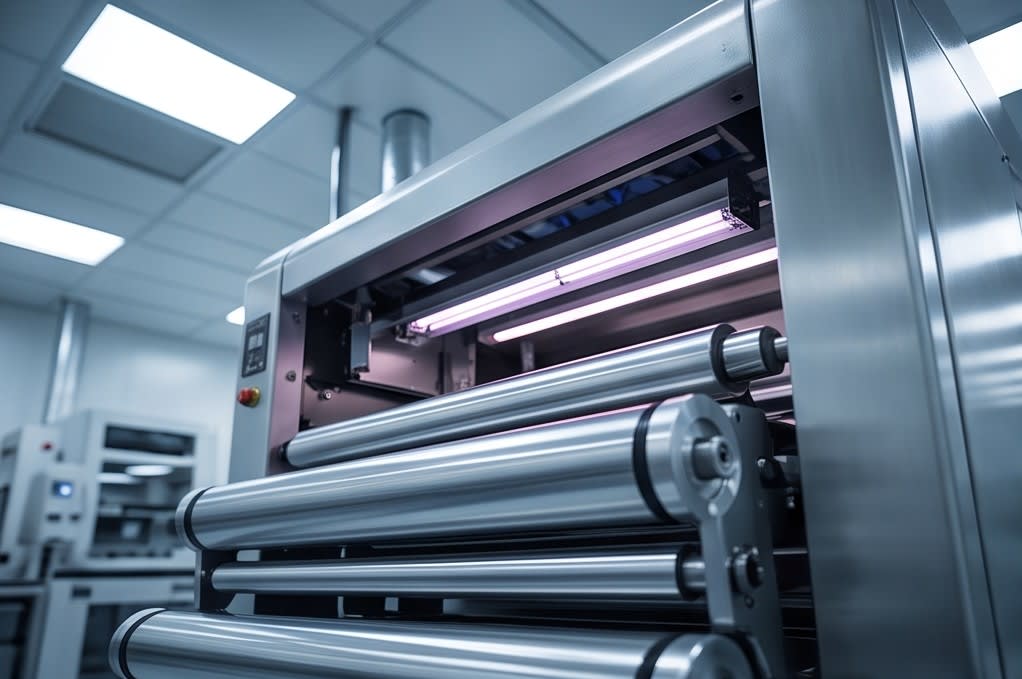
    A UV LED curing module that prevents thermal damage while performing a process on a wafer

    The shift in UV curing methods began with on-site inconvenience

    The change in selection criteria for UV curing methods at production sites began not with advances in equipment technology, but with practical inconvenience in the field. Conventional mercury lamp methods require warm-up time before operation and a cooldown process after operation, which often interrupts process flow. Because they generate a large amount of infrared heat, they pose a risk of thermal damage to heat-sensitive thin-film substrates or electronic components, and this was a variable that on-site engineers had to account for whenever setting process conditions.

    The UV LED method starts irradiation immediately when powered on and stops the moment it is turned off, so no warm-up or cooldown is required. As a cold light source, it does not apply heat to the substrate, allowing stable application even to sensitive materials, and according to data from Noble Light, UV LED consumes 30~70% less energy than mercury lamps. In dicing and backgrinding processes, tape adhesion must be reduced quickly to shorten cycle time, and UV LED cold light technology efficiently supports this process.

    The Huvics laminator system is configured so that both Lamp and LED methods can be selected, allowing flexible responses according to customer material characteristics and process conditions. Semi Auto and Manual options are also provided, making application possible even on lines with different production scales or automation levels. In a position where mercury lamps were once used as a matter of course, selection criteria have changed as on-site conditions have changed.

    An overall view of a laminator system integrated into a single framework from tape attachment to curing

    Customer feedback from the field changed laminator design

    When Huvics designs a laminator system, the first reference point is the problems that actually occur at customer sites. In cases where defects repeatedly occurred in the semiconductor tape bonding process, uneven tape attachment pressure and variations in UV curing time were acting in combination. Replacing a single piece of process equipment alone did not solve the problem, and the approach shifted toward restructuring the entire process from Expander to UV Curing as one continuous flow.

    When processes are integrated, contamination and alignment errors that occur during transfer between equipment are reduced, and Tact Time is also shortened. In the wafer lamination process, UV curing can be completed within a few seconds depending on the adhesive type, and when this time is accurately reflected in process design, unnecessary waiting disappears from the overall cycle. To secure both adhesion strength and process stability, curing conditions must remain consistent in every cycle, and the control of irradiation time and illuminance for this purpose becomes a key variable in equipment design.

    When customer requirements lead not simply to a specification request but to a redesign of the entire process, the data and know-how gained through that process become the foundation for the next equipment development. Cases in which feedback from the field has substantially changed the structure and options of laminator systems have been steadily accumulated.

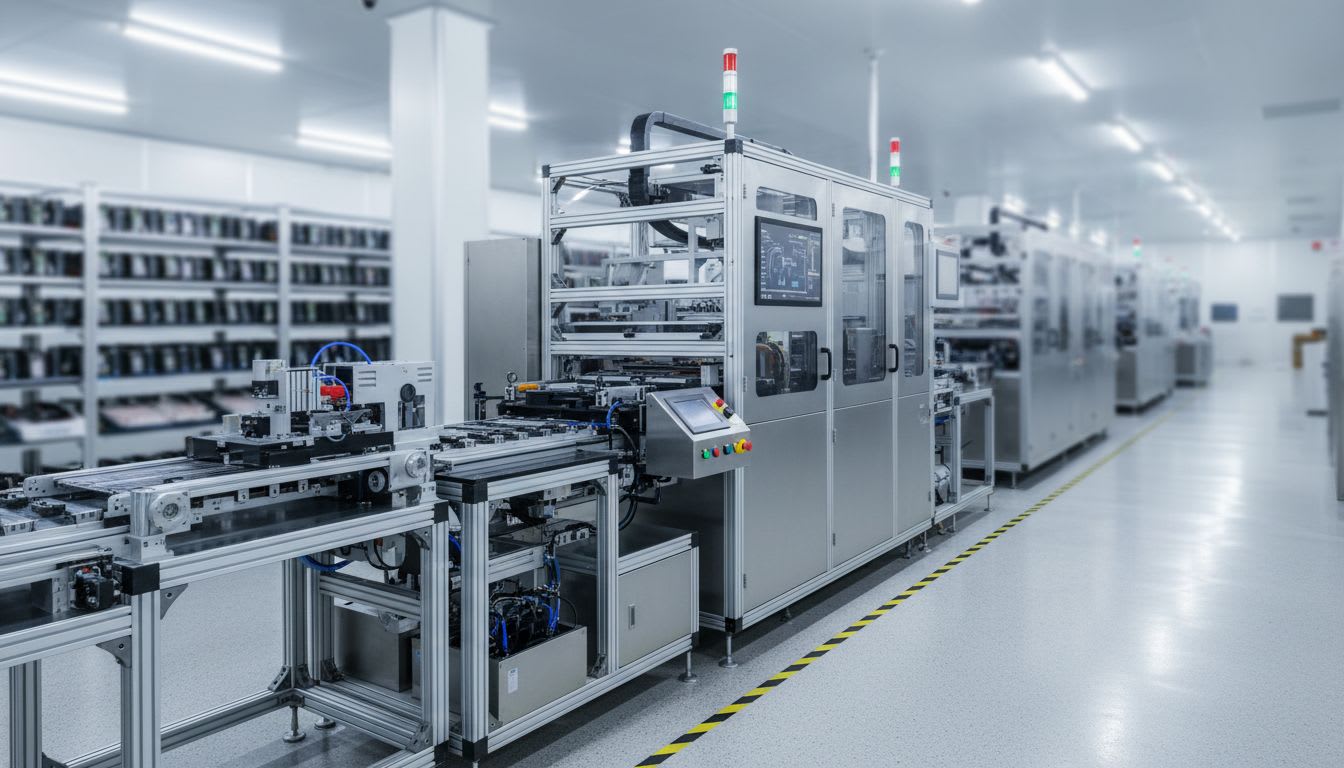
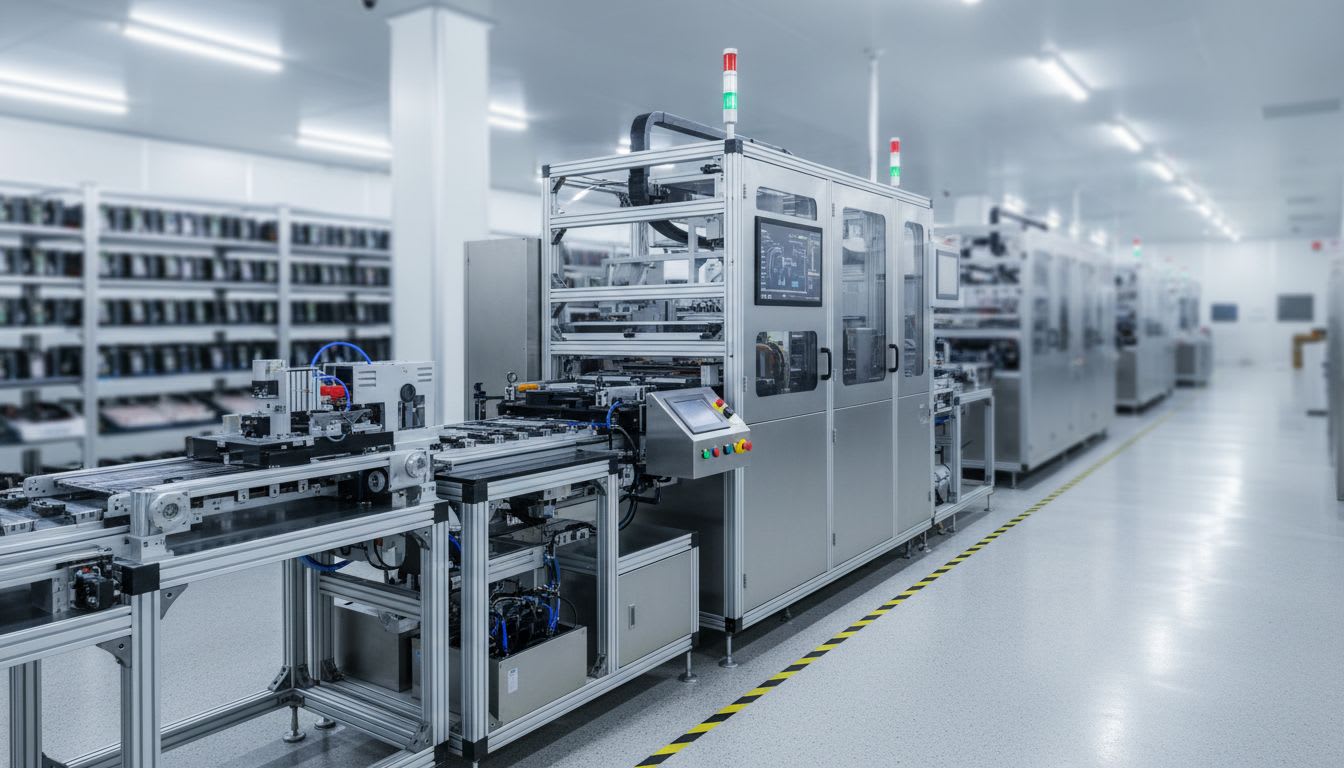
    The interior of a semiconductor cleanroom where automation equipment is arranged according to process flow

    Equipment specifications can be checked in a catalog, but the problems those specifications were designed to solve can only be understood in the field. The fact that the laminator system is integrated as one flow from Expander to UV Curing, and the fact that customers can choose between UV Lamp and LED, are the result of specific inconveniences and requirements from customer sites changing the direction of design. The evolution of a process begins not with the technology itself, but with how accurately the context in which that technology is used is understood.


    Huvics is an advanced technology company that develops and manufactures automation equipment and
    production systems across the semiconductor, LED, Mobile, and Cosmetic industries.
    With top-tier talent and continuous technological innovation, we support customers in improving productivity and
    strengthening quality competitiveness.

    Huvics Contact

    Phone: 031-374-8285
    Email: cdpark@huvics.com

    Huvics Inquiry

  • One-Stop Laminator: A Strategy for Maximizing Production Efficiency through Process Integration and Precision Control

    One-Stop Laminator: A Strategy for Maximizing Production Efficiency through Process Integration and Precision Control

    Huvics

    Maximizing productivity and ensuring stable product quality on the manufacturing floor is one of the most difficult and important challenges every process manager faces. A production line that runs without pause may seem to operate perfectly at first glance, but countless variables are hidden beneath the surface.

    In particular, the more complex and interconnected a process line becomes, the more likely unexpected bottlenecks are to occur, which becomes a major cause of delays in the overall process takt time. Huvics deeply understands these challenges in manufacturing environments and presents a one-stop laminator solution that perfectly integrates tape mounting and UV curing into a single system.

    Dynamic production line

    Efficiency of One-Stop Process Integration

    By batch processing operations that were previously separated across multiple stages within a single system, the overall process line is dramatically simplified, ultimately becoming a key driver that significantly improves production efficiency. In other words, the integrated solution from Huvics fundamentally resolves the delays and inefficiencies that every process manager is likely to struggle with.

    Technical completeness of the one-stop process

    Precision Irradiation Intensity Control Technology

    The technical differentiation presented by Huvics begins with detailed design that anticipates the needs of the field. Rather than stopping at simple process automation, its core lies in precision irradiation intensity control technology, which fully understands and responds to the unique physical properties of different adhesive films.

    A powerful advantage is the ability to flexibly select the most ideal curing method according to the site environment and product specifications, with broad support ranging from lamp-type systems to the latest LED-type curing systems.

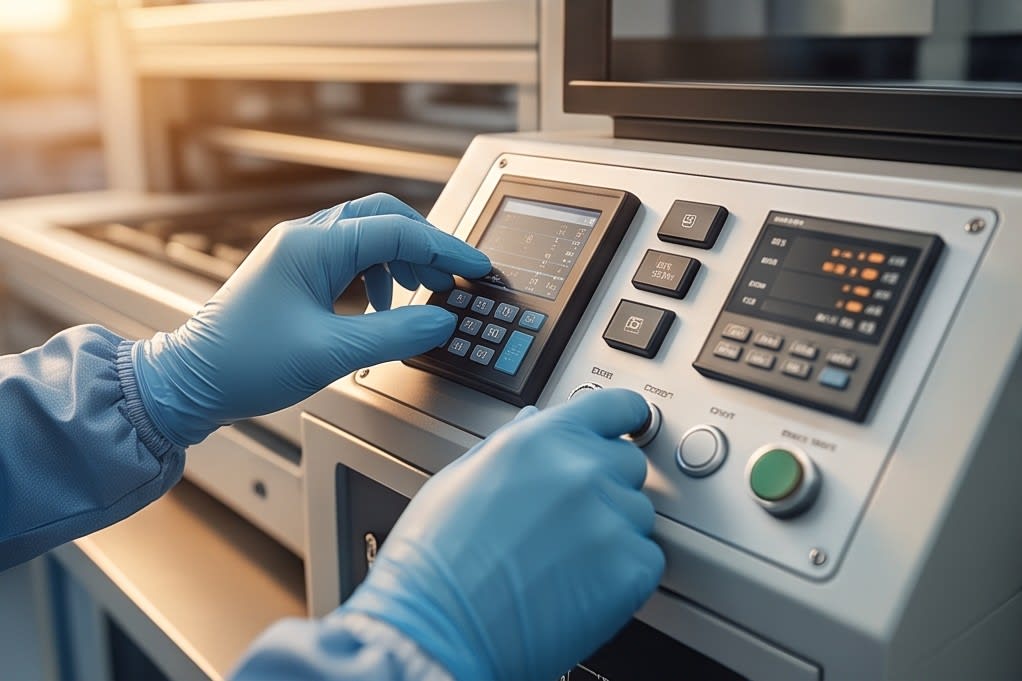
    Precision irradiation intensity control technology

    Quality Stability and Energy Control

    The technology of Huvics is especially valuable in the latest electronic component processes, which react sensitively even to minute temperature changes. Through precise energy control, unnecessary heat generation is suppressed, fundamentally preventing physical deformation or damage to the substrate.

    This technical reliability ensures consistent results with no quality variation between products even in mass production systems, enabling companies to achieve both maximized production efficiency and stable quality control at the same time.

    Close Technical Support and Partnership

    Ultimately, the direction pursued by Huvics is not limited to installing and delivering high-performance equipment. We anticipate the countless variables scattered across manufacturing sites and realize true partnership through close technical support that prevents problems before customers experience difficulties.

    Even with different materials and rapidly changing work environments, the engineers of Huvics work together with customers to consider the flow and context of the production line so that the best results can be achieved. Reducing practical concerns for manufacturers through complex process integration technology and minimizing unnecessary trial and error is the essential attitude Huvics brings to the field.

    In this way, our efforts to optimize processes in detail one step ahead of customers ultimately deliver sustainable production efficiency and consistent high-quality value to the manufacturing floor.

    Technological innovation and optimal solutions

    Key Elements That Complete Production Efficiency

    Huvics will always remain a dependable technology partner that presents optimal solutions beyond the limits of manufacturing, staying closest to its customers. Production efficiency on the manufacturing floor does not depend only on equipment speed.

    The one-stop laminator from Huvics goes beyond providing a tool and creates an environment where the potential of your production line can be maximized. The key elements that complete production efficiency on the manufacturing floor are as follows.

    • Process precision and deep understanding of materials
    • Systematic technical support before and after problems occur
    • An optimal environment that maximizes the potential of the production line

    The unwavering philosophy of Huvics toward the fundamental value of process optimization will continue to stand with innovation in manufacturing sites. The more complex and difficult the process concerns become, the more the integrated solutions and close support system of Huvics will serve as the strongest and most reliable answer for customers.

    If you want to achieve both efficiency and quality on the manufacturing floor, experience the customized partnership of Huvics today.


    Huvics is an advanced technology company that develops and manufactures automation equipment and
    production systems across the semiconductor, LED, Mobile, and Cosmetic industries.
    With top talent and continuous technological innovation, we support customers in improving productivity and
    securing quality competitiveness.

    Huvics Contact Information

    Phone: 031-374-8285
    Email: cdpark@huvics.com
    Huvics Inquiry