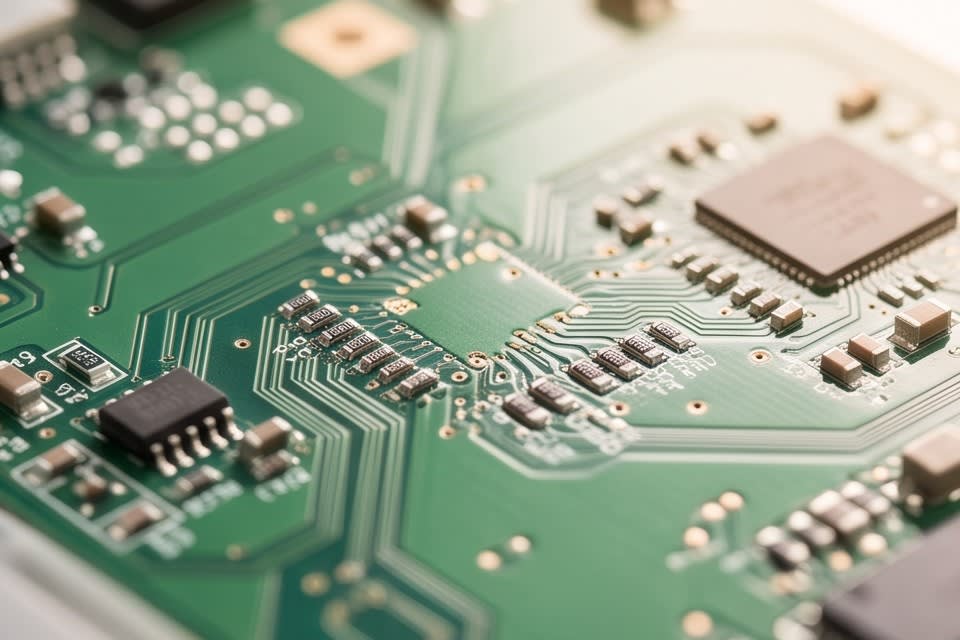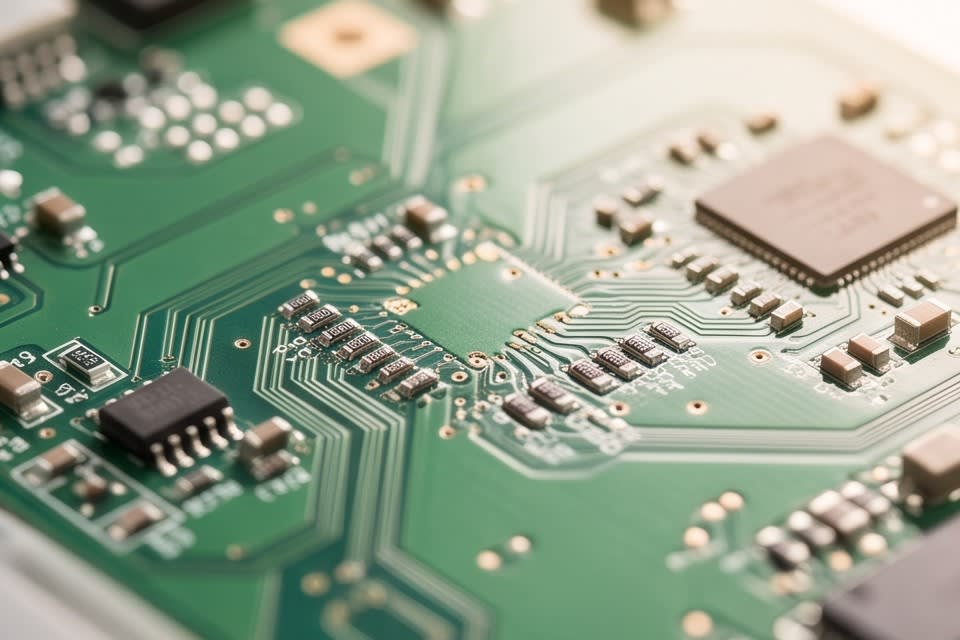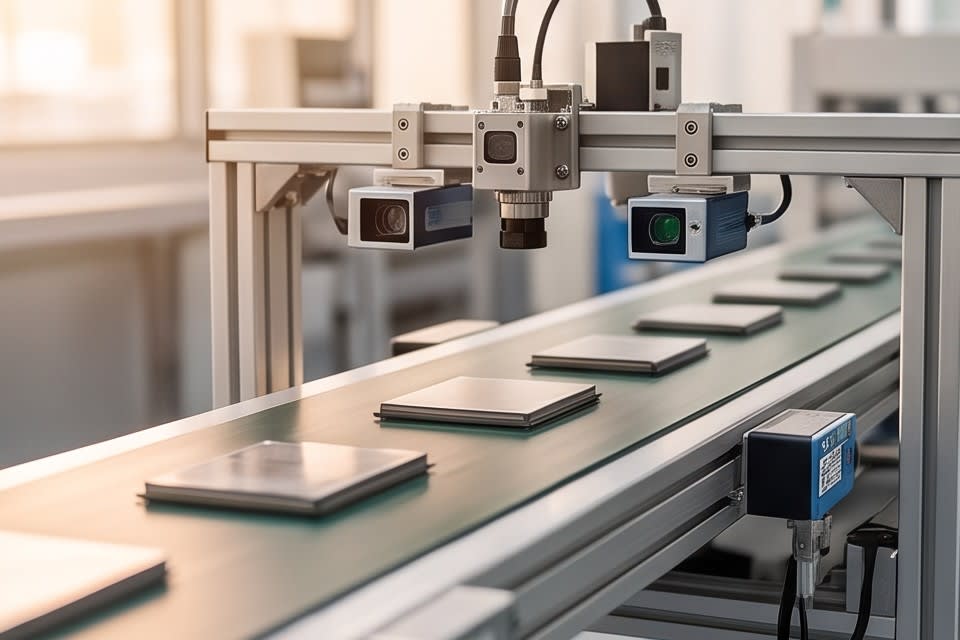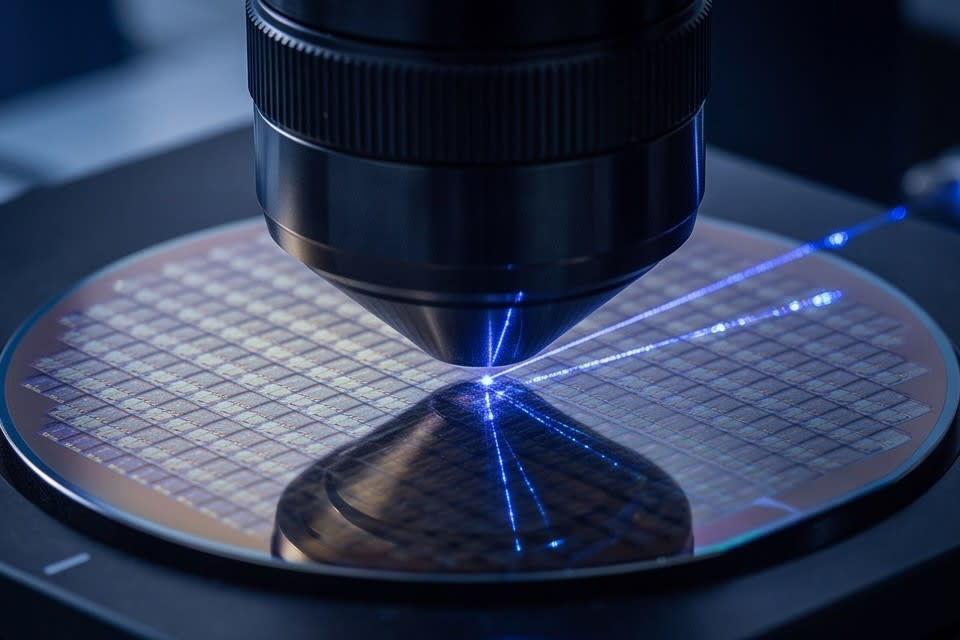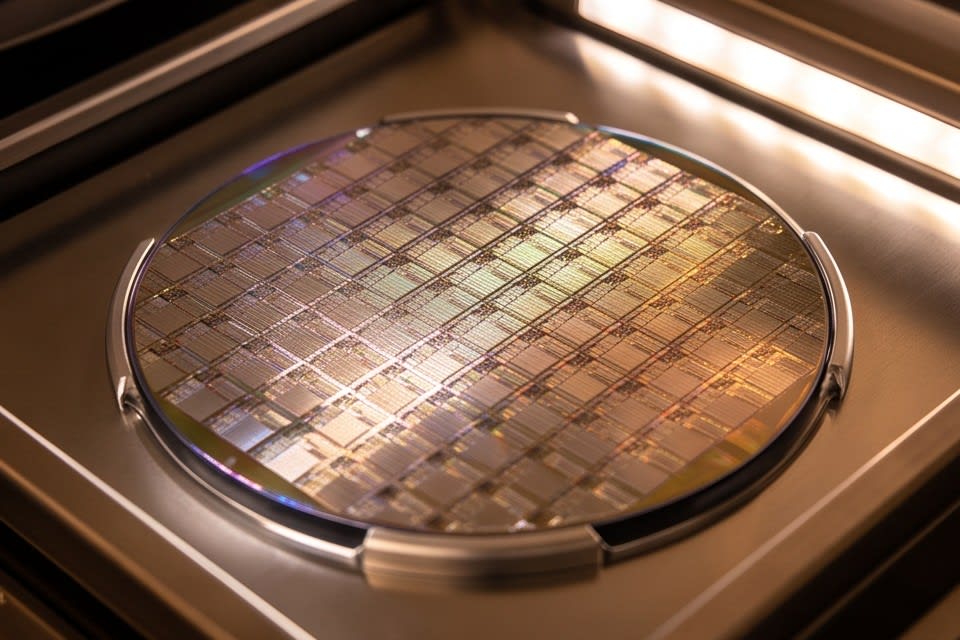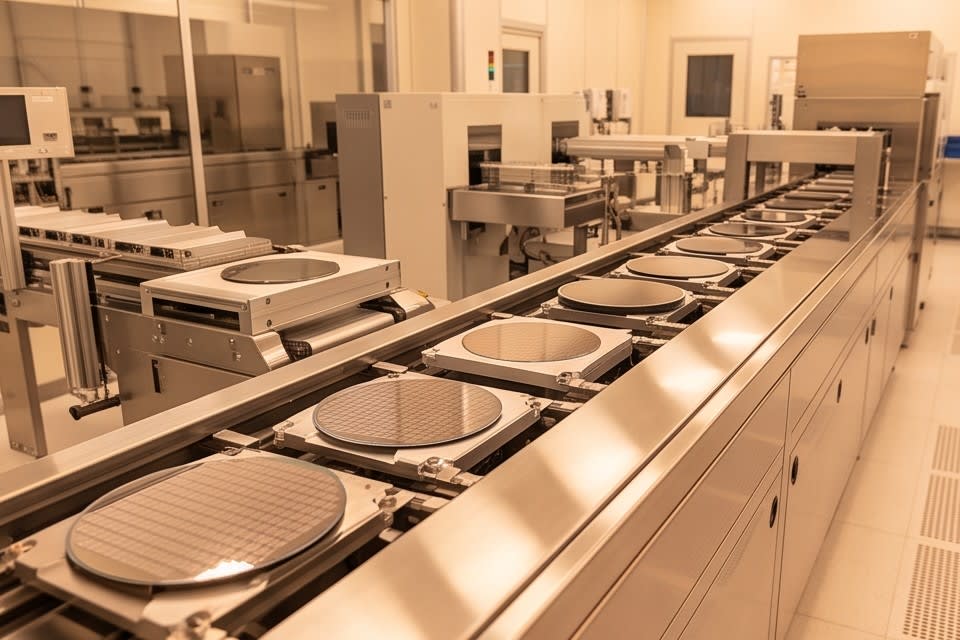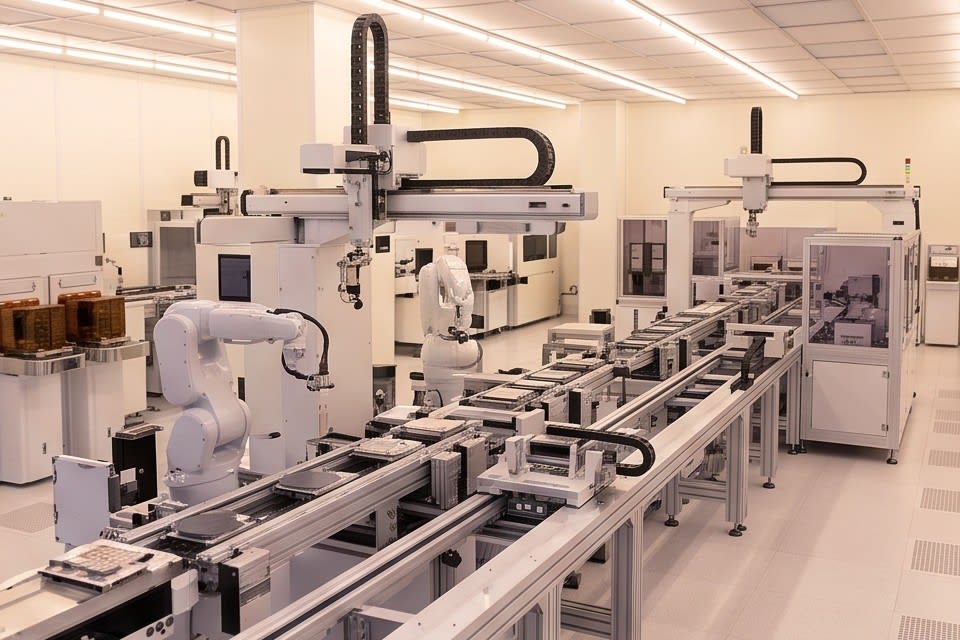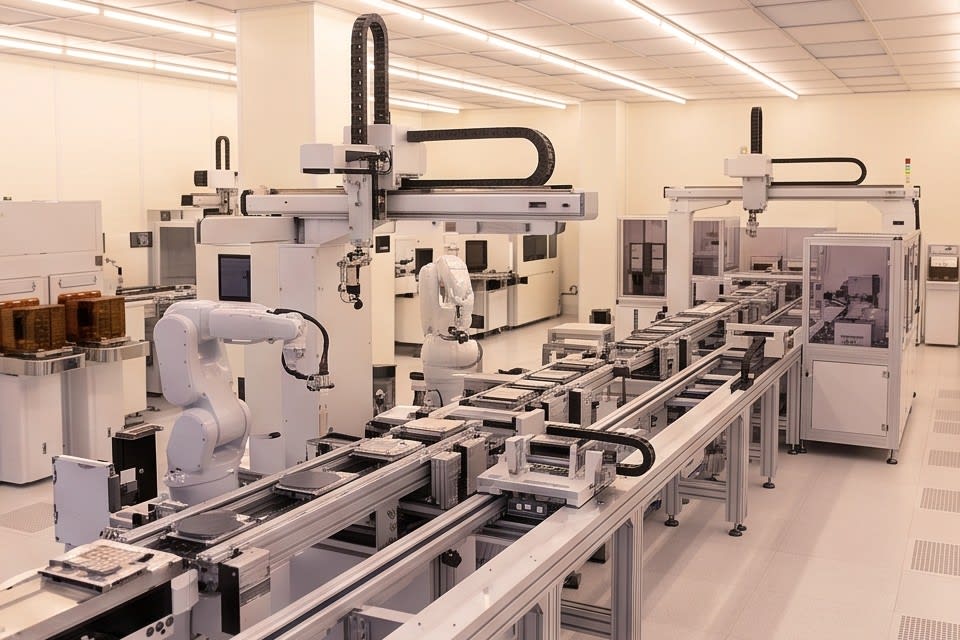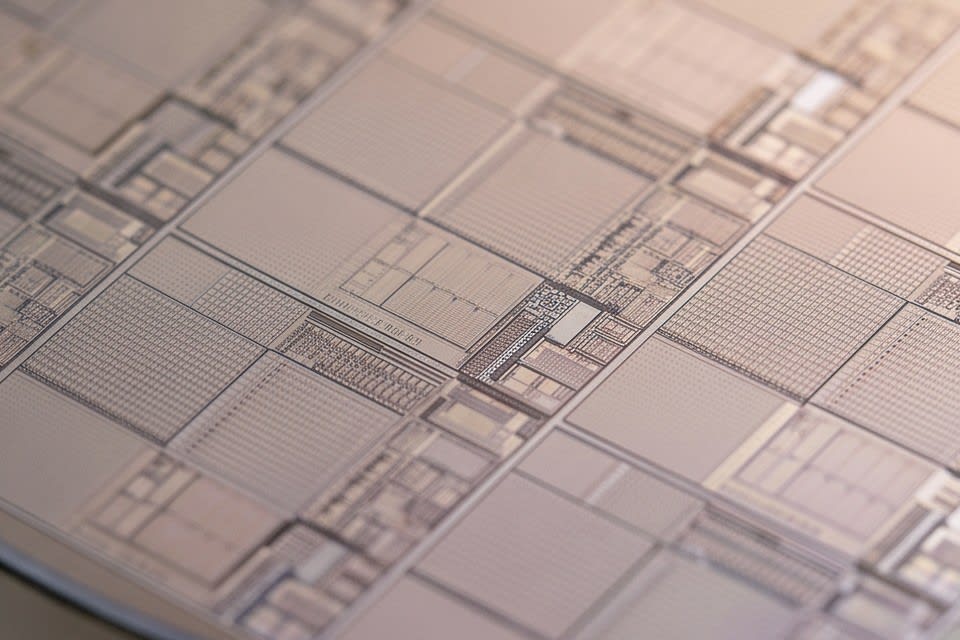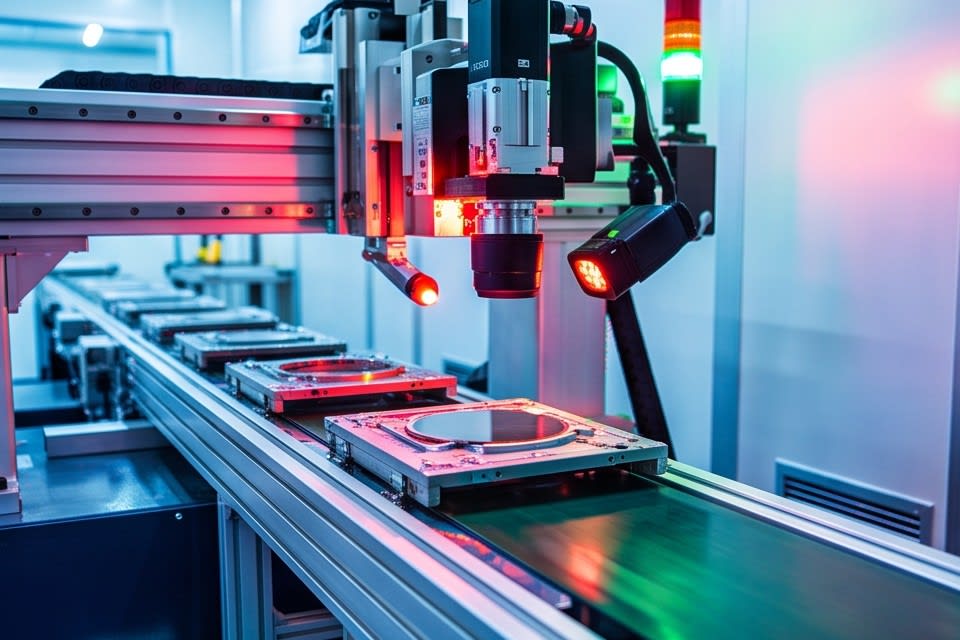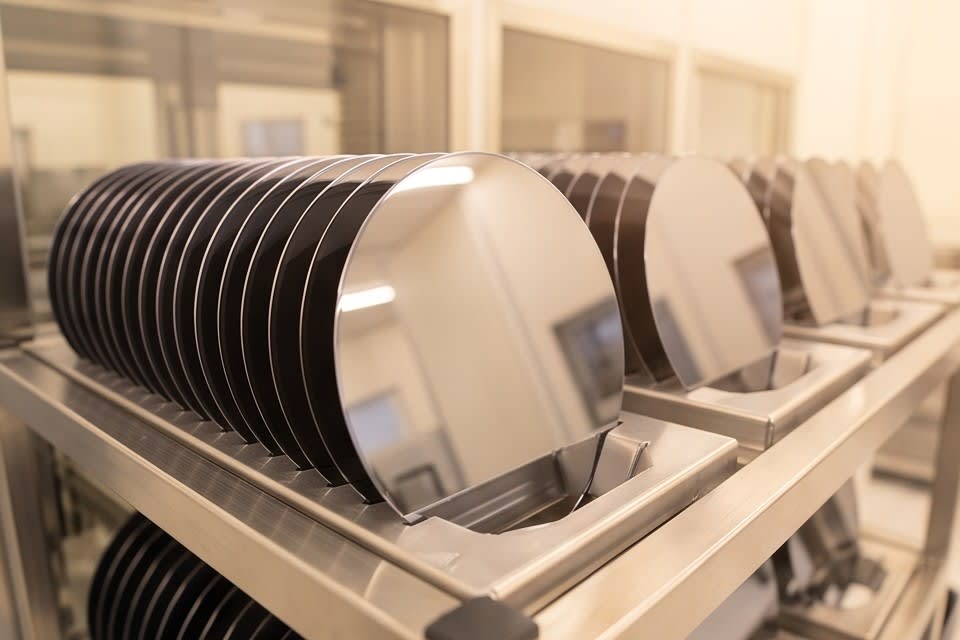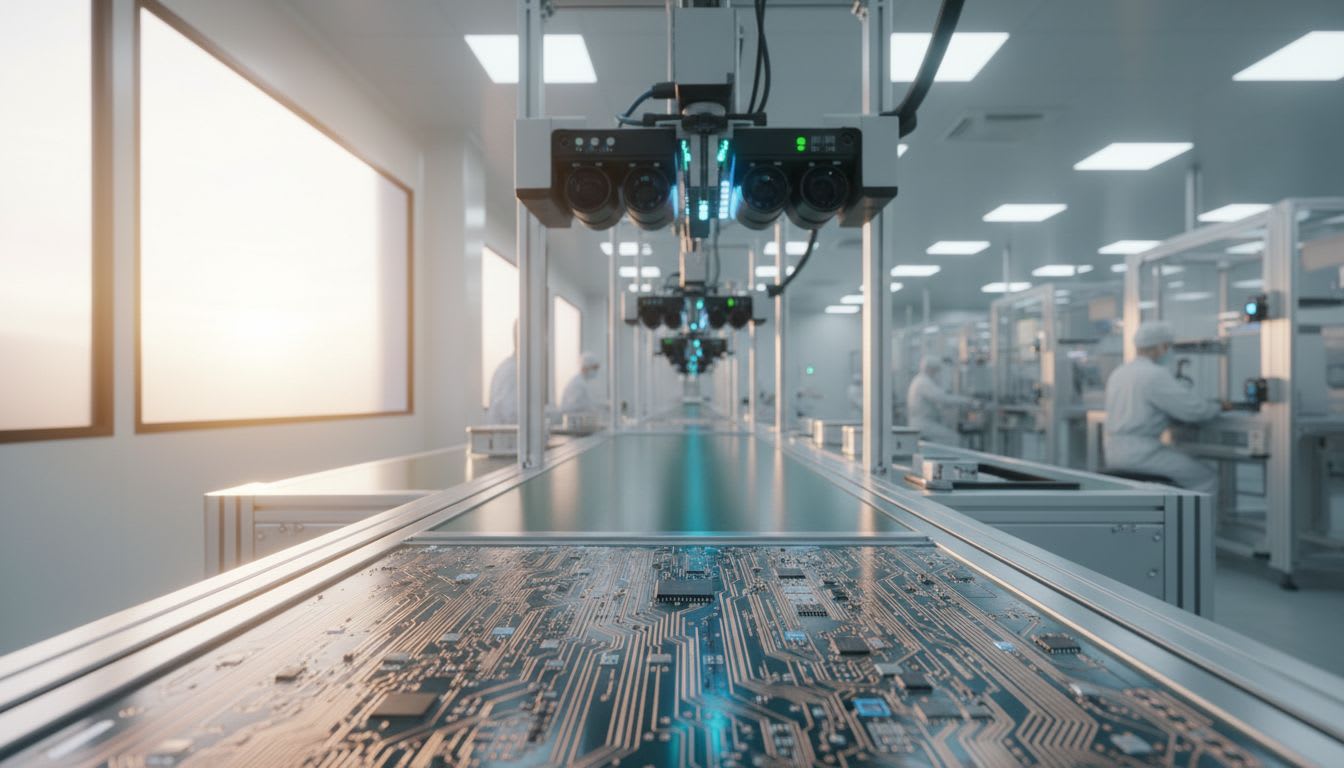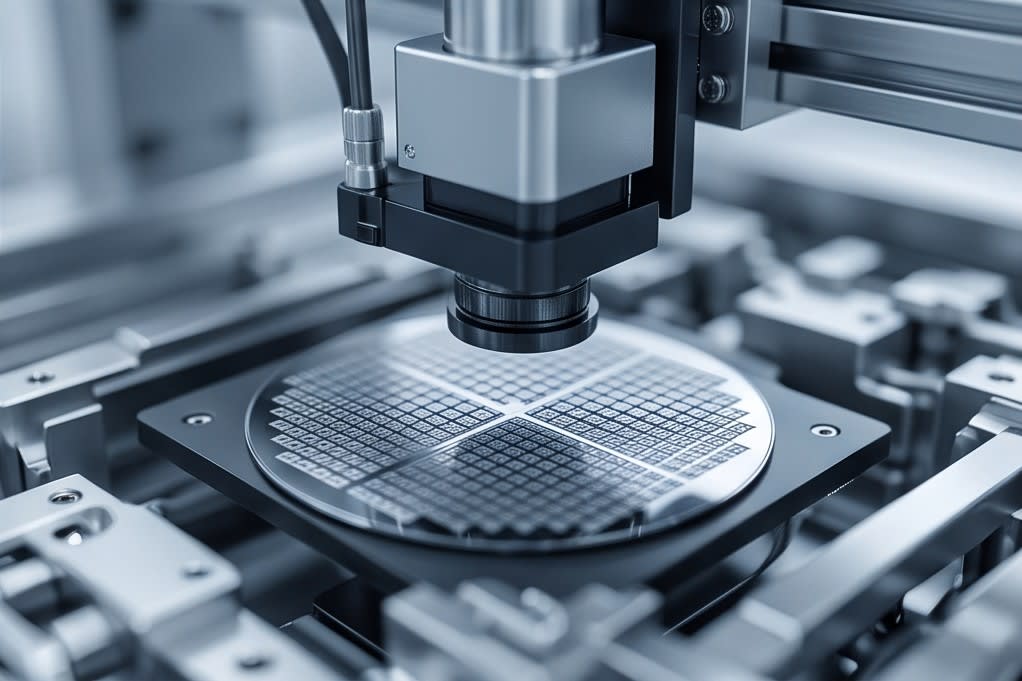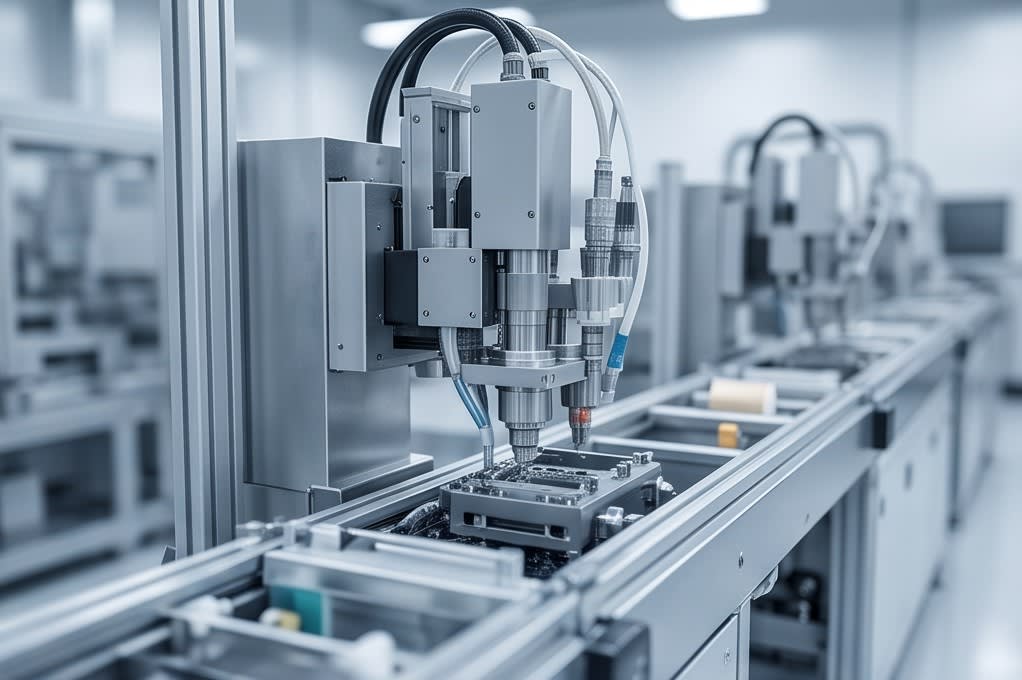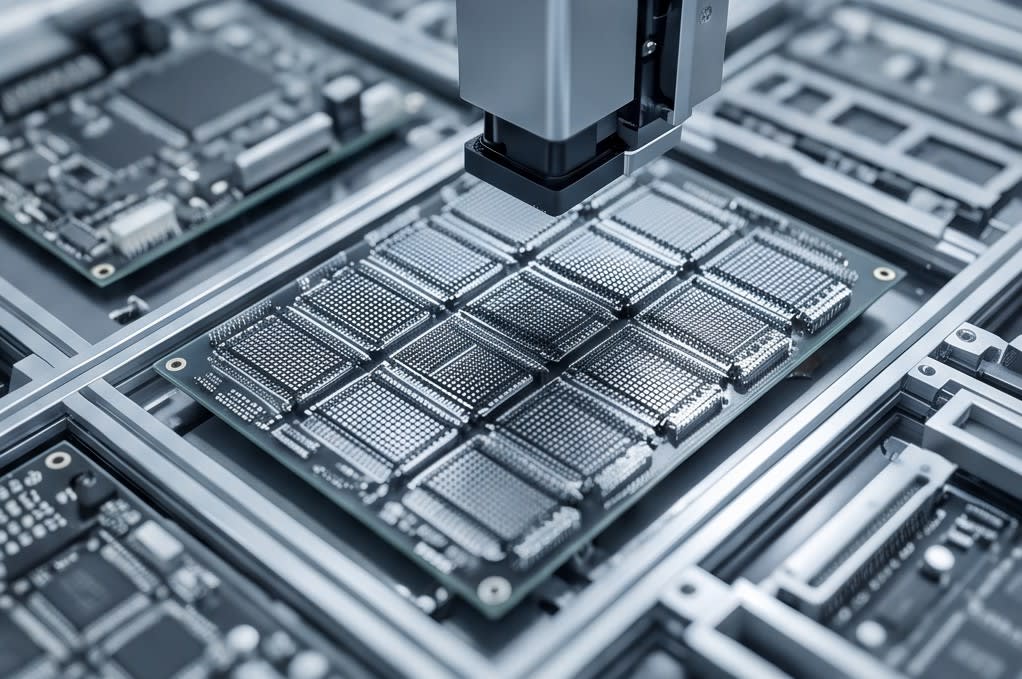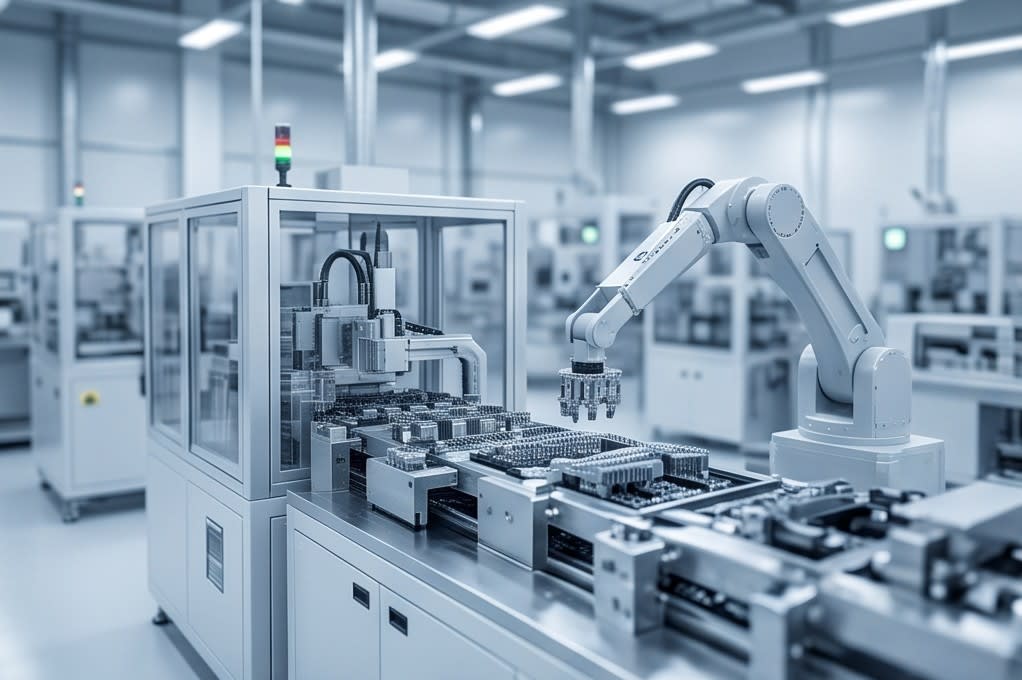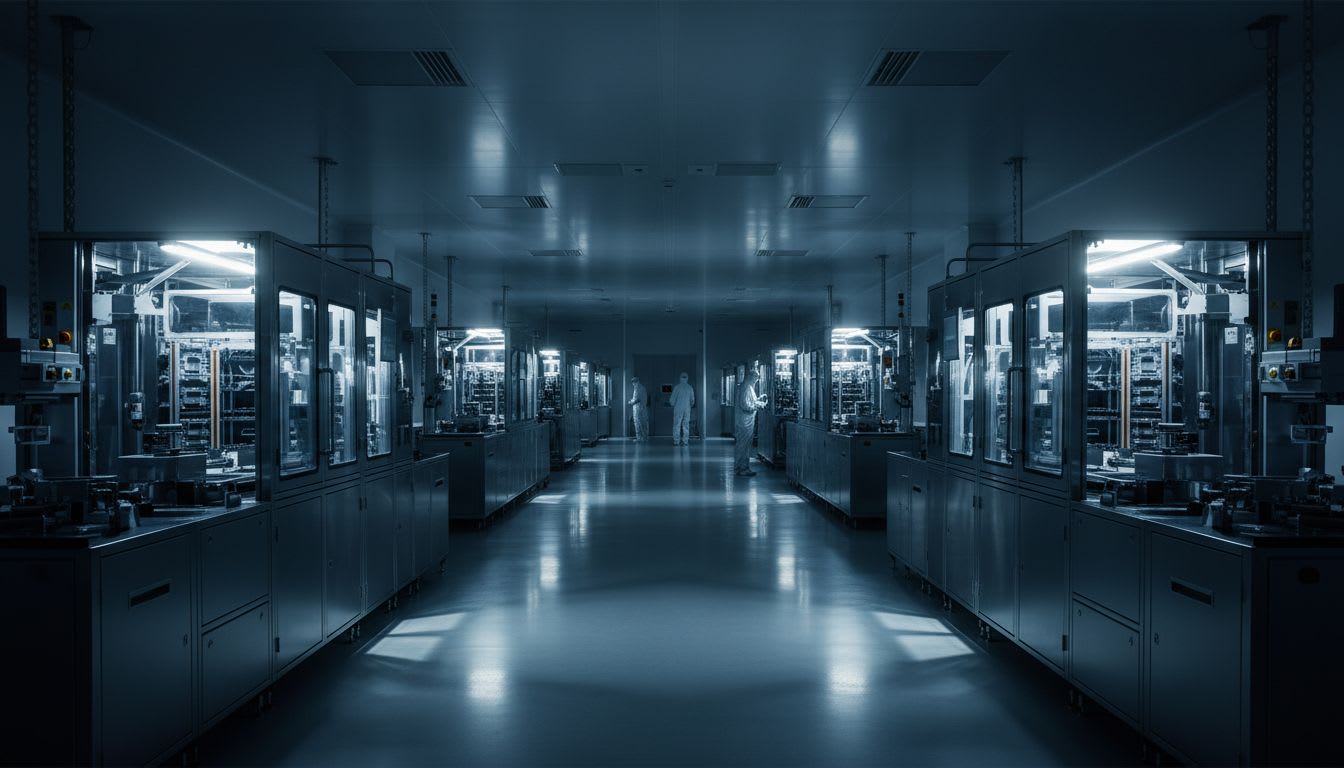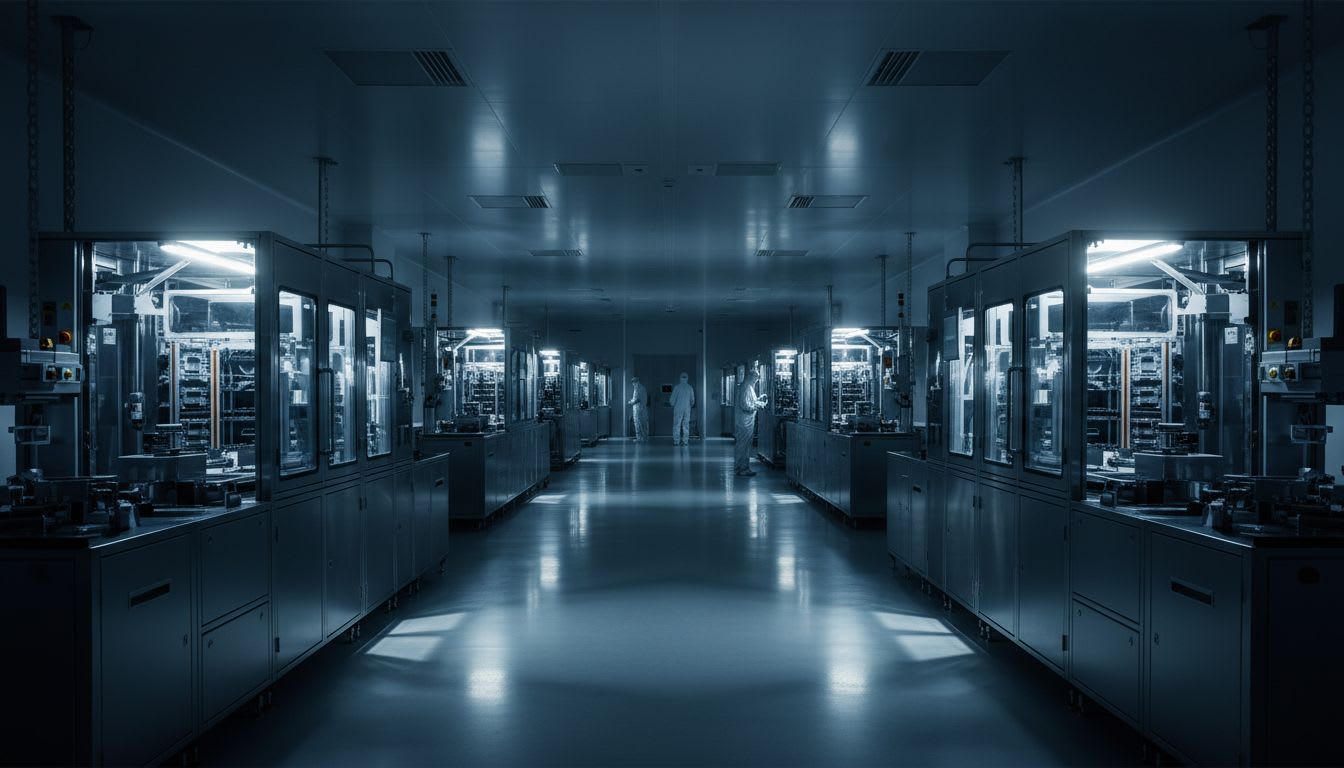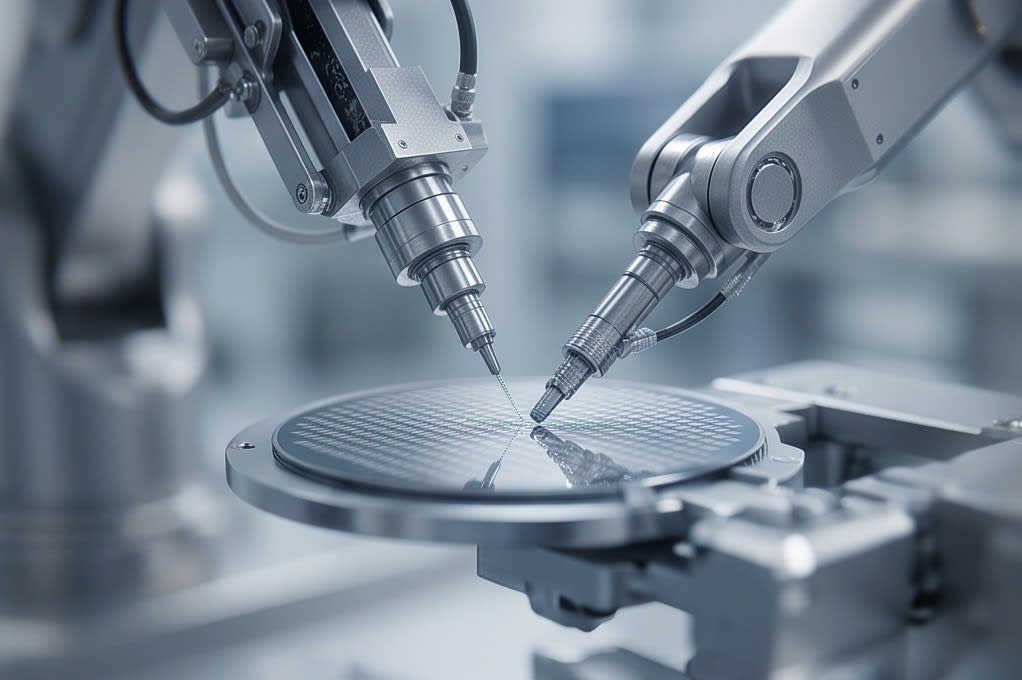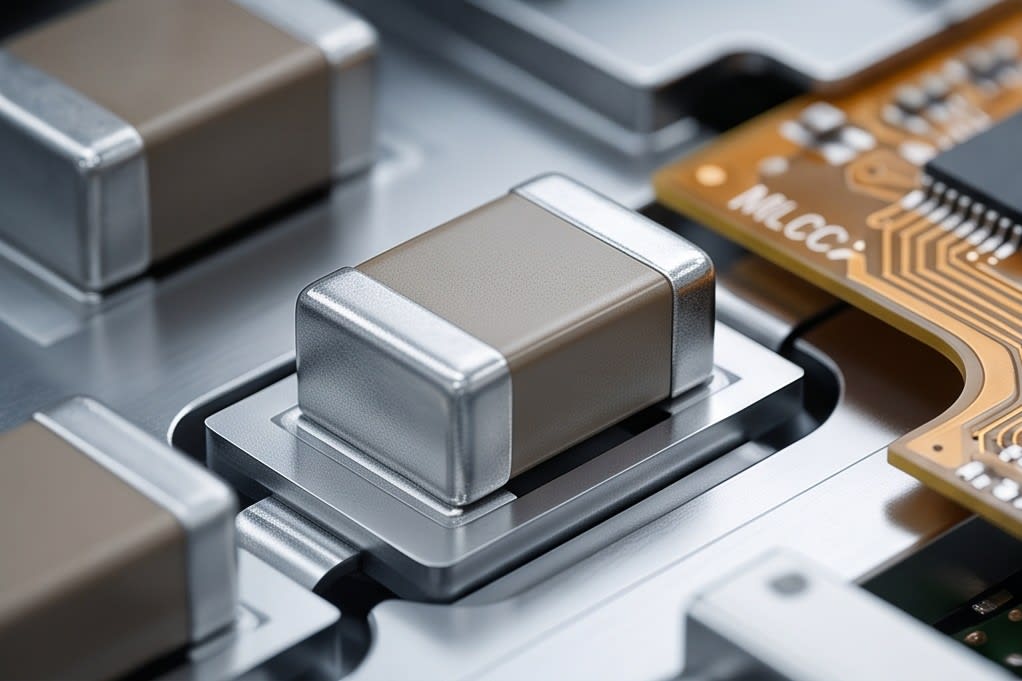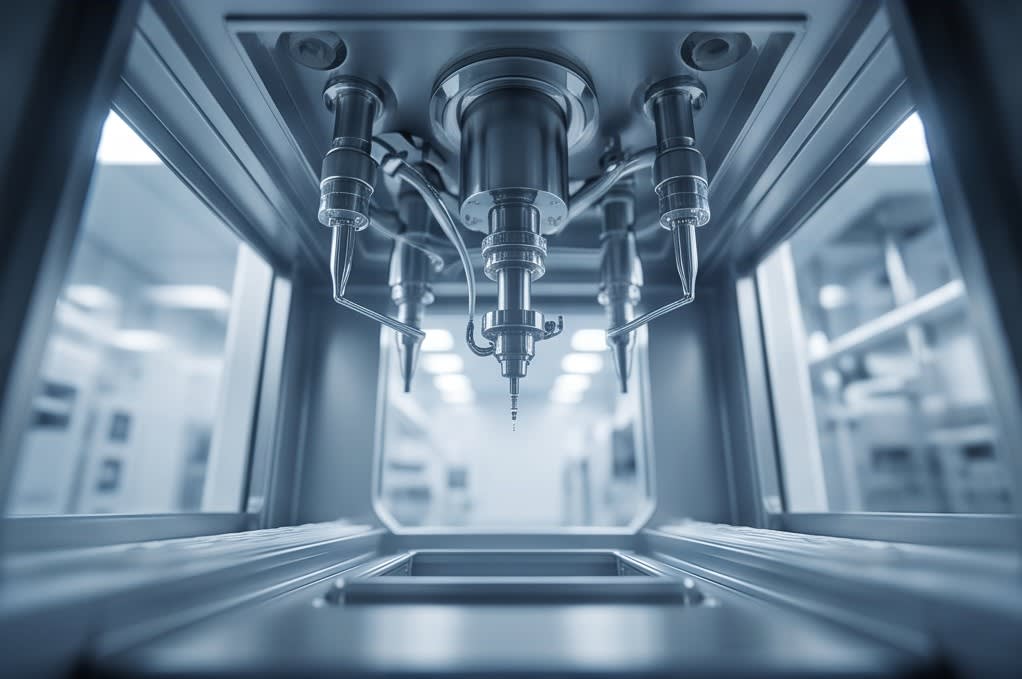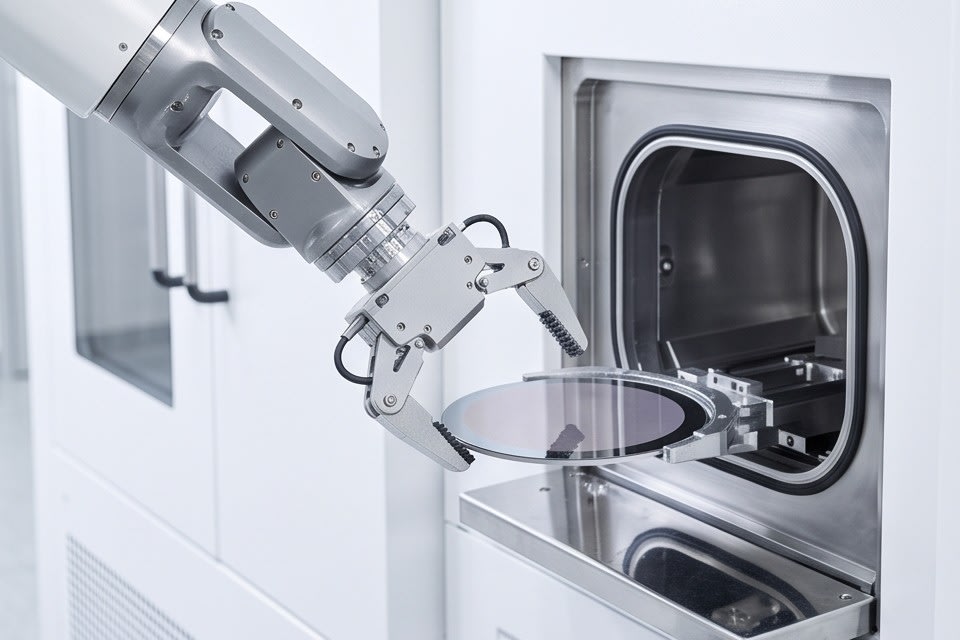
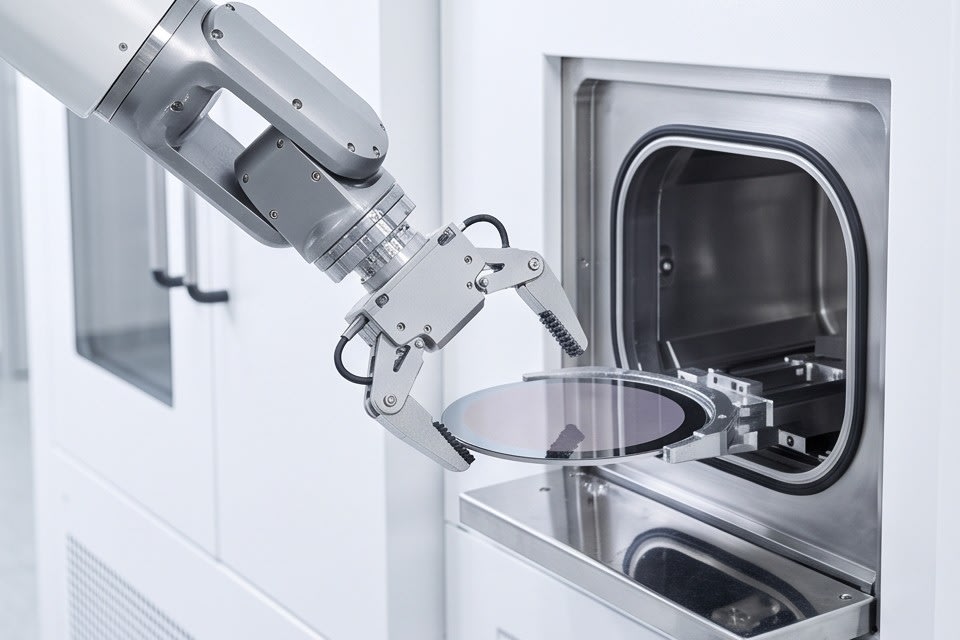
In the past, processes such as cleaning and grinding on semiconductor manufacturing lines often depended on operator skill. However, as component integration increased and package structures became more complex, maintaining consistent quality by hand became increasingly difficult. With demand rapidly growing for ultra-small, high-performance components such as MLCC and FPCB, the need for automation equipment that precisely controls the entire process has become a prerequisite rather than an option. This shift in industrial structure is the reason customized automation equipment that maximizes production efficiency has become core infrastructure in semiconductor manufacturing sites.
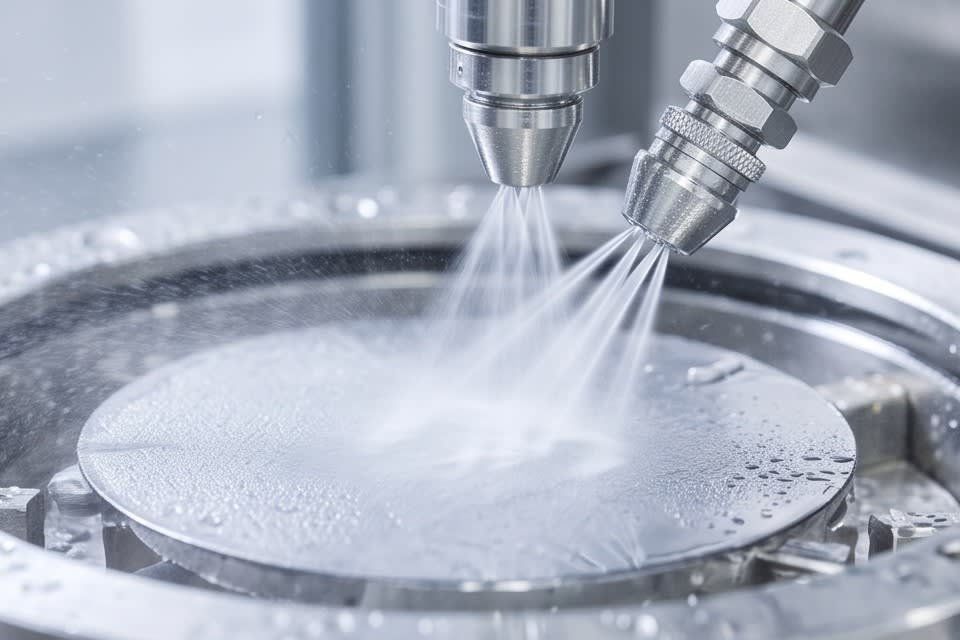
Why multi-stage cleaning technology determines yield
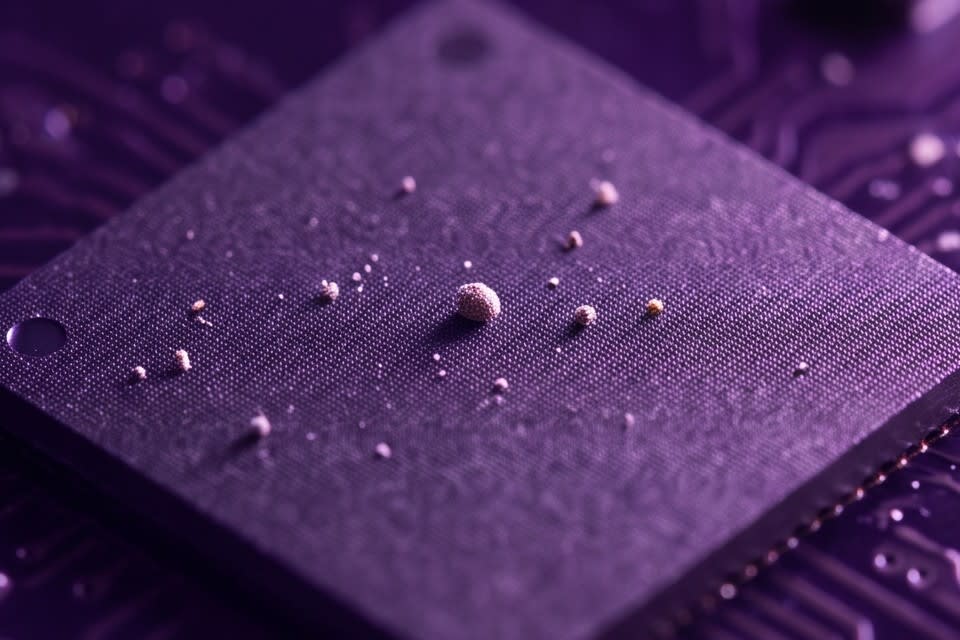
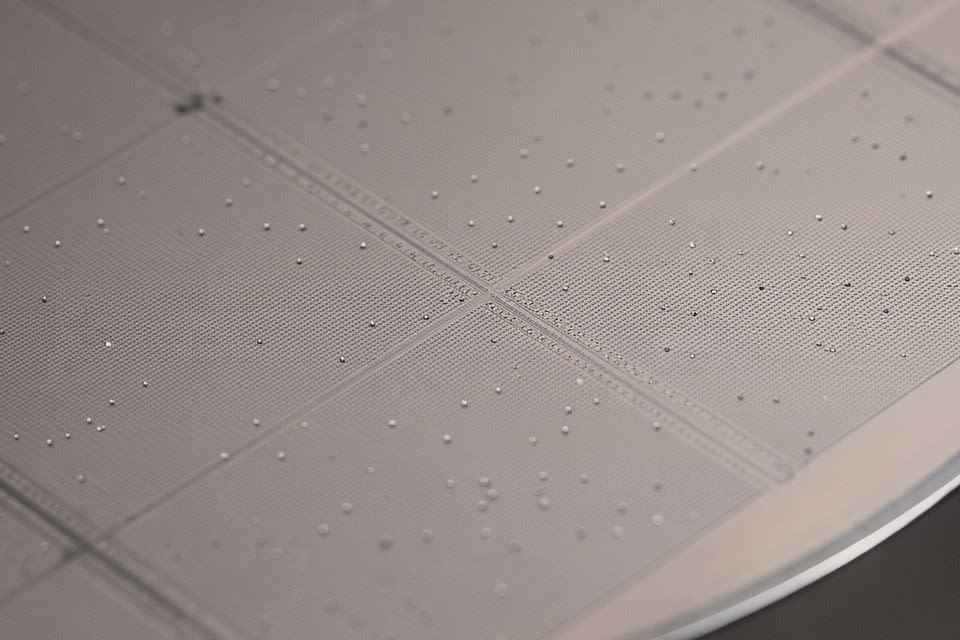
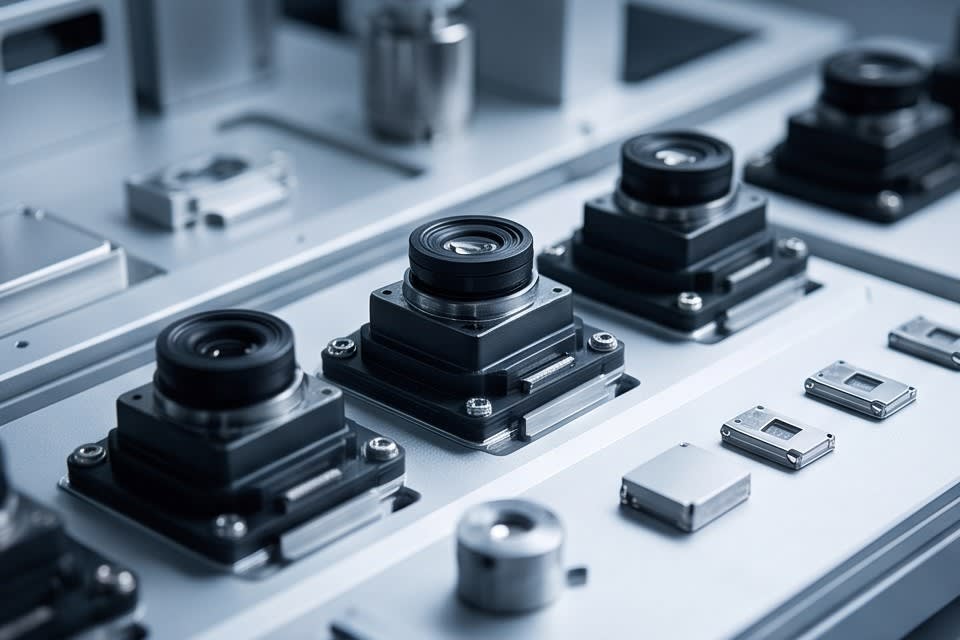
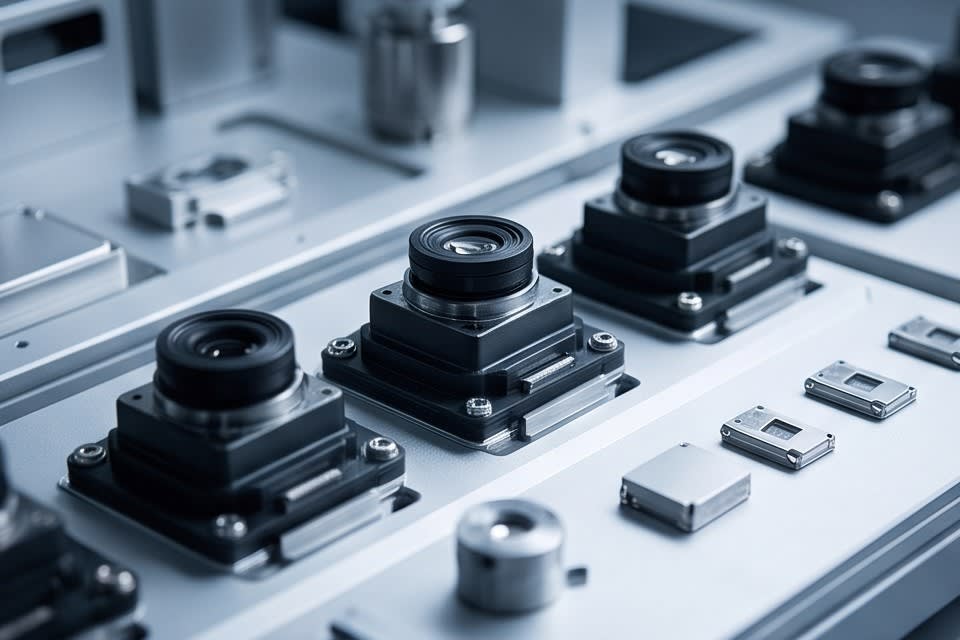
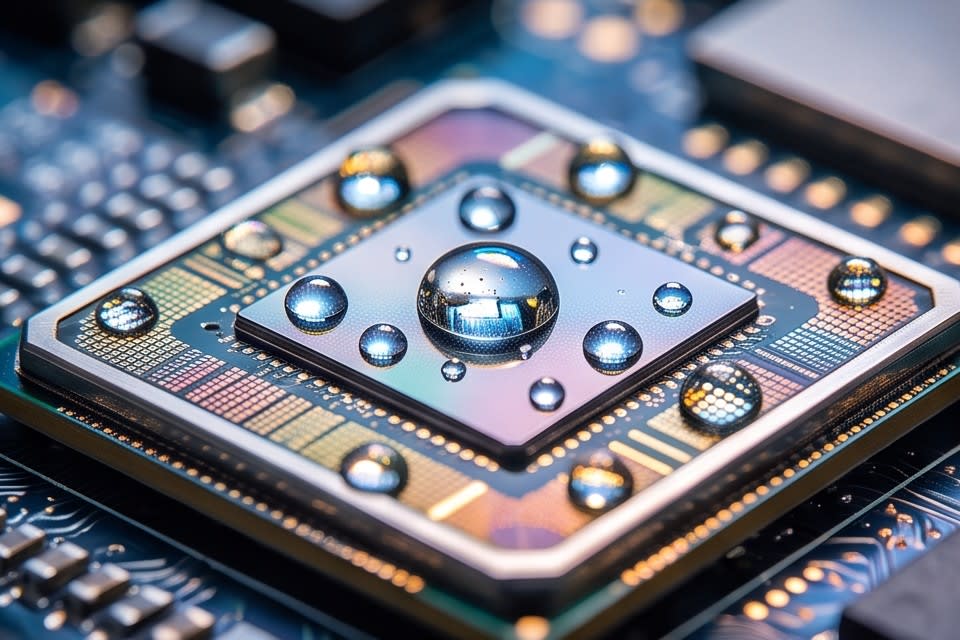
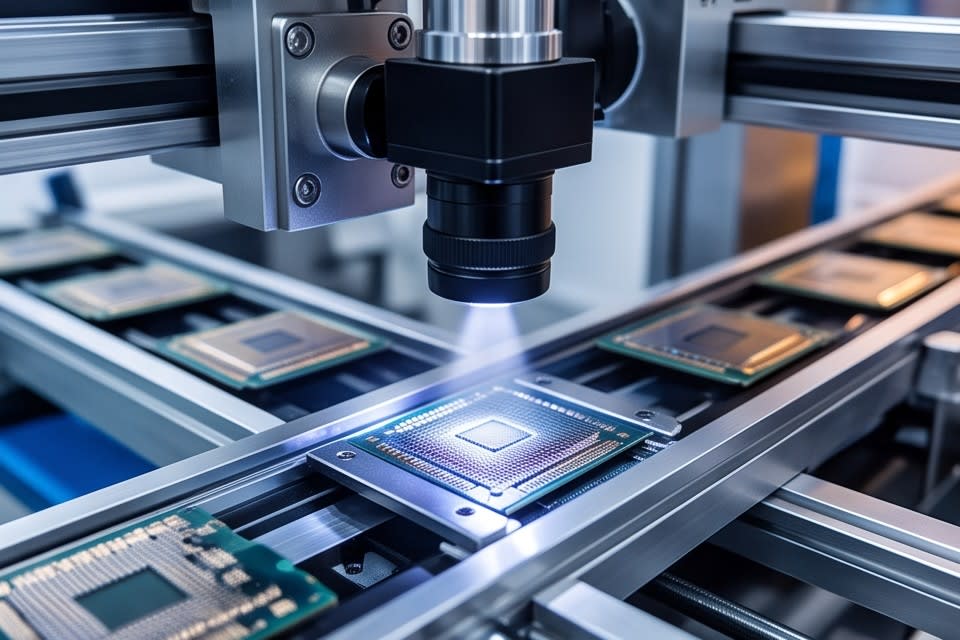
In semiconductor and precision electronic component manufacturing, the cleaning process is not simply a step for removing foreign matter. Even a single fine particle left on the surface can undermine the yield of the entire subsequent process. Especially in components that require optical and electrical precision, such as camera modules, sensors, and VCM motors, the completeness of cleaning effectively determines the quality of the final product.
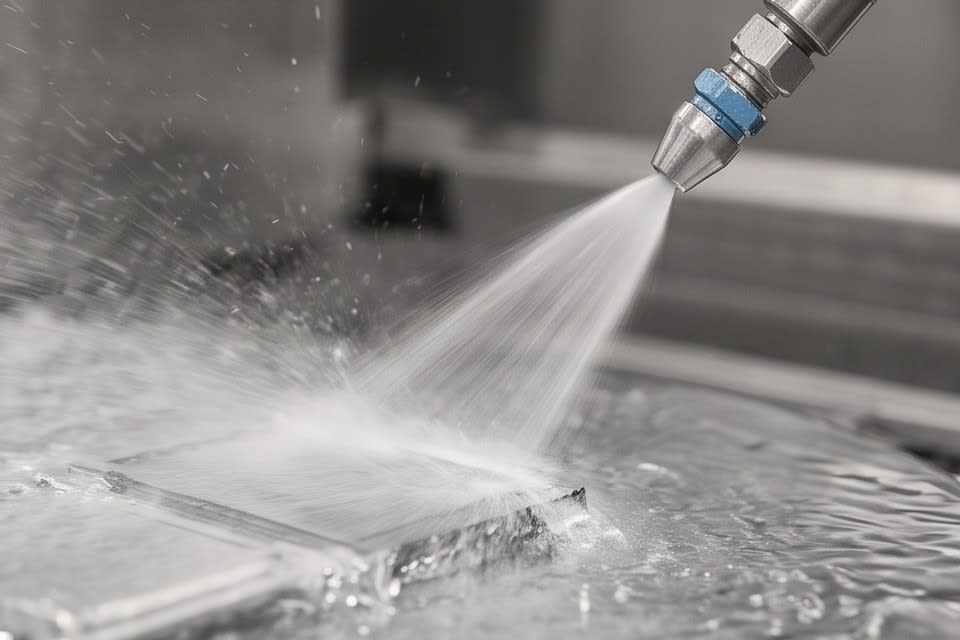
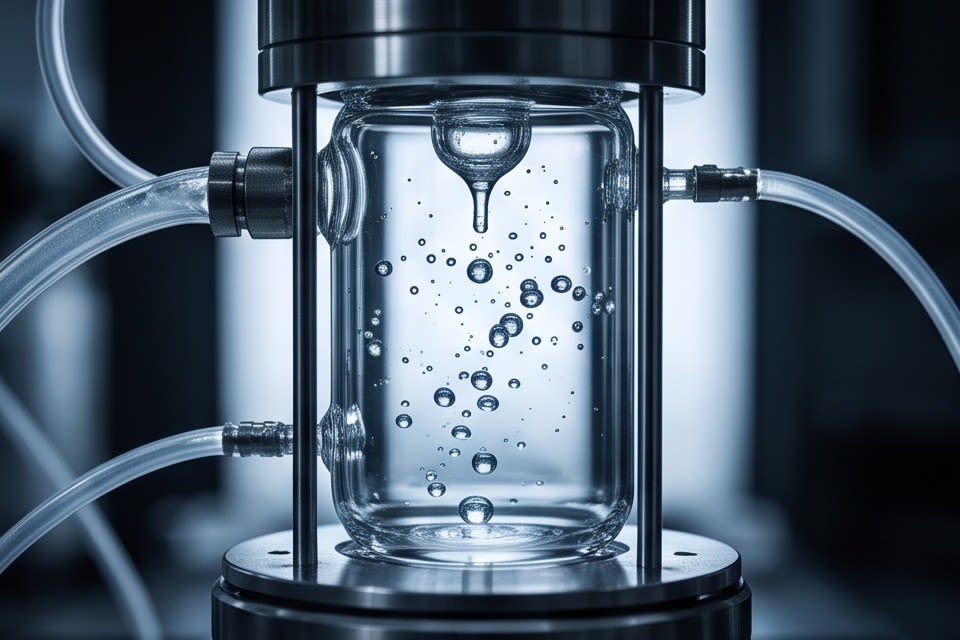
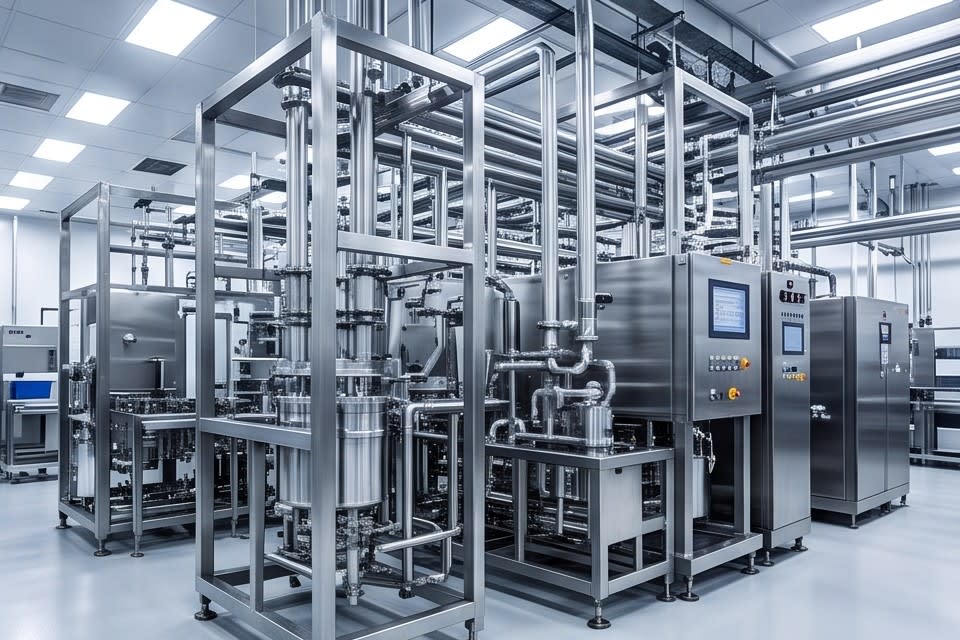
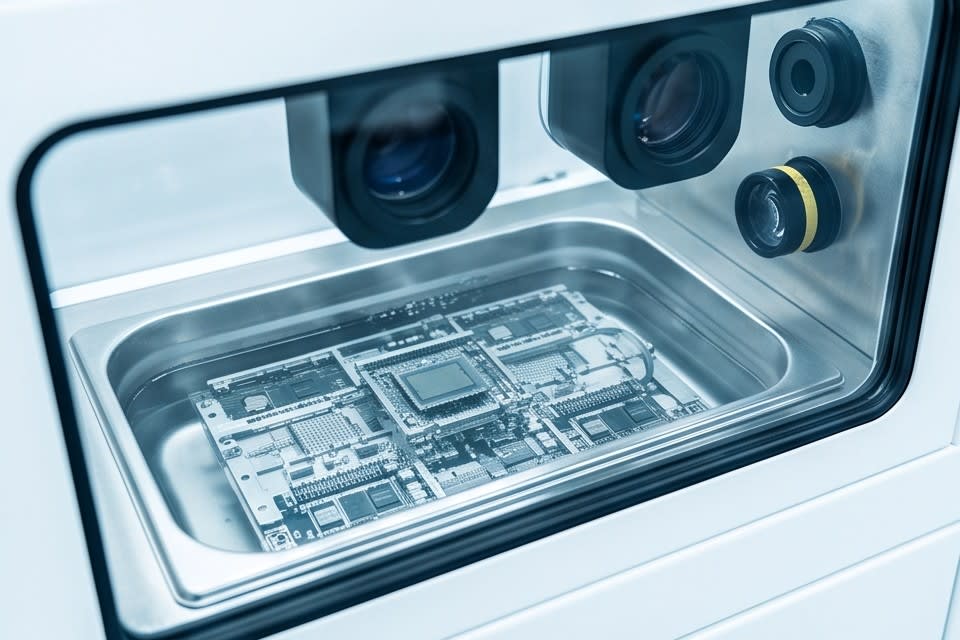
Across the industry, methods that generate micro-nanobubbles with diameters of 5 nm or less to remove organic matter from semiconductor substrate surfaces are being researched and applied, and cleaning technology has evolved toward nanometer-level precision. In this trend, a multi-stage cleaning method that combines Micro Bubble, Water Jet, and Air Knife is gaining attention as an approach that goes beyond the limitations of a single cleaning technology. Each stage must handle different types of contamination, and the process must continue consistently through the final Oven Dry drying step to fully preserve the cleaning effect.
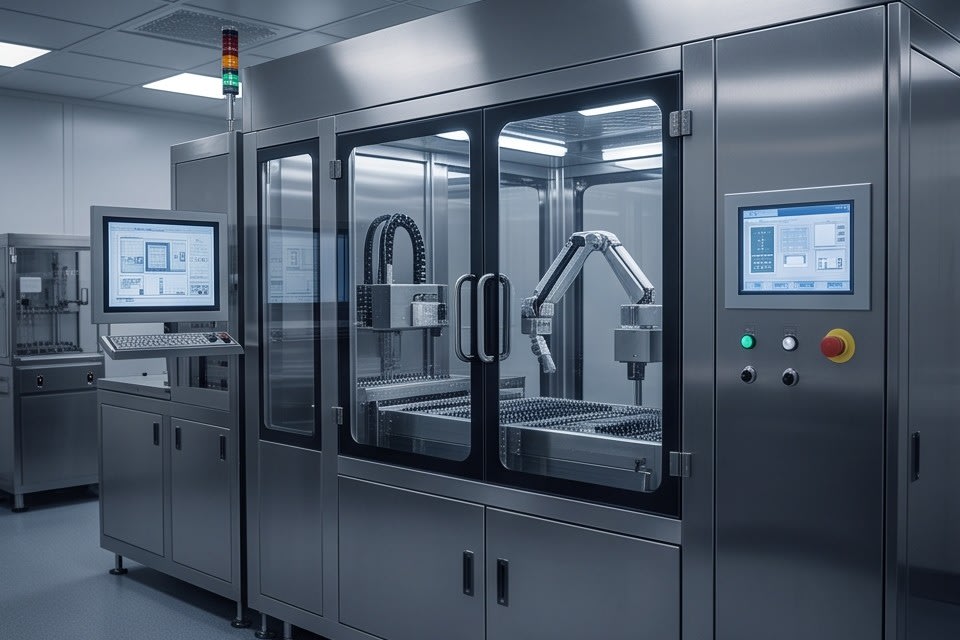
Huvics Cleaner System integrates this multi-stage structure into a single piece of equipment and is designed for application to a wide range of targets, from trays to camera modules. Full Auto and Manual modes can be selected, allowing flexible operation according to the automation level and maintenance method of the production line. As particle removal efficiency increases, the defect rate decreases, and this flow clearly leads to improved final quality stability in manufacturing sites.
Combining ultrasonic dispersion with vision inspection algorithms
One of the most difficult issues to manage in MLCC or FPCB processes is uniformity. As component sizes become smaller, variations in coating thickness or cleaning quality directly affect electrical characteristics. To solve this, combining ultrasonic technology with inspection algorithms is emerging as a key means of process innovation.
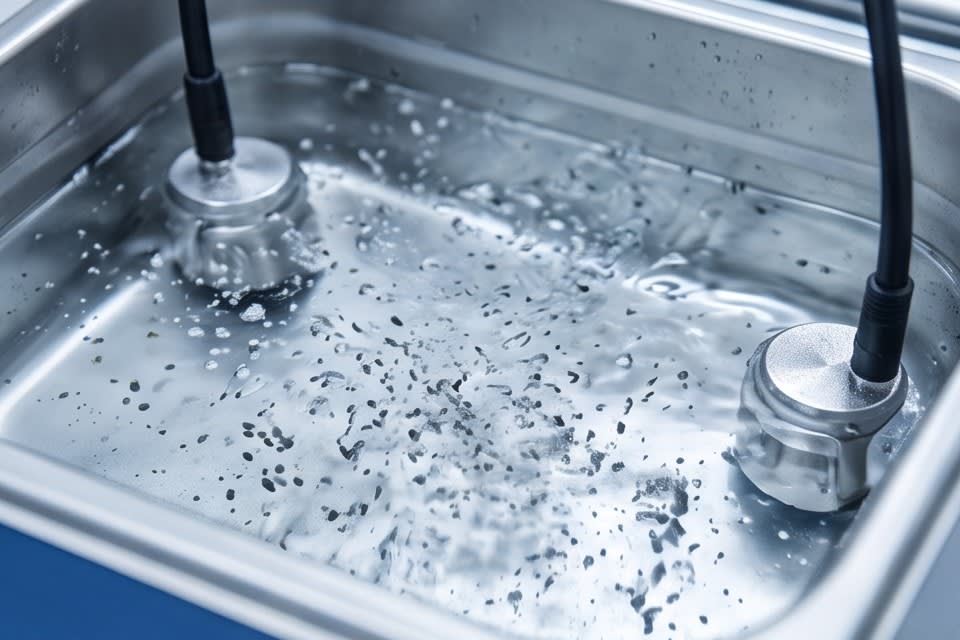
According to a study published on Academia.edu, when ultrasonic cleaning was combined with solvent-based agents, contamination removal efficiency improved by 35% compared with using manual methods alone. In addition, the industry has reported cases in which precise parameter control of ultrasonic spray technology maintains coating thickness error within ±1 μm, satisfying the ultra-precision coating requirements of advanced MLCC products.
Huvics approaches this issue with a solution that combines proprietary ultrasonic dispersion technology and vision inspection algorithms. While ultrasonic dispersion is responsible for uniform particle distribution and surface treatment, the vision inspection algorithm evaluates process results in real time and identifies defect factors early. When the two technologies work together, process quality management beyond simple cleaning becomes possible, leading to improved compressibility, withstand voltage, and lifespan characteristics of MLCC. The combination of technologies that reduces process variability is the key factor that determines yield and competitiveness in MLCC and FPCB manufacturing.
Customized equipment configuration based on process purpose
Grinding and lamination support by package type
Manufacturing sites require different process conditions for each product and each line. In structures that stack dozens of chips, such as AI semiconductors or high-performance memory semiconductors, the uniformity and flatness of package thickness directly determine product performance and reliability. In contrast, for ultra-precision components such as camera modules or autonomous driving sensors, whether foreign matter remains during the cleaning stage determines the final inspection pass rate. When process purposes differ in this way, equipment configuration and automation level must also be adjusted accordingly.
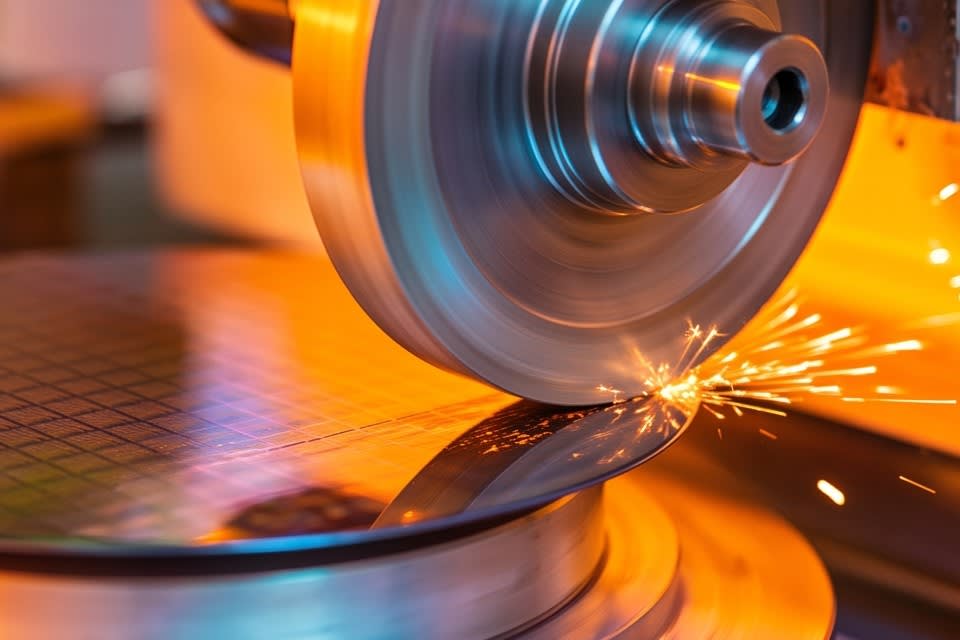
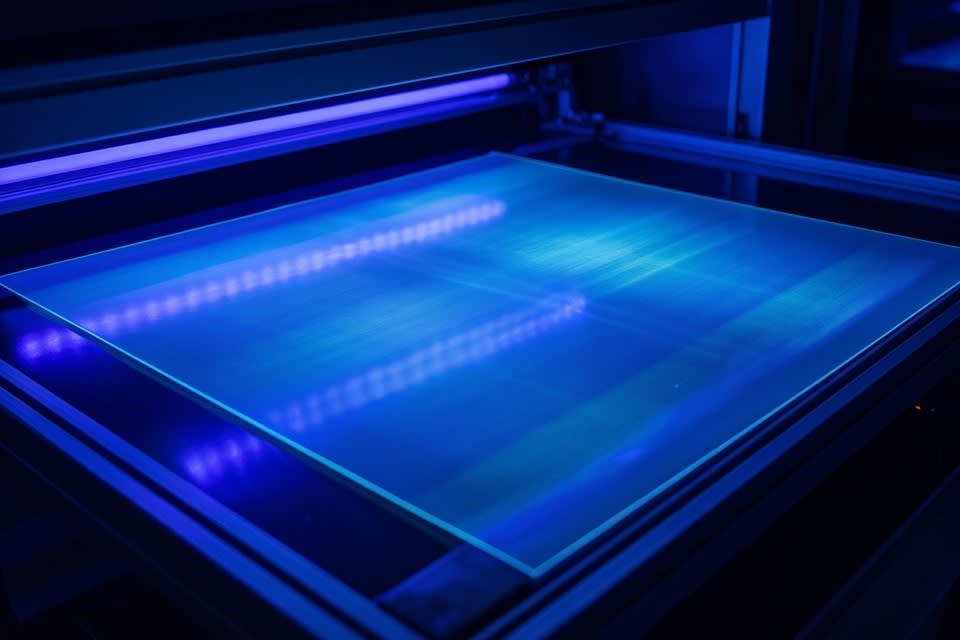
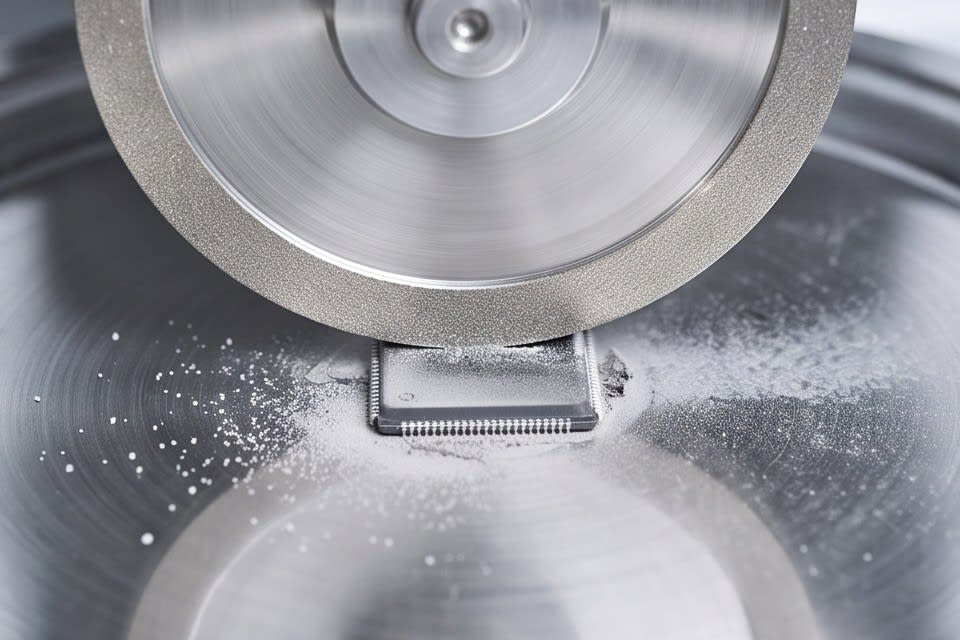
PKG Grinder, which uses a high-precision Stage and Diamond Wheel to control thickness in micron units, supports various packages such as FCBGA, WLCSP, QFN/DFN, and Solar Cell, and is designed with the goal of achieving high yield. Laminator System integrates processes from Expander to UV curing into one flow to shorten Tact Time, while responding flexibly to production requirements with Semi Auto and Manual options.
Integrated solution design principles
After analyzing the overall manufacturing process of the customer, Huvics designs an integrated solution based on process optimization rather than simply supplying cleaning, grinding, and lamination equipment separately. The same reason applies to keeping configuration options open from Full Auto to Manual. The impact of customized automation equipment on production efficiency is confirmed not by the performance of a single machine, but by how the entire process is designed.
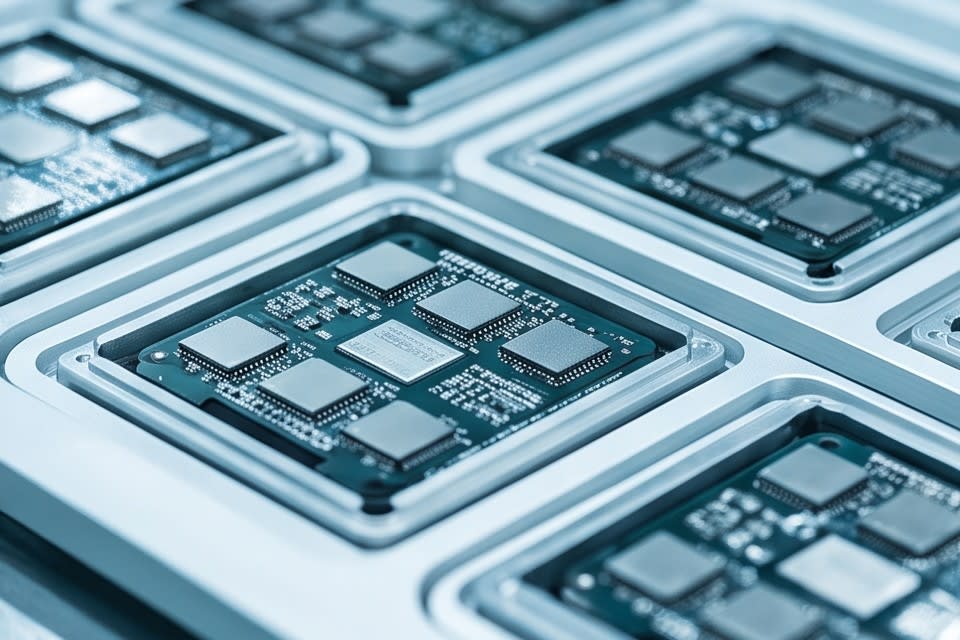
The role of automation equipment in semiconductor manufacturing is not just to increase speed. Its essence lies in consistently meeting different precision requirements for each process, reducing variability, and maintaining stable yield. How precisely particles are removed during cleaning and how tightly thickness variation is controlled during grinding ultimately lead to the quality of the final product. Just as cleaning, once considered a simple removal of foreign matter, is now recognized as the starting point of yield and competitiveness, the significance of customized automation equipment in manufacturing sites is confirmed right there.
Huvics is an advanced technology company that develops and manufactures automation equipment and
production systems across the semiconductor, LED, Mobile, and Cosmetic industries.
With top-tier talent and continuous technological innovation, we help customers improve productivity and
secure quality competitiveness.
Huvics Contact
Phone: 031-374-8285
Email: cdpark@huvics.com