Tag: ProcessImprovement

  • Reduction in Defect Rates! 3-Step Optimization for Semiconductor Processes in SMEs – Huvics Cleaner System Roadmap

    Reduction in Defect Rates! 3-Step Optimization for Semiconductor Processes in SMEs – Huvics Cleaner System Roadmap

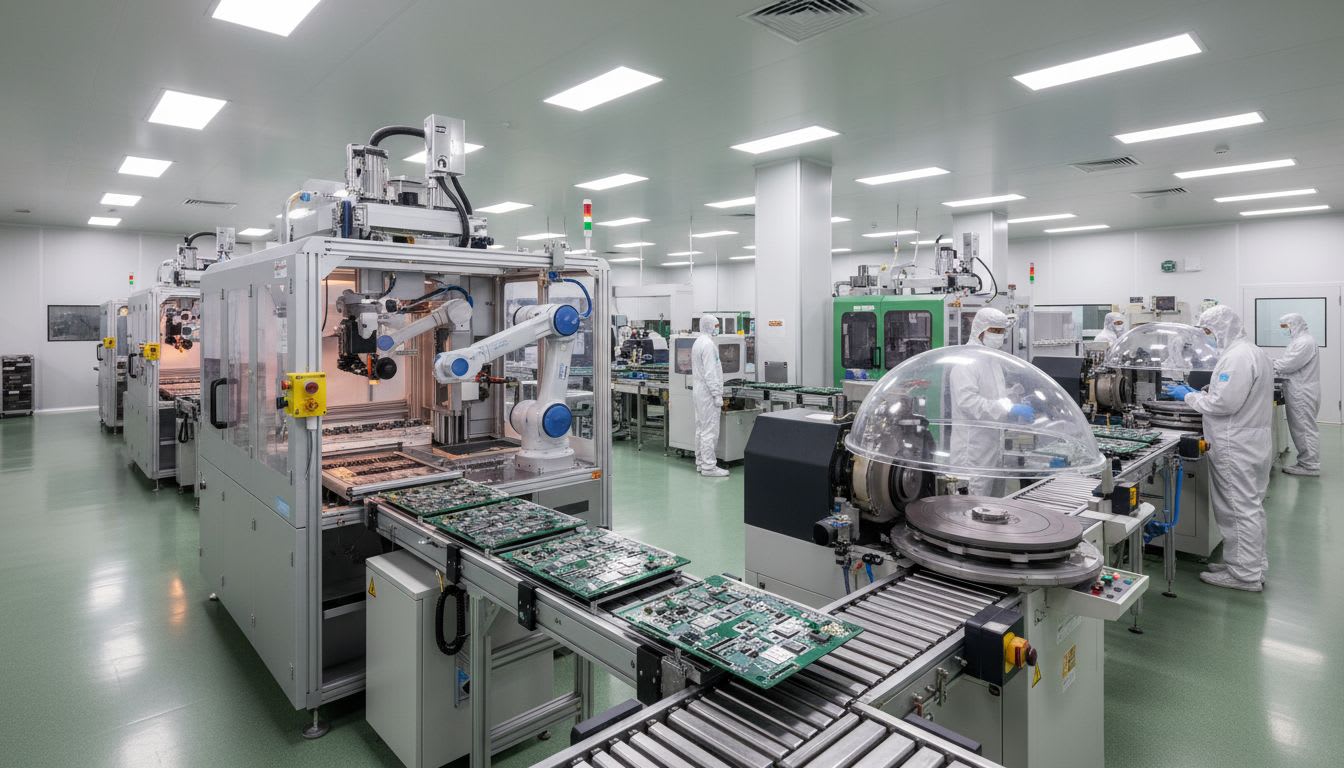
    Are you ignoring micro defects in your semiconductor process with the assumption they’ll be ‘fine’? If left unaddressed because they aren’t easily visible, they could return as a tsunami of yield declines and increased production costs. Today’s small losses could accumulate, undermining your company’s competitiveness and potentially even threatening its survival. Huvics’s Cleaner System is here to prevent these risks and assist SMEs in achieving top-tier quality.

    Semiconductor process optimization is no longer the exclusive domain of large corporations. SMEs can also strengthen their competitiveness through innovation and achieve sustainable growth. However, often they find it overwhelming to take the first step. Huvics alleviates such concerns and empowers SMEs to surpass technological barriers and achieve superior quality by presenting a clear 3-step roadmap. By following this roadmap, you can address the pain of reduced productivity and quality issues and open new possibilities.

    Step 1: Diagnosis and Goal Setting

    The first step presented by Huvics is ‘Diagnosis and Goal Setting’. Just like drawing up a detailed blueprint before constructing a building, it’s crucial to precisely diagnose the current state of your process and set clear goals for the future. You must define which process stages cause inefficiencies, what quality issues exist, and what productivity goals you aim to achieve with concrete data. Such thorough diagnosis and goal setting help minimize trial and error during the optimization process and enable concentration of all resources and efforts in the most efficient direction. Huvics comprehends the common challenges SMEs face and provides customized diagnostic guides tailored to real-world situations, helping to establish a robust foundation for successful optimization.

    Step 2: Introduction of Customized Solutions

    Once you’ve identified the current process issues and set clear goals through diagnosis, it’s time to introduce a ‘customized solution’ to achieve those goals. Instead of indiscriminately introducing the latest expensive equipment, ‘selection and focus’ to find the most suitable solution considering the company’s budget, production scale, and existing infrastructure is essential. Especially in semiconductor processes, cleaning is more than just removing contaminants; it’s a core process directly linked to the final yield of the product. Extremely precise and perfect cleaning technology is vital, as a contaminant smaller than a strand of hair could cause defects in the entire expensive semiconductor chip.

    Technology of the Huvics Cleaner System

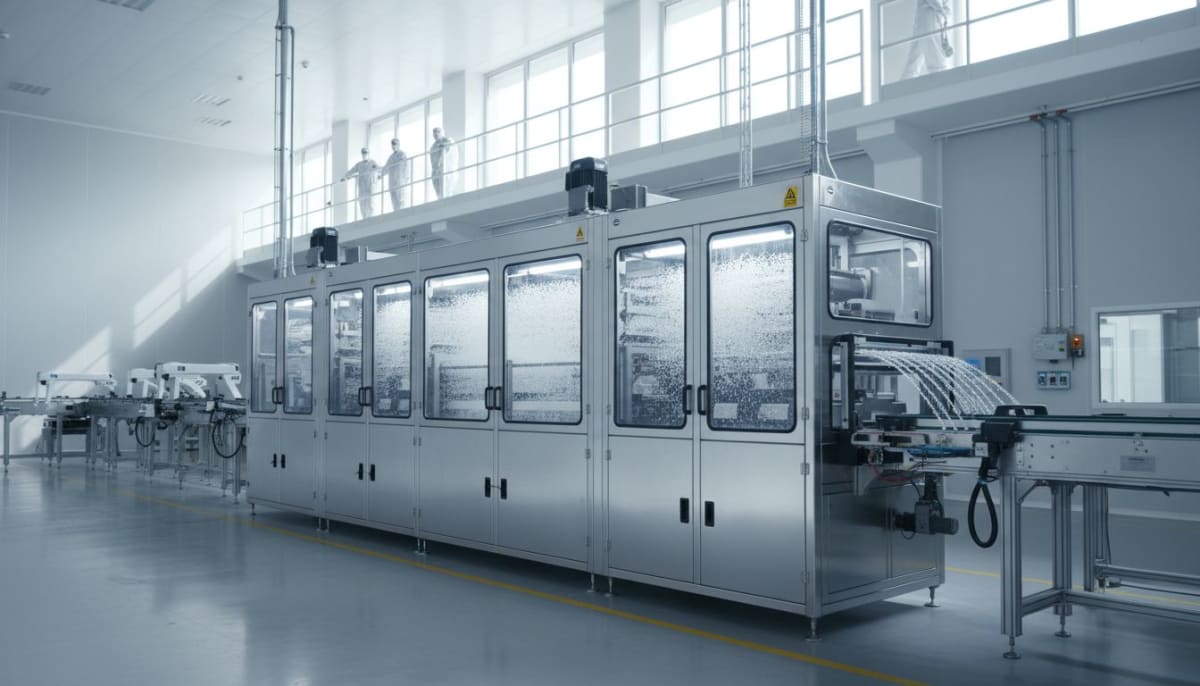
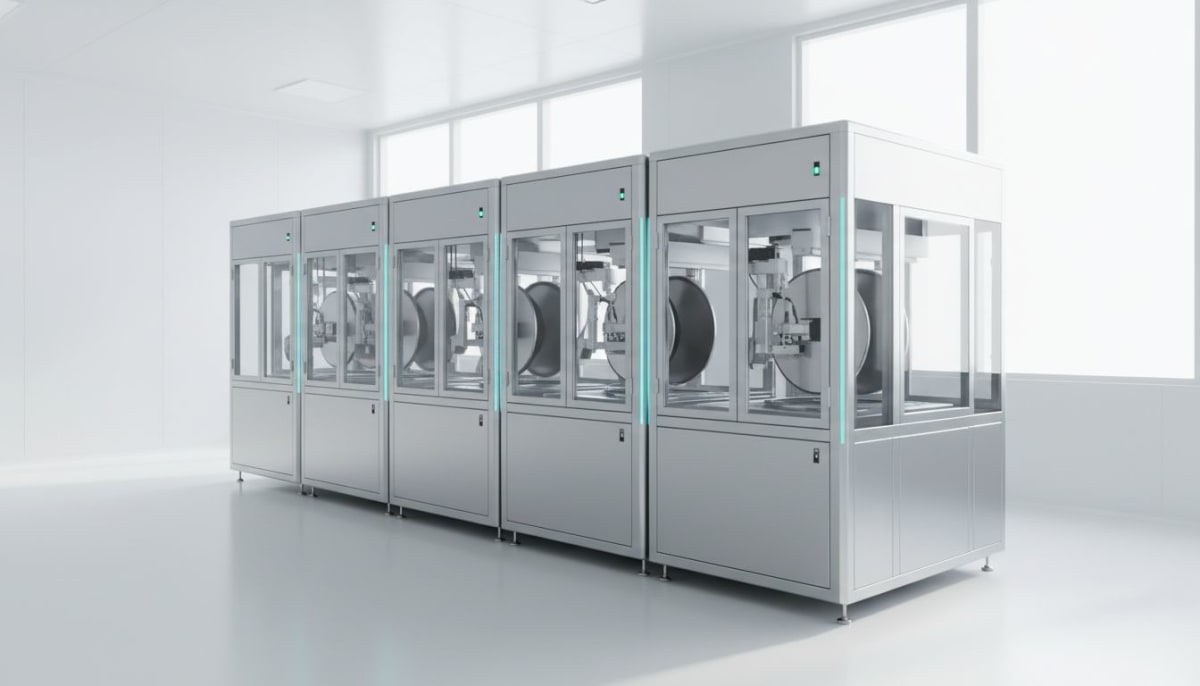
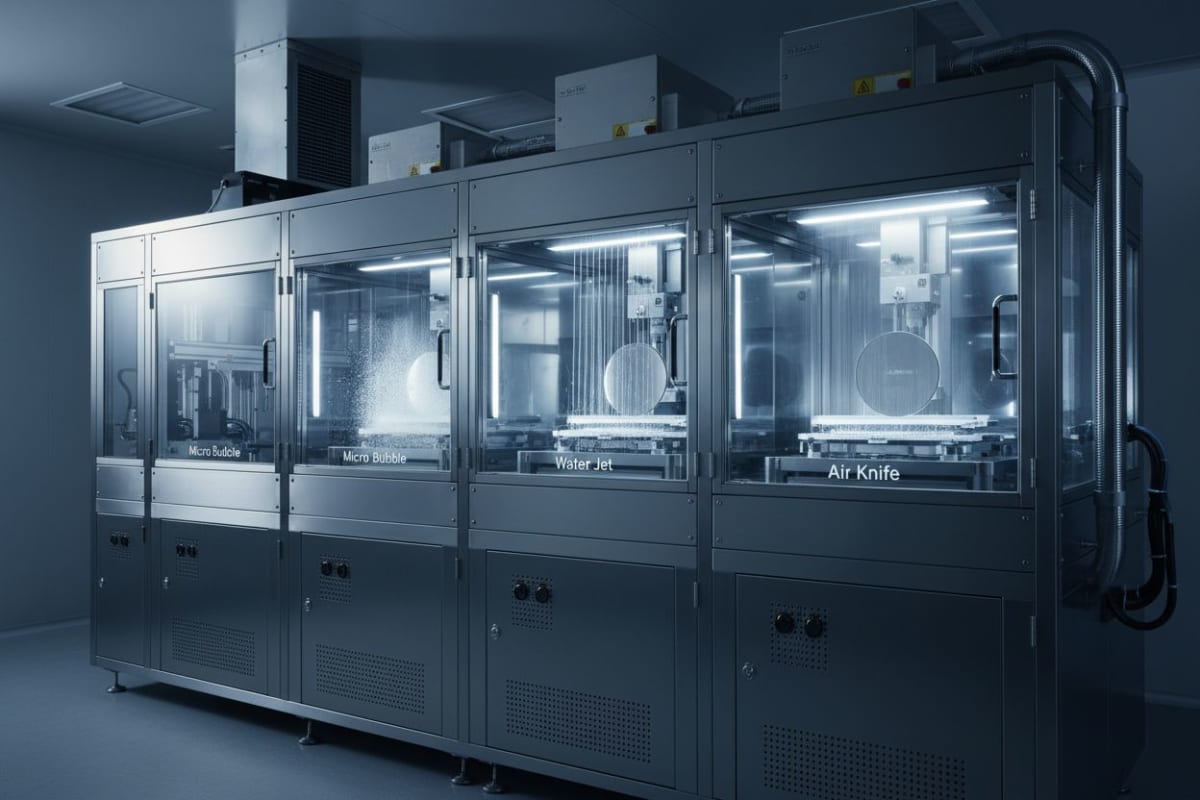
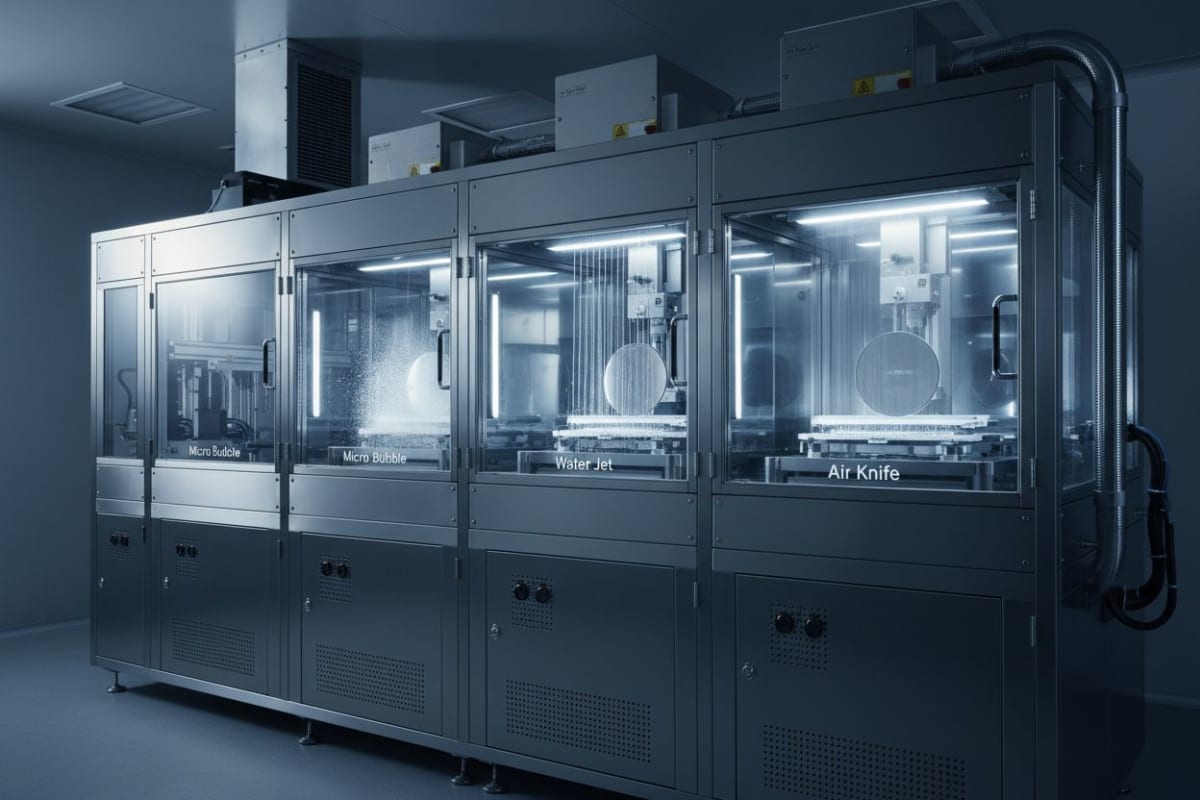
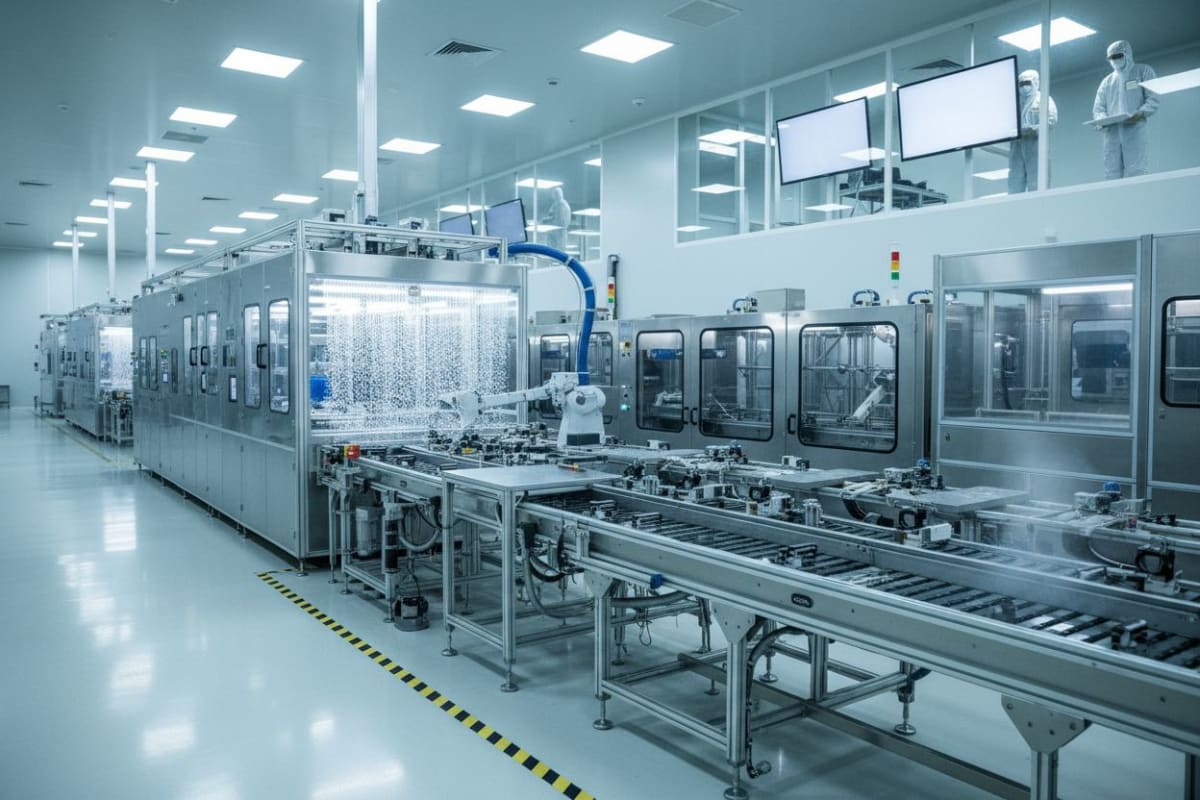
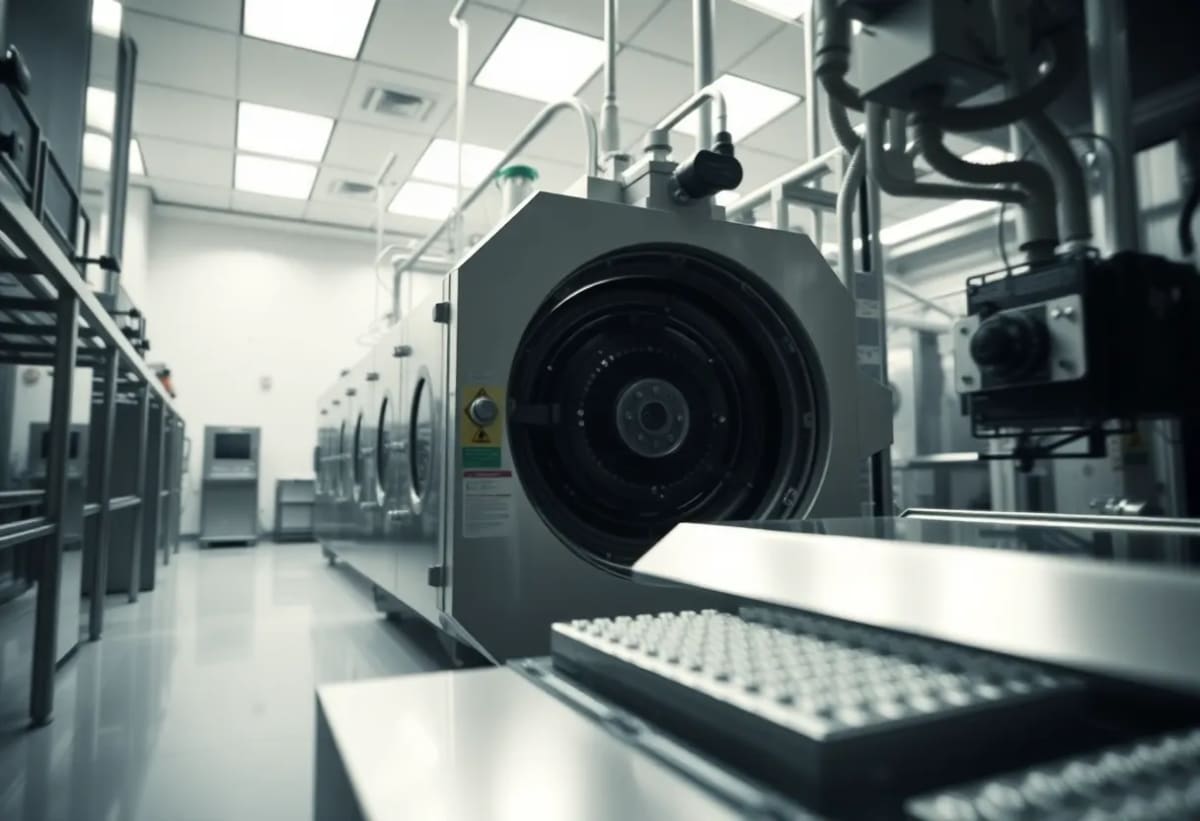
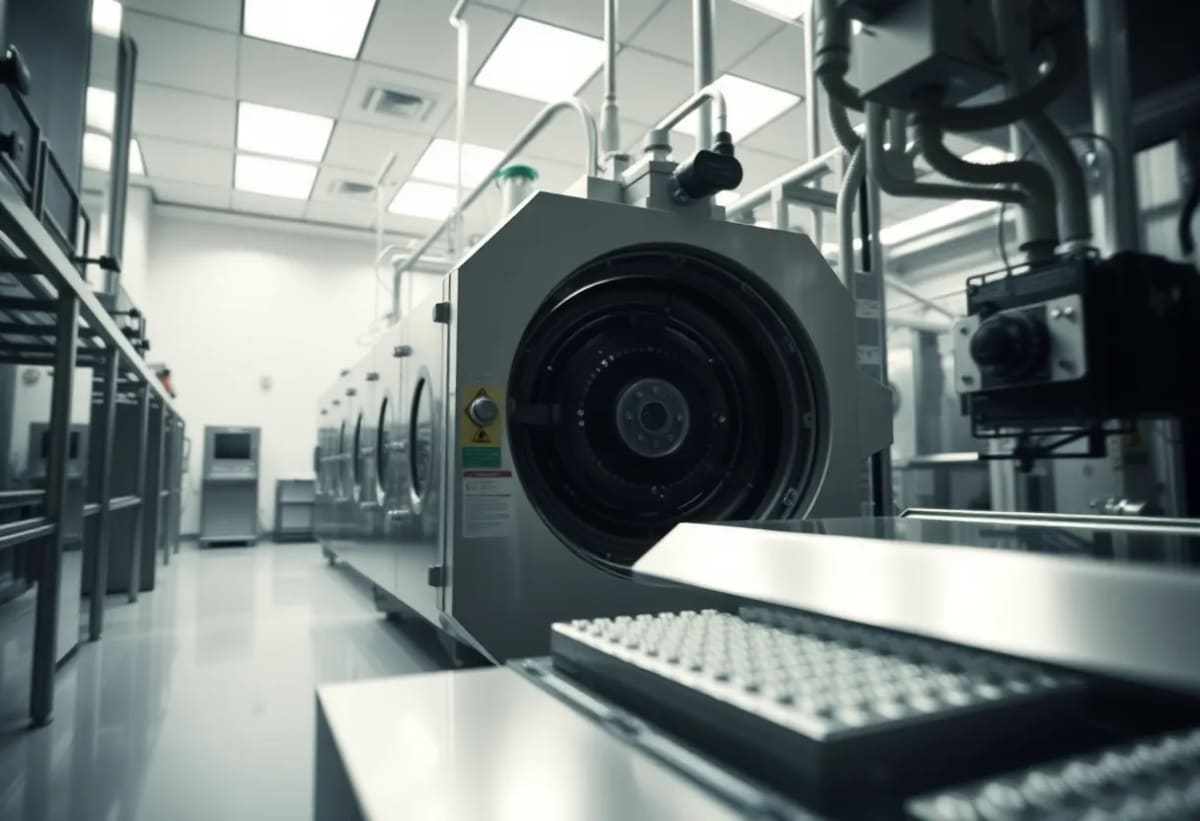
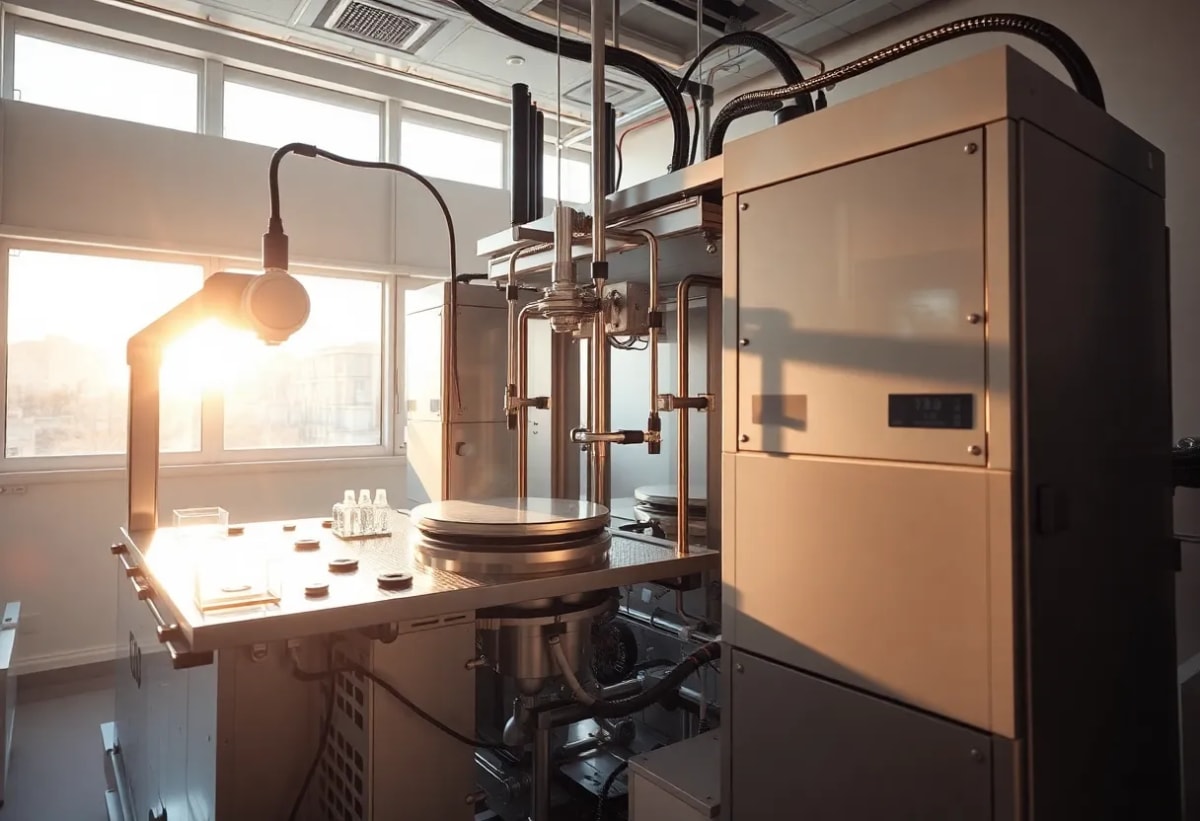
    Huvics developed a high-performance Cleaner System that reflects the needs of SMEs and challenging requirements. This system combines multiple cleaning technologies like Micro Bubble, Water Jet, and Air Knife in a sophisticated manner to perfectly remove ultra-fine contaminants from product surfaces. It is optimized for cleaning various semiconductor and advanced electronic components like camera modules, sensors, VCM motors, and trays, providing outstanding versatility even for SMEs engaged in small lot production. Going further, it features an Oven Dry function to prevent the formation of water stains or secondary contamination post-cleaning, ensuring the stability of final product quality. Huvics Cleaner System offers the following flexible options to meet the needs of every SME:

    Flexible System Options

    • Fully automated full auto model: Suitable for companies striving for process automation
    • Sensible manual option: Suitable for companies preferring flexible maintenance

    Implementation Effects and Partnership

    Huvics goes beyond supplying equipment to accompany customers as a true partner, diagnosing the customer’s situation precisely, deliberating the optimal solution together, and taking responsibility for stable operation and maintenance following implementation. Consequently, the introduction of the Huvics Cleaner System leads to tangible results like improved contaminant removal efficiency, reduced defect rates, and enhanced stability of the final product’s quality. This tailored approach culminates in small changes contributing ultimately to a large fruition of increased productivity and quality enhancement.

    Step 3: Continuous Improvement and Management

    Semiconductor process optimization is not a one-time project. Like a well-tended garden needing continuous care, even an optimized process requires ongoing management and improvement to maintain its effects and further develop. Especially considering the rapidly changing nature of the semiconductor industry, ‘continuous improvement and management’ is essential, not optional.

    Process Monitoring and Technical Support

    This step requires a proactive approach to accurately monitor process data, promptly identify small changes or abnormalities, and respond quickly as needed. Although the Huvics Cleaner System enhances particle removal efficiency and reduces defect rates, new types of contaminants may emerge, or equipment performance may slightly decline over time. In such cases, Huvics goes beyond mere equipment provision to maintain optimal process conditions through continuous communication and technical support with customers, and proposes the introduction of innovative new technologies to further elevate process efficiency. As a gardener weeds and plants new seeds, Huvics continually seeks technical updates and optimization plans, acting as a steadfast partner for enhancing customers’ productivity and quality. Through this close collaboration, SMEs can adeptly navigate the fluctuating market environment and acquire strong competitiveness to achieve continuous growth.

    We hope semiconductor process optimization no longer feels like an indefinite burden for SMEs. Instead of leaving the pain of declining productivity and quality issues unaddressed, now is the time to open new possibilities through Huvics’s systematic 3-step roadmap. With Huvics’s precise Cleaner System, not only can you achieve reduced defect rates and improved quality, but you can also secure unwavering competitiveness amid the rapidly changing semiconductor market and achieve sustainable growth.


    Huvics is a high-tech company that develops and manufactures automation equipment and production systems across the semiconductor, LED, mobile, and cosmetics industries.
    We support the enhancement of our customers’ productivity and competitive quality through the best personnel and continuous technological innovation.

    Contact Huvics Corporation

    Phone: 031-374-8285
    Email: cdpark@huvics.com

    Huvics Inquiry

  • Huvics Cleaner System: 20% Process Efficiency Improvement, The Importance of Advanced Cleaning Technology

    Huvics Cleaner System: 20% Process Efficiency Improvement, The Importance of Advanced Cleaning Technology

    \n\n

    Until now, semiconductor cleaning has focused on ‘meticulously following the set procedures.’ However, a one-size-fits-all approach struggles to completely remove increasingly finer contaminants, which can lead to higher defect rates and increased production costs. It is time for an innovative approach like the Huvics Cleaner System that considers process efficiency.

    \n

    Enhancing Semiconductor Manufacturing Process Efficiency with Huvics Cleaner System

    \n

    In this context, Huvics’ Cleaner System is gaining attention as a key technology capable of increasing semiconductor process efficiency by up to 20%. Let’s delve into why the Huvics Cleaner System sets the new standard for advanced cleaning.

    \n

    Importance of Cleanliness in Semiconductor Processes

    \n

    Semiconductor production is a highly precise process that deals with ultra-fine circuits hundreds of times thinner than a strand of hair. Even a single tiny contaminant particle can lead to defects in dozens or hundreds of products. Just as thousands of checks are conducted before a spaceship launch, perfect cleanliness is essential in semiconductor processes where no speck of dust is permissible.

    \n

    Role of Huvics Cleaner System

    \n

    In such situations, the Huvics Cleaner System proves itself as more than a cleaning device—it is the ‘invisible hero’ of semiconductor production. By completely removing contaminants, it maximizes process efficiency and drastically reduces defect rates, ensuring the quality and reliability of the final products.

    \n

    Key Technologies of Huvics

    \n

    Huvics boasts ultra-precision processing technology that robustly supports the performance of their cleaner system, meeting the stringent demands of the advanced electronic components industry. The multi-stage cleaning technology imbued with Huvics’ philosophy offers a decisive solution to the complex production challenges faced by customers.

    \n

    \"\"

    \n

    Improving Process Efficiency and Quality Through Micro-Contaminant Removal

    \n

    Severity of Micro-Contaminants

    \n

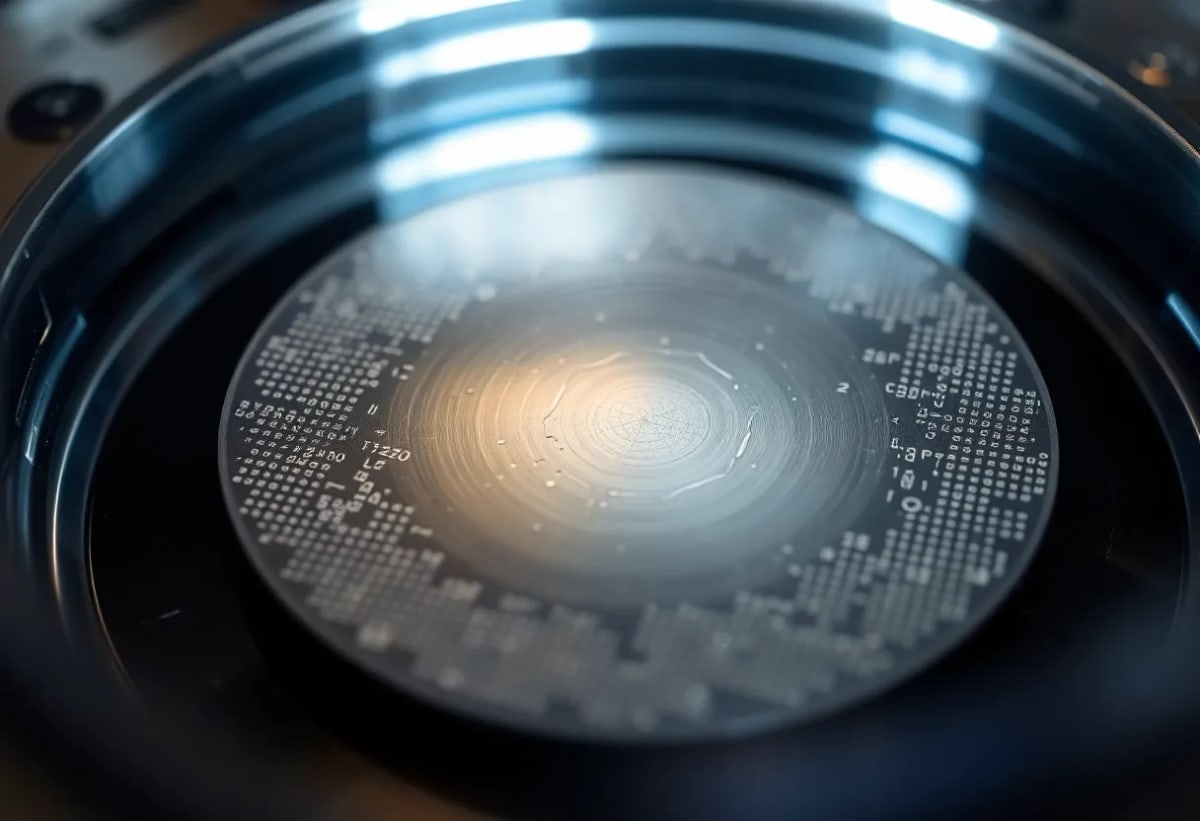
    In semiconductor manufacturing, a single micro-contaminant only a fraction of a hair’s width can halt production lines worth billions or degrade the performance of the final product, leading to large-scale recalls. These minute contaminants are exceedingly sensitive and are central to yield rates as they are difficult to detect visually.

    \n

    Solutions and Applications of Huvics System

    \n

    The Huvics Cleaner System was created to address these challenges and simultaneously satisfy the dual core values of enhancing process efficiency and quality for customers. Ingeniously designed, this system completely removes fine contaminants clinging to product surfaces, drastically reducing defect rates and stabilizing the quality of manufactured semiconductors and advanced electronic components. Particularly, by providing optimized cleaning solutions for various products like camera modules, sensors, VCM motors, and trays used during processes, it perfectly meets the ultra-clean standards demanded by the advanced industry.

    \n

    Advanced Multi-Stage Cleaning Technology and Customized Solutions

    \n

    The Huvics Cleaner System transcends the straightforward concept of ‘cleaning’ by offering a solution that presents a new paradigm of precision cleaning concentrated with advanced technology. How does this cutting-edge cleaning technology simultaneously meet the two critical values of ‘process efficiency’ and ‘quality improvement’? The answer lies in Huvics’ differentiated multi-step cleaning technology.

    \n

    Components of Multi-Stage Cleaning Technology

    \n

    The system seamlessly combines cleaning technologies operating on principles like Micro Bubble, Water Jet, and Air Knife to ensure no micro-contaminant escapes as they completely remove all particles from product surfaces. As a surgeon uses various precise surgical tools to achieve perfect results, the Huvics Cleaner System employs these advanced technologies to deliver the highest level of cleanliness required for semiconductor components.

    \n

    Oven Dry Function for Perfect Drying

    \n

    Adding the Oven Dry function allows it to completely eliminate even the finest moisture residues that may occur post-cleaning, further enhancing product reliability. Perfect drying preventing secondary contamination and corrosion is a key factor.

    \n

    Flexible Customized Solutions

    \n

    Additionally, Huvics offers Full Auto and Manual selection options to adjust the level of process automation according to the customer’s production environment and operational strategy or to enable precise manual control over particular tasks. All these elements play a decisive role in increasing customer production efficiency and stabilizing the quality of final products, clearly illustrating Huvics’ philosophy of providing ‘customer-tailored’ solutions.

    \n

    \"\"

    \n

    Real-World Application Case: 20% Process Efficiency Increase

    \n

    The innovative technology of the Huvics Cleaner System, as previously discussed, significantly demonstrates its value with ‘20% process efficiency improvement’ in actual semiconductor manufacturing environments. Such effects are even more pronounced when viewed through real application cases.

    \n

    Customer Challenges and Huvics Proposals

    \n

    A leading domestic semiconductor manufacturer struggled deeply with defect rates due to micro-particle contamination. This was because micro-particles left unremoved in the initial production stage persisted into subsequent processes, leading to final defects in a vicious cycle. To address this, Huvics thoroughly analyzed the manufacturer’s production environment and product characteristics to propose a customized cleaner system.

    \n

    Effects of Multi-Stage Cleaning Technology

    \n

    After system adoption, the most noticeable change was the overwhelming particle removal efficiency produced by the multi-stage cleaning technology. The synergy of Micro Bubble’s delicate penetration, Water Jet’s powerful spraying, and Air Knife’s perfect drying capabilities ensured that contaminants on product surfaces were removed without a trace.

    \n

    20% Process Efficiency Increase Results

    \n

    As a result, the previously chronic defect rates caused by contamination significantly dropped, leading to reduced rework and increased production line availability. Specifically, applying the Full Auto option tailored to meet specific customer needs minimized manpower input and drastically increased production speed, resulting in an astonishing improvement in overall process efficiency of over 20% compared to before its introduction. This case clearly illustrates how the Huvics Cleaner System plays a crucial role as more than just equipment, but as a core partner in maximizing productivity and securing quality reliability in semiconductor processes. Huvics will continue to offer optimal solutions for customers’ successful business endeavors based on ultra-precision processing technology and will define the new standard for cutting-edge cleaning technology.

    \n

    The problem of micro-contaminants challenging to resolve with traditional cleaning methods and the resulting decrease in process efficiency clarified their solutions through the Huvics Cleaner System. By delivering not just clean surfaces but proving its value with an over 20% improvement in process efficiency in actual production settings, Huvics is set to solve chronic issues in the semiconductor and advanced electronics industry. Huvics will lay a solid foundation for successful business ventures for customers by addressing these challenges through advanced cleaning technology, underscoring that perfect cleanliness directly leads to superior quality and overwhelming productivity.

    \n


    \n

    Huvics is a high-tech company developing and manufacturing automation equipment and production systems across Semiconductor, LED, Mobile, and Cosmetic industries.
    We support enhancing customer productivity and quality competitiveness through top talent and continuous technological innovation.

    \n

    Contact Huvics Co., Ltd.

    \n

    Phone: 031-374-8285
    Email: cdpark@huvics.com

    \n

    \"Contact

    \n

  • Huvics Semiconductor Laminator: The Journey to Achieving 0% Defect Rate

    Huvics Semiconductor Laminator: The Journey to Achieving 0% Defect Rate

    Did you know that it’s possible to reduce the defect rate in semiconductor lamination processes to close to ‘0’? This astonishing change has become a reality thanks to the Huvics Laminator System. Through unprecedented precision and efficiency once hard to imagine, companies can now significantly reduce production costs and dramatically enhance product reliability. But how did Huvics achieve this innovation?

    The Challenge of Achieving Zero Defects at Huvics

    The story of Huvics’ endeavor to achieve zero defects in the semiconductor process through a single laminator is more than just a success narrative; it’s a journey of relentless innovation and determination. Laminating, a crucial step in protecting semiconductor chips, has always been a challenge for defect rate management due to its delicacy. Much like assembling the components of a sophisticated watch, even a minute error could result in disastrous outcomes. Huvics, too, faced these persistent challenges. High defect rates led to increased production costs and delivery delays, posing a threat to customer trust. However, instead of avoiding the issue, Huvics decided to confront it head-on. “How can we minimize defect rates and, ideally, achieve near-zero defect rates?” This question became the starting point for developing Huvics’ innovative laminator system.

    Birth of the One-Stop Lamination System

    At the end of the research and development journey that began this way, Huvics decided to establish a proprietary One-Stop Lamination System that encompasses the entire process, from Expander to UV Curing. This was an ambitious goal to change the paradigm of the entire process rather than simply adding one more piece of equipment. The vision was to simplify the process, drastically reduce Tact Time to maximize productivity, and bring quality stability to the highest level. Of course, this process was not smooth from the start. They were often hindered by unforeseen technical obstacles and numerous trials and errors. However, the Huvics research team never gave up. Based on their accumulated high-precision processing technology and know-how from years of experience, they persistently tackled each complex issue one by one. After sleepless nights of research and endless testing, their efforts finally shone through. The defect rate began to drop astonishingly and eventually recorded an astounding figure close to zero, astonishing everyone. This was not merely a numerical feat, but a triumph indicating that Huvics had set a new standard in semiconductor process automation.

    Limitations and Crisis of Manual Process

    Once, the semiconductor lamination process was akin to a ‘quagmire of manual labor’ for Huvics. This task, which involves meticulously wrapping the sensitive surface of semiconductor chips with protective films, relied heavily on the ‘divine hands’ of skilled workers. Quality could vary with a speck of dust, a slight pressure difference, or even the worker’s fatigue level. While veteran workers produced excellent results, the process was inefficient and fraught with unpredictable variables. Although individual masterpieces akin to ceramics crafted by a skilled artisan over decades could be produced, it was challenging to achieve consistent quality and speed demanded by a mass-production system. The worsening manpower shortage and the deep dependence on a limited number of skilled workers threatened the entire production line.

    In particular, due to the inherent nature of the laminating process, any defect once occurred required the chip to be discarded or subjected to a complex reworking process, leading to astronomical losses. Complaints from customers about delivery delays and quality variance flooded in, placing Huvics at a critical juncture of survival. The pride built in the field of precision processing began to waver, and an urgent voice arose internally, proclaiming, “We cannot continue like this; something revolutionary is needed.” For Huvics, automating the lamination process was no longer an option but a necessity for survival and a journey towards quality innovation that could not be avoided. Overcoming this crisis and emerging as a leader in the field of semiconductor process automation solutions was the decisive driver that led Huvics to invest everything into its newly developed laminator system.

    Building an Integrated Smart Automation System

    In this desperate situation, the answer Huvics came up with was to build an ‘integrated smart automation system.’ Going beyond merely adding automated equipment to existing processes, they designed a One-Stop Lamination System that organically links all processes, from Expander to UV Curing, as a single entity. This was the culmination of precise technological advancements aimed at fundamentally solving all issues stemming from manual work. Firstly, the Expander, which unfolds the film precisely, prepares the film perfectly without any minute wrinkles or air bubbles. Previously, the defect rate before film attachment was determined by the worker’s skill level, but now the Expander eliminates these initial error possibilities by expanding the film under consistent tension and optimal conditions.

    Tape Mounter to Increase Precision

    Next, the Tape Mounter, which accurately attaches the film to the chip, is crucial in providing the precise alignment of the Huvics Laminator System. The automated system solves the slight positional errors or pressure imbalances easily occurring during manual work, ensuring micron-level accuracy through ultra-precise stage control. The design also allows flexibility in responding to various product types and production scales, marked by the Semi Auto and Manual options, showcasing Huvics’ technological prowess.

    UV Curing Process for Final Quality

    Lastly, the UV Curing process, which optimizes the adhesive strength of the attached film, determines the final quality of lamination. By precisely controlling the temperature and curing time through Lamp or LED-based UV curing systems, it secures the stable binding force of the film, ensuring long-term product reliability. By organically integrating and automating each process stage in this way, Huvics could complete an innovative solution that minimizes defect rates, maximizes productivity, and ultimately contributes to extending the lifespan of semiconductor chips.

    Enhancing Customer Competitiveness

    The Huvics Laminator System now goes beyond being mere equipment, serving as the ‘invisible guardian’ of semiconductor production lines. Freeing customers from the previously unpredictable quagmire of defect rates, it provides robust competitiveness through reliable quality and overwhelming production efficiency. Like a conductor meticulously orchestrating a symphony without discord, Huvics’ laminator creates a harmonious production flow by perfectly harmonizing all process stages. As a result, customers can secure reliable quality from the early product development stage, reducing R&D time and accelerating market launch. The reduction in defective products directly impacts the minimization of raw material losses, significantly contributing to reduced manufacturing costs, which, in turn, leads to increased profitability for companies.

    A New Horizon for the Semiconductor Industry

    Moreover, the productivity improvement achieved through Tact Time reduction provides the capability to flexibly respond to the rapidly evolving demands of the semiconductor market. In the swiftly changing market landscape, the ability to ‘supply high-quality products promptly’ has become a crucial factor determining a company’s success or failure, and Huvics has positioned itself as an unparalleled partner in this field. The success of the laminator system has set a milestone proving that Huvics is not just a follower but a leading innovator in the semiconductor process automation solutions field. Huvics will continue to contribute to the development of the semiconductor industry by continuously providing relentless technological innovations and customer-centric tailored solutions. Huvics’ challenge of achieving zero defects is not just the completion of a single goal but a current journey opening a new horizon for the future semiconductor industry.

    The innovation showcased by Huvics through its laminator system has significant meaning beyond merely reducing defect rates; it has transitioned the area once reliant on ‘human hands’ to a realm of ‘automated precision.’ While artisanally crafted products infused with the hands of masters are commendable, consistent quality and efficiency have become more important in the era of mass production. Huvics has continuously strived to capture both values, and as a result, has proposed new possibilities for semiconductor process automation. Perhaps Huvics’ journey offers us a clue to the question, ‘How can we escape outdated conventions and achieve innovation?’

    Huvics is a cutting-edge technology company that develops and manufactures automation equipment and
    production systems across the semiconductor, LED, Mobile, and Cosmetic industries.
    With the best talents and continuous technological innovations,
    we support customers in enhancing productivity and securing quality competitiveness.

    Contact Huvics Co., Ltd.

    Phone: 031-374-8285
    Email: cdpark@huvics.com

    Contact Huvics

  • Analysis of Success in Increasing Yield with Cleaner Machine in the Semiconductor Industry

    Analysis of Success in Increasing Yield with Cleaner Machine in the Semiconductor Industry

    Secret Strategies for Increasing Yield: Success Case of Cleaner Machine

    In the rapidly changing semiconductor industry, enhancing production efficiency is a critical factor determining a company’s survival and growth. As micro-processing technology becomes more advanced, controlling contamination particles becomes increasingly important, directly affecting yield. In this context, Cleaner Machine has been providing innovative solutions to solve the concerns of many companies. Here, we introduce a story of a client company that achieved remarkable results by implementing Cleaner Machine.

    Customer Situation and Background

    The customer introduced today is Company A, which has established a significant position in the semiconductor manufacturing field. Company A has been leading the industry through continuous technological innovation and quality improvement but recently faced difficulties due to contamination particle issues in the production process. The aging of existing equipment and the increasing complexity of the process led to a rise in defect rates, causing concerns that this could result in increased production costs and deteriorated corporate image. Company A explored various solutions to address this issue but struggled to decide due to limitations of existing equipment and high initial investment costs. Importantly, Company A emphasized maintaining compatibility with existing production lines and easy operation and maintenance even when introducing new equipment. Additionally, the company sought solutions to improve overall production process efficiency and strengthen the quality management system from a long-term perspective. Company A’s engineers conducted numerous tests and analyses to identify the fundamental cause of the problem but found it challenging to discover a clear solution. In this situation, Company A became aware of Cleaner Machine, noting its innovative technologies and success stories.

    Problem Awareness and Challenges

    The main challenge for Company A was not only to reduce defect rates but also to ensure stability across the entire production process and secure long-term competitive advantages. To achieve this, Company A needed to accomplish the following specific goals. First, they had to adopt a new solution that maximized fine particle removal efficiency while maintaining compatibility with existing equipment. Second, they needed to reduce human error and enhance productivity through process automation. Third, they required equipment that was easy to operate and maintain to reduce long-term operating costs. Fourth, they had to continuously improve the production process and strengthen the quality management system based on accumulated data. To achieve these goals, Company A scrutinized the capabilities of Cleaner Machine and carefully evaluated its applicability to their production line. Particularly, Company A’s engineers focused on Cleaner Machine’s Oven Dry feature and the Full Auto / Manual selection option. The Oven Dry feature ensures a perfect drying process to effectively remove contamination particles, while the Full Auto / Manual option was expected to facilitate process automation and maintenance management. Company A anticipated that implementing Cleaner Machine would yield various effects such as improving productivity, reducing operation costs, and enhancing their quality control system along with achieving defect rate reduction.

    Company’s Approach and Provided Solution

    Cleaner Machine provided a tailored solution to meet these requirements of Company A. Cleaner Machine realizes a perfect drying process through its Oven Dry function, fundamentally blocking contamination particle issues. Moreover, it supported the establishment of an optimized automation system for Company A’s production line through the Full Auto / Manual selection function. Cleaner Machine engineers meticulously analyzed Company A’s production line and proposed optimal installation locations and operational methods considering compatibility with existing equipment. Additionally, Cleaner Machine offered specialized training in equipment operation and maintenance to Company A’s engineers to maximize equipment utilization and provide quick response in the event of problems. Cleaner Machine’s solution contributed to improving efficiency across Company A’s entire production process, allowing achievement of both defect rate reduction and productivity enhancement simultaneously. Cleaner Machine led successful innovation for Company A by providing customized solutions through close cooperation.

    Results After Application and Customer Feedback

    After implementing Cleaner Machine, Company A achieved astonishing results. The most striking change was the reduction in defect rates. Enhanced fine particle removal efficiency led to a noticeable decrease in defect rates, resulting in cost savings and increased profit. Furthermore, productivity significantly improved through process automation, and the possibility of defects due to human error was markedly reduced. Engineers at Company A praised the user-friendliness of Cleaner Machine and highly appreciated the ease of equipment operation and maintenance.

    “After adopting Cleaner Machine, productivity improved by over 20%, and defect rates decreased by 15%. Results that were unimaginable before.”

    This is actual feedback from an engineer at Company A. Company A succeeded in maximizing production efficiency and enhancing quality competitiveness through the implementation of Cleaner Machine.

    Future Implications and Lessons

    Company A’s success story provides significant implications for semiconductor manufacturers in resolving challenges and developing strategies for continuous growth. First, advanced technologies must be actively introduced to maximize the efficiency of production processes. Second, production processes should be continuously improved and quality management systems strengthened through data-driven decision-making. Third, customized solutions should be provided through close cooperation with clients to enhance customer satisfaction. Company A secured a competitive edge and prepared a foundation for sustainable growth through these strategies. Cleaner Machine will continue to offer innovative solutions through collaboration with clients and strive to support their success.

    Conclusion

    Company A’s case is a good example of how significant results can be achieved when innovative technology and a customer-centric approach are combined. Cleaner Machine will continuously provide the best value to customers through relentless technological innovation and grow together with them.


    Increasing yield is a core task in semiconductor manufacturing processes, supported by effective particle removal solutions. Cleaner Machine, with its reliable technology, supports ensuring stable quality.

    Huvics is a high-tech company developing and manufacturing automated equipment and
    production systems across the semiconductor, LED, Mobile, and Cosmetic industries.
    Our top talent and continuous technological innovation support enhancing customer productivity and
    securing quality competitiveness.

    Contact Huvics Co., Ltd.

    Phone: 031-374-8285
    Email: huvics01@gmail.com

    Huvics Contact

  • Semiconductor Cleaner Maintenance Cost Reduction Secrets: Huvics Innovation Case

    Semiconductor Cleaner Maintenance Cost Reduction Secrets: Huvics Innovation Case

    Seminar on Reducing Maintenance Costs of Semiconductor Cleaner Systems

    In semiconductor manufacturing processes, cleaner systems play a crucial role in ensuring the final product quality by removing contaminants from the product surface. Reducing maintenance costs of cleaner systems directly impacts the profitability of semiconductor manufacturers, thereby necessitating the exploration of various strategies. This report discusses ways to reduce maintenance costs of cleaner systems, especially spin cleaners.

    1. Optimization of Preventive Maintenance and Repairs

    • Regular Inspections and Parts Replacement: Essential parts of cleaner systems such as nozzles, filters, and pumps may wear out or degrade over time. By conducting regular inspections to check the condition of these parts and replacing them before they reach the end of their life, sudden equipment failures can be prevented, and overall maintenance costs can be reduced.
    • Cleaning Solution Management: The cleaning solution used in cleaner systems plays an important role in removing contaminants. By periodically measuring and managing the concentration and contamination level of the cleaning solution, cleaning efficiency can be maintained, and unnecessary replacement of the cleaning solution can be minimized, thus reducing purchase costs. Introducing a cleaning solution recycling system to decrease consumption may also be considered.
    • Software Updates and Optimization: Updating the control software of cleaner systems to the latest version and optimizing it according to process conditions can enhance equipment efficiency and reduce energy consumption.

    2. Improving Energy Efficiency

    • Utilizing Power Saving Mode: During periods of low equipment usage frequency, energy consumption can be reduced by utilizing power-saving modes.
    • Replacing with High-Efficiency Components: By replacing existing high-energy-consuming components with high-efficiency ones, energy consumption can be reduced. For example, replacing the existing pump with a high-efficiency pump or using LED lighting can aid in energy savings.
    • Optimizing Temperature Management: Optimizing the internal temperature of cleaner systems can reduce unnecessary energy consumption. For instance, caution must be taken to not set excessively high temperatures beyond what is required for drying processes.

    3. Process Optimization

    • Reducing Cleaning Time: By shortening unnecessarily long cleaning times, energy consumption can be reduced, and equipment operational time can be increased. Optimizing various process variables such as type and concentration of the cleaning solution, cleaning pressure, and cleaning temperature is required to shorten cleaning time.
    • Reducing Cleaning Frequency: By maintaining the minimum necessary cleaning frequency, energy consumption and cleaning solution usage can be reduced. Reducing cleaning frequency requires consideration of methods to minimize contaminant ingress during the process and effectively remove contaminants before cleaning stages.
    • Introducing Automated Systems: Replacing manual operations with automated systems can reduce labor costs and improve process efficiency. For example, automating wafer loading and unloading operations or automating cleaning solution replacement tasks could be considered.

    4. Utilizing Maintenance Contracts and Services

    • Maintenance Contracts with Equipment Manufacturers: By signing maintenance contracts with equipment manufacturers, regular inspections and parts replacement services can be received. This allows for the prevention of equipment failures and management of maintenance costs in a predictable manner.
    • Utilizing Professional Services: Consulting with equipment manufacturers or professional service companies can help improve the operational efficiency of cleaner systems and explore ways to reduce maintenance costs.

    5. Other Considerations

    • Operator Training: Enhancing operator training on the operational principles and maintenance methods of cleaner systems can prevent equipment malfunction and extend equipment lifespan.
    • Data Analysis: Analyzing the operational data of cleaner systems can identify performance degradation factors and be used to develop preventive maintenance and repair plans.
    • Equipment Replacement Cycle: Aging cleaner systems may have low energy efficiency and high failure occurrence rates. Considering equipment lifespan, replacing them with new equipment at the appropriate time should be considered.

    Conclusion

    Reducing the maintenance costs of semiconductor equipment, particularly cleaner systems, is achievable through various methods. Establishing optimal maintenance cost reduction strategies to fit each manufacturer’s situation involves considering preventive maintenance and repair optimization, energy efficiency improvement, process optimization, utilizing maintenance contracts and services, operator training, data analysis, and equipment replacement cycles comprehensively. By doing so, semiconductor manufacturers can reduce production costs and enhance competitiveness.


    Efficient operation of cleaner systems is closely linked to the stability and quality of semiconductor production lines. Huvics has contributed to maintenance cost reduction and process reliability by providing specialized technical support and data-driven management tailored to customer needs. In the semiconductor industry, the advancement of facility operation is becoming increasingly important for sustainable competitiveness.

    Huvics is a high-tech company that develops and manufactures automation equipment and production systems across semiconductor, LED, Mobile, and Cosmetic industries.
    With top talents and continuous technological innovation, we support improving our customers’ productivity and securing quality competitiveness.

    Contact Huvics Co., Ltd.

    Phone: 031-374-8285
    Email: sky@huvics.com

    Contact Huvics