Secret Strategies for Increasing Yield: Success Case of Cleaner Machine
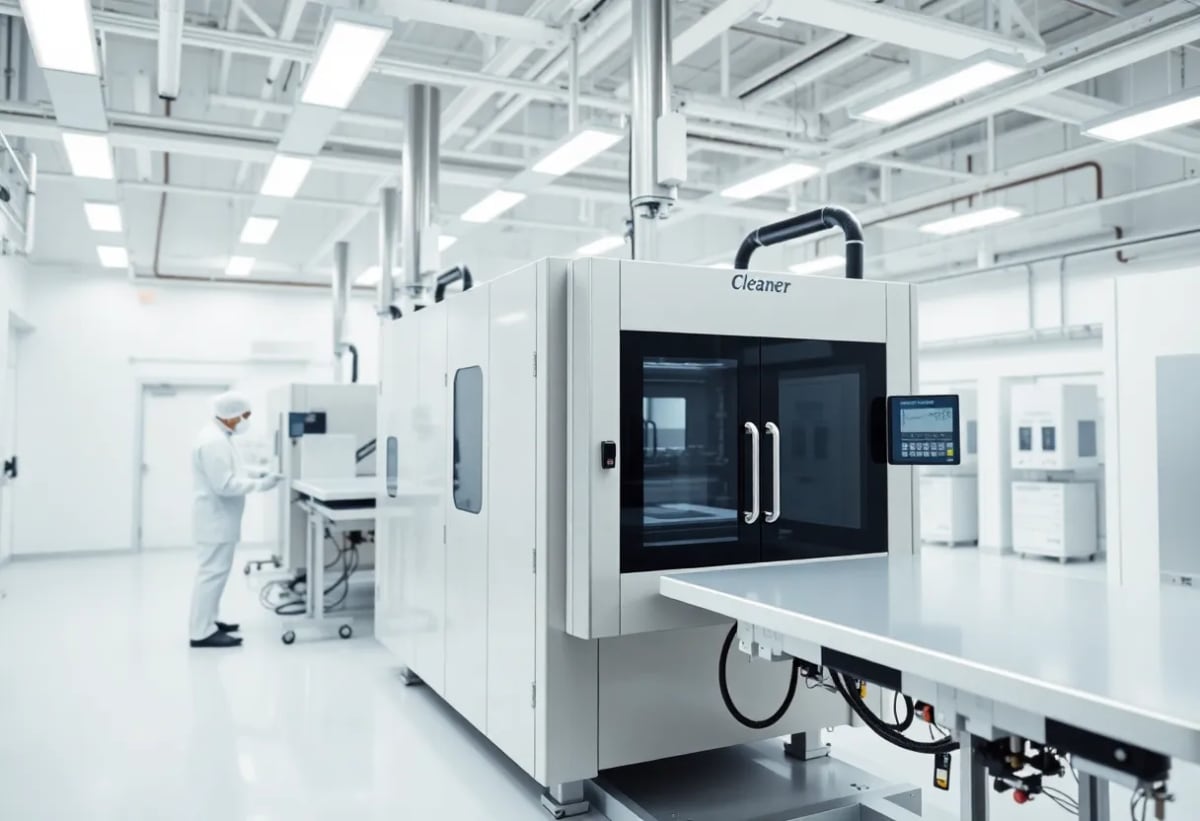
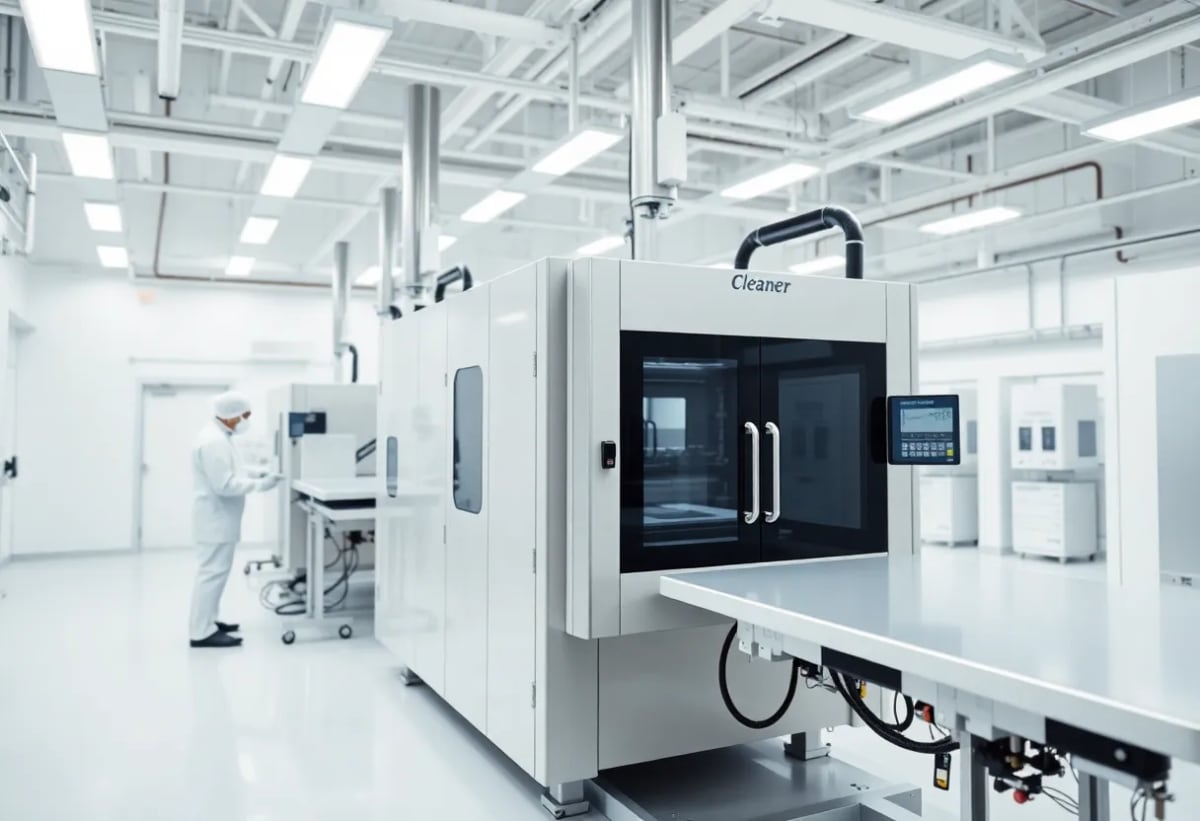
In the rapidly changing semiconductor industry, enhancing production efficiency is a critical factor determining a company’s survival and growth. As micro-processing technology becomes more advanced, controlling contamination particles becomes increasingly important, directly affecting yield. In this context, Cleaner Machine has been providing innovative solutions to solve the concerns of many companies. Here, we introduce a story of a client company that achieved remarkable results by implementing Cleaner Machine.
Customer Situation and Background
The customer introduced today is Company A, which has established a significant position in the semiconductor manufacturing field. Company A has been leading the industry through continuous technological innovation and quality improvement but recently faced difficulties due to contamination particle issues in the production process. The aging of existing equipment and the increasing complexity of the process led to a rise in defect rates, causing concerns that this could result in increased production costs and deteriorated corporate image. Company A explored various solutions to address this issue but struggled to decide due to limitations of existing equipment and high initial investment costs. Importantly, Company A emphasized maintaining compatibility with existing production lines and easy operation and maintenance even when introducing new equipment. Additionally, the company sought solutions to improve overall production process efficiency and strengthen the quality management system from a long-term perspective. Company A’s engineers conducted numerous tests and analyses to identify the fundamental cause of the problem but found it challenging to discover a clear solution. In this situation, Company A became aware of Cleaner Machine, noting its innovative technologies and success stories.
Problem Awareness and Challenges
The main challenge for Company A was not only to reduce defect rates but also to ensure stability across the entire production process and secure long-term competitive advantages. To achieve this, Company A needed to accomplish the following specific goals. First, they had to adopt a new solution that maximized fine particle removal efficiency while maintaining compatibility with existing equipment. Second, they needed to reduce human error and enhance productivity through process automation. Third, they required equipment that was easy to operate and maintain to reduce long-term operating costs. Fourth, they had to continuously improve the production process and strengthen the quality management system based on accumulated data. To achieve these goals, Company A scrutinized the capabilities of Cleaner Machine and carefully evaluated its applicability to their production line. Particularly, Company A’s engineers focused on Cleaner Machine’s Oven Dry feature and the Full Auto / Manual selection option. The Oven Dry feature ensures a perfect drying process to effectively remove contamination particles, while the Full Auto / Manual option was expected to facilitate process automation and maintenance management. Company A anticipated that implementing Cleaner Machine would yield various effects such as improving productivity, reducing operation costs, and enhancing their quality control system along with achieving defect rate reduction.
Company’s Approach and Provided Solution
Cleaner Machine provided a tailored solution to meet these requirements of Company A. Cleaner Machine realizes a perfect drying process through its Oven Dry function, fundamentally blocking contamination particle issues. Moreover, it supported the establishment of an optimized automation system for Company A’s production line through the Full Auto / Manual selection function. Cleaner Machine engineers meticulously analyzed Company A’s production line and proposed optimal installation locations and operational methods considering compatibility with existing equipment. Additionally, Cleaner Machine offered specialized training in equipment operation and maintenance to Company A’s engineers to maximize equipment utilization and provide quick response in the event of problems. Cleaner Machine’s solution contributed to improving efficiency across Company A’s entire production process, allowing achievement of both defect rate reduction and productivity enhancement simultaneously. Cleaner Machine led successful innovation for Company A by providing customized solutions through close cooperation.
Results After Application and Customer Feedback
After implementing Cleaner Machine, Company A achieved astonishing results. The most striking change was the reduction in defect rates. Enhanced fine particle removal efficiency led to a noticeable decrease in defect rates, resulting in cost savings and increased profit. Furthermore, productivity significantly improved through process automation, and the possibility of defects due to human error was markedly reduced. Engineers at Company A praised the user-friendliness of Cleaner Machine and highly appreciated the ease of equipment operation and maintenance.
“After adopting Cleaner Machine, productivity improved by over 20%, and defect rates decreased by 15%. Results that were unimaginable before.”
This is actual feedback from an engineer at Company A. Company A succeeded in maximizing production efficiency and enhancing quality competitiveness through the implementation of Cleaner Machine.
Future Implications and Lessons
Company A’s success story provides significant implications for semiconductor manufacturers in resolving challenges and developing strategies for continuous growth. First, advanced technologies must be actively introduced to maximize the efficiency of production processes. Second, production processes should be continuously improved and quality management systems strengthened through data-driven decision-making. Third, customized solutions should be provided through close cooperation with clients to enhance customer satisfaction. Company A secured a competitive edge and prepared a foundation for sustainable growth through these strategies. Cleaner Machine will continue to offer innovative solutions through collaboration with clients and strive to support their success.
Conclusion
Company A’s case is a good example of how significant results can be achieved when innovative technology and a customer-centric approach are combined. Cleaner Machine will continuously provide the best value to customers through relentless technological innovation and grow together with them.
Increasing yield is a core task in semiconductor manufacturing processes, supported by effective particle removal solutions. Cleaner Machine, with its reliable technology, supports ensuring stable quality.
Huvics is a high-tech company developing and manufacturing automated equipment and
production systems across the semiconductor, LED, Mobile, and Cosmetic industries.
Our top talent and continuous technological innovation support enhancing customer productivity and
securing quality competitiveness.
Contact Huvics Co., Ltd.
Phone: 031-374-8285
Email: huvics01@gmail.com