Tag: ProductionEfficiency

  • Semiconductor Process: Manual vs. Automated, Reducing Defect Rate with Precision

    Semiconductor Process: Manual vs. Automated, Reducing Defect Rate with Precision

    Huvics

    It is well known in the semiconductor industry that minute differences on the micron level can have a critical impact on the final defect rate. However, choosing between the flexible ‘manual method’ and the consistent ‘automated method’ to meet these ultra-precise requirements is always a challenging decision. This complex issue, where one must pursue the unique characteristics of the production environment, cost efficiency, and above all, unwavering precision, makes it difficult to simply declare one method as superior. Finding the optimal solution amidst this dilemma is not easy, but through this article, we can analyze the complex process more clearly.

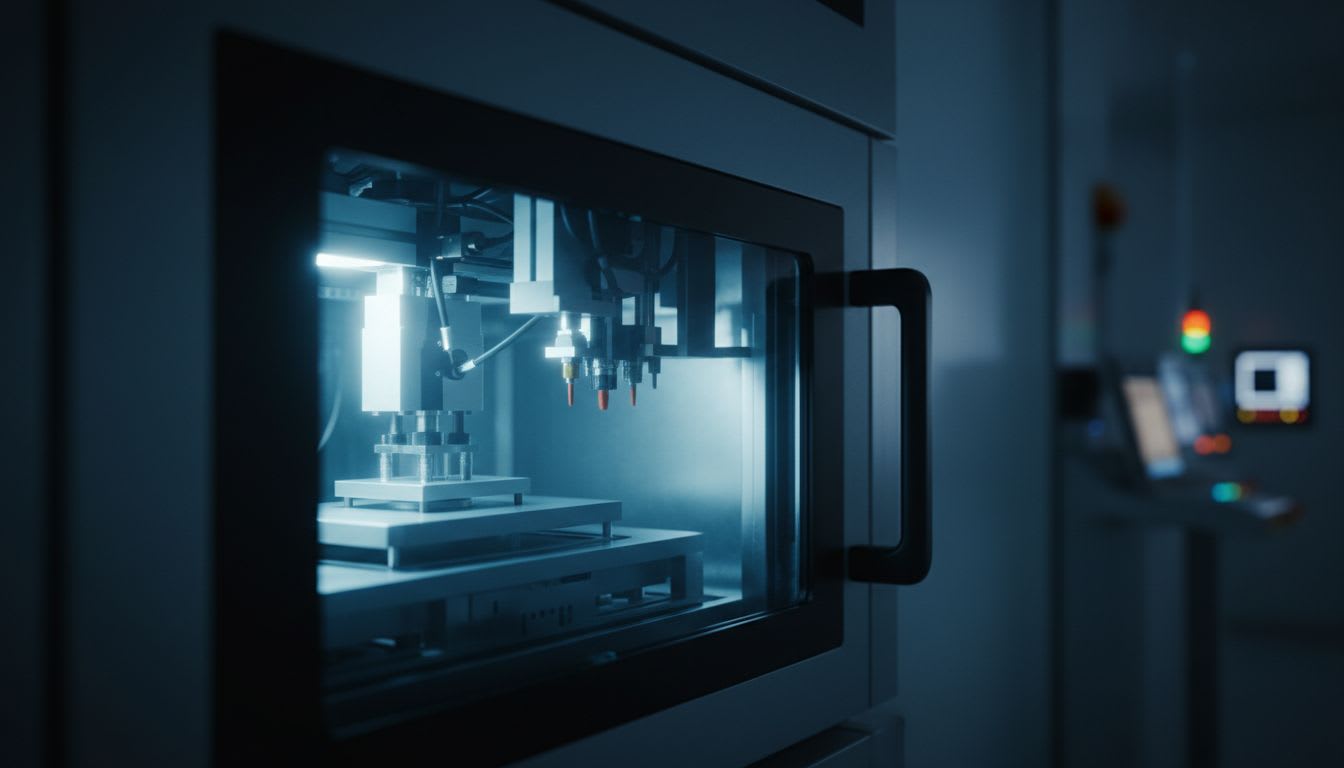
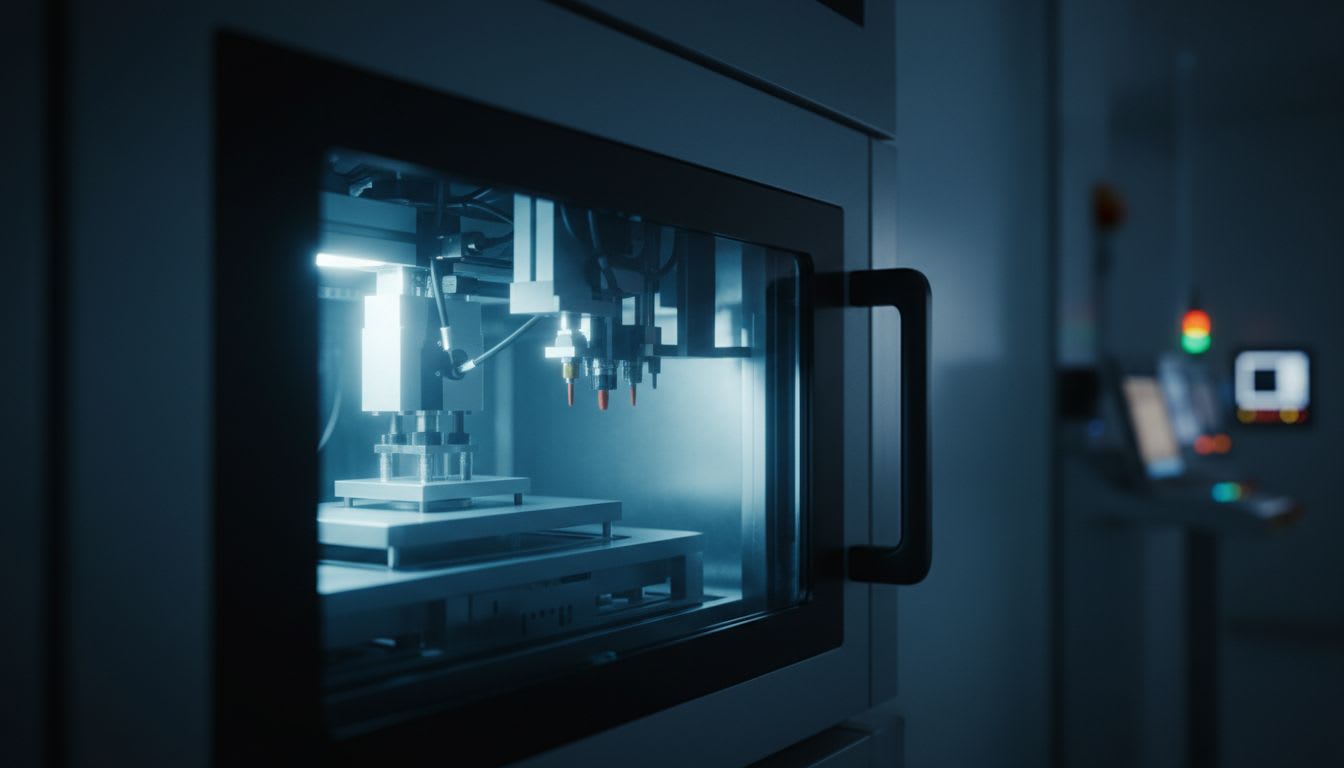
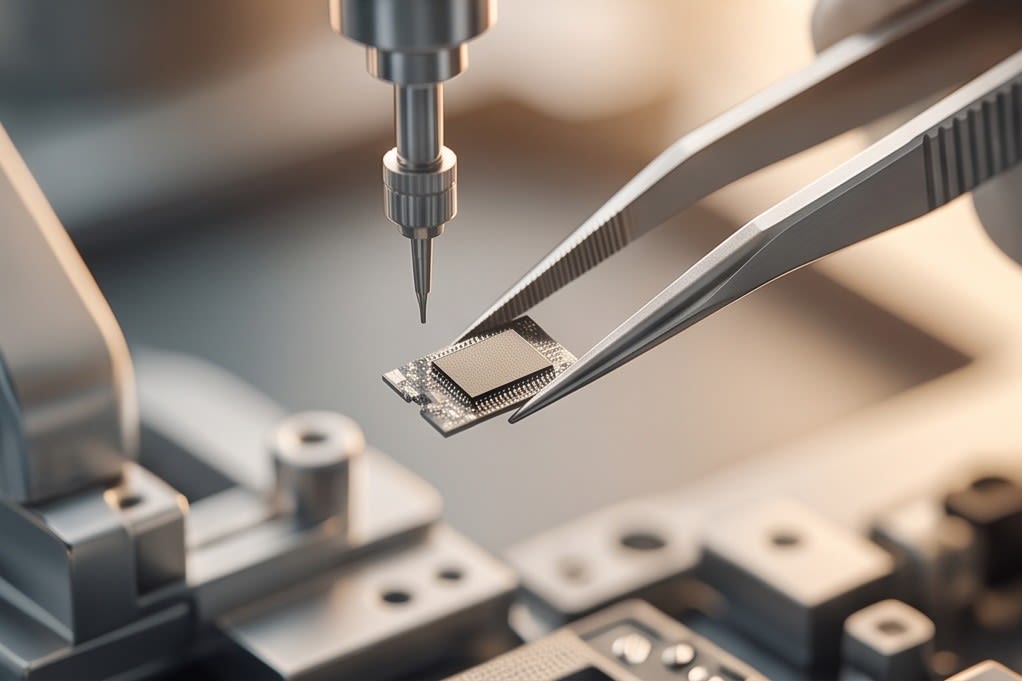
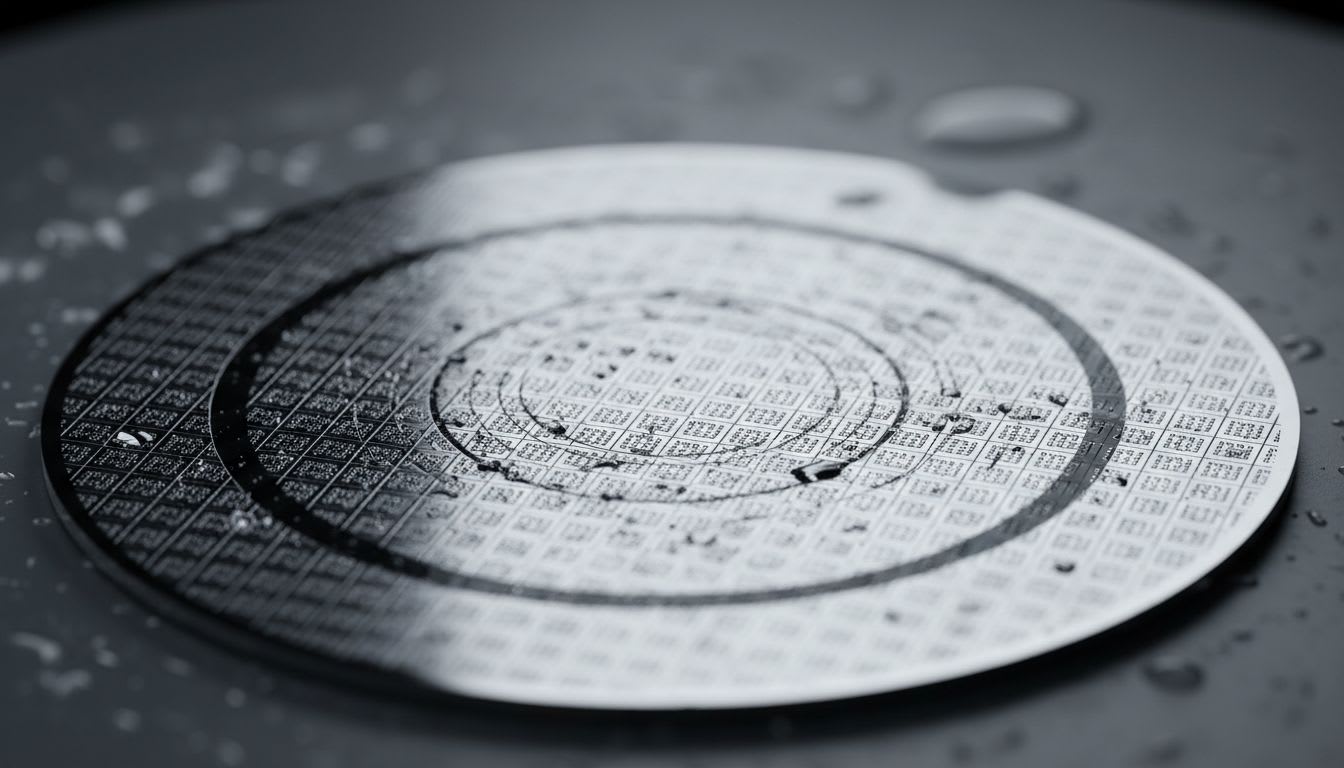
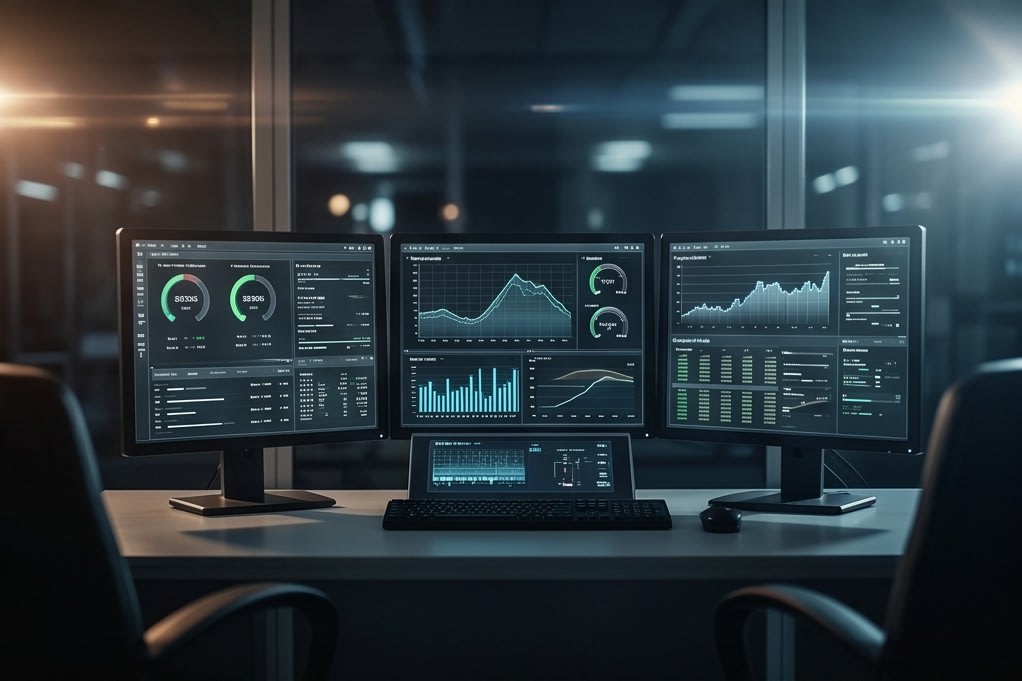
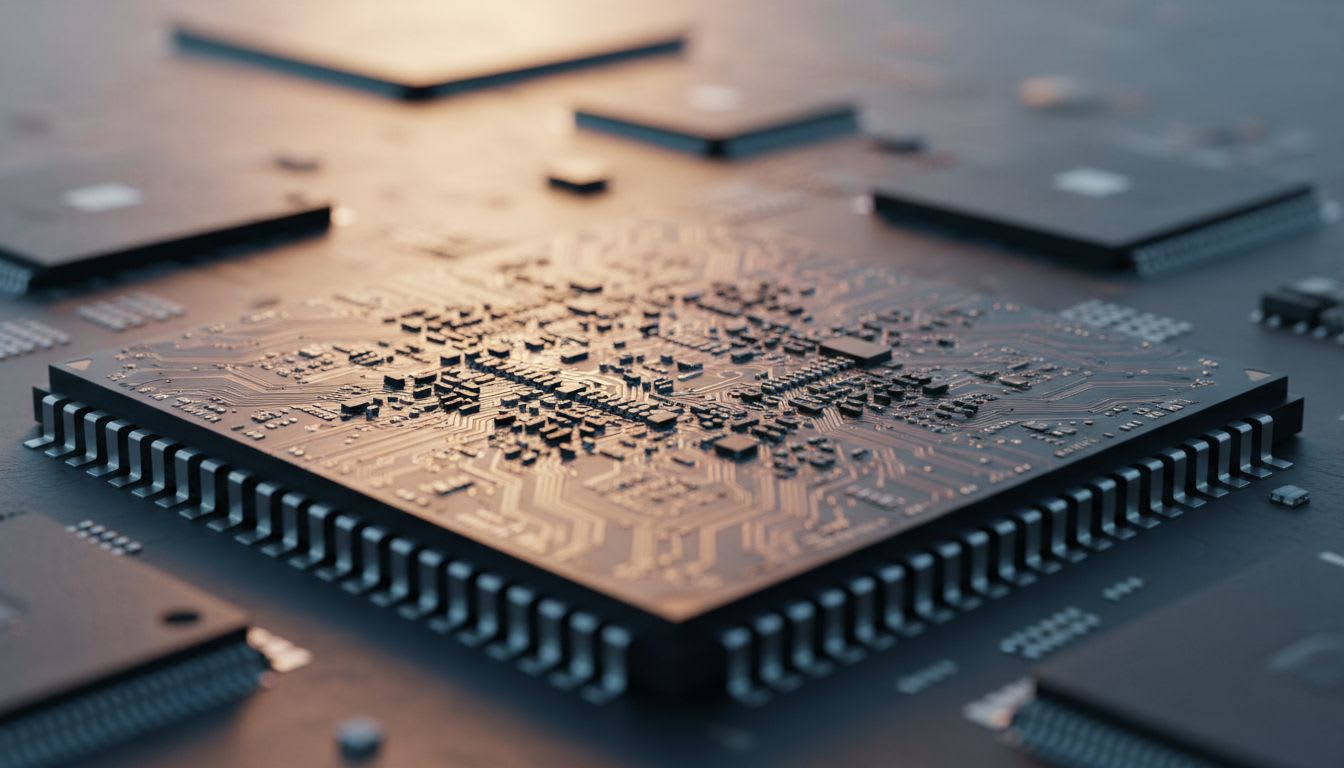
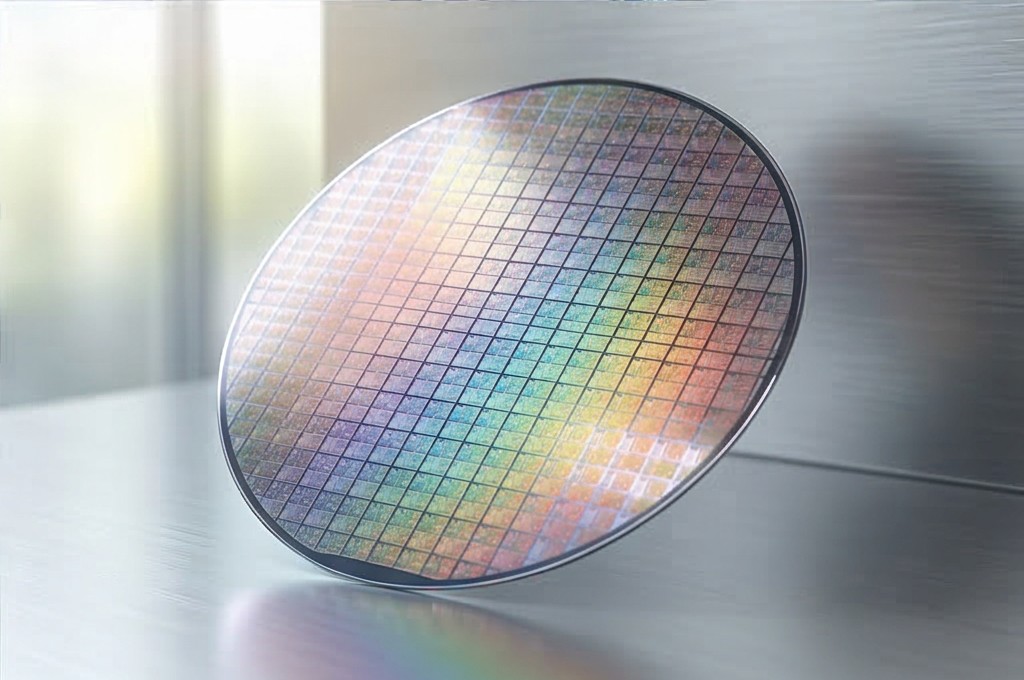
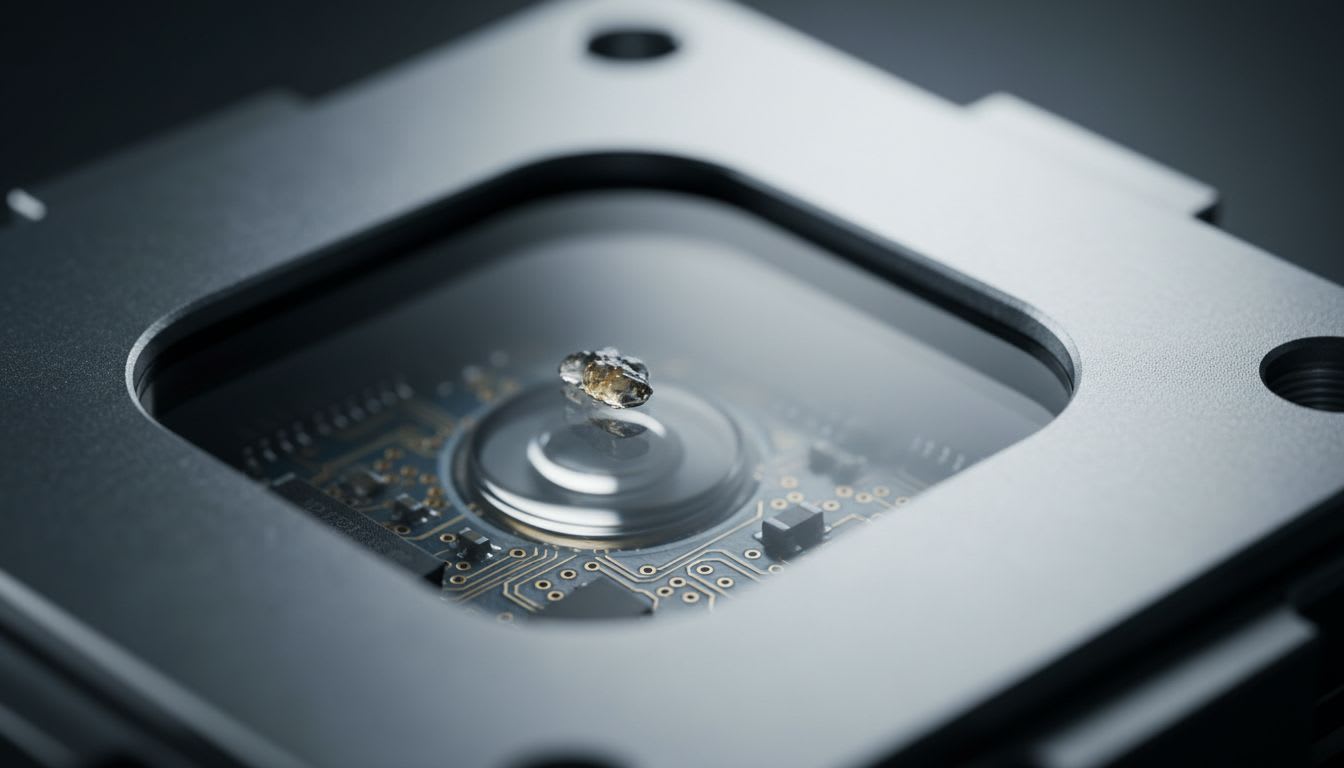
    High-Precision Wafer Surface

    In the semiconductor industry, even an error of just a few microns or an invisible speck of impurity can deteriorate the performance of the final product or lead to mass defects. These ultra-precise requirements are non-negotiable core values at every stage of the process, from wafer grinding to cleaning and packaging, and precision is the barometer that determines the competitiveness and future value of the company. Against this backdrop, as we seek optimal solutions to pursue both the flexibility and efficiency of the production line and unwavering precision, let’s take a closer look at the characteristics of manual precision work and automated precision processes.

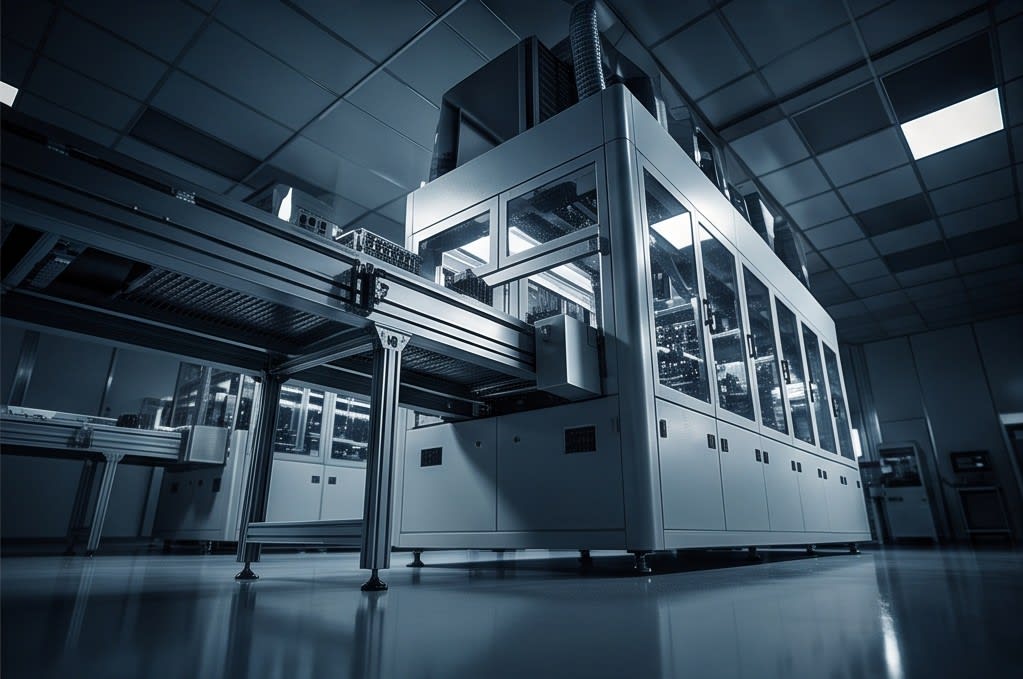
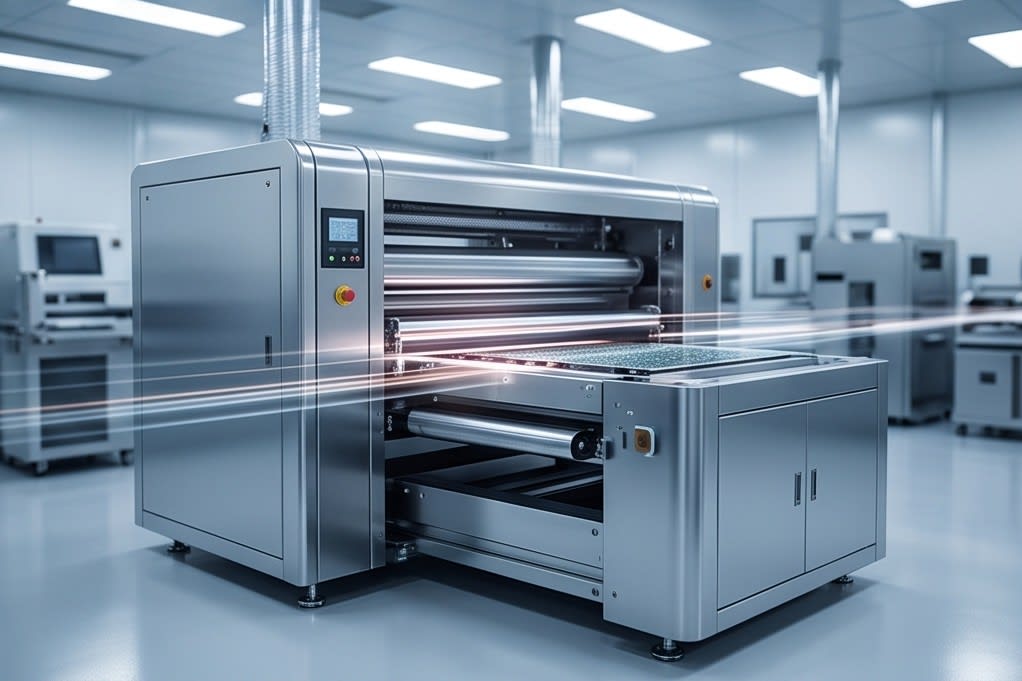
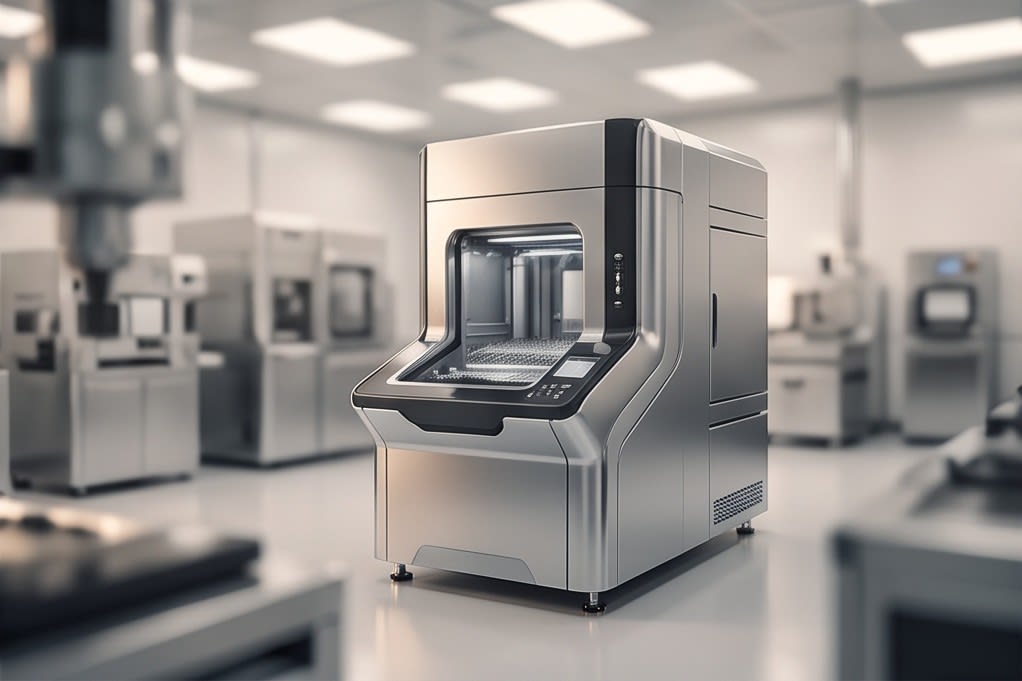
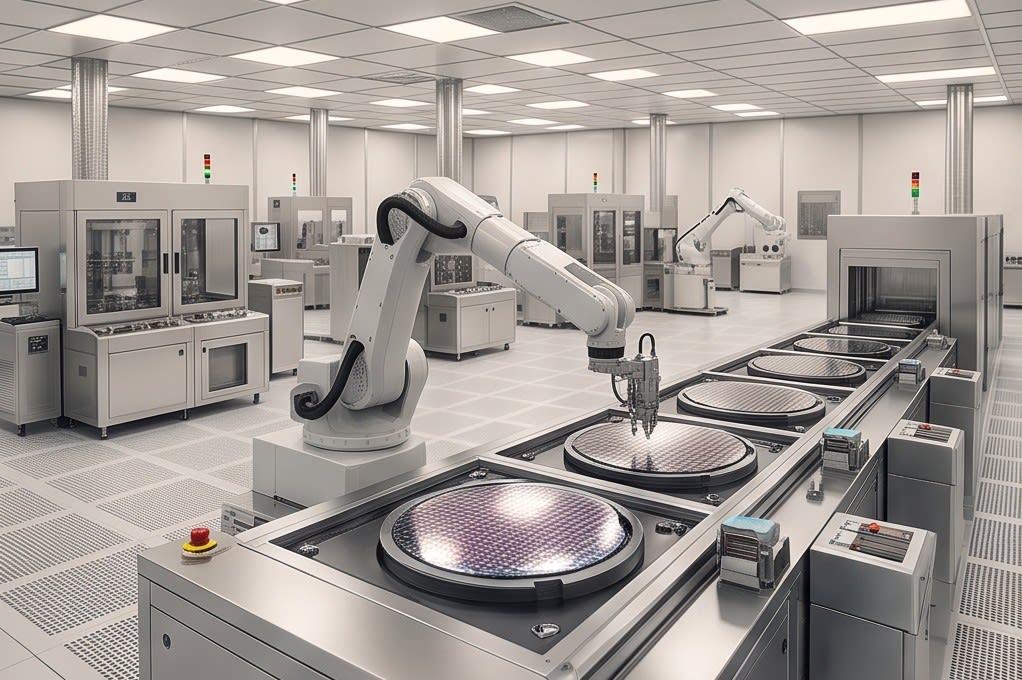
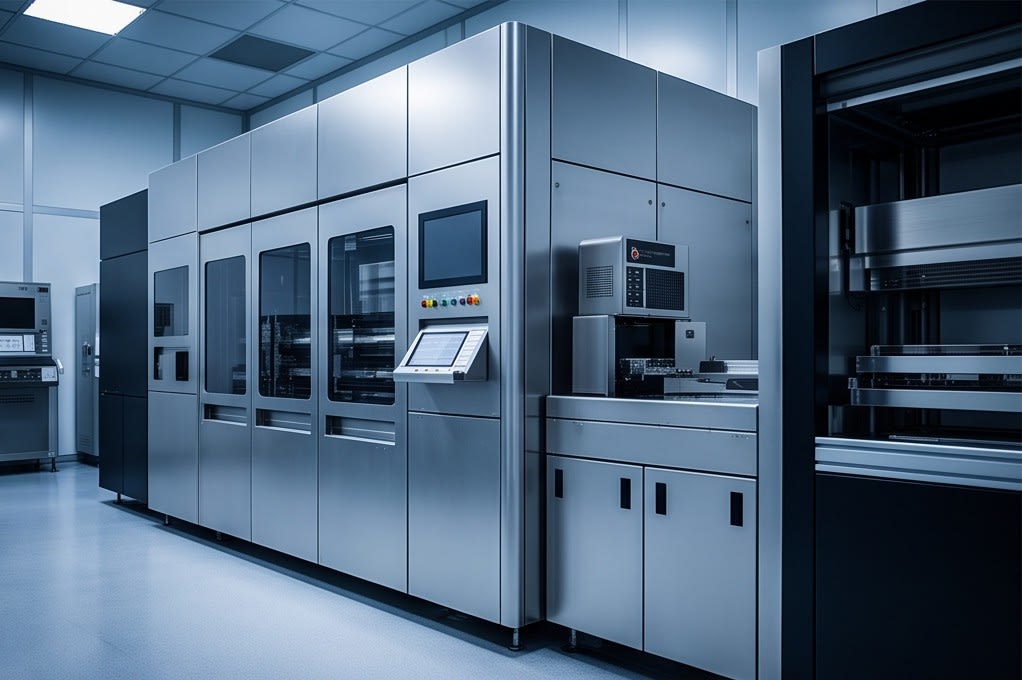
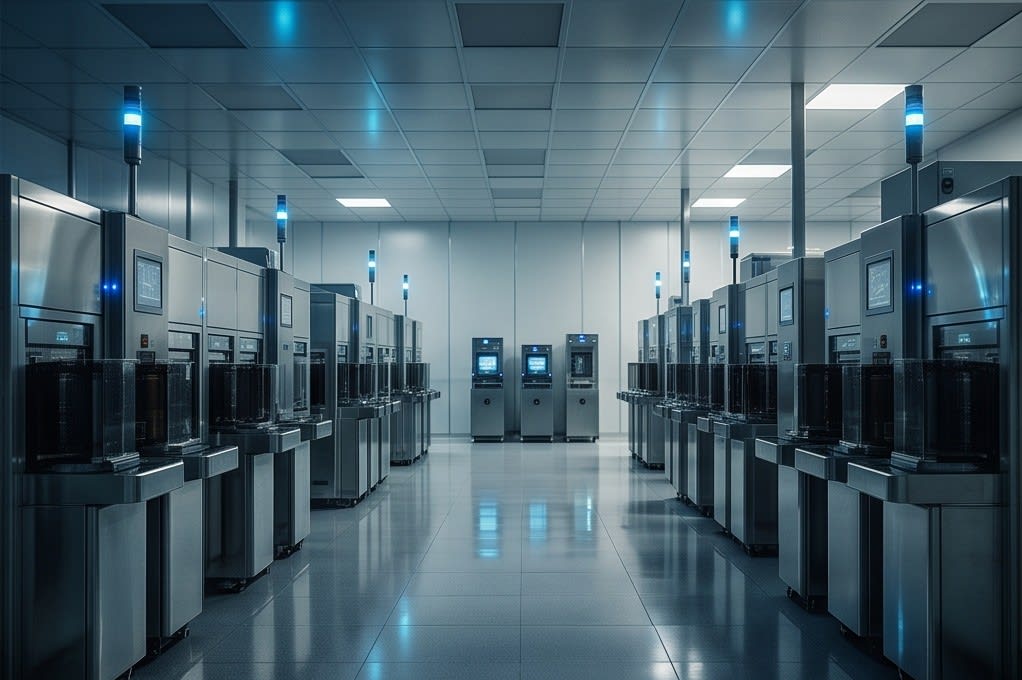
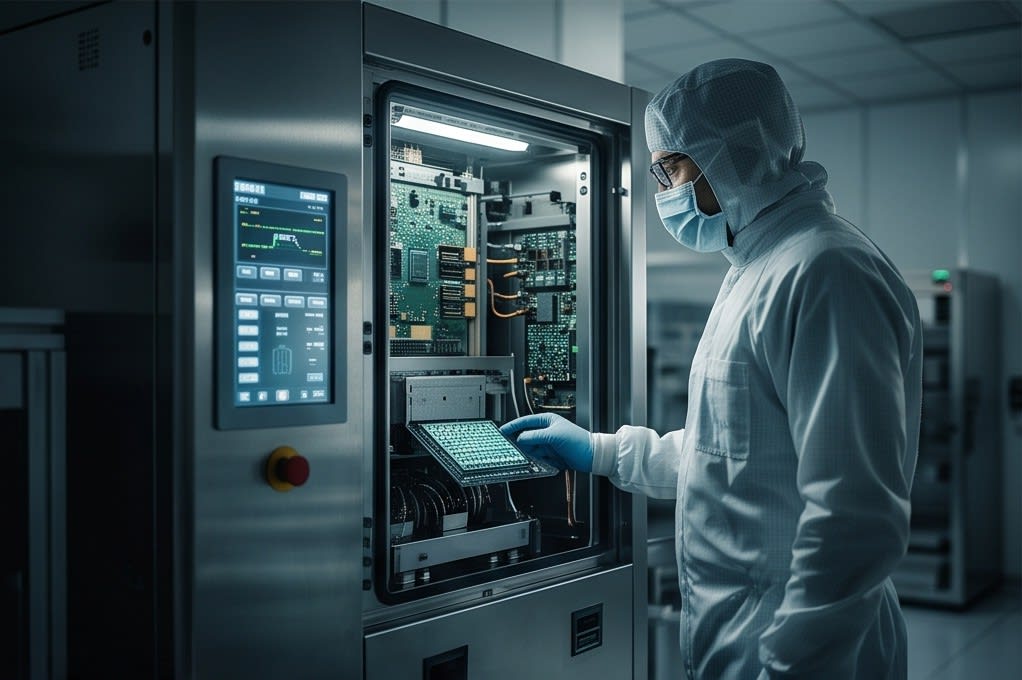
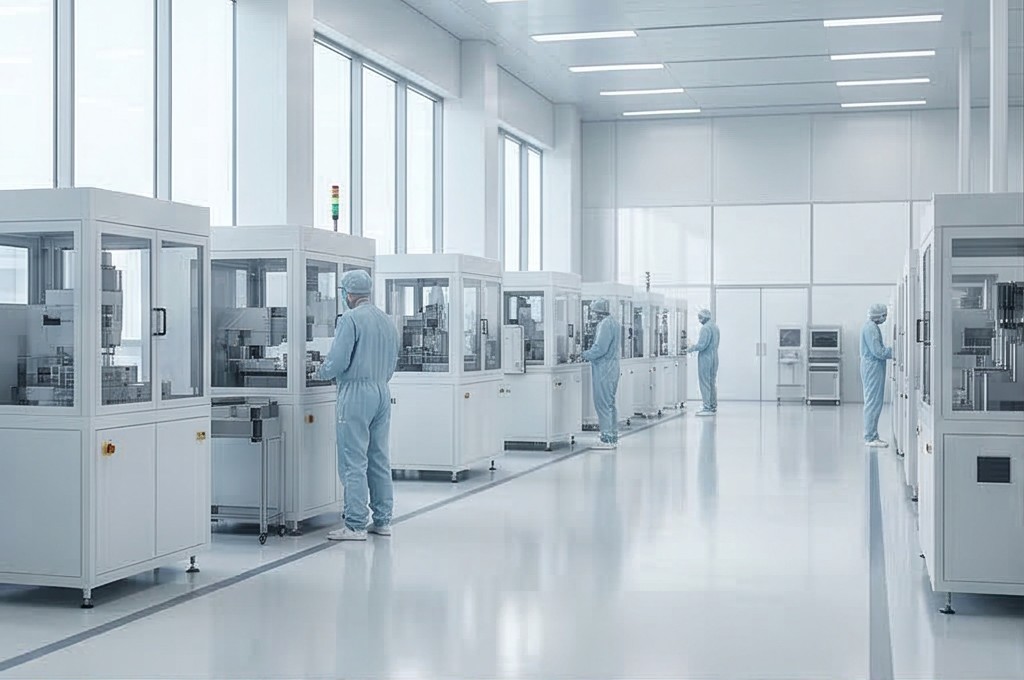
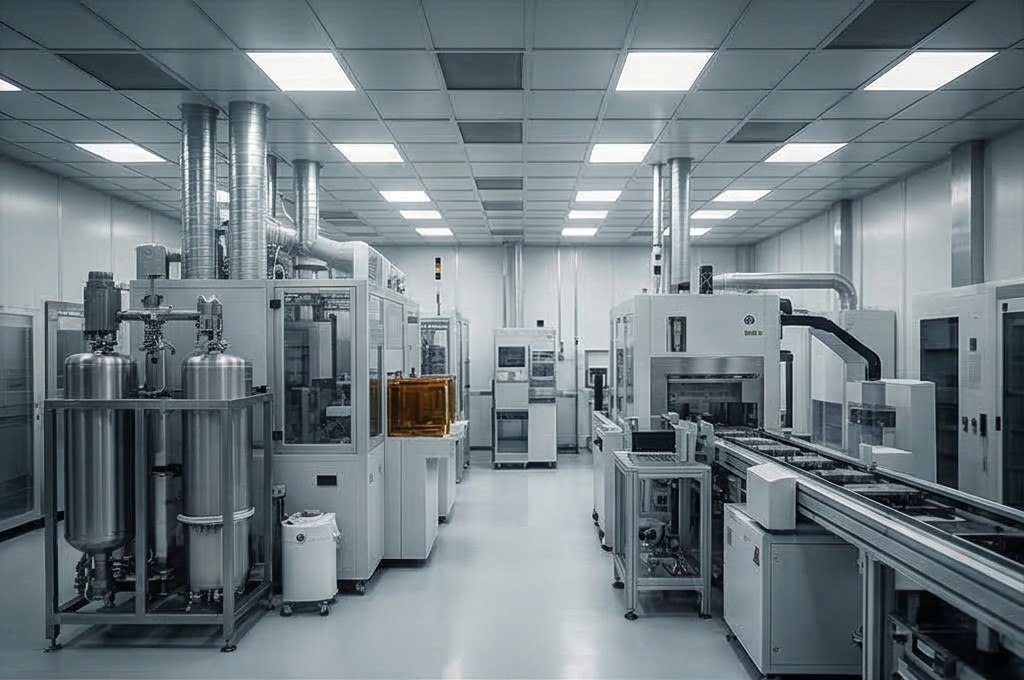
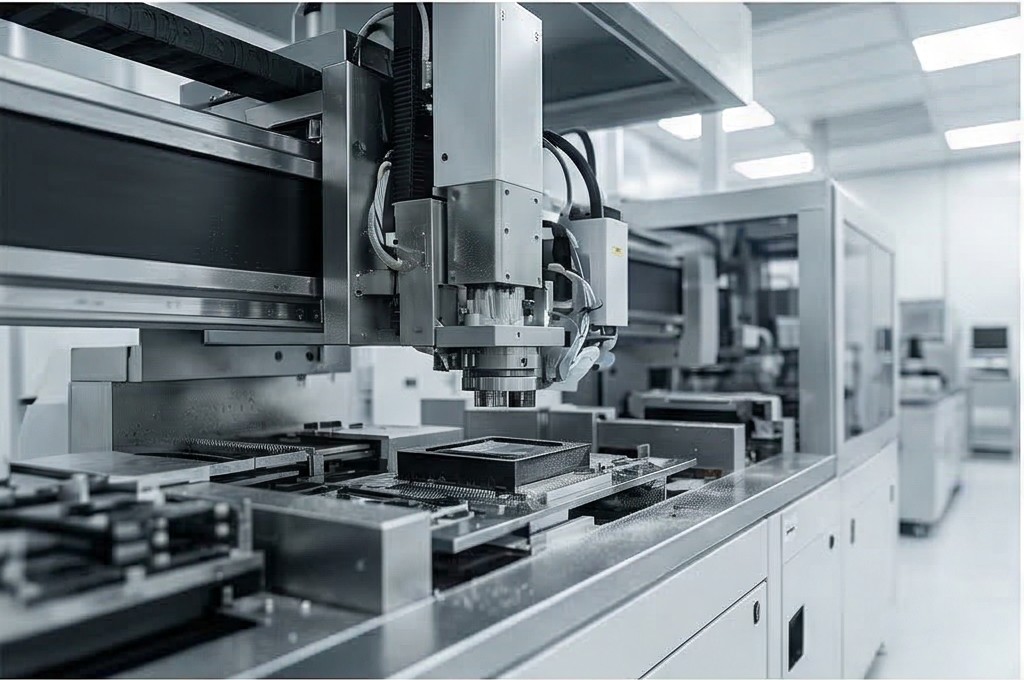
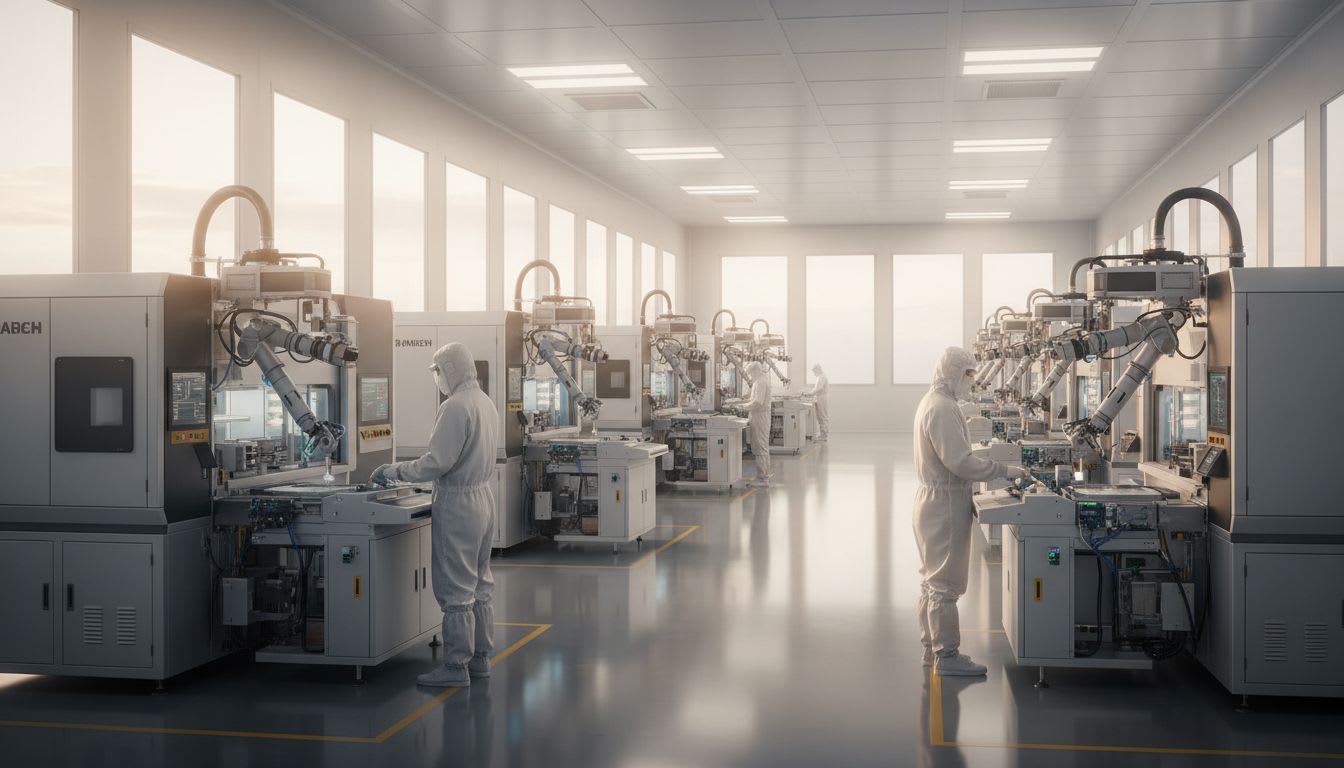
    Cleanroom Production Environment

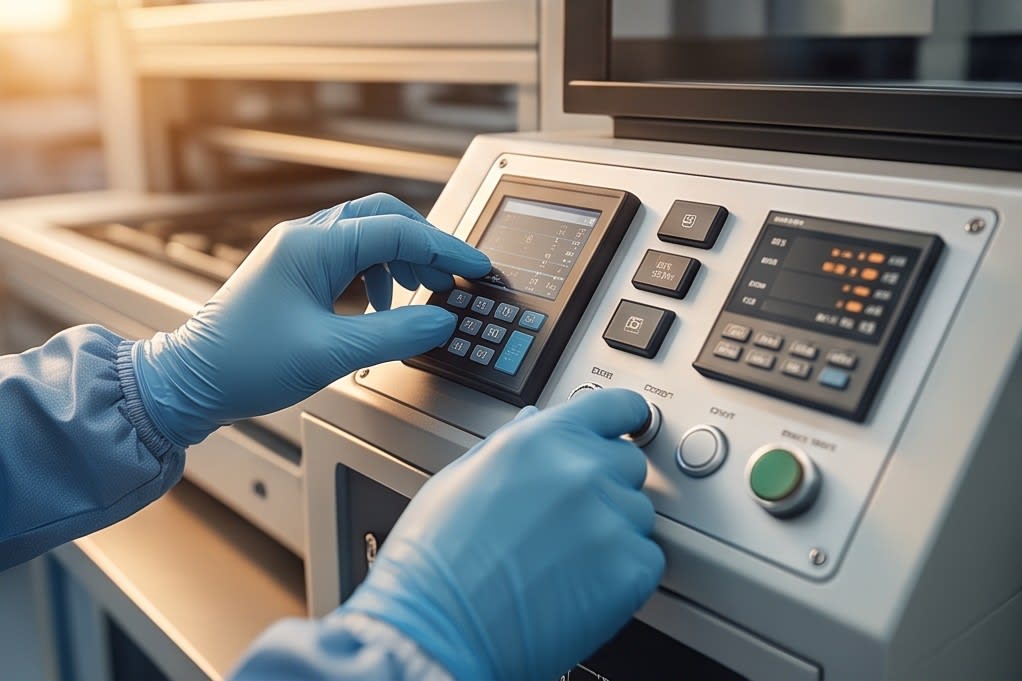
    Features and Limitations of Manual Precision Work

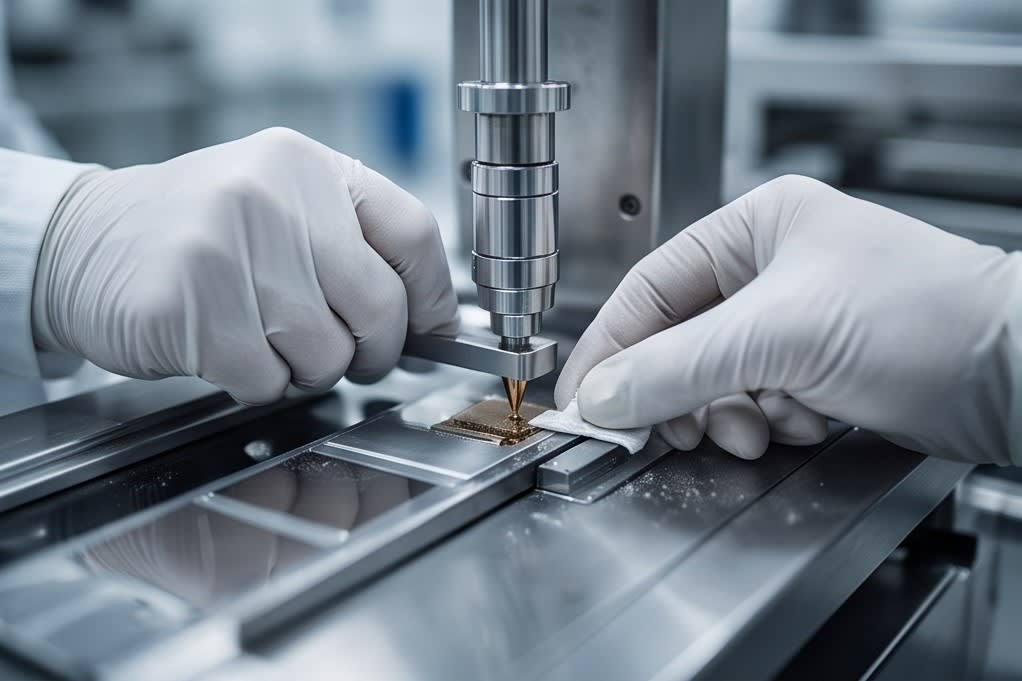
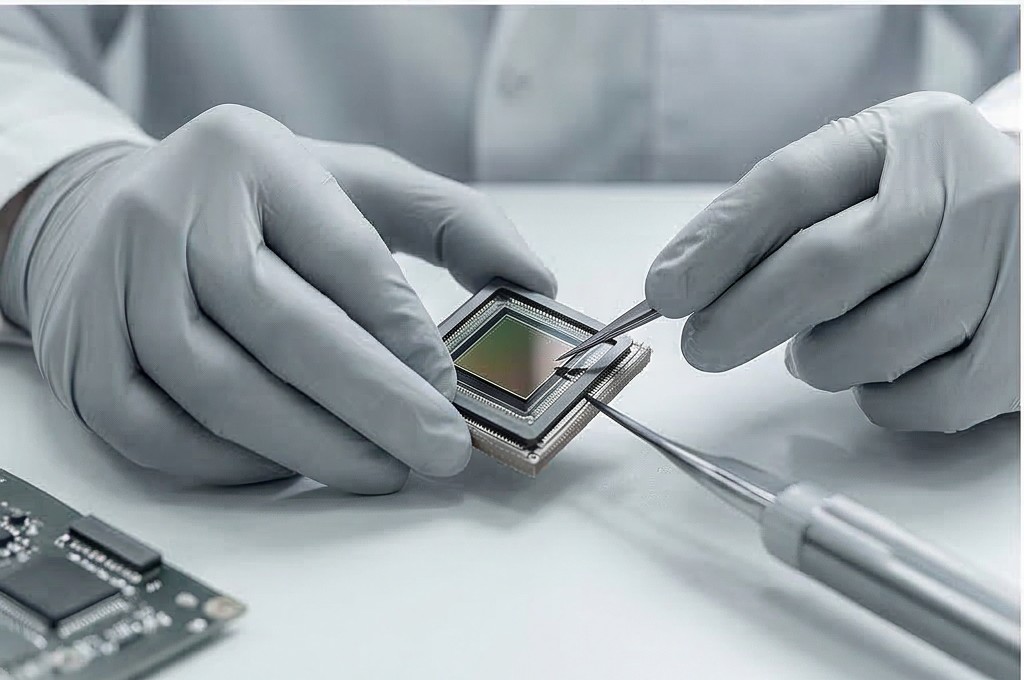
    What does manual precision work mean in the semiconductor process? Given that even slight errors can critically impact defect rates, the significance of delicate precision processes cannot be overemphasized. Especially manual precision processes are based on the long experience, high concentration, and delicate handling of skilled workers.

    Advantages of Manual Precision Work

    Like an artisan creating masterpieces with decades of honed skills, during the early development stage of semiconductors, exploring optimal conditions or making fine adjustments to meet very specific requirements has significant advantages when operators can respond flexibly. For instance, when testing new materials or processes or conducting small-scale customized production, the process where operators manipulate equipment, sense subtle changes, and immediately reflect feedback provides a depth that is not easily replicable by automated systems. Huvics’s Grinder System or Cleaner Machine’s Manual Type supports such flexible production environments, helping to maximize the expertise of workers.

    Limitations of the Manual Method

    However, this manual method inherently relies heavily on the capabilities and condition of individual operators, making it easy for variations in outcomes to occur between operators. A decline in concentration due to increased fatigue during long operations can eventually lead to consistency issues. If such slight unevenness accumulates across the process, it can be a major cause of unexpected defect rate increases, and its limitations become more pronounced at mass production scales.

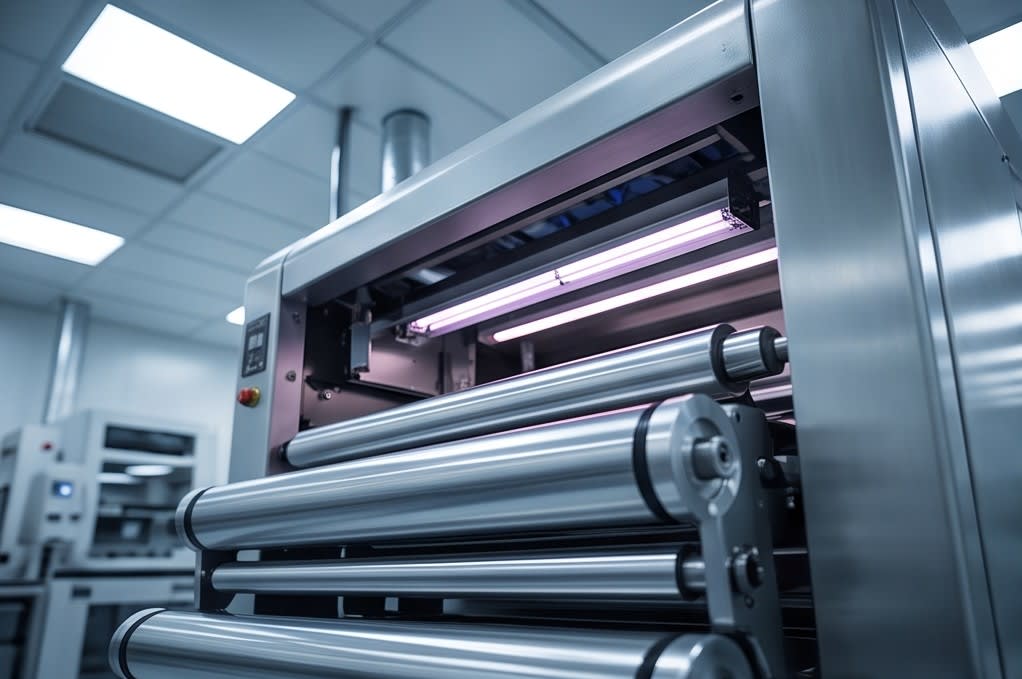
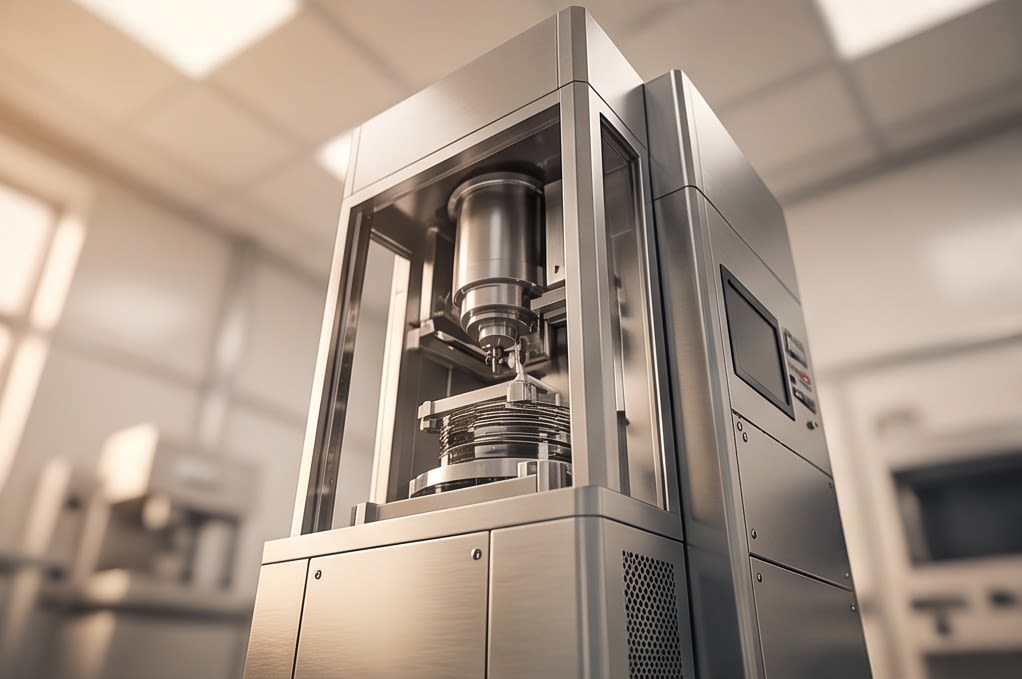
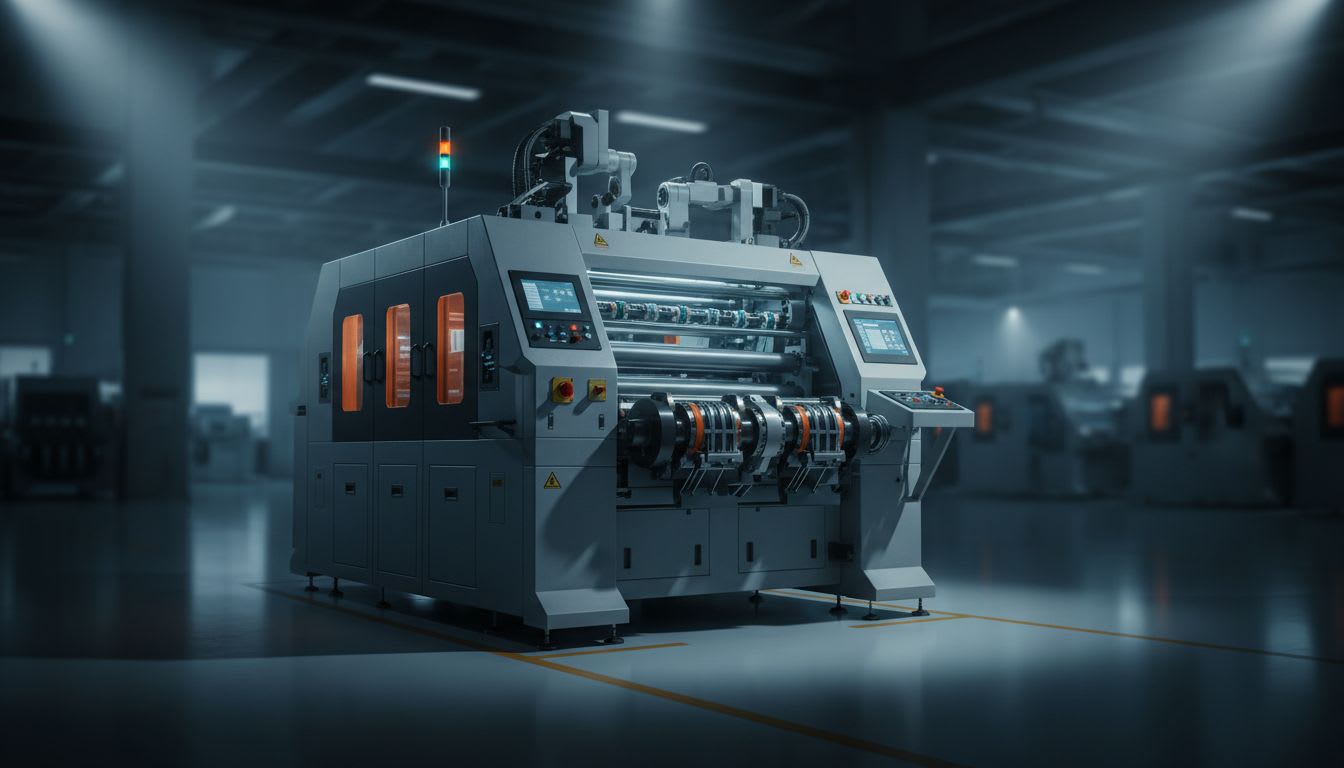
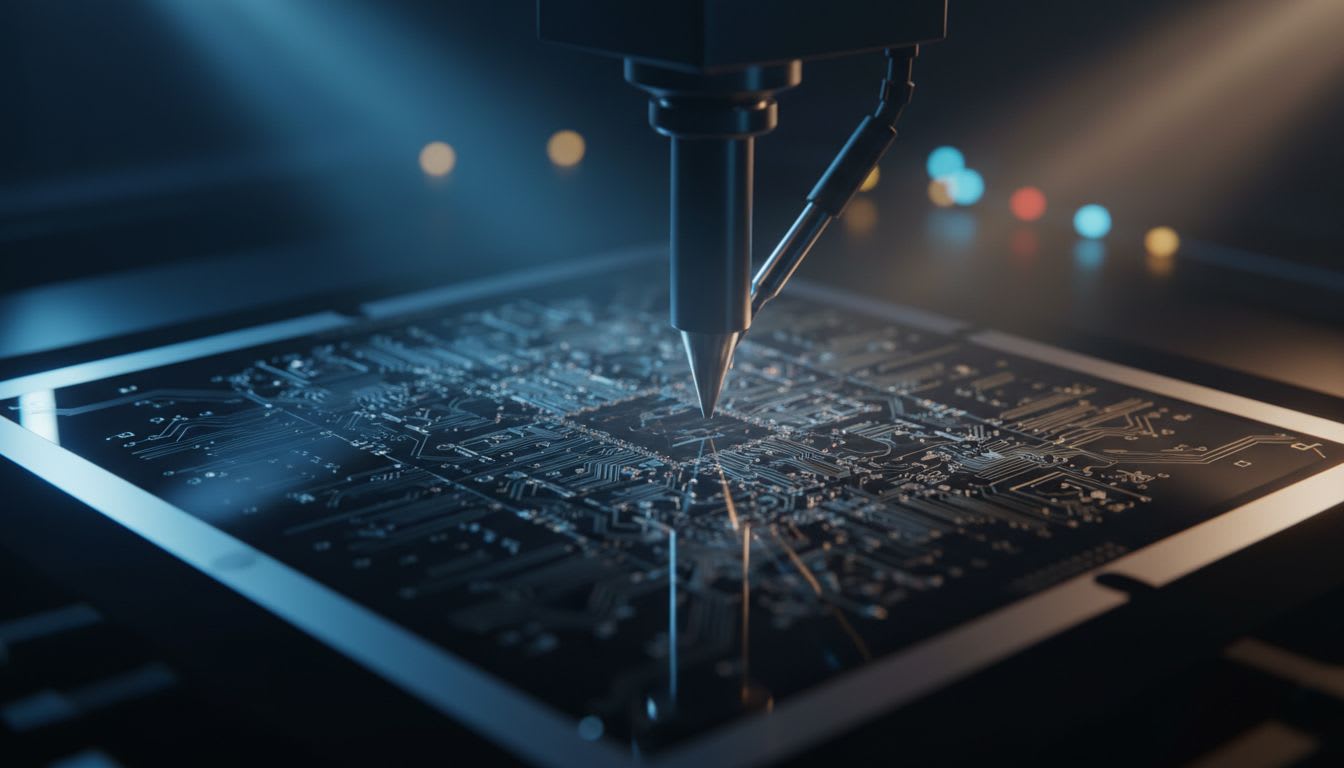
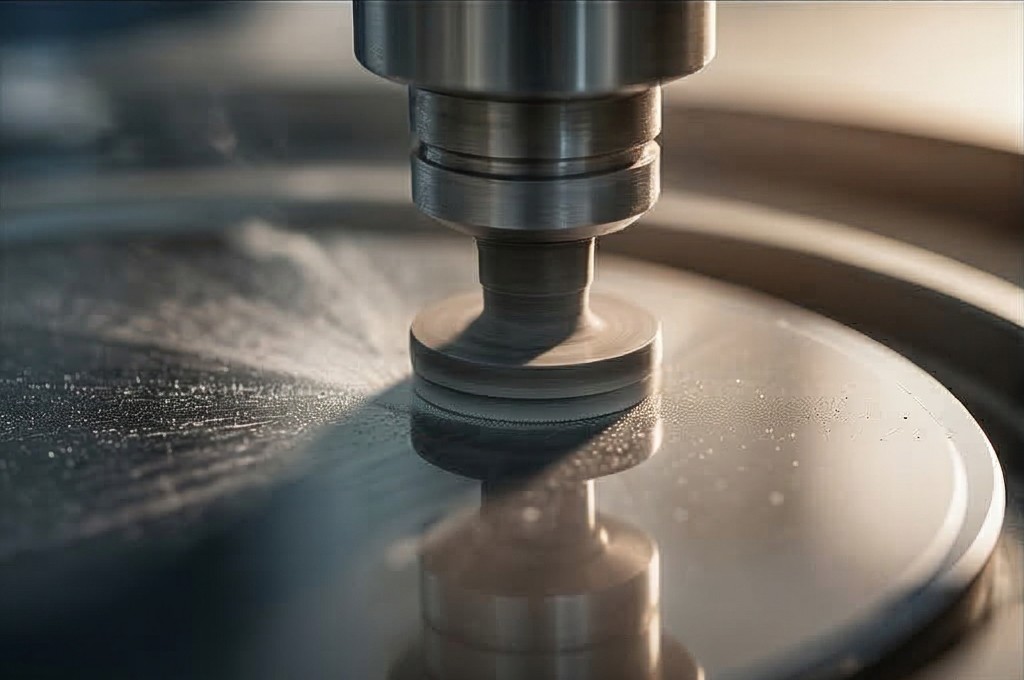
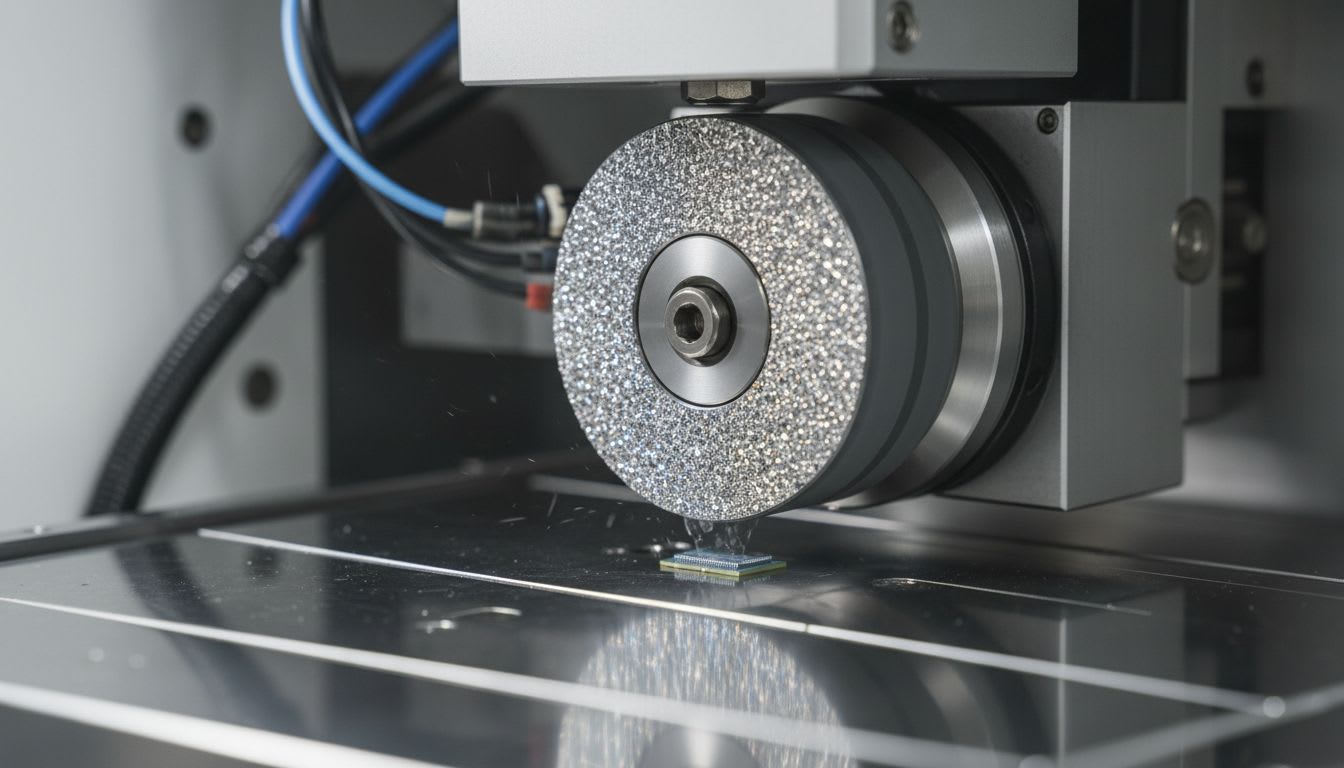
    Precision Machining of Grinding Equipment

    Strengths of Automated Precision Processes and Huvics Solutions

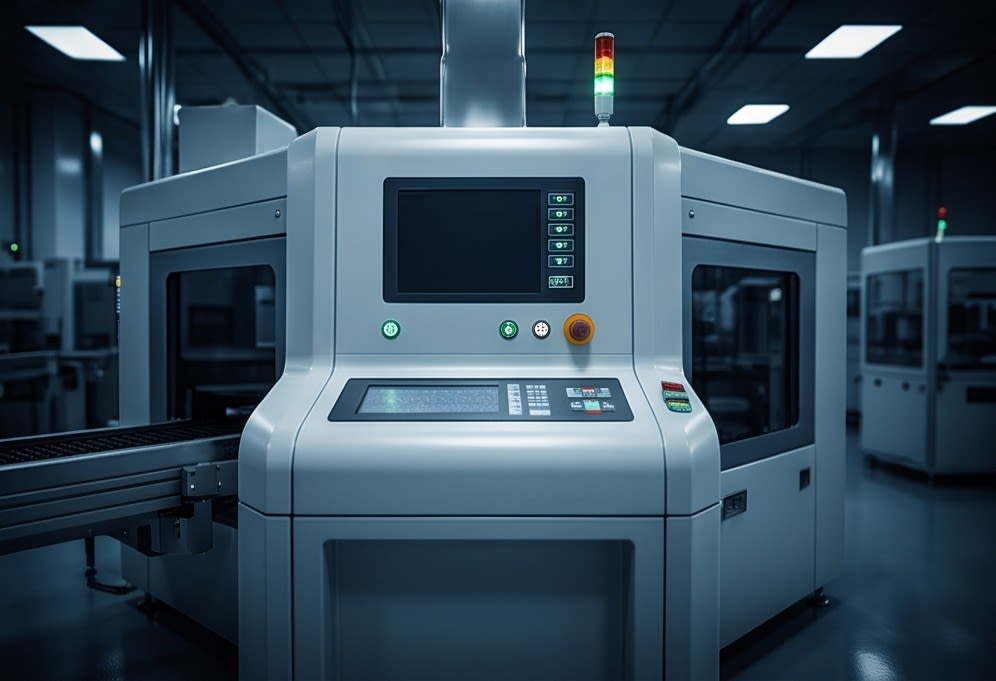
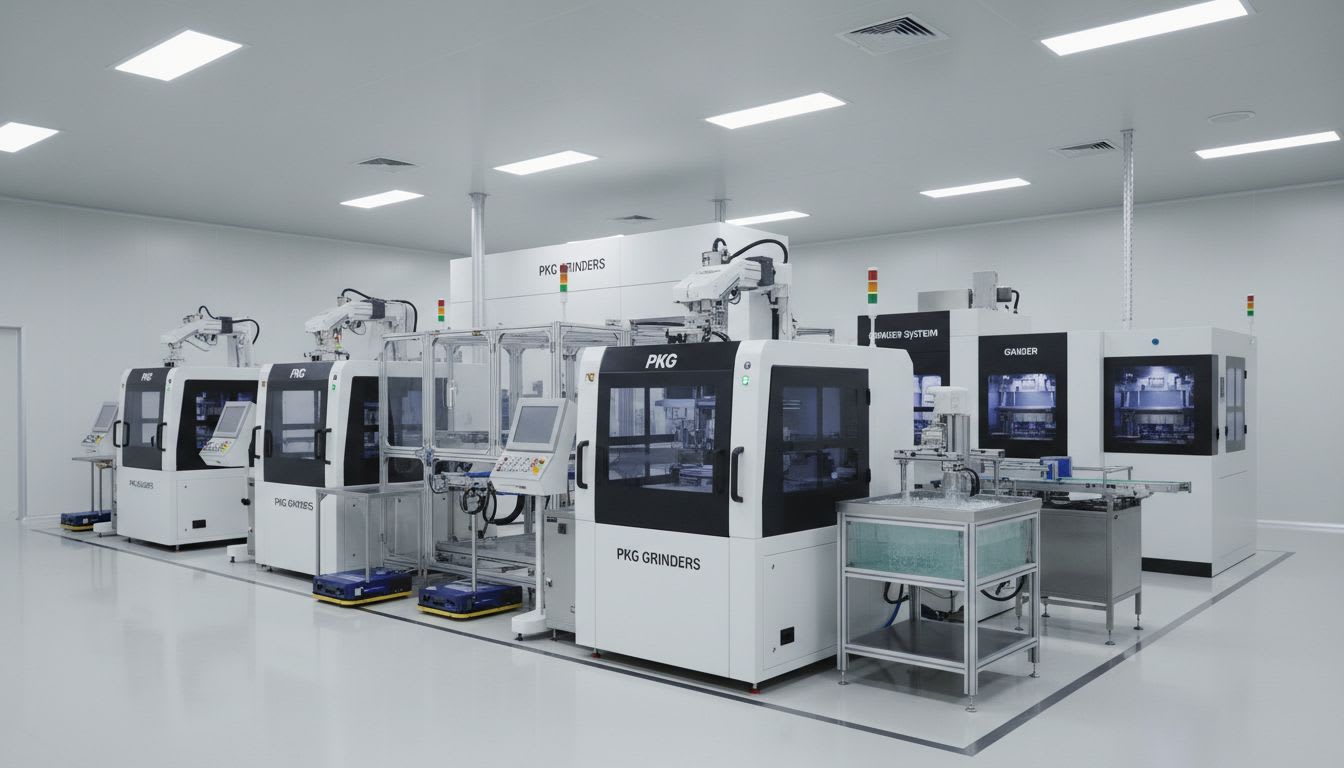
    The subtle differences that occur in semiconductor processes become decisive factors influencing the defect rates of the entire product. In controlling even these tiny errors effectively, while manual processes rely on the capabilities of skilled workers and have inherent variability, automated precision processes maximize consistency and reproducibility, drastically reducing unexpected defect rates. Huvics elevates the efficiency and quality of semiconductor manufacturing processes with its proprietary technology that maximizes the benefits of automated precision processes.

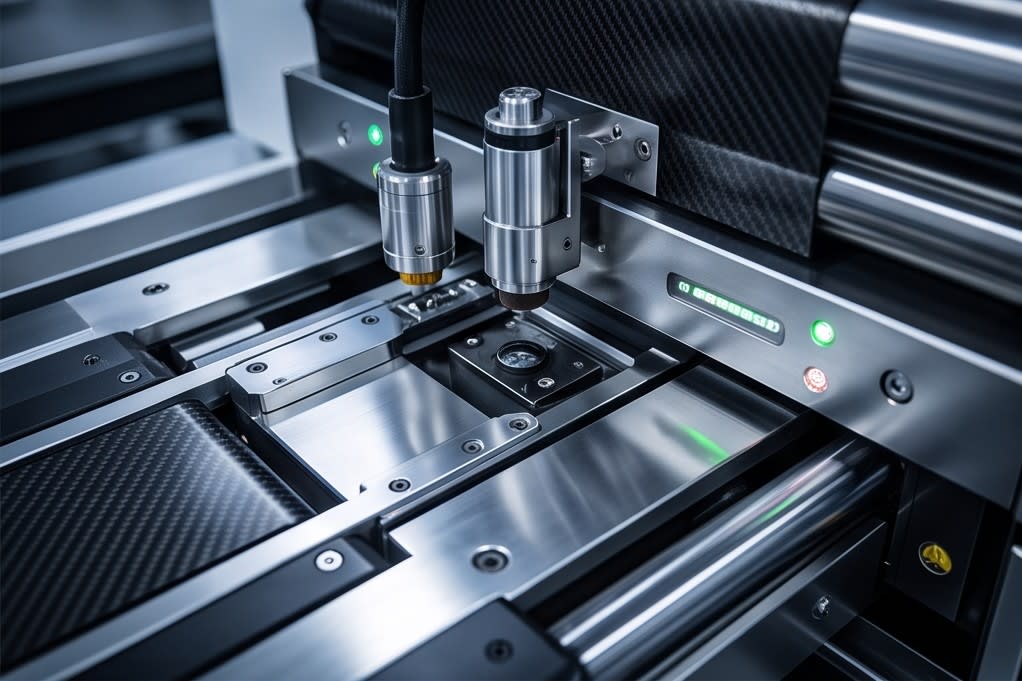
    Ultra-Precision Grinding Technology of Huvics Grinder System

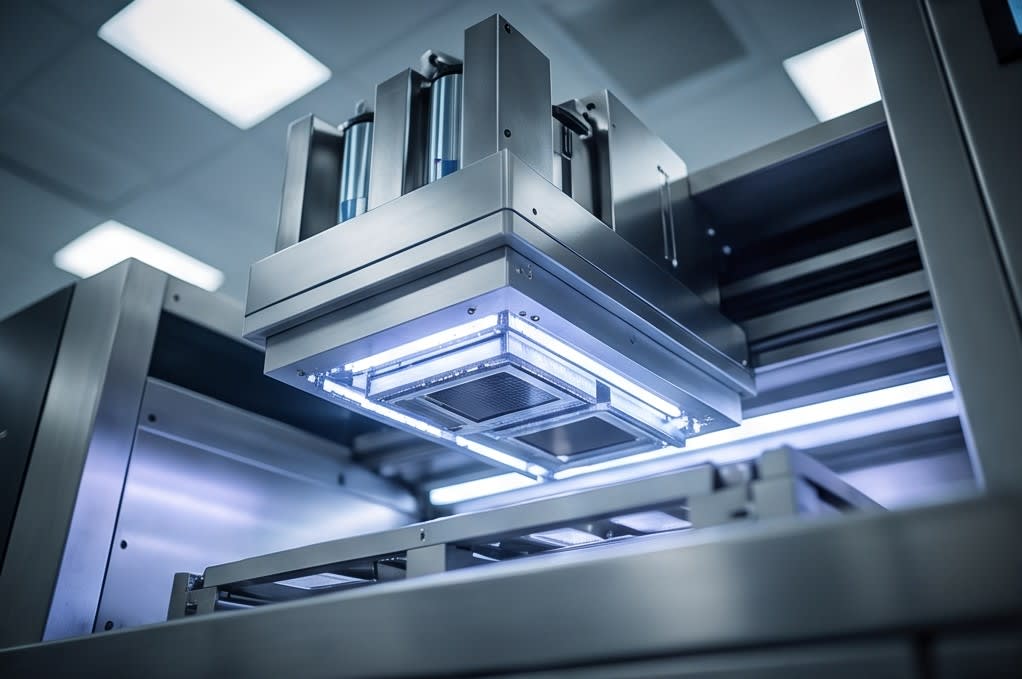
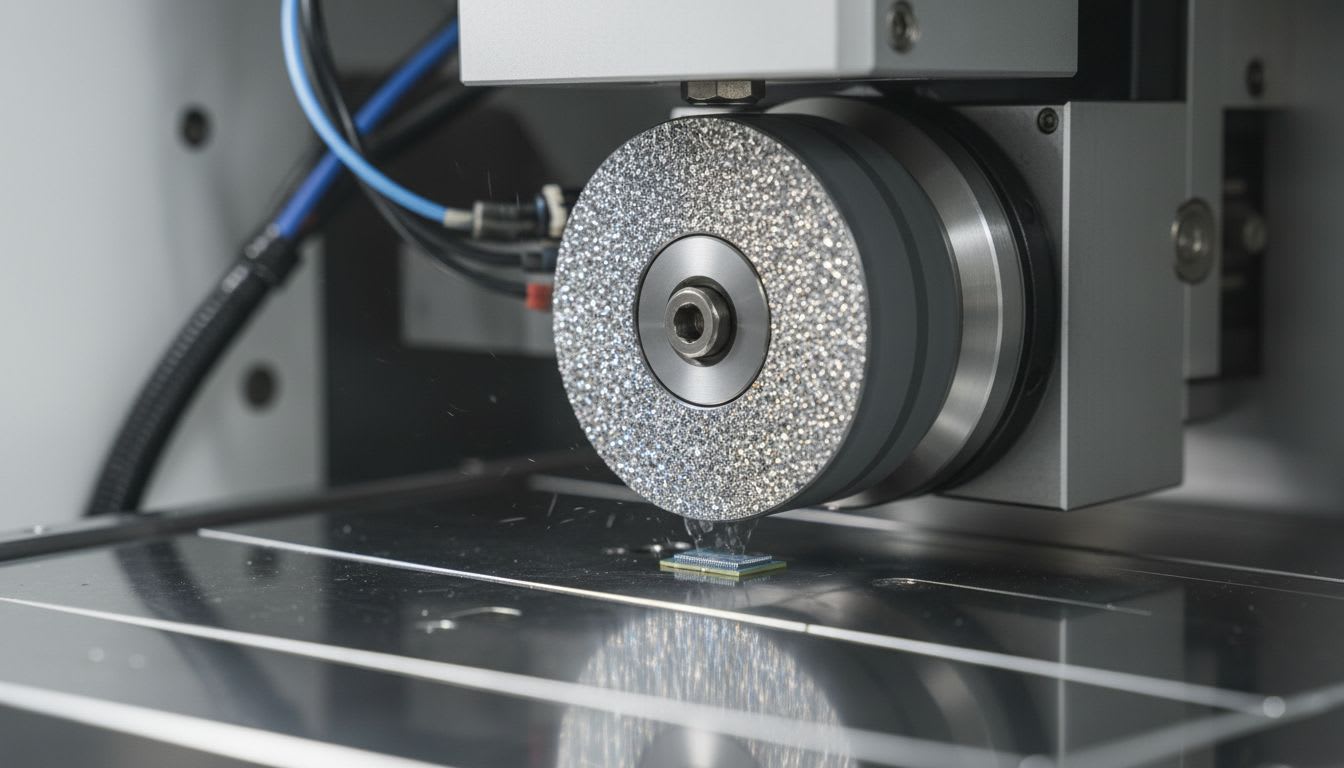
    Particularly, Huvics’s Grinder System represents the epitome of ultra-precision grinding technology, processing evenly and precisely to the thickness desired by the customer. Utilizing high-precision stages and diamond wheels for micron-level delicate machining ensures uniform thickness and excellent surface quality by grinding various packages precisely without errors.

    Perfect Cleaning Process of Huvics Cleaner Machine

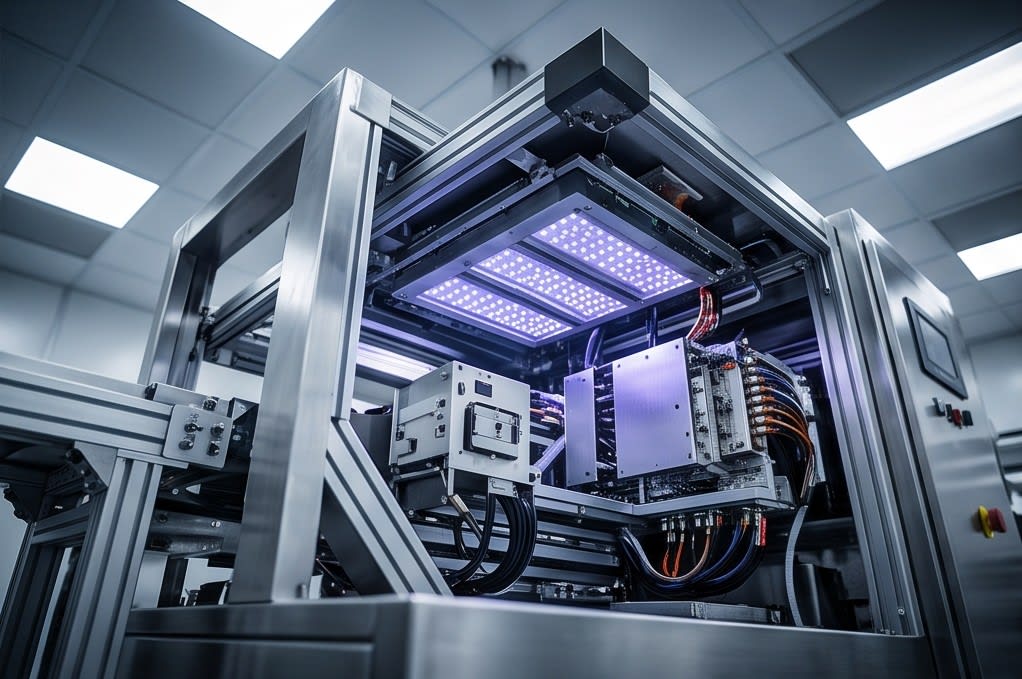
    Furthermore, by acknowledging that minute contamination particles on semiconductor surfaces are key factors causing defects and completely blocking them, the Cleaner Machine plays a crucial role in automated processes. Using multilayer cleaning technologies such as micro bubble, water jet, and air knife, it completely removes minute contamination particles from various product surfaces, while the oven dry function adds on the realization of a perfect drying process that fundamentally eliminates defects. This way, Huvics’s Full Auto Systems significantly reduce human error and process variability, making them a pivotal choice in realizing high stability of final product quality and ultimately reducing defect rates.

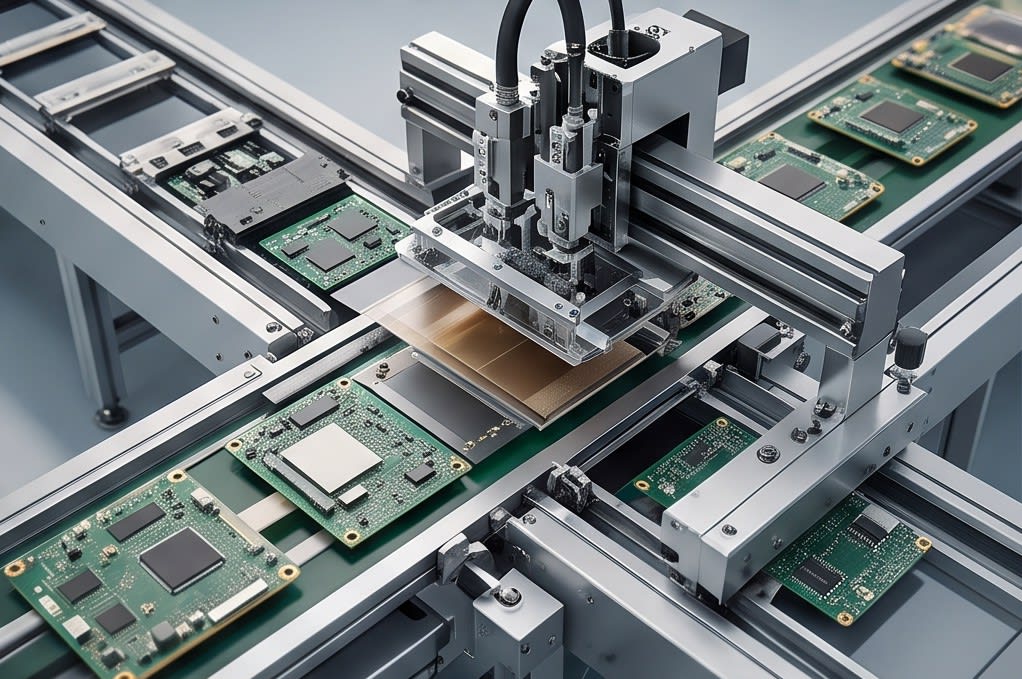
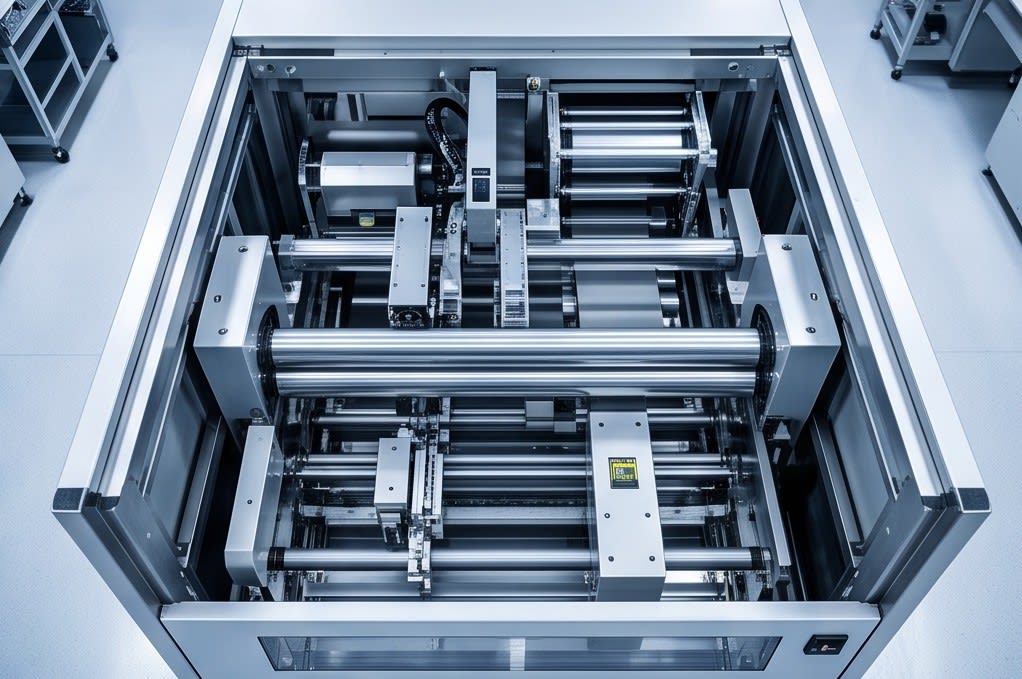
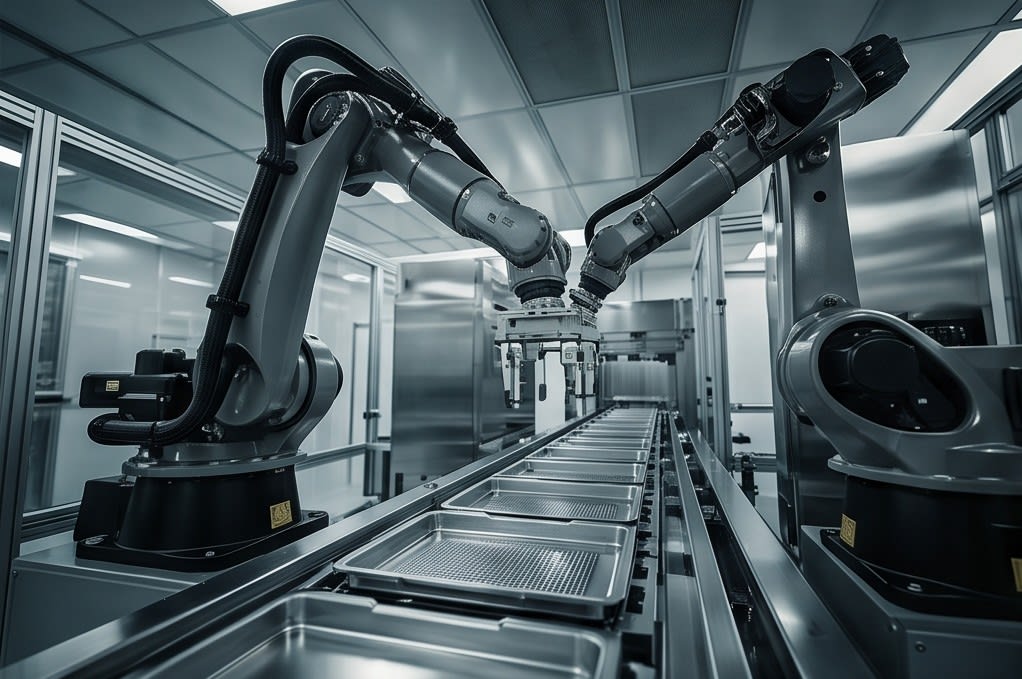
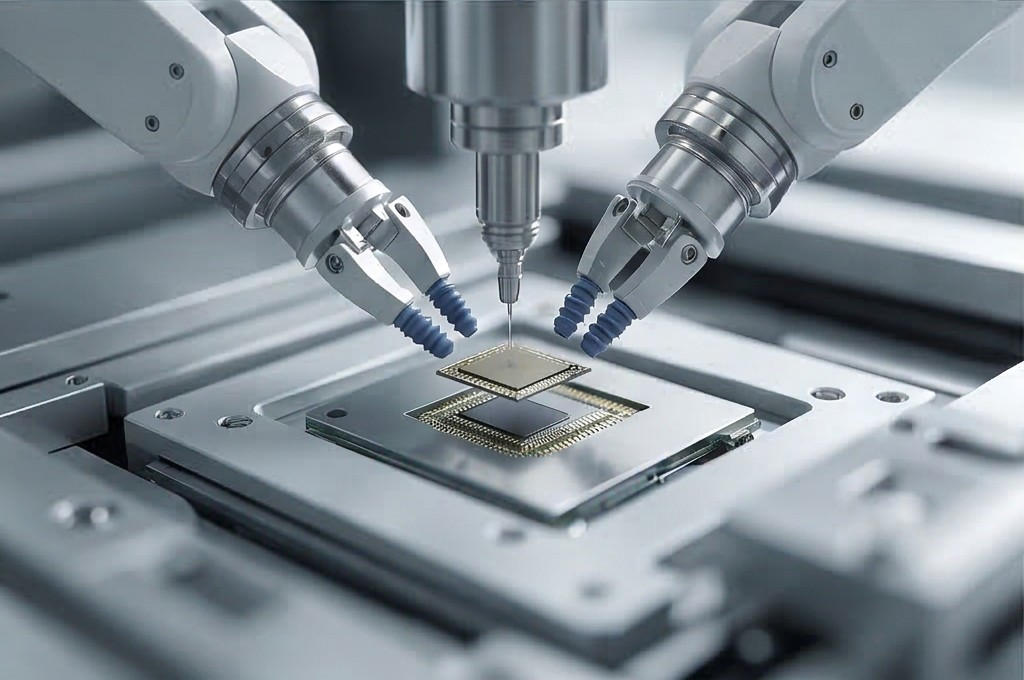
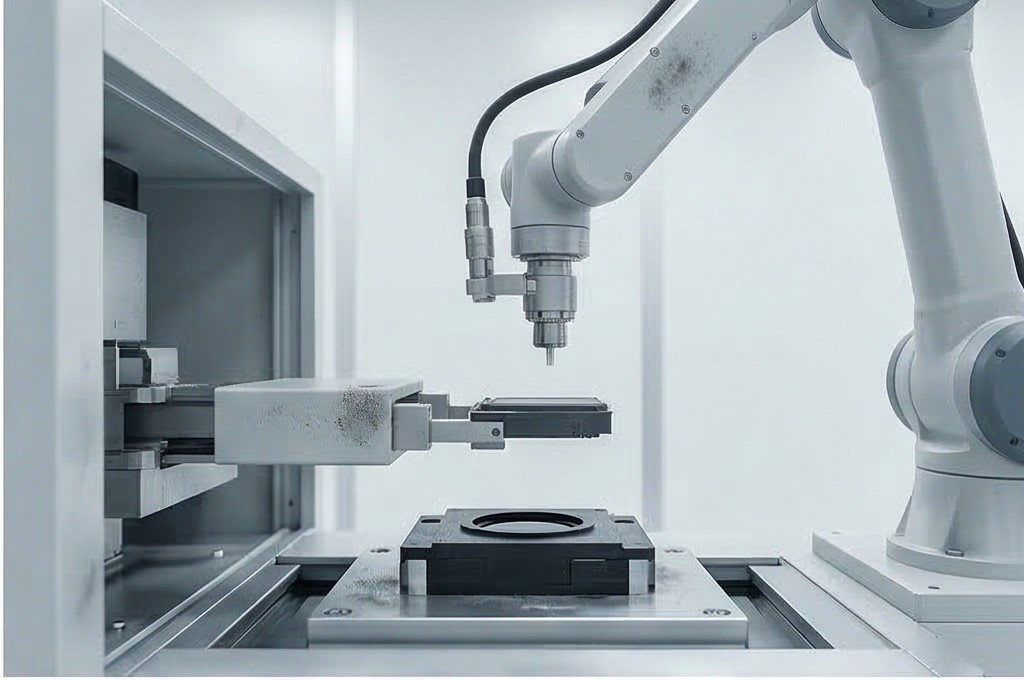
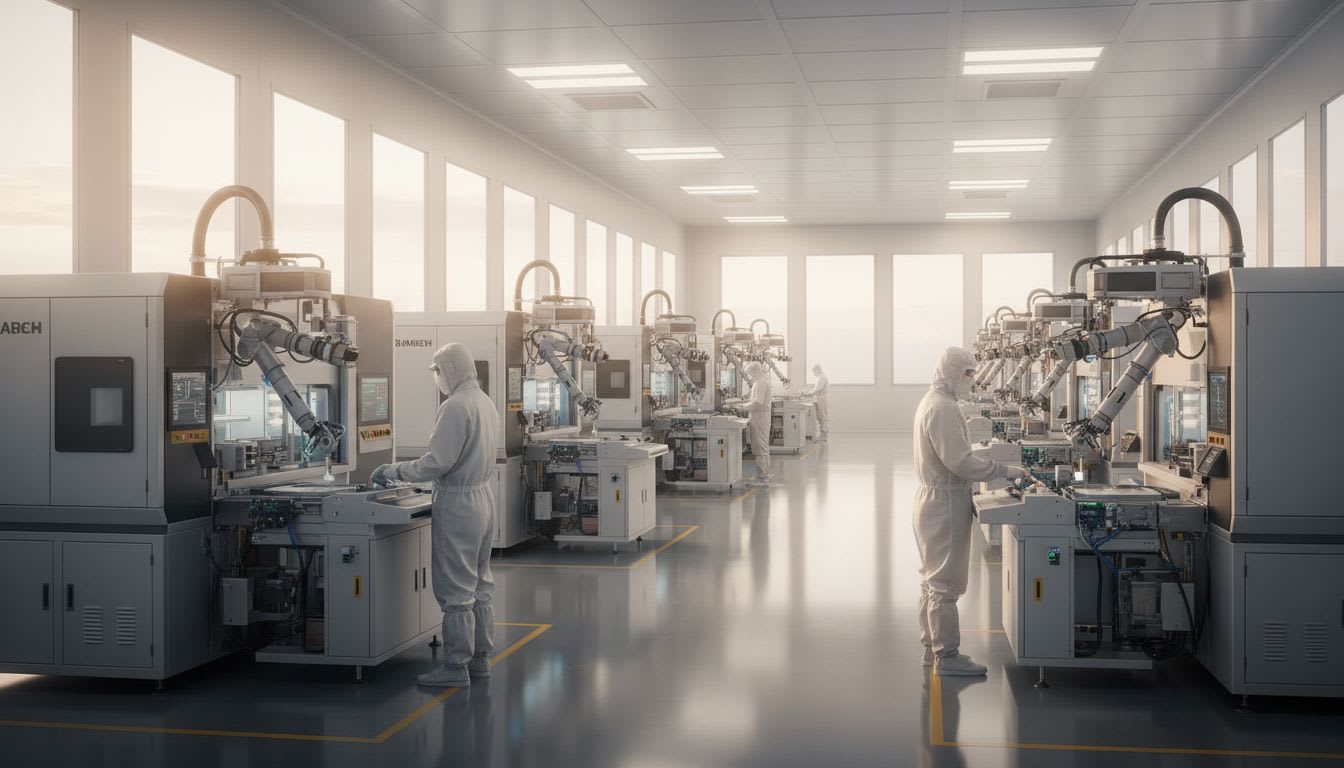
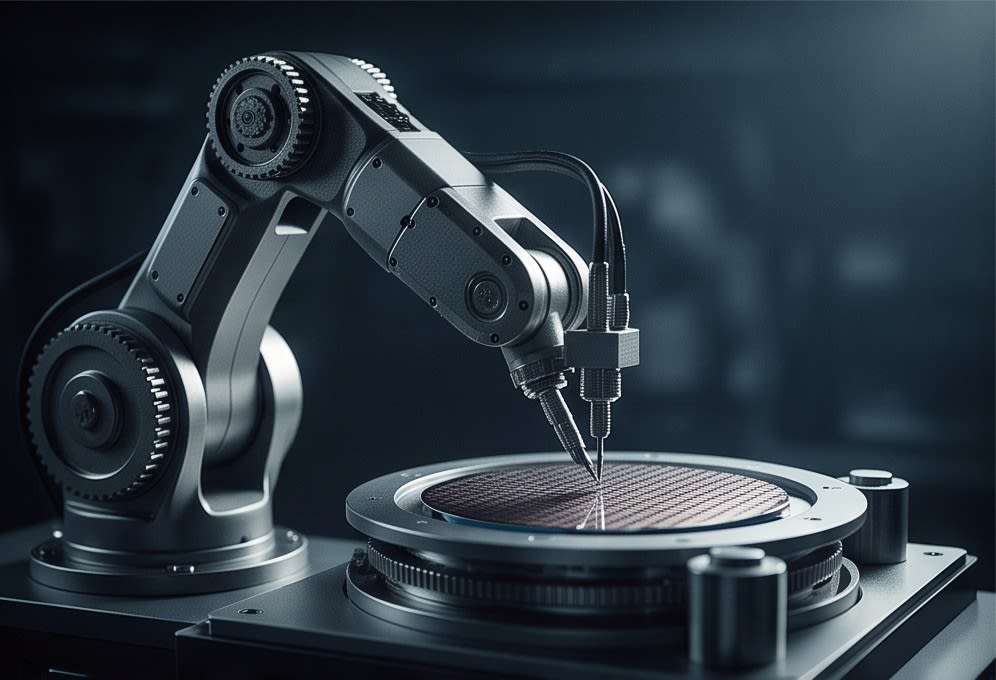
    Precision Robot Arm Automation

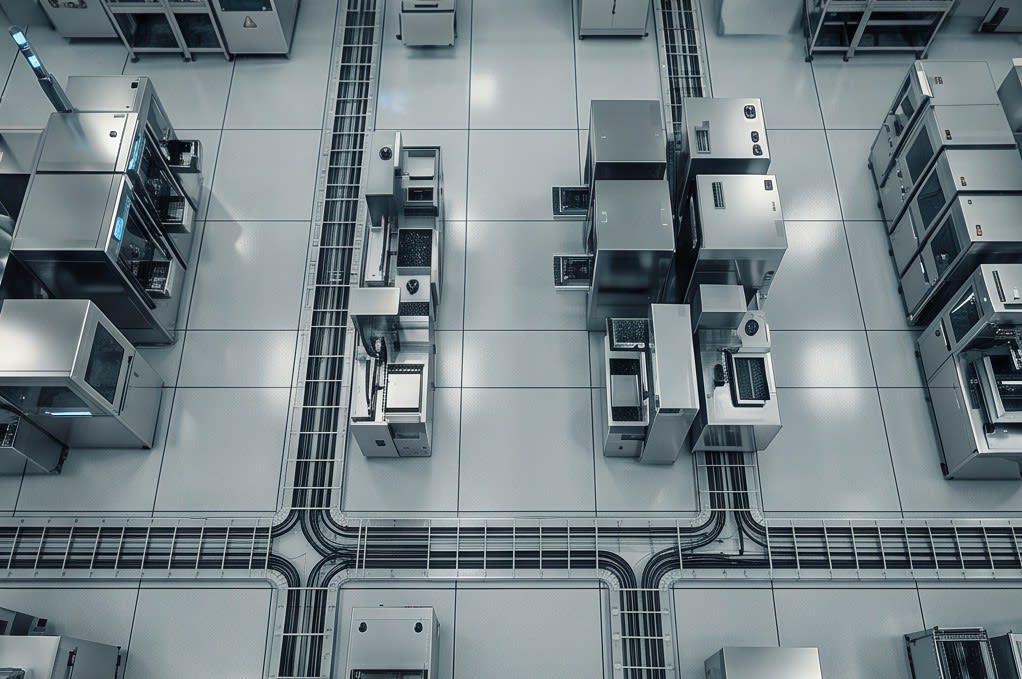
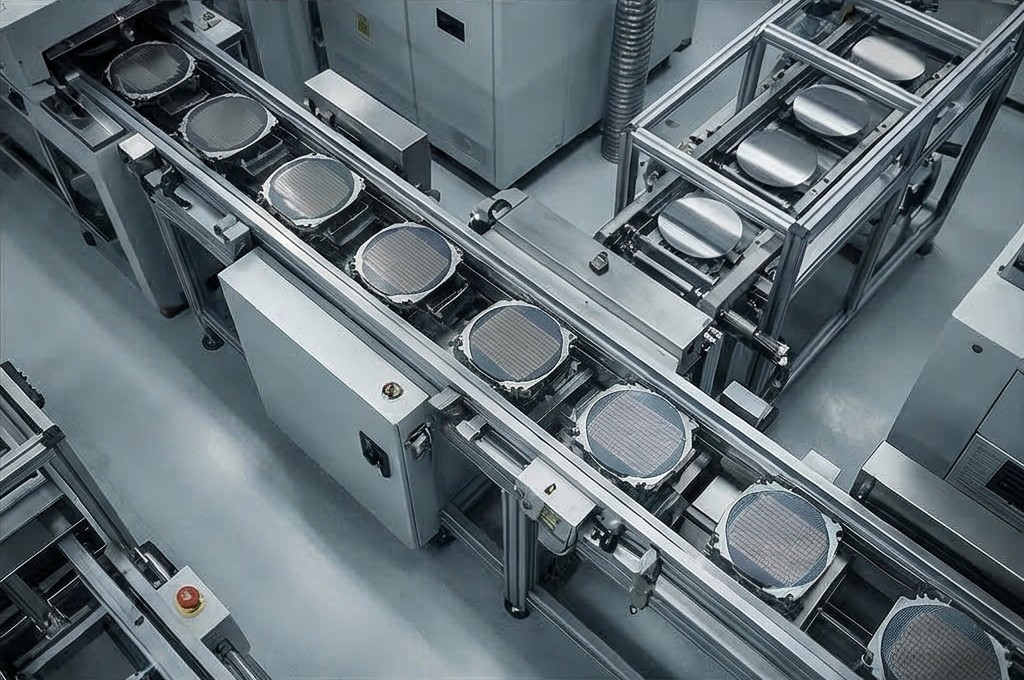
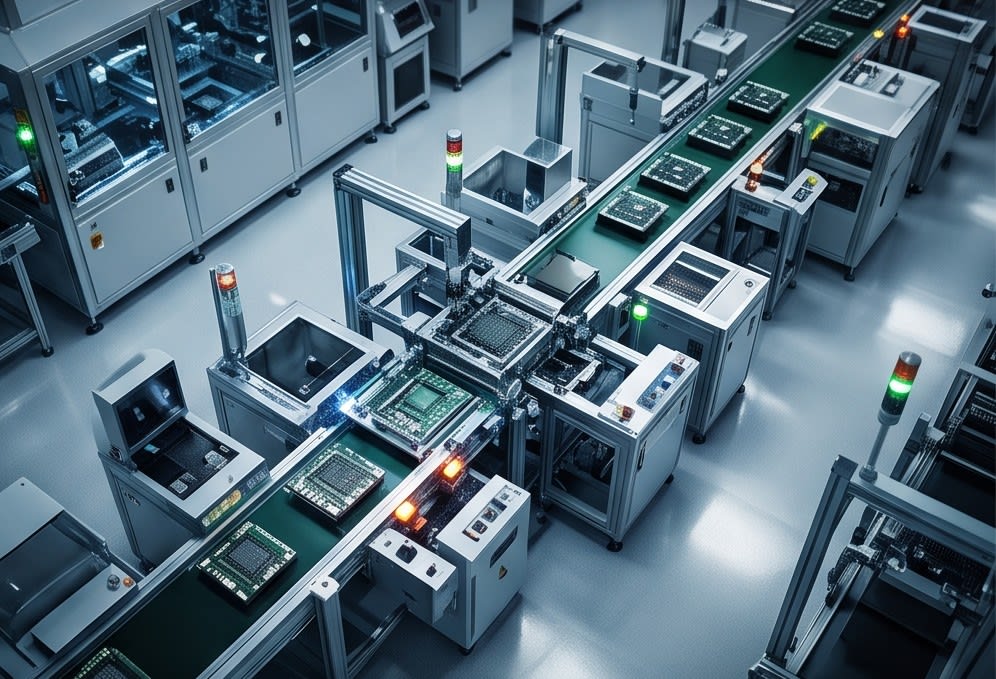
    Automated Conveyor Wafer

    Key Summary and Huvics Solutions

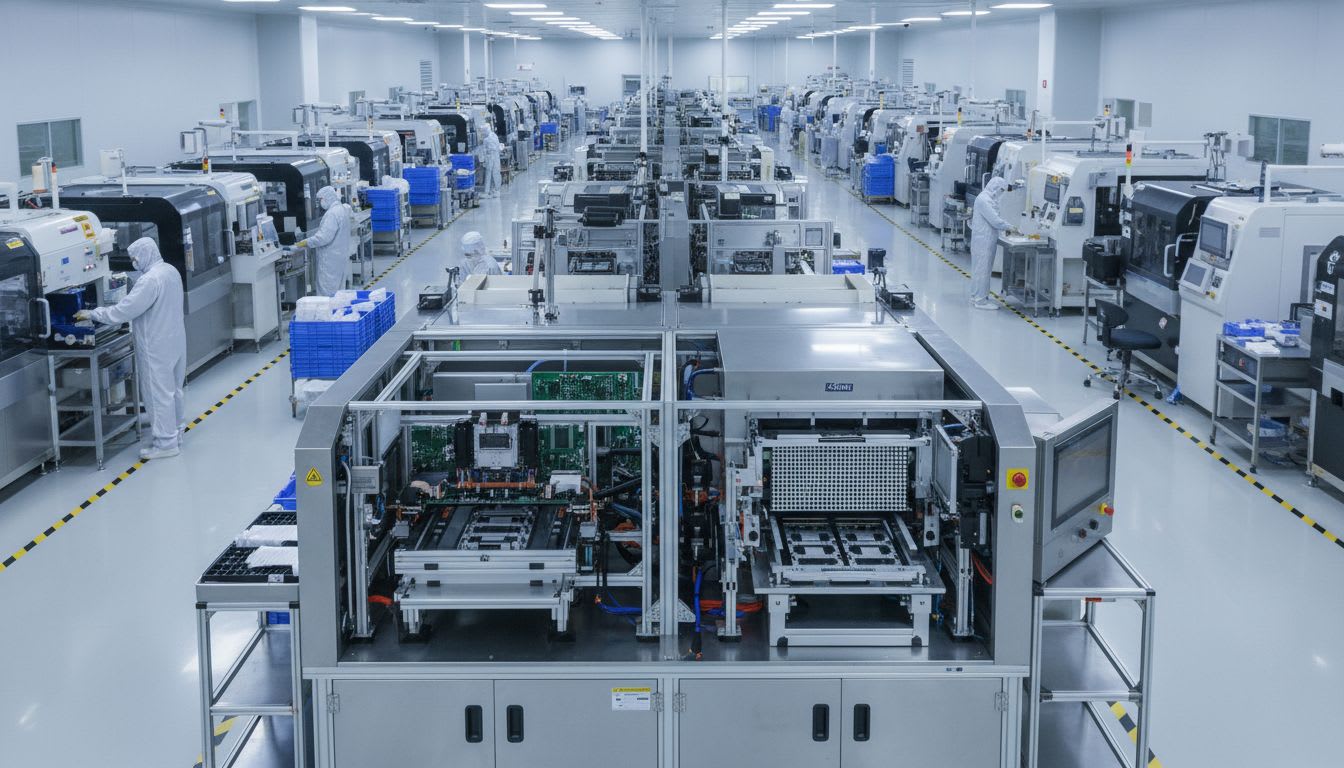
    In conclusion, the wise path to reducing defect rates in semiconductor processes goes beyond merely choosing between automation and manual methods. The key is to meticulously analyze the precision required by each process, production volume, and unique environmental characteristics to find the optimal solution. While manual methods show strength in small-scale production and R&D through the flexibility of skilled workers, automated methods are essential due to unmatched consistency and efficiency in mass production environments.

    To meet these various demands, Huvics offers flexible choices covering both Full Auto and Manual Type for the Grinder System and Cleaner Machine. This allows customers to select the optimal method according to the characteristics of the production line, consistently maintaining the highest precision in critical processes from micron-level precision machining to removing minute contamination particles.

    Wise Choices for the Future

    Ultimately, Huvics’s state-of-the-art precision equipment and technological prowess provide a solid foundation that enables customers to make wise choices, minimizing defect rates, and maximizing production efficiency, which in turn, strengthens the customer’s competitiveness. Right choices go beyond today’s production efficiency to determining the quality standards of the future semiconductor industry, becoming a crucial turning point.

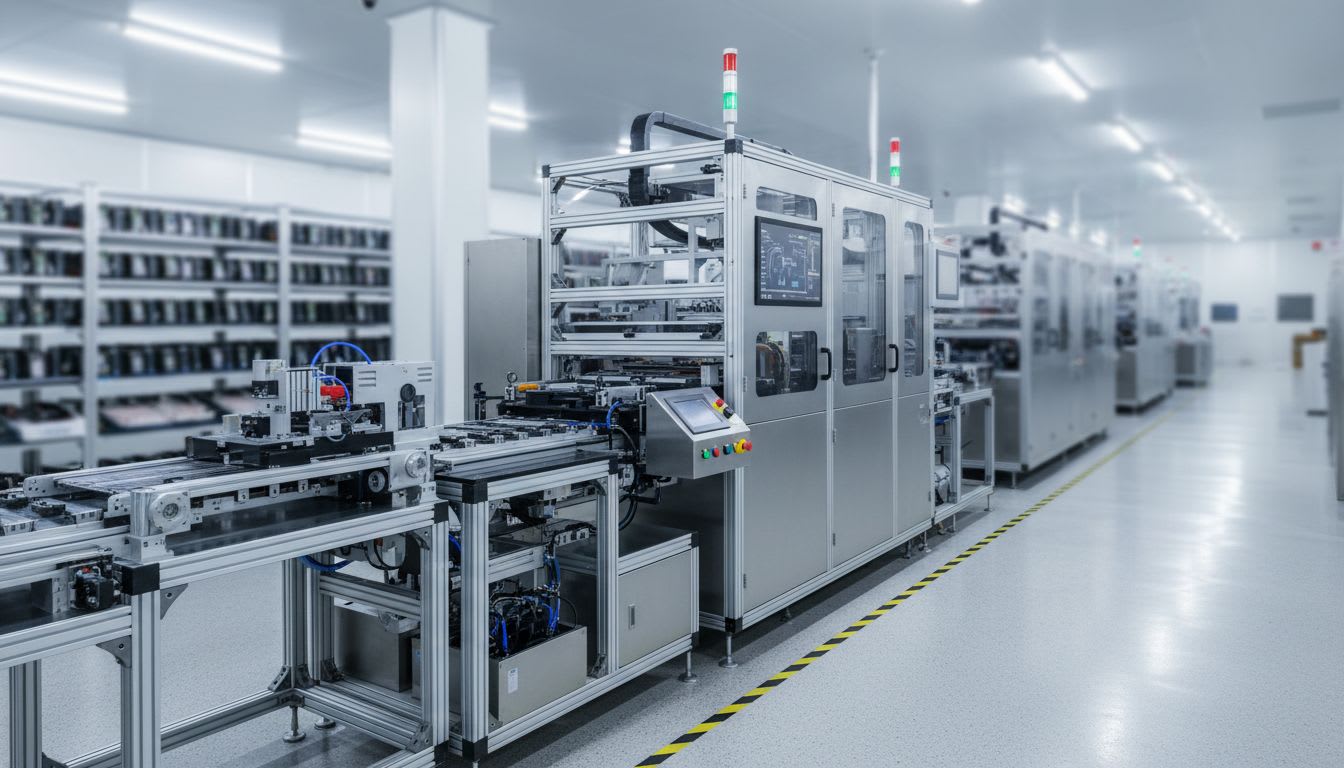
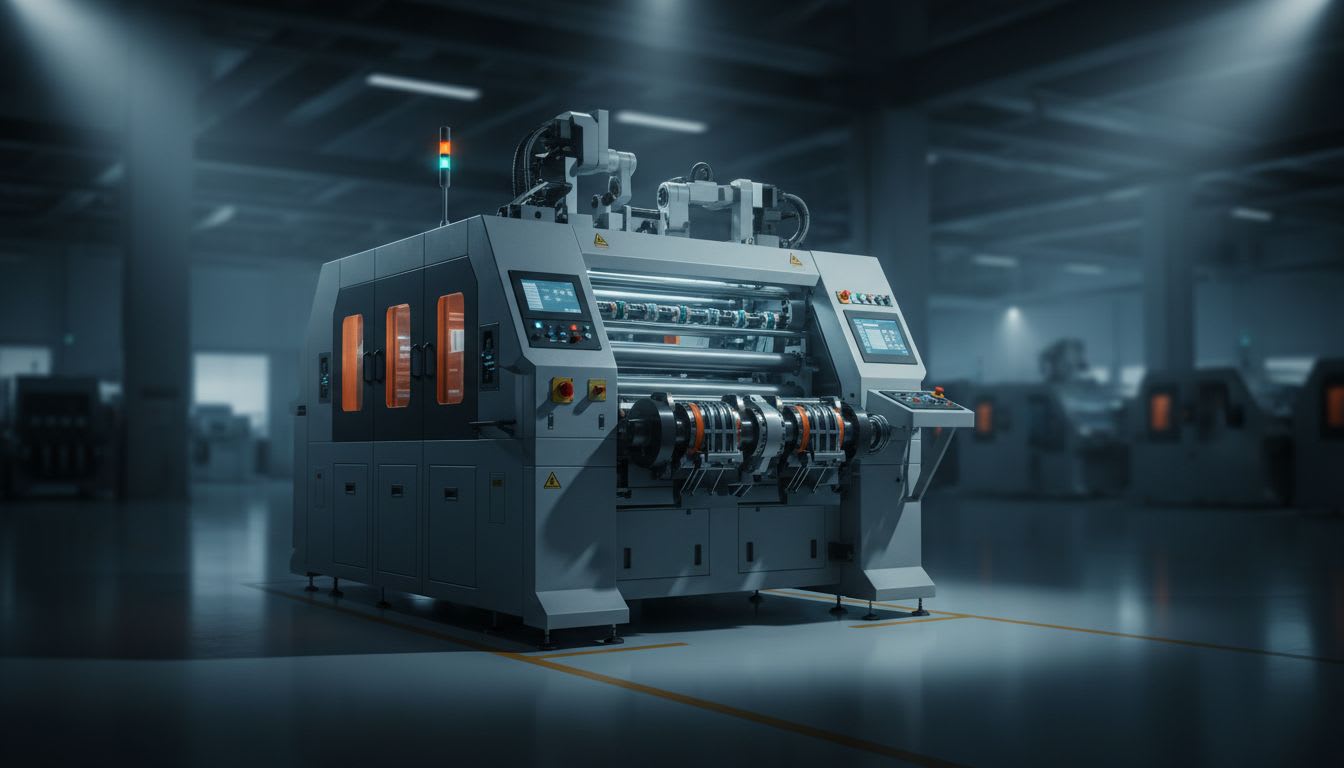
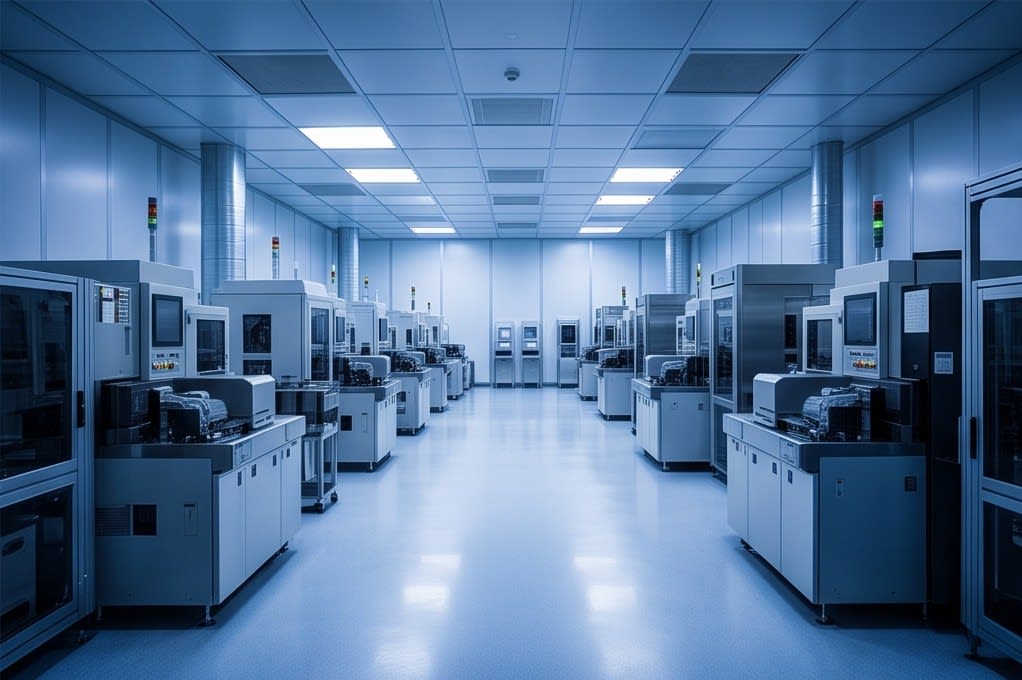
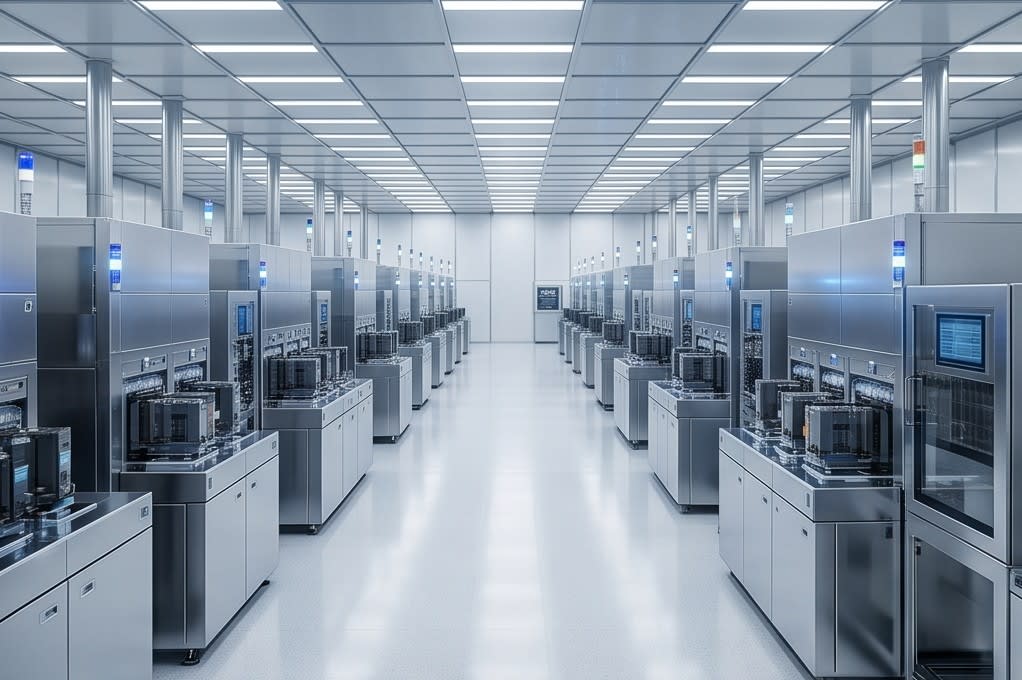
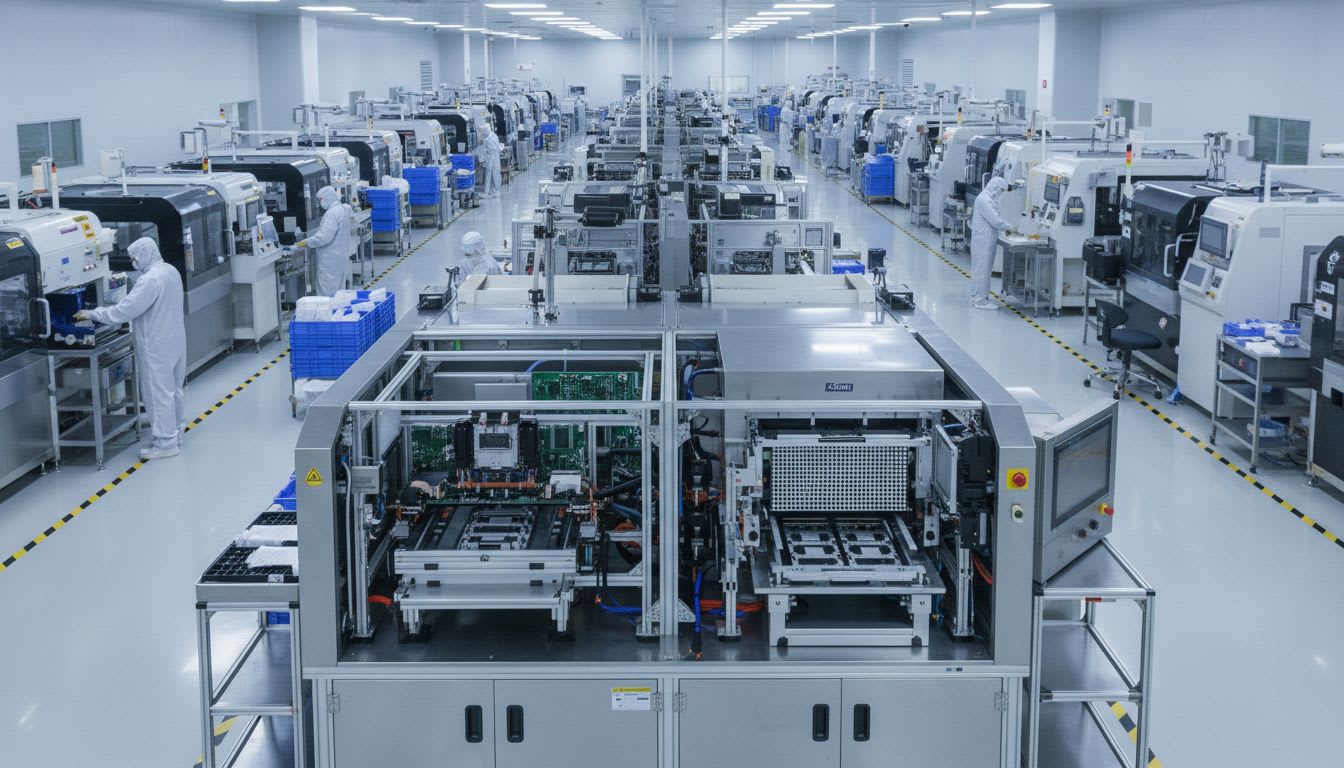
    Large-Scale Semiconductor Manufacturing Line


    Huvics is a high-tech company developing and manufacturing automation equipment and production systems across the semiconductor, LED, Mobile, and Cosmetic industries.
    We support the improvement of customers’ productivity and securing of quality competitiveness through the best talents and continuous technological innovation.

    Contact Huvics

    Phone: 031-374-8285
    Email: cdpark@huvics.com

    Contact Huvics

  • Summary of 3 Quality Issues from Skipping Cleaning Processes By Huvics

    Summary of 3 Quality Issues from Skipping Cleaning Processes By Huvics

    Huvics

    In the busy production environment, Quality Control Manager Mr. Park was unable to sleep due to unknown defects and frequent customer complaints. He never imagined that the simplified cleaning process, designed to enhance production efficiency, would become the main culprit of product lifespan reduction and performance degradation. The high cost of not addressing invisible micro contamination due to the temptation of immediate cost savings was greater than he anticipated. How will Mr. Park solve this problem and uncover the hidden causes of quality degradation?

    Seriousness of Microcontamination

    Many production sites succumb to the temptation of achieving attractive goals of process efficiency and cost savings and often overlook or even skip essential cleaning processes. Although there may be no immediately visible major problems, micro particles or process residues that are difficult to identify by the naked eye can critically affect the quality, performance, and lifespan of the final products. It is akin to building a weak foundation for a structure while worrying only about its appearance. A small amount of money saved early on can eventually shake the entire structure and incur massive repair costs. Skipping cleaning processes in manufacturing harbors seeds of irreversible quality issues.

    Huvics deeply understands the macro effects that micro contamination can bring and continually emphasizes the importance of precision cleaning, which thoroughly removes ultra-fine particles. This is not merely about keeping products clean but is a crucial step for drastically reducing defects and maximizing the stability of the final products. When critical cleaning stages are bypassed just to save costs, what severe quality problems might arise? Let’s explore with Huvics the major cases of significant quality issues caused by skipping cleaning processes.

    Product Function Degradation and Reliability Loss Due to Microcontamination

    Critical Impact of Microcontamination

    One of the most severe issues caused by skipping the cleaning process is the degradation of functions and loss of reliability due to product surface contamination. Especially in product groups like precision optical components, advanced sensors, and ultra-precise motors, where even minor errors are unacceptable, micro particles or organic residues left on uncleaned surfaces have a lethal impact. Specific examples include:

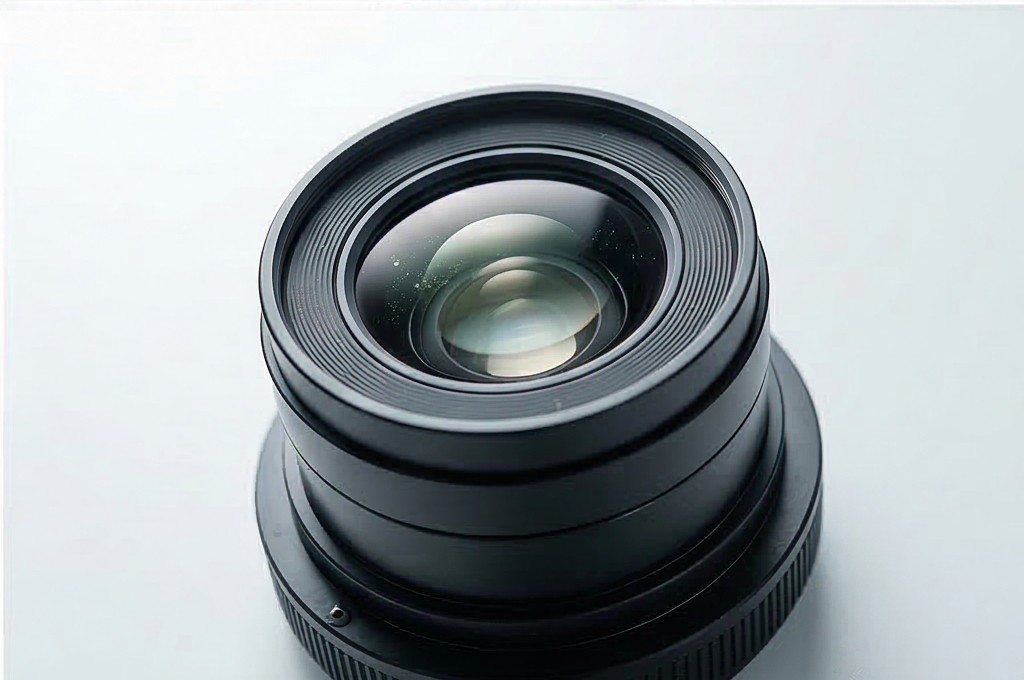
    • Micro dust on camera module lenses reduces image clarity
    • Organic substances on autonomous driving sensor surfaces cause signal distortion and malfunction
    • Increased friction on ultra-precision drive parts leading to performance degradation

    Ensuring Quality Stability with Huvics Solution

    These problems ultimately lead to frequent malfunctions and high failure rates, causing consumer dissatisfaction and imposing considerable A/S costs and brand image damage on companies. Huvics addresses these issues precisely by using a cleaner machine with multi-stage cleaning technologies such as micro-bubble, water jet, and air knife to thoroughly remove contamination particles from product surfaces. Huvics’ cleaning solutions, optimized for various products like camera modules, sensors, and VCM motors, maximize the efficiency of removing ultra-fine particles, confirming complete drying processes, and drastically reducing initial defect rates to ensure the stability of final product quality.

    Core Technology of Cleaner Machine

    Increased Defect Rate in Subsequent Processes and Reduced Production Efficiency

    Causes of Defects in Subsequent Processes

    By neglecting the cleaning process, invisible small contamination particles critically impact subsequent processes, leading to increased defect rates and decreased production efficiency. Imagine if fingerprint marks or tiny oil residues were left on product surfaces that require plating or coating, how firmly could those materials be applied? In bonding processes, adhesive strength is weakened, and uniform welding strength becomes difficult to expect in welding areas. These situations, where material adhesion is greatly reduced or uniform quality is hard to expect, directly lead to defects, causing rework costs and scrap losses, and leading to extended production lead times, resulting in a reduction in overall productivity. Eventually, the nominal cost savings at the initial stage act as a trigger for mass-producing defective products, ironically resulting in greater inefficiencies and financial losses.

    Increasing Production Efficiency with Huvics Cleaning

    To fundamentally solve these problems, Huvics offers cleaner machines with multi-stage cleaning technology. Through optimized cleaning methods like micro-bubble, water jet, and air knife, even tiny contamination particles of precision components like camera modules and sensors are thoroughly removed, creating optimal surface conditions for subsequent processes. Additionally, the oven dry function perfectly removes any residual moisture post-cleaning, preventing potential secondary contamination from humidity. Such thorough cleaning and drying processes maximize particle removal efficiency, drastically reducing defect rates in subsequent processes, ultimately securing the quality stability of final products. Huvics’s solution contributes to enhancing the overall reliability and efficiency of the manufacturing process as a solid foundation that goes beyond just making things clean.

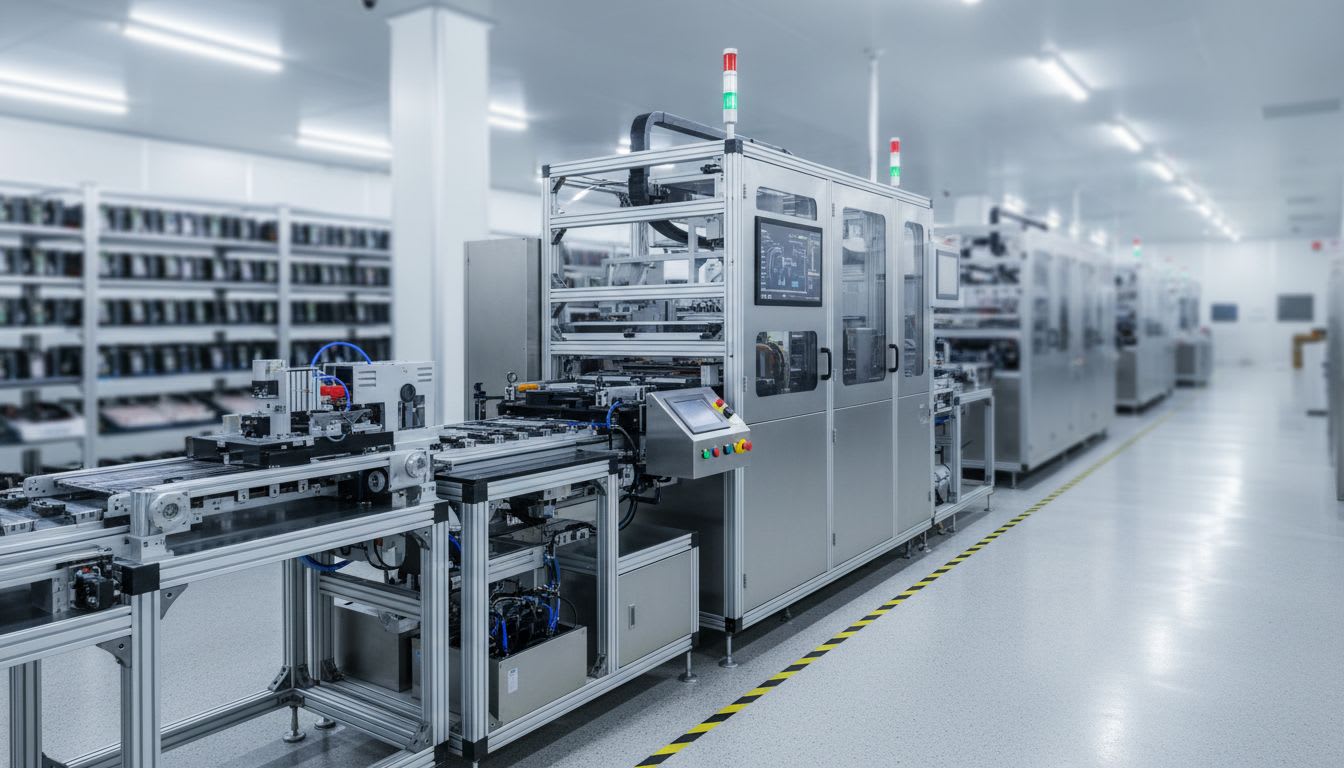
    Automated Precision Production Line

    Reduced Product Lifespan and Potential Safety Issues

    Reduced Product Lifespan and Safety Risks

    Overlooking the cleaning process doesn’t just chase immediate efficiency but can lead to significantly reduced product lifespan and potential safety issues. Microscopic foreign substances or chemical residues left on product surfaces accelerate corrosion and material degradation over time, significantly weakening the original durability of the product. For instance, if tiny metal fragments or chloride ions remain on substrate surfaces, exposure to moisture and heat can accelerate corrosion of electrical circuits, leading to faster product failure than expected. Particularly in sectors tied to human life and safety, such as automotive, medical devices, and aerospace, even one tiny defect can result in a catastrophic accident affecting the entire system, requiring stricter management. It’s not just about functionality decline but poses a direct risk to user safety.

    Protecting Corporate Value with Huvics Solution

    Ultimately, neglecting cleaning processes is not only about short-term production gains but also involves serious issues, including potential damage to corporate credibility, brand value, and even legal responsibilities. Huvics offers cleaner machines utilizing multi-stage cleaning technologies like Micro Bubble, Water Jet, and Air Knife to fundamentally block such risks, securing perfect particle removal and final quality stability, supporting long-term success and safety for customers. This precise cleaning goes beyond merely complying with regulations, becoming an important investment in protecting a company’s future value.

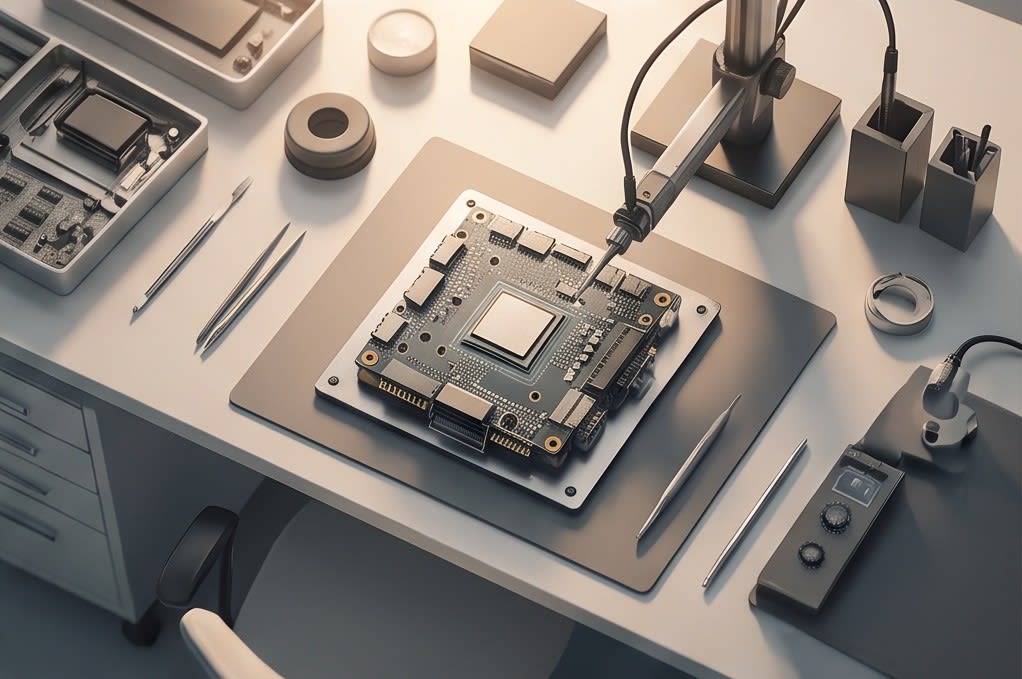
    Expert Management of Precision Components

    As reviewed today, the cleaning process is not just about making products look clean, but it is a core stage that determines functionality degradation, reduction in production efficiency, and the lifespan and safety of the products. Ignoring micro-contaminants can cause small invisible problems to escalate into critical quality issues, leading eventually to massive financial losses and damage to brand image. Huvics maximizes stability by drastically reducing defect rates with Cleaner Machines applying multi-stage cleaning technologies like Micro Bubble and Water Jet, even eliminating ultra-fine contamination. Instead of cutting costs for immediate savings, investment in precision cleaning is the wisest and most essential choice for sustainable quality.


    Huvics is a high-tech company that develops and manufactures automation equipment and production systems for the semiconductor, LED, mobile, and cosmetic industries.
    With the best personnel and continuous technological innovation, we support improving customer productivity and securing quality competitiveness.

    Huvics Co., Ltd. Contact Information

    Phone: 031-374-8285
    Email: cdpark@huvics.com
    Contact Huvics

  • Field Grinder Selection Guide: Summary of 3 Key Models

    Field Grinder Selection Guide: Summary of 3 Key Models

    Choosing a grinder for production sites is much more than just acquiring equipment; it is a crucial decision that determines the core efficiency of the process and the final quality of the product. The complexity and importance of finding the optimal equipment based on the required precision level, automation degree, and different production goals cannot be overstated.

    This complex process of selecting a grinder in the field is indeed a significant decision directly linked to the core efficiency of the production process. Huvics deeply understands the various concerns of the field and, to provide tailored solutions to customers, proposes three key types of Grinders.

    • PKG Grinder: Ultra-precision grinding solution that processes uniformly and meticulously down to micron levels
    • Cleaner Machine: Equipment that stabilizes quality by thoroughly removing surface contamination particles
    • Grinder System: Integrated line configuration solutions that flexibly adjust production items and quantities

    Each of these three models has its unique characteristics and ideal application scenarios. Understanding these clearly is the starting point to maximizing productivity and elevating the quality of the final product. Huvics will play a reliable guiding role in solving the challenges you face and assist you in effectively selecting the Grinder most suitable for your production environment, providing technological insights and support. This article will specifically examine where each piece of equipment excels in the field and join you in exploring the optimal choices for your business success.

    Huvics PKG Grinder: Ultra-Precision Machining Solution

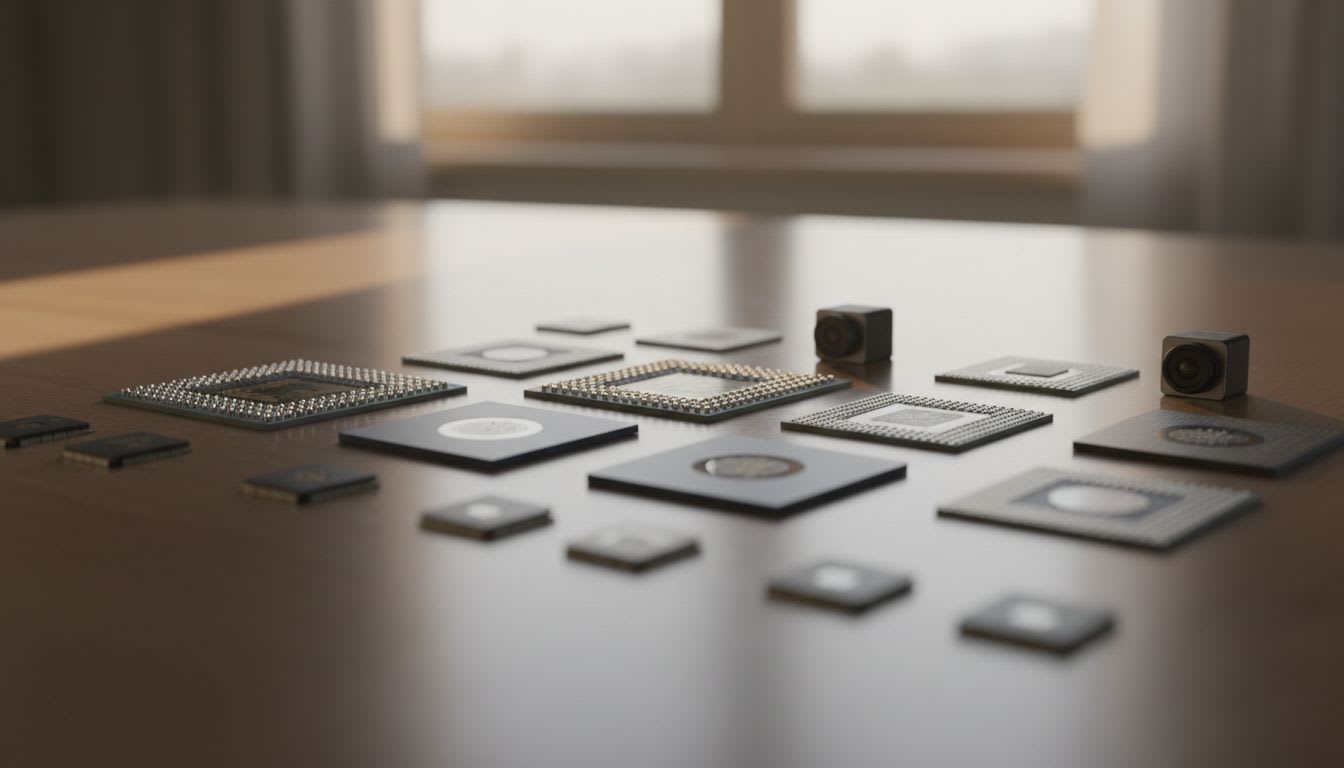
    First, let’s delve into the vital role Huvics’ PKG Grinder plays in certain fields. This equipment is an advanced precision grinding solution specialized in processing advanced packages such as FCBGA, WLCSP, QFN/DFN, Solar Cell, etc., to the micrometer thickness levels that customers desire, with astounding uniformity and precision. For example, the latest semiconductor chips are extremely thin yet consist of several precisely stacked layers, often allowing no room for error beyond a micrometer.

    The PKG Grinder employs precise stages and diamond wheels to perfectly handle minute areas that are not easily visible to the naked eye. This goes beyond simple physical processing, guaranteeing the ultra-precision machining quality essential in semiconductor and electronic component manufacturing, directly impacting product performance. By minimizing defect rates and enhancing the reliability of the final product, the PKG Grinder, with its innovative technology, will be an indispensable solution for enhancing customer technology leadership and maximizing production quality in advanced manufacturing environments.

    Huvics Cleaner Machine: Ensuring Perfect Cleanliness and Quality Stability

    Importance of Cleanliness and Issues

    Next, introducing Huvics’ Cleaner Machine, which shines in the realm of ‘cleanliness,’ as crucial as processing precision. No matter how precisely a product is ground, minute contamination particles left on the surface can increase the defect rate of the final product and lead to performance degradation. Particularly sensitive components, such as camera modules, sensors, VCM motors, and trays, can experience critical issues from even a single tiny foreign matter.

    Multi-Stage Cleaning Technology and Drying Process

    To address these issues, Huvics’ Cleaner Machine integrates multi-stage cleaning technologies like Micro Bubble, Water Jet, and Air Knife to remove contamination particles from the product surface flawlessly. It’s akin to an expert using multiple tools to meticulously clean a surface, leaving no speck behind. Furthermore, to prevent potential secondary contamination from residual moisture following cleaning, it provides an Oven Dry function to ensure a complete drying process.

    Ensuring Quality Stability and Increasing Efficiency

    This maximizes the efficiency of particle removal and ensures the stability of the final quality. Offering options of Full Auto or Manual modes, it facilitates process automation and maintenance. Consequently, it innovatively reduces defect rates and significantly enhances production efficiency, playing a crucial role in customer cost savings and reliability improvement.

    Huvics Grinder System: Flexible Production Line Integration Solution

    Need for a Flexible Production Environment

    Finally, let’s look at Huvics’ Grinder System—an integrated solution for configuring flexible and efficient production lines. Modern manufacturing sites must possess the ability to adjust production items and quantities flexibly to keep pace with ever-changing market demands. The Grinder System can be configured in varying forms such as Full Auto and Manual Type to meet these needs, allowing optimized line design tailored to specific production goals and environments of the customer.

    Custom Configuration and Precision Technology

    For instance, a flexible response through the Manual mode is vital in small batch production environments, while a fully automated system can maximize production efficiency in mass production settings. Developed based on Huvics’ core competence in precision grinding technology, this system promises high precision and unwavering stable performance regardless of its configuration and environment.

    Enhancing Production Process Efficiency and Competitiveness

    More than just supplying a piece of equipment, the Grinder System aims to create innovative value by embracing the entire production process of the customer, simultaneously securing efficiency and flexibility. This will reduce the burden of reconfiguring production lines and act as robust competitiveness, enabling flexible responses to future new product ranges.

    Facing complex tasks such as precision machining, cleanliness maintenance, and adaptable production line configurations in the production site, the decision of which grinder to choose can become more intricate. The ultra-precision processing of the PKG Grinder, perfect cleaning of the Cleaner Machine, and integrated flexibility of the Grinder System become key instruments to maximize productivity depending on their specialized purposes. Ultimately, a tailored choice based on a precise understanding of each equipment’s inherent value and considering site specificity will lead to competitiveness. Huvics, as your optimal partner for successful business, will steadfastly support you in making the wisest decisions in the ever-changing manufacturing environment.


    Huvics is a high-tech company developing and manufacturing automation equipment and production systems across Semiconductor, LED, Mobile, Cosmetic industries.
    We support improving customer’s productivity and securing quality competitiveness through the best human resources and continuous technological innovation.

    Contact Huvics Co., Ltd

    Phone: 031-374-8285
    Email: cdpark@huvics.com
    Huvics Contact

  • Semiconductor Equipment Line: Automation vs. Manual, What’s Your Optimal Choice?

    Semiconductor Equipment Line: Automation vs. Manual, What’s Your Optimal Choice?

    Are you uncertain about whether to incorporate automation or manual methods when building your semiconductor equipment line, due to a lack of clear evaluation criteria? Such vague choices can not only lead to immediate production inefficiencies but also result in hidden quality issues and significant financial losses. Missing the optimal decision could weaken a company’s competitiveness and threaten sustainable growth in a rapidly changing market. Huvics understands the importance of making the right decision at such critical junctures.

    The Importance of Strategic Choice for Automation vs. Manual Lines

    Features of Automation and Manual Systems

    Choosing between an automated and manual line in semiconductor equipment evaluation is a strategic decision that significantly impacts a company’s production goals, budget, and product quality. Many companies view automation as inherently efficient or manual methods as cost-saving based on simplistic binary thinking. However, each method has its unique strengths and weaknesses, making it crucial to evaluate the most suitable approach based on business characteristics and current conditions. Automation lines are advantageous for consistent quality in large-scale production environments but present challenges with high initial investment costs and limited flexibility in specific processes. In contrast, manual lines offer flexible response to process changes and are suitable for small-scale production, though they come with challenges like the potential for human error and productivity limits.

    Huvics’ Customized Solutions

    Huvics understands the complex considerations in semiconductor manufacturing better than anyone. Beyond simply supplying equipment, we focus on providing key metrics and customized equipment solutions to help our clients make optimal decisions at critical crossroads. Huvics’ Grinder System and Cleaner Machine can be flexibly configured to meet the characteristics and goals of your production line, available in both Full Auto and Manual types. Equipped with precision grinding technology and advanced multi-step cleaning techniques like Micro Bubble, Water Jet, and Air Knife, Huvics’ equipment enhances particle removal efficiency and minimizes defect rates, ensuring stabilized final product quality. Ultimately, establishing a ‘unique criterion’ best suited to your specific production goals and budget is crucial, and Huvics is committed to assisting in this initial judgment and providing customized evaluation criteria and solutions to maximize productivity and deliver optimal results.

    Automation Semiconductor Equipment Lines: Key Evaluation Metrics and Huvics Solutions

    The Importance of Evaluating Automation Lines

    Today, equipment evaluation is a pivotal process that determines not only product quality but also production efficiency and corporate competitiveness in semiconductor manufacturing. As processes become more complex and require advanced technologies, manual methods alone cannot satisfy the rapidly changing market demands and precision criteria. Accurately evaluating the performance of advanced automated semiconductor equipment lines is crucial for a company’s future competitiveness. Key metrics for evaluating automated lines include consistency, throughput, and fine precision in large-scale production environments. When it comes to Huvics equipment like the Full Auto Grinder System and Cleaner Machine with multi-step cleaning technology, what specific criteria should you assess to ensure optimal performance?

    Performance of Huvics Automated Equipment

    Beyond overall equipment efficiency (OEE), it is crucial to verify how consistently processing speed and micron-level uniform processing accuracy are maintained. As the PKG Grinder utilizes precision stages and diamond wheels to precisely process to desired thickness, recognizing the implementation of such advanced technologies in actual processes is vital. Additionally, ensuring definitive particle removal efficiency for final product quality stability is an essential evaluation criterion. Huvics’ Cleaner Machine, incorporating Micro Bubble, Water Jet, Air Knife, and Oven Dry functions, maximizes particle removal efficiency, reducing defect rates to ensure final quality stability. Moreover, the ability to maintain ultra-precision grinding or perfect surface cleaning with minimal human intervention, coupled with ease of integration for flexible production line configurations, are crucial evaluation factors. Ultimately, evaluating automated equipment extends beyond mere machinery performance; it serves as a significant criterion for securing future competitiveness and achieving sustainable business growth.

    Flexibility and Utility of Manual Semiconductor Equipment Lines

    Flexibility and Applications of Manual Lines

    While the efficiency of automated lines is prominently highlighted in semiconductor equipment evaluations, automation is not always the answer for all production environments and objectives. In certain situations, overlooking the distinctive advantages of manual lines would be a mistake. Key metrics to check while evaluating manual semiconductor equipment lines include flexibility, synergy with operator skill, and diverse work adaptability. For example, Huvics’ manual PKG Grinder and Cleaner equipment offer simple reconfiguration for complex and diverse package types like FCBGA or WLCSP, which is crucial for establishing flexible production environments. In the research and development phase or small custom productions, the flexibility and quick process change capabilities of manual lines prove advantageous.

    Operator Synergy and Huvics Manual Equipment

    An ergonomic design that supports high-precision manual work not only reduces operator fatigue but also ensures consistent and reliable outcomes from skilled operators’ delicate operations. This maximizes the value of precision stages and diamond wheel technology offered by Huvics’ PKG Grinder, crucial in processes requiring micron-level precision machining. Additionally, the quick setup time for small-scale production and ease of rapid problem resolution in case of issues is an important advantage for enhancing production efficiency. In processes where full automation is challenging, or where human intuition is required, manual methods might be the cost-effective optimal choice for ensuring quality stability. Huvics’ Cleaner Machine, equipped with Micro Bubble, Water Jet, Air Knife multi-step cleaning technology, can be precisely controlled manually to offer optimized flexibility for cleaning various products like camera modules and sensors. By leveraging both automation and manual strengths, Huvics assists in reducing defect rates and ensuring the stability of final product quality, catering to the diverse production environments and requirements of our clients.

    Building the Optimal Line: Balancing Automation and Manual Systems

    Comprehensive Analysis for the Optimal Choice

    Choosing between automation and manual systems when building a semiconductor equipment line is a series of critical decisions that impact not just immediate efficiency but also production quality and future competitiveness. Ultimately, the most effective choice depends on a comprehensive analysis of factors such as anticipated production volume, required precision levels, budget constraints, and product diversity to be handled. Carefully scrutinizing all these variables with a balanced perspective is key to successful line construction.

    Strengths of Automation Systems

    Automation systems are ideal in the following scenarios:

    • Optimized for large-scale production and standardized processes
    • Advantageous for uncompromised consistent quality assurance
    • Long-term operational cost savings despite initial investment
    • Justifies value through predictable quality assurance

    For instance, in processes requiring large-scale production, high-precision automation equipment such as Huvics’ PKG Grinder plays a crucial role in minimizing defect rates while delivering consistent quality.

    Strengths of Manual Systems

    Conversely, manual systems offer the following strengths:

    • Suitable for research and development and custom small-scale production
    • Favorable for processes requiring human nuanced judgment
    • Exceptional agility and flexibility to respond to process changes
    • Possibility to establish with relatively lower initial costs
    • Quick setup for diverse tasks is facilitated

    The availability of Huvics’ Grinder System and Cleaner Machine in both Full Auto and Manual Types is specifically to meet the demand for flexible production line configurations. Particularly, the multi-step cleaning technologies such as Micro Bubble and Water Jet in the Cleaner Machine enable sheer particle removal and quality stability across various products even in manual processes.

    Huvics Optimized Solutions

    Huvics supports clients in achieving optimal outcomes with both automation and manual processing options, powered by precision grinding and multi-step cleaning technologies. When carefully considering current and future operation scales, specific precision requirements, and human resources, Huvics aims to propose the most effective line configurations, assisting clients in achieving the reduction of defect rates and ensuring final product quality stability. Beyond merely supplying equipment, Huvics seeks to explore the most suitable paths with clients, creating sustainable value in alignment with our core value and vision.


    Huvics is a cutting-edge technology company developing and manufacturing automation equipment and production systems across the semiconductor, LED, mobile, and cosmetic industries.
    With top talent and continuous technological innovations, we support the enhancement of customers’ productivity and quality competitiveness.

    Contact Huvics

    Phone: 031-374-8285
    Email: cdpark@huvics.com
    Contact Huvics

  • Judging Grinder Replacement Intervals: All You Need to Know About 3 Key Criteria

    Judging Grinder Replacement Intervals: All You Need to Know About 3 Key Criteria

    Many industry experts agree that replacing essential equipment like grinders in today’s production environment is a matter of strategic decision-making, rather than simply responding to equipment failure. In settings where micron-level ultra-precision machining is required, the performance of the equipment directly determines the quality of the product and production efficiency. So, how do we determine the appropriate time to replace the grinder on our production line?

    In this context, as grinder performance directly affects the completeness of the final product and the efficiency of the production process, accurately determining the replacement time becomes a critical factor that maximizes production efficiency, reduces product defects, and influences the competitiveness of the company. Therefore, rather than merely considering the equipment’s failure, we need to thoroughly examine key factors affecting productivity and quality from various perspectives to decide on a rational replacement timing.

    Signs of Declining Grinding Precision

    Specific Signs of Precision Decline

    The first and most important checkpoint in determining the replacement timing of a grinder to maintain the quality and efficiency of the production process is to closely observe signs of ‘declining grinding precision’. In manufacturing environments that demand high precision, even minor changes can critically impact the entire production line. Particularly in ultra-precision production lines like FCBGA and WLCSP, the following signs indicate that the core performance of the equipment is reaching its limit:

    • Noticeably increased equipment vibrations
    • Gradual deterioration in the uniformity of ground product surfaces
    • Repeated minor errors in achieving target thickness
    • Increase in defect rates in ultra-precision requirement lines
    • Frequent occurrence of minor defects not easily visible to the naked eye

    This indicates that the processing precision of the grinder has already begun to exceed acceptable limits.

    Impact of Quality Decline and Huvics Solution

    Such minor quality declines directly affect not only production efficiency but also the reliability of the final product and the company’s reputation. Huvics’ PKG Grinder precisely processes various packages, including FCBGA and WLCSP, to customer-required micron-level thickness without error, based on ultra-precision grinding technology. Huvics’ proprietary technology, utilizing high-precision stages and diamond wheels, maximizes processing precision, aiming to meet strict quality standards that do not allow even minute errors. Therefore, if a minor degradation in processing quality is detected in existing equipment, this indicates a serious consideration for replacement with equipment featuring ultra-precision grinding technology like Huvics. Such strategic replacement directly leads to defect rate reduction and stability in final product quality, ultimately offering a significant boost in the customer’s production competitiveness.

    Analysis of Physical State and Maintenance History

    Signs of Equipment Aging and Failure

    The second key criterion for determining the replacement cycle of a grinder is a thorough analysis of the equipment’s physical state and accumulated maintenance history. Ultra-precision grinding equipment heavily relies on core components for micron-level precise machining. Therefore, it is important to regularly inspect the wear state of core components and track performance changes via sensor data. For instance, if the following phenomena have recently appeared, it serves as a strong indication that the equipment’s aging has intensified, necessitating fundamental replacement:

    • Frequent breakdowns causing production interruptions
    • Unexpected operational downtimes leading to decreased productivity
    • Shortened replacement cycles for specific components and increased costs

    These signs relate not only to simple cost issues but also directly affect the stability of the entire production line, potentially causing unpredictable production disruptions.

    Increased Operating Costs and Huvics Support

    Huvics deeply understands the negative impact of these signs on customers’ production environments. As the equipment’s lifecycle extends, the replacement cycle for consumables shortens, energy consumption increases, and overall operating costs tend to rise. We provide deep insight into the physical lifecycle management of high-precision equipment to maintain customers’ production environments optimally, reduce defect rates, and stabilize final product quality. Additionally, we support the establishment of data-based preventive maintenance strategies, enabling customers to proactively address potential issues and ultimately secure sustainable productivity. Accurately identifying the point where replacement yields greater benefits, taking into account invisible losses caused by aging equipment, is a wise approach.

    Increased Operating Costs of Aging Equipment

    Finally, when determining the replacement cycle of a grinder, it is essential to carefully consider not only the equipment’s failure and lifespan but also the overall increase in operating costs due to aging equipment and the latest technological trends. As equipment ages, the following issues often arise:

    • Continuous increase in power consumption due to decreased energy efficiency
    • Rise in maintenance costs due to frequent breakdowns
    • Sustained increase in unexpected downtime

    Precisely identifying when these accumulated costs exceed the productivity and quality stabilization effects that could be gained with new equipment is critical. That is, when operating costs surpass the added value produced by the current equipment, it becomes a decisive moment to seriously consider replacement.

    Advantages of Adopting the Latest Technology and Huvics

    Latest equipment like Huvics’ grinder systems offer improved precision based on ultra-precision grinding technology and micron-level precise machining capabilities, which were once unimaginable. The Full Auto type, in particular, innovatively enhances automation and speed in production lines, contributing significantly to labor cost reduction and increased production volume. Additionally, Huvics’ cleaner machines in essential cleaning stages before and after grinding utilize multi-stage cleaning technologies like micro bubbles, water jets, and air knives, along with perfect oven drying capabilities to remove microscopic particles from product surfaces with maximized efficiency. This plays a decisive role in drastically reducing defect rates and ensuring the quality stability of final products, elevating productivity. If the technological advantages provided by the latest grinder systems clearly surpass the limitations of current equipment, it must be viewed not just as a simple expense but as the most strategic investment for securing future competitiveness. Adopting advanced technology can be a vital choice for achieving a market advantage and sustainable growth.

    Judging the replacement cycle of a grinder goes beyond a simple decision of ‘it’s broken, so we have to replace it’. It is a strategic investment considering all elements comprehensively, from minor signs of precision decline, accumulated operating costs, to the rapidly advancing benefits of the latest technology. Ultra-precision grinding equipment from companies like Huvics can provide a clear solution that drastically reduces defect rates, maximizes production efficiency, and ultimately elevates the competitiveness of the business in the face of complex decision-making. It is now time to make an informed decision to ensure your production line maintains peak performance and advances towards a sustainable future.


    Huvics is a high-tech company developing and manufacturing automation equipment and production systems across the semiconductor, LED, Mobile, and Cosmetic industries.
    With the best talent and continuous technological innovation, we support enhancing customer productivity and securing quality competitiveness.

    Contact Huvics Co., Ltd.

    Phone: 031-374-8285
    Email: cdpark@huvics.com
    Huvics Inquiry