Tag: Productivity

  • Success Story of Company A: Huvics Laminator System, Key to 30% ROI Improvement

    Success Story of Company A: Huvics Laminator System, Key to 30% ROI Improvement

    Did you know that by just replacing a single laminator system in a semiconductor production line, you can increase production by up to 30%? Huvics’ laminator system not only replaces equipment but revolutionizes the production process itself to create amazing returns on investment (ROI). This article will delve into a real-world case of Company A, explaining how Huvics’ laminator system optimizes processes and maximizes corporate profitability.

    Huvics Laminator System, Innovation in Production Process

    In the semiconductor and advanced electronics components industry, production efficiency is a key competitive edge directly linked to corporate survival. In environments demanding ultra-precision processing and extreme reliability, even minor inefficiencies can lead to significant losses. Amidst these stringent market demands, Huvics sets a new industry standard by offering equipment designed to meet individual customer needs and innovative technological solutions aimed at maximizing productivity.

    Integrated Process Solutions and Efficiency

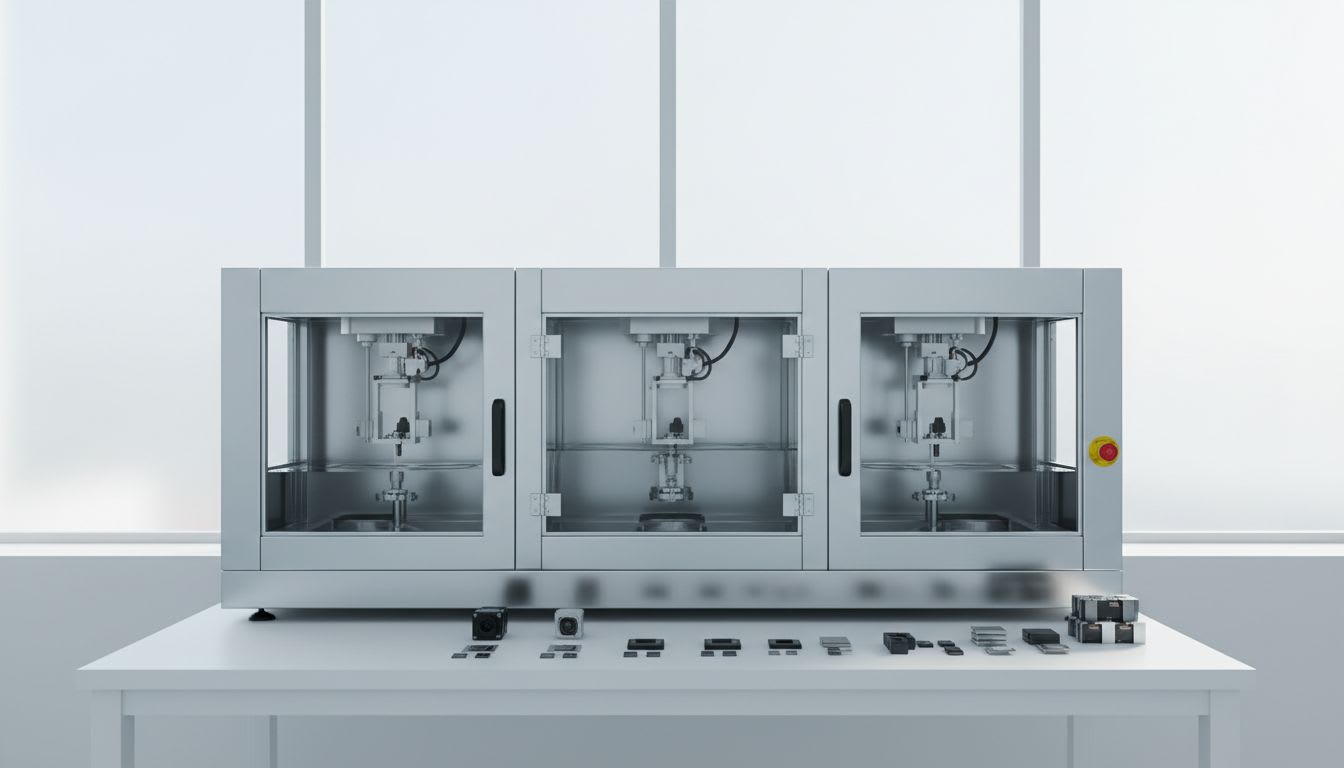
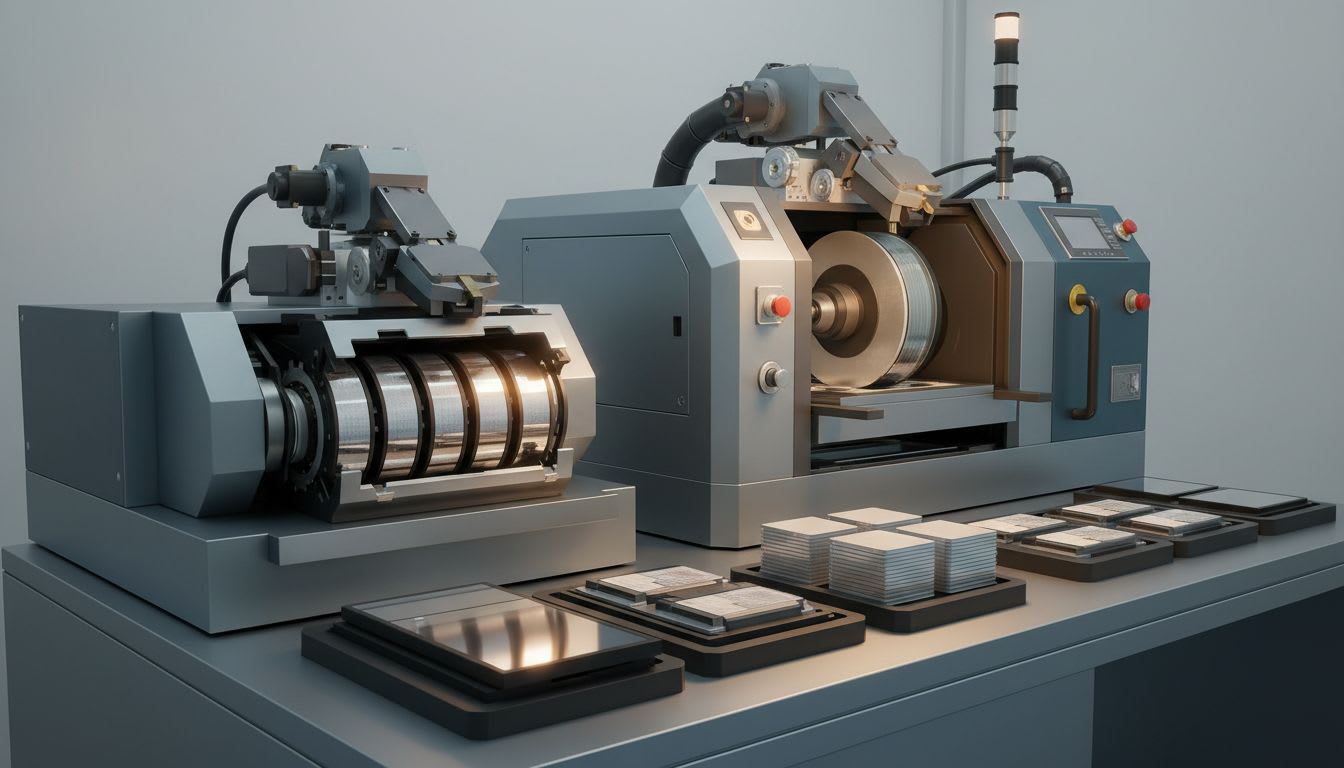
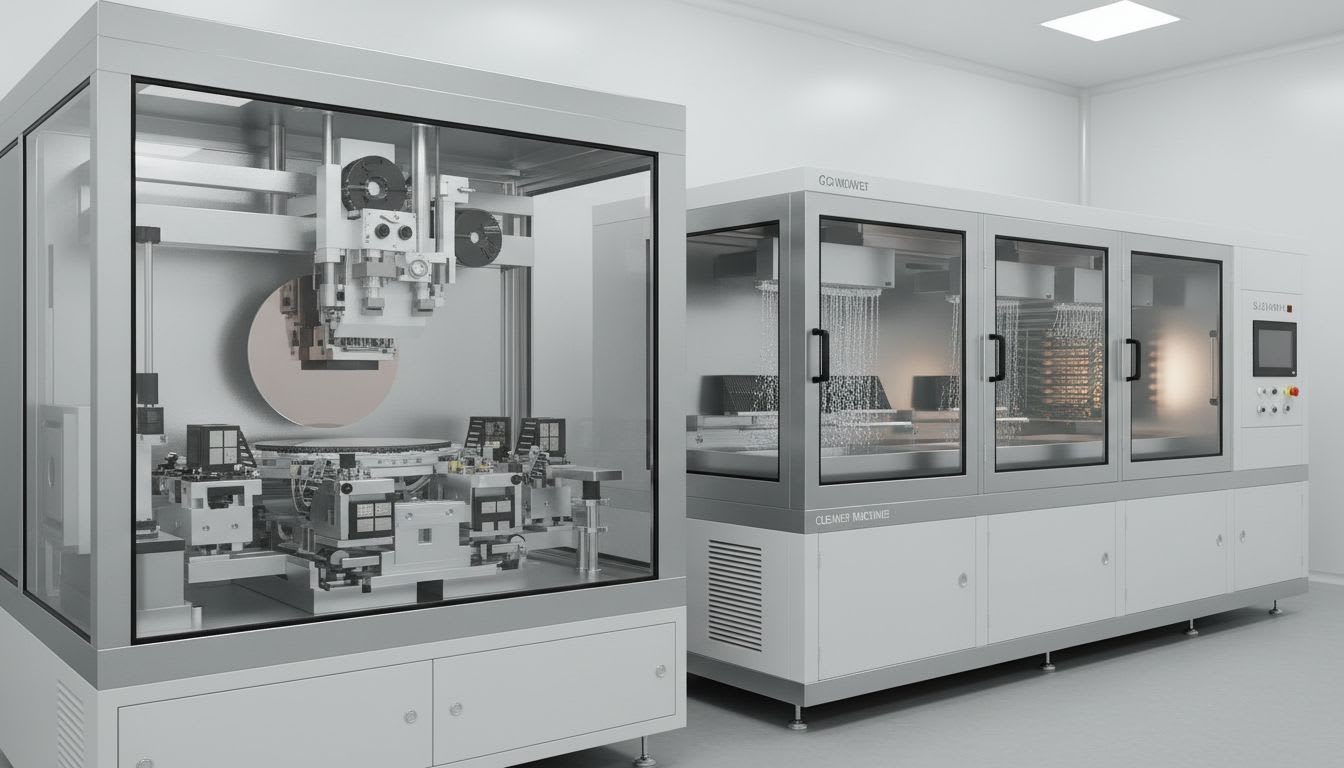
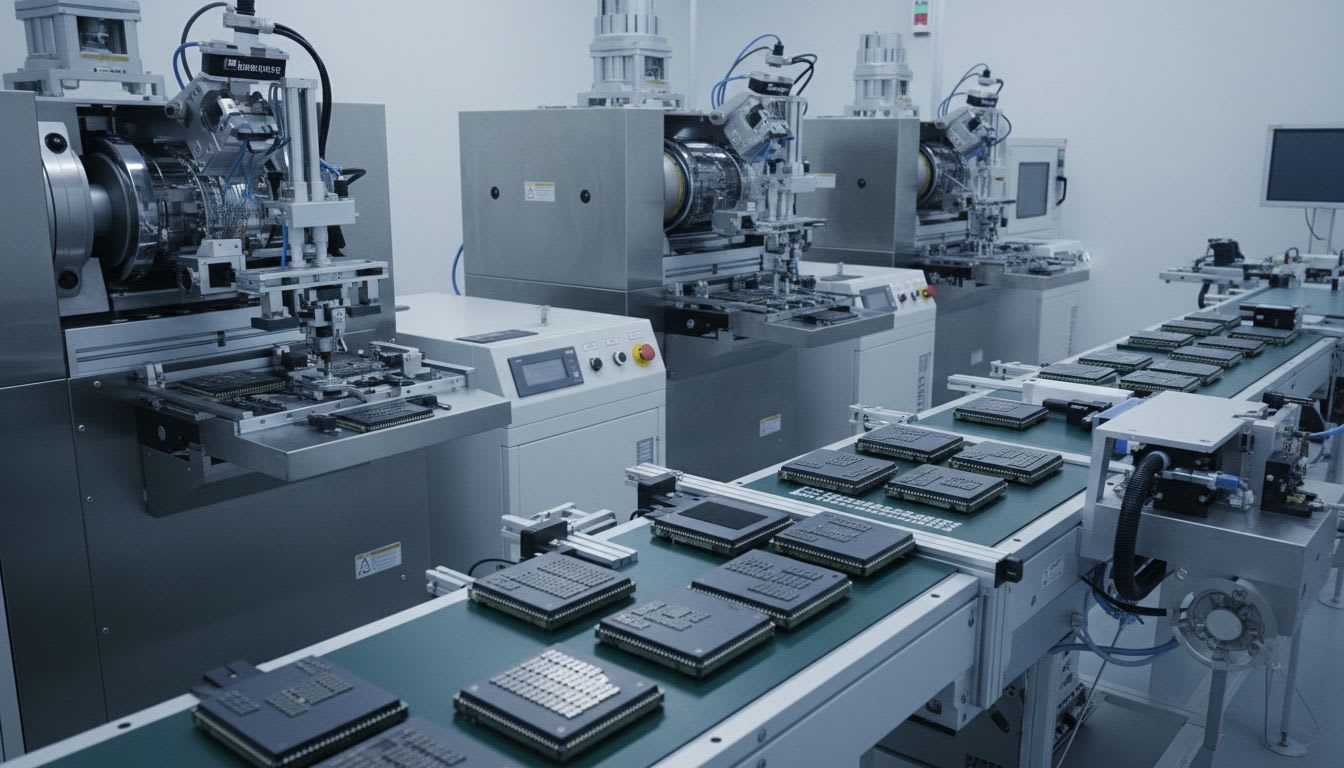
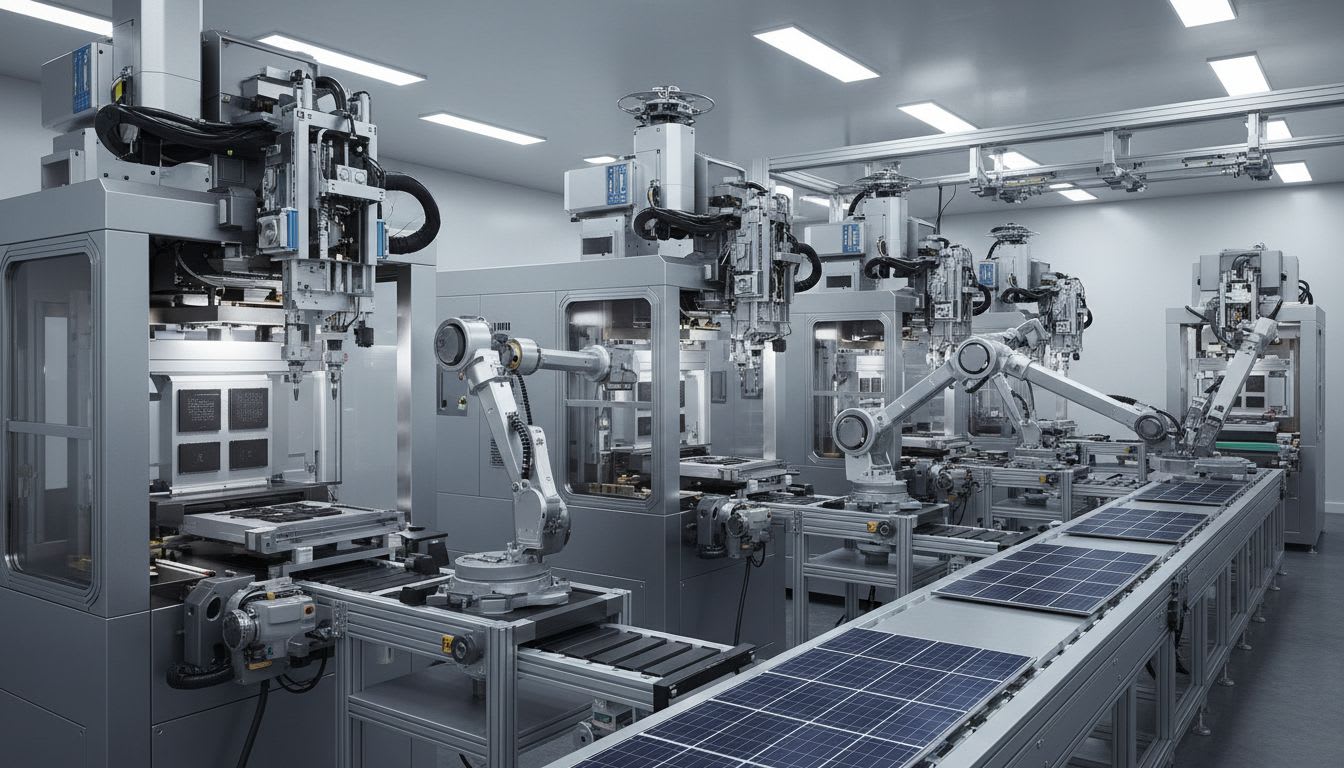
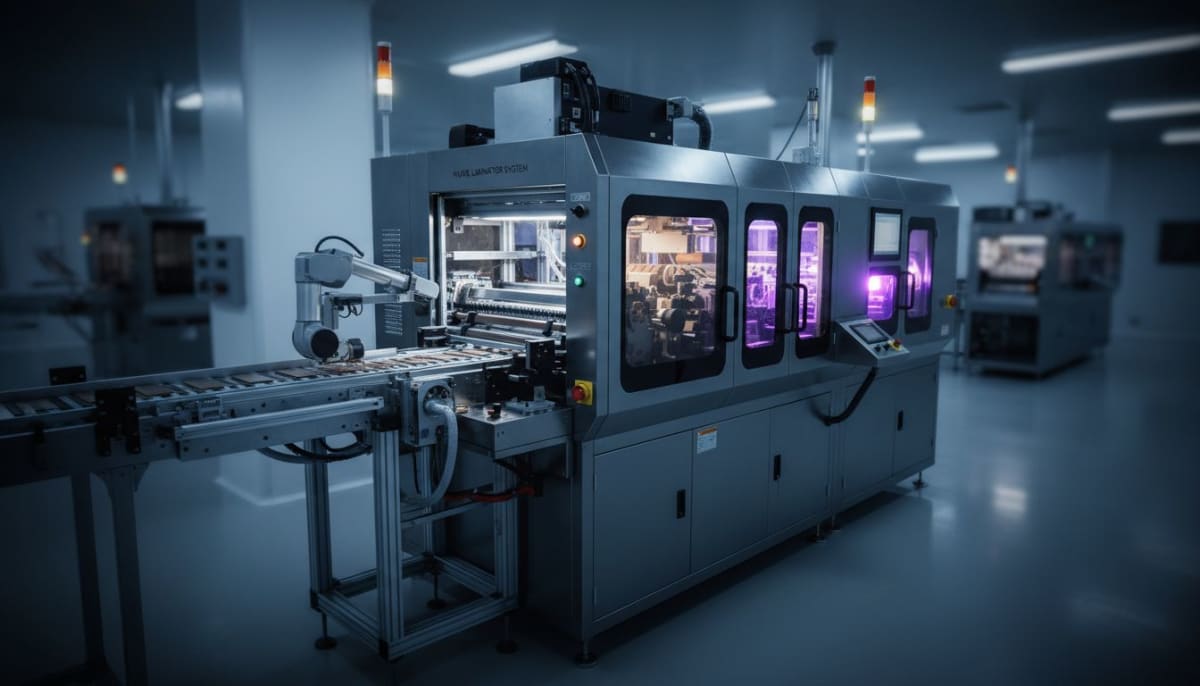
    Company A’s success story clearly shows how Huvics’ laminator system dramatically increases production through process optimization, thereby maximizing corporate profitability. Huvics’ laminator system integrates key processes such as lamination, tape mounting, and UV curing into a single seamless flow, eliminating unnecessary steps and maximizing overall efficiency. The one-stop process flowing from Expander to the final UV curing stage saves time and human resources, significantly increasing the processing throughput. Huvics promises to continuously develop tailored solutions to meet specific customer needs, thus becoming the most reliable technical partner for customers’ ongoing success.

    Huvics Tailored Solution for Company A’s Challenges

    Production Challenges Faced by Company A

    The advanced semiconductor industry faces intense technological competition and market changes every moment. Company A was no exception. They were in a situation where they had to simultaneously solve two significant challenges: improving productivity and producing high-quality products. Particularly in the laminating process, where precision processing is essential, issues like aging equipment, low productivity, unexpectedly high defect rates, and a poor working environment that adds to worker fatigue were serious problems hindering corporate competitiveness. With the advent of the era of small quantity batch production, a fundamental solution was urgently needed to expand the production line scale and produce diverse products stably.

    Background of Choosing Huvics Solution

    After deep consideration and thorough market analysis, Company A chose Huvics’ laminator system. Company A focused on Huvics’ capability to provide integrated solutions that maximize precision processing technology, optimal process efficiency, and unwavering quality reliability demanded by the semiconductor and advanced electronics components industry. Acknowledging Huvics’ unique technical ability to analyze customer-specific production environments and requirements thoroughly to design optimal equipment, Company A placed significant trust. This was more than just acquiring equipment; it was a strategic decision to improve the production system’s structure.

    Implementation of Customized Integrated Process

    Huvics’ laminator system is a highly precise integrated solution designed to solve the problems Company A faced. By integrating complex key processes such as lamination, tape mounting, and UV curing, the system eliminates inefficient steps to significantly boost production efficiency. Company A could establish a comprehensive one-stop lamination process covering all stages from the Expander to final UV curing. It played a decisive role in drastically shortening the production Tact Time and hence, markedly improving Company A’s productivity. Moreover, the introduction of the latest lamp/LED UV curing system optimizes adhesion strength and enhances process stability, significantly reducing the previously problematic high defect rates. This technological innovation provided Company A with a strong platform to secure a sustainable competitive edge beyond mere equipment upgrades.

    From System Introduction to Onsite Optimization: A Successful Process

    System Installation and Initial Stabilization

    After the introduction of the Huvics laminator system to Company A’s production line, a wave of transformative change ensued. Let’s closely examine the entire process over time to see how this remarkable change unfolded. The initial step involved precise installation and initial testing of the new laminator system. Given the highly complex nature of the equipment, unforeseen issues could emerge despite thorough preparation. However, Huvics’ expert engineers were well-prepared, quickly diagnosing root problems and presenting optimal solutions to ensure the system’s flawless operation.

    Customized Onsite Worker Training

    Following system installation and stabilization, a crucial step was the training of onsite workers. Regardless of the system’s quality, it cannot function at its best without the proficiency of its operators. Huvics provided customized training programs to equip Company A’s workers with a comprehensive understanding of the new system and skilled handling. From the laminator system’s complex operational principles to everyday maintenance and safety protocols, workers systematically learned everything to eliminate fears of new technology and gain confidence. This training significantly influenced early system stabilization.

    Production Line Optimization and Efficiency Improvement

    Subsequent to the above stages, the full-scale production line optimization process began. The automation features of Huvics’ laminator system dramatically enhanced production speed compared to previous levels. Additionally, micron-level precision control technology played a crucial role in significantly reducing defect rates and enhancing product quality consistency. With an intuitive and user-friendly interface, operators found it easy and convenient to manage and control complex processes, directly enhancing work efficiency.

    Continuous Support and Successful Outcomes

    Of course, this optimization process was not entirely smooth. Initially, unexpected system errors and unfamiliarity with the new equipment resulted in temporary challenges. However, Huvics consistently communicated with Company A, offering ongoing technical support and promptly finding solutions to problems as they arose. As a result, Company A’s production line, powered by Huvics’ laminator system, achieved remarkable success in enhancing productivity, reducing defect rates through cost savings, and ultimately improving quality. Huvics will continue to prioritize customer success, continually striving to provide the best technology and services.

    Innovative Achievements and ROI That Huvics System Brought to Company A

    The semiconductor and advanced electronics components industries are where production efficiency and quality reliability are key factors determining a company’s survival. Within this rigorous environment, Company A attracted industry attention by achieving notable achievements through the introduction of Huvics’ laminator system. What changes did the Huvics laminator system bring to Company A? Now, it’s time to confirm the high ROI this system delivered through its vivid story.

    Key Performance Indicators and ROI

    The results, once Huvics’ laminator system was fully established on Company A’s production line, were astonishing. Compared to before its introduction, Company A achieved an impressive 30% increase in production, a 15% reduction in defect rates, and a 20% reduction in overall working time. These figures are not merely statistical results. They directly fueled Company A’s significant cost reductions, enhanced market competitiveness, and ultimately innovative improvement in corporate profitability. Particularly, the Lamination process that performed all stages from the Expander to UV Curing as a one-stop process dramatically shortened production Tact Time and maximized productivity, clearly proving Company A’s investment utility.

    A Candid Testimonial from Company A Representative

    A representative from Company A shared their thoughts on this success story. “The introduction of the Huvics laminator system was not merely a replacement of obsolete equipment but a crucial turning point that revolutionized our entire production process at Company A. Particularly, the reduction in working hours positively affected employee fatigue reduction and satisfaction, rejuvenating the corporation overall.” Of course, any new system requires an adaptation period. Company A also faced some difficulty due to unfamiliarity with the new system, but swift and active technical support and customized training optimized for the site from Huvics facilitated rapid system stabilization.

    Implications of the Success Story

    This successful case of Company A reminds us of how important precise problem diagnosis and the application of the most suitable optimal solutions are. Company A maximized the efficiency of its production processes through the introduction of Huvics’ laminator system and succeeded in achieving quality stability from a long-term perspective, essentially catching “two rabbits.” This successful process innovation story isn’t unique to Company A. It is a clear implication for other manufacturing companies. It provides a powerful message that with a reliable technology partner like Huvics, any company can transcend production process limits, achieve innovation, and realize the highest ROI from investment.

    The fact that production efficiency is the key element determining corporate survival is once again clearly highlighted through Company A’s success story. Huvics’ laminator system didn’t just replace equipment but proved that by integrating and optimizing core processes, it achieved production increases, defect rate reductions, and, moreover, a high ROI. This precisely shows how a company can overcome challenges and achieve innovation with accurate problem diagnosis and optimal technical solutions. Now, it’s time for Company A’s case to set a new benchmark for competitiveness in your production process.


    Huvics is a high-tech company developing and manufacturing automation equipment and production systems across the semiconductor, LED, Mobile, and Cosmetic industries.
    We support our customers in improving productivity and securing quality competitiveness with top-notch personnel and continuous technological innovation.

    Huvics Inquiries

    Phone: 031-374-8285
    Email: cdpark@hKvics.com

    Contact Huvics

  • Semiconductor Laminating for SMEs: Manual vs Automatic, What’s Your Choice?

    Semiconductor Laminating for SMEs: Manual vs Automatic, What’s Your Choice?

    Semiconductor laminating is a crucial process that involves covering a thin film to enhance a product’s durability and functionality. Simply put, it’s akin to applying a protective film on smartphone screens or adding sheen to seaweed. In semiconductor manufacturing, this laminating process is essential to protect products from external environments and stabilize circuit connections. Especially for SMEs, the choice of laminating system can significantly affect production efficiency and product quality. Huvics is committed to resolving these concerns for SMEs and providing optimal laminating solutions.

    Semiconductor Laminating System Selection Determines SME Success

    In semiconductor manufacturing, particularly within SMEs, a single approach to laminating can make a significant difference in the quality of the final product and production efficiency. Companies familiar with manual methods, as well as those considering automated systems, often ponder the fundamental question, “What is the best choice for our company?” At this critical juncture, Huvics supports the successful leap of SMEs through comprehensive solutions beyond just equipment.

    Manual Laminating Systems: Limitations in Comfort

    Advantages of Manual Systems

    The manual laminating system has been a familiar presence, serving as a pillar in the production environments of SMEs for a long time, with the following advantages:

    • Less burden on initial investment costs
    • Flexibility to adapt to small-scale production runs thanks to skilled workers
    • Simple operation and maintenance of equipment with low entry barriers

    Limitations of Manual Systems

    However, familiarity doesn’t always lead to the best results. Manual systems have clear limitations such as:

    • Slow production speed with quality deviations depending on worker skill level
    • Unsuitable for mass production, leading to increased labor costs and decreased productivity

    For instance, let’s assume a small semiconductor parts manufacturer produces 500 items weekly using manual laminating. If orders increase to 1,000, additional manpower or night shifts would be necessary, leading to cost increases and greater quality deviations during night work. Huvics recognizes the chronic limitations of manual systems and offers automated laminator systems to dramatically enhance the production competitiveness of SMEs. Beyond just selling equipment, Huvics aims to support the ultimate business success through optimization of clients’ production processes and securing uniform quality.

    Automated Laminating Systems: Strategic Investment for the Future

    Initial Investment Cost, Strategic Perspective

    One of the biggest reasons for hesitating to introduce automated laminating systems is the ‘initial investment cost.’ Huvics understands that the immediate budgetary burden is a very realistic concern for all companies, especially SMEs. However, it’s necessary to approach this cost not just as an expenditure but as a ‘strategic investment’ for the company’s future.

    Long-Term Benefits of Automated Systems

    The long-term benefits that automated systems bring are powerful enough to offset initial investment costs. Non-stop productivity around the clock, minimized quality deviation due to worker skill levels, and efficient process management optimized for mass production are key elements that elevate a company’s competitiveness.

    Total Solution by Huvics

    Of course, operating automated systems requires specialized personnel and maintenance may be more complex than manual methods. However, Huvics addresses these concerns by offering a total solution encompassing everything from equipment installation to professional operation training and ongoing maintenance. When an initially introduced company encounters difficulties in system operation, Huvics’ experienced engineers visit the site directly to solve problems and maximize equipment utilization through worker training.

    Ultimately, introducing automation systems in collaboration with Huvics will contribute to long-term labor cost savings, maximizing productivity, and strengthening client company market competitiveness. It’s time to seriously consider investing in the future beyond immediate cost burdens. Huvics will be your strong partner on this journey.

    Customized Laminating Solutions with Huvics

    Wise System Selection for SMEs

    Choosing a laminating system for an SME is like standing at an important crossroads in life. A careful process is needed to consider various factors such as current production volume, equipment budget, workforce skill level, and operational plans. If the initial investment burden is significant and there is a lack of experience with automation processes, starting with a manual or semi-automatic laminating system rather than a full automation system from the beginning can be a smart strategy. This gradual approach, similar to climbing a staircase, helps to increase understanding of the laminating process and internal capability while increasing production volume and considering step-by-step introduction of an automated system. Through this process, companies can reduce unnecessary trial and error and aim for stable growth.

    Features of Huvics Laminator Systems

    To address diverse situations and demands, Huvics’ laminator systems present the best solutions with the following features:

    • Integration of precise attachment processes with advanced UV curing technology
    • One-Stop Lamination process from Expander to UV Curing
    • Increased productivity through reduced process complexity and Tact Time reduction
    • Provision of Semi-Auto and Manual options for a flexible production environment

    Ultimately, Huvics will be a robust partner that helps SMEs achieve successful adoption of automated laminating systems and secure competitiveness by closely analyzing client needs and sparing no practical technical support for customized equipment design, productivity, and yield improvement. It’s crucial to choose the optimal system that best fits long-term growth strategies and production goals, and Huvics will deeply understand your current situation and future vision to provide the most suitable laminating solution, stepping with you into successful automation.

    For SMEs, the introduction of a semiconductor laminating system is a pivotal moment that decides the company’s future growth strategy, beyond merely purchasing equipment. While initial cost burdens or vague fears of change may emerge, what’s important is having a strategic perspective that clearly understands current conditions and future goals to choose the optimal system. Huvics understands the weight of these concerns better than anyone and offers the most suitable laminating solution tailored to each client’s unique needs, from manual to automated. Ultimately, successful adoption will not only enhance productivity but also provide a solid foundation securing sustainable competitiveness.


    Huvics is an advanced technology company developing and manufacturing automation equipment and production systems across the Semiconductor, LED, Mobile, and Cosmetic industries.
    We support productivity enhancement and quality competitiveness with top-notch personnel and continuous technological innovation.

    Contact Huvics Co., Ltd.

    Phone: 031-374-8285
    Email: cdpark@huvics.com

    Contact Huvics

  • Successful Semiconductor Equipment Implementation: Are You Following the 3-Stage Roadmap?

    Successful Semiconductor Equipment Implementation: Are You Following the 3-Stage Roadmap?

    According to a report by the Korea Semiconductor Industry Association in 2023, semiconductor equipment investment increased by 15% compared to the previous year. This shows the proactive efforts of companies for productivity improvement and technological innovation. However, the implementation of semiconductor equipment is a complex and challenging process that can feel daunting without a systematic approach. Huvics aims to be your trusted navigator on this complex journey.

    Successful Semiconductor Equipment Implementation with a 3-Stage Roadmap

    Introducing new equipment into the vast semiconductor industry is like being the captain of a ship navigating uncharted seas. Knowing where to head, which routes are safe and fast, and which equipment will be the compass that navigates the rough waves is important. Huvics offers a clear and systematic 3-stage roadmap for semiconductor equipment implementation. This roadmap goes beyond simple equipment selection, providing an integrated solution journey to maximize ultra-precision machining, process efficiency, and quality reliability. Our 3-stage approach simplifies the implementation process and ultimately leads to increased productivity. It’s a process of creating optimal solutions together so that customers can achieve the best results and lead the innovation of the semiconductor industry.

    Stage 1: Setting Production Goals and Understanding Process Characteristics

    Goal Setting and Process Understanding

    The first step in semiconductor equipment implementation starts with clear goal setting and process understanding. Questions like “What products will we make?”, “How much will we produce?”, and “What process will this product undergo?” are the criteria for equipment selection. For example, let’s assume a small-to-medium-sized semiconductor packaging company recently aimed for high-density, high-performance memory module production.

    Tailored Analysis Case by Huvics

    This company realized that it was difficult to meet the required yield and quality with their existing processes and considered new equipment implementation. However, they faced significant challenges in identifying which equipment among countless laminators, expanders, and cleaner systems was most suitable for their production goals and process characteristics. At this point, Huvics offered not just a list of equipment but undertook an in-depth analysis of the company’s production goals, expected production volumes, and their current and future process roadmaps.

    As a result, we identified that high-precision film attachment and stable UV curing were key, and proposed that Huvics’ laminator system was the optimal choice for securing both production efficiency and quality stability. Additionally, by emphasizing the importance of removing contaminants during the process, we helped achieve both a reduction in defect rates and an improvement in final quality by incorporating a multi-stage cleaning technology-based cleaner system. Huvics focuses on understanding the essence of the process from the customer’s perspective and finding the most suitable equipment combination.

    Stage 2: Comparing & Analyzing Ideal Equipment Options

    Choice Crossroads for Equipment Options

    In Stage 2, we face the crossroads of concrete equipment selection. What is the best-suited laminator among many options for our company? For instance, even among laminator systems, a careful review is required to determine which option is more advantageous from a long-term perspective between Semi Auto and Manual options and between Lamp and LED types for UV Curing systems. A semiconductor post-processing company aimed to increase production volume while reducing quality variations depending on worker skill levels.

    Data-Driven Optimization Analysis

    Initially, they considered Manual equipment for cost efficiency. Still, through in-depth consultations with Huvics, they concluded that the Semi Auto equipment would provide much greater benefits in terms of long-term productivity and labor cost savings, considering the expected production volume and automation goals. Also, regarding the UV Curing method, based on comprehensive consideration of adhesive strength requirements, energy efficiency, and lamp replacement cycles of the existing process, they received specific data indicating that a certain wavelength-optimized LED UV Curing system would improve quality and maintenance convenience. Huvics goes beyond simply listing product specifications and presents how each option would impact the customer’s actual production line and contribute to productivity and quality improvement with clear data and real-life application cases. This is a distinct approach by Huvics to help clients make the most rational decisions for their success while not losing their way in confusing options.

    Stage 3: Seamless Integration & Optimization of the Production Line

    Importance and Challenges of Equipment Integration

    Completing the selection and purchase of equipment is not the end of the process. Many companies face challenges recovering initial investment costs due to improper integration into production lines or unexpected issues even after introducing expensive semiconductor equipment. A start-up semiconductor module manufacturer faced a situation where their initial yield fell short of expectations due to interface issues with existing process lines and lack of worker proficiency, despite introducing an advanced laminator system. The equipment’s performance was excellent, but there was a lack of consideration on ‘how’ to integrate it into the existing environment and ‘fully’ utilize it.

    Integration & Optimization Support by Huvics

    At this time, Huvics went beyond simply supplying equipment to analyze the company’s production goals and line characteristics, initiating the establishment of an optimal equipment integration strategy. Huvics experts were stationed on-site to support customized firmware updates for interfacing with existing systems and provided systematic on-site training programs for workers to fully master the equipment. Furthermore, Huvics offered ongoing technical support and proactive maintenance strategies after the equipment introduction to prevent potential issues. When unforeseen errors occurred, they quickly resolved the problem through swift remote diagnosis and on-site visits, minimizing production downtime. In this way, Huvics provides a total solution that takes responsibility for the entire process of equipment introduction and stable operation thereafter, continuously partnering with clients to help them establish a stable production environment through new equipment and achieve their ultimate business success.

    Semiconductor equipment implementation, now, envision a clear picture instead of feeling overwhelmed. By following Huvics’s 3-stage roadmap and thoroughly reviewing the ‘Why’ to ‘How’ of equipment implementation, your production line is already prepared for innovation. As a single component can determine the performance of the entire system, accurate equipment implementation is a crucial factor that determines a company’s competitiveness. As your trusted partner, Huvics will continue to find optimal solutions and create innovation together with you.

    Huvics is a high-tech company that develops and manufactures automation equipment and production systems across the semiconductor, LED, Mobile, and Cosmetic industries.
    By employing top talent and continuous technological innovation, we support our clients in enhancing productivity and securing quality competitiveness.

    Contact Huvics Inc.

    Phone: 031-374-8285
    Email: cdpark@huvics.com
    Huvics Inquiry

  • How to Improve Productivity: Learning from Laminator System Implementation

    How to Improve Productivity: Learning from Laminator System Implementation

    Grinder High-Speed Processing Issue Resolution for Productivity Innovation Success Story

    The high-speed processing industry continuously seeks higher productivity and quality advancements. The Grinder, essential for precision surface finishing and material removal, is widely used across various sectors. However, several issues arising when operating the Grinder at high speed have impeded production efficiency. In a scenario demanding innovative technologies and solutions, one company garnered industry attention by adopting the Laminator System to overcome Grinder high-speed processing challenges and significantly enhance productivity. By streamlining inefficiencies in existing processes and proactively integrating new technologies, the company successfully bolstered its competitiveness. This case provides practical assistance and inspiration to many companies facing similar challenges by detailing innovative approaches to solving Grinder high-speed processing issues and their effects. The Laminator System’s one-stop lamination process, in particular, played a crucial role in reducing Tact Time and improving productivity by simplifying processes. Furthermore, the Lamp/LED UV Curing system enhanced adhesive strength and process stability, thereby contributing to overall production efficiency. Such technological innovations support the company’s efforts to maximize the potential of Grinder high-speed processing, with a positive impact anticipated across the industry.

    Problem Awareness and Challenges

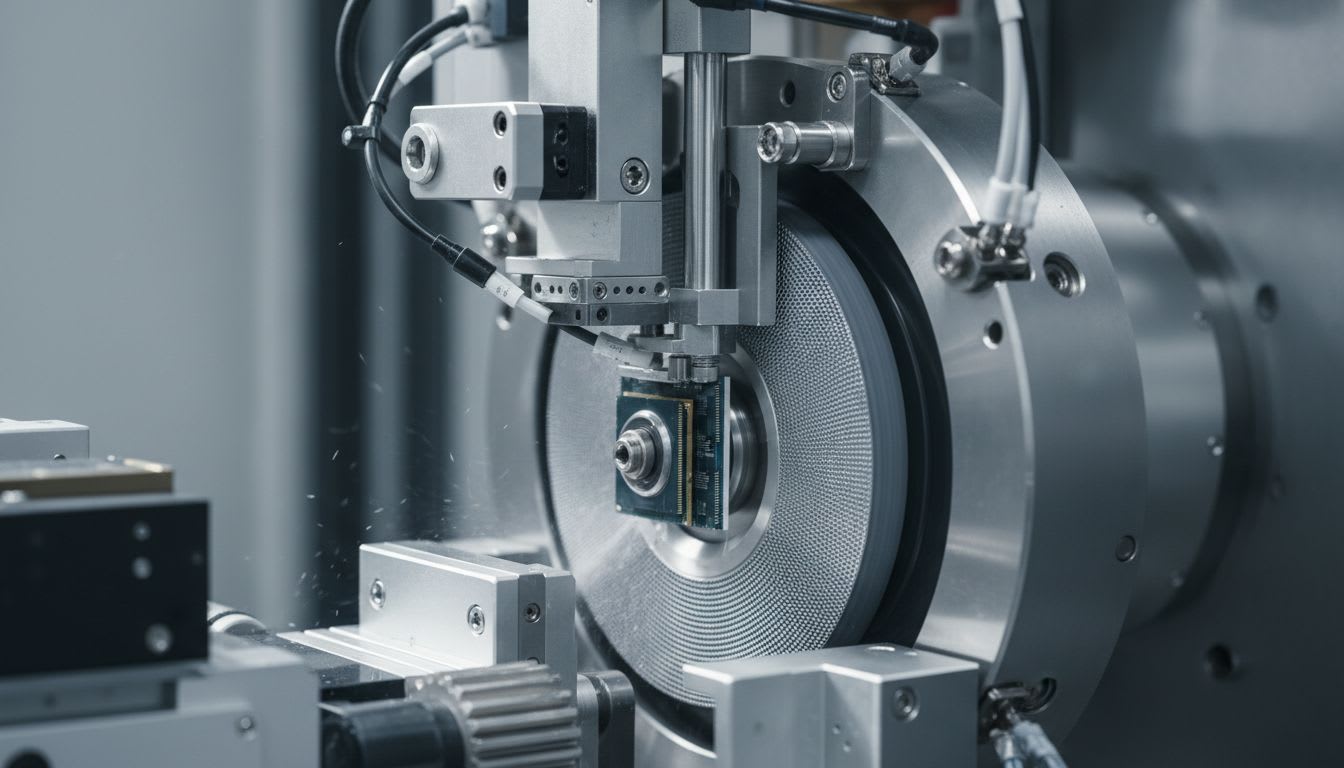
    High-speed processing with a Grinder offers benefits like improved surface roughness and increased material removal efficiency but also presents several challenges. Firstly, the vibrations and noise from high rotations worsen the workplace environment and increase worker fatigue. Secondly, the heat generated during processing can cause material deformation, degrading precision and potentially leading to defective products. Thirdly, fine particles produced during high-speed processing pollute the work environment and pose health risks to workers. These issues create additional time and costs in production, hindering overall efficiency — particularly critical for processing precision components. Traditional solutions concentrating on post-problem actions offered no fundamental solutions. For instance, installing anti-vibration setups or additional cooling systems provides temporary effects but complicates equipment and increases maintenance costs. Ventilation systems for removing fine particles increase energy consumption and alter the workplace temperature, lowering working efficiency. Therefore, fundamentally addressing these issues for productivity improvement necessitated new approaches with innovative technologies. The company explored various solutions but found it challenging to achieve satisfactory results with existing methods. Ultimately, they reassessed the entire process, deciding to aggressively incorporate new technologies into their strategy.

    Company Approach and Solutions Offered

    In this situation, the company succeeded in solving Grinder high-speed processing issues and drastically improving productivity by adopting the Laminator System. The Laminator System offers a one-stop lamination process from the Expander to UV Curing, achieving process simplification for Tact Time reduction and productivity improvement. At the heart of this system is Lamp/LED UV Curing technology, which plays a pivotal role in enhancing adhesive strength and strengthening process stability. Previously, separate bonding and curing processes followed Grinder machining, but by implementing the Laminator System, these steps became consolidated, saving time and expenses. Notably, the Lamp/LED UV Curing system surpasses traditional thermal curing methods with better energy efficiency and reduced curing time. Additionally, UV Curing minimizes material deformation and improves adhesion, enhancing product quality. Another feature of the Laminator System is its Semi Auto and Manual options, allowing flexible responses to diverse products and production requirements, helping companies maintain production efficiency across various product outputs. For example, the Manual option quickly adapts to small-scale production, while the Semi Auto option accelerates large-scale production. The Laminator System also offers a user-friendly interface, enabling operators to easily control and manage the system, regardless of skill level, thus reducing operational errors. The company succeeded in resolving Grinder high-speed processing issues and significantly improving productivity through the Laminator System, a crucial factor in strengthening their competitiveness.

    Post-Implementation Results and Customer Feedback

    After implementing the Laminator System, the company achieved remarkable outcomes. Most notably, they shortened production time: Tact Time decreased by over 30% from previous processes, leading to an increase in overall production volume. Moreover, defect rates significantly dropped. With enhanced adhesive strength and increased process stability thanks to the Lamp/LED UV Curing system, product quality improved. The workplace environment also improved. Designed to minimize vibration, noise, and fine particle generation, the Laminator System contributed to reduced fatigue and health protection for workers. Workers responded positively to these changes:

    “Thanks to this product, process time has shortened, and defect rates have decreased, greatly boosting production efficiency.”
    “Previously, working was difficult due to vibration and noise, but now I can work in a much more comfortable environment.”
    “I can feel the improvement in product quality thanks to increased adhesive strength from the UV Curing system.”

    These positive customer responses are crucial evidence of the Laminator System’s effectiveness. The company achieved three goals simultaneously — productivity enhancement, quality improvement, and workspace enhancement — significantly boosting competitiveness. Additionally, the Laminator System implementation case positively impacts other companies. Many firms benchmark this success to improve their production processes, potentially advancing the entire industry.

    The results extend beyond mere production increases, directly influencing the company’s profitability. Reduced production time and defect rates translate into cost savings, leading to increased profits. Furthermore, improved product quality boosts customer satisfaction and attracts new customers. Equipped with the competitive edge from the Laminator System, the company could explore new markets and expand business areas.

    Future Implications and Lessons

    This Laminator System implementation case provides significant insights into the high-speed processing industry. Firstly, the integration of innovative technology for problem-solving plays a decisive role in productivity enhancement. New technologies can overcome issues previously difficult to resolve and achieve significant productivity improvements. Secondly, integrating and simplifying entire processes is crucial. The Laminator System’s one-stop lamination process reduced unnecessary steps, conserving time and boosting productivity. Thirdly, enhancing the work environment directly links to productivity improvement. By reducing vibration and noise and suppressing fine particle generation, the Laminator System alleviated worker fatigue and protected health, aiding productivity. Based on these insights, companies should scrutinize and improve their production processes. They should actively consider adopting new technologies and invest in improving work environments.

    Notably, this case emphasizes the strategic importance of technology integration. The Laminator System introduction meant more than just an equipment replacement, fundamentally transforming the company’s production strategies and operational dynamics. With the competitive edge from new technology, the company can more proactively respond to market changes and pursue sustainable growth.

    Moreover, the case shows that companies can fulfill social responsibilities beyond mere profit-seeking. Improving the work environment protects workers’ health and safety, enhances quality of life, and positively impacts the company’s social image.

    In conclusion, the Laminator System implementation case is an excellent example of how innovative technology integration and strategic approaches can strengthen company competitiveness and enable sustained growth in the high-speed processing industry. We hope many companies draw inspiration from this case to innovate their production processes and craft a more advanced future. Notably, from a performance perspective, post-Laminator System implementation saw over 30% production growth and more than 50% defect reduction, achieving impressive results. This progress implies that the company could explore new markets and expand business areas, leveraging the competitive strength attained through the Laminator System.


    With importance on stability and productivity in the Grinder high-speed processing field, the Laminator System combining process simplification and UV Curing technology is a practical choice. Huvics effectively supports customers’ diverse production environments with reliable solutions for process efficiency enhancement.

    Huvics is a high-tech company developing and manufacturing automated equipment and
    production systems across the semiconductor, LED, Mobile, and Cosmetic industries.
    Our top talent and continuous technological innovation support enhancing customer productivity and
    securing quality competitiveness.

    Contact Huvics Co., Ltd.

    Phone: 031-374-8285
    Email: huvics01@gmail.com

    Huvics Contact

  • Semiconductor Productivity Innovation, Huvics Grinder Upgrade Effect

    Semiconductor Productivity Innovation, Huvics Grinder Upgrade Effect

    Semiconductor Manufacturing Innovation, Completed with Huvics Grinder System Upgrade

    Every semiconductor manufacturing company strives to achieve two major goals simultaneously: maximizing production efficiency and enhancing product quality. However, keeping up with ever-changing technological trends and rising customer demands while maintaining and managing existing equipment is no easy task. Specifically, missing the right upgrade moment for the grinder system, a key piece of equipment in the semiconductor package grinding process, can lead to various issues such as reduced productivity, quality defects, and increased maintenance costs. Is your company also struggling with outdated grinder systems?

    Recently, Company A faced similar challenges. They planned to increase the production volume of their flagship FCBGA packages, but the aging grinder system they used prevented further improvement in production speed. Frequent equipment failures caused frequent production line stoppages, which in turn increased maintenance costs. More seriously, competitors had already adopted the latest technologies to enhance both productivity and quality. Company A recognized the urgent need to upgrade their grinder system to maintain a competitive edge but struggled to identify the areas that needed improvement and which solutions to choose. Besides the technical aspects, they faced difficulties in decision-making due to considerations like the investment payback period and economic analysis. The performance of their existing equipment made it difficult to promptly respond to new package technology trends and to meet diverse customer demands. In this situation, Company A sought help from Huvics.

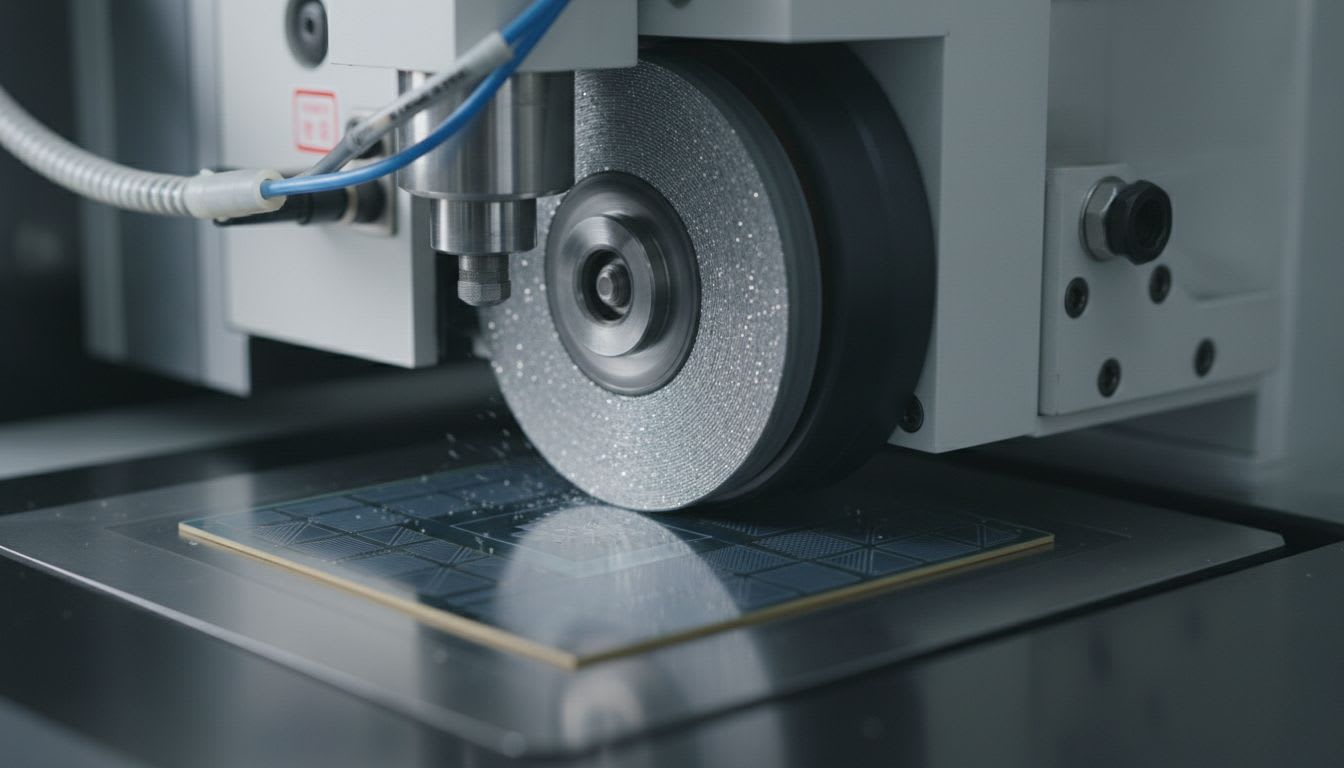
    To solve Company A’s difficulties, Huvics provided precise analysis and customized consulting. First, they conducted a thorough analysis of Company A’s existing grinder system’s performance, maintenance history, and production data to accurately identify issues. They also considered the semiconductor market trends, competitors’ technology levels, and Company A’s long-term growth goals in order to propose the optimal upgrade direction. Huvics focused not on merely replacing the equipment but on providing the best solution tailored to Company A’s production environment and goals. The Huvics grinder system utilizes high-precision stages and diamond wheels, allowing for precision machining at the micron level. In the Full Auto type, automated process control can increase productivity, and a real-time process monitoring system can prevent quality defects in advance. They also proposed the integration of Laminator and Cleaner systems to optimize the entire process including grinding, lamination, and cleaning. Furthermore, Huvics provided customized analysis materials considering upgrade costs, operating costs, and depreciation to shorten the investment payback period and ensure economic viability for Company A.

    After adopting Huvics’ solution, Company A experienced positive changes in various aspects. Improved production speed and reduced defect rates positively impacted overall production efficiency. The time lost due to equipment failures also decreased, enhancing overall stability and their ability to respond to new package technologies improved. The production team leader at Company A stated,

    “After adopting the Huvics grinder system, our production target achievement rate has significantly increased. The previous levels were unimaginable.”


    expressing satisfaction. Maintenance cost reductions improved operating efficiency for Company A. Huvics’ solution brought tangible effects across multiple metrics, including productivity enhancement, quality improvement, and cost management, thereby strengthening Company A’s manufacturing competitiveness.

    This case demonstrates that semiconductor equipment upgrades are not merely about replacing old equipment, but are strategic investments that can strengthen a company’s competitiveness and enable continuous growth. Huvics proposes solutions suitable for the customer’s production environment and focuses on analyzing various issues and presenting improvement directions. Through this collaborative effort with customers, they offer optimal process solutions.

    In particular, for Company A, Huvics’ customized consulting proved effective. Instead of merely listing equipment specifications, they analyzed Company A’s specific production environment and goals and offered suitable countermeasures. Huvics provided a stable operational environment by considering variables even after equipment installation through close collaboration with Company A. This approach helped minimize operational risks post-equipment adoption and reduce issues during the system transition process.

    Competition in the semiconductor market is expected to intensify. Increasing productivity, securing quality, and improving operational efficiency are essential conditions for company survival. Huvics reflects these industry trends, responding to customer needs and focusing on providing solutions centered on actual impact. Helping companies design balanced growth strategies is Huvics’ goal.

    Huvics considers trust with customers as its most important asset and promises to become a partner for mutual growth. Start semiconductor manufacturing innovation with Huvics.

    If you have any questions, please contact Huvics.


    Upgrading semiconductor equipment requires strategic judgment for not only equipment replacement but also productivity improvement and quality stabilization. Huvics supports effective response to changes in the semiconductor industry through specialized manufacturing equipment, including grinder systems, and consulting capabilities.

    Huvics is an advanced technology company developing and manufacturing automation equipment and production systems across the semiconductor, LED, Mobile, and Cosmetic industries.
    With top talents and continuous technological innovation, we support the enhancement of your productivity and the securing of quality competitiveness.

    Contact Huvics Co., Ltd.

    Phone: 031-374-8285
    Email: sky@huvics.com
    Contact Huvics