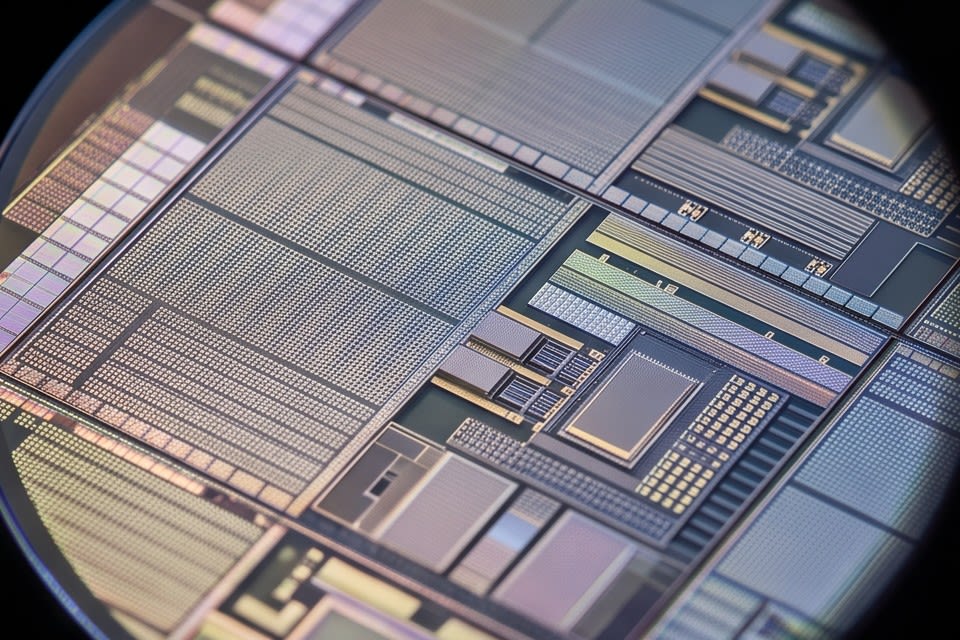
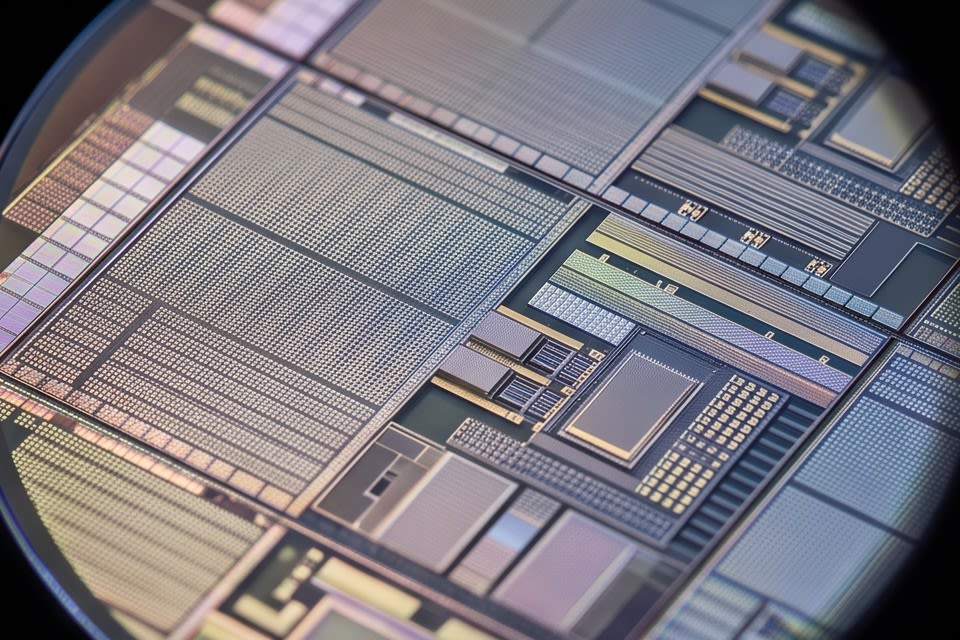
If you work in semiconductor process management, you have probably experienced this at least once. The line is running normally, the equipment shows no issues, and the recipe has not changed, yet defective products quietly begin to increase. When you trace the process backward to find the culprit, what you eventually encounter is a microscopic contamination particle that is barely visible. It may feel unfair that a single micron-scale speck of dust can shake the yield graph, but this is the reality. Today, we will talk about cleaning equipment that can help reduce that frustration, even if only a little.
Why the Cleaning Process Is the Starting Point of Yield
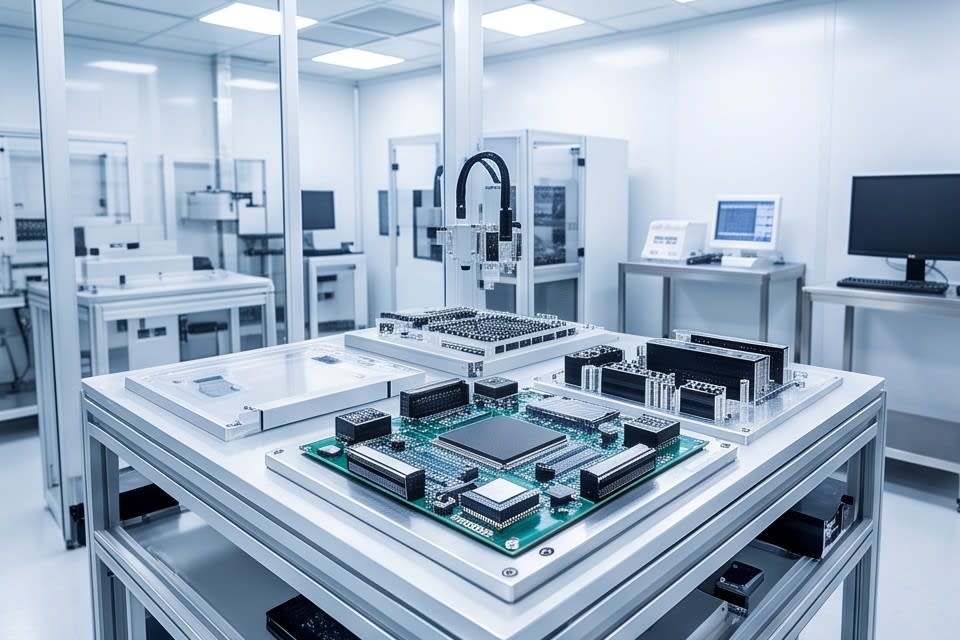
There are many variables that determine yield in semiconductor and electronic component manufacturing, but the cleaning process carries far more weight than many people expect. Contamination particles left on the product surface can lead to pattern defects or bonding failures in subsequent processes, and problems that occur at this stage often become visible only during final inspection. By the time defects start to appear, the product has already passed through several process steps.
Industry cases have reported that adopting contamination control solutions can reduce defect rates by up to 45%, which shows that cleaning is not a final stage of quality control, but closer to the starting point of yield. The key here is not simply washing particles away, but designing the process to suppress static electricity so that removed particles do not adhere to the surface again. Static electricity generated immediately after cleaning can cause removed particles to reattach, and without controlling it, the cleaning process itself can lose its meaning.
In the end, the quality of a cleaning process is evaluated by two factors: how cleanly the surface was washed and how well that cleaned condition was maintained. Equipment design that satisfies both conditions at the same time is becoming a practical dividing line between yield and profitability.
Structure and Cost Effect of a Multi-Stage Cleaning and Drying System
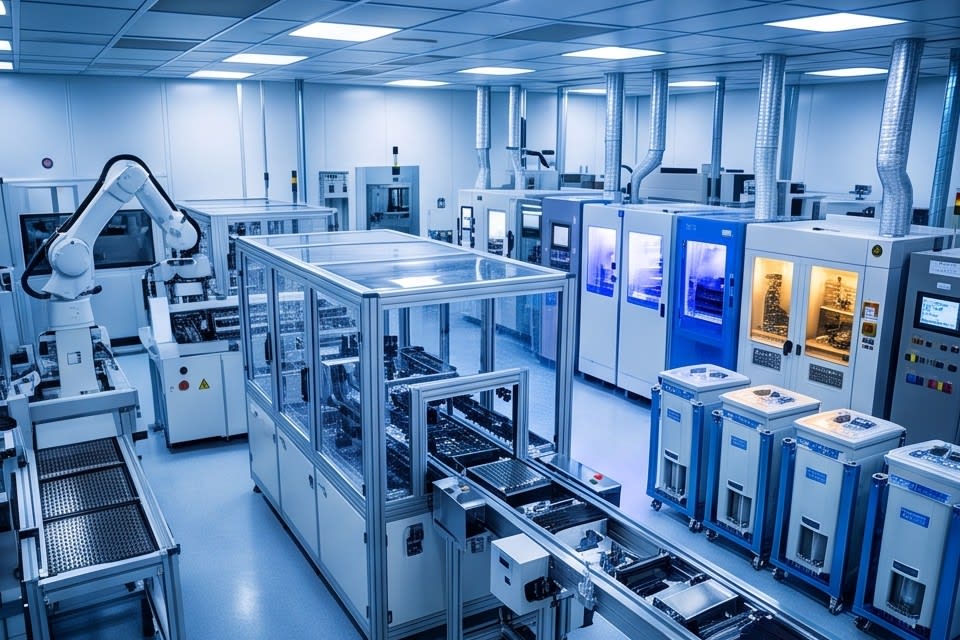
The method that implements these two conditions within a single process flow is a multi-stage cleaning and drying system. A structure that applies Micro Bubble, Water Jet, and Air Knife in sequence creates complementary steps that physically suspend contamination particles, push them away with strong water flow, and remove residues with high-speed airflow. When Oven Dry functionality is integrated, cleaning and drying are completed within one line after washing, reducing the possibility of recontamination during transfer between processes.
Huvics Cleaner System supports both Full Auto and Manual methods so this structure can be applied to product groups with diverse shapes and materials, including camera modules, sensors, VCM motors, and trays. In automated operation, the system automatically controls chemical input according to process conditions. According to analysis by Modutek, combining automated dosing with a chemical life extension design can reduce chemical consumption by up to 80%. This directly leads to lower material costs and reduced waste liquid treatment costs, making it a factor that can substantially change the operating cost structure compared with equipment investment.
This is why cleaning equipment should be evaluated not only by cleaning performance, but also by its level of automation and chemical management method. The effect of multi-stage cleaning is proven by the defect rate figures confirmed at the end of the process, but the key point is that its cost effect accumulates across overall operations.

The Link Between Package Thickness Uniformity and Profitability
If the cleaning process deals with surface contamination, package thickness precision is another dimension of yield control. As demand for AI semiconductors and high-performance memory increases, structures that stack chips vertically are becoming common, and processes that grind wafers extremely thin have become essential for this purpose. According to technical materials from Vitrek, DRAM memory wafers are thinned to about 50 microns for high-density stacking, and the thickness variation that occurs during this process reaches the range of several microns.
If this variation exceeds the allowable range, the flatness of the entire package after stacking collapses, which can lead to electrical connection failures or heat dissipation problems. Huvics PKG Grinder is equipment that combines a high-precision stage with a diamond wheel to grind thickness uniformly at the micron level, and it supports various package types such as FCBGA, WLCSP, QFN, and DFN. Maintaining thickness uniformity even during high-speed processing is the core design objective of this equipment, and this directly improves stacking yield.
When yield increases, more good products can be secured with the same wafer input, which leads to lower unit production cost. The fact that one thickness variation can divide yield, and the difference in yield accumulates into a difference in profitability, quietly explains why ultra-precision processing equipment has become core infrastructure for manufacturing competitiveness.

Cleaning and grinding may seem like separate processes at first glance, but ultimately they move toward the same goal. Removing contamination, maintaining shape with precision, and ensuring that the result leads to the quality and profit of the final product. If even one process becomes loose, yield will not meet expectations no matter how precise the other processes are. The real reason for introducing automation equipment on the manufacturing floor is not convenience, but maintaining this chain of connection with stability.
Huvics is an advanced technology company that develops and manufactures automation equipment and
production systems across the semiconductor, LED, Mobile, and Cosmetic industries.
With top talent and continuous technological innovation, Huvics supports improvements in customer productivity and
the securing of quality competitiveness.
Huvics Contact
Phone: 031-374-8285
Email: cdpark@huvics.com