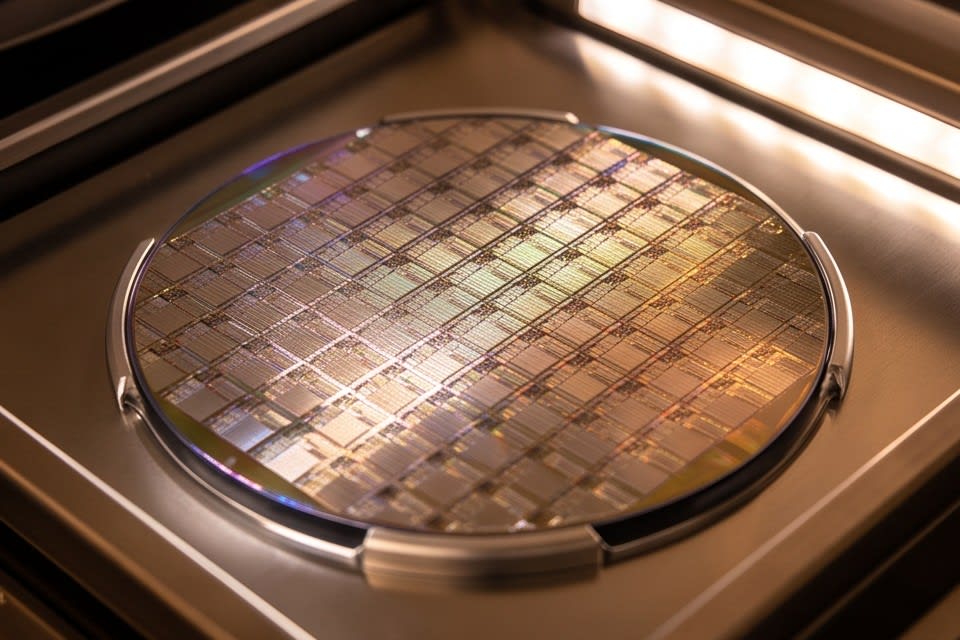
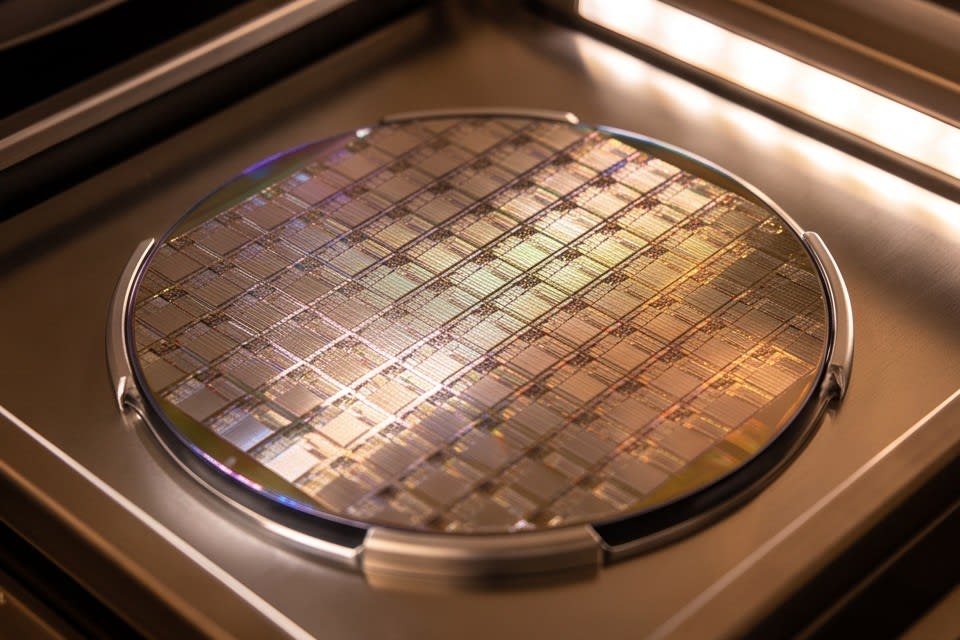
There is a saying among semiconductor process engineers. “If you take cleaning lightly, you can easily lose yield.” Of course, it is hard to confirm whether anyone actually says this, but that is exactly the atmosphere on the production floor. A single speck of dust or one drop of oil can bring down an entire process that has been built with extreme precision. Cleaning may look like the final step of a process, but in reality, it is the starting line of quality.
The Impact of Microscopic Contamination Particles on Yield
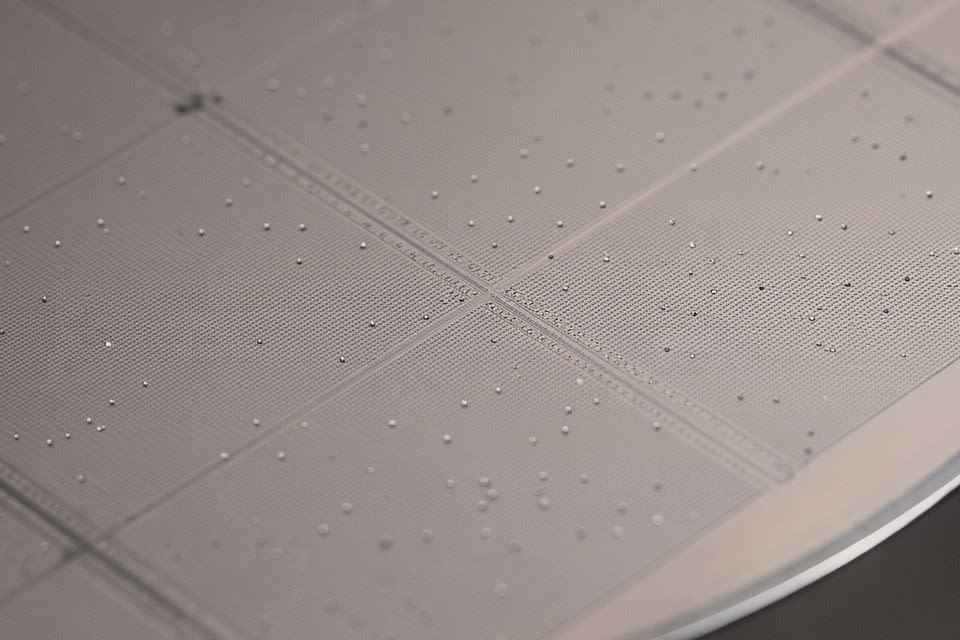
In semiconductor and advanced electronic component manufacturing, microscopic contamination particles are not simple impurities. According to analysis by TSI, a single particle on a wafer can lead to failures in multiple integrated circuits and significantly reduce overall yield. What makes the issue even more demanding is size. The fact that particles as small as 0.05 micrometers can cause critical defects in semiconductor chips clearly shows that the cleaning process is not just a simple act of washing.
It is already widely recognized in the industry that particle defects account for a significant share of all defects in high density electronics manufacturing. As ultra fine processes become standard, contamination tolerance limits become even tighter, and the technical completeness of the cleaning stage is increasingly determining the reliability of the final product.
Multi Stage Cleaning and Drying Technology of the Cleaner System
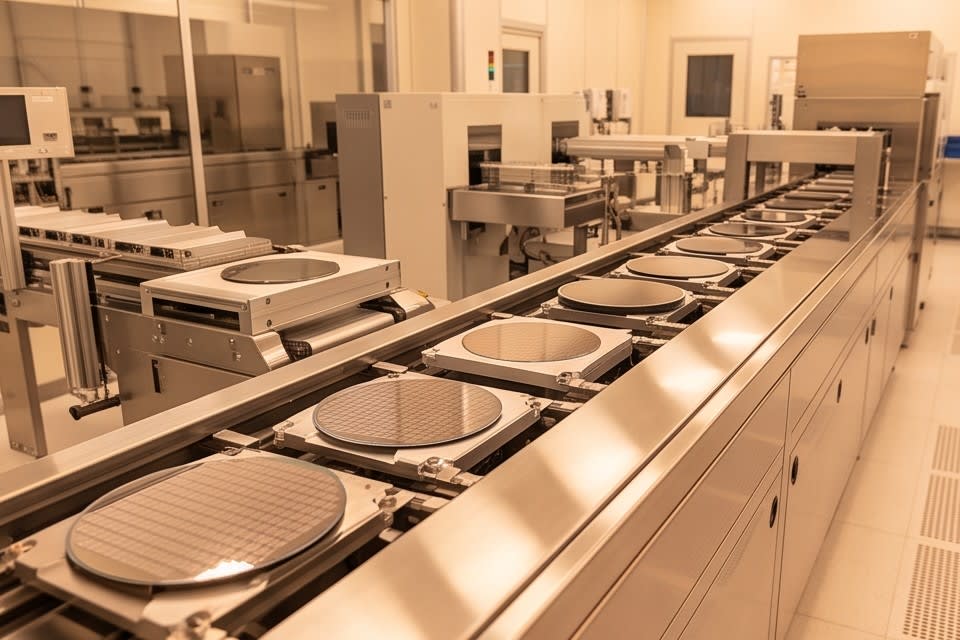
The Cleaner System approaches this problem step by step. Its configuration, consisting of Micro Bubble, Water Jet, Air Knife, and Oven Dry, allows each stage to remove contamination and complete drying in a different way.
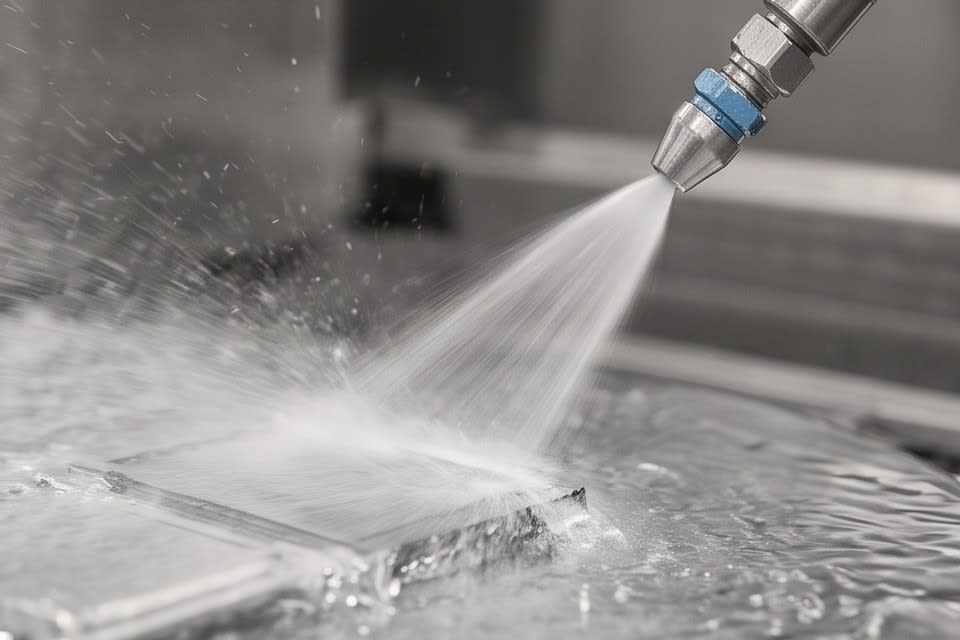
Micro bubbles are fine bubbles with diameters ranging from 10 micrometers to several tens of micrometers. They are generated when dissolved air reaches a certain concentration and physically separate contamination particles adhered to the surface. Water Jet removes surface residues with a high pressure water flow, while Air Knife pushes away moisture with a sharp air stream to create the proper condition for the next stage. The final Oven Dry stage completely removes remaining moisture and completes the drying process.
Depending on the product type, such as camera modules, sensors, VCM motors, and trays, a Full Auto or Manual configuration can be selected to match the conditions of the production site. It is implemented through a design method that treats cleaning and drying not as separate processes, but as one continuous flow.
Combining Vision Inspection and Ultrasonic Dispersion Technology
Precision is also required without compromise in the quality verification stage after cleaning. While manual inspection, even when performed by skilled operators, remains at an accuracy level of 85~90%, research published on ResearchGate shows that automated optical inspection(AOI) achieves 98~99% accuracy and processing efficiency of more than 5,000 units per hour. At the point where the human eye reaches the limits of fatigue and concentration, algorithms operate without fluctuation.
Huvics applies this principle to MLCC and FPCB processes by combining its proprietary ultrasonic dispersion technology with vision inspection algorithms. Ultrasonic dispersion increases particle separation efficiency during the cleaning stage, and the vision inspection algorithm detects remaining defects down to a microscopic level afterward. Because the two technologies operate sequentially, the performance of one stage supports the effectiveness of the other. The key is to connect the cleaning process and the inspection process within a single quality management system, rather than treating them separately.
There is something often overlooked when selecting a cleaning and drying system. It is not just the performance of the equipment, but how it connects with the entire process. No matter how precise the cleaning technology is, if it does not align with the inspection stage, defects are found too late and yield loss has already accumulated. In semiconductor and advanced component manufacturing, quality stability is not created by the completeness of a single process, but by the entire flow from cleaning to drying and inspection. How that flow is designed ultimately determines product reliability.
Huvics is an advanced technology company that develops and manufactures automation equipment and
production systems across the semiconductor, LED, Mobile, and Cosmetic industries.
With top talent and continuous technological innovation, Huvics supports customers in improving productivity and
securing quality competitiveness.
Huvics Contact
Phone: 031-374-8285
Email: cdpark@huvics.com