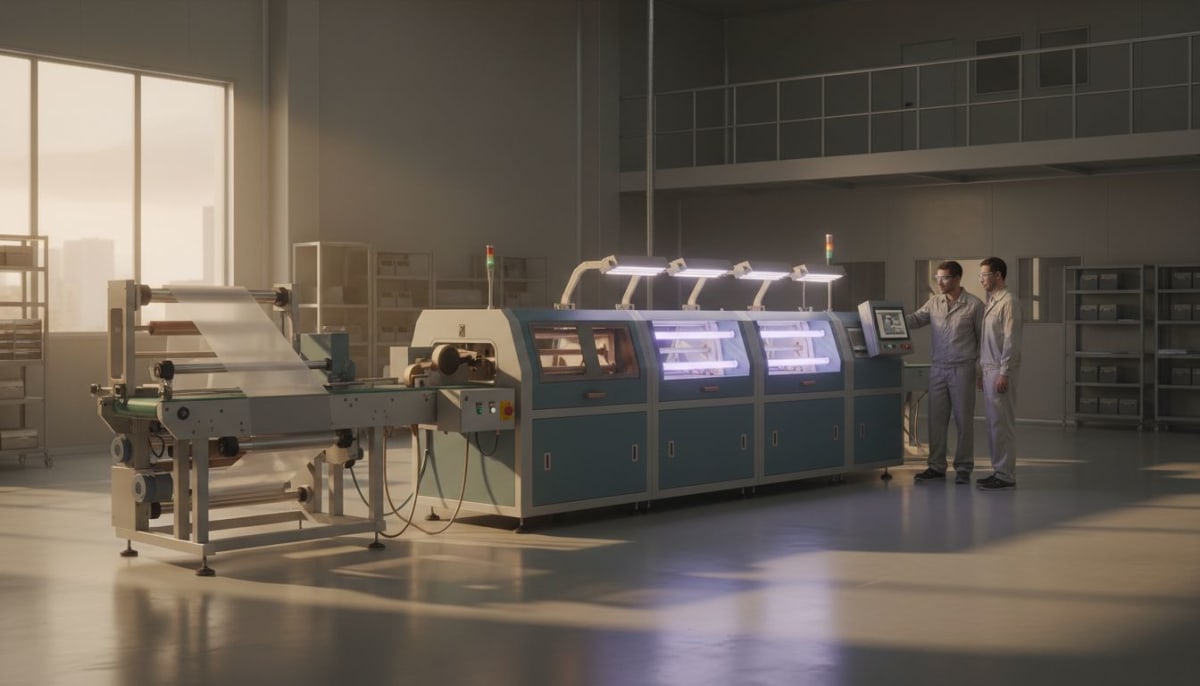
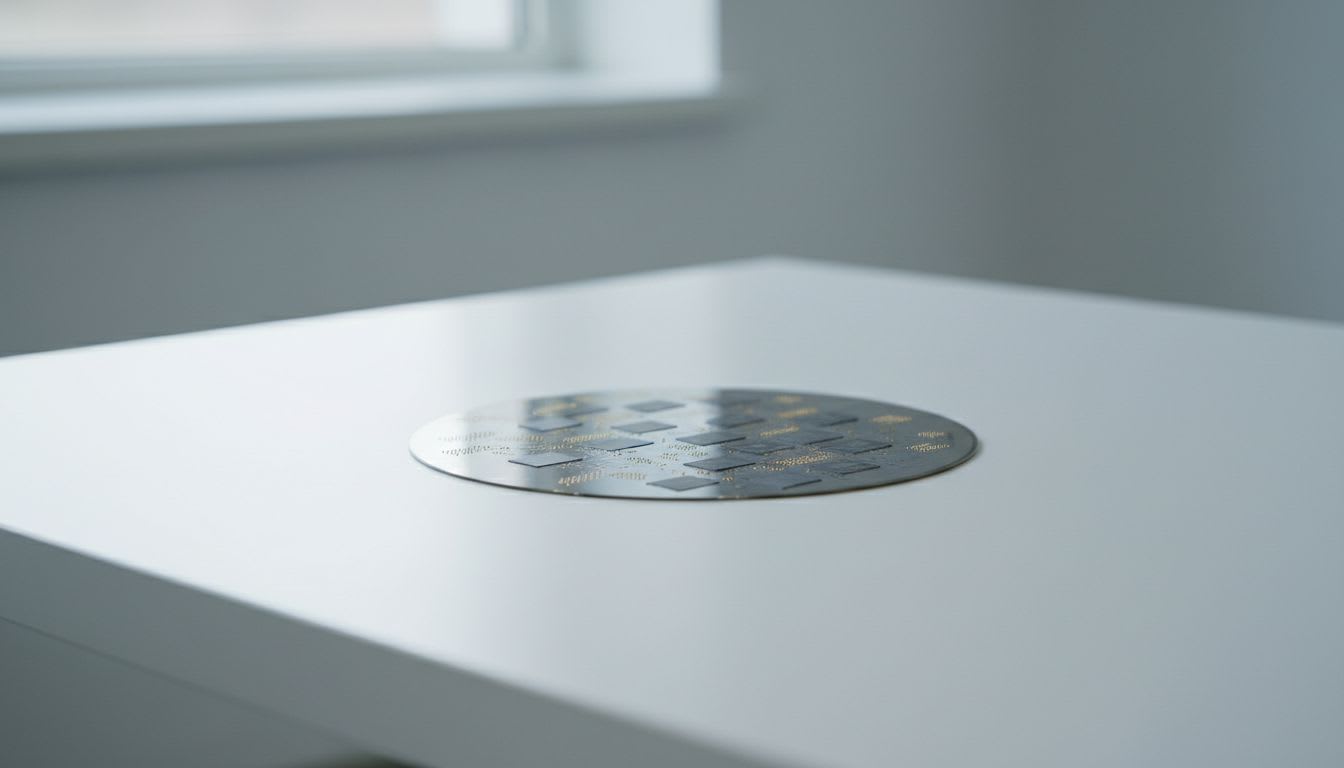
Content: Recently, semiconductor industry experts emphasize that “as minor malfunctions of ultra-high-cost equipment can lead to astronomical losses, maintenance is not just a cost but a core competitiveness.” In the semiconductor environment, where the precision of microprocessing determines the success of production, even minute performance degradation can have a fatal impact on production yield. Therefore, for companies utilizing state-of-the-art equipment like Huvics, systematic and proactive maintenance has become an essential standard to maximize the equipment’s potential and ensure continuous innovation.
The semiconductor production line is a complex ecosystem where advanced technology and significant assets are condensed, and even a single minute particle can critically affect the entire process. A minor issue with such advanced facilities can lead directly to reduced productivity and massive losses. Practical solutions are needed to maximize the potential of expensive semiconductor equipment and ensure optimal state maintenance and sustainable production capabilities at all times. The 5 essential maintenance tips we’ll introduce today will serve as important guidelines to find these solutions.
Regular Precision Cleaning and Inspection
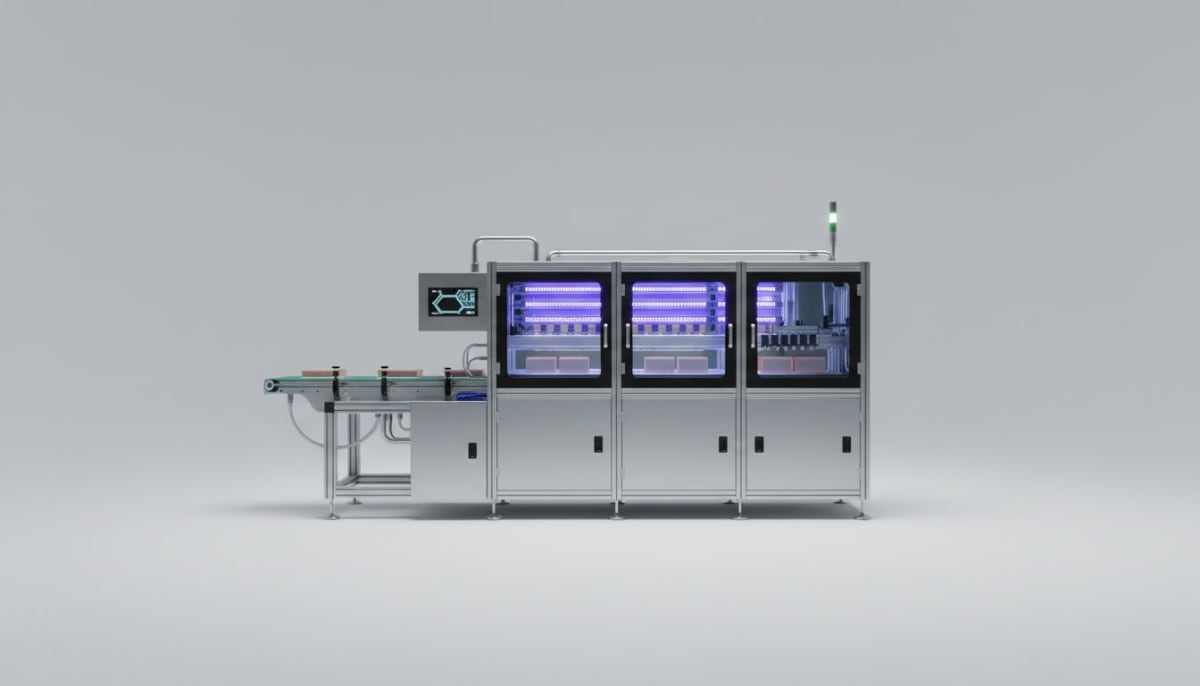
In a semiconductor industry environment that continuously pushes the precision of microprocessing to the extreme through relentless technological innovations, minor malfunctions or performance degradation of equipment can have a critical impact on production yield. Amidst such threats, the first tip to maintain optimal equipment conditions and secure stable productivity is regular precision cleaning and inspection. Even tiny dust or contamination particles generated in the semiconductor production process can decisively and adversely affect the yield of highly sensitive processes. As with Huvics’s cleaner machines, which completely remove even the finest contaminants on product surfaces using innovative multi-stage cleaning technologies such as micro-bubble, water jet, and air knife, systematic and thorough cleaning goes beyond simple cleaning to significantly reduce defects and ensure the stability of the final product’s quality. Regular inspection of invisible, fine areas to detect and resolve potential issues early greatly contributes to consistently maintaining the initial performance of equipment and preventing unforeseeable defects. This aligns with Huvics’s core values of maximizing customer production efficiency and extending the long-term lifespan of equipment.
Precision Management of Key Components and Adherence to Replacement Cycles
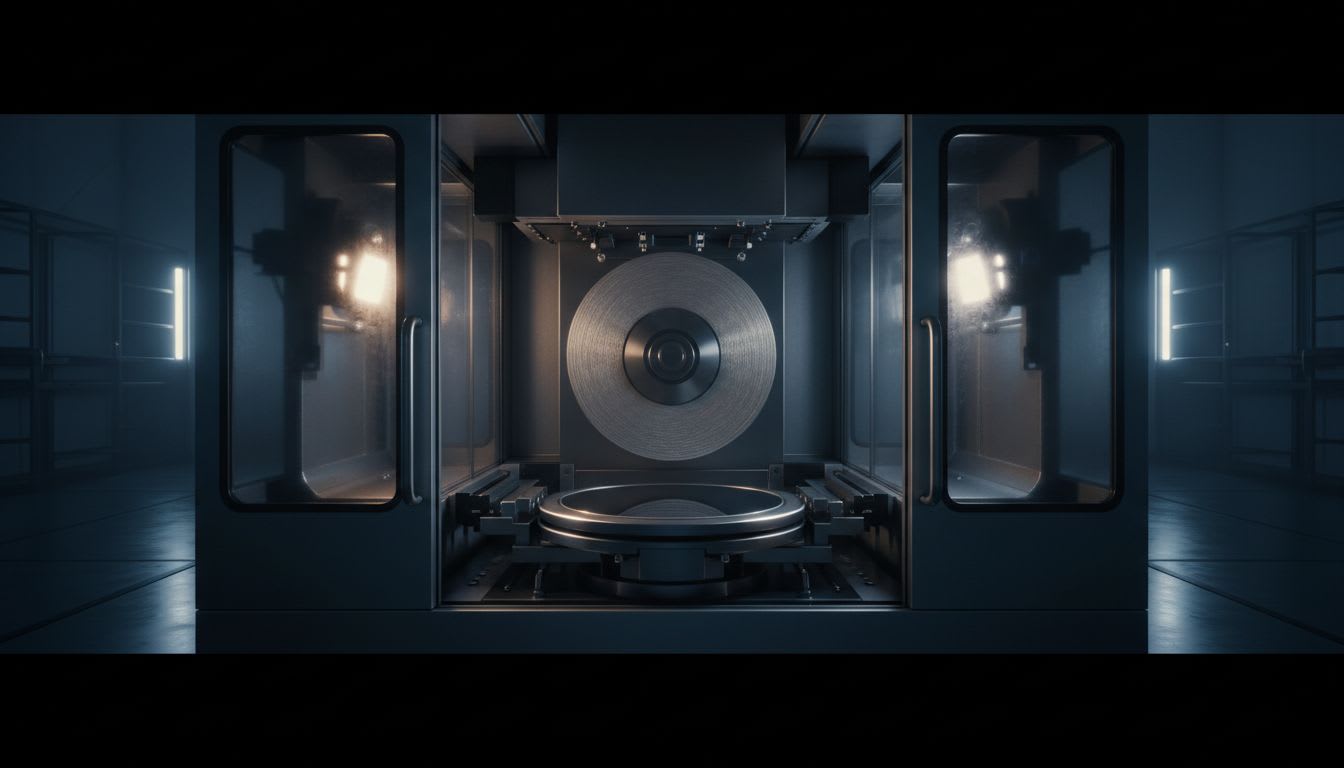
The second tip is the precision management of key components and adherence to replacement cycles. Key components like diamond wheels or high-precision stages of ultra-precise grinding equipment, like Huvics’s grinder systems, are akin to the heart of equipment responsible for micron-level precision machining. Minor wear or deformation of these components can directly lead to machining defects and significant losses. Therefore, it is crucial to strictly adhere to the replacement cycle recommended by the equipment manufacturer and always use genuine parts during replacement, to maintain the equipment’s precision at its optimal state through professional calibration.
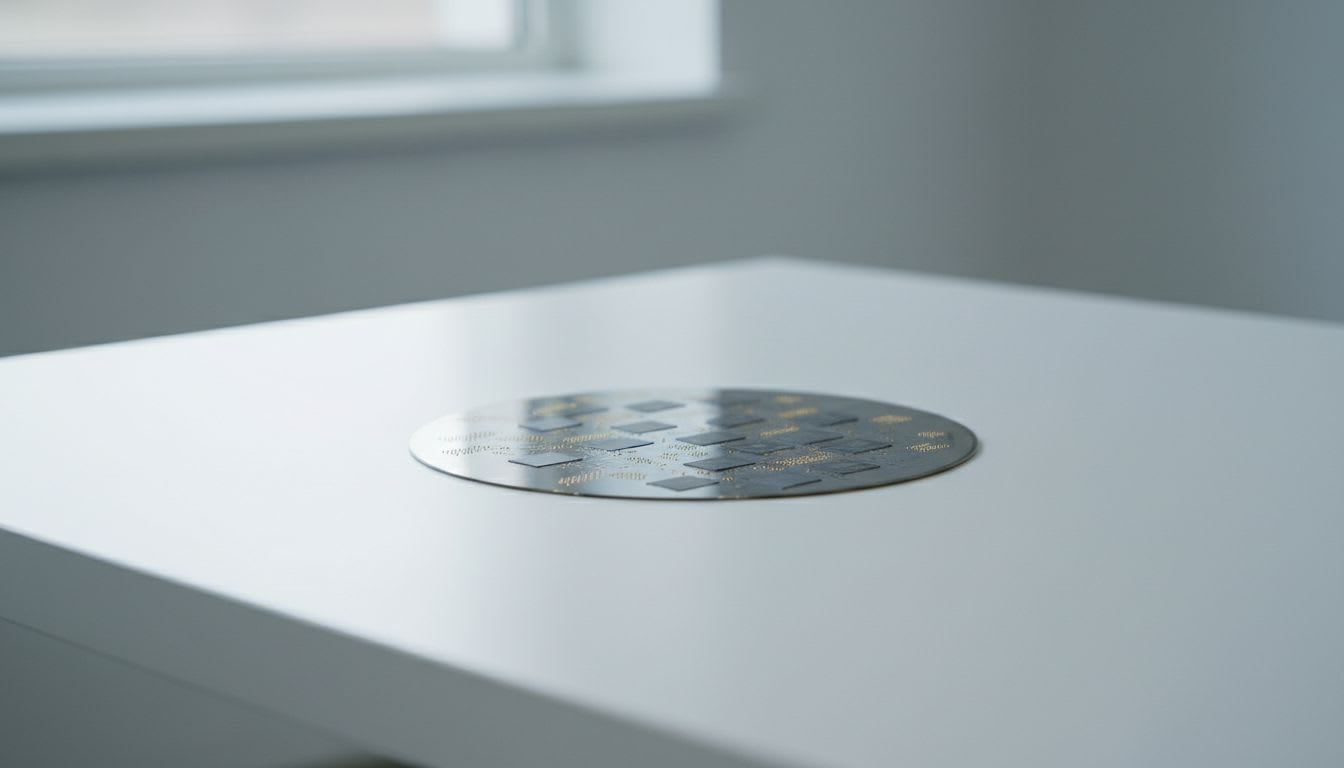
For example, in a package grinder, the key to uniformly grinding wafers depends on the performance of an unworn diamond wheel. Even minor wear can cause variations in machining thickness or degrade surface quality, adversely affecting production yield. The technology of Huvics’s high-precision stages and diamond wheels, enabling precise and uniform machining to desired thicknesses, emphasizes the importance of key component management, offering customers practical benefits to continuously produce the highest quality products.
Optimizing Operating Environment
The third key to maintaining the best performance of semiconductor equipment is optimizing the operating environment. As semiconductor equipment performs extremely precise micron-level machining, it is highly sensitive to environmental changes such as temperature, humidity, and fine dust. For example, if equipment is exposed to environments outside specified temperature and humidity standards, the following problems can occur:
Impact of Environmental Changes on Equipment
- Micro-expansion and contraction of mechanical parts affect precision
- Adverse impact on chemical reactions occurring during processes, leading to quality degradation
- Reduction in core precision of equipment or occurrence of unforeseen malfunctions
- Unstable performance leading to decreased productivity
Such environmental factors directly affect the lifespan of equipment as well as the quality stability of the products produced. Therefore, maintaining a clean environment and precisely controlled temperature and humidity at all times is crucial. Huvics emphasizes rigorous environmental management to ensure the equipment operates in optimal conditions, playing a decisive role in extending the lifespan of costly semiconductor equipment and ensuring consistent high-quality production.
Data-Driven Monitoring and Predictive Maintenance
Beyond environmental management, the fourth tip is to actively utilize data-driven monitoring and predictive maintenance. Latest automated equipment like Huvics’s grinder systems or cleaner machines generate vast amounts of operational data in real-time during operation. By continuously collecting and precisely analyzing this data, it’s possible to accurately grasp the current state of the equipment and even predict potential signs of failure. For instance, detecting minor changes such as variations in vibration patterns of specific parts or increased current consumption of motors allows for preemptive replacement or maintenance of parts before a failure occurs. This innovative method minimizes unnecessary downtime and drastically reduces maintenance costs by addressing issues before they escalate, rather than responding reactively after failures occur. Huvics greatly contributes to maximizing equipment operation rates and ultimately securing clients’ production efficiency and final quality stability through these data-driven insights.
Training and Enhancing Skills of Professional Personnel
The final fifth tip in semiconductor equipment maintenance is the training and skill enhancement of professional personnel. No matter how advanced and sophisticated the technology built into equipment is, without personnel who can competently handle and manage it, it’s challenging to fully realize the equipment’s potential. Especially for equipment like Huvics’s grinder systems or cleaner machines offering flexible use of Full Auto and Manual modes, the convenience of automation systems requires proactive judgment and delicate handling by skilled technical personnel.
Training and Practice for Professional Enhancement
Regular training and repetitive practice on the unique characteristics and precise management procedures of each piece of equipment are key factors in dramatically enhancing the professionalism of technical personnel. This capability enhancement develops abilities to solve trivial problems occurring during daily equipment operations and quickly and accurately identify and respond to root causes of unforeseen, minor errors or issues.
Key Role of Skilled Personnel
Ultimately, skilled personnel play a decisive role in reducing equipment downtime, maximizing production efficiency, and lowering defect rates to ensure stable product quality. Huvics regards not only providing excellent equipment but also supporting customers in achieving the best results through the synergy of equipment and personnel as its philosophy. Skilled personnel perform critical roles such as:
- Consistently maintaining optimal equipment performance, contributing to improved productivity
- Maximizing production efficiency and reducing defect rates, realizing cost savings
- Ensuring stable product quality, boosting customer’s market competitiveness
- Serving as a crucial investment element for sustainable growth in the semiconductor industry
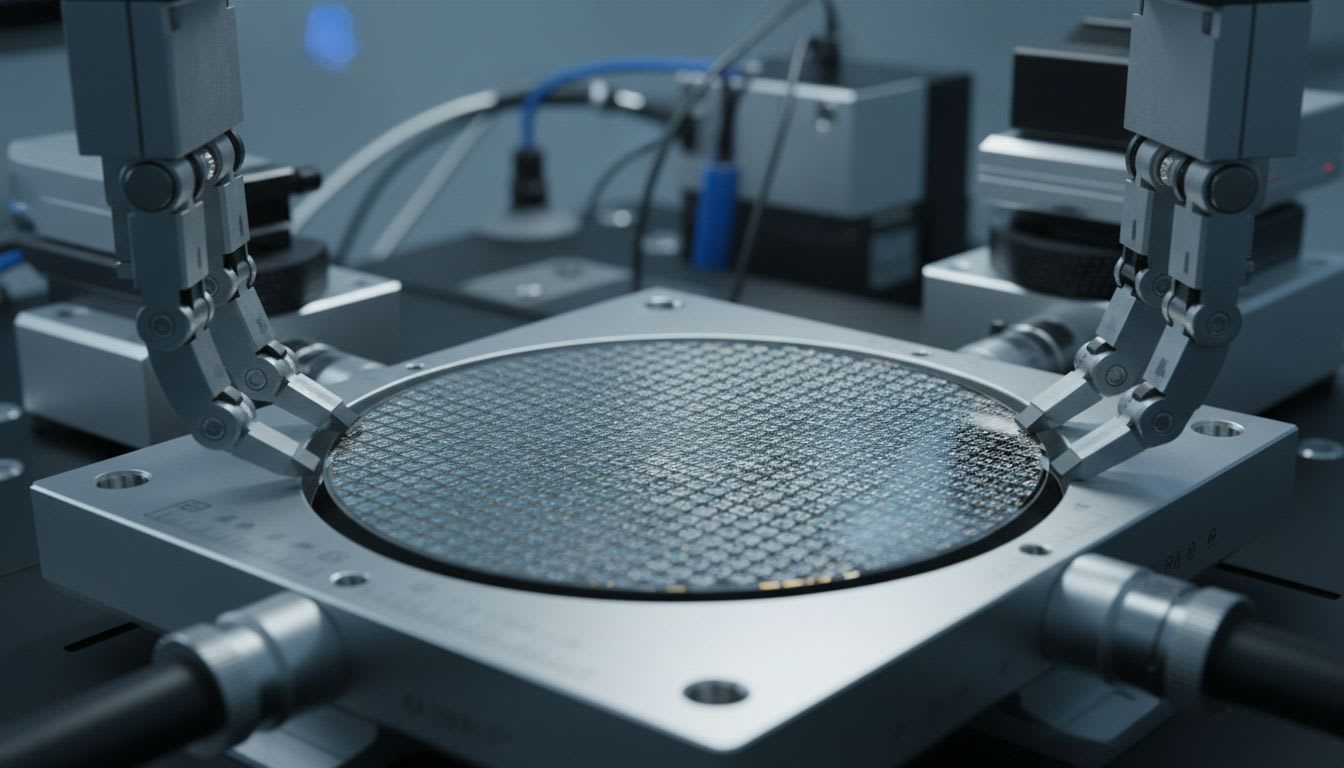
The substantial losses and burdens caused by minor malfunctions of equipment in the semiconductor production line are deeply relatable for those directly experiencing it in the field. The five maintenance tips shared today go beyond merely repairing failures, providing a practical roadmap for continuously transforming costly semiconductor equipment into core engines for value creation. Through these cutting-edge equipment management technologies, Huvics will be a reliable partner supporting the sustainable growth and innovation of its clients, and we believe these guidelines will bring optimal efficiency and stability to your production line.
Huvics is a high-tech company that develops and manufactures automation equipment and production systems across the semiconductor, LED, Mobile, and Cosmetic industries. With top talent and continuous technological innovation, we support our clients in improving productivity and securing quality competitiveness.
Huvics Co., Ltd. Inquiries
Phone: 031-374-8285
Email: cdpark@huvics.com