Tag: Semiconductors

  • Equipment for Building Semiconductor Lines, Don’t Worry – Solve with Huvics’ 3 Essentials

    Equipment for Building Semiconductor Lines, Don’t Worry – Solve with Huvics’ 3 Essentials

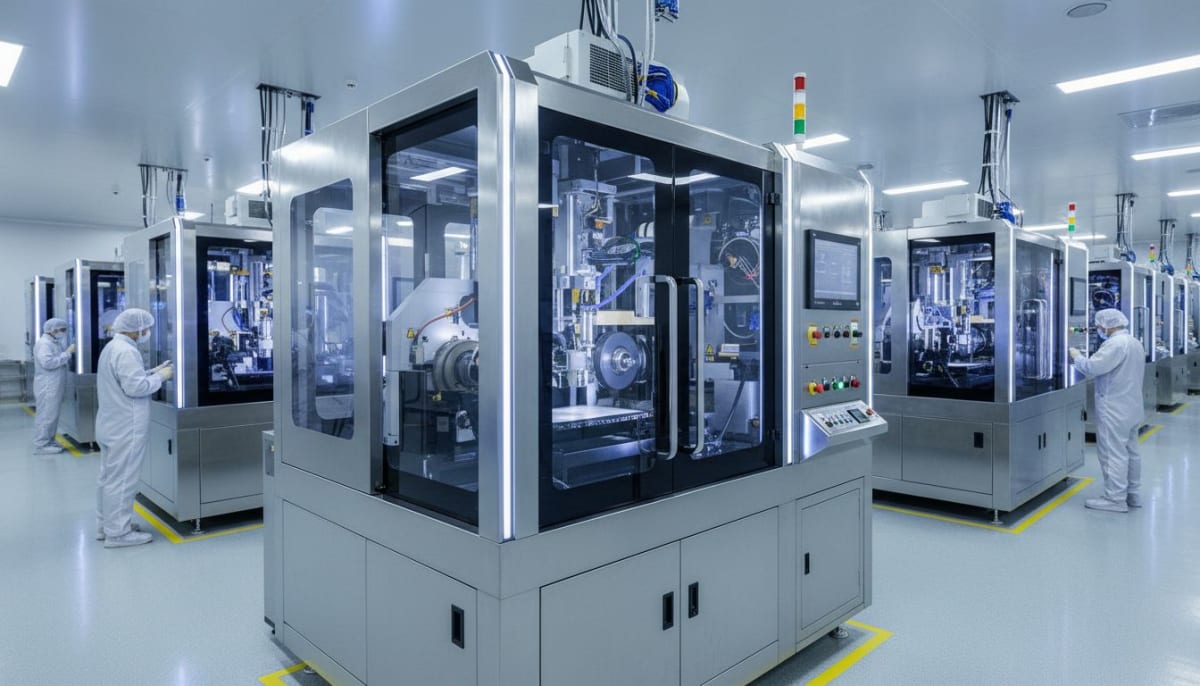
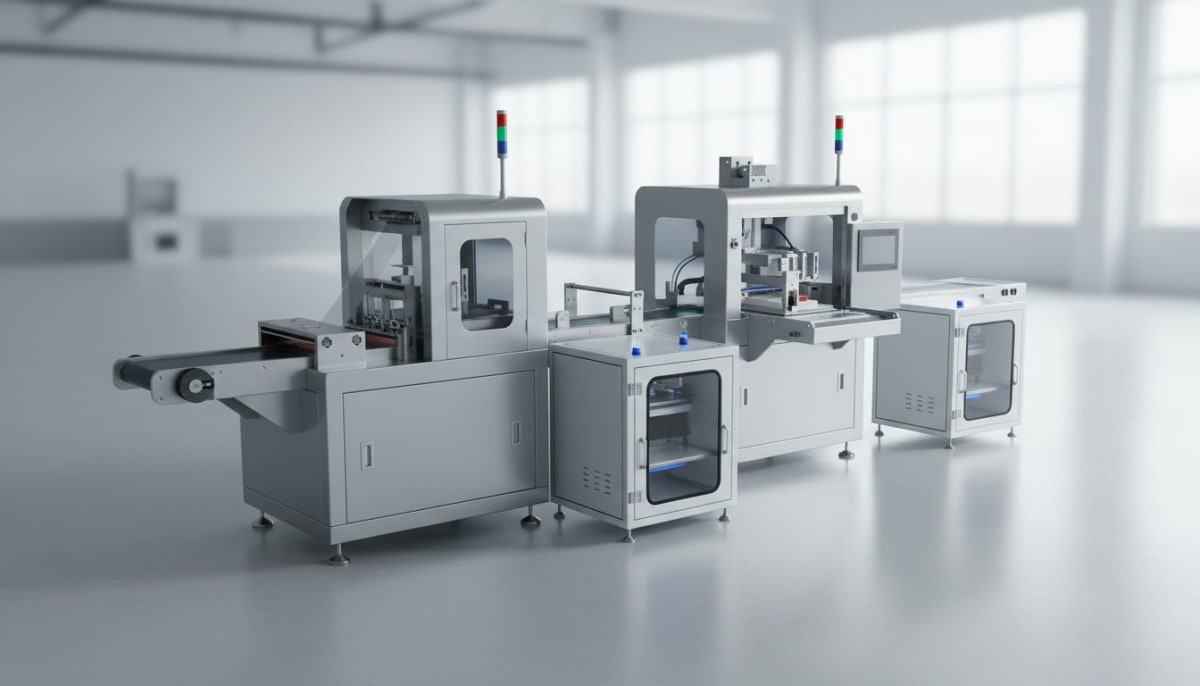
    When building a semiconductor line, decisions are often made based solely on the performance of individual equipment. However, failing to integrate key processes organically can easily lead to unexpected bottlenecks and reduced quality. Now is the time for an integrated approach that considers the efficiency of the entire line, such as Huvics’ ‘Essential Equipment Top 3’.

    Huvics Essential Equipment Top 3: The Key to Successful Semiconductor Lines

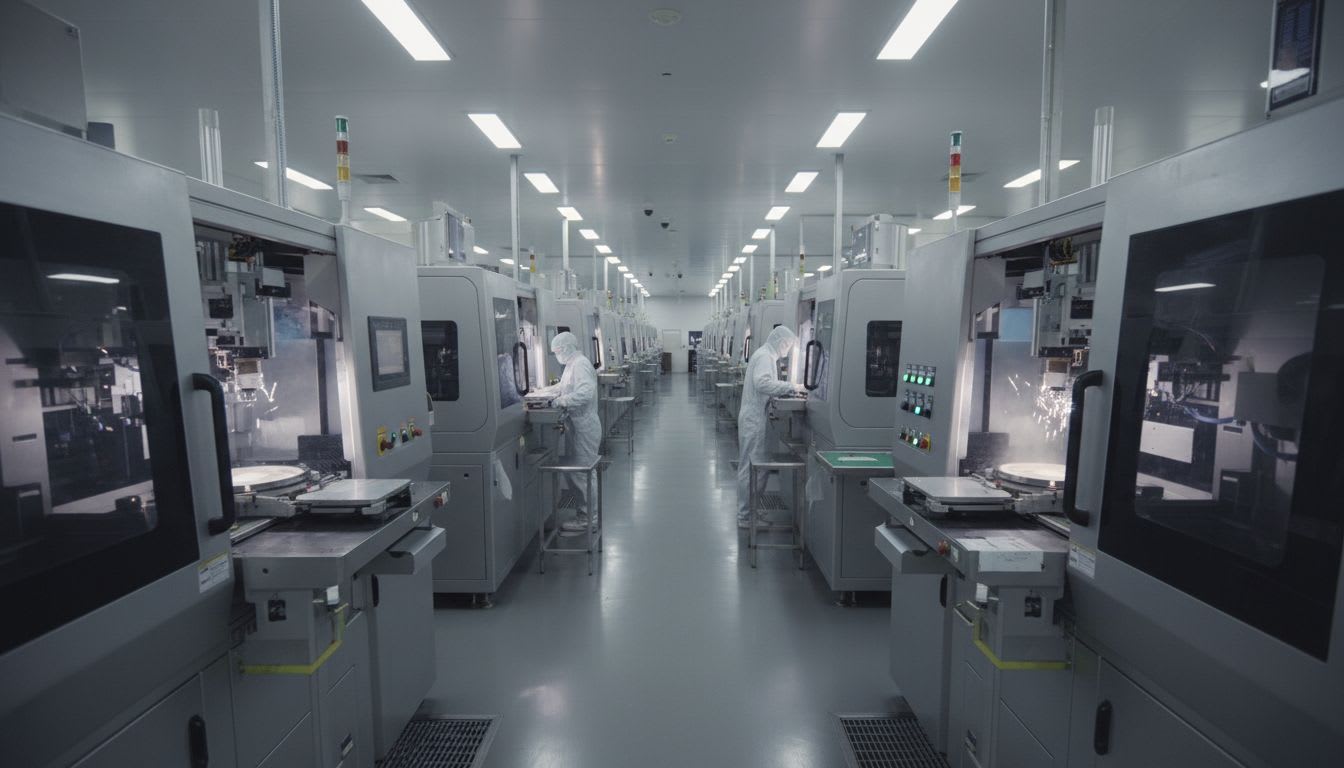
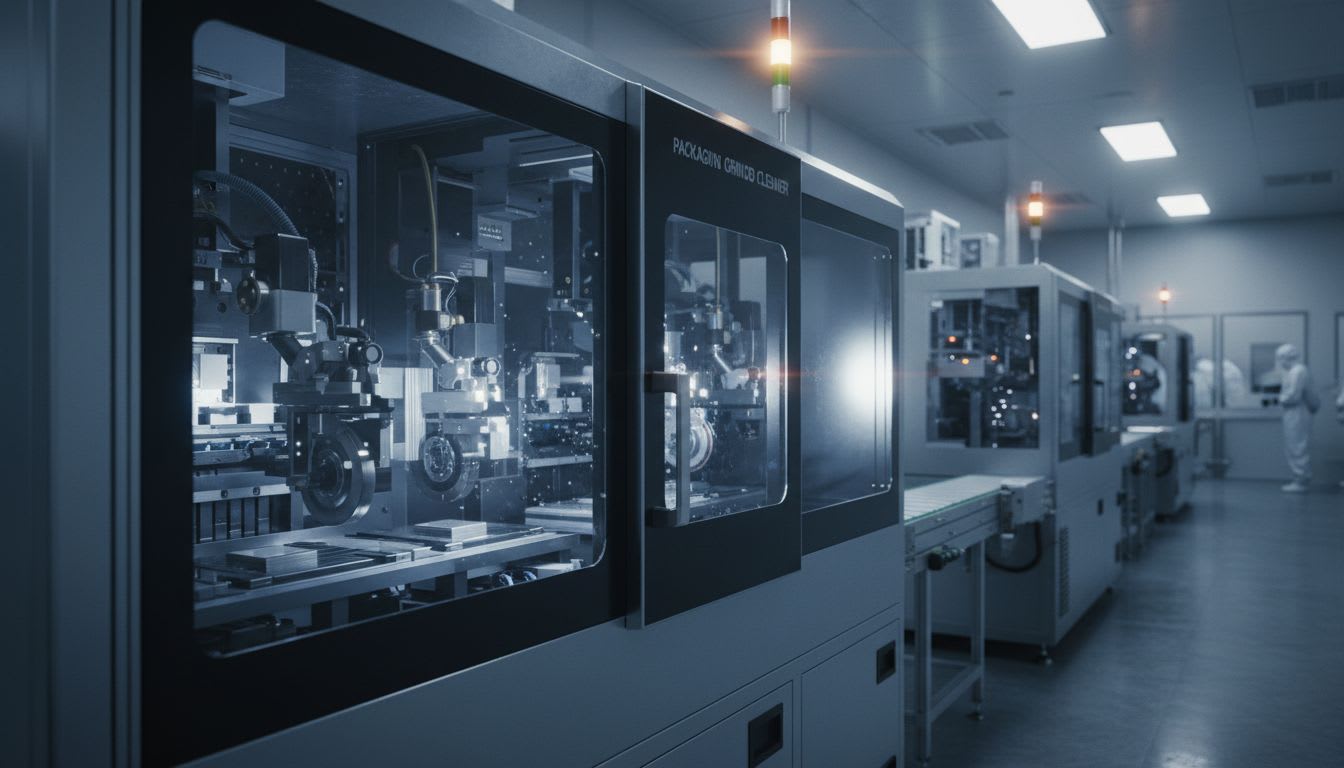
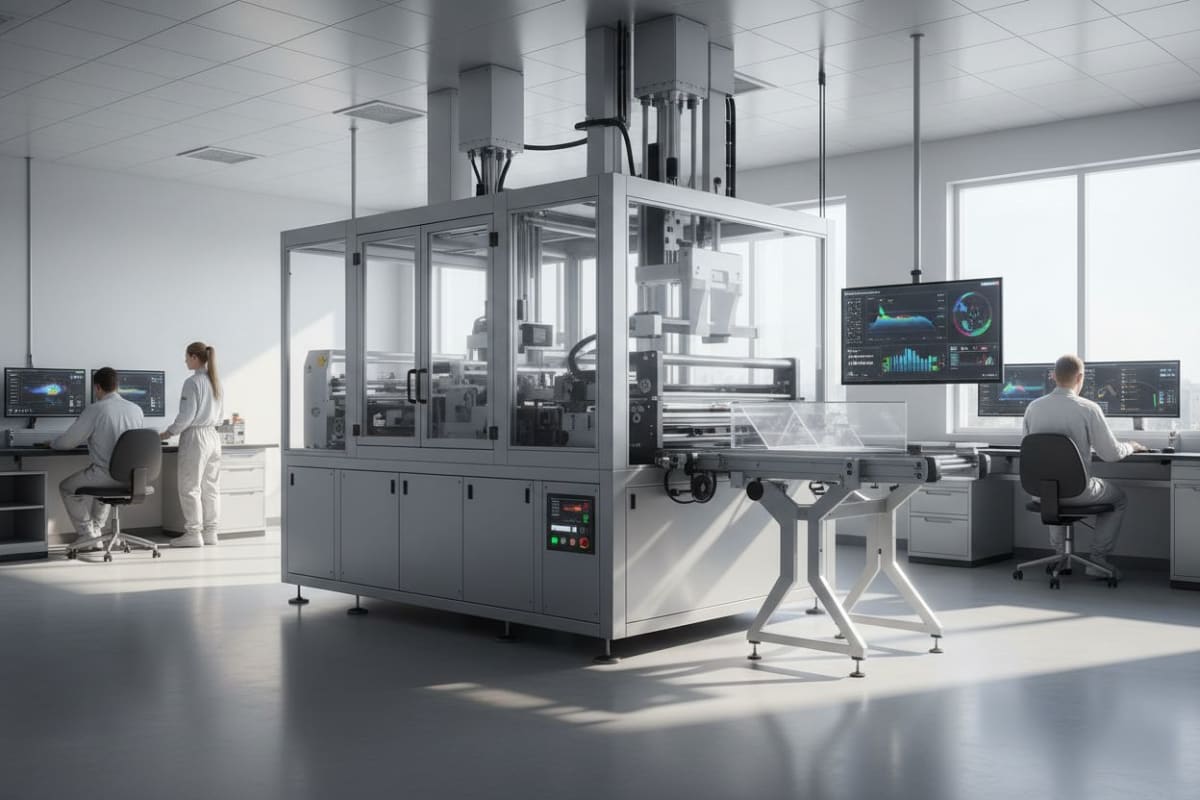
    Building a semiconductor line is a sophisticated and complex journey that not only involves equipment installation but also reshapes the landscape of future technology. Achieving optimal efficiency and quality amidst numerous processes is never easy, and it’s often unclear where to start. This is where Huvics’ unparalleled technology and field expertise, accumulated over decades, come into play. Huvics thoroughly analyzes the intricate semiconductor production environment and recommends the most essential ‘Top 3 Essential Equipment’ for a successful line setup. These three pieces of equipment are responsible for maximizing each process’s efficiency and innovatively enhancing the quality of the final product.

    • Improving quality through ultra-precision grinding, which forms the foundation of semiconductor manufacturing
    • Maximizing productivity through optimization that enhances overall process efficiency
    • Performing perfect cleaning to ensure the final product’s quality

    By adopting Huvics’ solutions, you can minimize unnecessary trial and error, save time and costs, and establish a successful semiconductor line with sustainable productivity.

    Key Equipment for Ultra-Precision Processing, Process Efficiency, and Quality Reliability

    Let’s delve into how Huvics’ key equipment maximizes ultra-precision processing, process efficiency, and quality reliability in semiconductor lines.

    Characteristics of Key Equipment

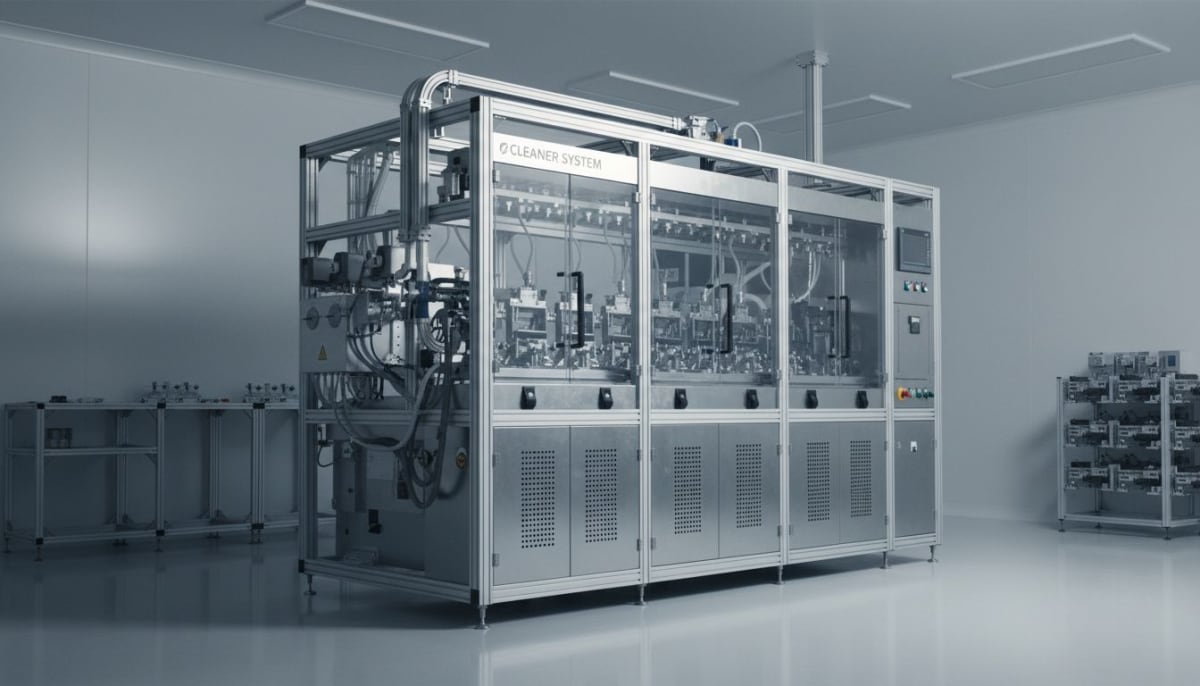
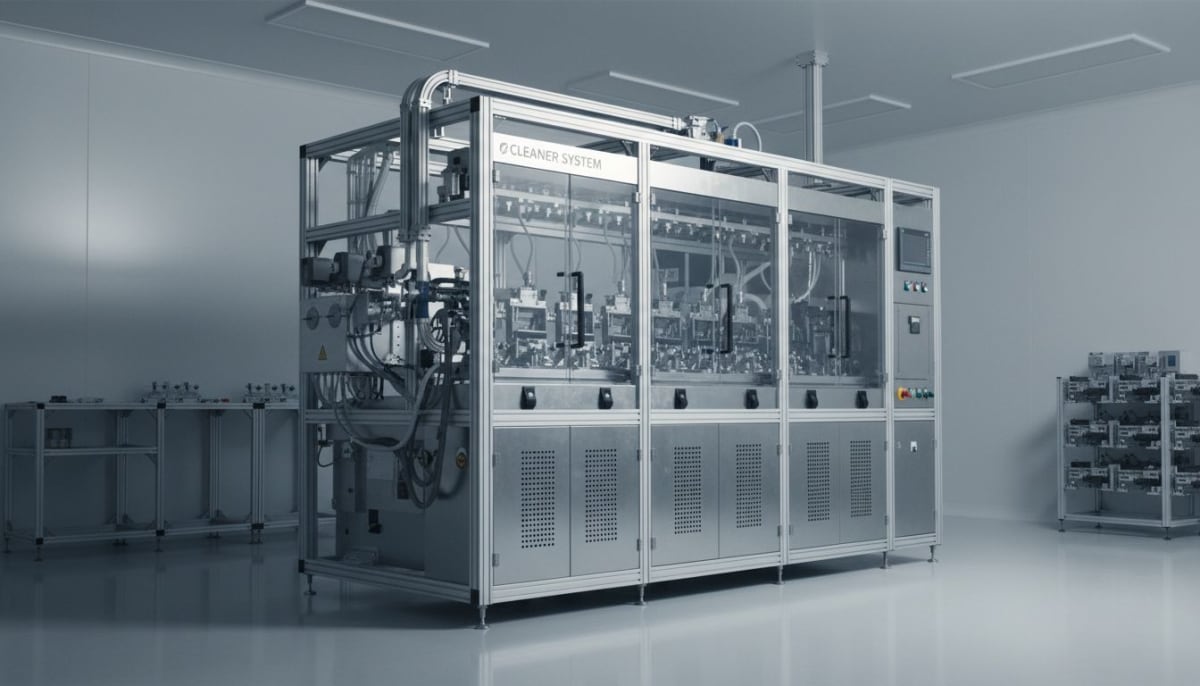
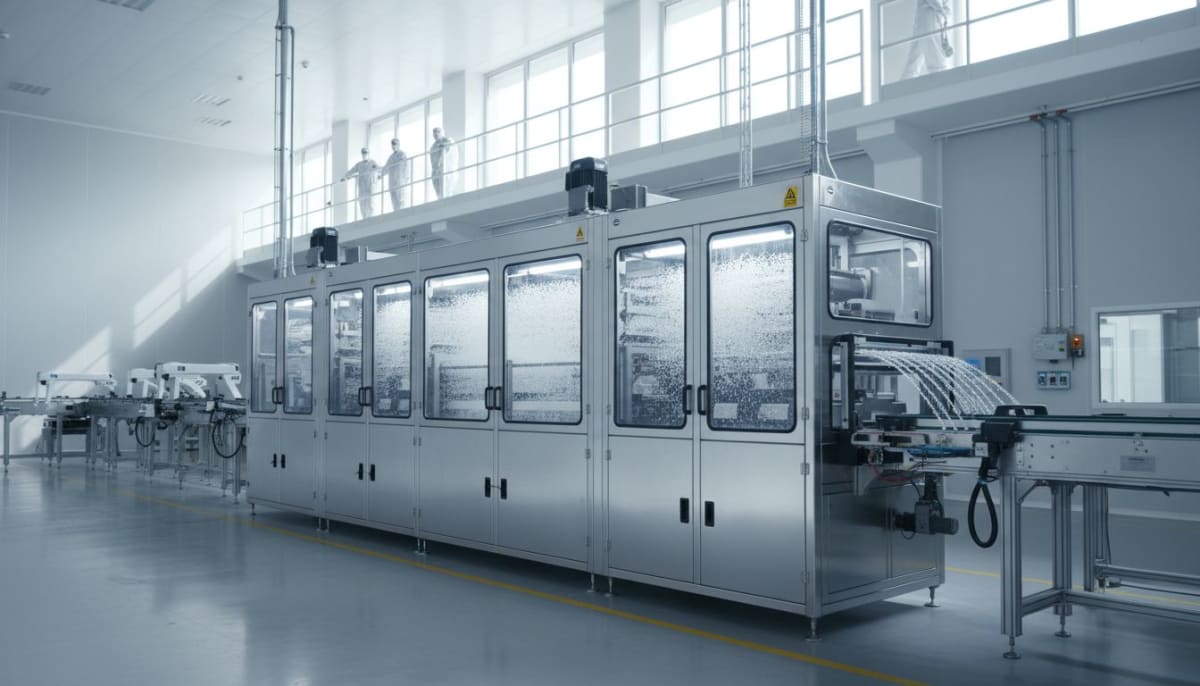
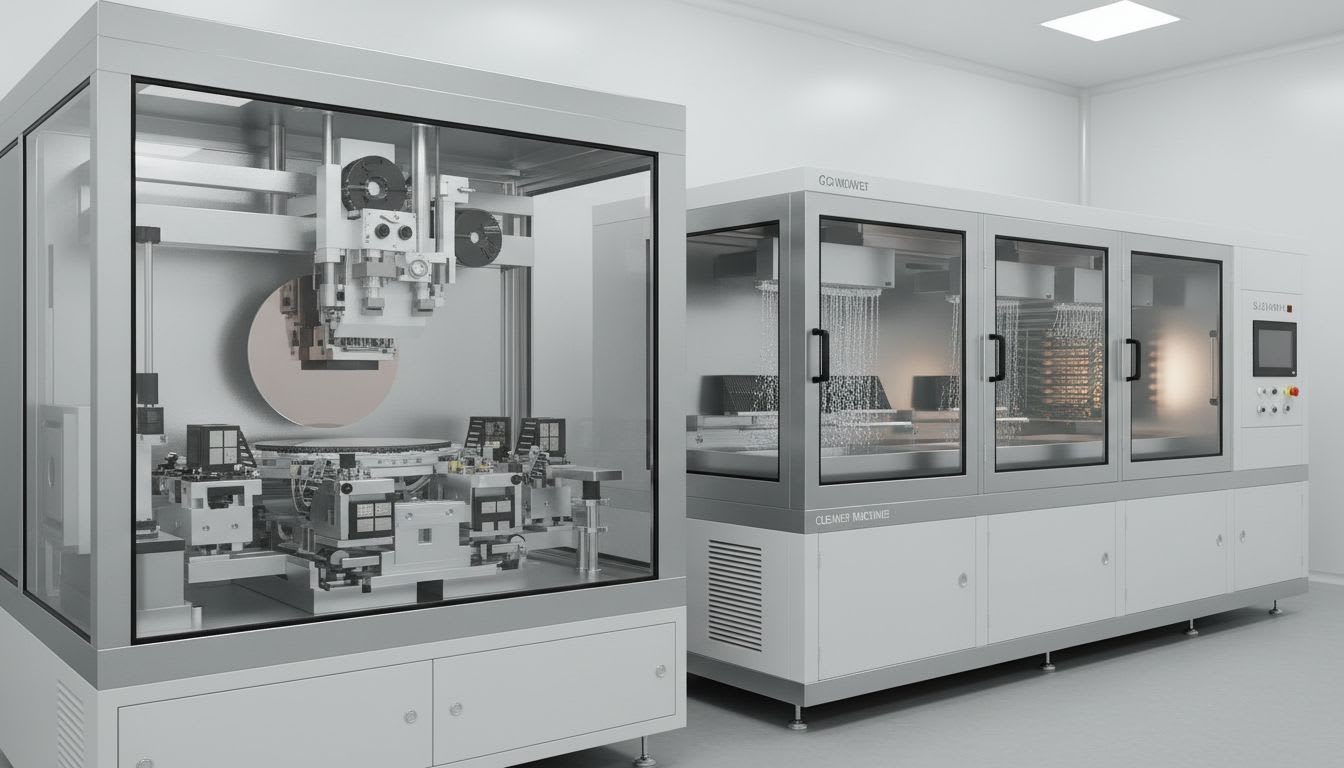
    1. As the ‘crystal of high-performance cleaning technology’, the cleaner system reduces defect rates and stabilizes quality by perfectly removing fine contaminants through multi-stage cleaning technology.
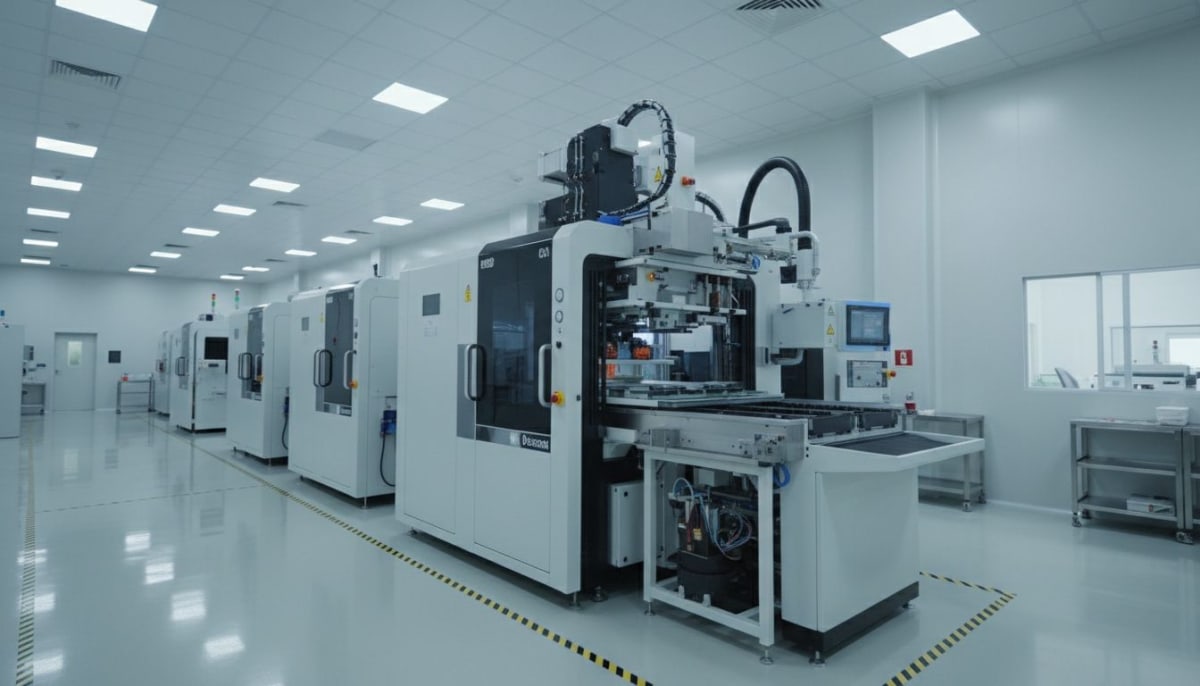
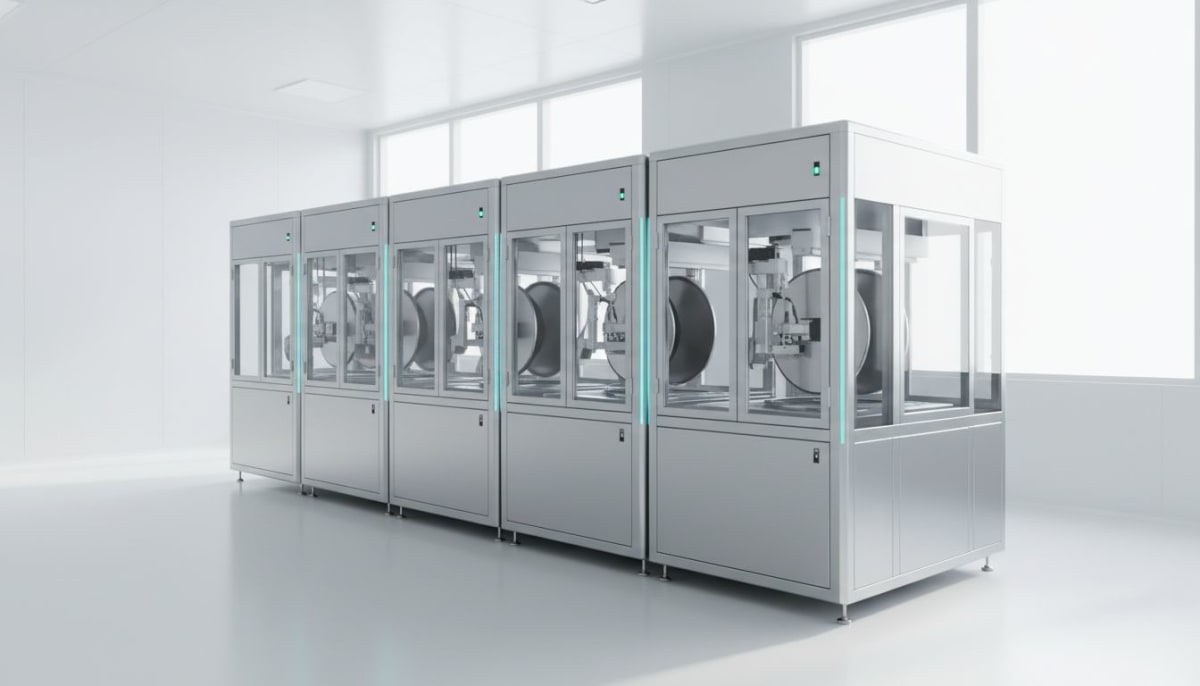
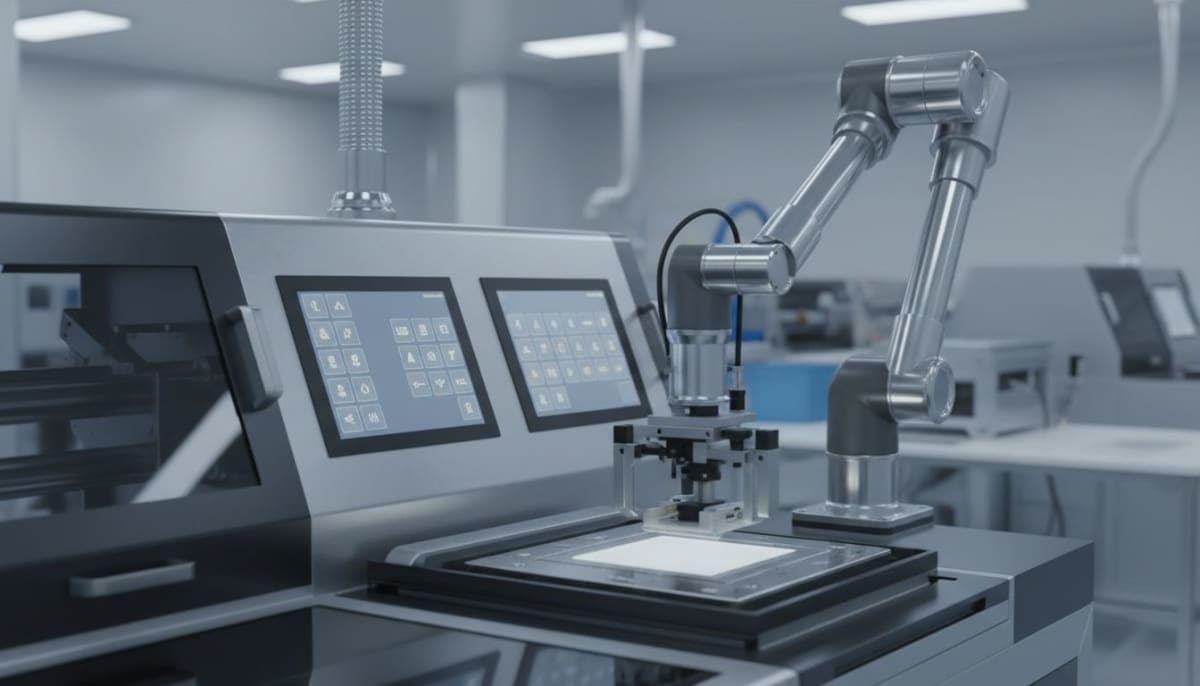
    2. The ‘laminator system realizing process optimization’ integrates multiple key processes to simplify production stages, shortening takt time and maximizing production efficiency.
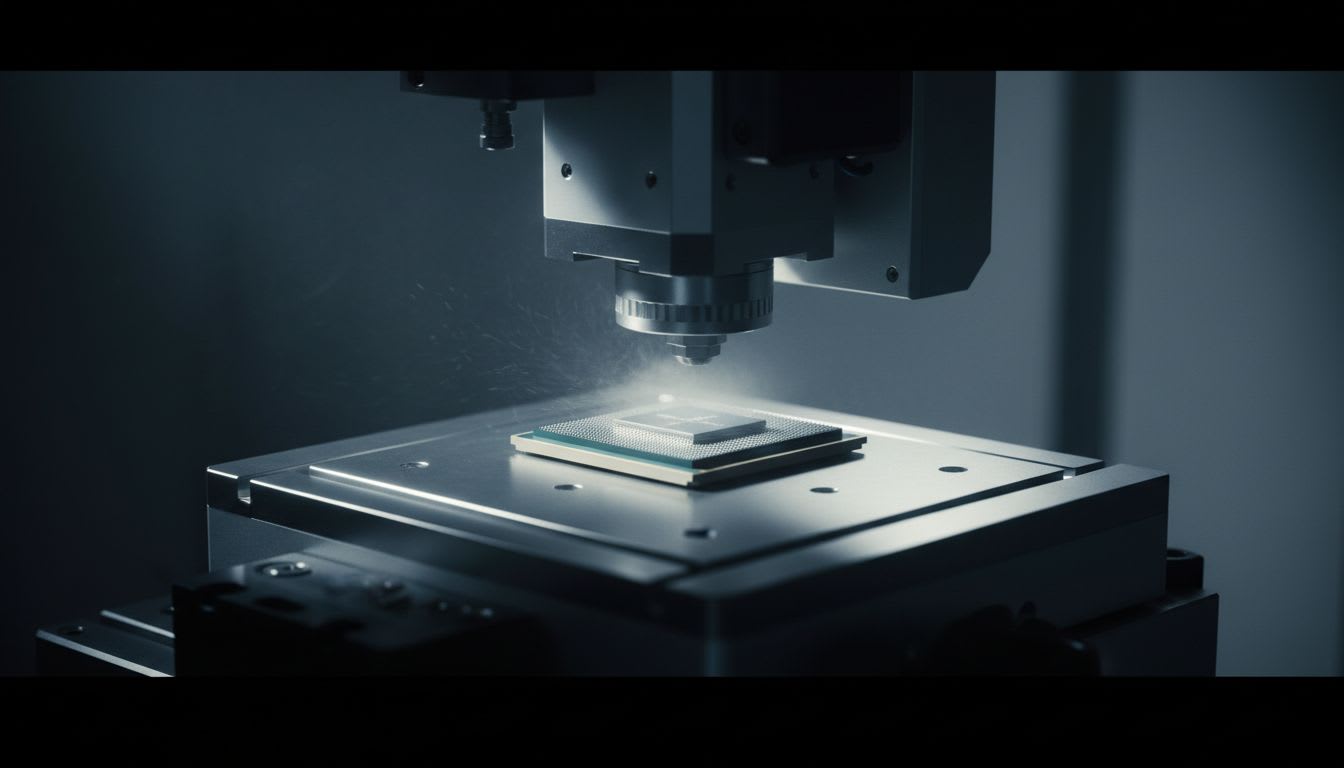
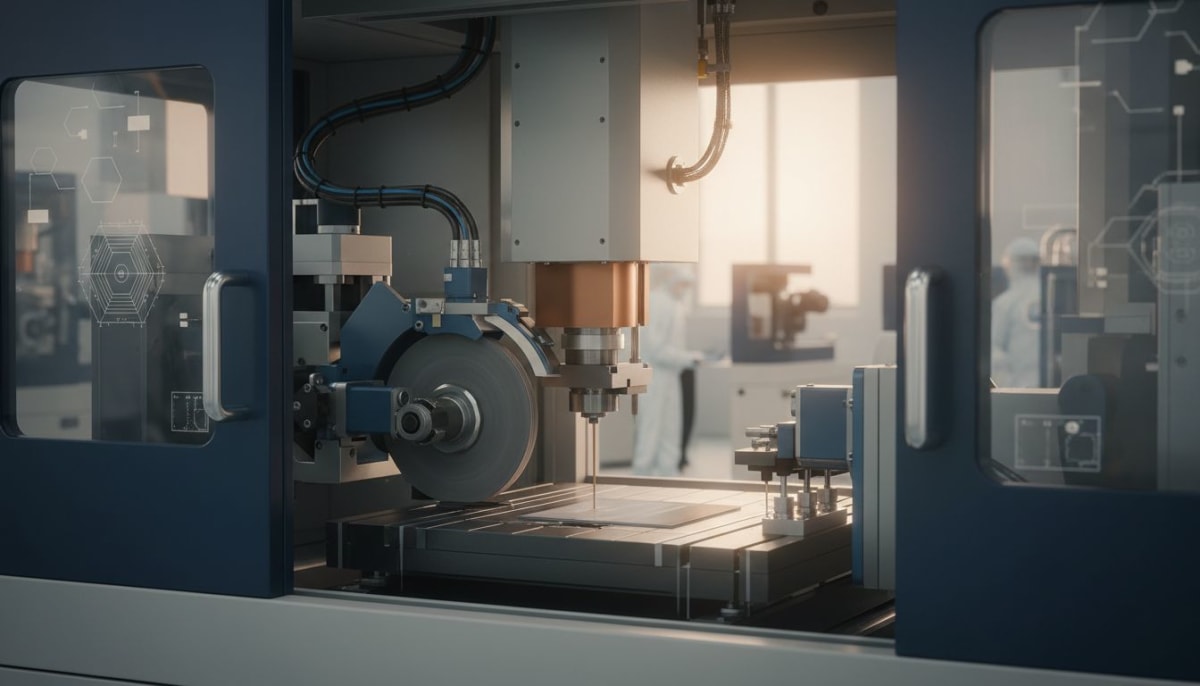
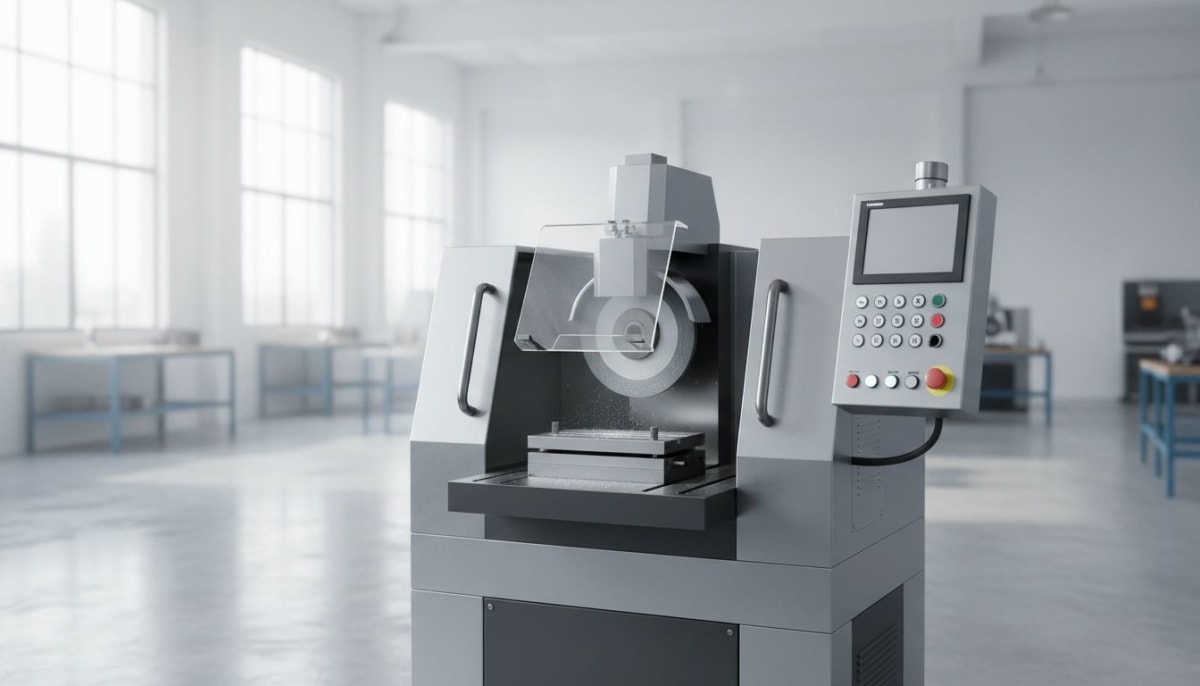
    3. The ‘grinder system based on ultra-precision grinding technology’ ensures high yield by achieving uniform thickness in various semiconductor packages through micron-level precise processing.

    Huvics not only ensures that each piece of equipment performs exceptionally on its own, but also provides an optimized integrated solution for customers’ semiconductor lines by synergistically connecting them.

    Crystal of High-Performance Cleaning Technology, Cleaner System

    In semiconductor production processes, ‘cleanliness’ is a core value directly impacting product performance, extending beyond mere hygiene. Just as in a sterile surgical room, even a single fine contamination particle on a semiconductor wafer surface can result in costly defects. Huvics addresses these stringent requirements with its ‘crystal of high-performance cleaning technology’, the cleaner system.

    Multi-Stage Cleaning Technology and Application Range

    This system employs a sophisticated strategy to remove micron-level fine particles.

    1. It gently separates contaminants from unseen crevices using microbubble technology.
    2. It effectively washes away residual contaminants with a powerful water jet.
    3. It completely eliminates water residue after cleaning with an air knife.
      Providing customized solutions optimal for delicate and precise products like camera modules, sensors, VCM motors, and large trays, this system optimizes cleaning for various product characteristics.

    Perfect Drying and Total Solution

    Additionally, drying is as important as cleaning. Retained moisture can lead to recontamination or negatively impact performance. Huvics’ cleaner system incorporates an oven dry function to ensure perfect drying after cleaning, further enhancing the final product’s quality stability. Huvics aims to transcend merely providing equipment, solving all contamination-related issues arising in customers’ production lines, achieving the highest yield and quality with a true ‘total cleaning solution’.

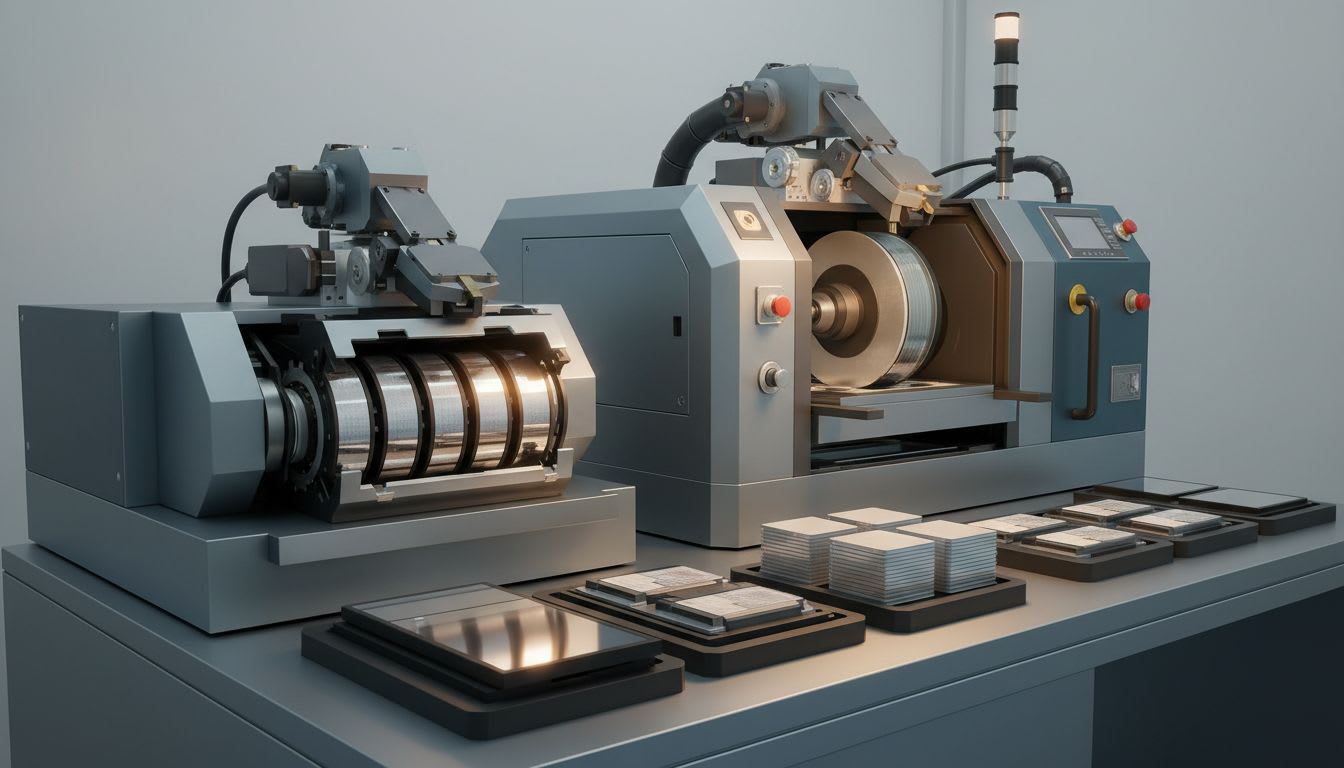
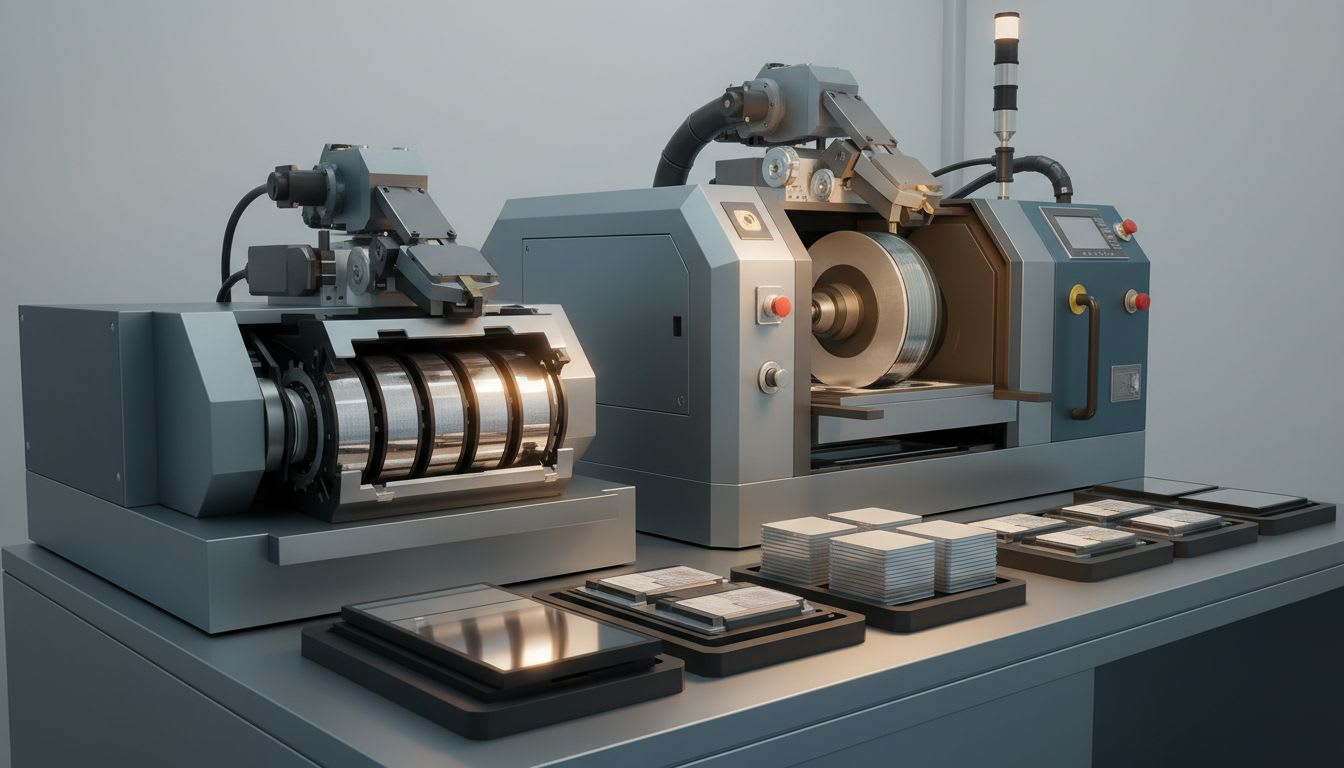
    Process Optimization Laminator and Ultra-Precision Grinding Grinder

    Following the creation of a clean environment, let’s examine how Huvics’ key equipment innovatively enhances process efficiency.

    1. The laminator system integrates multiple processes, simplifying production stages and shortening takt time to maximize productivity.
    2. The grinder system ensures high yield by achieving uniform processing of various semiconductor packages with micron-level precision grinding.

    Huvics not only sells state-of-the-art equipment but also prioritizes custom equipment design and ongoing technical support tailored to customers’ production line characteristics, making the dream of building a successful semiconductor line a reality. With Huvics, all these values—ultra-precision processing, process efficiency, and quality reliability—can be perfectly realized.

    The core of a semiconductor production line ultimately relies on precision, efficiency, and unwavering quality. Huvics’ proposed cleaner, laminator, and grinder systems perfectly embody these three core values, driving top performance even amid complex processes. Each piece of equipment synergistically maximizes yield, reduces production costs, and lays the foundation for flexible adaptation to the ever-evolving semiconductor industry’s demands. With Huvics, you can build a robust semiconductor line for sustainable growth, going beyond mere equipment installation.


    Huvics is a cutting-edge technology company that develops and manufactures automation equipment and production systems across semiconductor, LED, mobile, and cosmetic industries.
    With top-notch personnel and continuous technological innovation, we support our customers in enhancing productivity and securing quality competitiveness.

    Inquiries for Huvics

    Phone: 031-374-8285
    Email: cdpark@huvics.com

    Huvics Inquiry

  • Reduction in Defect Rates! 3-Step Optimization for Semiconductor Processes in SMEs – Huvics Cleaner System Roadmap

    Reduction in Defect Rates! 3-Step Optimization for Semiconductor Processes in SMEs – Huvics Cleaner System Roadmap

    Are you ignoring micro defects in your semiconductor process with the assumption they’ll be ‘fine’? If left unaddressed because they aren’t easily visible, they could return as a tsunami of yield declines and increased production costs. Today’s small losses could accumulate, undermining your company’s competitiveness and potentially even threatening its survival. Huvics’s Cleaner System is here to prevent these risks and assist SMEs in achieving top-tier quality.

    Semiconductor process optimization is no longer the exclusive domain of large corporations. SMEs can also strengthen their competitiveness through innovation and achieve sustainable growth. However, often they find it overwhelming to take the first step. Huvics alleviates such concerns and empowers SMEs to surpass technological barriers and achieve superior quality by presenting a clear 3-step roadmap. By following this roadmap, you can address the pain of reduced productivity and quality issues and open new possibilities.

    Step 1: Diagnosis and Goal Setting

    The first step presented by Huvics is ‘Diagnosis and Goal Setting’. Just like drawing up a detailed blueprint before constructing a building, it’s crucial to precisely diagnose the current state of your process and set clear goals for the future. You must define which process stages cause inefficiencies, what quality issues exist, and what productivity goals you aim to achieve with concrete data. Such thorough diagnosis and goal setting help minimize trial and error during the optimization process and enable concentration of all resources and efforts in the most efficient direction. Huvics comprehends the common challenges SMEs face and provides customized diagnostic guides tailored to real-world situations, helping to establish a robust foundation for successful optimization.

    Step 2: Introduction of Customized Solutions

    Once you’ve identified the current process issues and set clear goals through diagnosis, it’s time to introduce a ‘customized solution’ to achieve those goals. Instead of indiscriminately introducing the latest expensive equipment, ‘selection and focus’ to find the most suitable solution considering the company’s budget, production scale, and existing infrastructure is essential. Especially in semiconductor processes, cleaning is more than just removing contaminants; it’s a core process directly linked to the final yield of the product. Extremely precise and perfect cleaning technology is vital, as a contaminant smaller than a strand of hair could cause defects in the entire expensive semiconductor chip.

    Technology of the Huvics Cleaner System

    Huvics developed a high-performance Cleaner System that reflects the needs of SMEs and challenging requirements. This system combines multiple cleaning technologies like Micro Bubble, Water Jet, and Air Knife in a sophisticated manner to perfectly remove ultra-fine contaminants from product surfaces. It is optimized for cleaning various semiconductor and advanced electronic components like camera modules, sensors, VCM motors, and trays, providing outstanding versatility even for SMEs engaged in small lot production. Going further, it features an Oven Dry function to prevent the formation of water stains or secondary contamination post-cleaning, ensuring the stability of final product quality. Huvics Cleaner System offers the following flexible options to meet the needs of every SME:

    Flexible System Options

    • Fully automated full auto model: Suitable for companies striving for process automation
    • Sensible manual option: Suitable for companies preferring flexible maintenance

    Implementation Effects and Partnership

    Huvics goes beyond supplying equipment to accompany customers as a true partner, diagnosing the customer’s situation precisely, deliberating the optimal solution together, and taking responsibility for stable operation and maintenance following implementation. Consequently, the introduction of the Huvics Cleaner System leads to tangible results like improved contaminant removal efficiency, reduced defect rates, and enhanced stability of the final product’s quality. This tailored approach culminates in small changes contributing ultimately to a large fruition of increased productivity and quality enhancement.

    Step 3: Continuous Improvement and Management

    Semiconductor process optimization is not a one-time project. Like a well-tended garden needing continuous care, even an optimized process requires ongoing management and improvement to maintain its effects and further develop. Especially considering the rapidly changing nature of the semiconductor industry, ‘continuous improvement and management’ is essential, not optional.

    Process Monitoring and Technical Support

    This step requires a proactive approach to accurately monitor process data, promptly identify small changes or abnormalities, and respond quickly as needed. Although the Huvics Cleaner System enhances particle removal efficiency and reduces defect rates, new types of contaminants may emerge, or equipment performance may slightly decline over time. In such cases, Huvics goes beyond mere equipment provision to maintain optimal process conditions through continuous communication and technical support with customers, and proposes the introduction of innovative new technologies to further elevate process efficiency. As a gardener weeds and plants new seeds, Huvics continually seeks technical updates and optimization plans, acting as a steadfast partner for enhancing customers’ productivity and quality. Through this close collaboration, SMEs can adeptly navigate the fluctuating market environment and acquire strong competitiveness to achieve continuous growth.

    We hope semiconductor process optimization no longer feels like an indefinite burden for SMEs. Instead of leaving the pain of declining productivity and quality issues unaddressed, now is the time to open new possibilities through Huvics’s systematic 3-step roadmap. With Huvics’s precise Cleaner System, not only can you achieve reduced defect rates and improved quality, but you can also secure unwavering competitiveness amid the rapidly changing semiconductor market and achieve sustainable growth.


    Huvics is a high-tech company that develops and manufactures automation equipment and production systems across the semiconductor, LED, mobile, and cosmetics industries.
    We support the enhancement of our customers’ productivity and competitive quality through the best personnel and continuous technological innovation.

    Contact Huvics Corporation

    Phone: 031-374-8285
    Email: cdpark@huvics.com
    Huvics Inquiry

  • Precision Measurement of Grinder, Are You Managing It Properly with These 3 Key Points?

    Precision Measurement of Grinder, Are You Managing It Properly with These 3 Key Points?

    Recently, I vividly recall the face of a customer in charge, who was anxious due to accuracy issues with their semiconductor Grinder equipment. Their urgent question was, “How can we properly measure and manage the precision of this equipment?” At Huvics, we offered 3 key checkpoint suggestions based on our accumulated expertise. As a result, the customer was able to significantly reduce defect rates and greatly enhance production efficiency. Does the Grinder equipment still seem daunting to you? Let Huvics clearly highlight the essentials of precision measurement.

    In cutting-edge industries, particularly in semiconductors and electronic components, the precision of Grinder equipment is directly linked to a company’s core competitiveness. In a microscale environment, even a 1-micron error can lead to fatal defects, making precision crucial for avoiding productivity decline and increased costs while maintaining market trust. Understanding these industry demands, Huvics supports customers in achieving consistent quality and stable productivity through micron-level precision processing capabilities. So, how should the ‘true’ accuracy of Grinder equipment be measured and verified? Huvics offers clear practical checkpoints.

    Confirming Precision of Key Components

    Importance of Key Components

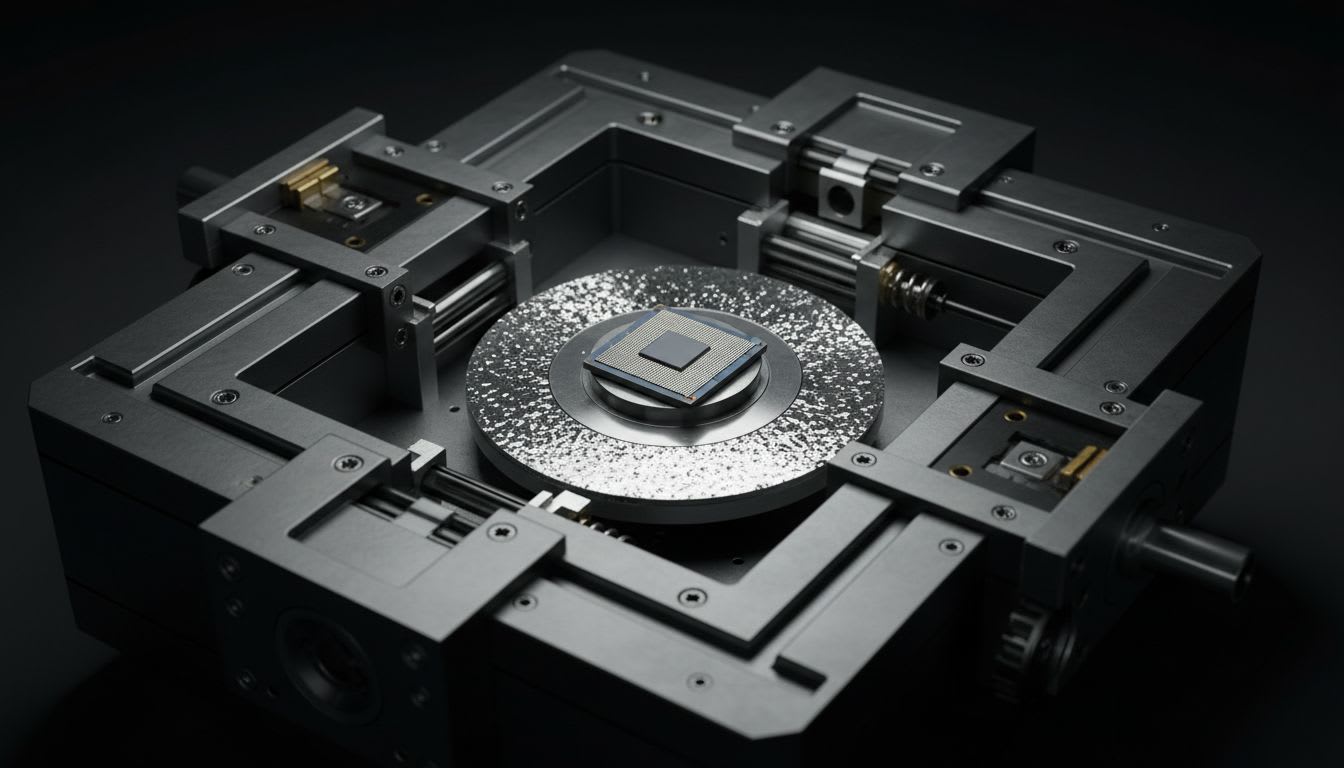
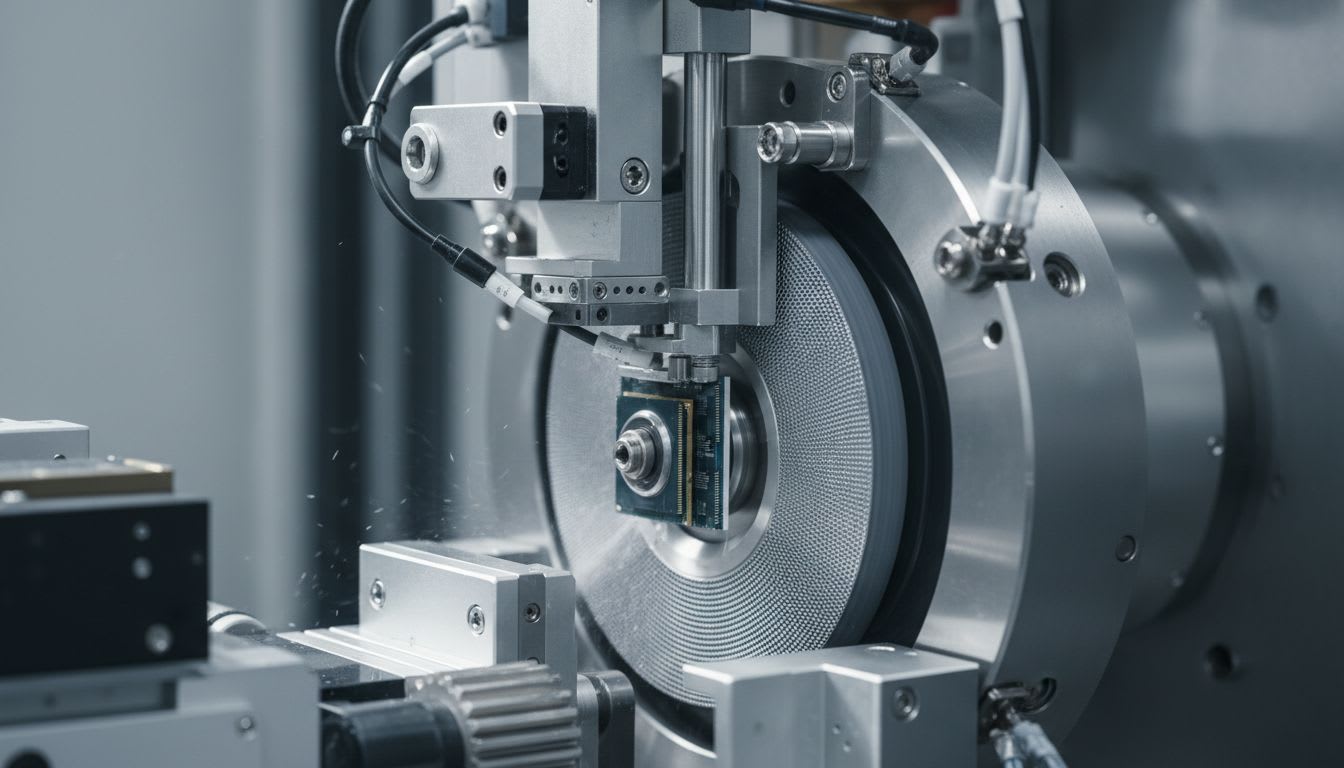
    The first key in measuring the precision of Grinder equipment is to meticulously check the precision of the key components known as the heart of the equipment, which are the stage and wheel. The stage moves and controls the processing target to precise positions, and the diamond wheel is the core tool that actually grinds the product. Without optimal performance from these two components, achieving the desired precision is impossible, regardless of the sophistication of the control system.

    Huvics’ Ultra-Precision Verification

    For instance, during semiconductor package processing, slight vibrations of the stage or uneven wear of the wheel inevitably lead to processing defects. To fundamentally resolve these issues, Huvics delicately verifies the precision of stage movements in all Grinder systems using laser measurement equipment. Additionally, the surface roughness and roundness of diamond wheels are measured strictly using optical microscopes and high-performance surface roughness testers. This thorough verification process enables micron-level uniform and precise processing demanded by customers across various packages such as FCBGA, WLCSP, QFN/DFN, and Solar Cells. Precision of key components is a crucial first step that determines the quality and yield of the final product.

    Thickness Uniformity and Surface Roughness Analysis of Processed Samples

    Importance of Sample Analysis

    The second key checkpoint is to thoroughly analyze the thickness uniformity and surface roughness of samples actually processed using Grinder equipment. While the performance metrics of the equipment itself are important, the precision of the final output it produces is ultimately what matters. Even the most advanced equipment is pointless if the actual processing results do not meet expectations.

    Data-Based Precision Measurement

    For example, if a semiconductor wafer lacks uniformity in thickness or surface is rough during grinding, it can cause serious defects in subsequent processes, lowering the yield of the entire production line. To eliminate such uncertainties, Huvics precisely measures samples processed by Grinder equipment to provide objective analysis based on data. By measuring the thickness at multiple points of a sample to assess uniformity and examining whether the surface roughness meets target levels using cutting-edge profilometers, critical data is obtained. This directly reflects grinding performance, helping customers preemptively recognize potential equipment issues and maintain optimal processing conditions. Beyond merely supplying equipment, Huvics builds trust by optimizing the customer’s entire production process through quantitative data, ultimately ensuring successful production of final products with Total Solution.

    Monitoring Vibration and Noise of Equipment

    Necessity of Vibration and Noise Monitoring

    The third method to maintain and optimize the precision of Grinder equipment over the long term is to consistently monitor the vibration and noise levels occurring during equipment operation. Have you ever felt that the equipment sounds louder than usual in the production site or sensed slight vibrations? Such minor changes are often early signs indicating problems with the precision of Grinder equipment.

    Detection and Analysis of Abnormal Signals

    Excessive vibration or abnormal noise of equipment arises from various causes such as component wear, imbalance, and bearing issues, and they become a major factor leading to increased defect rates by deteriorating processing precision. To prevent such problems upfront, Huvics actively recommends continuous monitoring using vibration measurement sensors and noise meters. Vibration measurement sensors detect the equipment’s subtle movements in real time, converting them into data, while noise meters meticulously track any unusual noise patterns.

    Preventative Maintenance and Productivity Improvement

    Regular analysis of the collected data allows early detection of potential equipment issues, enabling prompt maintenance before leading to serious failures. Huvics aims not just to sell equipment but to support customers in maintaining the equipment’s optimal performance for an extended period, thereby maximizing production efficiency and product quality. By listening to every minor change in vibration and noise, Huvics stands by you in securing the precision of your equipment.

    Ultimately, the true precision of Grinder equipment is not limited to a singular measurement or particular component’s performance. From the perfection of key components to the meticulous uniformity of actual processing results, and the stability of long-term operations, it is the integration of all these elements that ensures the best quality and productivity. Understanding and proactively managing the significant impact a 1-micron difference can make in a microscale processing environment determines a company’s core competitiveness. Huvics will become a solid partner for your successful business from this integrated perspective.


    Huvics is a high-tech company developing and manufacturing automation equipment and production systems across the semiconductor, LED, mobile, and cosmetic industries.
    With the best workforce and continuous technological innovation, we support customers in improving productivity and securing quality competitiveness.

    Contact Huvics Co., Ltd.

    Phone: 031-374-8285
    Email: cdpark@huvics.com
    Contact Huvics

  • Laminator vs Tape Mounting: Choosing the Right Automation Process for Our Company

    Laminator vs Tape Mounting: Choosing the Right Automation Process for Our Company

    The semiconductor and advanced electronic components industries have advanced at a remarkable pace. In the past, production methods relied on skilled workers, but now it is unimaginable without automation systems. Especially when you need to achieve both production efficiency and quality, process automation has become a necessity rather than an option. In this flow, laminators and tape mounting play a crucial role in the production line, and their importance is becoming more prominent.

    Optimal Process Choosing for Lean Production

    For companies dreaming of ‘lean production’ in the semiconductor and advanced electronic components production, making the optimal choice between laminators and tape mounting processes is crucial. Although these two processes seem to both contribute to production efficiency on the surface, their actual application, methods, and results can lead to significantly different outcomes. Beyond mere efficiency, they have a profound impact on the final product quality and the flexibility of the production line, making the selection of the right process a significant strategic decision for companies. Huvics offers clear answers to these dilemmas by providing customized integrated solutions based on precision processing technology. Continuously developing innovative technologies for productivity and yield improvement, Huvics focuses on understanding the strengths of laminator systems and tape mounting systems, helping clients make the best choice for their needs. Understanding the distinct advantages of these two processes and carefully selecting the one that fits our company’s needs is key.

    Advantages of Integrated Automation Processes in Laminator Systems

    Benefits of Integrated Automation

    Integrating the three key processes of Laminator, Tape Mounting, and UV Curing into one system is essential for securing competitiveness in modern semiconductor and advanced electronic components production. Just as a well-tuned orchestra creates a perfect harmony under one conductor, Huvics’ laminator system maximizes production flow by organically connecting Lamination, Tape Mounting, and UV Curing processes. It not only brings equipment together in one place but also eliminates unnecessary transfer and waiting times between processes, revolutionarily reducing the overall ‘Tact Time.’ Particularly, a one-stop automation process that starts with Expander and ends with UV Curing minimizes worker involvement, reducing the potential for human error and dramatically enhancing process stability and precision.

    Optimization for Mass Production

    Of course, semi-automatic or manual options may be considered for initial investment costs or specific small-batch production demands. However, in the environment of advanced industries where mass production and ongoing quality maintenance are crucial, the powerful advantages provided by such integrated automation systems cannot be overlooked. Huvics not only provides equipment but also proposes solutions optimized to the client’s production scale and characteristics, assisting in turning the time and cost savings achieved through automation into investments for quality improvement and future innovation.

    Tape Mounting: Flexibility, Economy, and Considerations

    So, is choosing tape mounting always inferior to laminator systems? Absolutely not.

    Flexibility and Economy

    Tape mounting has the appealing strengths of simplicity and flexibility, making it a more rational choice in environments of small-batch or diverse small-batch production of specific products. By using manual or semi-automatic equipment, the burden of initial investment costs can be greatly reduced, and the production line can be configured and altered much more flexibly. For example, in the new product development stage where various prototypes are tested or special products with irregular market demand are produced, the adaptability of tape mounting can shine.

    Considerations for Mass Production

    However, underlying this flexibility are also some drawbacks compared to the laminator system. In mass production environments, speed reductions and potential quality deviations due to workers’ proficiency are non-negligible. When continuous and intricate tasks are required, manual processes may struggle to guarantee consistent quality as much as automated systems.

    Consultation on Optimal Solutions

    Therefore, Huvics provides tailored consulting by closely analyzing the client’s production environment and goals, clearly comparing and analyzing the pros and cons of tape mounting and laminator systems to present the optimal solution. Beyond just equipment specifications, Huvics supports clients to collectively consider and decide on the most appropriate way for their business model and production strategy.

    Guide to Choosing the Optimal Automation Process for Your Company

    In conclusion, choosing between laminator and tape mounting for automation methods is a strategic decision that varies depending on the company’s current situation and future vision. The key differences between these two methods are clearly evident in terms of automation level, production speed, and initial investment costs. Beyond simply introducing equipment, selecting the ‘optimal tailored process’ that best fits our company’s production scale and product characteristics is the path to securing market competitiveness.

    Features and Suitable Environments for Each Process

    The main features of each method and their suitable environments are as follows.

    • Laminator systems maximize efficiency in mass production and high-precision environments.
    • Tape mounting methods are economical when small production and flexible approaches are needed.

    An integrated Lamination process that combines core processes such as Lamination, Tape Mounting, and UV Curing into a One-Stop system guarantees exceptional Tact Time reduction and productivity improvement. On the other hand, the advantage of being able to flexibly configure production lines as needed while saving on initial investment costs can be attractive to startups or specialty component production companies.

    Tailored Solutions from Huvics

    It is important to note that no method can be deemed ‘unconditionally better’ than another. Huvics provides optimal tailored equipment design and technical support by meticulously analyzing not only clients’ needs but also production scale, product characteristics, budget, and long-term goals. This results in productivity and yield improvements, firmly supporting clients’ successful businesses with Huvics’ unique differentiated value.

    As the advanced electronic components production environment continuously evolves, choosing between laminator and tape mounting has become a strategic decision beyond mere equipment introduction. Understanding the unique strengths and weaknesses of each method and finding the ‘optimal tailored process’ that aligns with our company’s production scale, product characteristics, and long-term goals is the key to success. Huvics will be a reliable partner in carefully analyzing client needs amidst these complex dilemmas and finding the most intelligent solutions that directly correlate with productivity and yield improvements. Ultimately, the right choice is the critical first step in securing future competitiveness and achieving sustainable growth.


    Huvics is a high-tech company that develops and manufactures automation equipment and production systems across the semiconductor, LED, Mobile, and Cosmetic industries.
    With the best workforce and continuous technological innovation, we support enhancing clients’ productivity and securing quality competitiveness.

    Contact Huvics Co., Ltd.

    Phone: 031-374-8285
    Email: cdpark@huvics.com
    Huvics Inquiry

  • Why Semiconductor Grinder Process Quality Data is Important and How to Interpret It

    Why Semiconductor Grinder Process Quality Data is Important and How to Interpret It

    \n

    \"\"

    \n

    After the grinder process, a vast amount of quality data is often only arranged in Excel sheets or some key indicators are superficially checked. However, such superficial approaches can easily miss out on subtle process anomalies hidden in the data, distancing us from solving fundamental quality problems. It is now time for a new approach that can deeply analyze data and connect to process optimization, like Huvics’ laminator system.

    \n

    Key Aspects of Grinder Process Data Analysis: Uniformity and Surface Roughness

    \n

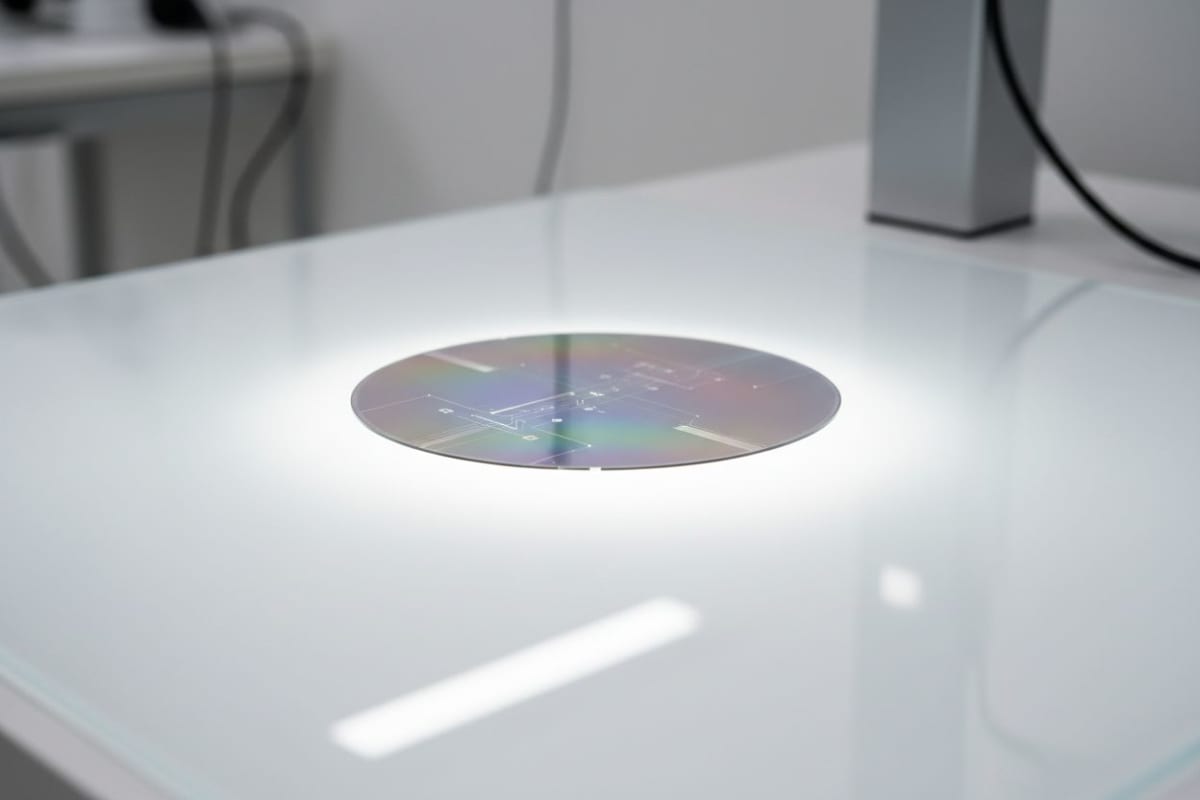
    In the semiconductor industry, the grinder process is a critical step in precisely grinding wafers or packages to determine the final product thickness and surface quality. Effectively interpreting and utilizing the vast quality data that emerges from this sensitive process is both a challenge and a crucial key to securing competitiveness for many companies. Moving beyond mere numbers, a systematic approach is essential to grasp the hidden meanings within the data and pursue both process optimization and quality improvement. Huvics’ laminator system offers a decisive solution to overcome data interpretation hurdles and maximize productivity. Particularly, the core of grinder process data analysis can be summarized as follows:

    \n

      \n

    • Ensuring uniformity of grinding: It is crucial to meticulously check that consistent thickness is maintained across the entire wafer.
    • \n

    • Managing surface roughness: It is essential to maintain a smooth surface free from fine scratches or defects.
    • \n

    \n

    Measures to Ensure Grinding Uniformity

    \n

    Huvics’ laminator system supports precise attachment of wafers or packages through high-precision bonding processes and sophisticated UV curing technologies, which directly link to the exceptional grinding uniformity of the grinder process. Such precise attachment fundamentally prevents any minor positional errors that might occur during grinding, laying the essential foundation for maintaining consistent thickness across the entire wafer. Consequently, it minimizes performance variations in the final product and ensures stable quality.

    \n

    Solving Surface Roughness Issues

    \n

    Moreover, the surface roughness after grinding is an important indicator directly connected to product quality. Minute scratches or unexpected defects can adversely affect subsequent processes and critically impact the final product’s performance. Through ultra-precision grinding technology, Huvics fundamentally solves these surface roughness issues. The Diamond Wheel applied to our grinder system enables micron-level precision processing, smoothing the wafer surface like silk and drastically reducing defect rates. Adjusting various process variables such as grinding speed, pressure, and wheel type delicately, based on collected data, is vital to find optimal conditions. With customized equipment designs reflecting specific customer needs and offering differentiated technology for productivity and yield improvement, Huvics actively assists customers in effectively utilizing data to optimize processes and ultimately maximize product quality.

    \n

    \"\"

    \n

    Enhancing Quality through Deep Data Analysis and Equipment Understanding

    \n

    Each stage of semiconductor manufacturing has its importance, but the grinder process plays a decisive role in processing wafers to the precise thickness required by the final products. Any minute error that occurs during this stage can immediately lead to product quality degradation and increased defect rates. Thus, deeply interpreting the quality data obtained after the process becomes a critical process that can determine the fate of a product, going beyond merely examining numbers. This data contains various information, such as wafer thickness uniformity, surface smoothness, and fine chip damage status, and properly analyzing it opens the path to elevating product quality a notch higher and significantly reducing defect rates.

    \n

    Understanding Equipment Operation Principles and Processes

    \n

    However, blindly examining vast amounts of data doesn’t guarantee the desired answers. To correctly interpret the meaning within the data, a deep understanding of the following is necessary:

    \n

      \n

    • You must clearly understand the operation principles of the grinder equipment.
    • \n

    • Recognize the effect each process setting has on wafer quality.
    • \n

    \n

    Just as the best chefs precisely understand how subtle changes in recipe ingredients and cooking processes affect the final taste, semiconductor engineers too must thoroughly understand equipment operating principles to interpret data correctly and identify practical improvements. To strengthen such complex data analysis capabilities, Huvics provides optimal solutions tailored to each customer’s production environment and goals. Particularly, Huvics’ grinder systems, based on ultra-precision grinding technology, achieve high yield through micron-level precise processing and robust technical support, helping customers diagnose and solve process problems using data. Huvics not only provides equipment but also actively fosters continuous partnerships, contributing to the advancement of the semiconductor industry by enabling customers to achieve better quality and productivity through data.

    \n

    Core Perspectives in Quality Data Interpretation: Wafer Uniformity and Chip Quality

    \n

    Interpreting quality data after the semiconductor grinder process may initially seem complex and specialized. However, this data holds key insights for elevating semiconductor product quality and maximizing production efficiency. Especially for customers using high-precision equipment like Huvics’ laminator system, enhancing data interpretation capabilities can lead to true technological competitiveness. Quality data interpretation can be approached from two main important perspectives:

    \n

      \n

    1. Assessing the uniformity of the entire wafer: Analyze thickness variation to find improvements in grinding conditions and equipment precision.
    2. \n

    3. Conducting detailed quality evaluation of individual chips: Detect chip cracks, scratches, and particle contamination with precision.
    4. \n

    \n

    Importance of Wafer Uniformity Evaluation

    \n

    For instance, if thickness variation consistently occurs in a specific area, it may indicate the need for specific equipment component wear or fine adjustments of process parameters. Just as a skilled artisan meticulously locates every fine crack on a ceramic surface to create a perfect piece, finding hidden defects on a wafer through data provides crucial clues for achieving perfect products. The important point here is to set clear measurement standards and permissible ranges for each item. Just as accurate recipes and measurement standards are needed to create perfect flavors, unwavering standards are essential for precise quality management.

    \n

    Huvics Solutions for Yield Improvement

    \n

    Huvics aims to assist customers in ultimately achieving the goal of ‘yield improvement’ by analyzing quality data after the semiconductor grinder process. Utilizing precision processing technology alongside years of accumulated data analysis experience, Huvics provides customer-specific solutions, maximizing production efficiency and quality reliability. Huvics continues to prove its value as a solid technical partner for successful production, striving ceaselessly beyond merely being an equipment supplier.

    \n\n

    Enhancing the Grinder Process through Statistical Analysis and Machine Learning

    \n

    The semiconductor grinder process is a critical step in precisely grinding wafers to the required thickness, and the quality data collected during this process plays an extremely important role in assessing process stability and efficiency. However, simply listing or visually checking the massive amount of data has limitations in obtaining meaningful information. To effectively interpret this abundant data and improve the process, it is essential to employ statistical analysis techniques. Statistical analysis reveals hidden patterns and trends within the data, providing decisive assistance in early detection of abnormal process changes and scientifically identifying problem causes.

    \n

    Utilizing Statistical Analysis Techniques

    \n

    Statistical analysis provides process improvement assistance by the following methods:

    \n

      \n

    • Calculate process capability indices (Cp, Cpk) to quantitatively evaluate product specification compliance.
    • \n

    • Utilize control charts to detect and respond to process abnormalities in real time.
    • \n

    \n

    Role of Huvics Laminator System

    \n

    Huvics’ laminator system provides an optimal environment for such data analysis. Particularly, our laminator system supports an One-Stop Lamination Process from Expander to Lamination, Tape Mounting, and UV Curing, designed to maximally enhance the overall process efficiency by integratively analyzing the data collected at each stage. Such integrated data is useful in understanding the interactions between process stages and plays a decisive role in finding optimized conditions.

    \n

    Predicting Processes Based on Machine Learning

    \n

    Additionally, with recent advancements, machine learning algorithms have evolved to analyze the complex correlations between various process variables such as quality data, grinding speed, and pressure, building models that predict future quality. These machine learning models significantly contribute to early detection of subtle patterns and anomalies that are difficult to identify visually, allowing for proactive prediction and prevention of potential defect occurrences. As a result, process engineers can make more scientific and data-driven decisions, enhancing production efficiency further.

    \n

    Real Benefits of Huvics Solutions

    \n

    Reflecting these advanced technology trends, Huvics provides custom equipment designs that meet customer needs and equipped various technologies for productivity and yield enhancement to the laminator systems. Continuously improving process conditions based on the statistical or predictive analysis results is key, and Huvics aims to assist customers in successfully achieving such advanced improvements. Through Huvics’ laminator system, customers can experience the following practical benefits:

    \n

      \n

    • Secure the stability of the grinder process, strengthening the production base.
    • \n

    • Minimize defect rates to substantially increase overall production efficiency.
    • \n

    • Enhance the quality of final products to the highest level, boosting competitiveness.
    • \n

    \n

    By providing integrated solutions based on ultra-precision processing technology, Huvics steadfastly supports customers’ sustainable success, maximizing process efficiency and quality reliability.

    \n

    Beyond merely listing numbers, deeply interpreting quality data after the semiconductor grinder process is a crucial step that can determine the life and death of a product. Huvics’ laminator system and ultra-precision grinding technology assist in finding a clear answer to process optimization and quality improvement within such complex data. Achieving near-perfect wafer uniformity and surface quality, drastically reducing defect rates, and ultimately securing top-level productivity and product competitiveness, the path lies in continuous innovation through data and Huvics’ solid technological partnerships.

    \n


    \n

    Huvics is a high-tech company developing and manufacturing automation equipment and production systems across the semiconductor, LED, Mobile, and Cosmetic industries. With top-tier talent and continuous technological innovation, we assist in enhancing customers’ productivity and securing quality competitiveness.

    \n

    Contact Huvics Co., Ltd.

    \n

    Phone: 031-374-8285
    Email: cdpark@huvics.com
    \n

    \"Contact

    \n

  • UV Curing Heat Dispersion: Why Is It Important? From Perfect Settings to Quality Verification in 3 Steps

    UV Curing Heat Dispersion: Why Is It Important? From Perfect Settings to Quality Verification in 3 Steps

    Experts unanimously warn, “An unoptimized UV Curing process is the main culprit of wasted time and cost.” This underscores the importance of heat management in the UV Curing process and implies that a successful heat dispersion strategy directly correlates to efficient production. Huvics, based on this perspective, aims to provide the optimal solution to guide customers successfully from the initial stage of heat dispersion setting to the final quality assurance in the UV Curing process.

    UV curing is an innovative technology that uses the intense energy of ultraviolet light to cure materials quickly, but there is an inescapable challenge of ‘heat’ lurking behind the scenes. Excessive heat created during this process can lead to severe issues, such as irreversible damage to precious products or uneven curing, which severely compromises final quality. For instance, in highly precise semiconductor packages or advanced electronic components that require high performance, even minute temperature changes can cause catastrophic deformations. Just as a masterpiece ceramic can warp with a sudden temperature change in the kiln, heat management in the UV curing process is a critical element that can determine the product’s fate. The heat generated when UV lamps or LEDs operate inside laminator systems not only creates light but also has a direct impact on nearby sensitive parts and materials. Hence, Huvics deeply understands the significance of heat dispersion more than anyone else and presents the following 3-step guide to help customers successfully optimize heat dispersion and secure final quality in the UV Curing process.

    Initial Setup: Optimal Position and Distance Adjustment

    It is crucial to carefully adjust the optimal position of UV lamps or LEDs and the distance between products to ensure that heat is evenly distributed across the entire area. It is much like ensuring even temperature settings in an oven when baking. If the heat source is concentrated in one area, specific parts may over-cure or get damaged, making precise settings from the starting stage pivotal to the process’s success. Huvics’ laminator systems highlight the importance of this initial setup by strengthening adhesive forces and increasing process stability through specialized lamp/LED UV Curing technology. Precise equipment arrangement extends beyond just the ‘start’ to determine the foundation for the entire process’s quality and efficiency.

    Applying Effective Heat Dispersion Strategies

    Discover solutions through two key strategies to not only dissipate heat but to maximize system-wide efficiency.

    1. Wisely choose and apply thermally conductive materials to maximize heat diffusion
    2. Optimize airflow within the laminator system to alleviate hotspots

    Through these sophisticated heat dispersion strategies, Huvics’ laminator systems move beyond simple attachment processes, maximizing production efficiency and ensuring process stability by utilizing UV curing technology to help customers achieve the best results in any production environment actively.

    Verifying Heat Dispersion Effect and Continuous Improvement

    If you have optimized the heat dispersion settings in the UV Curing process from the earlier stages, you now need to meticulously verify its effectiveness and continue to make improvements. This verification stage is a critical link in determining the final product’s quality and lifespan, and any negligence might result in severe issues like product performance degradation.

    1. Use thermal imaging cameras to measure and analyze temperature distribution for early diagnosis of quality issues
    2. Evaluate the adhesive strength and uniformity of cured products to confirm heat dispersion effects
    3. Continuously enhance the heat dispersion system based on measurement results and quality data

    Huvics provides an integrated solution that maximizes precision machining, process efficiency, and quality reliability, helping customers continuously set optimal UV Curing conditions and dramatically reduce product defect rates to assure final quality through accumulated data and analytical capabilities.

    Core Summary

    As experts have previously emphasized, heat management in the UV Curing process is a key factor that determines the final product’s quality and lifespan. From precise initial settings to optimized heat dispersion strategies and thorough verification, the 3-step process goes beyond simple process optimization. Through this process, risks associated with heat are minimized, adhesive strength and curing uniformity are maximized, thus enhancing the inherent reliability of the product.

    Closing Message

    Through the laminator systems, Huvics will always be with you to achieve these goals and furthermore, secure excellent production efficiency and outstanding final product quality reliably.


    Huvics is a high-tech company that develops and manufactures automation equipment and production systems across the semiconductor, LED, Mobile, and Cosmetic industries.
    With the best workforce and relentless technological innovation, we support enhancing productivity and securing quality competitiveness for our customers.

    Contact Huvics Co., Ltd.

    Phone: 031-374-8285
    Email: cdpark@huvics.com
    Contact Huvics

  • Successful Semiconductor Equipment Implementation: Are You Following the 3-Stage Roadmap?

    Successful Semiconductor Equipment Implementation: Are You Following the 3-Stage Roadmap?

    According to a report by the Korea Semiconductor Industry Association in 2023, semiconductor equipment investment increased by 15% compared to the previous year. This shows the proactive efforts of companies for productivity improvement and technological innovation. However, the implementation of semiconductor equipment is a complex and challenging process that can feel daunting without a systematic approach. Huvics aims to be your trusted navigator on this complex journey.

    Successful Semiconductor Equipment Implementation with a 3-Stage Roadmap

    Introducing new equipment into the vast semiconductor industry is like being the captain of a ship navigating uncharted seas. Knowing where to head, which routes are safe and fast, and which equipment will be the compass that navigates the rough waves is important. Huvics offers a clear and systematic 3-stage roadmap for semiconductor equipment implementation. This roadmap goes beyond simple equipment selection, providing an integrated solution journey to maximize ultra-precision machining, process efficiency, and quality reliability. Our 3-stage approach simplifies the implementation process and ultimately leads to increased productivity. It’s a process of creating optimal solutions together so that customers can achieve the best results and lead the innovation of the semiconductor industry.

    Stage 1: Setting Production Goals and Understanding Process Characteristics

    Goal Setting and Process Understanding

    The first step in semiconductor equipment implementation starts with clear goal setting and process understanding. Questions like “What products will we make?”, “How much will we produce?”, and “What process will this product undergo?” are the criteria for equipment selection. For example, let’s assume a small-to-medium-sized semiconductor packaging company recently aimed for high-density, high-performance memory module production.

    Tailored Analysis Case by Huvics

    This company realized that it was difficult to meet the required yield and quality with their existing processes and considered new equipment implementation. However, they faced significant challenges in identifying which equipment among countless laminators, expanders, and cleaner systems was most suitable for their production goals and process characteristics. At this point, Huvics offered not just a list of equipment but undertook an in-depth analysis of the company’s production goals, expected production volumes, and their current and future process roadmaps.

    As a result, we identified that high-precision film attachment and stable UV curing were key, and proposed that Huvics’ laminator system was the optimal choice for securing both production efficiency and quality stability. Additionally, by emphasizing the importance of removing contaminants during the process, we helped achieve both a reduction in defect rates and an improvement in final quality by incorporating a multi-stage cleaning technology-based cleaner system. Huvics focuses on understanding the essence of the process from the customer’s perspective and finding the most suitable equipment combination.

    Stage 2: Comparing & Analyzing Ideal Equipment Options

    Choice Crossroads for Equipment Options

    In Stage 2, we face the crossroads of concrete equipment selection. What is the best-suited laminator among many options for our company? For instance, even among laminator systems, a careful review is required to determine which option is more advantageous from a long-term perspective between Semi Auto and Manual options and between Lamp and LED types for UV Curing systems. A semiconductor post-processing company aimed to increase production volume while reducing quality variations depending on worker skill levels.

    Data-Driven Optimization Analysis

    Initially, they considered Manual equipment for cost efficiency. Still, through in-depth consultations with Huvics, they concluded that the Semi Auto equipment would provide much greater benefits in terms of long-term productivity and labor cost savings, considering the expected production volume and automation goals. Also, regarding the UV Curing method, based on comprehensive consideration of adhesive strength requirements, energy efficiency, and lamp replacement cycles of the existing process, they received specific data indicating that a certain wavelength-optimized LED UV Curing system would improve quality and maintenance convenience. Huvics goes beyond simply listing product specifications and presents how each option would impact the customer’s actual production line and contribute to productivity and quality improvement with clear data and real-life application cases. This is a distinct approach by Huvics to help clients make the most rational decisions for their success while not losing their way in confusing options.

    Stage 3: Seamless Integration & Optimization of the Production Line

    Importance and Challenges of Equipment Integration

    Completing the selection and purchase of equipment is not the end of the process. Many companies face challenges recovering initial investment costs due to improper integration into production lines or unexpected issues even after introducing expensive semiconductor equipment. A start-up semiconductor module manufacturer faced a situation where their initial yield fell short of expectations due to interface issues with existing process lines and lack of worker proficiency, despite introducing an advanced laminator system. The equipment’s performance was excellent, but there was a lack of consideration on ‘how’ to integrate it into the existing environment and ‘fully’ utilize it.

    Integration & Optimization Support by Huvics

    At this time, Huvics went beyond simply supplying equipment to analyze the company’s production goals and line characteristics, initiating the establishment of an optimal equipment integration strategy. Huvics experts were stationed on-site to support customized firmware updates for interfacing with existing systems and provided systematic on-site training programs for workers to fully master the equipment. Furthermore, Huvics offered ongoing technical support and proactive maintenance strategies after the equipment introduction to prevent potential issues. When unforeseen errors occurred, they quickly resolved the problem through swift remote diagnosis and on-site visits, minimizing production downtime. In this way, Huvics provides a total solution that takes responsibility for the entire process of equipment introduction and stable operation thereafter, continuously partnering with clients to help them establish a stable production environment through new equipment and achieve their ultimate business success.

    Semiconductor equipment implementation, now, envision a clear picture instead of feeling overwhelmed. By following Huvics’s 3-stage roadmap and thoroughly reviewing the ‘Why’ to ‘How’ of equipment implementation, your production line is already prepared for innovation. As a single component can determine the performance of the entire system, accurate equipment implementation is a crucial factor that determines a company’s competitiveness. As your trusted partner, Huvics will continue to find optimal solutions and create innovation together with you.

    Huvics is a high-tech company that develops and manufactures automation equipment and production systems across the semiconductor, LED, Mobile, and Cosmetic industries.
    By employing top talent and continuous technological innovation, we support our clients in enhancing productivity and securing quality competitiveness.

    Contact Huvics Inc.

    Phone: 031-374-8285
    Email: cdpark@huvics.com
    Huvics Inquiry