Tag: UVCuring

  • UV Curing Heat Dispersion: Why Is It Important? From Perfect Settings to Quality Verification in 3 Steps

    UV Curing Heat Dispersion: Why Is It Important? From Perfect Settings to Quality Verification in 3 Steps

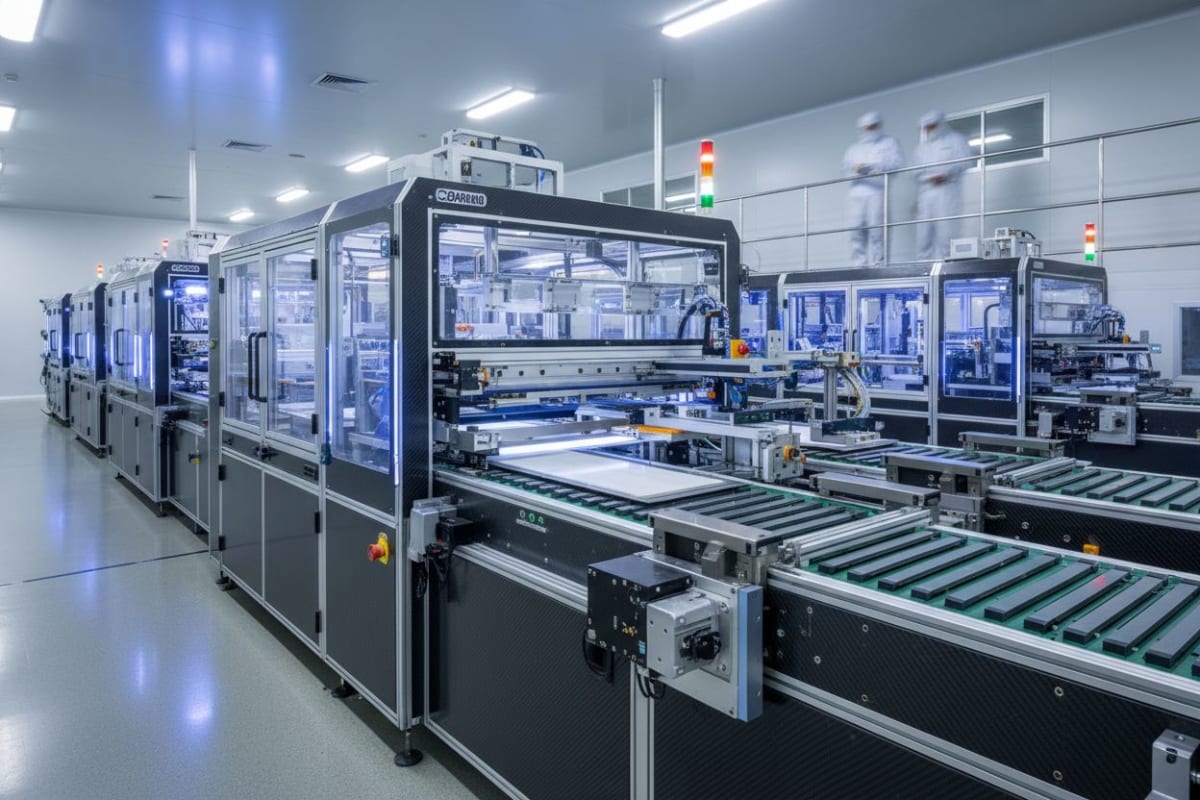
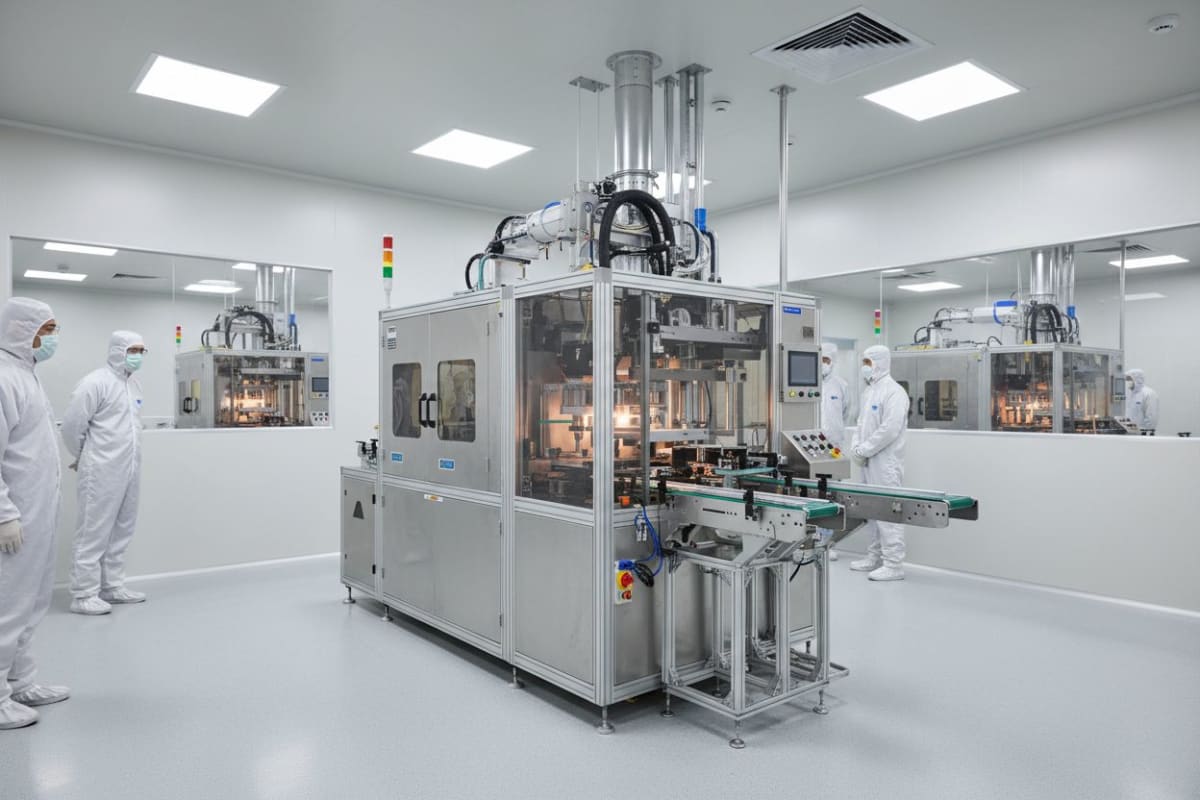
    Experts unanimously warn, “An unoptimized UV Curing process is the main culprit of wasted time and cost.” This underscores the importance of heat management in the UV Curing process and implies that a successful heat dispersion strategy directly correlates to efficient production. Huvics, based on this perspective, aims to provide the optimal solution to guide customers successfully from the initial stage of heat dispersion setting to the final quality assurance in the UV Curing process.

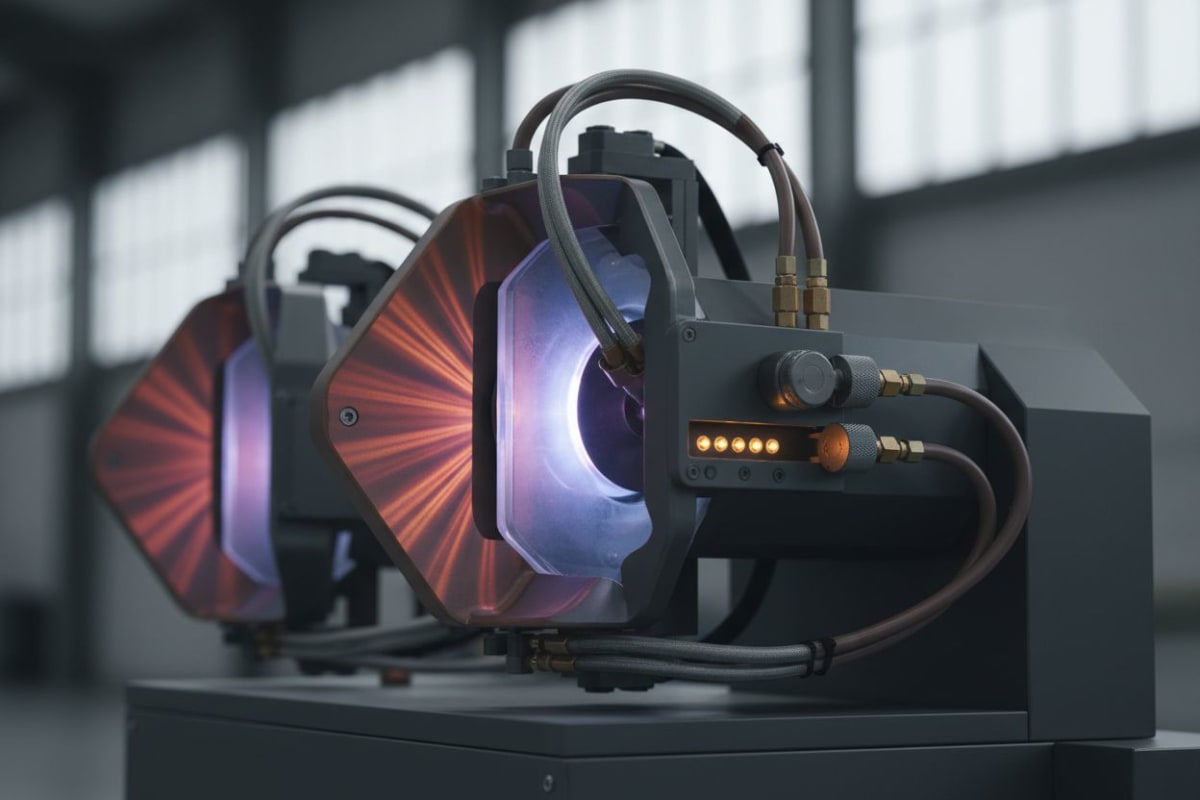
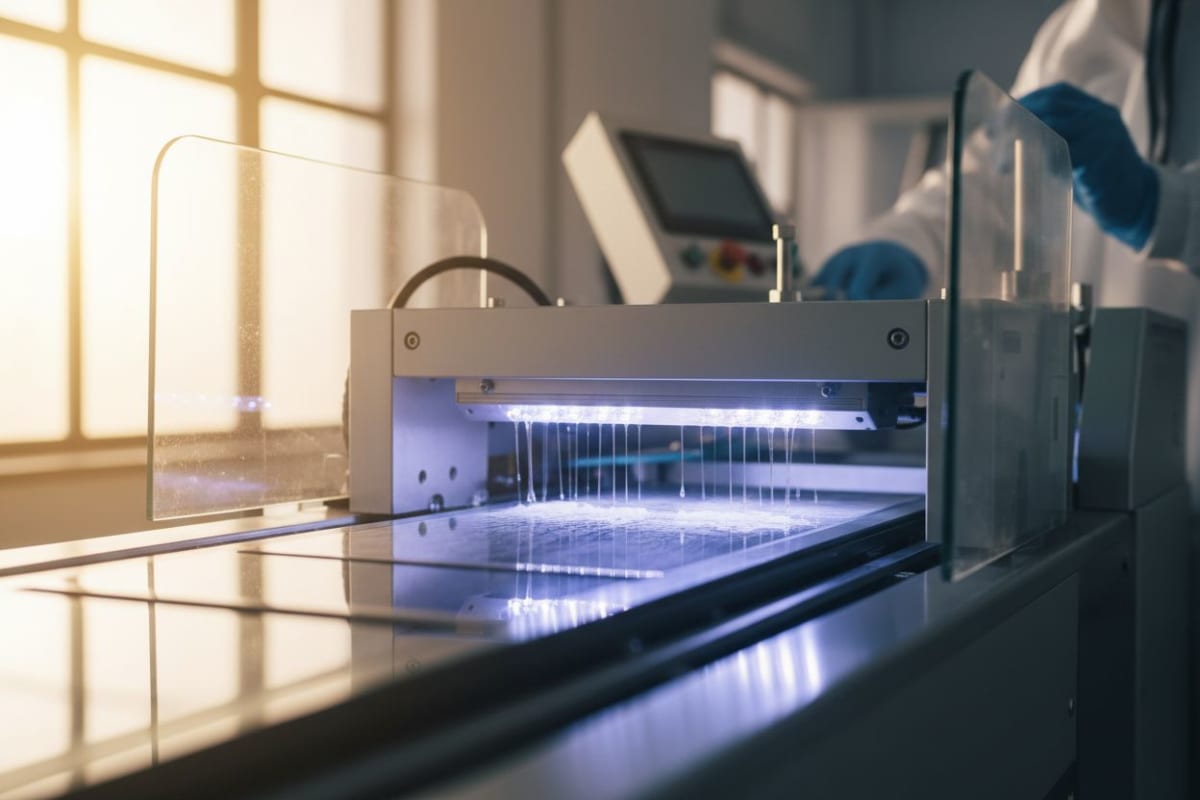
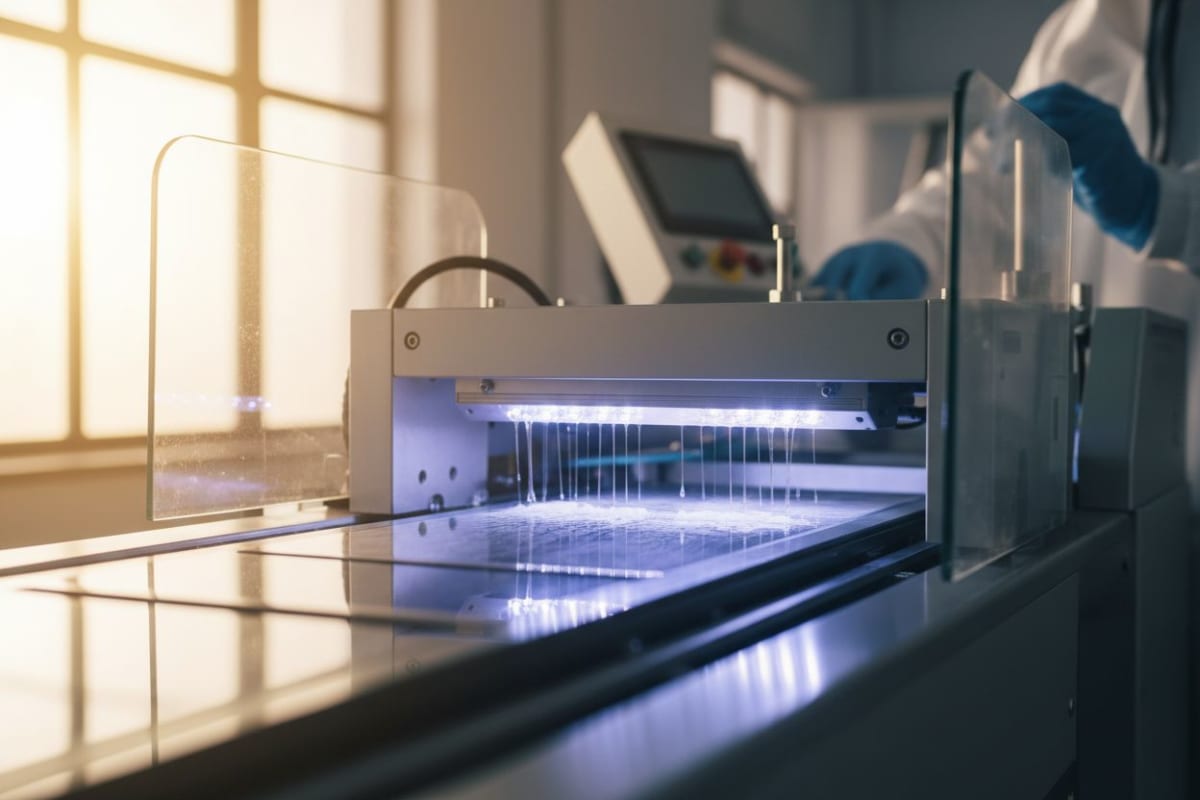
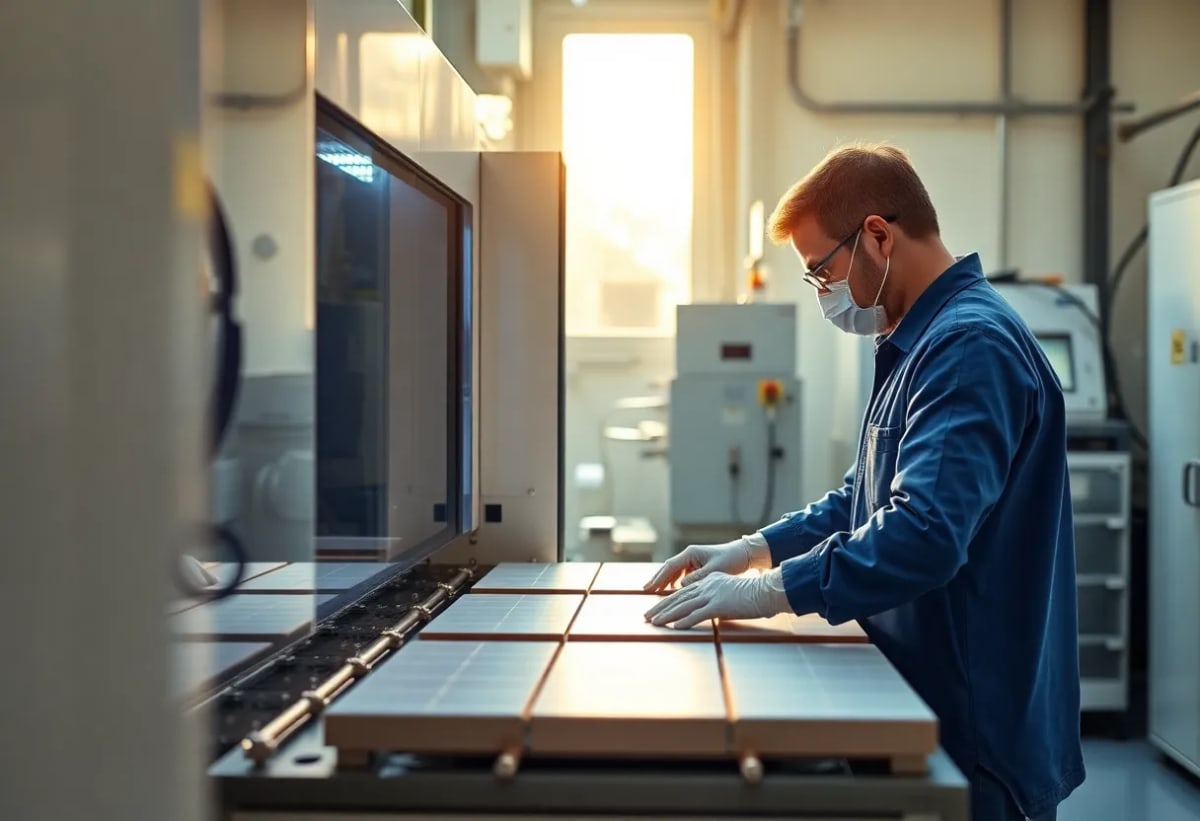
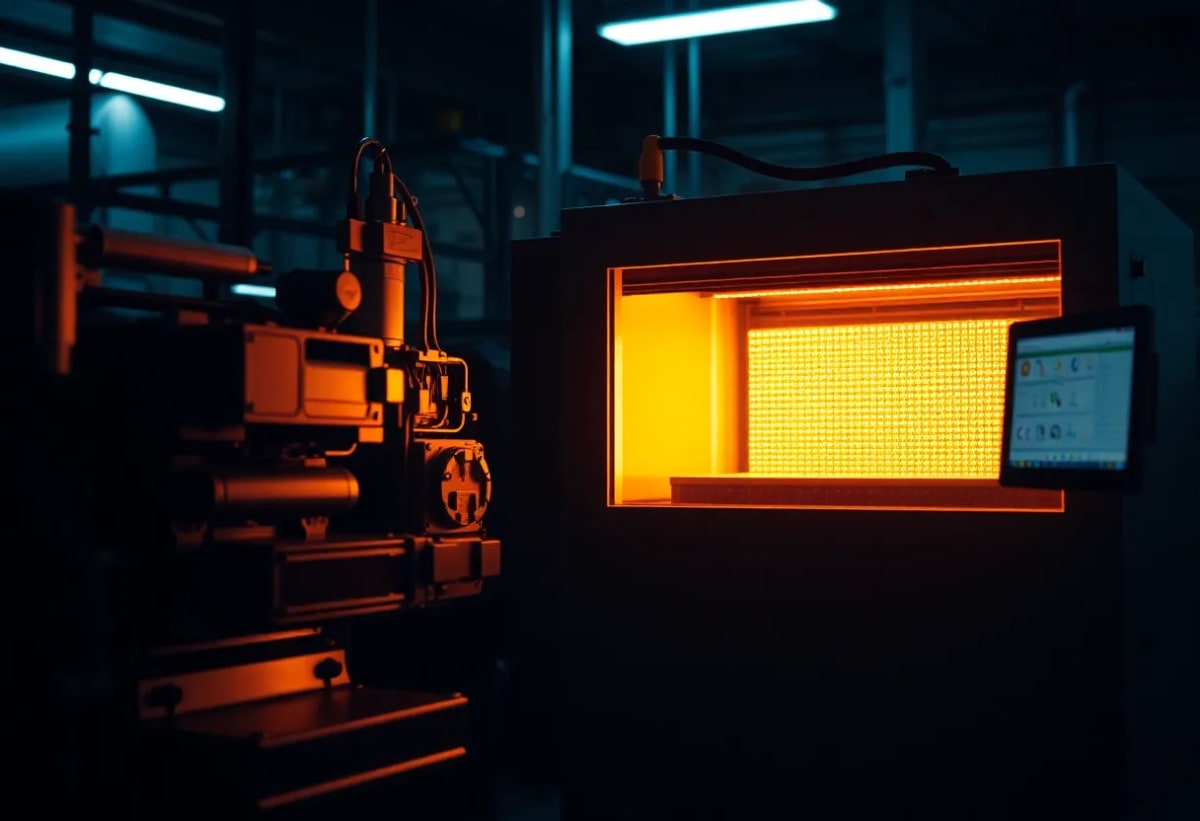
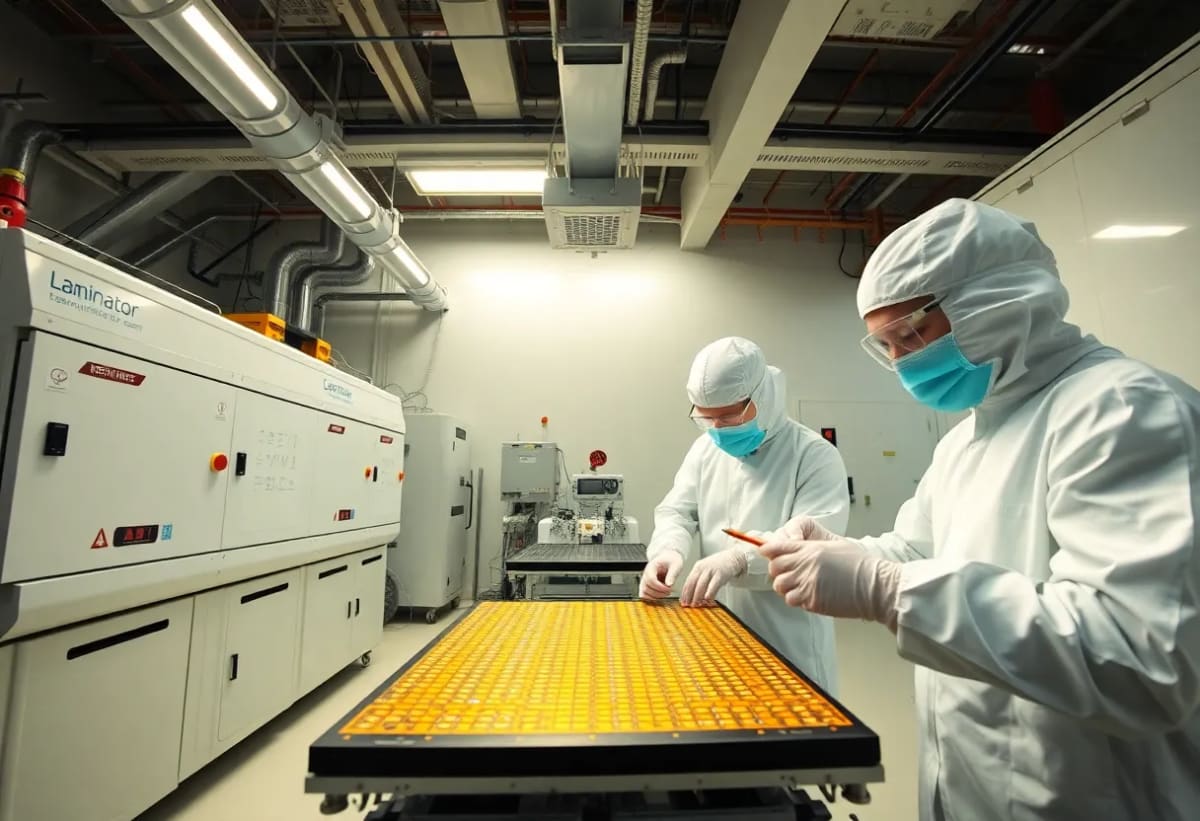
    UV curing is an innovative technology that uses the intense energy of ultraviolet light to cure materials quickly, but there is an inescapable challenge of ‘heat’ lurking behind the scenes. Excessive heat created during this process can lead to severe issues, such as irreversible damage to precious products or uneven curing, which severely compromises final quality. For instance, in highly precise semiconductor packages or advanced electronic components that require high performance, even minute temperature changes can cause catastrophic deformations. Just as a masterpiece ceramic can warp with a sudden temperature change in the kiln, heat management in the UV curing process is a critical element that can determine the product’s fate. The heat generated when UV lamps or LEDs operate inside laminator systems not only creates light but also has a direct impact on nearby sensitive parts and materials. Hence, Huvics deeply understands the significance of heat dispersion more than anyone else and presents the following 3-step guide to help customers successfully optimize heat dispersion and secure final quality in the UV Curing process.

    Initial Setup: Optimal Position and Distance Adjustment

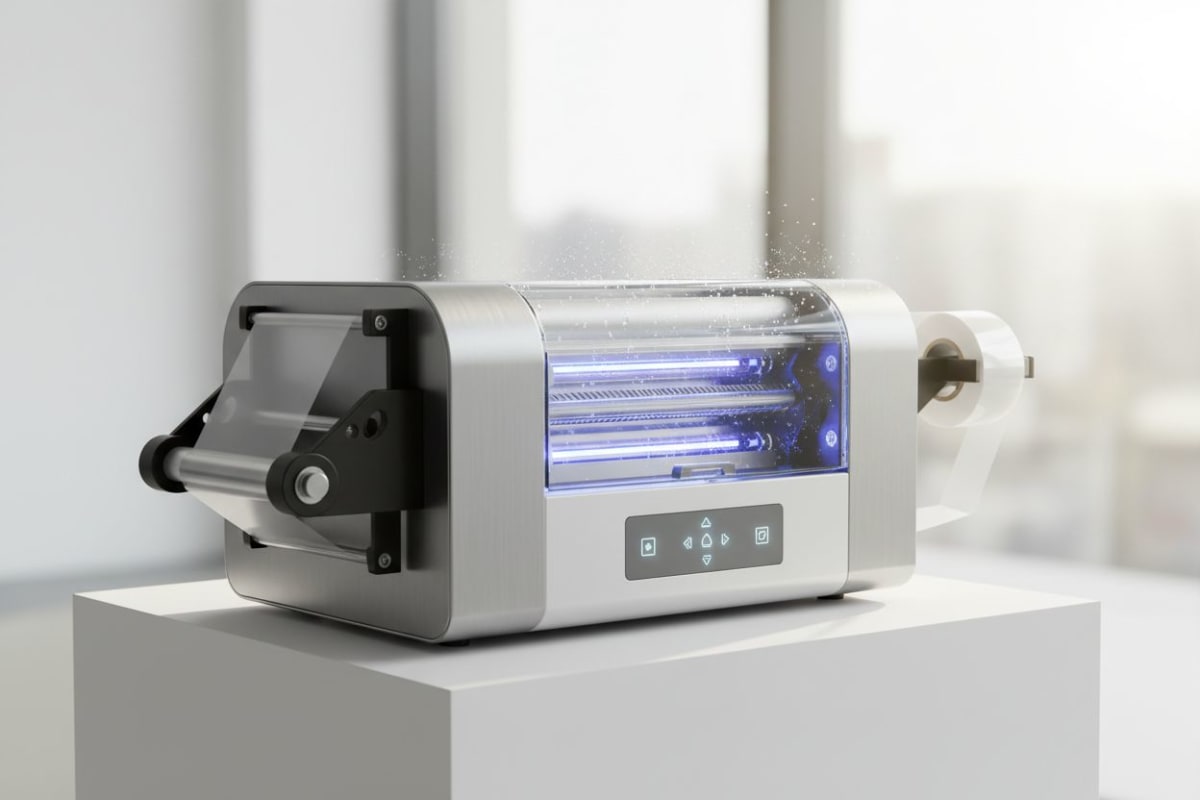
    It is crucial to carefully adjust the optimal position of UV lamps or LEDs and the distance between products to ensure that heat is evenly distributed across the entire area. It is much like ensuring even temperature settings in an oven when baking. If the heat source is concentrated in one area, specific parts may over-cure or get damaged, making precise settings from the starting stage pivotal to the process’s success. Huvics’ laminator systems highlight the importance of this initial setup by strengthening adhesive forces and increasing process stability through specialized lamp/LED UV Curing technology. Precise equipment arrangement extends beyond just the ‘start’ to determine the foundation for the entire process’s quality and efficiency.

    Applying Effective Heat Dispersion Strategies

    Discover solutions through two key strategies to not only dissipate heat but to maximize system-wide efficiency.

    1. Wisely choose and apply thermally conductive materials to maximize heat diffusion
    2. Optimize airflow within the laminator system to alleviate hotspots

    Through these sophisticated heat dispersion strategies, Huvics’ laminator systems move beyond simple attachment processes, maximizing production efficiency and ensuring process stability by utilizing UV curing technology to help customers achieve the best results in any production environment actively.

    Verifying Heat Dispersion Effect and Continuous Improvement

    If you have optimized the heat dispersion settings in the UV Curing process from the earlier stages, you now need to meticulously verify its effectiveness and continue to make improvements. This verification stage is a critical link in determining the final product’s quality and lifespan, and any negligence might result in severe issues like product performance degradation.

    1. Use thermal imaging cameras to measure and analyze temperature distribution for early diagnosis of quality issues
    2. Evaluate the adhesive strength and uniformity of cured products to confirm heat dispersion effects
    3. Continuously enhance the heat dispersion system based on measurement results and quality data

    Huvics provides an integrated solution that maximizes precision machining, process efficiency, and quality reliability, helping customers continuously set optimal UV Curing conditions and dramatically reduce product defect rates to assure final quality through accumulated data and analytical capabilities.

    Core Summary

    As experts have previously emphasized, heat management in the UV Curing process is a key factor that determines the final product’s quality and lifespan. From precise initial settings to optimized heat dispersion strategies and thorough verification, the 3-step process goes beyond simple process optimization. Through this process, risks associated with heat are minimized, adhesive strength and curing uniformity are maximized, thus enhancing the inherent reliability of the product.

    Closing Message

    Through the laminator systems, Huvics will always be with you to achieve these goals and furthermore, secure excellent production efficiency and outstanding final product quality reliably.


    Huvics is a high-tech company that develops and manufactures automation equipment and production systems across the semiconductor, LED, Mobile, and Cosmetic industries.
    With the best workforce and relentless technological innovation, we support enhancing productivity and securing quality competitiveness for our customers.

    Contact Huvics Co., Ltd.

    Phone: 031-374-8285
    Email: cdpark@huvics.com

    Contact Huvics

  • Prevent Product Shrinkage After UV Curing, Three Laminator Design Know-Hows from Huvics

    Prevent Product Shrinkage After UV Curing, Three Laminator Design Know-Hows from Huvics

    As the saying goes, “Well begun is half done,” the first step in solving shrinkage problems during UV curing is a precise design. This is not just a proverb but a principle that Huvics considers most important when designing laminator systems. Today, we will look at how to minimize product shrinkage after UV curing and maximize production efficiency through Huvics’ three innovative laminator design know-hows.

    UV Curing Process’s Major Challenge: Product Shrinkage Issue

    UV curing might sound like an advanced technology boasting fast and strong adhesion. Indeed, its potential is widely recognized and actively utilized in many industries. However, for engineers handling this process on the ground, UV curing is like a double-edged sword. Behind its attractive fast curing speed and excellent adhesion is the inevitable and intricate issue of ‘volume shrinkage’ during curing.

    This problem can lead to critical defects, especially when manufacturing products requiring micron-level precision, like smartphone displays, semiconductor packages, and advanced medical devices. Even a tiny twist, invisible to the naked eye, can degrade product performance or classify it as defective, leading to significant production losses. These minute deformations can lower assembly precision and cause unexpected quality issues, leading to customer complaints.

    Therefore, the product shrinkage issue during UV curing should be recognized as more than just a ‘technical issue.’ It directly impacts a company’s production efficiency, market competitiveness, and customer trust. Huvics fully understands this reality and is persistently engaged in research and technological innovation to maximize the potential of UV curing while minimizing shrinkage issues from the product design stage. Ultimately, only extremely delicate and meticulous design can realize the true value of UV curing technology and lead to successful business beyond customer satisfaction.

    To solve these challenges, Huvics has integrated three core design know-hows into its laminator system.

    1. Precision Initial Process Design Using Expander Technology

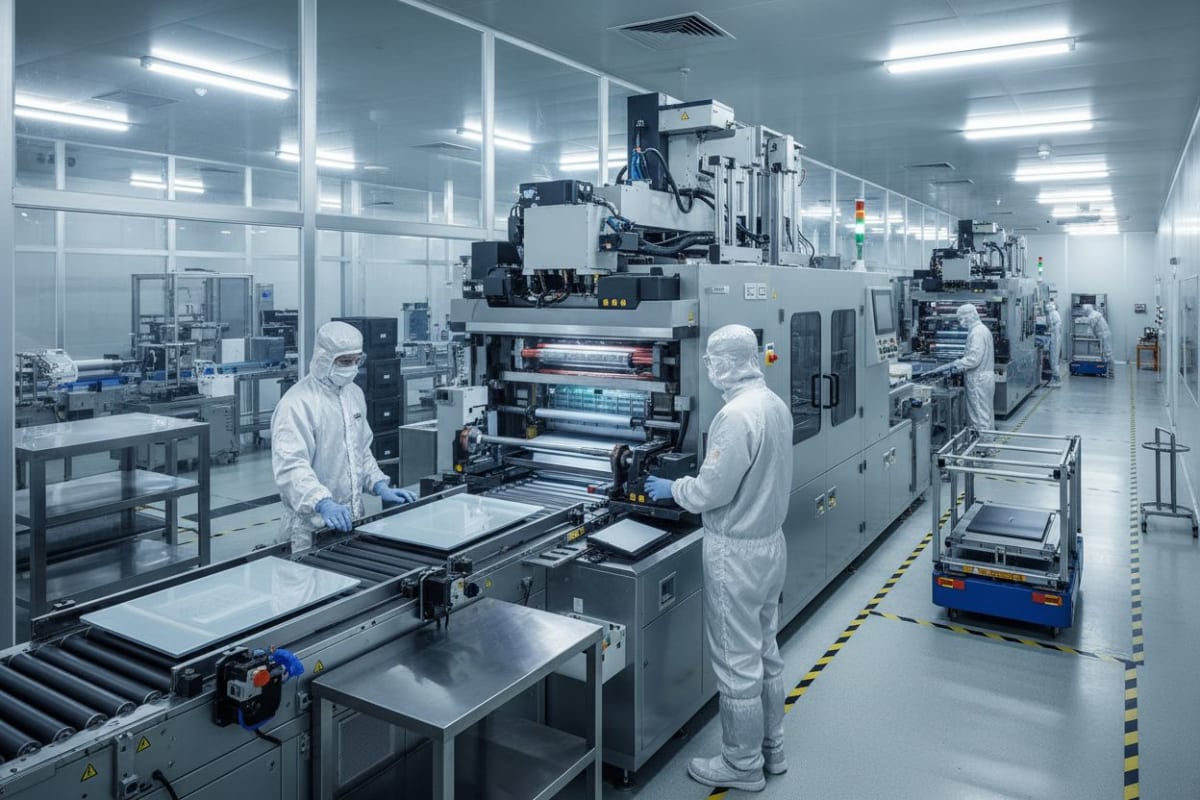
    Precision initial process design using Expander technology. Just as the success of lamination depends on how the first button is fastened, if the film or substrate is not uniformly unrolled from the outset, it is difficult to avoid twists or misalignments. Huvics’ laminator unfolds and fixes films or substrates with micron-level precision through a high-performance Expander. This minimizes the possibility of minor shrinkage deformations occurring during UV curing from the onset, significantly lowering defect rates by maximizing the flatness and uniformity of products.

    2. Optimal UV Curing System Selection and Process Optimization

    Optimal UV Curing System Selection

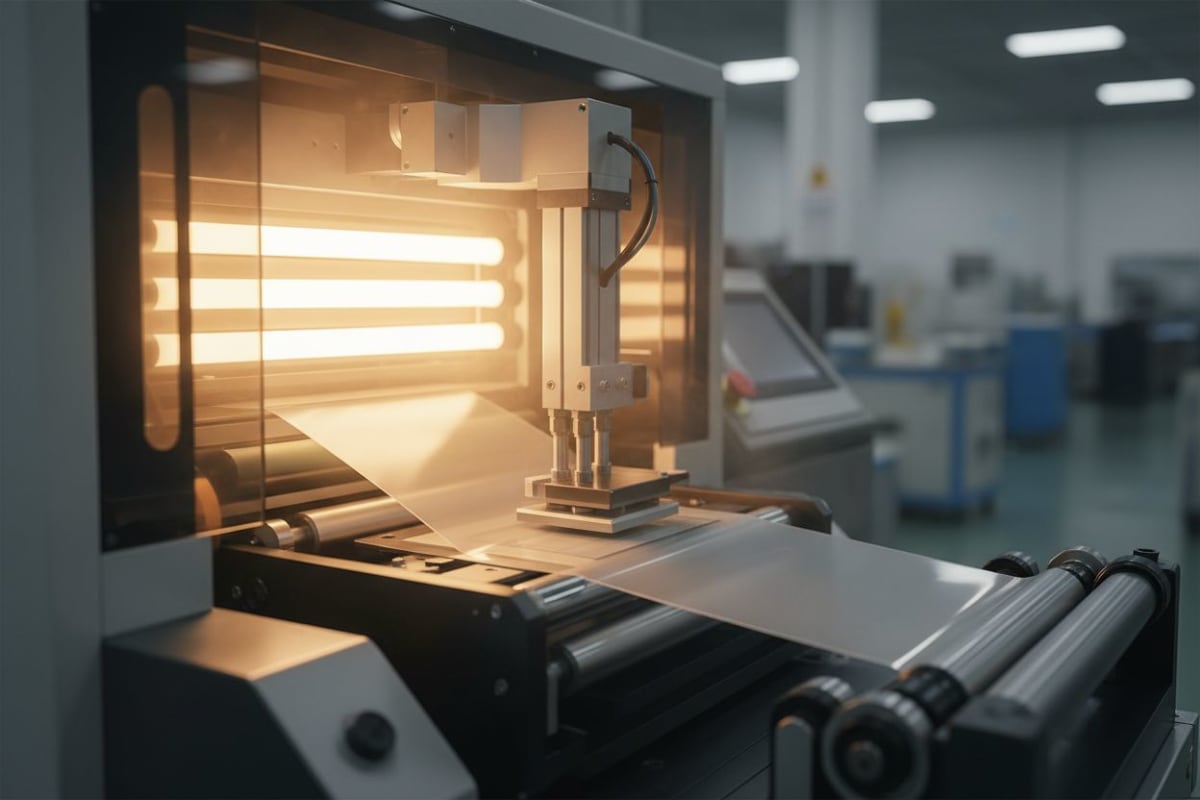
    The selection of an optimal UV Curing system goes beyond choosing equipment and decides the success or failure of a process. Huvics meticulously analyzes customers’ product characteristics and production requirements to propose the most suitable solution between Lamp type and LED type UV Curing systems. Since the heat generated during UV curing can be a leading cause of product shrinkage, Huvics’ system applies proprietary technology to effectively control and distribute this heat. This maximizes adhesion strength while reducing thermal stress on the product, minimizing shrinkage. By enhancing process stability and securing consistent quality, customers can achieve the best results beyond expectations.

    Precise Optimization of UV Curing Conditions

    In addition to selecting the optimal system, Huvics excels in focusing on ‘process optimization.’ A core tip many manufacturers ponder is the ‘setting of optimal UV curing conditions.’ The intensity of UV lamps, exposure time, and curing temperature lead the entire curing reaction like a conductor’s baton. If the balance of these three factors is broken, the curing speed becomes too fast or uneven, increasing internal stress within the product, which leads to excessive shrinkage.

    To prevent such issues, Huvics finely adjusts the intensity of UV lamps through precise control technology, applying optimal exposure times suitable for the product’s characteristics. For example, in some high-precision products, rather than rapid curing, a step-wise gradual UV exposure method is adopted to allow the materials to stabilize slowly. This gives the internal molecular structure of the material time to reorder stably, significantly reducing the final shrinkage rate.

    Furthermore, since the heat generated during the UV curing process directly impacts shrinkage rates, Huvics systems are equipped with sophisticated temperature control mechanisms to maintain optimal curing temperatures. They effectively manage not only excessive heat but also uneven temperature distribution, ensuring uniform curing and minimal shrinkage throughout the entire product. These meticulous control technologies go beyond merely increasing product productivity, serving as the critical driving force for meeting the highest quality standards customers demand.

    3. Shortening Tact Time with One-Stop Lamination Process Design

    One-Stop Lamination process design is about shortening Tact Time. In conventional complex processes, moving and realigning products at each step takes considerable time and effort, causing a decline in productivity. Huvics’ laminator system integrates all key processes from Expander to UV Curing, boldly eliminating unnecessary movement time and transition steps. This integrated system drastically shortens total production time, significantly enhancing productivity and strengthens the company’s competitiveness. The time savings obtained through process simplification directly translate into operational cost savings, offering customers tangible economic benefits. Through this integrated solution, Huvics continuously strives not only to supply equipment but also to contribute to customers’ production innovation and successful product launches.

    Additionally, another crucial perspective Huvics offers in solving product shrinkage issues after UV curing is the ‘selection of low-shrinkage materials.’ No matter how sophisticated the equipment or the optimal process conditions, if materials with high shrinkage rates are used initially, limitations are bound to be encountered. Just like even with meticulous groundwork, it is difficult to expect robustness in building a sturdy house using weak materials from the start. Various UV curing resins such as epoxy, acrylic, and silicone exist, each with inherent shrinkage rate characteristics. Therefore, it is paramount to carefully select the material with the lowest shrinkage rate according to the product’s final performance goals, purpose, and required precision.

    Of course, a material isn’t automatically deemed good just because it has a low shrinkage rate. Adhesion, heat resistance, chemical resistance, and other diverse physical properties required for the product must be comprehensively considered. If finding the optimal material is challenging or further reducing the shrinkage rate of an existing material is necessary, utilizing shrinkage prevention additives is also effective in further lowering the shrinkage rate.

    Huvics becomes a reassuring adviser for customers at this point. Huvics goes beyond merely providing laminator equipment, deeply understanding and analyzing customers’ product characteristics and production requirements to propose the optimal material selection guidelines. With years of experience and accumulated expertise, they provide detailed guidance on the pros and cons of each material, application cases for specific product groups, and, when necessary, consult on customized material formulations. This thorough material selection drastically raises product completeness and minimizes defect rates, eventually providing the quickest and most reliable path to maximize production efficiency.

    The challenging task of ‘product shrinkage’ hidden behind the powerful potential of UV curing ultimately finds its answer in micron-level delicate approaches and integrative perspectives. From initial Expander technology to optimal UV Curing system selection and efficient One-Stop Lamination processes, Huvics is resolving these challenges through precise control and optimization at every stage. Beyond just equipment, this is also why they propose shrinkage-resistant material selection and optimal curing conditions through accumulated know-how and customer-tailored consultations. Now, with Huvics, you can fully realize the true value of UV curing, ensuring unwavering quality and achieving business success beyond customer satisfaction.

    Huvics is a high-tech company that develops and manufactures automation equipment and production systems across the semiconductor, LED, mobile, and cosmetic industries. With top-notch personnel and continuous technological innovation, we support customers in enhancing productivity and securing quality competitiveness.

    Huvics Contact Information

    Phone: 031-374-8285
    Email: cdpark@huvics.com
    Huvics Inquiry

  • Why is Uniformity Technology in Semiconductor UV Curing Systems Important?

    Why is Uniformity Technology in Semiconductor UV Curing Systems Important?

    According to a 2023 report by the Korea Semiconductor Industry Association, defects due to uneven illumination in the UV Curing process of semiconductor manufacturing amounted to about 5% of total production. This signifies that millions of chips could either be discarded or enter the market with potential defects. Based on a profound understanding of this critical issue, Huvics significantly enhances client productivity and product reliability through its illumination uniformity technology in UV Curing systems. How does Huvics’ solution tackle these challenges?

    Within the heart of semiconductor manufacturing, minute differences can determine the fate of the entire product. Much like a watchmaker must precision-fit every component in a watch, every element on a semiconductor wafer must function without the slightest error. Specifically, ‘illumination uniformity technology’ in UV Curing systems is a key element impacting such precision. This technology ensures even curing by uniformly irradiating UV light across the entire wafer surface, which is crucial for determining the core performance and reliability of semiconductor devices beyond just hardening adhesives. What happens if UV light intensity isn’t uniform across the wafer surface? Some areas may under-cure, leading to adhesive failures, while others may over-cure, causing internal stresses. This could directly translate to electrical inconsistency, reduced physical durability, and ultimately, a shortened product lifespan for semiconductor devices. Small illumination inconsistencies can compromise the quality of hundreds or thousands of semiconductor chips, leading to reduced production yields and significant cost losses. Huvics provides optimal solutions, leveraging advanced technology and deep understanding at precisely this point. Huvics’ UV Curing systems guarantee perfectly uniform UV light distribution throughout the wafer using cutting-edge illumination uniformity technology, promising increased production yield, maintained product performance consistency, and ultimately strengthened customer competitiveness. Huvics focuses not only on selling equipment but also on providing total solutions to help customers achieve optimal quality and productivity.

    The importance of illumination uniformity technology in semiconductor UV Curing systems becomes clearer upon closer examination. Distributing light energy evenly across the wafer maximizes adhesive curing quality and significantly reduces final product defect rates, representing one of the most fundamental yet crucial elements. When illumination uniformity isn’t achieved, visualizing the scenario highlights the issue, similar to baking where specific oven parts might be too hot or too cold. Like bread burning or being undercooked, parts of a wafer can over-cure, undergoing material property changes, while others may under-cure, leading directly to adhesive failures and reduced product reliability. Consider semiconductors used in essential control devices of smartphones or autonomous vehicles being inadequately adhered—though initially undetected, these components may fail unexpectedly due to slight temperature changes or external shocks in real-world environments. Such field failures severely damage a manufacturer’s brand image, involve significant recall costs, and could directly impact customer safety. Recognizing this critical point, Huvics deeply understands the ultra-precise manufacturing environment demands of semiconductor fabrication, which permits no defects, emphasizing precision processing, efficient processes, and, above all, reliable quality. Huvics focuses all efforts on incorporating various technologies into UV Curing systems to significantly improve productivity and yield through customized equipment design that embraces specific customer requirements. Enhancing adhesive strength and process stability through Lamp/LED UV Curing systems is Huvics’ commitment, and maintaining uniform illumination reflects Huvics’ technical philosophy to produce stronger and longer-lasting products.

    The crucial importance of illumination uniformity in semiconductor UV Curing systems is due to its direct impact on the final product quality. Uniform illumination ensures consistent UV energy delivery across the wafer, signifying optimal curing under identical conditions for all semiconductor devices. Acknowledging this significance, Huvics focuses on providing innovative technical solutions for illumination uniformity, seamlessly integrating three key technological elements necessary to achieve it. Firstly, the optimized arrangement of lamp or LED arrays is crucial. Mere abundance of UV light sources does not guarantee uniform illumination. Huvics identified the optimal type (Lamp or LED), quantity, and configuration of UV light through years of precise R&D and simulations, eliminating dead zones or excessive areas on the wafer. Much like each instrument finding its perfect spot for harmonious orchestra play, Huvics ensures optimal placements. Secondly, sophisticated optical system design is essential. The path UV energy takes from the light source to the wafer surface is critical. Huvics employs cutting-edge optical systems comprising specially designed lenses, mirrors, and diffusers to control UV energy and uniformly distribute it across the wafer surface. This represents the pinnacle of technical understanding and control over light characteristics, extending beyond just shining light. Thirdly, a real-time monitoring and feedback system comes into play. Despite perfect system design, slight environmental shifts or equipment thermal changes during operation might cause illumination inconsistencies. Equipping Huvics’ systems with precise sensors that monitor real-time UV energy distribution reaching the wafer adjusts lamp output, exposure time, or other parameters instantly to guarantee uniform curing over the entire wafer. Thus, Huvics’ UV Curing systems deliver unmatched value by precisely controlling UV energy distribution and achieving perfect curing on the wafer surface, translating into improved production yields, increased product reliability, and ultimately enhanced competitive edge for customers. Huvics continually contributes to the progress of the semiconductor industry through ongoing innovative technology development.

    The importance of illumination uniformity technology in semiconductor UV Curing systems spans beyond mere technical perfection, influencing productivity, profitability, and market competitiveness. Fine defects from uneven illumination are sometimes hard to detect visually, often noticed only during final processes or post-market release, resulting in much greater losses. These issues increase product rework, defect rates, escalate production costs, and prolong delivery timelines, severely impairing business efficiency. Mr. A, a team leader at a mid-sized semiconductor packaging company, faced chronic problems stemming from sporadic failures post-UV curing, hard to accurately diagnose. Especially, visually undetectable minor adhesive failures continued emerging in final test phases, causing substantial financial losses. Skeptical yet hopeful, he decided to try Huvics’ UV Curing system with illumination uniformity technology. Within weeks, remarkable changes emerged—a dramatic defect rate drop, notably fewer field-reported initial failures, convincing Mr. A of having achieved a stable production line. It marked a transformative improvement across the processes, not merely an equipment replacement. Huvics’ illumination uniformity technology contributes decisively to not only visibly enhanced yields but also the long-term reliability of products, enhancing customer brand value and securing a competitive market edge. Committed to customer success as aligned with Huvics’ own success, Huvics promises to remain a reliable partner growing together through continuous technological innovations and tailored solution offerings.
    To uphold this promise of customer success, Huvics relentlessly pursues technological innovation and the development of customer-specific solutions. Acknowledging the enormous outcomes small differences bring in semiconductor UV Curing system illumination uniformity, Huvics commits to stand by customers as a reliable success partner, supporting a journey towards stronger and longer-lasting products, higher productivity, and profitability with Huvics at their side.

    Huvics is an advanced technology company developing and manufacturing automation equipment and production systems across the semiconductor, LED, Mobile, and Cosmetic industries.
    With top human resources and continuous technological innovation, we support improved productivity and quality competitiveness for our clients.

    Contact Huvics

    Phone: 031-374-8285
    Email: cdpark@huvics.com
    Huvics Contact

  • Quality Management After Semiconductor UV Curing: A Step-by-Step 3-Stage Key Checklist

    Quality Management After Semiconductor UV Curing: A Step-by-Step 3-Stage Key Checklist

    Semiconductor quality experts often say, “Defects always start from the smallest part.” This means that meticulous quality testing for managing even the invisible micro-defects is essential to reduce the defect rate of the final product after the UV curing process. Focusing on this aspect, we propose a systematic 3-stage quality testing checklist. Shall we start the journey toward zero defect rate together?

    The journey to ensuring stable quality in the semiconductor UV curing process is like exploring a treasure hunt with a delicate map. Each step should be carefully taken to discover hidden defects and achieve near-perfect quality. It is important to support successful quality management with ultra-precision processing technology and customer-oriented solutions as reliable partners on this journey. The goal is not just to provide equipment but to become the optimal partner for improving customer production efficiency and quality.

    Stage 1: Thorough Preparation for a Perfect Start

    The semiconductor UV curing process is like weaving a delicate lace. Just as a single mistake in a thread can damage the entire artwork, small defects in the preparation stage can lead to defects in the final product. The first step towards perfect quality begins with thorough preliminary checks.

    • Key Equipment Inspection: Like a skilled craftsman examining tools, the precision and operational status of the laminator system, expander, and tape mounter must be meticulously checked.
    • Process Parameter Setting: Like a precise dyeing recipe, the precise setting of exposure and time for the lamp/LED UV Curing system according to product specifications is essential for uniform curing.
    • Optimizing the Work Environment: Just like delicate temperature control, maintaining stable temperature and humidity in the work space is crucial for ensuring uniform quality throughout the curing process.

    Through thorough preparation, customers should be supported to ensure the highest quality.

    Stage 2: Intermediate Inspection to Block Potential Issues

    Intermediate inspection after UV curing is like checking the state of freshly baked bread in the oven. Though it might look fine on the outside, it could be undercooked inside. This stage focuses on preemptively blocking potential problems and maintaining optimal curing conditions.

    • Adhesion Strength Measurement: Like checking the elasticity of bread, measure the adhesion strength of the cured surface. This is a crucial element directly linked to product durability.
    • Visual and Microscopic Inspection: Like checking for foreign substances in bread, inspect for micro-bubbles or foreign substance inclusion. Even small defects can shorten product lifespan and cause performance deterioration.
    • Precise Sample Analysis: Like checking if the bread is fully baked by looking inside, perform precise analysis through sampling and finely adjust the parameters of the UV Curing system to maintain optimal curing conditions.

    If issues are found, quickly identify and resolve the cause. Like an experienced chef adjusting the recipe to make perfect bread, it is essential to support the stable production of high-quality products.

    Stage 3: Precise Analysis to Ensure Final Quality

    The semiconductor UV curing process is like the precision making of a watch. Numerous parts must be assembled accurately to complete a perfect watch, and quality management at each stage determines the success of the final result. Stage 3 quality testing is the final review stage. Using cleaner systems and high-magnification microscopes to thoroughly analyze micro-contaminations and defects on the cured product surface is like a watchmaker using a magnifying glass to spot even the smallest scratch.

    Also, systematically analyze measurement data to optimize the UV curing process and use the accumulated data to prevent potential future issues. This is like continuously researching to reduce errors in a watch. Huvics focuses beyond merely providing equipment, offering optimal solutions for improving customer production efficiency and quality.

    Conclusion: Beyond Quality Management to Customer Satisfaction

    Marketing experts emphasize, “Quality management that does not improve customer experience is meaningless.” This means that the quality testing of the semiconductor UV curing process must strive for the greater goal of customer satisfaction beyond merely reducing defect rates. Through the 3-stage quality testing checklist, Huvics will maximize customer experience and continue to provide technical support and customized solutions after equipment introduction, becoming a reliable partner for successful quality management. Ultimately, near-perfect quality will be the key to gaining customer trust and opening new possibilities.

    Huvics is an advanced technology company that develops and manufactures automated equipment and production systems across the semiconductor, LED, mobile, and cosmetic industries.
    With top personnel and continuous technological innovation, we support customers’ productivity improvement and quality competitiveness secures.

    Contact Huvics Co., Ltd.

    Phone: 031-374-8285
    Email: huvics01@gmail.com

    Inquiries to Huvics