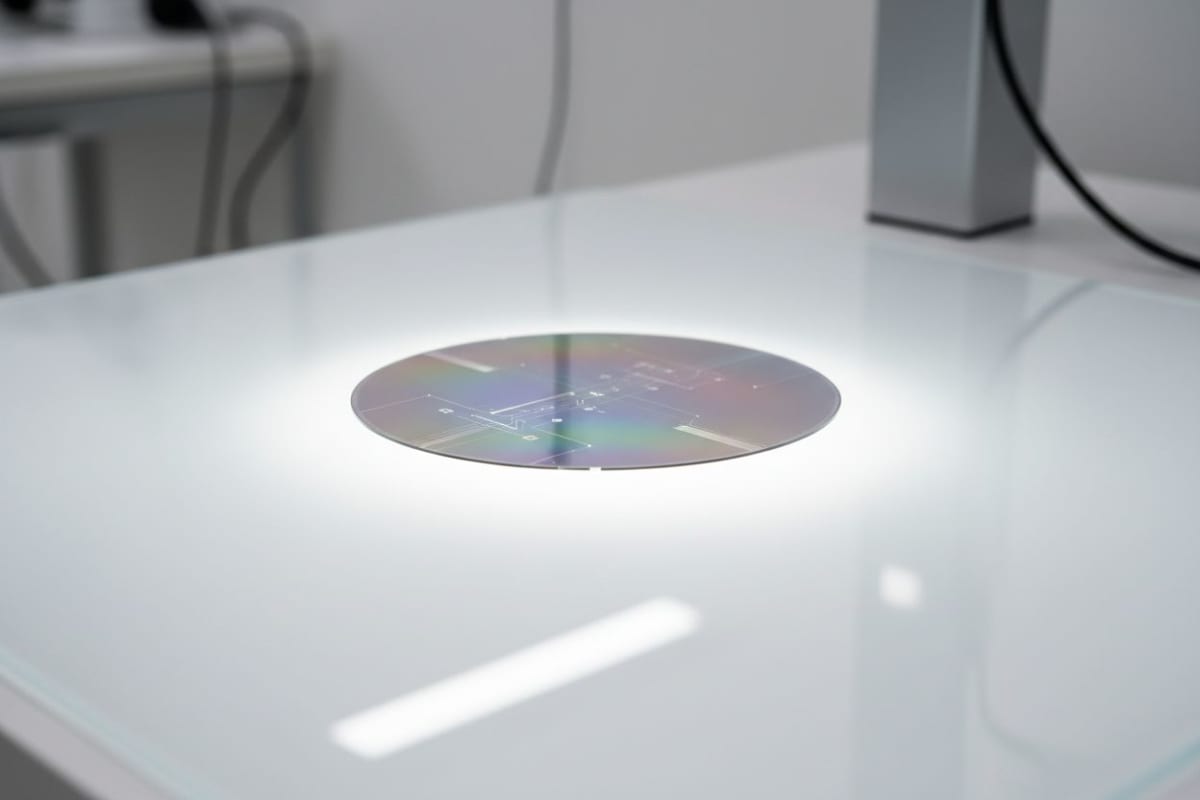
After the grinder process, a vast amount of quality data is often only arranged in Excel sheets or some key indicators are superficially checked. However, such superficial approaches can easily miss out on subtle process anomalies hidden in the data, distancing us from solving fundamental quality problems. It is now time for a new approach that can deeply analyze data and connect to process optimization, like Huvics’ laminator system.
Key Aspects of Grinder Process Data Analysis: Uniformity and Surface Roughness
In the semiconductor industry, the grinder process is a critical step in precisely grinding wafers or packages to determine the final product thickness and surface quality. Effectively interpreting and utilizing the vast quality data that emerges from this sensitive process is both a challenge and a crucial key to securing competitiveness for many companies. Moving beyond mere numbers, a systematic approach is essential to grasp the hidden meanings within the data and pursue both process optimization and quality improvement. Huvics’ laminator system offers a decisive solution to overcome data interpretation hurdles and maximize productivity. Particularly, the core of grinder process data analysis can be summarized as follows:
- Ensuring uniformity of grinding: It is crucial to meticulously check that consistent thickness is maintained across the entire wafer.
- Managing surface roughness: It is essential to maintain a smooth surface free from fine scratches or defects.
Measures to Ensure Grinding Uniformity
Huvics’ laminator system supports precise attachment of wafers or packages through high-precision bonding processes and sophisticated UV curing technologies, which directly link to the exceptional grinding uniformity of the grinder process. Such precise attachment fundamentally prevents any minor positional errors that might occur during grinding, laying the essential foundation for maintaining consistent thickness across the entire wafer. Consequently, it minimizes performance variations in the final product and ensures stable quality.
Solving Surface Roughness Issues
Moreover, the surface roughness after grinding is an important indicator directly connected to product quality. Minute scratches or unexpected defects can adversely affect subsequent processes and critically impact the final product’s performance. Through ultra-precision grinding technology, Huvics fundamentally solves these surface roughness issues. The Diamond Wheel applied to our grinder system enables micron-level precision processing, smoothing the wafer surface like silk and drastically reducing defect rates. Adjusting various process variables such as grinding speed, pressure, and wheel type delicately, based on collected data, is vital to find optimal conditions. With customized equipment designs reflecting specific customer needs and offering differentiated technology for productivity and yield improvement, Huvics actively assists customers in effectively utilizing data to optimize processes and ultimately maximize product quality.
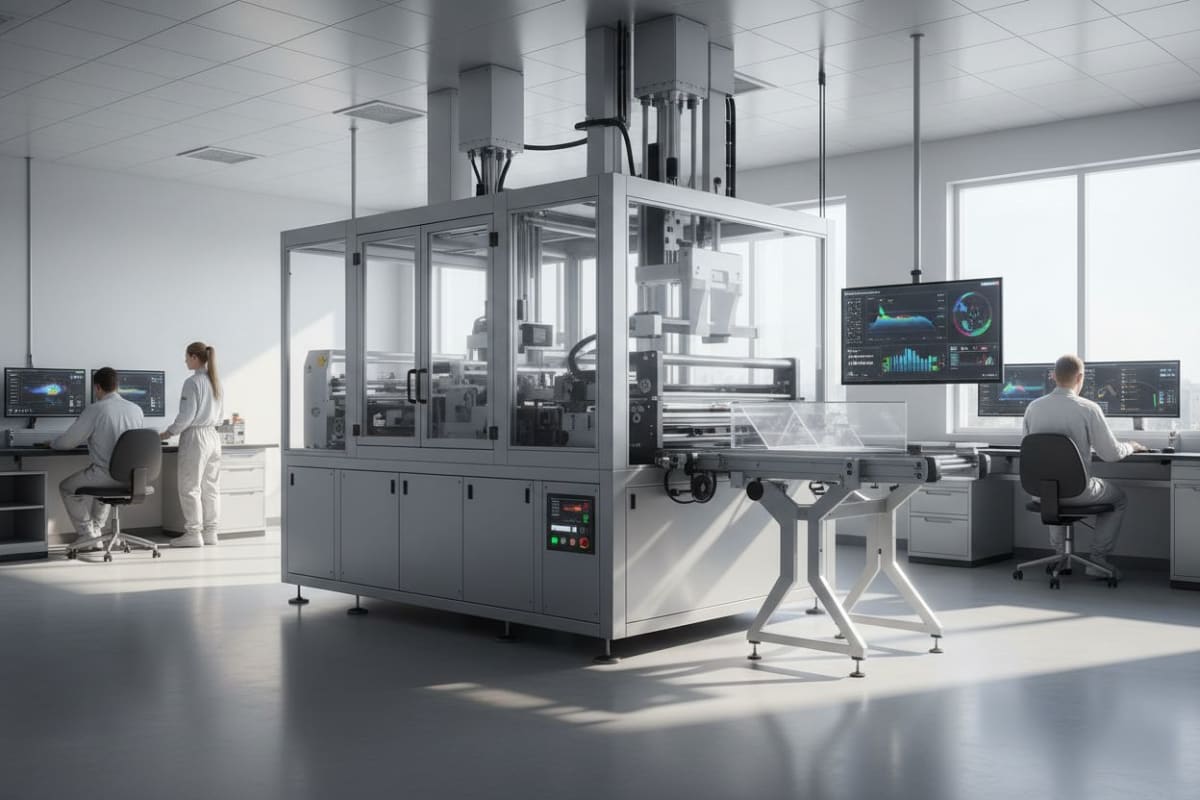
Enhancing Quality through Deep Data Analysis and Equipment Understanding
Each stage of semiconductor manufacturing has its importance, but the grinder process plays a decisive role in processing wafers to the precise thickness required by the final products. Any minute error that occurs during this stage can immediately lead to product quality degradation and increased defect rates. Thus, deeply interpreting the quality data obtained after the process becomes a critical process that can determine the fate of a product, going beyond merely examining numbers. This data contains various information, such as wafer thickness uniformity, surface smoothness, and fine chip damage status, and properly analyzing it opens the path to elevating product quality a notch higher and significantly reducing defect rates.
Understanding Equipment Operation Principles and Processes
However, blindly examining vast amounts of data doesn’t guarantee the desired answers. To correctly interpret the meaning within the data, a deep understanding of the following is necessary:
- You must clearly understand the operation principles of the grinder equipment.
- Recognize the effect each process setting has on wafer quality.
Just as the best chefs precisely understand how subtle changes in recipe ingredients and cooking processes affect the final taste, semiconductor engineers too must thoroughly understand equipment operating principles to interpret data correctly and identify practical improvements. To strengthen such complex data analysis capabilities, Huvics provides optimal solutions tailored to each customer’s production environment and goals. Particularly, Huvics’ grinder systems, based on ultra-precision grinding technology, achieve high yield through micron-level precise processing and robust technical support, helping customers diagnose and solve process problems using data. Huvics not only provides equipment but also actively fosters continuous partnerships, contributing to the advancement of the semiconductor industry by enabling customers to achieve better quality and productivity through data.
Core Perspectives in Quality Data Interpretation: Wafer Uniformity and Chip Quality
Interpreting quality data after the semiconductor grinder process may initially seem complex and specialized. However, this data holds key insights for elevating semiconductor product quality and maximizing production efficiency. Especially for customers using high-precision equipment like Huvics’ laminator system, enhancing data interpretation capabilities can lead to true technological competitiveness. Quality data interpretation can be approached from two main important perspectives:
- Assessing the uniformity of the entire wafer: Analyze thickness variation to find improvements in grinding conditions and equipment precision.
- Conducting detailed quality evaluation of individual chips: Detect chip cracks, scratches, and particle contamination with precision.
Importance of Wafer Uniformity Evaluation
For instance, if thickness variation consistently occurs in a specific area, it may indicate the need for specific equipment component wear or fine adjustments of process parameters. Just as a skilled artisan meticulously locates every fine crack on a ceramic surface to create a perfect piece, finding hidden defects on a wafer through data provides crucial clues for achieving perfect products. The important point here is to set clear measurement standards and permissible ranges for each item. Just as accurate recipes and measurement standards are needed to create perfect flavors, unwavering standards are essential for precise quality management.
Huvics Solutions for Yield Improvement
Huvics aims to assist customers in ultimately achieving the goal of ‘yield improvement’ by analyzing quality data after the semiconductor grinder process. Utilizing precision processing technology alongside years of accumulated data analysis experience, Huvics provides customer-specific solutions, maximizing production efficiency and quality reliability. Huvics continues to prove its value as a solid technical partner for successful production, striving ceaselessly beyond merely being an equipment supplier.
Enhancing the Grinder Process through Statistical Analysis and Machine Learning
The semiconductor grinder process is a critical step in precisely grinding wafers to the required thickness, and the quality data collected during this process plays an extremely important role in assessing process stability and efficiency. However, simply listing or visually checking the massive amount of data has limitations in obtaining meaningful information. To effectively interpret this abundant data and improve the process, it is essential to employ statistical analysis techniques. Statistical analysis reveals hidden patterns and trends within the data, providing decisive assistance in early detection of abnormal process changes and scientifically identifying problem causes.
Utilizing Statistical Analysis Techniques
Statistical analysis provides process improvement assistance by the following methods:
- Calculate process capability indices (Cp, Cpk) to quantitatively evaluate product specification compliance.
- Utilize control charts to detect and respond to process abnormalities in real time.
Role of Huvics Laminator System
Huvics’ laminator system provides an optimal environment for such data analysis. Particularly, our laminator system supports an One-Stop Lamination Process from Expander to Lamination, Tape Mounting, and UV Curing, designed to maximally enhance the overall process efficiency by integratively analyzing the data collected at each stage. Such integrated data is useful in understanding the interactions between process stages and plays a decisive role in finding optimized conditions.
Predicting Processes Based on Machine Learning
Additionally, with recent advancements, machine learning algorithms have evolved to analyze the complex correlations between various process variables such as quality data, grinding speed, and pressure, building models that predict future quality. These machine learning models significantly contribute to early detection of subtle patterns and anomalies that are difficult to identify visually, allowing for proactive prediction and prevention of potential defect occurrences. As a result, process engineers can make more scientific and data-driven decisions, enhancing production efficiency further.
Real Benefits of Huvics Solutions
Reflecting these advanced technology trends, Huvics provides custom equipment designs that meet customer needs and equipped various technologies for productivity and yield enhancement to the laminator systems. Continuously improving process conditions based on the statistical or predictive analysis results is key, and Huvics aims to assist customers in successfully achieving such advanced improvements. Through Huvics’ laminator system, customers can experience the following practical benefits:
- Secure the stability of the grinder process, strengthening the production base.
- Minimize defect rates to substantially increase overall production efficiency.
- Enhance the quality of final products to the highest level, boosting competitiveness.
By providing integrated solutions based on ultra-precision processing technology, Huvics steadfastly supports customers’ sustainable success, maximizing process efficiency and quality reliability.
Beyond merely listing numbers, deeply interpreting quality data after the semiconductor grinder process is a crucial step that can determine the life and death of a product. Huvics’ laminator system and ultra-precision grinding technology assist in finding a clear answer to process optimization and quality improvement within such complex data. Achieving near-perfect wafer uniformity and surface quality, drastically reducing defect rates, and ultimately securing top-level productivity and product competitiveness, the path lies in continuous innovation through data and Huvics’ solid technological partnerships.
Huvics is a high-tech company developing and manufacturing automation equipment and production systems across the semiconductor, LED, Mobile, and Cosmetic industries. With top-tier talent and continuous technological innovation, we assist in enhancing customers’ productivity and securing quality competitiveness.
Contact Huvics Co., Ltd.
Phone: 031-374-8285
Email: cdpark@huvics.com