According to a recent industry analysis, approximately 70% of companies experience below-expectation productivity or unnecessary costs when choosing precision processing equipment without clear criteria at the initial stage. This figure underscores the importance of finding the ‘optimal solution that best fits our production environment’ rather than just selecting a ‘good’ grinder. How do experts select the best grinder brand, and what is the first step? This is precisely why leading companies like Huvics emphasize a customer-tailored approach.
Importance of Understanding Production Environment and Processing Objectives
When experts choose the best grinder brand, their focus is not on flashy specs or the latest technology. They begin with the most fundamental question of clearly understanding their production environment and processing objectives. It’s not about choosing a good piece of clothing but finding the one that best fits your body, akin to tailoring. Understanding your own requirements avoids being lost in a sea of unnecessary options and is crucial in outlining an optimal solution by identifying the core needs of your process. If this phase is not properly conducted, achieving the anticipated productivity improvement or quality enhancement will be difficult, no matter how high-performing the introduced equipment might be.
Detailed Analysis of Production Environment
Consider a small to medium-sized manufacturer contemplating the introduction of a grinder for new product production. It’s easy for them to fall into the unfounded belief that ‘the most expensive one is the best’ amidst the overwhelming amount of equipment information in the market. However, experts focus on the company’s current level of automation, projected production volume, materials and sizes of parts to be processed, and the required grinding precision.
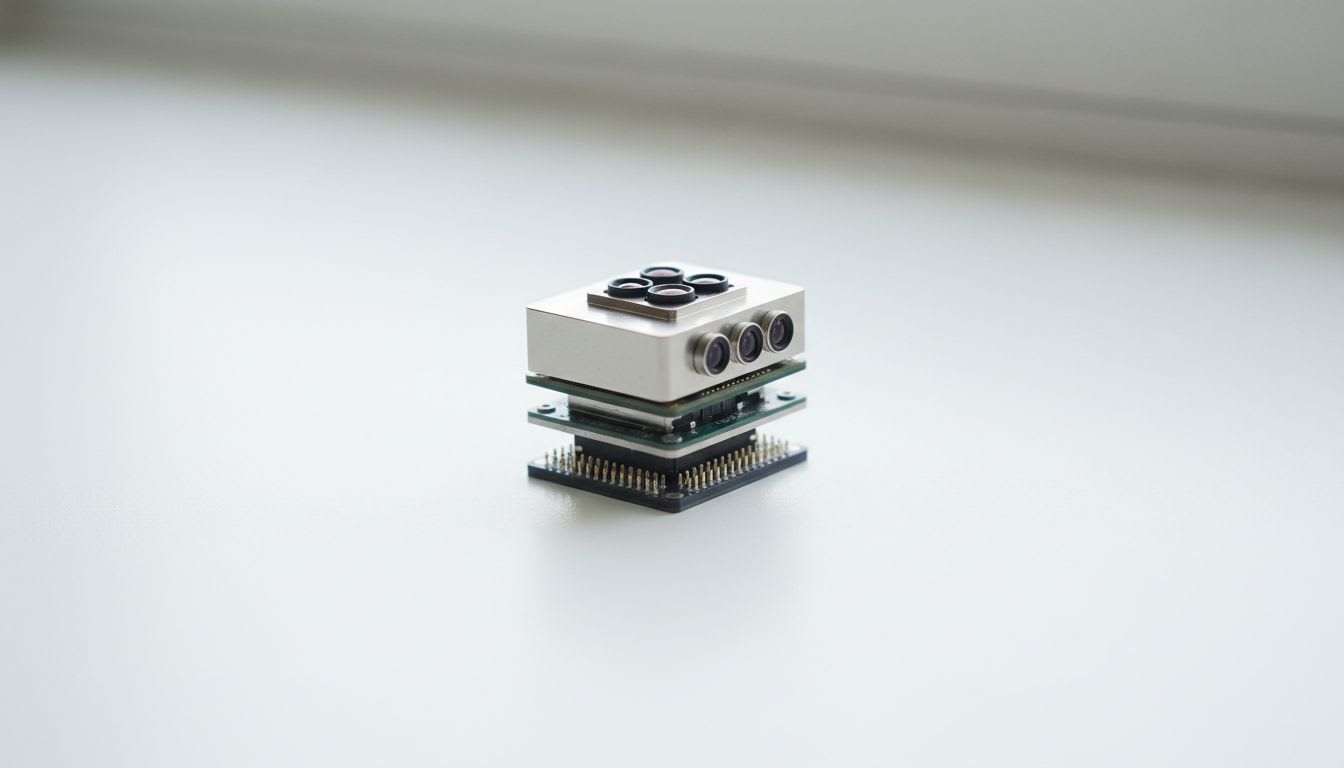
Determining whether a Full Auto or Manual type configuration is the most flexible and efficient considering the production line’s automation level is crucial. A 24/7 mass production line might find a Full Auto system cost-efficient, but for small quantity production of diverse products or automating only specific processes, a combination with Manual type might be more effective. Furthermore, setting specific criteria for the required grinding precision, such as whether micron-level ultra-precision grinding is essential or flexible precision range suffices, is vital. From intricate components like camera modules, sensors, and VCM motors to various semiconductor packages like FCBGA, WLCSP, QFN/DFN, and Solar Cell, accurately defining the final product’s characteristics and needed functions avoids excessive investment or failure in meeting production goals due to lacking equipment performance.
Initial Analysis Support from Huvics
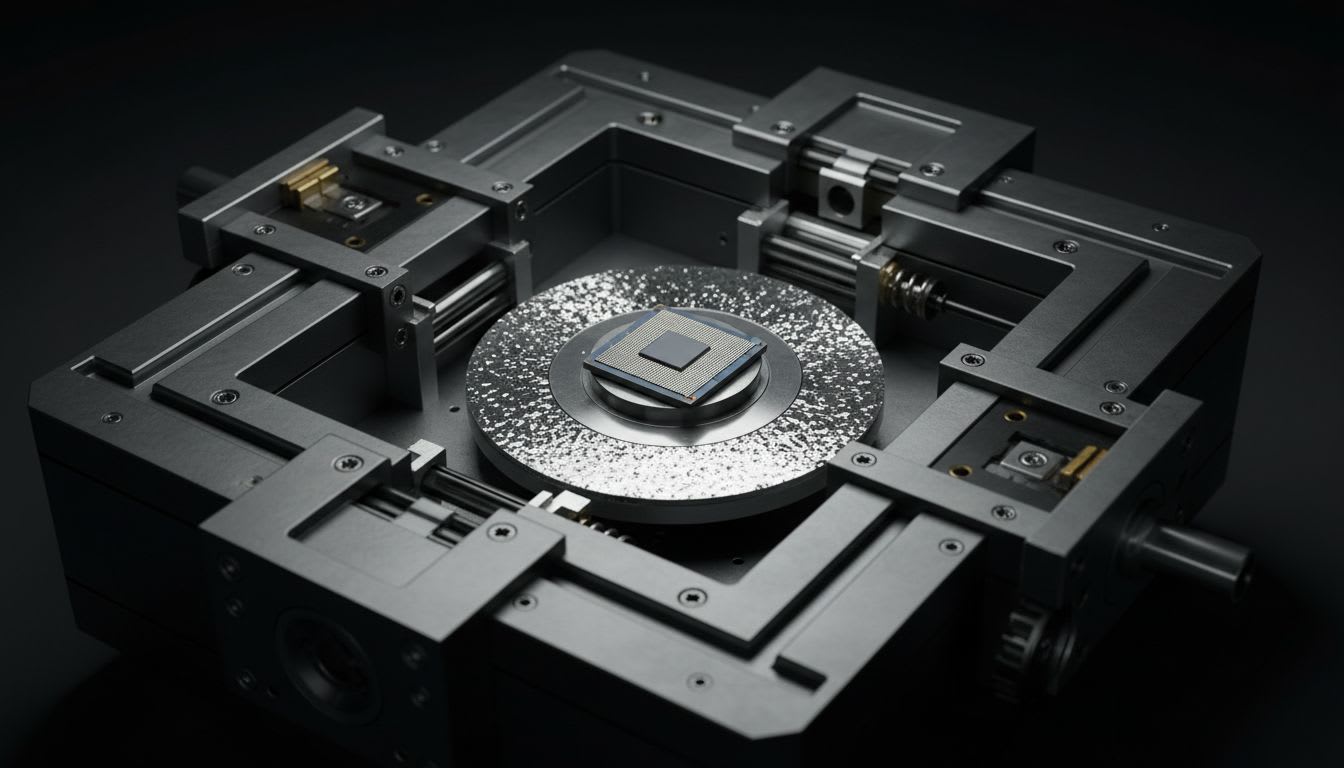
Leading companies like Huvics provide proactive technical support from the initial analysis stage to meet detailed customer requirements. It is vital to scrutinize how Huvics’ micron-level precision processing technology using high-precision Stages and Diamond Wheels can be flexibly integrated into a production line, and which ultra-precision technology is essential to meet desired quality standards. Through this process of accurately diagnosing one’s requirements, Huvics aims to help customers introduce the optimal grinder system without unnecessary trial and error, securing the highest productivity and quality stability.
In-depth Analysis of Core Technology and Differentiation
The next step, as significant as the carefully established criteria, in the journey to selecting the best grinder is to deeply analyze each brand’s core technology and differentiation from an expert standpoint. This goes beyond merely browsing through listed specs in a catalog. One must meticulously assess how each technology introduces innovation in actual production sites and contributes to reducing defect rates and securing final product quality stability. Just as athletes examine the functionality of equipment beyond cool designs to maximize their skills and prevent injuries, through a detailed comparative analysis of the technological strengths each brand claims, readers can clearly narrow down the candidates with the technological prowess that best matches their requirements and invest in brands that offer tangible productivity improvements and quality stability.
Importance of Ultra-Precision Grinding Technology
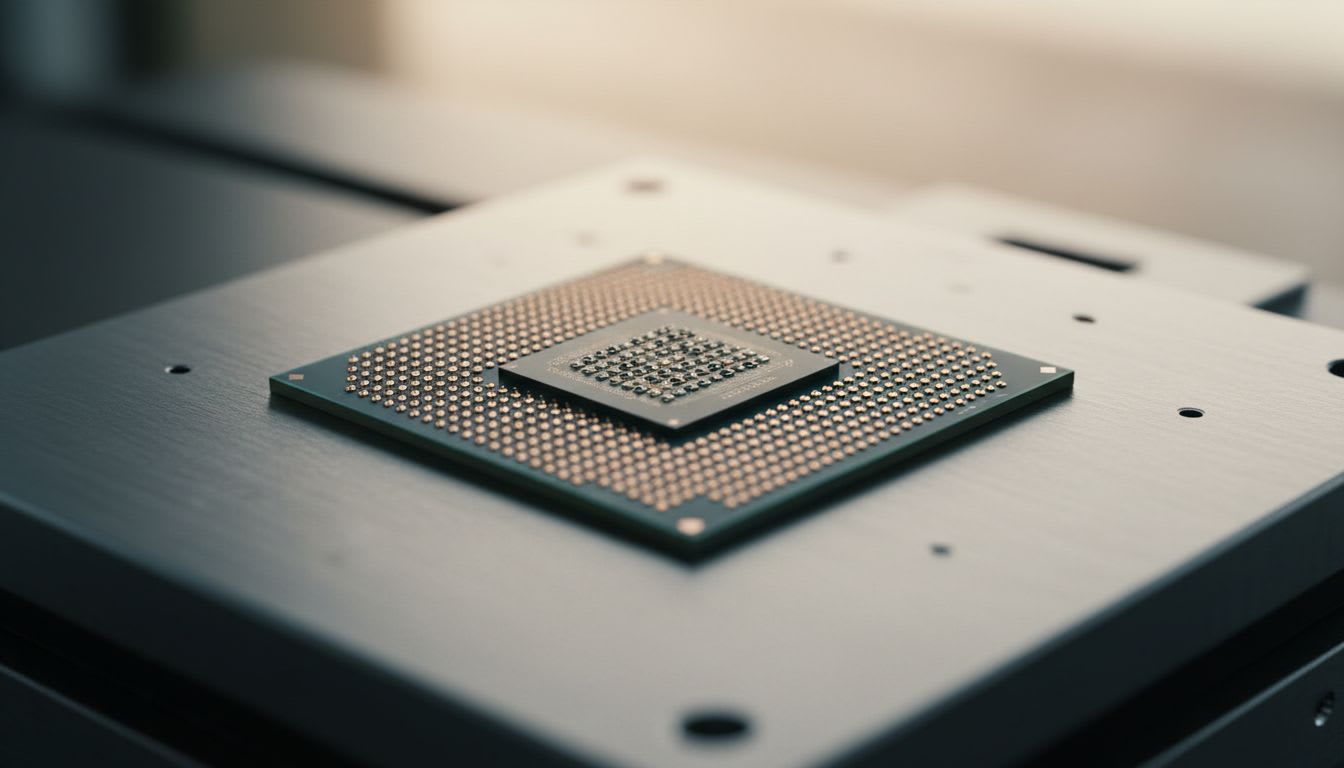
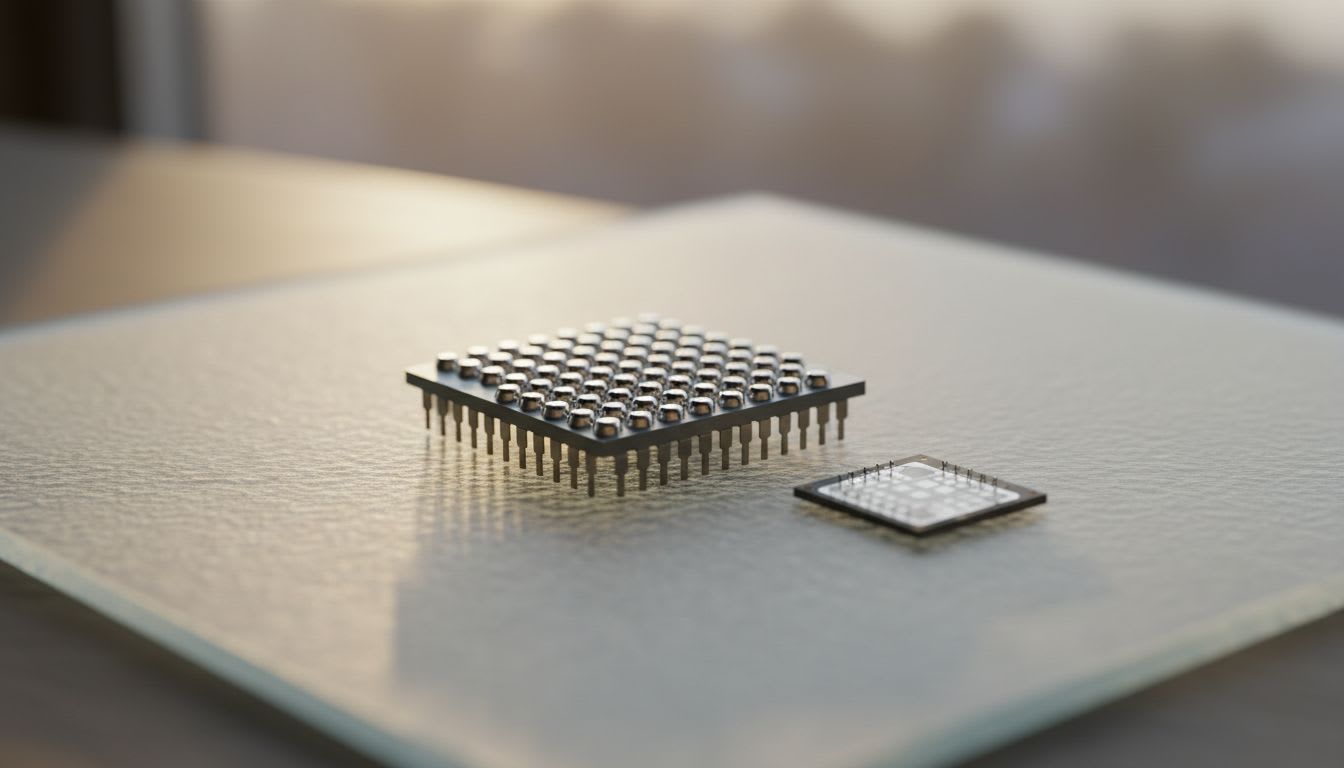
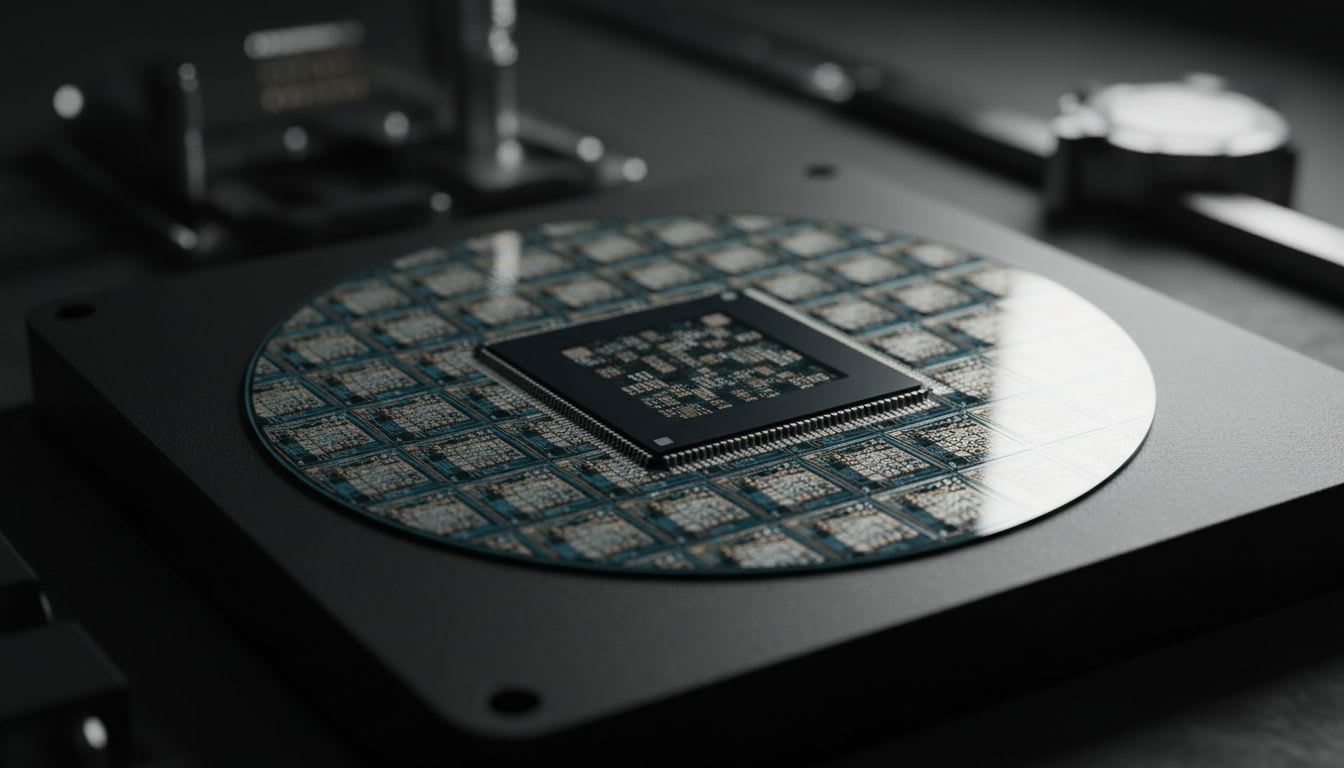
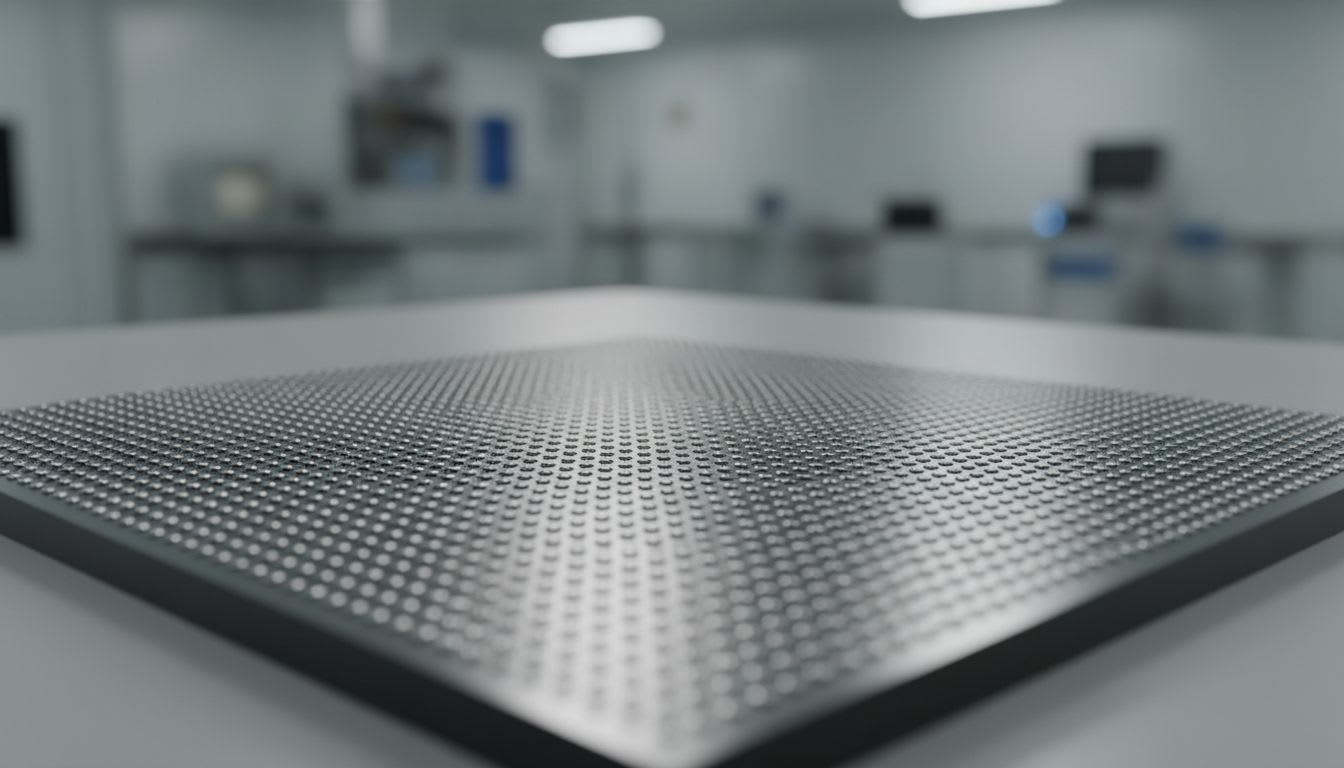
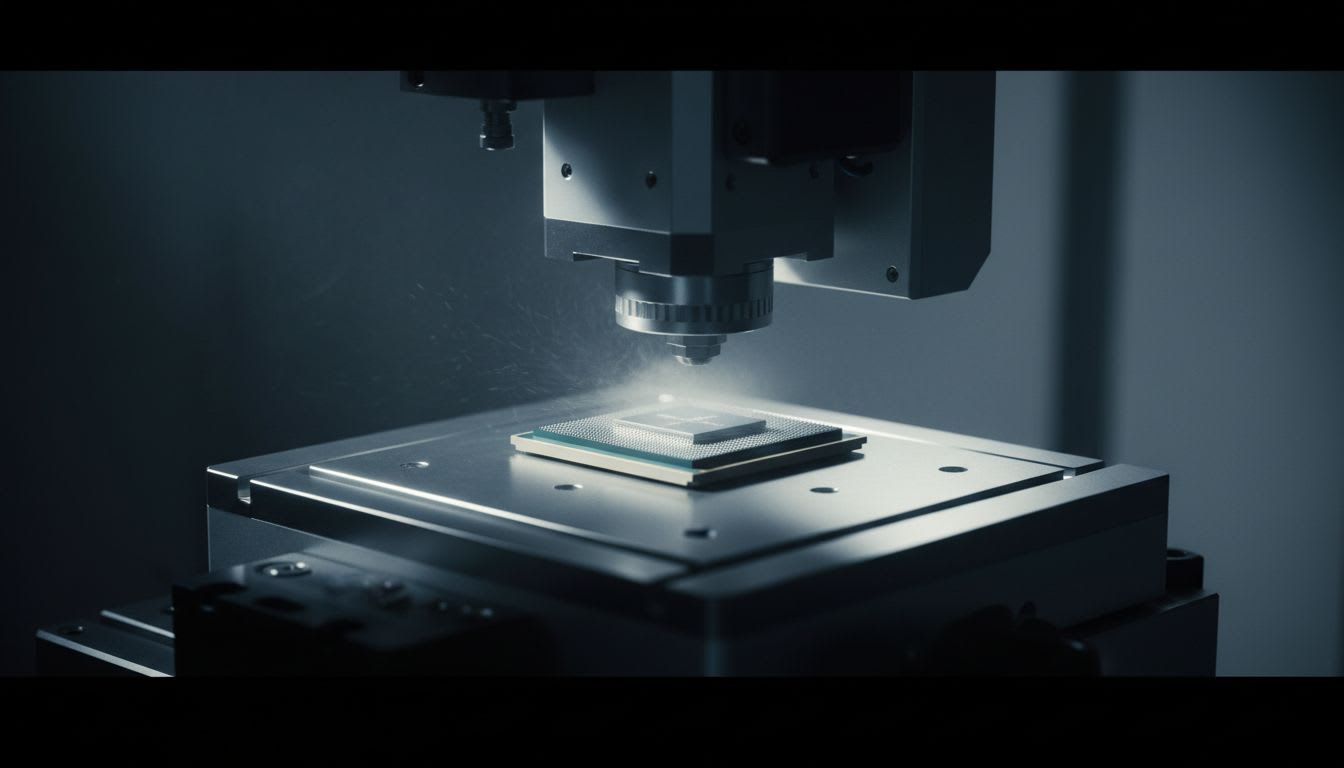
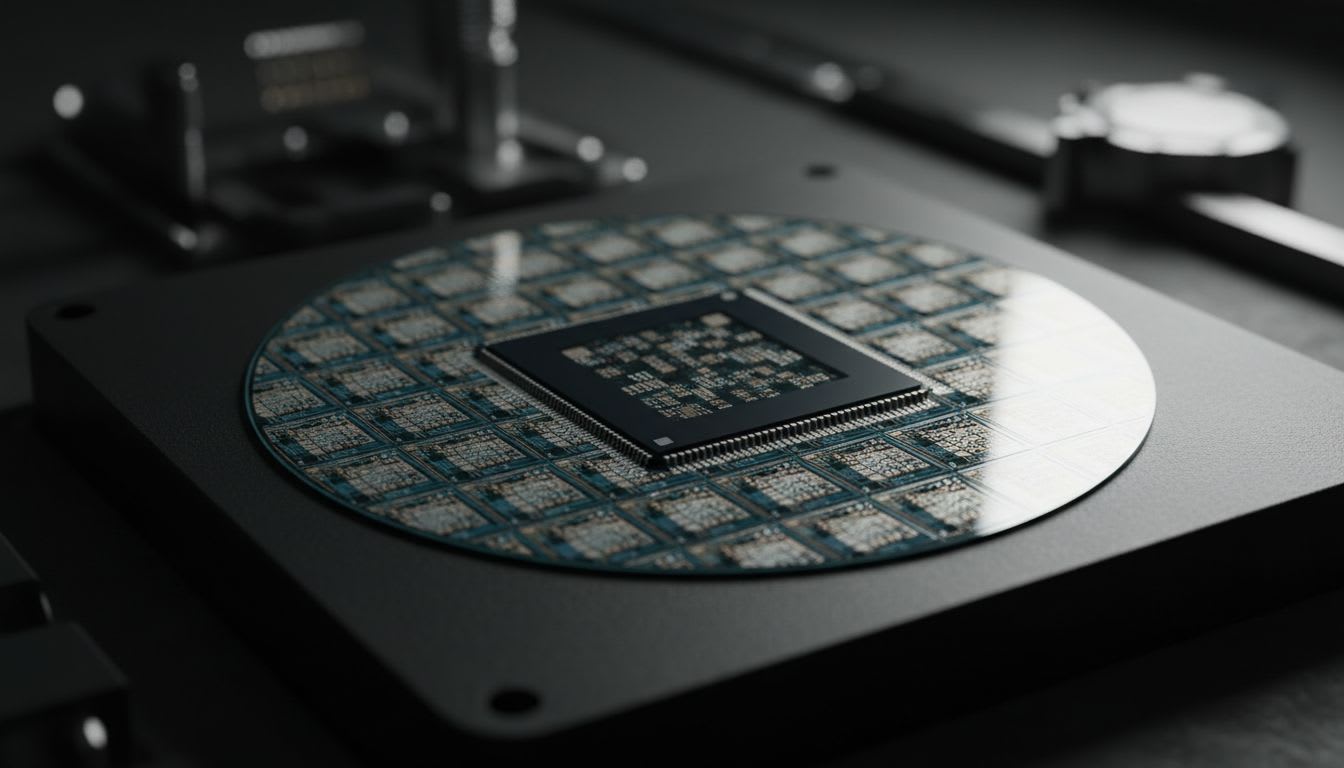
For instance, a common issue in semiconductor wafer processing is defects due to slight thickness variances or surface scratches. The fundamental solution to these problems lies in scrutinizing how the core, ultra-precision grinding technology of grinders is implemented. High-precision diamond wheel and stage technology enabling micron-level precision processing is optimized for processing specific packages like FCBGA, WLCSP, QFN/DFN, and Solar Cell, maximizing manufacturing efficiency by uniformly and precisely processing to the desired thickness. This goes beyond merely being ‘precise’; the consistently replicable precision processing capability forms the decisive technological foundation for drastically lowering defect occurrence rates. The flexibility of the grinder system, configured as Full Auto and Manual Type, supports optimal solutions tailored to the characteristics of the production process, making it a significant advantage for constructing optimal solutions.
Role of Perfect Cleaning Technology
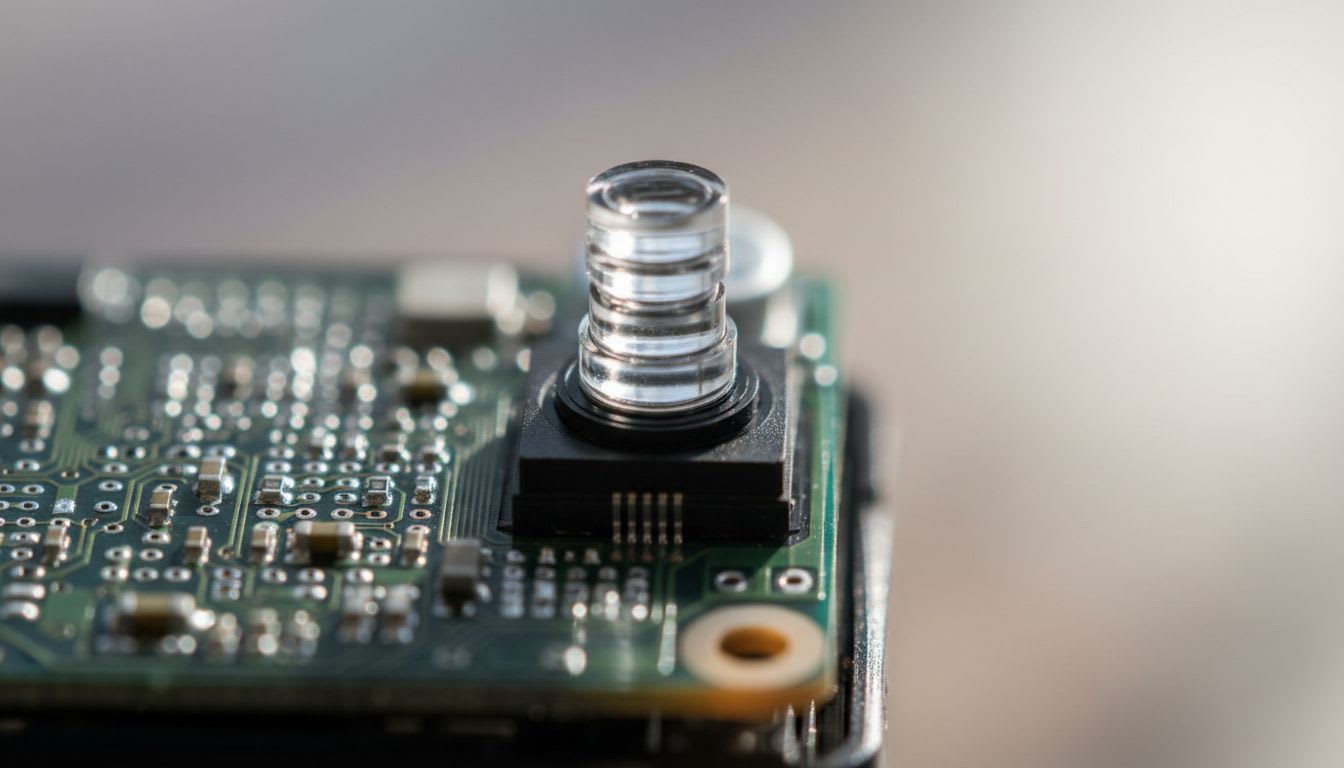
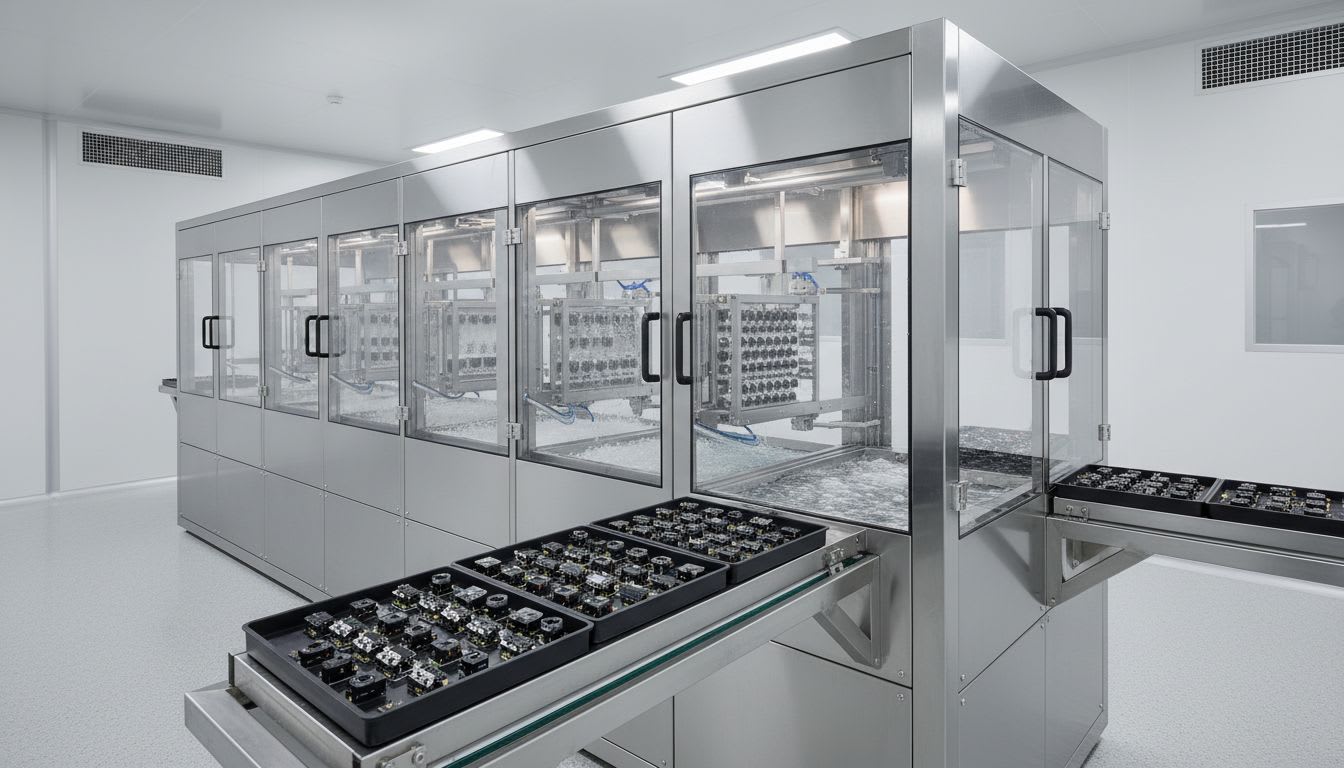
As crucial as the grinding process is the cleaning technology for removing contaminants from product surfaces perfectly. Even the most precisely processed products may result in critical defects if microscopic foreign particles remain. For sensitive components like camera modules, sensors, and VCM motors, a single microscopic particle on the surface can affect the overall performance. Multi-stage cleaning technologies such as Micro Bubble, Water Jet, and Air Knife play a crucial role in drastically reducing defect rates by meticulously removing microparticles from product surfaces and reliably securing final product quality. These technologies, which also support perfect drying processes, provided through choices between Full Auto/Manual, deliver convenience in process automation and maintenance, embodying the values of reliability and precision that Huvics pursues.
Evaluation of Field Application and Long-term Operational Efficiency
The process of choosing the best grinder brand reveals its true worth in the final stage, where it involves a deep analysis not only of technical specifications but also of field applicability and long-term operational efficiency. Experts at this point meticulously evaluate how flexibly a specific brand’s grinder system can integrate with the current production line and whether it possesses the expandability to actively respond to future production volume changes or the adoption of new technologies. It’s akin to how a well-built house not only remains sturdy but also possesses a structure adaptable to changes in family composition or functional modifications. The positive impact of automation features and easy maintenance on overall productivity is a critical element that should never be overlooked because stable equipment operation is essential for maximizing production efficiency and minimizing loss due to unexpected downtimes, thereby substantially enhancing the efficiency of workforce operations.
Flexible Systems and Productivity Enhancement
Consider an actual case faced by an electronic component manufacturer. The initially adopted grinder system had excellent technical specifications, but frequent unforeseen downtimes occurred due to compatibility issues with existing production lines and complex maintenance procedures. This eventually led to production volume decreases and unnecessary workforce deployment, causing significant losses. However, after adopting a flexible system with options for Full Auto and Manual selection, the situation improved markedly. The new system provided optimized flexibility to any production environment, stabilizing production line operations through automation and easy maintenance while maintaining consistent uptime. Further, ultra-precision grinding technology and micron-level precision processing capability allow for uniform processing of various packages like FCBGA, WLCSP, QFN/DFN, and Solar Cell to the customer-desired thickness, significantly reducing defect rates and reliably securing the quality of final products.
After-service and Long-term Partnership
However, as crucial as cutting-edge technological capabilities are, the brand’s after-service capability to maintain consistent performance and swiftly respond to unforeseen issues is just as important. Experts comprehensively evaluate the brand’s technical support structure, the stability of parts supply, and the expertise of dedicated personnel for problem resolution. Because line stoppage due to equipment malfunction can lead to enormous economic loss beyond mere inconvenience. It involves more than just equipment purchase; it involves selecting a production partner. Choosing a brand that offers reliable long-term partnerships and spares no effort in ongoing support to achieve customer production goals is the wisest and most strategic approach recommended by experts.
Huvics Integrated Solution: Expert’s Choice
The three key criteria that experts consider when selecting the best grinder brand are as follows:
- Clearly understanding the production environment and processing objectives to outline the optimal solution
- Deeply analyzing the core technology and differentiation of each brand, contributing to defect rate reduction
- Evaluating field applicability and long-term operational efficiency to secure expandability
Meeting these criteria comprehensively, offering integrated solutions that maximize flexibility, precision, and the quality completion of final products across the entire production line is the role of a truly trusted partner by experts. Through this perspective, like a precise conductor, Huvics provides integrated solutions that encompass all stages, creating exceptional synergy with optimized equipment for each core process, based on a deep understanding of the customer’s production goals and environment.
Huvics Grinder System
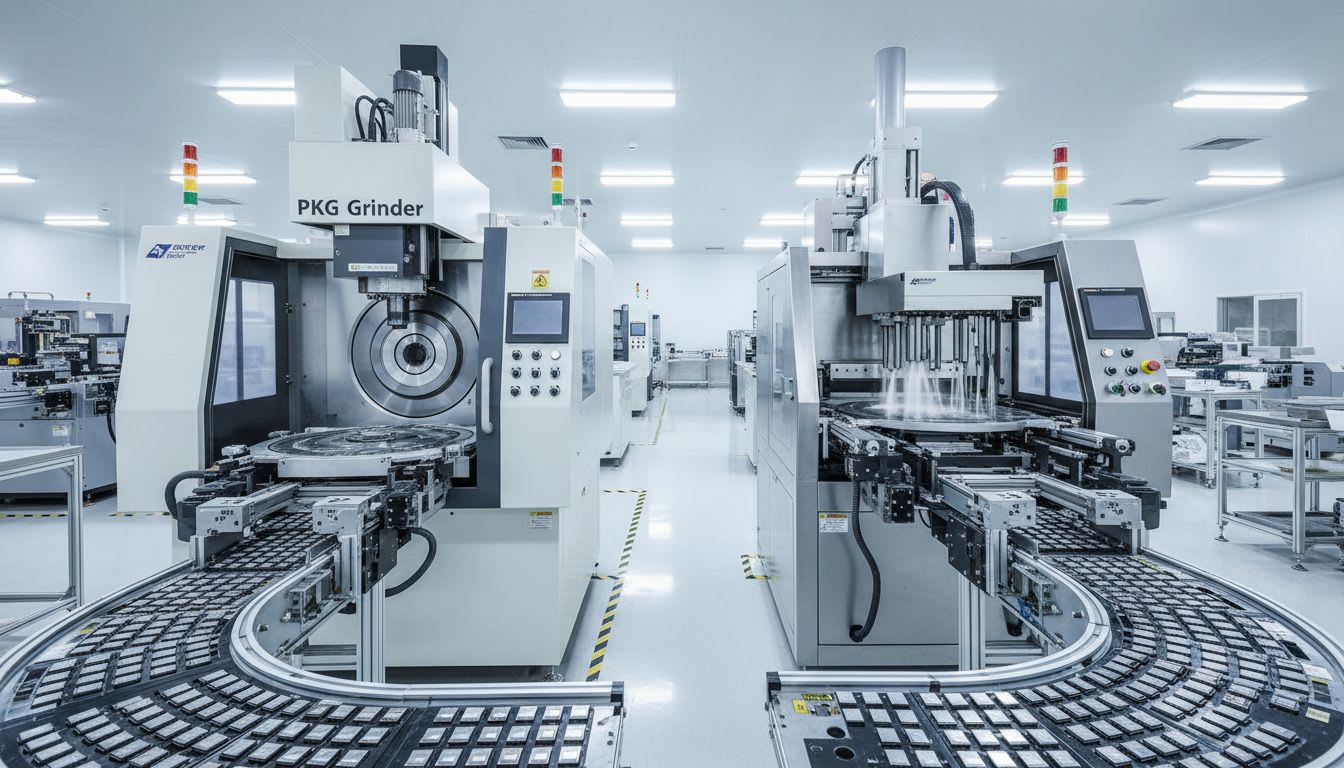
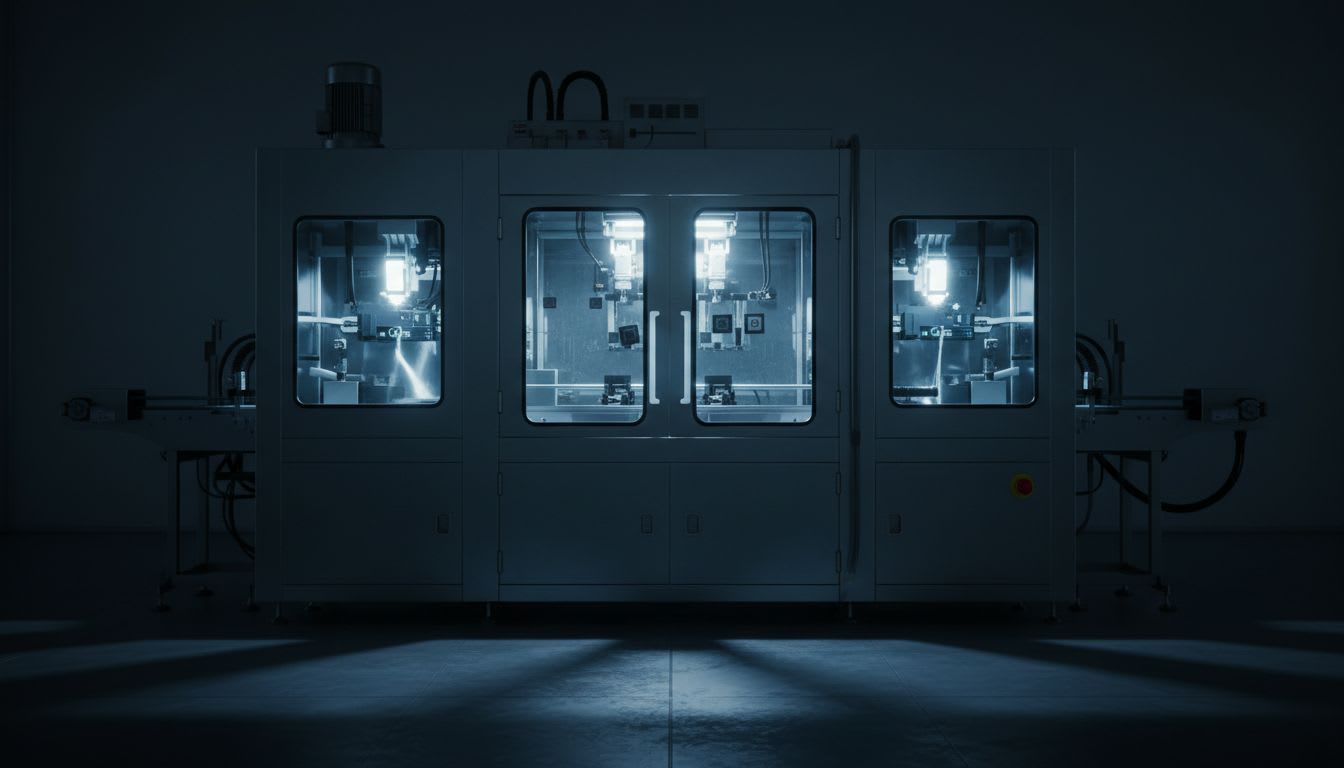
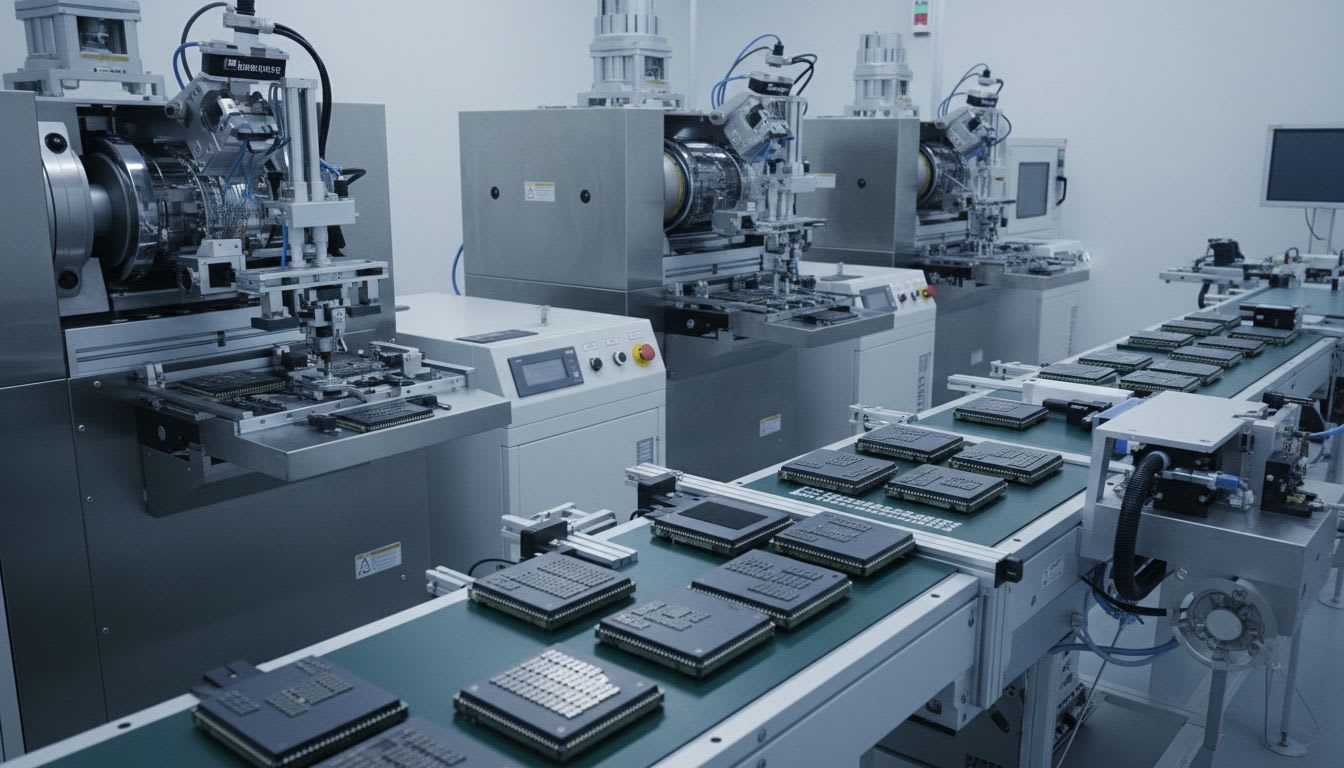
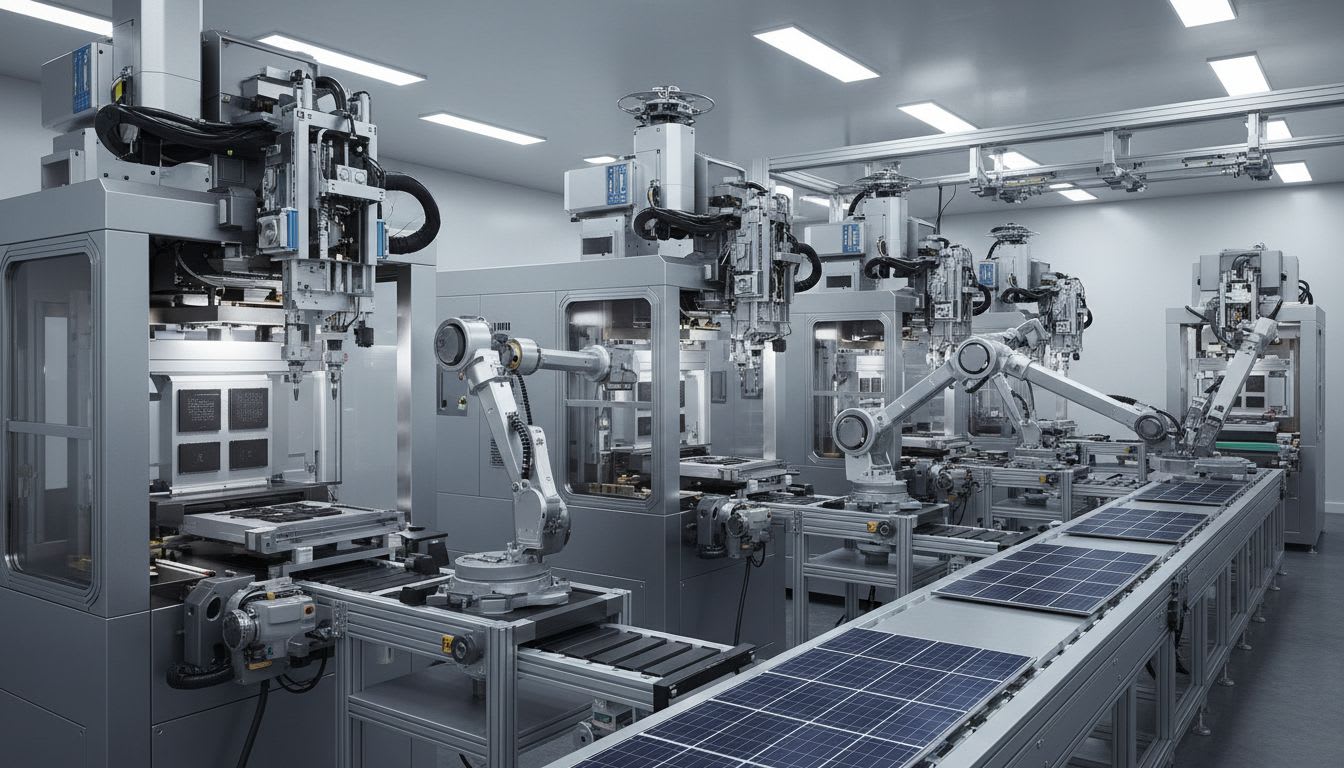
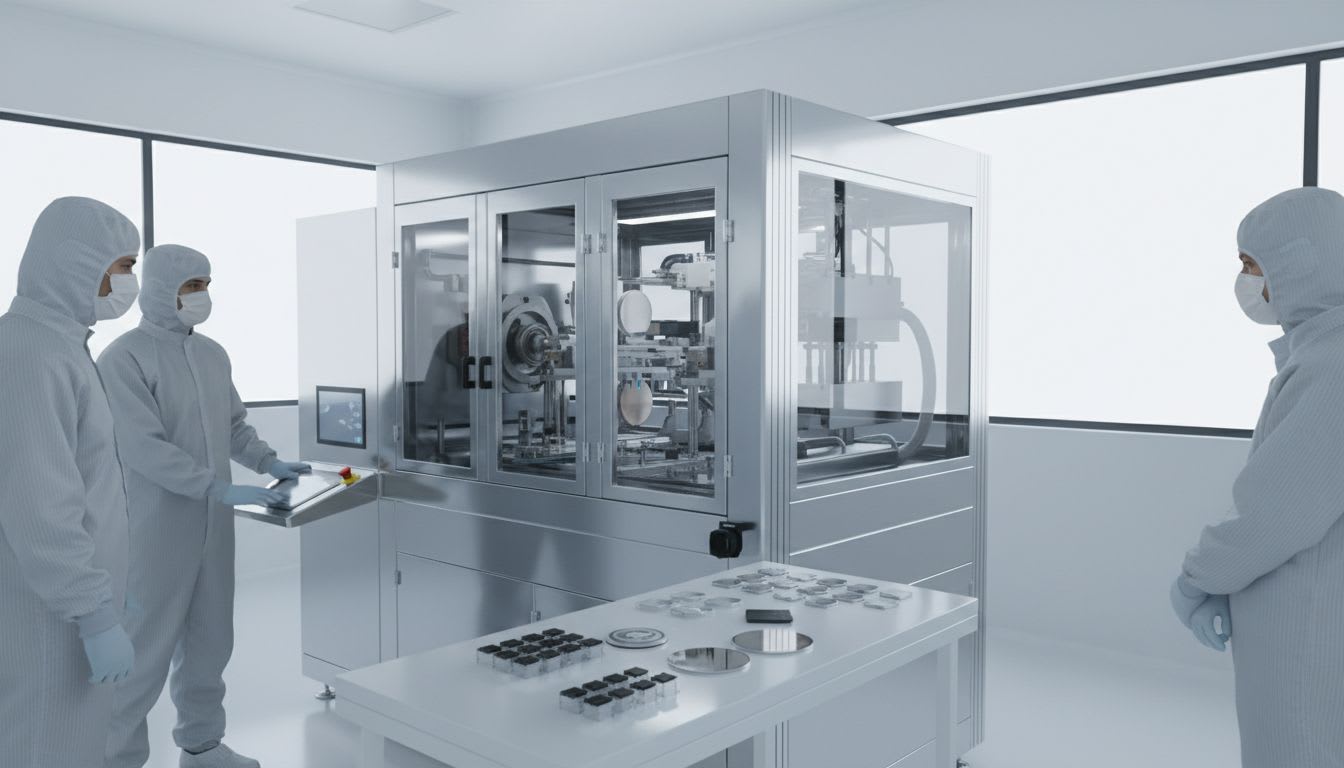
The Huvics Grinder System reflects the importance emphasized in ‘Understanding Production Environment’ and ‘Core Technology Analysis.’ It is designed to flexibly choose between Full Auto and Manual Type, offering optimized flexibility to any production line configuration, and thus helping efficiently respond to production volume fluctuations or product diversity. Based on ultra-precision grinding technology, it achieves stable and high precision processing regardless of the product’s shape and material, serving as the crucial foundation influencing the quality of subsequent processes. Like setting sturdy building frameworks, uniform, error-free processing assures the reliability of final products from the beginning.
Huvics Cleaner Machine
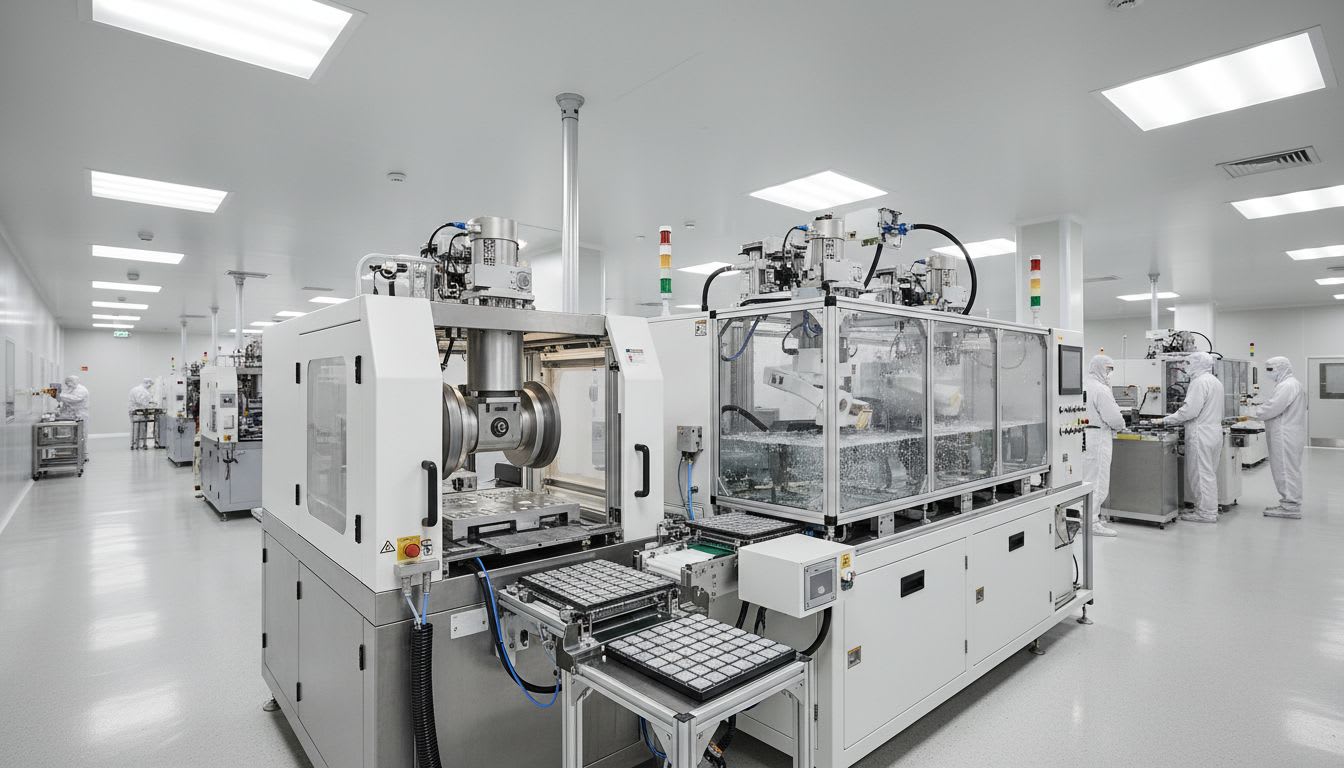
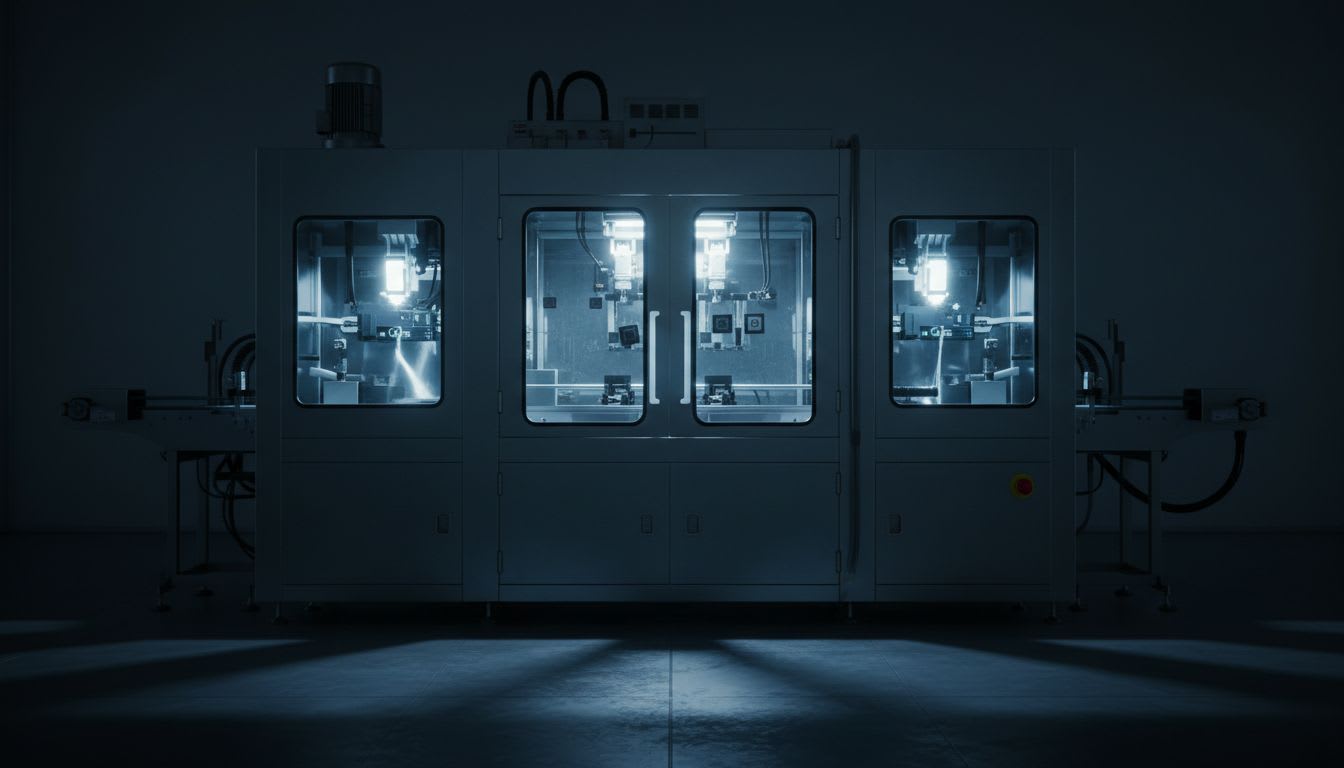
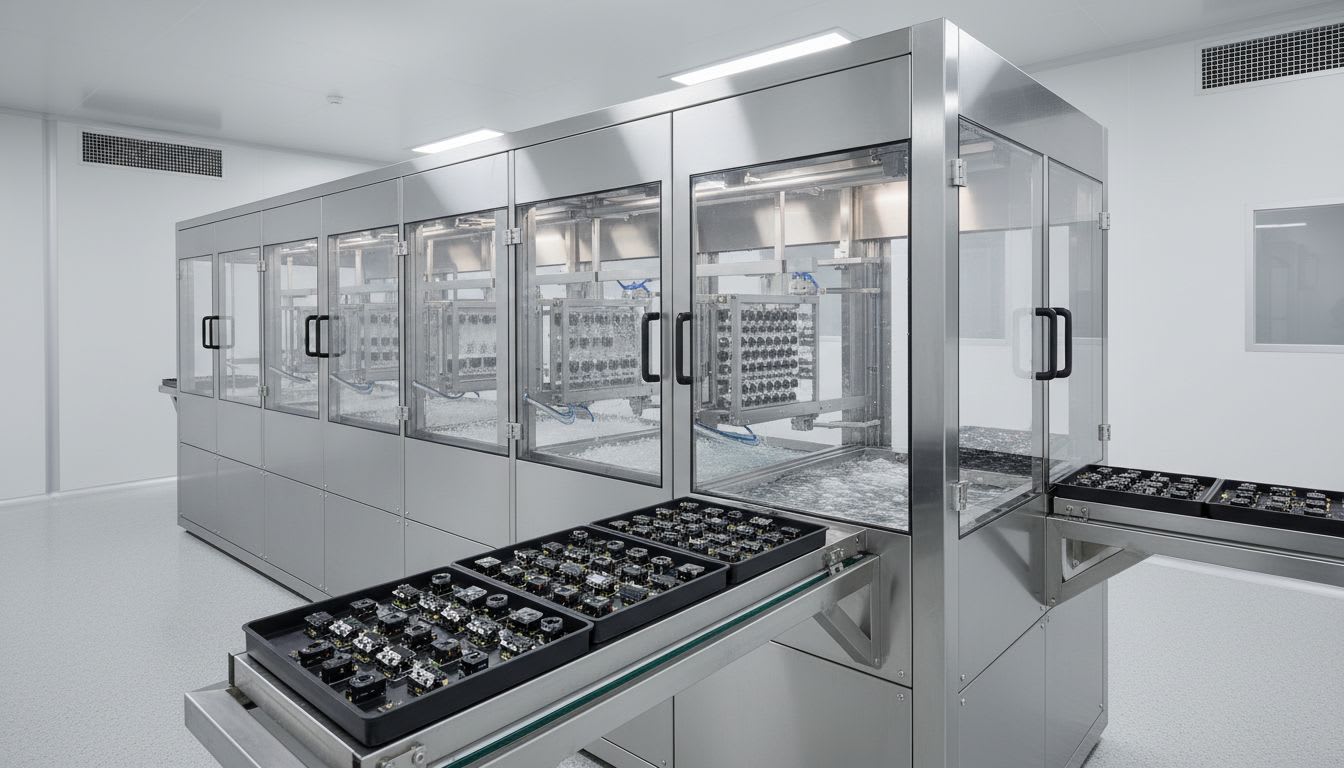
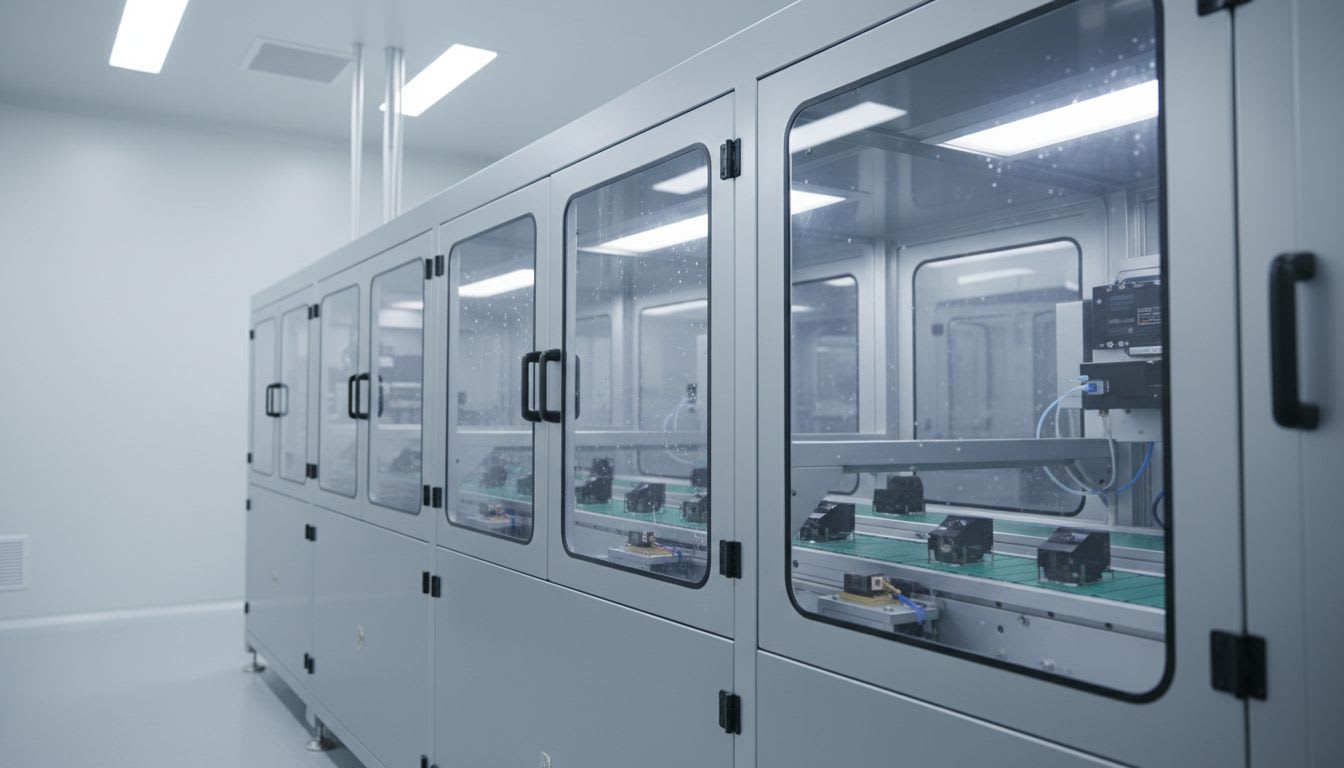
The Huvics Cleaner Machine realizes the importance of perfect cleaning, emphasized in ‘Core Technology Analysis.’ Multistage cleaning technology (Micro Bubble, Water Jet, Air Knife) and Oven Dry features prevent critical defects and maximize the completion of products by not allowing a single microscopic contaminant. Optimized cleaning and drying capabilities considering the characteristics of sensitive components like camera modules, sensors, and VCM motors ensure that products enter the next process spotlessly without watermarks or residual particles. This system, also offering options between Full Auto and Manual, provides convenience in process automation and maintenance, drastically reducing defect rates through enhanced particle removal efficiency, securing stability in final quality.
Huvics PKG Grinder
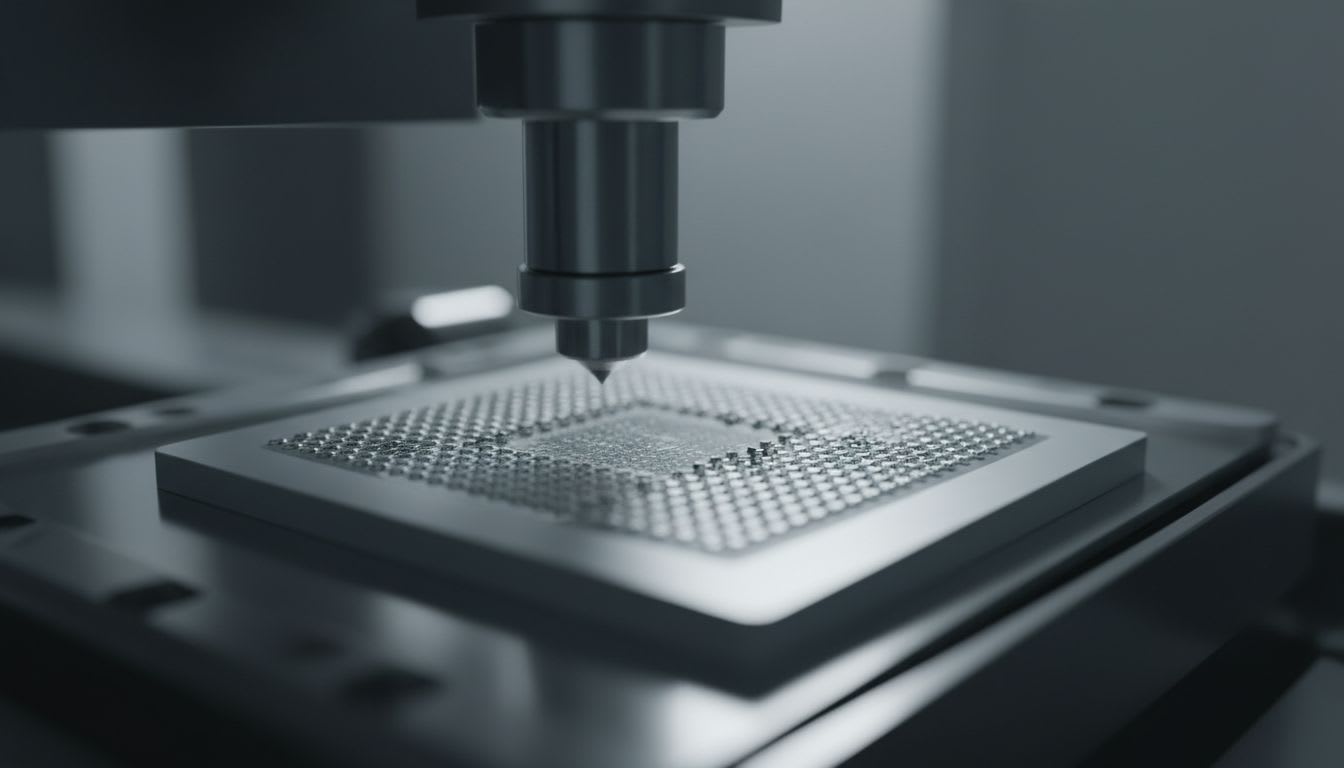
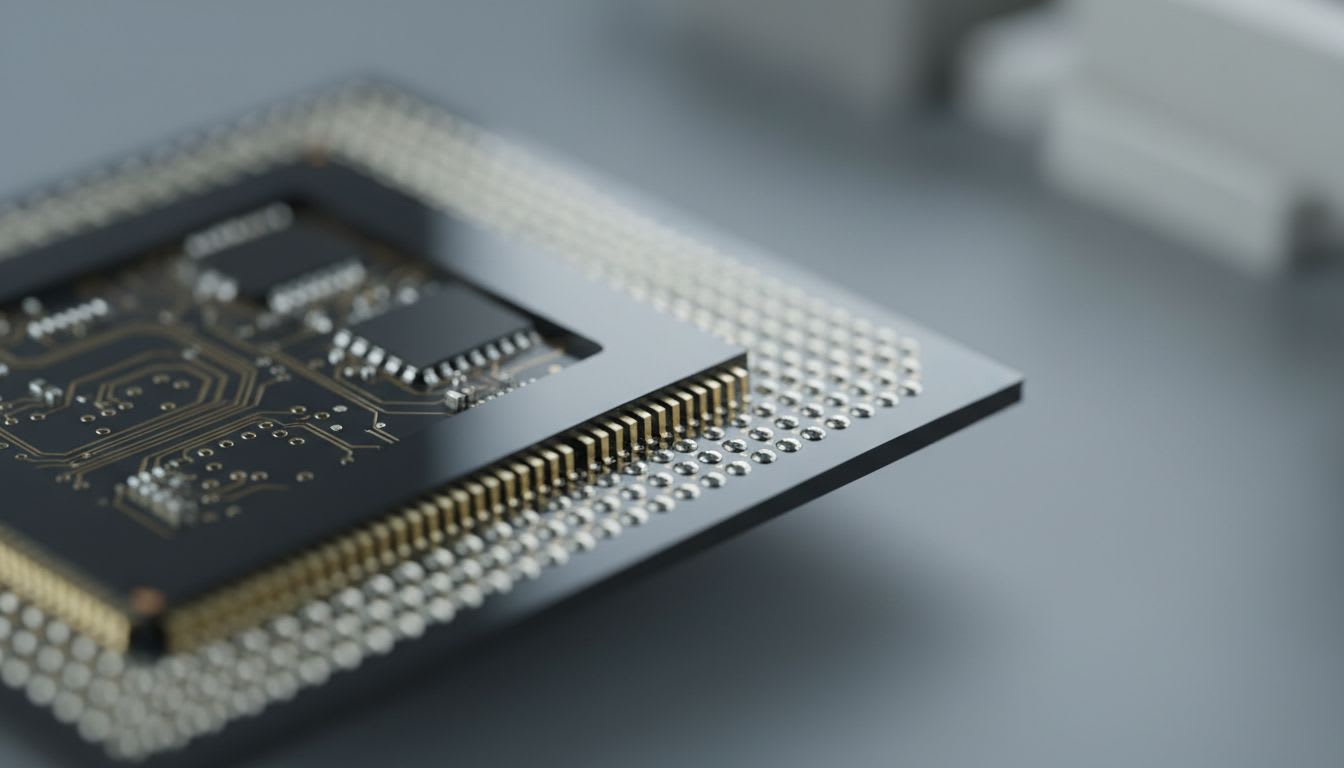
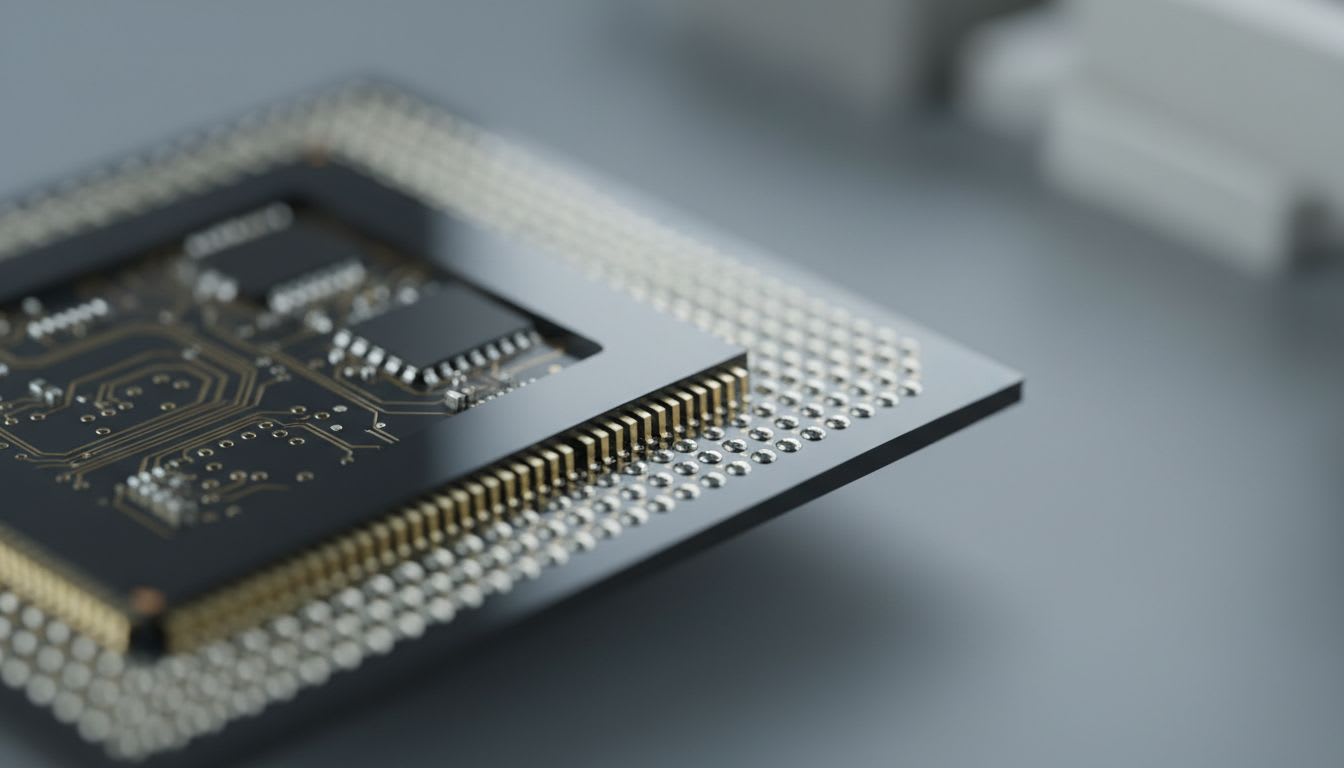
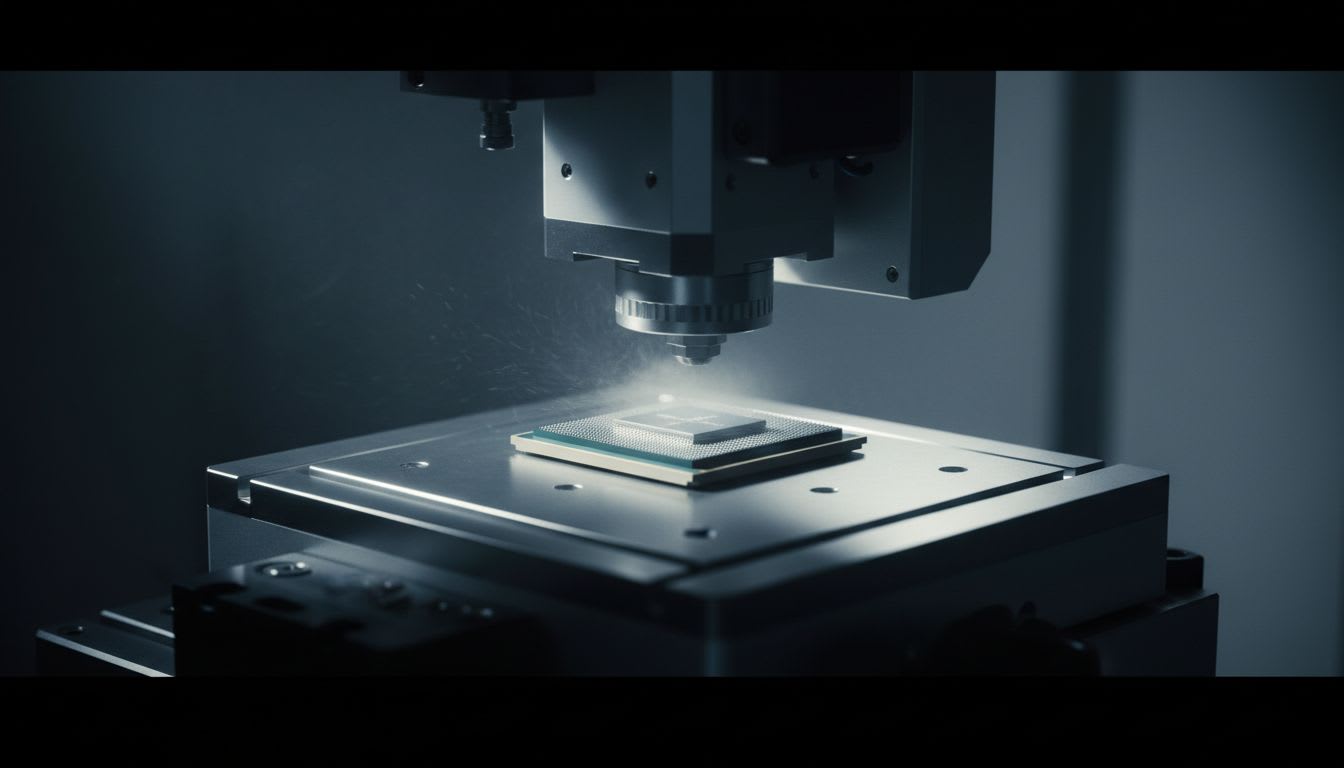
Finally, the professional response to diverse package ultra-precision processing demands mentioned in ‘Understanding Production Environment’ is central to the Huvics PKG Grinder. As a high-precision grinding device, processing packages like FCBGA, WLCSP, QFN/DFN, and Solar Cell uniformly and precisely to the desired thickness, it combines high precision Stages and Diamond Wheels, achieving ultra-precision processing that does not allow even micron-level errors. This provides outstanding competitiveness in the production of high-value products equipped with cutting-edge technology, showcasing Huvics’ core competence of realizing precision to the required level without damaging complex and minute packages.
Value of Integrated Solutions
Ultimately, the criterion for experts selecting the best grinder brand is not about the performance of a single device, but a comprehensive solution providing consistent top-level precision and stability across all processes, from grinding to cleaning and specialized packaging processing. By offering innovative technology and customer-centric flexibility at each stage, Huvics completes the true ‘expert choice,’ maximizing production efficiency and ensuring perfect quality in the final product. This means not merely selling equipment but constructing a genuine partnership that creates a successful production journey for the customer.
Ultimately, the journey of choosing the best grinder begins not merely with the performance of a single device but with insight into optimizing the entire production line from start to finish. As we explored today, the process of accurately diagnosing your needs, deeply analyzing core technologies, and considering field application and long-term partnership becomes essential conditions for a successful production, far beyond mere purchasing. Through such a comprehensive expert perspective, your production environment can assure optimal efficiency and stable quality beyond simple equipment introduction. Huvics will be a reliable partner in creating a successful tomorrow for our customers through this integrated approach.
Huvics is a high-tech company developing and manufacturing automation equipment and production systems for the semiconductor, LED, Mobile, and Cosmetic industries.
We support enhancing customer productivity and securing quality competitiveness with the best personnel and continuous technological innovation.
Huvics Co., Ltd. Contact Information
Phone: 031-374-8285
Email: cdpark@huvics.com