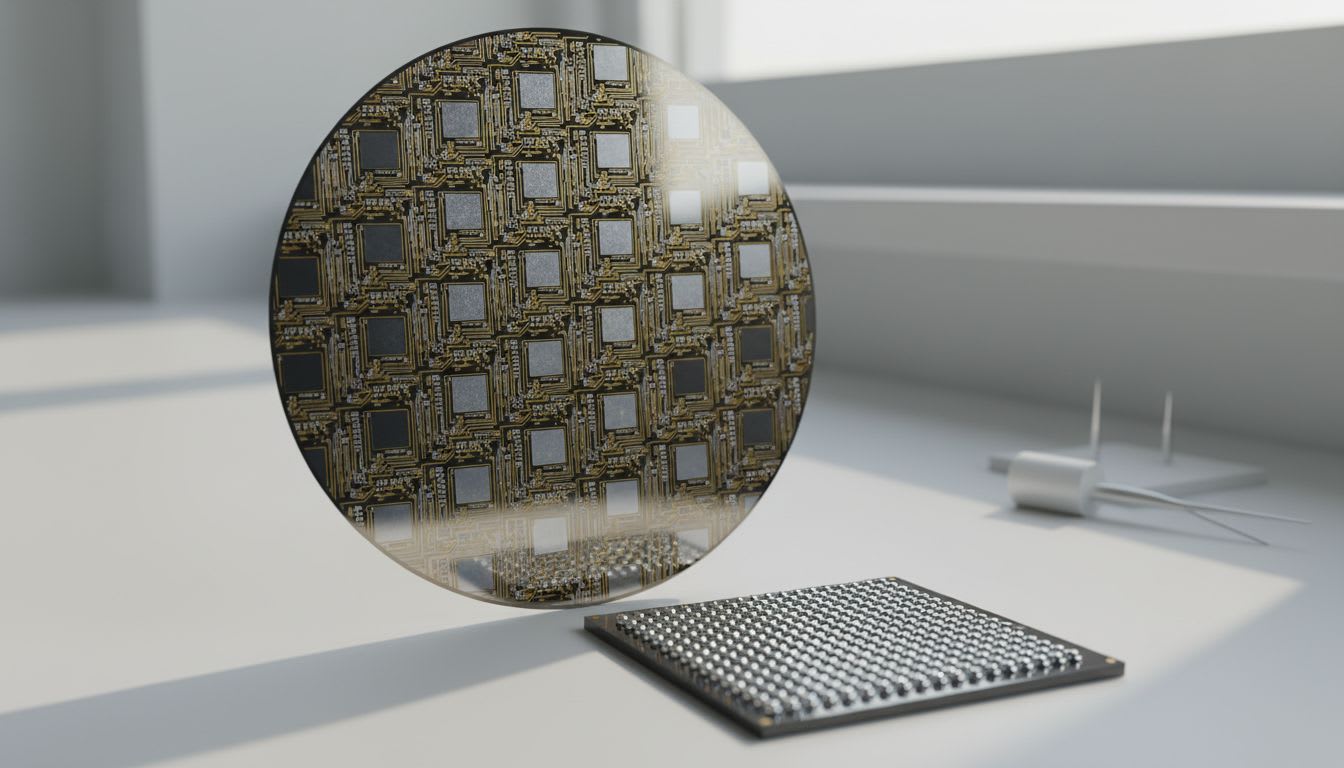
Reducing defect rates in semiconductor microfabrication processes is one of the persistent challenges even for experts. Invisible microscopic defects leading to significant cost losses can be exasperating, and knowing where to start can often feel daunting. Facing complex jargon and multi-step processes can certainly seem overwhelming. But don’t worry; this challenge is not yours to bear alone. In this article, we will partner with Huvics to present effective methods for reducing defect rates in semiconductor microfabrication clearly and concisely.
In semiconductor microfabrication processes, even the most trivial error can critically affect the final product’s quality and yield. Given the nature of complex multi-step processes that realize ultra-fine circuits, error possibilities always exist, making it crucial to accurately identify and effectively prevent them to produce high-quality semiconductors. Huvics offers a unique approach and solutions for systematically reducing defect rates at each stage of these microfabrication processes. Let’s delve into how Huvics contributes to improving production efficiency and product competitiveness for its clients at each step.
- Reducing defect rates through precise processing in initial stages
- Eliminating contaminants through perfect cleaning and drying
- Establishing comprehensive preventive strategies to ensure stability
Reducing Defect Rates through Precision Wafer Grinding and Thickness Control
Wafer Grinding Process Issues
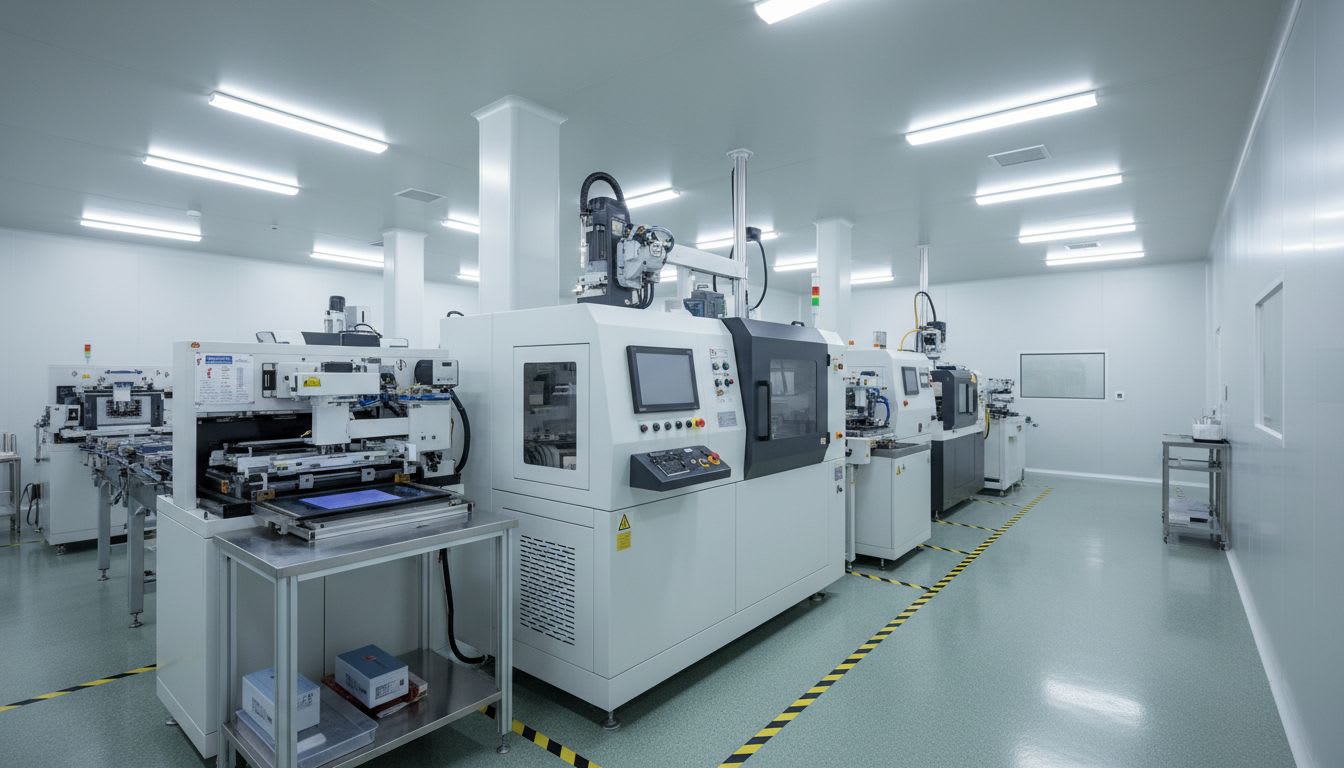
The first step in reducing defect rates in semiconductor microfabrication starts with the micro-grinding and precise thickness control of wafers. This is the crucial starting point in determining the quality of high-performance semiconductor chips, requiring cutting-edge technology to create wafers thinner and more uniform than a human hair. However, various errors such as slight thickness inconsistencies, surface scratches, unexpected microcracks, and edge damages frequently occur during this precision work. These defects can result from complex causes, including subtle vibrations of the grinding equipment, instability in coolant supply, slight errors in wafer fixation methods, or minor abrasions of the grinding wheel, making the initial stage notably challenging.
Huvics PKG Grinder Solution
To address these initial process challenges, Huvics presents the PKG Grinder, based on high-precision grinding technology. This equipment allows customers to process various packages, such as FCBGA and WLCSP, to desired thicknesses in micron units accurately and uniformly. Using a high-precision stage and diamond wheel, it minimizes wafer thickness inconsistency and significantly reduces the risk of surface scratches or cracks. By ensuring stable wafer fixation and effectively controlling vibrations during the grinding process, Huvics plays a pivotal role in dramatically reducing defect rates from the very beginning of semiconductor microfabrication processes and guaranteeing stable quality for the final products.
Complete Contaminant Removal through Precision Cleaning and Drying
Contamination Issues in Cleaning and Drying Processes
Wafers with a perfect micron-level shape, achieved through precision grinding processes, now face new challenges in the subsequent surface cleaning and drying stages. The second critical step in reducing microfabrication defect rates is to completely eliminate all potential contaminants from the wafer surface. During this stage, invisible fine particles, metallic ion residues, organic residues, etc., remaining on the wafer surface, become the main culprits in sharply decreasing the yield of subsequent processes. Furthermore, improper drying methods can leave watermarks or stains on wafers, which directly result in critical functional deterioration. These issues arise from complex causes including inappropriate cleaning solution composition, inadequate cleaning force, reduced drying efficiency, or insufficient contamination management within the cleaning equipment, rather than merely inadequate cleaning.
Huvics Cleaner Machine Technology
To break this chain of adverse effects, Huvics introduces precision cleaning technology. Our Cleaner Machine harnesses multi-stage cleaning technologies, such as Micro Bubble, Water Jet, and Air Knife, to thoroughly remove even microscopic contaminants from product surfaces. Moreover, with an optimized Oven Dry function, it achieves a perfect drying process that leaves no watermarks or stains on wafer surfaces. Huvics’ precise cleaning and drying solutions maximize the cleanliness of wafer surfaces, preemptively removing potential defect-causing factors that could occur in subsequent processes. This dramatically enhances particle removal efficiency, playing a decisive role in reducing overall defect rates and ensuring the stability of the final product’s quality.
Comprehensive Process Diagnostics and Preventive Strategy Development
Need for Systematic Preventive Strategies
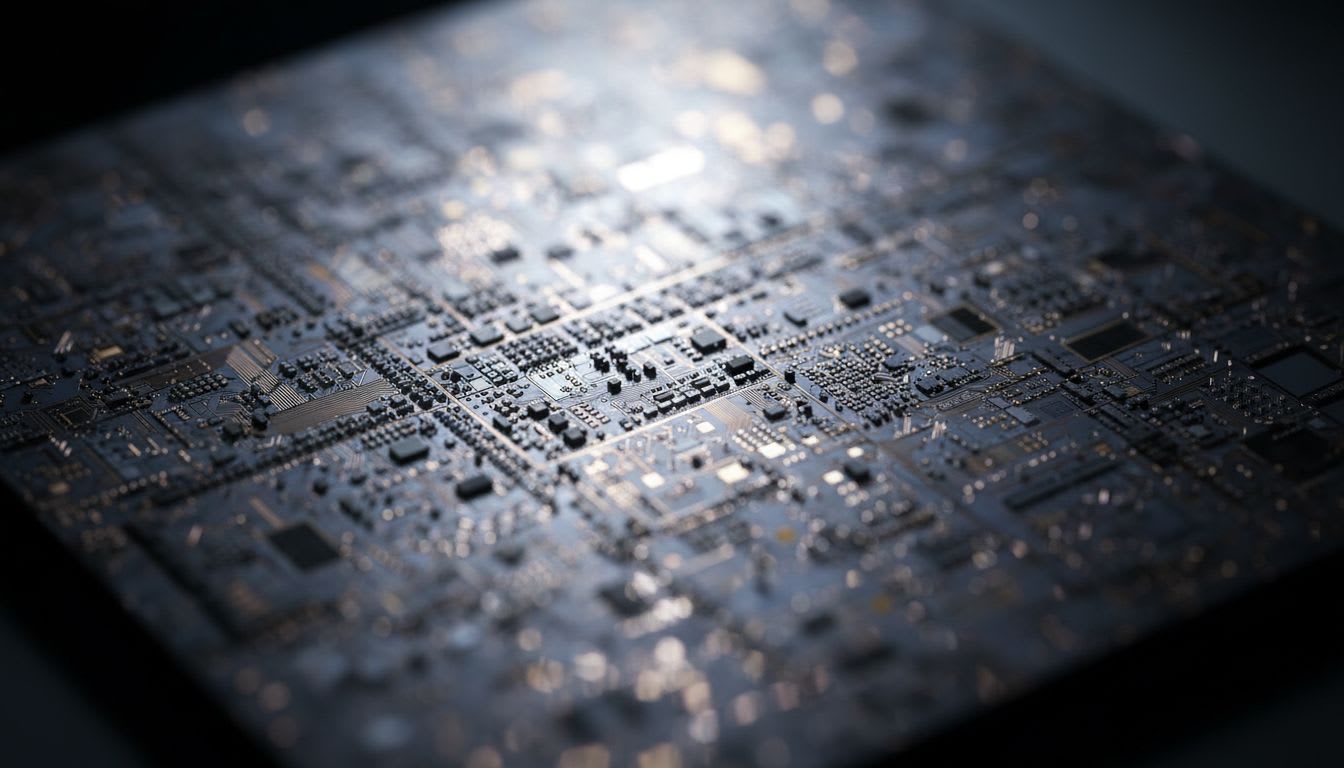
The final stage of the journey to drastically reduce defect rates in semiconductor microfabrication is establishing systematic measures to thoroughly diagnose and completely prevent the micro-grinding and cleaning process errors previously analyzed. Beyond individual process improvements, it’s crucial to have the capability to identify potential issues and respond proactively in the continuous flow of the entire production line. To maximize precision in microfabrication, the following points should be addressed.
- Regular maintenance of high-precision grinding equipment
- Efficiency enhancement through optimized grinding parameter settings
Integrated Contributions of Huvics Solutions
The ultra-precision grinding equipment provided by Huvics, such as the PKG Grinder, enables micron-level precise machining, and rigorous maintenance of such equipment consistently ensures uniform and stable wafer processing. Moreover, introducing the latest multi-stage cleaning technologies to thoroughly remove surface contamination is essential. Innovative cleaning methods such as Micro Bubble, Water Jet, and Air Knife comprehensively remove even the smallest particles, fundamentally blocking defects caused by contamination of the final product. Together with perfect drying functions, the Cleaner Machine by Huvics maximizes the efficiency of the cleaning process, contributing directly to defect rate reduction.
Real-time Monitoring and Data Analysis
To enhance the impact of all these efforts, establishing a real-time process monitoring and data analysis system for early detection of potential errors is crucial. Data-driven systematic management and prediction empower preemptive responses to issues before they arise, ultimately playing a crucial role in minimizing defect rates and ensuring the stability of final product quality. Through such integrated approaches and Huvics’ advanced solutions, the readers can effectively manage semiconductor microfabrication errors and gain practical solutions needed for producing the highest-quality products.
The process of reducing defect rates in semiconductor microfabrication goes beyond the mere performance of individual equipment. The key lies in organically connecting each step and proactively managing potential risks through an integrated approach. From precise wafer grinding to perfect cleaning and drying, and comprehensive preventive strategies across all processes, Huvics’ advanced solutions thoroughly control even invisible errors, ultimately forming a strong foundation to enhance production efficiency and product competitiveness. Now is the time to transcend the challenge of defect rates and move towards setting new standards in the semiconductor industry.
Huvics is a high-tech company developing and manufacturing automation equipment and production systems across industries such as Semiconductor, LED, Mobile, and Cosmetic.
We support the enhancement of customer productivity and securing quality competitiveness through continuous technological innovation and top staff.
Contact Huvics Co., Ltd.
Phone: 031-374-8285
Email: cdpark@huvics.com