Tag: Semiconductor

  • Quality Management After Semiconductor UV Curing: A Step-by-Step 3-Stage Key Checklist

    Quality Management After Semiconductor UV Curing: A Step-by-Step 3-Stage Key Checklist

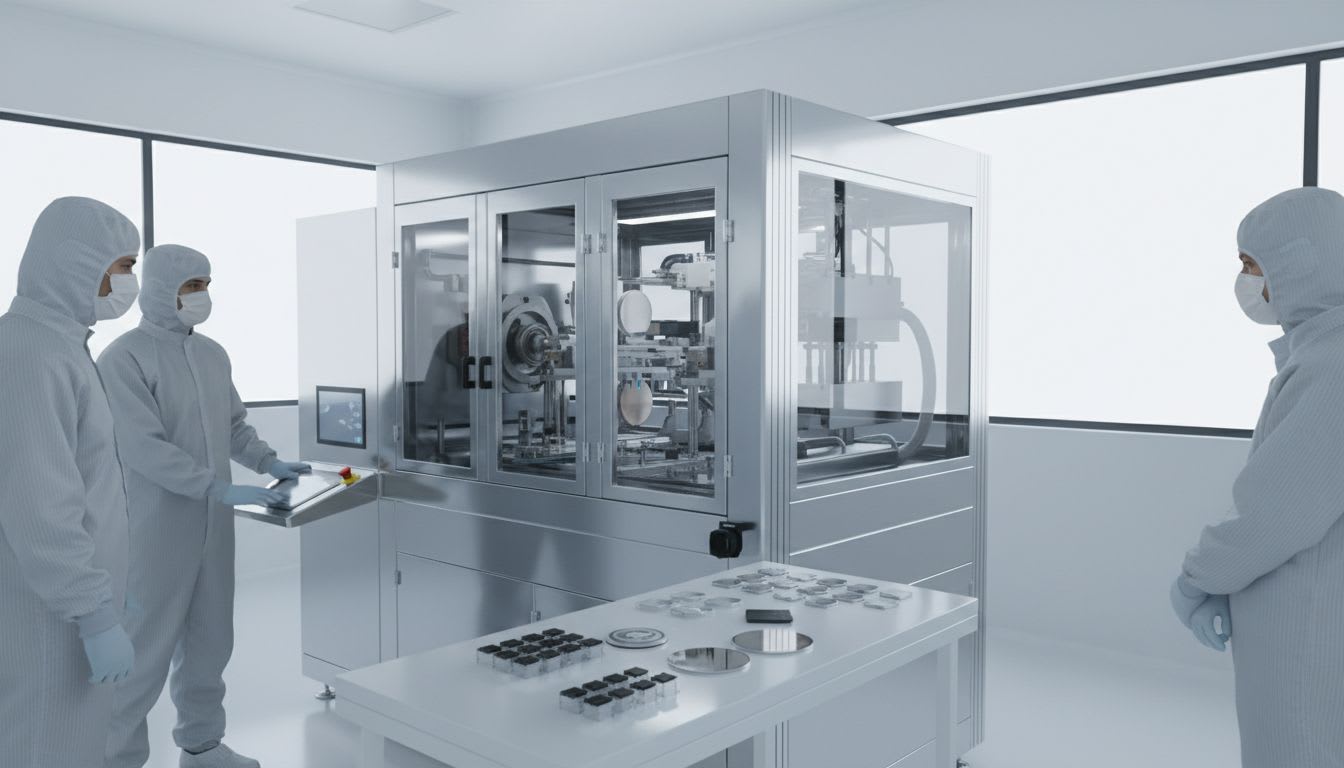
    Semiconductor quality experts often say, “Defects always start from the smallest part.” This means that meticulous quality testing for managing even the invisible micro-defects is essential to reduce the defect rate of the final product after the UV curing process. Focusing on this aspect, we propose a systematic 3-stage quality testing checklist. Shall we start the journey toward zero defect rate together?

    The journey to ensuring stable quality in the semiconductor UV curing process is like exploring a treasure hunt with a delicate map. Each step should be carefully taken to discover hidden defects and achieve near-perfect quality. It is important to support successful quality management with ultra-precision processing technology and customer-oriented solutions as reliable partners on this journey. The goal is not just to provide equipment but to become the optimal partner for improving customer production efficiency and quality.

    Stage 1: Thorough Preparation for a Perfect Start

    The semiconductor UV curing process is like weaving a delicate lace. Just as a single mistake in a thread can damage the entire artwork, small defects in the preparation stage can lead to defects in the final product. The first step towards perfect quality begins with thorough preliminary checks.

    • Key Equipment Inspection: Like a skilled craftsman examining tools, the precision and operational status of the laminator system, expander, and tape mounter must be meticulously checked.
    • Process Parameter Setting: Like a precise dyeing recipe, the precise setting of exposure and time for the lamp/LED UV Curing system according to product specifications is essential for uniform curing.
    • Optimizing the Work Environment: Just like delicate temperature control, maintaining stable temperature and humidity in the work space is crucial for ensuring uniform quality throughout the curing process.

    Through thorough preparation, customers should be supported to ensure the highest quality.

    Stage 2: Intermediate Inspection to Block Potential Issues

    Intermediate inspection after UV curing is like checking the state of freshly baked bread in the oven. Though it might look fine on the outside, it could be undercooked inside. This stage focuses on preemptively blocking potential problems and maintaining optimal curing conditions.

    • Adhesion Strength Measurement: Like checking the elasticity of bread, measure the adhesion strength of the cured surface. This is a crucial element directly linked to product durability.
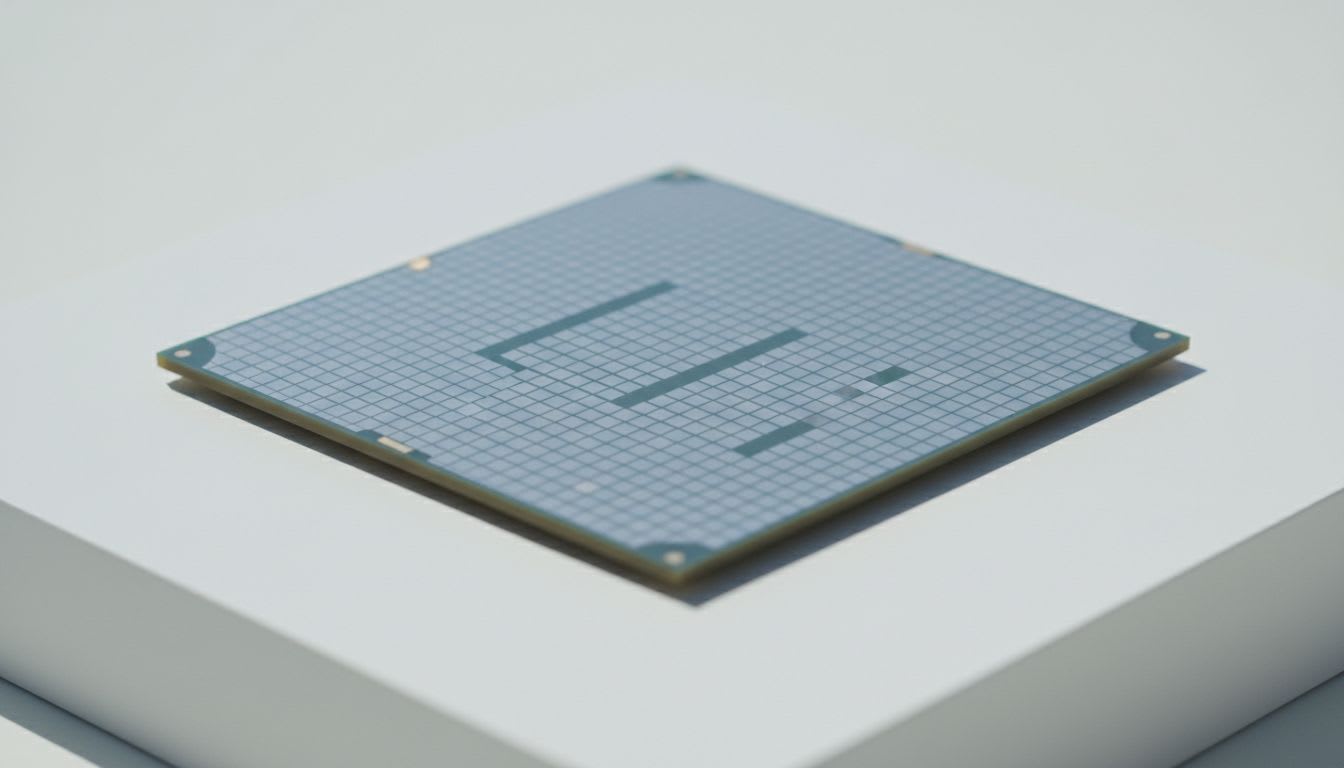
    • Visual and Microscopic Inspection: Like checking for foreign substances in bread, inspect for micro-bubbles or foreign substance inclusion. Even small defects can shorten product lifespan and cause performance deterioration.
    • Precise Sample Analysis: Like checking if the bread is fully baked by looking inside, perform precise analysis through sampling and finely adjust the parameters of the UV Curing system to maintain optimal curing conditions.

    If issues are found, quickly identify and resolve the cause. Like an experienced chef adjusting the recipe to make perfect bread, it is essential to support the stable production of high-quality products.

    Stage 3: Precise Analysis to Ensure Final Quality

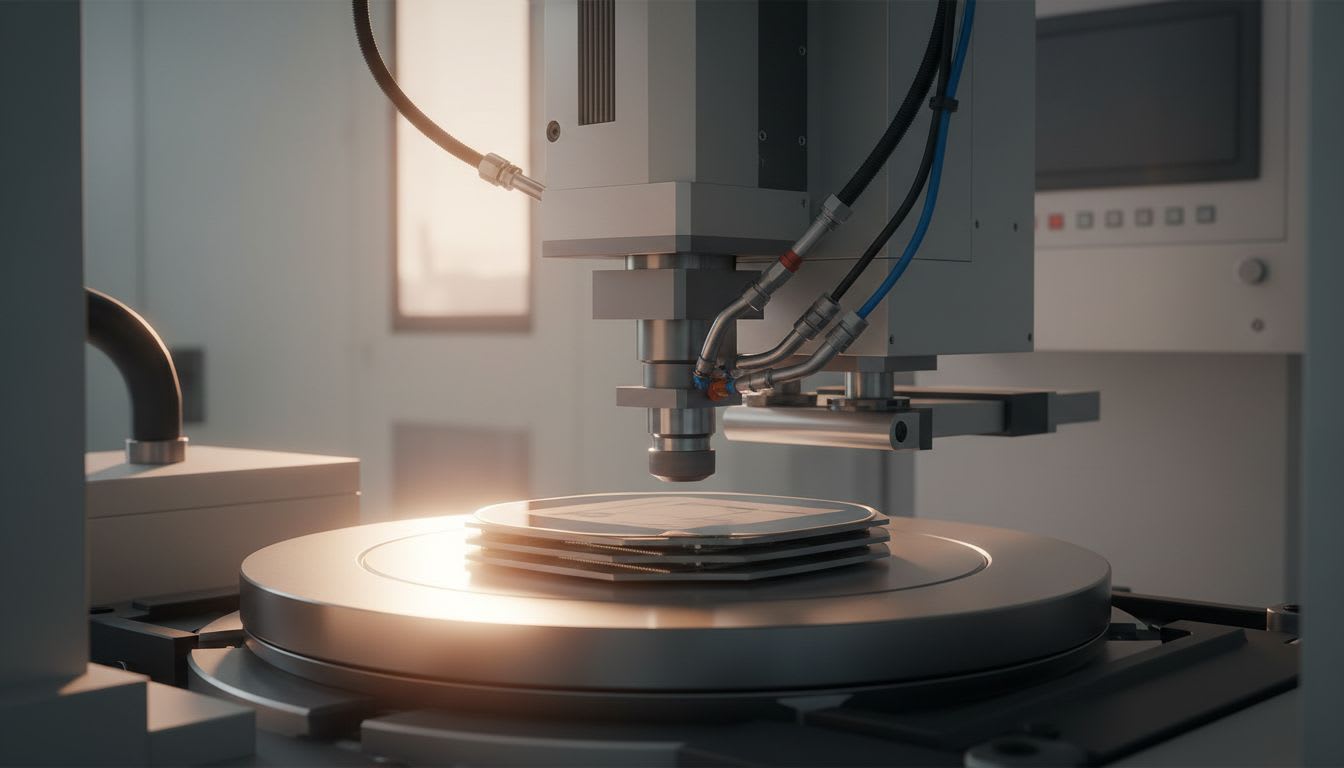
    The semiconductor UV curing process is like the precision making of a watch. Numerous parts must be assembled accurately to complete a perfect watch, and quality management at each stage determines the success of the final result. Stage 3 quality testing is the final review stage. Using cleaner systems and high-magnification microscopes to thoroughly analyze micro-contaminations and defects on the cured product surface is like a watchmaker using a magnifying glass to spot even the smallest scratch.

    Also, systematically analyze measurement data to optimize the UV curing process and use the accumulated data to prevent potential future issues. This is like continuously researching to reduce errors in a watch. Huvics focuses beyond merely providing equipment, offering optimal solutions for improving customer production efficiency and quality.

    Conclusion: Beyond Quality Management to Customer Satisfaction

    Marketing experts emphasize, “Quality management that does not improve customer experience is meaningless.” This means that the quality testing of the semiconductor UV curing process must strive for the greater goal of customer satisfaction beyond merely reducing defect rates. Through the 3-stage quality testing checklist, Huvics will maximize customer experience and continue to provide technical support and customized solutions after equipment introduction, becoming a reliable partner for successful quality management. Ultimately, near-perfect quality will be the key to gaining customer trust and opening new possibilities.

    Huvics is an advanced technology company that develops and manufactures automated equipment and production systems across the semiconductor, LED, mobile, and cosmetic industries.
    With top personnel and continuous technological innovation, we support customers’ productivity improvement and quality competitiveness secures.

    Contact Huvics Co., Ltd.

    Phone: 031-374-8285
    Email: huvics01@gmail.com

    Inquiries to Huvics

  • How to Improve Productivity: Learning from Laminator System Implementation

    How to Improve Productivity: Learning from Laminator System Implementation

    Grinder High-Speed Processing Issue Resolution for Productivity Innovation Success Story

    The high-speed processing industry continuously seeks higher productivity and quality advancements. The Grinder, essential for precision surface finishing and material removal, is widely used across various sectors. However, several issues arising when operating the Grinder at high speed have impeded production efficiency. In a scenario demanding innovative technologies and solutions, one company garnered industry attention by adopting the Laminator System to overcome Grinder high-speed processing challenges and significantly enhance productivity. By streamlining inefficiencies in existing processes and proactively integrating new technologies, the company successfully bolstered its competitiveness. This case provides practical assistance and inspiration to many companies facing similar challenges by detailing innovative approaches to solving Grinder high-speed processing issues and their effects. The Laminator System’s one-stop lamination process, in particular, played a crucial role in reducing Tact Time and improving productivity by simplifying processes. Furthermore, the Lamp/LED UV Curing system enhanced adhesive strength and process stability, thereby contributing to overall production efficiency. Such technological innovations support the company’s efforts to maximize the potential of Grinder high-speed processing, with a positive impact anticipated across the industry.

    Problem Awareness and Challenges

    High-speed processing with a Grinder offers benefits like improved surface roughness and increased material removal efficiency but also presents several challenges. Firstly, the vibrations and noise from high rotations worsen the workplace environment and increase worker fatigue. Secondly, the heat generated during processing can cause material deformation, degrading precision and potentially leading to defective products. Thirdly, fine particles produced during high-speed processing pollute the work environment and pose health risks to workers. These issues create additional time and costs in production, hindering overall efficiency — particularly critical for processing precision components. Traditional solutions concentrating on post-problem actions offered no fundamental solutions. For instance, installing anti-vibration setups or additional cooling systems provides temporary effects but complicates equipment and increases maintenance costs. Ventilation systems for removing fine particles increase energy consumption and alter the workplace temperature, lowering working efficiency. Therefore, fundamentally addressing these issues for productivity improvement necessitated new approaches with innovative technologies. The company explored various solutions but found it challenging to achieve satisfactory results with existing methods. Ultimately, they reassessed the entire process, deciding to aggressively incorporate new technologies into their strategy.

    Company Approach and Solutions Offered

    In this situation, the company succeeded in solving Grinder high-speed processing issues and drastically improving productivity by adopting the Laminator System. The Laminator System offers a one-stop lamination process from the Expander to UV Curing, achieving process simplification for Tact Time reduction and productivity improvement. At the heart of this system is Lamp/LED UV Curing technology, which plays a pivotal role in enhancing adhesive strength and strengthening process stability. Previously, separate bonding and curing processes followed Grinder machining, but by implementing the Laminator System, these steps became consolidated, saving time and expenses. Notably, the Lamp/LED UV Curing system surpasses traditional thermal curing methods with better energy efficiency and reduced curing time. Additionally, UV Curing minimizes material deformation and improves adhesion, enhancing product quality. Another feature of the Laminator System is its Semi Auto and Manual options, allowing flexible responses to diverse products and production requirements, helping companies maintain production efficiency across various product outputs. For example, the Manual option quickly adapts to small-scale production, while the Semi Auto option accelerates large-scale production. The Laminator System also offers a user-friendly interface, enabling operators to easily control and manage the system, regardless of skill level, thus reducing operational errors. The company succeeded in resolving Grinder high-speed processing issues and significantly improving productivity through the Laminator System, a crucial factor in strengthening their competitiveness.

    Post-Implementation Results and Customer Feedback

    After implementing the Laminator System, the company achieved remarkable outcomes. Most notably, they shortened production time: Tact Time decreased by over 30% from previous processes, leading to an increase in overall production volume. Moreover, defect rates significantly dropped. With enhanced adhesive strength and increased process stability thanks to the Lamp/LED UV Curing system, product quality improved. The workplace environment also improved. Designed to minimize vibration, noise, and fine particle generation, the Laminator System contributed to reduced fatigue and health protection for workers. Workers responded positively to these changes:

    “Thanks to this product, process time has shortened, and defect rates have decreased, greatly boosting production efficiency.”
    “Previously, working was difficult due to vibration and noise, but now I can work in a much more comfortable environment.”
    “I can feel the improvement in product quality thanks to increased adhesive strength from the UV Curing system.”

    These positive customer responses are crucial evidence of the Laminator System’s effectiveness. The company achieved three goals simultaneously — productivity enhancement, quality improvement, and workspace enhancement — significantly boosting competitiveness. Additionally, the Laminator System implementation case positively impacts other companies. Many firms benchmark this success to improve their production processes, potentially advancing the entire industry.

    The results extend beyond mere production increases, directly influencing the company’s profitability. Reduced production time and defect rates translate into cost savings, leading to increased profits. Furthermore, improved product quality boosts customer satisfaction and attracts new customers. Equipped with the competitive edge from the Laminator System, the company could explore new markets and expand business areas.

    Future Implications and Lessons

    This Laminator System implementation case provides significant insights into the high-speed processing industry. Firstly, the integration of innovative technology for problem-solving plays a decisive role in productivity enhancement. New technologies can overcome issues previously difficult to resolve and achieve significant productivity improvements. Secondly, integrating and simplifying entire processes is crucial. The Laminator System’s one-stop lamination process reduced unnecessary steps, conserving time and boosting productivity. Thirdly, enhancing the work environment directly links to productivity improvement. By reducing vibration and noise and suppressing fine particle generation, the Laminator System alleviated worker fatigue and protected health, aiding productivity. Based on these insights, companies should scrutinize and improve their production processes. They should actively consider adopting new technologies and invest in improving work environments.

    Notably, this case emphasizes the strategic importance of technology integration. The Laminator System introduction meant more than just an equipment replacement, fundamentally transforming the company’s production strategies and operational dynamics. With the competitive edge from new technology, the company can more proactively respond to market changes and pursue sustainable growth.

    Moreover, the case shows that companies can fulfill social responsibilities beyond mere profit-seeking. Improving the work environment protects workers’ health and safety, enhances quality of life, and positively impacts the company’s social image.

    In conclusion, the Laminator System implementation case is an excellent example of how innovative technology integration and strategic approaches can strengthen company competitiveness and enable sustained growth in the high-speed processing industry. We hope many companies draw inspiration from this case to innovate their production processes and craft a more advanced future. Notably, from a performance perspective, post-Laminator System implementation saw over 30% production growth and more than 50% defect reduction, achieving impressive results. This progress implies that the company could explore new markets and expand business areas, leveraging the competitive strength attained through the Laminator System.


    With importance on stability and productivity in the Grinder high-speed processing field, the Laminator System combining process simplification and UV Curing technology is a practical choice. Huvics effectively supports customers’ diverse production environments with reliable solutions for process efficiency enhancement.

    Huvics is a high-tech company developing and manufacturing automated equipment and
    production systems across the semiconductor, LED, Mobile, and Cosmetic industries.
    Our top talent and continuous technological innovation support enhancing customer productivity and
    securing quality competitiveness.

    Contact Huvics Co., Ltd.

    Phone: 031-374-8285
    Email: huvics01@gmail.com

    Huvics Contact

  • Productivity Improved by 30%! Huvics PKG Grinder Innovation Case

    Productivity Improved by 30%! Huvics PKG Grinder Innovation Case

    Technology for Achieving Speed and Precision Simultaneously with Grinder System: Success Case of Huvics PKG Grinder

    Recently, the semiconductor packaging industry has been facing unprecedented technical challenges as the demand for smaller, faster, and more efficient products surges. Especially, the process of uniformly grinding the thickness of package substrates is a crucial factor directly linked to overall performance, making it essential to meet both speed and precision requirements. To satisfy these stringent demands, many companies are seeking innovative solutions, and among them, Huvics’ PKG Grinder is attracting industry attention with its remarkable technology. The case we’re introducing today is the success story of a company that has adopted Huvics’ PKG Grinder to maximize production efficiency and dramatically improve quality. This company partnered with Huvics to overcome the limitations of existing grinding methods and strengthen its competitiveness. Through Huvics’ PKG Grinder, this company has transformed the paradigm of the grinding process, achieving a new level of productivity and quality.

    This company is a semiconductor manufacturer producing various packages such as FCBGA, WLCSP, QFN/DFN, and Solar Cell. Previously, it used grinding equipment from other companies, but it faced numerous challenges in meeting the increasing demands of its customers. The biggest issue was the trade-off between grinding speed and precision. Faster grinding resulted in larger thickness deviations and higher defect rates, while slowing down for greater precision reduced productivity, leading to a dilemma. Furthermore, changing equipment settings and maintenance to accommodate various package types required a significant amount of time and effort, reducing overall operational efficiency. Particularly for thin packages, even minor vibrations or pressure changes could easily cause damage, necessitating meticulous attention. To address these issues, the company evaluated various grinding solutions and ultimately focused on the technological excellence and potential of Huvics’ PKG Grinder. The company aimed to innovate its entire production system by resolving fundamental issues, beyond merely replacing equipment. In collaboration with Huvics, they analyzed potential problems at every stage of the grinding process and endeavored to establish optimal solutions. Huvics’ professional technical support and customized consulting played a crucial role in this process. By introducing Huvics’ PKG Grinder, the company expected to not only enhance production efficiency but also improve product quality and reduce maintenance costs in multiple aspects.

    Huvics provided core technologies and customized solutions of PKG Grinder to resolve this company’s difficulties. PKG Grinder is a highly precise grinding equipment developed based on ultra-precision grinding technology, designed to process various packages such as FCBGA, WLCSP, QFN/DFN, and Solar Cell to the desired thickness uniformly and precisely. Particularly, Huvics adjusted several functions of the PKG Grinder to meet the specific requirements of this company. Huvics’ PKG Grinder precisely controls the grinding process through a real-time thickness measurement system, shortens working hours with an automated loading/unloading system, and minimizes the possibility of damage to thin packages through vibration prevention technology. Additionally, Huvics provided detailed training on the operation principles, maintenance methods, and problem-solving procedures of PKG Grinder to enhance the equipment operating capabilities of this company’s engineers. Through these efforts, the company could effectively utilize PKG Grinder, maximizing the efficiency and quality of the grinding process. Huvics continues to support this company by providing ongoing technical support and updates to maintain the PKG Grinder in optimal condition and flexibly respond to changing market demands. Huvics prioritizes helping customer success through close collaboration.

    After introducing PKG Grinder, the company experienced remarkable changes. The most noticeable change was the improvement in productivity. While the number of packages they could process per day was limited with existing equipment, after introducing PKG Grinder, production volume increased by over 30%. This was due to the automated loading/unloading system and fast grinding speed. Furthermore, defect rates were significantly reduced. PKG Grinder’s precise thickness control function minimized thickness deviation, contributing to maintaining uniform surface roughness. Especially for thin packages, problems of damage that frequently occurred with existing equipment could be resolved thanks to the vibration prevention technology of PKG Grinder. Maintenance costs were also reduced. The PKG Grinder is made of highly durable parts and can detect and prevent potential problems beforehand with its automatic diagnostic function. The production manager of this company stated, “Huvics’ PKG Grinder is not just a change of equipment but an innovative solution that changed the paradigm of the grinding process. Thanks to this, we’ve been able to improve both productivity and quality simultaneously and customer satisfaction also increased.” The company achieved billions in annual cost savings through the introduction of the PKG Grinder, contributing significantly to strengthening its competitiveness.

    This company’s success story is a good example demonstrating the potential of Huvics’ PKG Grinder. Not only does the PKG Grinder enhance speed and precision, but it also contributes to reducing production costs, improving quality, and increasing customer satisfaction. The important lessons from this case include the following: First, technological innovation is essential to strengthen a company’s competitiveness. Second, it is crucial to accurately grasp customer requirements and provide customized solutions. Third, ongoing technical support and updates are key to building long-lasting partnerships by helping customers succeed. Huvics will continue to provide the best solutions to customers through relentless technological development and innovation and become a solid partner for their success.

    This case has significant implications for the semiconductor packaging industry in particular. As the pace of semiconductor technology advances rapidly, packaging technology must also evolve to be more sophisticated and efficient. Huvics’ PKG Grinder can play a critical role in meeting these requirements, and many companies are expected to improve production efficiency and quality through PKG Grinder in the future. Huvics will continue to do its utmost to support customer success and contribute to the development of the semiconductor packaging industry.

    In addition to PKG Grinder, Huvics provides various semiconductor equipment solutions. Huvics is continuously expanding its product lineup to meet diverse customer needs and strives to offer optimal solutions to customers. Huvics also prioritizes helping customer success through close collaboration. Huvics will ceaselessly strive to gain customer trust and grow alongside them.

    This case demonstrated the positive impact of Huvics’ PKG Grinder on the semiconductor packaging industry. As an innovative solution fulfilling both speed and precision requirements, the PKG Grinder contributes to enhancing production efficiency, improving quality, and increasing customer satisfaction. Huvics will continue to provide the best solutions to customers through relentless technological development and innovation, becoming a solid partner for their success. This company overcame the limitations of existing grinding processes and achieved new levels of productivity and quality through Huvics’ PKG Grinder, showcasing an excellent example of how innovative technological solutions can enhance a company’s competitiveness.

    Ultimately, Huvics’ PKG Grinder is a solution focused on resolving core issues customers face and assisting them in achieving outstanding results. Huvics will continue to innovate and develop to ensure customer success.


    If a grinding solution is needed in the semiconductor packaging field that satisfies both precision and productivity, the PKG Grinder can be a valuable choice. Huvics provides reliable equipment with technology tailored to customer demands, contributing to the creation of a stable production environment.

    Huvics is a high-tech company developing and manufacturing automated equipment and
    production systems across the semiconductor, LED, Mobile, and Cosmetic industries.
    Our top talent and continuous technological innovation support enhancing customer productivity and
    securing quality competitiveness.

    Contact Huvics Co., Ltd.

    Phone: 031-374-8285
    Email: huvics01@gmail.com

    Huvics Contact

  • Introducing a Cleaner Machine to Enhance UV Curing Efficiency

    Introducing a Cleaner Machine to Enhance UV Curing Efficiency

    UV Curing Process: Success Story in Reducing Defect Rates and Achieving Quality Stability with Cleaner Machine

    In advanced industrial manufacturing processes, UV Curing is widely used but also often misunderstood regarding its efficiency and stability. Particularly, the impact of microscopic contamination on the final product quality is easily overlooked. Today, we present a success story of introducing a Cleaner Machine that significantly reduced defect rates in the UV Curing process and stabilized product quality. Join us as we explore this innovative case that solved hidden issues in the UV Curing process and maximized production efficiency.

    Customer Situation and Background

    Recently, a high-tech component manufacturing company, referred to as Company A, was struggling due to increasing defect rates in their UV Curing process. Particularly, microscopic contaminants on the surfaces of precision parts like camera modules and sensors often caused performance degradation and defects during the UV curing phase. Existing cleaning methods had limitations in completely removing these contaminants, and as production volume increased, the defect rate worsened. While evaluating several solutions, Company A focused on the Cleaner Machine, known for its excellent cleaning technology.

    Problem Awareness and Challenges

    Company A set the resolution of microscopic contamination issues prior to the UV Curing process as its top priority. The analysis of existing cleaning methods revealed several challenges: Firstly, microscopic particles are difficult to identify visually and challenging to remove completely using existing cleaning equipment. Secondly, due to the nature of the UV Curing process, there is a high likelihood of new contamination during the drying phase after cleaning. Lastly, there was a need for a cleaning solution that could be fully integrated into the automated production line. To overcome these challenges, Company A was searching for a solution that didn’t just wipe surfaces but removed all existing contaminants, prevented new contamination during drying, and provided perfect compatibility with their automation system.

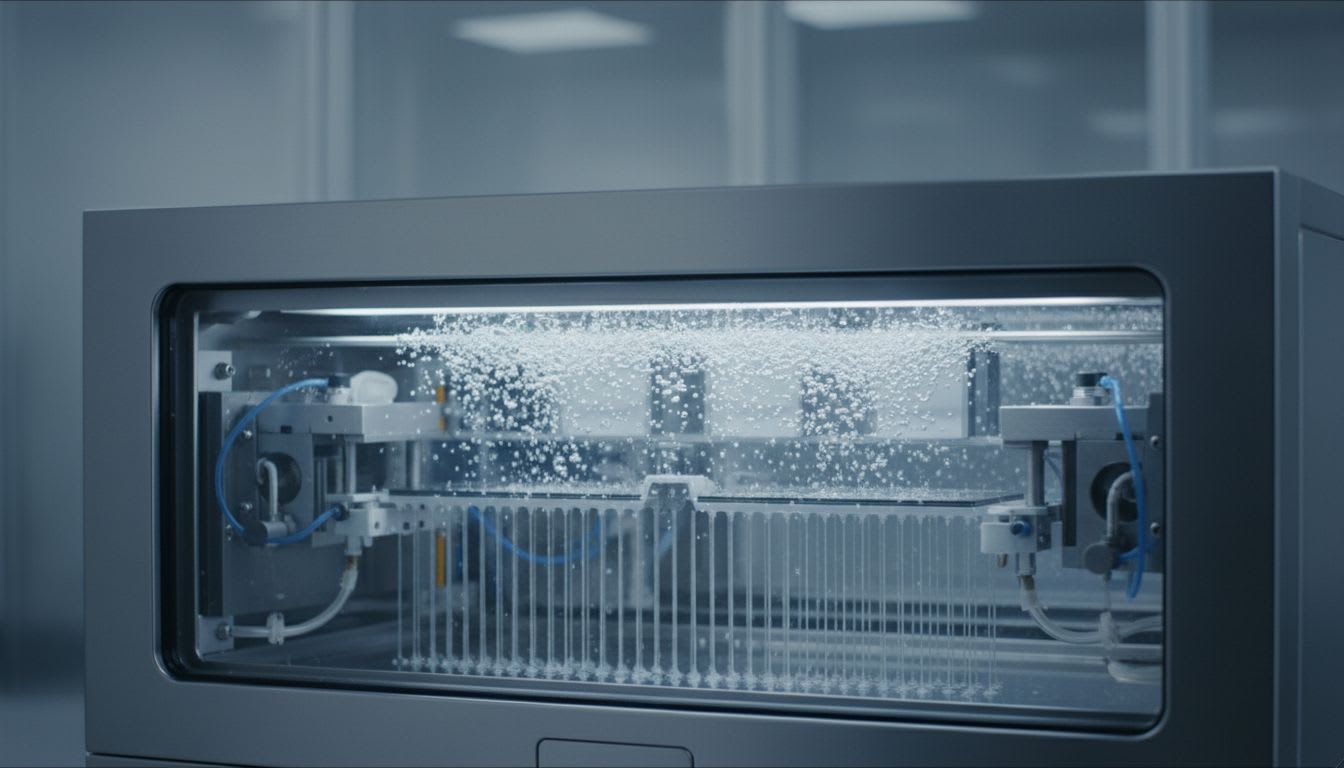
    After reviewing various cleaning solutions, Company A judged the multi-stage cleaning technology and Oven Dry function of the Cleaner Machine as the optimal solution to the UV Curing process issues. The Cleaner Machine uses multi-stage cleaning technologies like Micro Bubble, Water Jet, and Air Knife to completely remove microscopic contaminants from product surfaces. The Oven Dry function ensures a thorough drying process post-cleaning, preventing re-contamination. Additionally, features like Full Auto/Manual selection facilitate process automation and maintenance. Notably, the core technology of Micro Bubble cleaning penetrates surface gaps using tiny bubbles to effectively remove contaminants, while Water Jet cleaning uses high pressure to wash away adhered contaminants from surfaces. The Air Knife blasts high-pressure air to remove remaining moisture and speeds up the drying process.

    Company’s Approach and Provided Solution

    After deciding to implement the Cleaner Machine, Company A worked closely with Supplier B to build a customized solution optimized for their UV Curing process line. Supplier B meticulously analyzed Company A’s UV Curing process line and identified problems at each stage to optimize the cleaning and drying conditions of the Cleaner Machine. They also provided customized interface design to ensure perfect compatibility with Company A’s automation system. Through Supplier B’s technical support, Company A successfully implemented the Cleaner Machine and maximized the efficiency of their UV Curing process line. Supplier B continued to provide ongoing technical support and maintenance after the installation of the Cleaner Machine, contributing to the stability of Company A’s production.

    Results and Client Feedback

    Following the Cleaner Machine implementation, Company A achieved remarkable reductions in defect rates of their UV Curing process and stabilized product quality. Important issues, such as performance degradation in camera modules and sensors due to microscopic contaminants, were resolved, enhancing the final product’s reliability. Additionally, the Cleaner Machine’s automation features improved productivity and resulted in labor cost savings. The production manager at Company A provided positive feedback on the Cleaner Machine implementation as follows:

    “The Cleaner Machine installation led to a noticeable decrease in defect rates of the UV Curing process. Microscopic contaminants, previously difficult to detect visually, were completely removed, significantly improving product quality and increasing production volume. This increased customer satisfaction and significantly contributed to enhancing our company’s competitiveness.”

    Furthermore, Company A’s quality control manager added:

    “The multi-stage cleaning technology and Oven Dry feature of the Cleaner Machine were highly effective in securing quality stability in the UV Curing process. Especially, the feature preventing re-contamination during the drying phase is an innovative feature not found in traditional cleaning equipment.” They added.

    Company A’s successful case demonstrates the efficacy of Cleaner Machine in resolving microscopic contamination issues in the UV Curing process, offering more than simple surface cleaning. Through multi-stage cleaning technology and Oven Dry functions, the Cleaner Machine completely removes all contaminants from surfaces, prevents re-contamination during drying, and provides perfect system compatibility to maximize production efficiency.

    Future Implications and Lessons

    This case of Company A is a prime example highlighting the critical importance of managing microscopic contaminants in advanced manufacturing processes. In precision processes like UV Curing, tiny contaminants can significantly impact the final product quality. Hence, companies must introduce solutions capable of effectively removing and managing microscopic contaminants occurring before the UV Curing process starts. The Cleaner Machine presents itself as the optimal solution for addressing these issues and enhancing production efficiency.

    Particularly, Company A’s case emphasizes the importance of building customized solutions optimized for the production line and close collaboration with suppliers during Cleaner Machine implementation. Supplier B meticulously analyzed Company A’s UV Curing process line, identified issues at each stage, optimized the Cleaner Machine’s cleaning and drying conditions, and ensured perfect compatibility with the automation system. Building such customized solutions and providing ongoing technical support were crucial in Company A’s successful Cleaner Machine implementation and enhanced efficiency of the UV Curing process.

    In conclusion, microscopic contamination issues in the UV Curing process can be effectively resolved with the Cleaner Machine, significantly contributing to improved production efficiency and product quality stability. Company A’s success story will also assist other companies in resolving issues and enhancing competitiveness in UV Curing processes. Remember, collaborating closely with Cleaner Machine suppliers to build customized solutions optimized for the production line is a key to successful implementation.


    Microscopic contamination issues that may occur in the UV Curing process can directly affect product quality. The Cleaner System provides practical cleaning solutions tailored to the specific characteristics and requirements of industrial sites.

    Huvics is a high-tech company developing and manufacturing automated equipment and
    production systems across the semiconductor, LED, Mobile, and Cosmetic industries.
    Our top talent and continuous technological innovation support enhancing customer productivity and
    securing quality competitiveness.

    Contact Huvics Co., Ltd.

    Phone: 031-374-8285
    Email: huvics01@gmail.com

    Huvics Contact

  • Analysis of Success in Increasing Yield with Cleaner Machine in the Semiconductor Industry

    Analysis of Success in Increasing Yield with Cleaner Machine in the Semiconductor Industry

    Secret Strategies for Increasing Yield: Success Case of Cleaner Machine

    In the rapidly changing semiconductor industry, enhancing production efficiency is a critical factor determining a company’s survival and growth. As micro-processing technology becomes more advanced, controlling contamination particles becomes increasingly important, directly affecting yield. In this context, Cleaner Machine has been providing innovative solutions to solve the concerns of many companies. Here, we introduce a story of a client company that achieved remarkable results by implementing Cleaner Machine.

    Customer Situation and Background

    The customer introduced today is Company A, which has established a significant position in the semiconductor manufacturing field. Company A has been leading the industry through continuous technological innovation and quality improvement but recently faced difficulties due to contamination particle issues in the production process. The aging of existing equipment and the increasing complexity of the process led to a rise in defect rates, causing concerns that this could result in increased production costs and deteriorated corporate image. Company A explored various solutions to address this issue but struggled to decide due to limitations of existing equipment and high initial investment costs. Importantly, Company A emphasized maintaining compatibility with existing production lines and easy operation and maintenance even when introducing new equipment. Additionally, the company sought solutions to improve overall production process efficiency and strengthen the quality management system from a long-term perspective. Company A’s engineers conducted numerous tests and analyses to identify the fundamental cause of the problem but found it challenging to discover a clear solution. In this situation, Company A became aware of Cleaner Machine, noting its innovative technologies and success stories.

    Problem Awareness and Challenges

    The main challenge for Company A was not only to reduce defect rates but also to ensure stability across the entire production process and secure long-term competitive advantages. To achieve this, Company A needed to accomplish the following specific goals. First, they had to adopt a new solution that maximized fine particle removal efficiency while maintaining compatibility with existing equipment. Second, they needed to reduce human error and enhance productivity through process automation. Third, they required equipment that was easy to operate and maintain to reduce long-term operating costs. Fourth, they had to continuously improve the production process and strengthen the quality management system based on accumulated data. To achieve these goals, Company A scrutinized the capabilities of Cleaner Machine and carefully evaluated its applicability to their production line. Particularly, Company A’s engineers focused on Cleaner Machine’s Oven Dry feature and the Full Auto / Manual selection option. The Oven Dry feature ensures a perfect drying process to effectively remove contamination particles, while the Full Auto / Manual option was expected to facilitate process automation and maintenance management. Company A anticipated that implementing Cleaner Machine would yield various effects such as improving productivity, reducing operation costs, and enhancing their quality control system along with achieving defect rate reduction.

    Company’s Approach and Provided Solution

    Cleaner Machine provided a tailored solution to meet these requirements of Company A. Cleaner Machine realizes a perfect drying process through its Oven Dry function, fundamentally blocking contamination particle issues. Moreover, it supported the establishment of an optimized automation system for Company A’s production line through the Full Auto / Manual selection function. Cleaner Machine engineers meticulously analyzed Company A’s production line and proposed optimal installation locations and operational methods considering compatibility with existing equipment. Additionally, Cleaner Machine offered specialized training in equipment operation and maintenance to Company A’s engineers to maximize equipment utilization and provide quick response in the event of problems. Cleaner Machine’s solution contributed to improving efficiency across Company A’s entire production process, allowing achievement of both defect rate reduction and productivity enhancement simultaneously. Cleaner Machine led successful innovation for Company A by providing customized solutions through close cooperation.

    Results After Application and Customer Feedback

    After implementing Cleaner Machine, Company A achieved astonishing results. The most striking change was the reduction in defect rates. Enhanced fine particle removal efficiency led to a noticeable decrease in defect rates, resulting in cost savings and increased profit. Furthermore, productivity significantly improved through process automation, and the possibility of defects due to human error was markedly reduced. Engineers at Company A praised the user-friendliness of Cleaner Machine and highly appreciated the ease of equipment operation and maintenance.

    “After adopting Cleaner Machine, productivity improved by over 20%, and defect rates decreased by 15%. Results that were unimaginable before.”

    This is actual feedback from an engineer at Company A. Company A succeeded in maximizing production efficiency and enhancing quality competitiveness through the implementation of Cleaner Machine.

    Future Implications and Lessons

    Company A’s success story provides significant implications for semiconductor manufacturers in resolving challenges and developing strategies for continuous growth. First, advanced technologies must be actively introduced to maximize the efficiency of production processes. Second, production processes should be continuously improved and quality management systems strengthened through data-driven decision-making. Third, customized solutions should be provided through close cooperation with clients to enhance customer satisfaction. Company A secured a competitive edge and prepared a foundation for sustainable growth through these strategies. Cleaner Machine will continue to offer innovative solutions through collaboration with clients and strive to support their success.

    Conclusion

    Company A’s case is a good example of how significant results can be achieved when innovative technology and a customer-centric approach are combined. Cleaner Machine will continuously provide the best value to customers through relentless technological innovation and grow together with them.


    Increasing yield is a core task in semiconductor manufacturing processes, supported by effective particle removal solutions. Cleaner Machine, with its reliable technology, supports ensuring stable quality.

    Huvics is a high-tech company developing and manufacturing automated equipment and
    production systems across the semiconductor, LED, Mobile, and Cosmetic industries.
    Our top talent and continuous technological innovation support enhancing customer productivity and
    securing quality competitiveness.

    Contact Huvics Co., Ltd.

    Phone: 031-374-8285
    Email: huvics01@gmail.com

    Huvics Contact

  • Spin Cleaner Installation and Operation, Amazing Success Stories!

    Spin Cleaner Installation and Operation, Amazing Success Stories!

    Spin Cleaner Installation and Operations: A to Z Success Stories

    We present a success story of a customer who maximized production efficiency and achieved quality innovation through the introduction of Huvics’ PKG Grinder. This case highlights the remarkable achievements gained by a leading semiconductor packaging technology company through the introduction of Spin Cleaner, as well as the challenges they overcame in the process.

    “We have continuously sought innovation to capture the twin goals of increased production and quality improvement. The introduction of the Spin Cleaner is one of the fruits of those efforts.”


    Through the vivid voices of our customers, check out the real value and applicability of Spin Cleaner.

    Customer Situation and Background

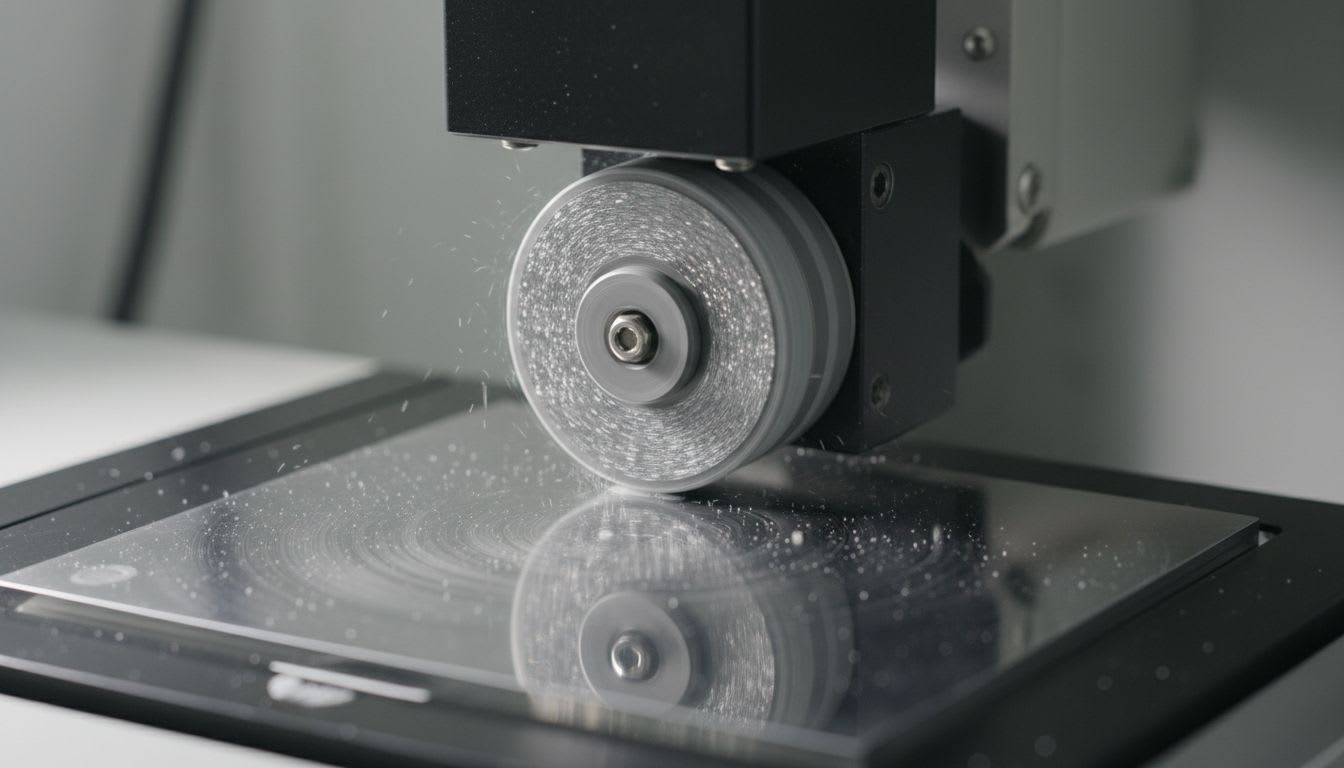
    The semiconductor packaging industry is constantly evolving, with increasing demands for smaller, faster, and more efficient chips every day. To meet these demands, advanced semiconductor packaging company A decided that the existing grinding method was no longer enough to achieve production goals. They were seeking a new solution that could provide higher precision, faster processing speeds, and more stable quality. Company A manufactures various packages such as FCBGA, WLCSP, QFN/DFN, and Solar Cells, each with very strict requirements for thickness and uniformity. Their existing equipment struggled to meet these diverse demands, leading to production bottlenecks. Additionally, some processes that relied on manual operations had a high potential for human error, making quality control challenging. To address these issues, Company A actively sought an automated high-precision grinding solution. After reviewing various solutions, they determined that Huvics’ PKG Grinder, the Spin Cleaner, was the best fit for their needs. The Spin Cleaner attracted Company A’s attention due to its ability to perform micron-level precision machining using a high-precision stage and a diamond wheel, as well as its adaptable production line configuration available in both Full Auto and Manual Types.

    Company A also noted that the Spin Cleaner could ensure stable quality even in high-speed processes, thus playing a crucial role in solving their production increase issues. Not merely content with installing the equipment, Company A sought to build an optimized solution for their production environment by working closely with Huvics. Together with Huvics’ engineers, they analyzed the production line and meticulously reviewed the installation position and operation method of the Spin Cleaner. Through this preparatory process, Company A aimed to maximize the possibility of successful Spin Cleaner implementation while minimizing anticipated issues. Ultimately, Company A aimed to maximize production efficiency, innovate quality, and enhance competitiveness through the introduction of the Spin Cleaner. They believed that the Spin Cleaner would provide value beyond being a mere piece of equipment, and they sought to make that expectation a reality through cooperation with Huvics. With this background, Company A decided to introduce the Spin Cleaner and embarked on comprehensive installation and operational preparations. Their goal was clear: to secure higher production, better quality, and stronger competitiveness through the Spin Cleaner.

    Problem Recognition and Challenges

    Before the introduction of the Spin Cleaner, Company A faced several issues. The most significant problem was that the performance of their existing grinding equipment struggled to handle the increasing production volumes. Especially while producing various packages, such as FCBGA, WLCSP, QFN/DFN, they found it difficult to meet the precision and uniformity required for each package. This resulted in production bottlenecks leading to delivery delays and decreased customer satisfaction. The existing equipment couldn’t support micron-level precision machining, so they relied heavily on manual processes, which increased potential human errors, exacerbating quality control difficulties. Additionally, a lack of skilled operators posed a significant barrier to increasing production output. Training new operators and raising their skill levels required considerable time and cost, factors that weakened corporate competitiveness.

    Moreover, the existing equipment had high maintenance costs and frequently broke down, resulting in prolonged production downtimes. This not only decreased production efficiency but also led to additional expenses. Company A critically needed a new grinding solution that provided high precision, high efficiency, and reliability. Additionally, during the introduction of the Spin Cleaner, Company A faced multiple challenges. Ensuring compatibility with the existing production line was a key issue. Smooth integration of the Spin Cleaner into the existing line required meticulous planning and preparation. Additionally, operator training on the new equipment was an essential task. It was necessary to train the operators adequately to manage the Spin Cleaner efficiently and swiftly address potential issues. Company A overcame these challenges by working closely with Huvics, striving to build the optimal solution. They treated the introduction of the Spin Cleaner not as a mere equipment replacement but as an opportunity to innovate the entire production system, proactively addressing challenges. This proactive approach enabled Company A to minimize anticipated problems during the Spin Cleaner introduction process and achieve successful results.

    The Company’s Approach and Provided Solutions

    When Company A decided to introduce Huvics’ PKG Grinder, the Spin Cleaner, it aimed not just to purchase equipment but to innovate its entire production system. Huvics made efforts to understand Company A’s requirements accurately and provide a tailored solution that met those needs. The Spin Cleaner was capable of performing micron-level precision machining using a high-precision stage and a diamond wheel, meeting the high precision demands of Company A. The fact that it was configurable into both Full Auto and Manual Types, allowing flexible application to Company A’s production line, was a significant advantage. Especially, the Spin Cleaner’s capability to ensure stable quality in high-speed processes attracted Company A’s interest, as it was expected to play a crucial role in solving their production increase challenges.

    Before installing the Spin Cleaner, Huvics thoroughly analyzed Company A’s production line and suggested the optimal installation location and operating method. Additionally, Huvics provided sufficient training to Company A’s operators to fully utilize the performance of the Spin Cleaner. Huvics’ engineers explained the operating principles, maintenance methods, and potential problem-solving techniques of the Spin Cleaner in detail to Company A’s operators. Through this training, Company A’s operators became adept at handling the Spin Cleaner and could respond swiftly to any production-related issues. Even after the installation of the Spin Cleaner, Huvics continued to provide technical support to Company A. With Huvics’ technical support, Company A could operate the Spin Cleaner stably and maximize production efficiency. In particular, Huvics actively collected feedback from Company A and worked on continuous improvements in the performance of the Spin Cleaner. Thanks to these efforts from Huvics, Company A could achieve all three goals of increased production, quality improvement, and cost savings through the Spin Cleaner.

    Post-Implementation Results and Customer Response

    After the introduction of the Spin Cleaner, Company A experienced remarkable changes. Production output increased by more than 30% compared to the previous levels, and defect rates significantly decreased. Particularly, as micron-level precise machining became possible, high-quality product production could be achieved. This led to improved customer satisfaction, greatly contributing to enhancing Company A’s competitiveness. The working environment at Company A also improved significantly. As processes that previously relied on manual labor became automated, the workload on workers decreased and the risk of safety accidents was reduced. Furthermore, the Spin Cleaner had low maintenance costs and infrequent breakdowns, minimizing production downtime. This significantly contributed to enhancing Company A’s production efficiency.

    The management at Company A was highly satisfied with the results of the Spin Cleaner introduction. They believed that the Spin Cleaner would provide value beyond being a mere piece of equipment, and through collaboration with Huvics, they succeeded in turning that expectation into reality.

    “The introduction of the Spin Cleaner has completely transformed our company’s production system. We have achieved levels of output and quality that were previously unimaginable.”
    stated the Production Director at Company A. Additionally, the operators at Company A highly praised the ease of use and stability of the Spin Cleaner.

    “The Spin Cleaner is easy to use and stable. The tasks that used to be handled manually can now be processed automatically, making work much more comfortable.”

    said a worker at Company A. Based on the successful introduction of the Spin Cleaner, Company A plans to expand its application to other production lines. They will continuously improve their production systems and enhance their competitiveness through ongoing cooperation with Huvics.

    Future Implications and Lessons

    The successful case of Company A’s introduction of the Spin Cleaner offers several insights and lessons. First, companies must relentlessly pursue innovation for productivity improvement and quality enhancement. Company A recognized the limitations of existing grinding methods and maximized production efficiency and innovated quality by introducing the new Spin Cleaner solution. Second, companies should collaborate closely with solution providers to build tailored solutions. Company A achieved successful results by closely cooperating with Huvics and establishing a Spin Cleaner solution optimized to their production environment. Third, companies should invest adequately in training operators when introducing new equipment. Company A provided sufficient training to operators with the support of Huvics, allowing them to proficiently manage the Spin Cleaner and swiftly address potential production issues.

    Fourth, companies should receive continuous technical support even after introducing new equipment. Company A could stably operate the Spin Cleaner and maximize production efficiency thanks to Huvics’ ongoing technical support. Fifth, companies should expand the application of successful solutions to other production lines. Based on the success case of the Spin Cleaner introduction, Company A plans to apply the Spin Cleaner to other production lines. This case of the successful introduction of the Spin Cleaner at Company A presents five key lessons: innovation for productivity improvement and quality enhancement, collaboration with solution providers, investment in operator training, continuous technical support, and the expansion of successful cases. Based on these lessons, other companies can successfully introduce innovative solutions like the Spin Cleaner, maximize production efficiency, and enhance competitiveness. Additionally, this case illustrates how crucial it is for Huvics to provide customized solutions that meet customer demands and help customer success through ongoing technical support.

    Huvics will continue to contribute to the development of the semiconductor packaging industry by closely cooperating with customers and aiding their success. Especially, Huvics will continuously improve the performance of the Spin Cleaner and add new features to provide greater value to customers. Moreover, Huvics will also develop various semiconductor packaging solutions to meet diverse customer demands. Huvics prioritizes customer success and strives to be a company that grows together with its customers.


    Spin Cleaner is gaining attention as a practical grinding solution that considers both productivity and quality in the semiconductor packaging field. Huvics contributes to enhancing the reliability of precision machining through a flexible system tailored to the customer’s production environment.

    Huvics is an advanced technology company developing and manufacturing automation equipment and production systems across the semiconductor, LED, Mobile, and Cosmetic industries.
    We support customers in improving productivity and securing quality competitiveness through top talent and continuous technological innovation.

    Huvics Co., Ltd Contact Information

    Phone: 031-374-8285
    Email: sky@huvics.com
    Huvics Inquiry

  • Semiconductor Cleaner Maintenance Cost Reduction Secrets: Huvics Innovation Case

    Semiconductor Cleaner Maintenance Cost Reduction Secrets: Huvics Innovation Case

    Seminar on Reducing Maintenance Costs of Semiconductor Cleaner Systems

    In semiconductor manufacturing processes, cleaner systems play a crucial role in ensuring the final product quality by removing contaminants from the product surface. Reducing maintenance costs of cleaner systems directly impacts the profitability of semiconductor manufacturers, thereby necessitating the exploration of various strategies. This report discusses ways to reduce maintenance costs of cleaner systems, especially spin cleaners.

    1. Optimization of Preventive Maintenance and Repairs

    • Regular Inspections and Parts Replacement: Essential parts of cleaner systems such as nozzles, filters, and pumps may wear out or degrade over time. By conducting regular inspections to check the condition of these parts and replacing them before they reach the end of their life, sudden equipment failures can be prevented, and overall maintenance costs can be reduced.
    • Cleaning Solution Management: The cleaning solution used in cleaner systems plays an important role in removing contaminants. By periodically measuring and managing the concentration and contamination level of the cleaning solution, cleaning efficiency can be maintained, and unnecessary replacement of the cleaning solution can be minimized, thus reducing purchase costs. Introducing a cleaning solution recycling system to decrease consumption may also be considered.
    • Software Updates and Optimization: Updating the control software of cleaner systems to the latest version and optimizing it according to process conditions can enhance equipment efficiency and reduce energy consumption.

    2. Improving Energy Efficiency

    • Utilizing Power Saving Mode: During periods of low equipment usage frequency, energy consumption can be reduced by utilizing power-saving modes.
    • Replacing with High-Efficiency Components: By replacing existing high-energy-consuming components with high-efficiency ones, energy consumption can be reduced. For example, replacing the existing pump with a high-efficiency pump or using LED lighting can aid in energy savings.
    • Optimizing Temperature Management: Optimizing the internal temperature of cleaner systems can reduce unnecessary energy consumption. For instance, caution must be taken to not set excessively high temperatures beyond what is required for drying processes.

    3. Process Optimization

    • Reducing Cleaning Time: By shortening unnecessarily long cleaning times, energy consumption can be reduced, and equipment operational time can be increased. Optimizing various process variables such as type and concentration of the cleaning solution, cleaning pressure, and cleaning temperature is required to shorten cleaning time.
    • Reducing Cleaning Frequency: By maintaining the minimum necessary cleaning frequency, energy consumption and cleaning solution usage can be reduced. Reducing cleaning frequency requires consideration of methods to minimize contaminant ingress during the process and effectively remove contaminants before cleaning stages.
    • Introducing Automated Systems: Replacing manual operations with automated systems can reduce labor costs and improve process efficiency. For example, automating wafer loading and unloading operations or automating cleaning solution replacement tasks could be considered.

    4. Utilizing Maintenance Contracts and Services

    • Maintenance Contracts with Equipment Manufacturers: By signing maintenance contracts with equipment manufacturers, regular inspections and parts replacement services can be received. This allows for the prevention of equipment failures and management of maintenance costs in a predictable manner.
    • Utilizing Professional Services: Consulting with equipment manufacturers or professional service companies can help improve the operational efficiency of cleaner systems and explore ways to reduce maintenance costs.

    5. Other Considerations

    • Operator Training: Enhancing operator training on the operational principles and maintenance methods of cleaner systems can prevent equipment malfunction and extend equipment lifespan.
    • Data Analysis: Analyzing the operational data of cleaner systems can identify performance degradation factors and be used to develop preventive maintenance and repair plans.
    • Equipment Replacement Cycle: Aging cleaner systems may have low energy efficiency and high failure occurrence rates. Considering equipment lifespan, replacing them with new equipment at the appropriate time should be considered.

    Conclusion

    Reducing the maintenance costs of semiconductor equipment, particularly cleaner systems, is achievable through various methods. Establishing optimal maintenance cost reduction strategies to fit each manufacturer’s situation involves considering preventive maintenance and repair optimization, energy efficiency improvement, process optimization, utilizing maintenance contracts and services, operator training, data analysis, and equipment replacement cycles comprehensively. By doing so, semiconductor manufacturers can reduce production costs and enhance competitiveness.


    Efficient operation of cleaner systems is closely linked to the stability and quality of semiconductor production lines. Huvics has contributed to maintenance cost reduction and process reliability by providing specialized technical support and data-driven management tailored to customer needs. In the semiconductor industry, the advancement of facility operation is becoming increasingly important for sustainable competitiveness.

    Huvics is a high-tech company that develops and manufactures automation equipment and production systems across semiconductor, LED, Mobile, and Cosmetic industries.
    With top talents and continuous technological innovation, we support improving our customers’ productivity and securing quality competitiveness.

    Contact Huvics Co., Ltd.

    Phone: 031-374-8285
    Email: sky@huvics.com
    Contact Huvics

  • Semiconductor Productivity Innovation, Huvics Grinder Upgrade Effect

    Semiconductor Productivity Innovation, Huvics Grinder Upgrade Effect

    Semiconductor Manufacturing Innovation, Completed with Huvics Grinder System Upgrade

    Every semiconductor manufacturing company strives to achieve two major goals simultaneously: maximizing production efficiency and enhancing product quality. However, keeping up with ever-changing technological trends and rising customer demands while maintaining and managing existing equipment is no easy task. Specifically, missing the right upgrade moment for the grinder system, a key piece of equipment in the semiconductor package grinding process, can lead to various issues such as reduced productivity, quality defects, and increased maintenance costs. Is your company also struggling with outdated grinder systems?

    Recently, Company A faced similar challenges. They planned to increase the production volume of their flagship FCBGA packages, but the aging grinder system they used prevented further improvement in production speed. Frequent equipment failures caused frequent production line stoppages, which in turn increased maintenance costs. More seriously, competitors had already adopted the latest technologies to enhance both productivity and quality. Company A recognized the urgent need to upgrade their grinder system to maintain a competitive edge but struggled to identify the areas that needed improvement and which solutions to choose. Besides the technical aspects, they faced difficulties in decision-making due to considerations like the investment payback period and economic analysis. The performance of their existing equipment made it difficult to promptly respond to new package technology trends and to meet diverse customer demands. In this situation, Company A sought help from Huvics.

    To solve Company A’s difficulties, Huvics provided precise analysis and customized consulting. First, they conducted a thorough analysis of Company A’s existing grinder system’s performance, maintenance history, and production data to accurately identify issues. They also considered the semiconductor market trends, competitors’ technology levels, and Company A’s long-term growth goals in order to propose the optimal upgrade direction. Huvics focused not on merely replacing the equipment but on providing the best solution tailored to Company A’s production environment and goals. The Huvics grinder system utilizes high-precision stages and diamond wheels, allowing for precision machining at the micron level. In the Full Auto type, automated process control can increase productivity, and a real-time process monitoring system can prevent quality defects in advance. They also proposed the integration of Laminator and Cleaner systems to optimize the entire process including grinding, lamination, and cleaning. Furthermore, Huvics provided customized analysis materials considering upgrade costs, operating costs, and depreciation to shorten the investment payback period and ensure economic viability for Company A.

    After adopting Huvics’ solution, Company A experienced positive changes in various aspects. Improved production speed and reduced defect rates positively impacted overall production efficiency. The time lost due to equipment failures also decreased, enhancing overall stability and their ability to respond to new package technologies improved. The production team leader at Company A stated,

    “After adopting the Huvics grinder system, our production target achievement rate has significantly increased. The previous levels were unimaginable.”


    expressing satisfaction. Maintenance cost reductions improved operating efficiency for Company A. Huvics’ solution brought tangible effects across multiple metrics, including productivity enhancement, quality improvement, and cost management, thereby strengthening Company A’s manufacturing competitiveness.

    This case demonstrates that semiconductor equipment upgrades are not merely about replacing old equipment, but are strategic investments that can strengthen a company’s competitiveness and enable continuous growth. Huvics proposes solutions suitable for the customer’s production environment and focuses on analyzing various issues and presenting improvement directions. Through this collaborative effort with customers, they offer optimal process solutions.

    In particular, for Company A, Huvics’ customized consulting proved effective. Instead of merely listing equipment specifications, they analyzed Company A’s specific production environment and goals and offered suitable countermeasures. Huvics provided a stable operational environment by considering variables even after equipment installation through close collaboration with Company A. This approach helped minimize operational risks post-equipment adoption and reduce issues during the system transition process.

    Competition in the semiconductor market is expected to intensify. Increasing productivity, securing quality, and improving operational efficiency are essential conditions for company survival. Huvics reflects these industry trends, responding to customer needs and focusing on providing solutions centered on actual impact. Helping companies design balanced growth strategies is Huvics’ goal.

    Huvics considers trust with customers as its most important asset and promises to become a partner for mutual growth. Start semiconductor manufacturing innovation with Huvics.

    If you have any questions, please contact Huvics.


    Upgrading semiconductor equipment requires strategic judgment for not only equipment replacement but also productivity improvement and quality stabilization. Huvics supports effective response to changes in the semiconductor industry through specialized manufacturing equipment, including grinder systems, and consulting capabilities.

    Huvics is an advanced technology company developing and manufacturing automation equipment and production systems across the semiconductor, LED, Mobile, and Cosmetic industries.
    With top talents and continuous technological innovation, we support the enhancement of your productivity and the securing of quality competitiveness.

    Contact Huvics Co., Ltd.

    Phone: 031-374-8285
    Email: sky@huvics.com
    Contact Huvics

  • Huvics Successfully Supplies Advanced Semiconductor Cleaning Equipment to LG Innotek!

    Huvics Successfully Supplies Advanced Semiconductor Cleaning Equipment to LG Innotek!

    Semiconductor Post-Process Equipment

    Semiconductor Cleaning Equipment – The Key to Post-Processing

    Engineers working in cleanrooms recognize the importance of the post-processing phase in semiconductor manufacturing—the final stage of the process. Although semiconductor chips may meet design specifications, meticulous management in post-processing is essential to ensure their performance and longevity. Particularly, cleaning equipment plays a crucial role in removing tiny contaminants that may remain on the surface, making these tools indispensable for the final verification of semiconductor quality.

    The Undeniable Importance of Cleaning Equipment

    The semiconductor cleaning equipment used in post-processing has a vital impact on semiconductor performance. Various contaminants such as nano-sized dust, chemical residues, and fine metal particles that can arise during manufacturing must be removed through cleaning processes. Given the ultra-fine processes involved, residual foreign substances within the chip increase the risk of performance degradation or defects.

    Huvics has gained attention by supplying state-of-the-art cleaning equipment to LG Innotek. Leveraging advanced expertise and reliability, they have continually developed technology to tackle these challenges, contributing to the company’s growth.

    The Importance of Choosing the Right Cleaning Equipment

    Huvics’s cleaning equipment does more than just remove contaminants; it addresses challenges on the frontier of semiconductor technology. By eliminating impurities and enhancing process efficiency, it provides a foundation for better product production. Specifically, Huvics offers solutions tailored to the diverse needs of semiconductor manufacturers, proving its credibility and expertise within the industry. Trusted by various companies, including LG Innotek, Huvics’s semiconductor cleaning equipment is regarded as a key partner.

    Therefore, selecting proper cleaning equipment in the post-processing phase of the semiconductor industry is crucially tied to semiconductor quality.

    The Growing Importance of Securing Cleaning Equipment Amid Supply Chain Changes

    As the global semiconductor supply chain undergoes rapid restructuring, the demand for post-process equipment is becoming more segmented and advanced. The increased significance of the cleaning process, due to the intensification of micro-processing technology, directly correlates the performance and reliability of cleaning equipment with a manufacturer’s quality competitiveness. However, discovering reliable cleaning equipment suppliers poses challenges. Some equipment is not optimized for specific processes, often requiring frequent tuning and trial runs, which diminish production efficiency.

    Major semiconductor companies strive to prevent technology leaks and internalize processes while rigorously demanding security and verification of external equipment. Consequently, the technical prowess and partnership trustworthiness of equipment suppliers have emerged as crucial factors. This is exemplified by Huvics’s case of supplying cleaning equipment to LG Innotek. Being installed in LG Innotek’s lines, which demand complex manufacturing processes and high-quality standards, and gaining technical credibility, sets a signal of change within the post-processing cleaning equipment market.

    Real-World Application – The Impact of a Single Piece of Cleaning Equipment on Process Efficiency

    Last year, a mid-sized semiconductor component manufacturer in Seoul, Company B, struggled to maintain a certain defect rate and stabilize quality. Frequent failures to pass electromagnetic inspection (EMI Test) were a concern due to surface impurity issues after the packaging process, causing repeated delays in deliveries and adjustments in pricing. To address this, Company B phased out its existing manual-based cleaning system and introduced automated semiconductor cleaning equipment developed by Huvics.

    After the introduction, defect rates decreased, yield improved by more than 2.5%, and post-processing time was reduced by about 18%. This goes beyond a simple equipment replacement; it lays the foundation for structurally resolving quality issues. The quality management team at Company B stated, “Errors related to cleaning have decreased, and the reliability and analysis time of the equipment have improved.” These outcomes suggest that cleaning equipment is not merely an auxiliary process but a critical infrastructure directly linked to the competitiveness of semiconductor manufacturing. As the demand for high-precision, low-power semiconductors increases, the role of cleaning systems becomes even more vital.

    Conclusion: Semiconductor Post-Process Equipment, A Partnership of Trust for Innovation

    The collaboration between LG Innotek and Huvics illustrates the importance of cleaning equipment. Contaminant removal in post-processing transcends mere cleanliness, serving as a crucial process that guarantees semiconductor performance and reliability. In the midst of supply chain restructuring, the significance of choosing trustworthy equipment and partners is emphasized. Semiconductor companies should evaluate the reliability and custom solution capabilities of post-process equipment as criteria. Keeping pace with technological advancements, the update and innovation of equipment are essential, and companies must collaborate with those capable of suitably adapting to industrial changes.


    Huvics is a high-tech company developing and manufacturing automation equipment and production systems across Semiconductor, LED, Mobile, and Cosmetic industries.
    With top talent and continuous technological innovation, Huvics supports the improvement of customers’ productivity and quality competitiveness.

    Contact Huvics Co., Ltd.

    Phone: 031-374-8285
    Email: sky@huvics.com
    Contact Huvics

  • Huvics Grinder System Reduces Defect Rate by 30%

    Huvics Grinder System Reduces Defect Rate by 30%

    Semiconductor Manufacturing Innovation, Completed with Huvics Grinder System

    The memory of that day is still vivid. The production line was running incessantly, but everyone was anxious about the rising defect rate that couldn’t be stopped. Company A, a semiconductor manufacturer, knew that a tiny defect could undermine the reliability of the entire product. Therefore, they were desperately seeking a more precise and efficient solution. Recognizing the limitations of their existing equipment while seeking new challenges, Company A focused on the innovative possibilities offered by Huvics’ Grinder System. Beyond merely replacing equipment, this meant maximizing the efficiency and quality of the entire production process, making Huvics a real partner rather than just a supplier.

    Precision Limits, Rising Defect Rate: The Challenge for Company A

    Company A had been conducting semiconductor packaging processes using their existing grinder system. However, problems like subtle thickness variations and surface irregularities consistently occurred in processing a variety of packages such as FCBGA, WLCSP, QFN/DFN, and Solar Cells. These issues resulted in an increase in defect rate, as well as increased production costs, and posed a significant risk to the company’s image. Maintaining consistent quality in high-speed processing environments was the biggest challenge. The existing equipment could not guarantee micron-level precision, and quality variations due to workers’ differing levels of expertise also needed to be addressed. To solve these problems, Company A began actively considering the introduction of a new system with precision grinding technology. Reducing reliance on manpower and improving overall production efficiency through automation system implementation was also a key goal. Reflecting on the situation, a representative of Company A mentioned,

    “A sense of crisis was pervasive, as we could no longer meet our customers’ high-quality standards with existing equipment. Innovative change was desperately needed.”

    Huvics Solution: Advanced Precision Grinding Technology and Customized System

    Huvics precisely identified Company A’s issues and offered an optimal solution centered around the PKG Grinder. The PKG Grinder is an equipment that performs micron-level precision machining through a high-precision stage and diamond wheel. Huvics proposed a customized production line combining Full Auto and Manual Type based on the variety and volume of packages Company A handles. Huvics’ semiconductor process specialist emphasized,

    “The PKG Grinder is designed to not only ensure compatibility with various packages but also maintain stable quality in high-speed processes. We are confident that it is the optimal solution for Company A’s production environment.”

    In addition to the PKG Grinder, Huvics also supplied Laminator System and Cleaner System, contributing to enhancing Company A’s process efficiency. The Laminator System integrates processes like Lamination, Tape Mounting, and UV Curing to improve production efficiency, while the Cleaner System improves final quality by removing contaminant particles from product surfaces through multi-stage cleaning technology. Going beyond simply supplying equipment, Huvics analyzed Company A’s entire production process, offering customized solutions and establishing a cooperative relationship. This approach by Huvics instilled confidence in Company A and laid the foundation for a successful system establishment. Huvics continued to provide ongoing technical support and maintenance post-installation to support Company A’s stable production environment. Huvics engineers regularly inspect equipment conditions, identifying potential issues early to minimize production downtime.

    Productivity Enhancement and Defect Rate Reduction: Dramatic Changes for Company A

    Following the introduction of Huvics’ Grinder System, Company A achieved significant improvements. With the capability to achieve micron-level precision machining, thickness variations decreased, surface uniformity improved, and defect rates dropped. A production manager at Company A stated,

    “After implementing the Huvics system, our defect rate has decreased by over 30% compared to before. This is a very positive outcome that directly translates to reduced production costs.”

    Through the application of the Full Auto system, the level of automation on the production line improved, allowing workers to focus more on quality control and improvement tasks rather than repetitive operations.

    “Thanks to the Huvics Grinder System, not only has our production volume increased but the product quality has also significantly improved. Now we can confidently provide our products to customers.”

    As shared by a Company A representative, Huvics’ solution greatly contributed to enhancing Company A’s competitiveness.

    Huvics continues to support Company A’s ongoing growth with technology development and site-specific consulting. In particular, they are promoting process optimization based on Company A’s production data, proposing training programs on new package technologies, and expanding the scope of collaboration. These activities by Huvics perform roles beyond simple equipment supply, providing a foundation for reinforcing long-term cooperative relationships with customers. Huvics plans to continuously pursue technological innovation and develop optimized solutions with the aim of strengthening customer competitiveness.

    Leap Towards the Future: Ongoing Innovation Partner, Huvics

    This case of collaboration with Company A demonstrates that Huvics is establishing itself as a practical partner supporting customer production innovation, beyond being a simple equipment supplier. Huvics aims to continue promoting sustainable growth within the semiconductor manufacturing industry while providing better competitiveness to customers through the development of new manufacturing technologies and smart factory solutions. Additionally, they plan to minimize defect rates with AI-based quality inspection systems and implement efficient process management based on data analysis.

    Huvics is also focusing on the development of eco-friendly technologies, such as equipment design considering energy efficiency, technology to reduce process waste, and minimizing the use of harmful substances. This provides customers with both environmental and economic value, contributing to building a sustainable manufacturing ecosystem. Moving forward, Huvics will strive to precisely analyze customer needs and provide the most suitable tailored solutions for production sites. Through cutting-edge technology and close collaboration with customers, Huvics will establish itself as a partner that shares greater trust and growth.

    In conclusion, Huvics’ Grinder System contributed to achieving two key goals of improving production efficiency and quality for Company A. This is a representative success case combining Huvics’ technical prowess with a customer-centric philosophy. Huvics will continue to collaborate with customers based on trust to advance and innovate in the semiconductor manufacturing industry. Under the belief that customer success is Huvics’ growth, the company will continuously develop more precise and efficient solutions.


    Achieving a balance between productivity and quality in semiconductor manufacturing, where precision machining technology is required, is not an easy task. The Huvics Grinder System is recognized as a case that solves these challenges by achieving both process stability and high yield. As a fundamental technology to respond to more sophisticated demands of the semiconductor industry, its significance is even deeper.

    Huvics is a high-tech company developing and manufacturing automation equipment and production systems across the semiconductor, LED, Mobile, and Cosmetic industries.
    We support our clients’ productivity enhancement and quality competitiveness with top talent and continuous technological innovation.

    Contact of Huvics

    Phone: 031-374-8285
    Email: sky@huvics.com
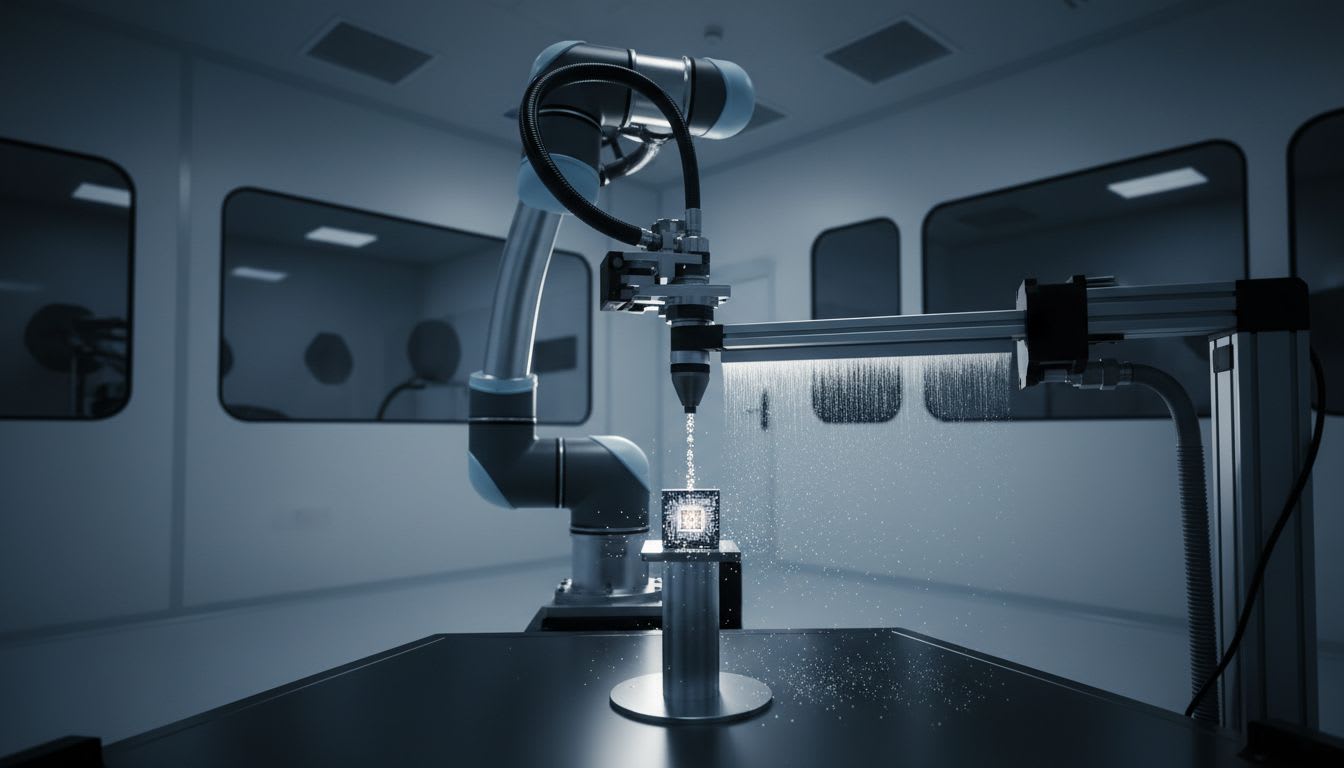
    Huvics Contact