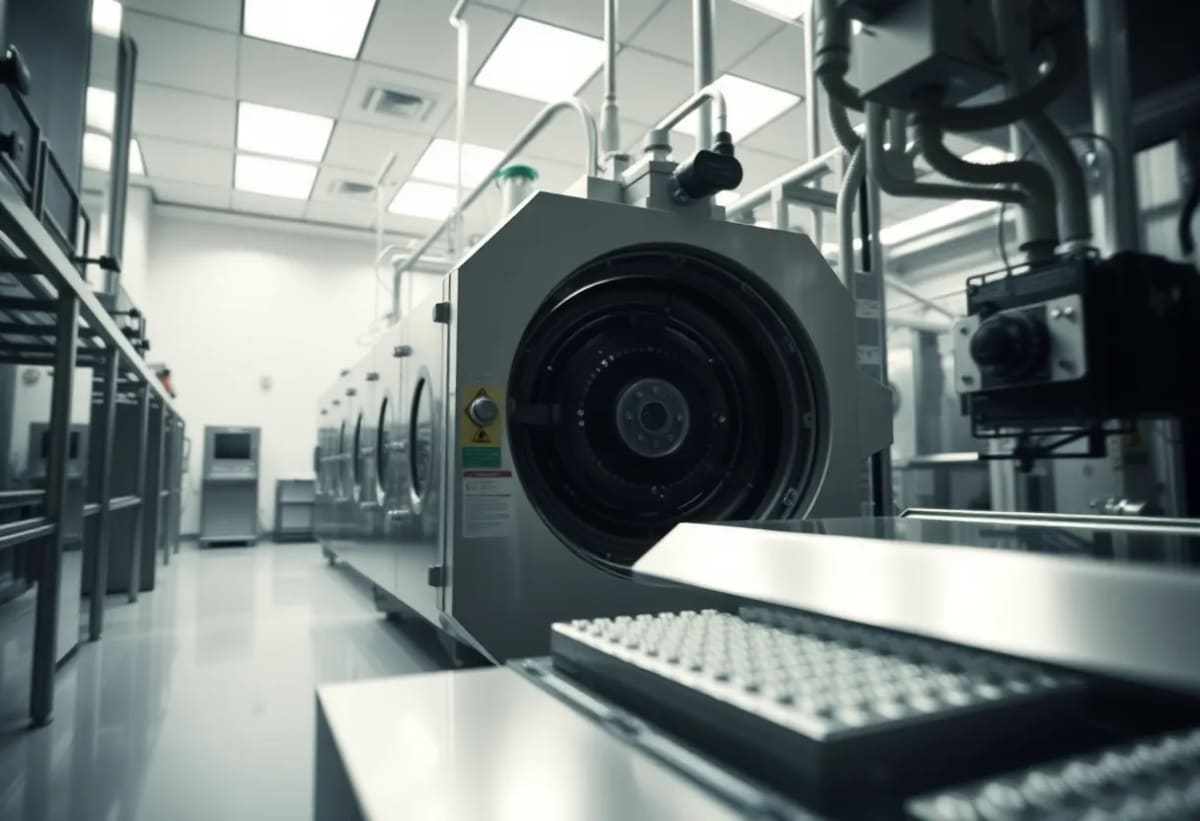
Seminar on Reducing Maintenance Costs of Semiconductor Cleaner Systems
In semiconductor manufacturing processes, cleaner systems play a crucial role in ensuring the final product quality by removing contaminants from the product surface. Reducing maintenance costs of cleaner systems directly impacts the profitability of semiconductor manufacturers, thereby necessitating the exploration of various strategies. This report discusses ways to reduce maintenance costs of cleaner systems, especially spin cleaners.
1. Optimization of Preventive Maintenance and Repairs
- Regular Inspections and Parts Replacement: Essential parts of cleaner systems such as nozzles, filters, and pumps may wear out or degrade over time. By conducting regular inspections to check the condition of these parts and replacing them before they reach the end of their life, sudden equipment failures can be prevented, and overall maintenance costs can be reduced.
- Cleaning Solution Management: The cleaning solution used in cleaner systems plays an important role in removing contaminants. By periodically measuring and managing the concentration and contamination level of the cleaning solution, cleaning efficiency can be maintained, and unnecessary replacement of the cleaning solution can be minimized, thus reducing purchase costs. Introducing a cleaning solution recycling system to decrease consumption may also be considered.
- Software Updates and Optimization: Updating the control software of cleaner systems to the latest version and optimizing it according to process conditions can enhance equipment efficiency and reduce energy consumption.
2. Improving Energy Efficiency
- Utilizing Power Saving Mode: During periods of low equipment usage frequency, energy consumption can be reduced by utilizing power-saving modes.
- Replacing with High-Efficiency Components: By replacing existing high-energy-consuming components with high-efficiency ones, energy consumption can be reduced. For example, replacing the existing pump with a high-efficiency pump or using LED lighting can aid in energy savings.
- Optimizing Temperature Management: Optimizing the internal temperature of cleaner systems can reduce unnecessary energy consumption. For instance, caution must be taken to not set excessively high temperatures beyond what is required for drying processes.
3. Process Optimization
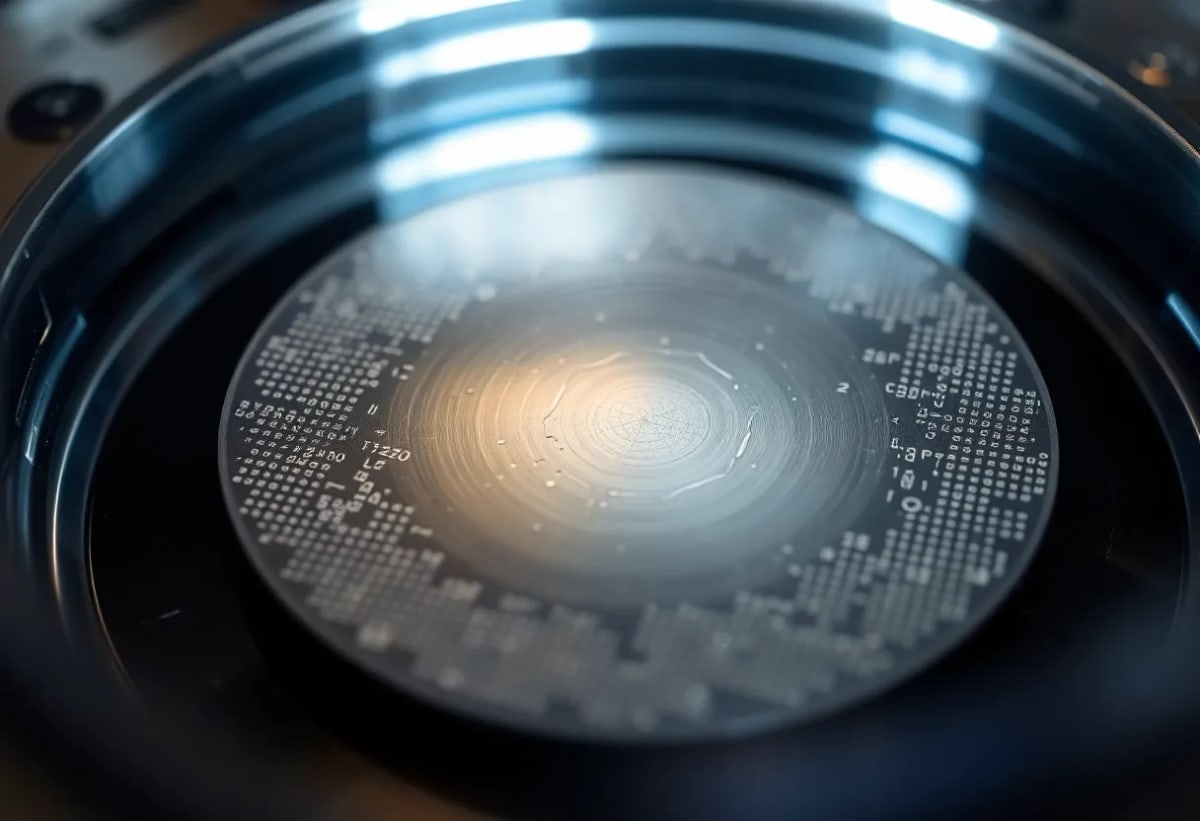
- Reducing Cleaning Time: By shortening unnecessarily long cleaning times, energy consumption can be reduced, and equipment operational time can be increased. Optimizing various process variables such as type and concentration of the cleaning solution, cleaning pressure, and cleaning temperature is required to shorten cleaning time.
- Reducing Cleaning Frequency: By maintaining the minimum necessary cleaning frequency, energy consumption and cleaning solution usage can be reduced. Reducing cleaning frequency requires consideration of methods to minimize contaminant ingress during the process and effectively remove contaminants before cleaning stages.
- Introducing Automated Systems: Replacing manual operations with automated systems can reduce labor costs and improve process efficiency. For example, automating wafer loading and unloading operations or automating cleaning solution replacement tasks could be considered.
4. Utilizing Maintenance Contracts and Services
- Maintenance Contracts with Equipment Manufacturers: By signing maintenance contracts with equipment manufacturers, regular inspections and parts replacement services can be received. This allows for the prevention of equipment failures and management of maintenance costs in a predictable manner.
- Utilizing Professional Services: Consulting with equipment manufacturers or professional service companies can help improve the operational efficiency of cleaner systems and explore ways to reduce maintenance costs.
5. Other Considerations
- Operator Training: Enhancing operator training on the operational principles and maintenance methods of cleaner systems can prevent equipment malfunction and extend equipment lifespan.
- Data Analysis: Analyzing the operational data of cleaner systems can identify performance degradation factors and be used to develop preventive maintenance and repair plans.
- Equipment Replacement Cycle: Aging cleaner systems may have low energy efficiency and high failure occurrence rates. Considering equipment lifespan, replacing them with new equipment at the appropriate time should be considered.
Conclusion
Reducing the maintenance costs of semiconductor equipment, particularly cleaner systems, is achievable through various methods. Establishing optimal maintenance cost reduction strategies to fit each manufacturer’s situation involves considering preventive maintenance and repair optimization, energy efficiency improvement, process optimization, utilizing maintenance contracts and services, operator training, data analysis, and equipment replacement cycles comprehensively. By doing so, semiconductor manufacturers can reduce production costs and enhance competitiveness.
Efficient operation of cleaner systems is closely linked to the stability and quality of semiconductor production lines. Huvics has contributed to maintenance cost reduction and process reliability by providing specialized technical support and data-driven management tailored to customer needs. In the semiconductor industry, the advancement of facility operation is becoming increasingly important for sustainable competitiveness.
Huvics is a high-tech company that develops and manufactures automation equipment and production systems across semiconductor, LED, Mobile, and Cosmetic industries.
With top talents and continuous technological innovation, we support improving our customers’ productivity and securing quality competitiveness.
Contact Huvics Co., Ltd.
Phone: 031-374-8285
Email: sky@huvics.com