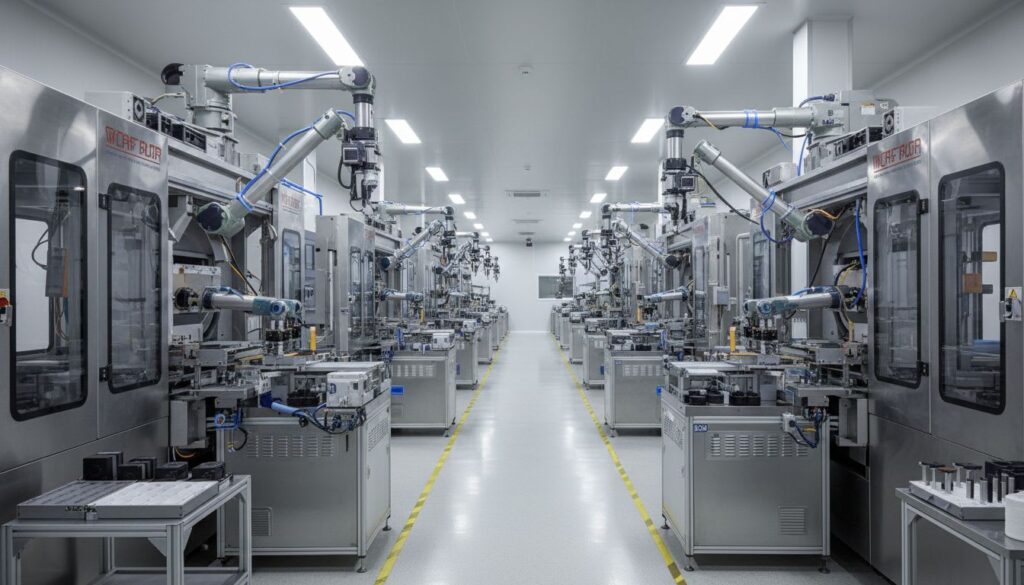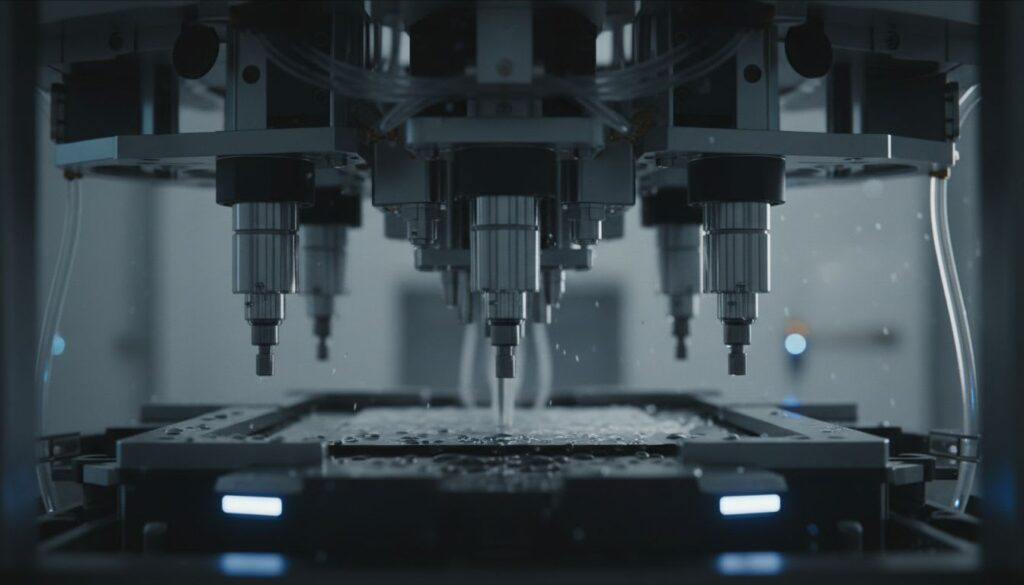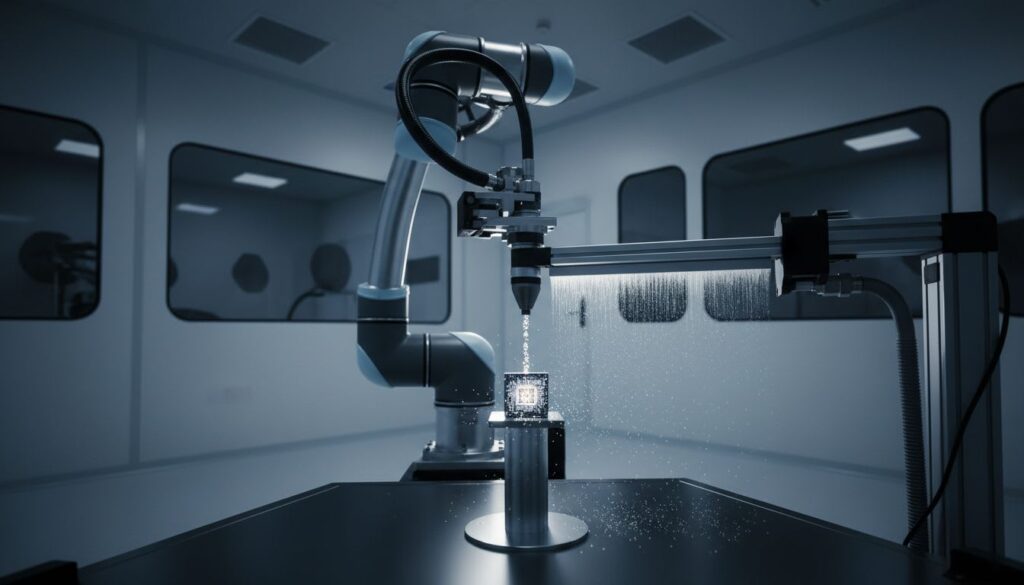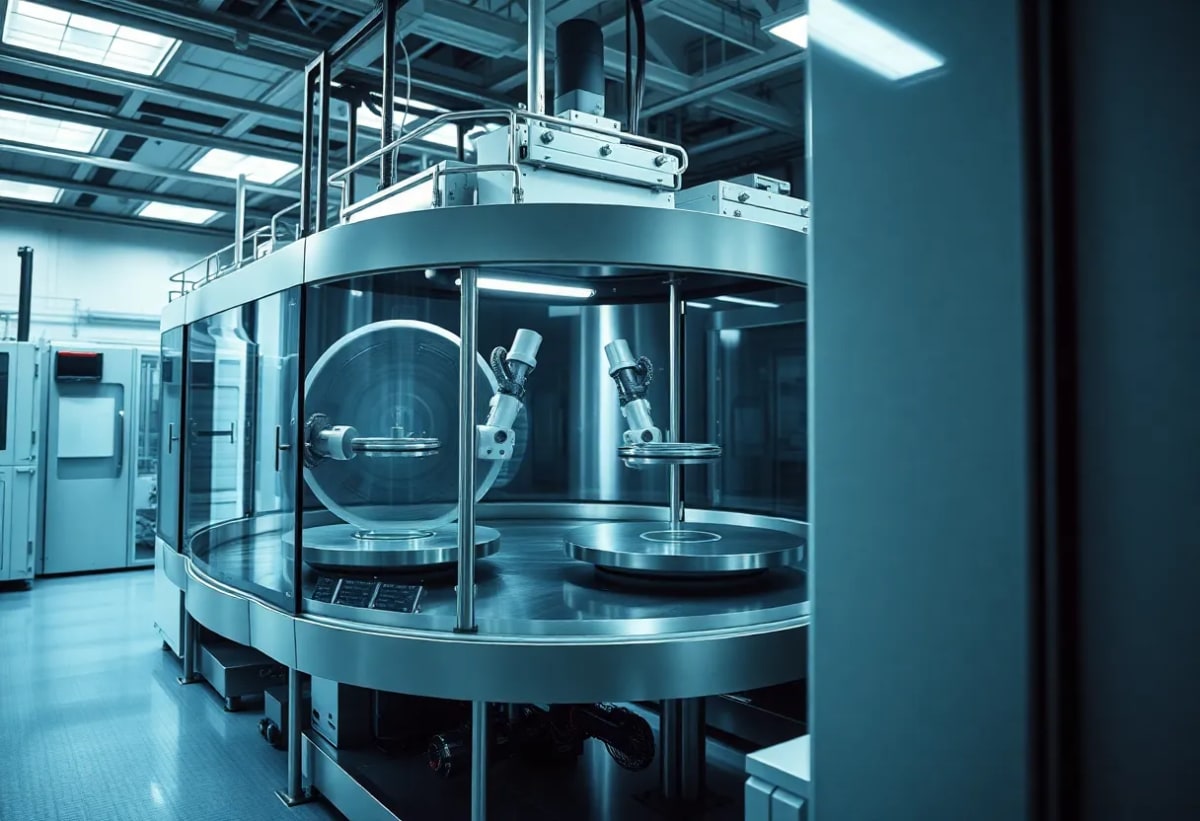
In the semiconductor and advanced electronic component industries, cleaner equipment is like an essential facility that requires meticulous management. It is because they are sensitive to even tiny dust particles, minor temperature changes, and changes in the concentration of cleaning solutions, which can impact the quality of the entire production line.
Just as a baby’s health requires meticulous care, cleaner equipment also needs regular inspections and maintenance to maintain optimal performance. This not only extends the life of the equipment but also contributes to enhancing the overall stability and efficiency of the production process. Let us now delve deeper into understanding cleaner equipment and reveal key management methods to boost productivity.
Core Component Management: The Importance of Regular Health Checkups
Managing the core components of cleaner equipment is like conducting health checkups for our bodies. Just as early detection and management of abnormal signs can prevent major illnesses, periodically inspecting and cleaning the main components of the equipment can extend its life and maintain optimal performance.
For example, failing to replace a car’s engine oil on time can damage the entire engine. Similarly, if you do not replace filters or nozzles on cleaner equipment at the right time, the cleaning effect can decrease, and it could cause malfunction. Setting regular inspection cycles and learning how to clean and replace each part is the most fundamental first step in equipment management.
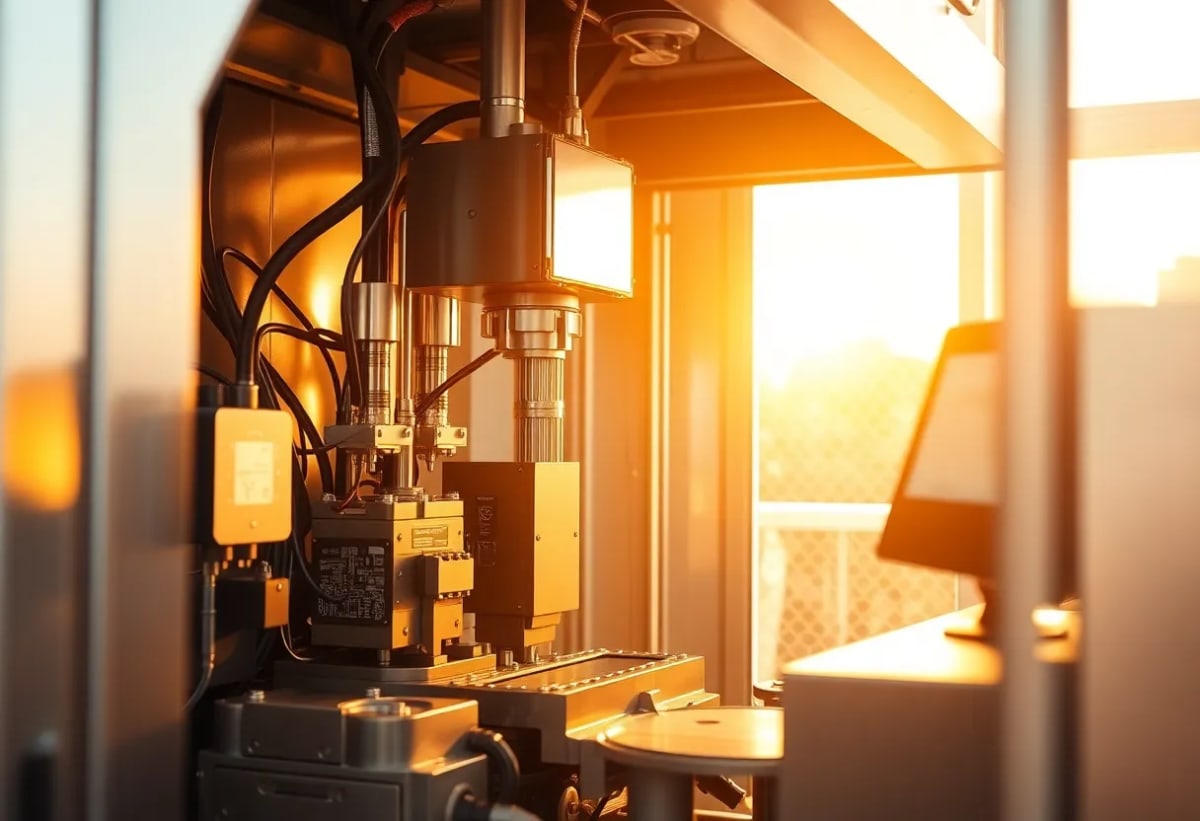
Cleaning Solution Management: The Recipe for Best Results
Cleaning solution management is like a chef meticulously adjusting the freshness and ratios of ingredients to achieve the best taste. No matter how good the ingredients, if the ratios are incorrect or freshness declines, a great dish cannot be made. Similarly, cleaner equipment also struggles to perform at its best if cleaning solution management is neglected.
The concentration, temperature, and pH concentration of the cleaning solution are key factors that directly impact cleaning quality. If these conditions aren’t maintained in an optimal state, the cleaning power may decrease, leading to a higher defect rate in products. Therefore, regularly inspecting and managing the cleaning solution plays a crucial role in enhancing the efficiency and quality of the entire production process.
Identifying Abnormal Symptoms: Listening to the Signals from Equipment
Small noises or changes occurring in cleaner equipment are like subtle pain signals from our bodies. Strange noises, vibrations, or sudden temperature changes may indicate an issue inside the equipment.
If you ignore and neglect these signals, a minor problem can escalate into major damage that halts the entire production line. Just as a skilled mechanic pays attention to minor sounds in a car to identify potential problems, it is important not to overlook small changes in equipment. This is a wise method to extend the equipment’s life and maintain stable production.
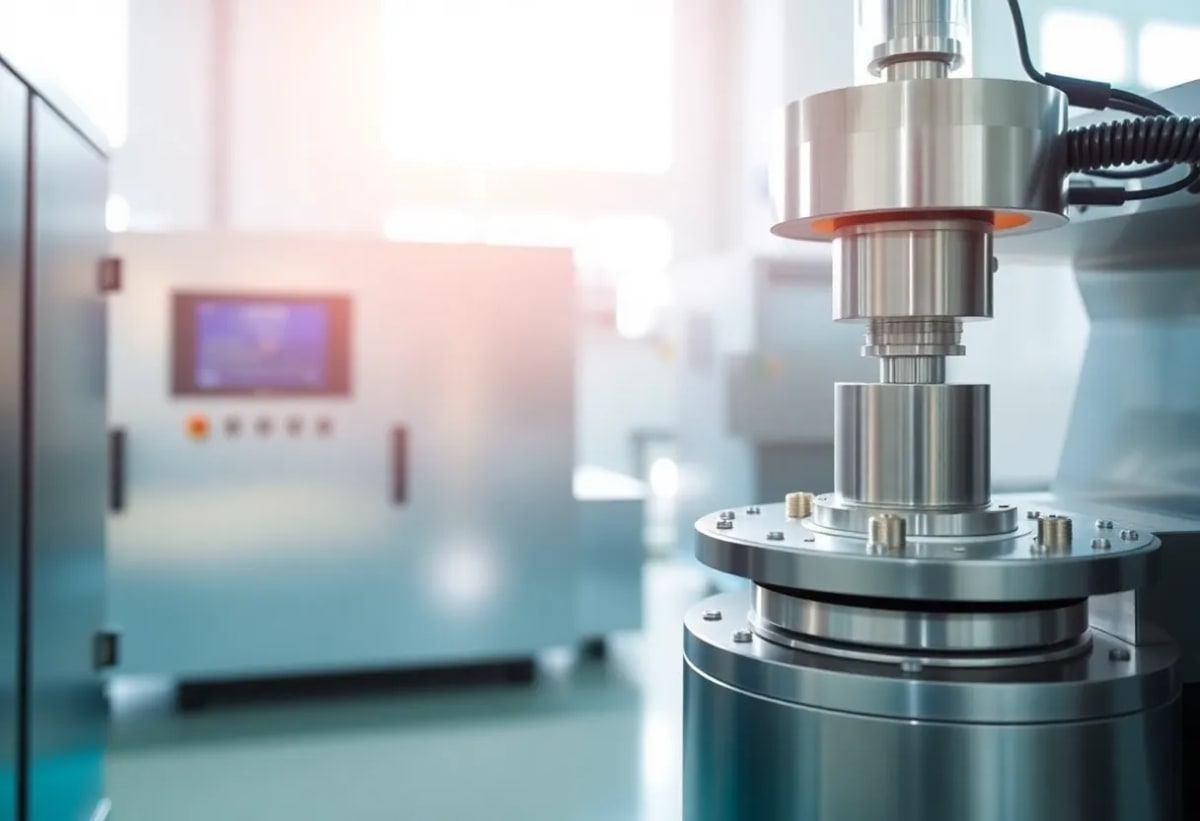
The management of cleaner equipment requires consistent attention, much like caring for a delicate baby, but it rewards with definite results. The core component management, cleaning solution management, and identifying abnormal symptoms discussed today are essential elements in extending equipment life and maximizing productivity. With this systematic management, we hope the cleaner equipment always maintains the best condition and becomes a reliable partner for your company.
Huvics is a high-tech innovation company that develops and manufactures automation equipment and production systems across semiconductor, LED, Mobile, and Cosmetic industries.
We support enhancing customer productivity and securing quality competitiveness through outstanding talent and continuous technological innovation.
Contact Huvics Co., Ltd.
Phone: 031-374-8285
Email: huvics01@gmail.com