Tag: Huvics

  • Huvics Semiconductor Laminator: The Journey to Achieving 0% Defect Rate

    Huvics Semiconductor Laminator: The Journey to Achieving 0% Defect Rate

    Did you know that it’s possible to reduce the defect rate in semiconductor lamination processes to close to ‘0’? This astonishing change has become a reality thanks to the Huvics Laminator System. Through unprecedented precision and efficiency once hard to imagine, companies can now significantly reduce production costs and dramatically enhance product reliability. But how did Huvics achieve this innovation?

    The Challenge of Achieving Zero Defects at Huvics

    The story of Huvics’ endeavor to achieve zero defects in the semiconductor process through a single laminator is more than just a success narrative; it’s a journey of relentless innovation and determination. Laminating, a crucial step in protecting semiconductor chips, has always been a challenge for defect rate management due to its delicacy. Much like assembling the components of a sophisticated watch, even a minute error could result in disastrous outcomes. Huvics, too, faced these persistent challenges. High defect rates led to increased production costs and delivery delays, posing a threat to customer trust. However, instead of avoiding the issue, Huvics decided to confront it head-on. “How can we minimize defect rates and, ideally, achieve near-zero defect rates?” This question became the starting point for developing Huvics’ innovative laminator system.

    Birth of the One-Stop Lamination System

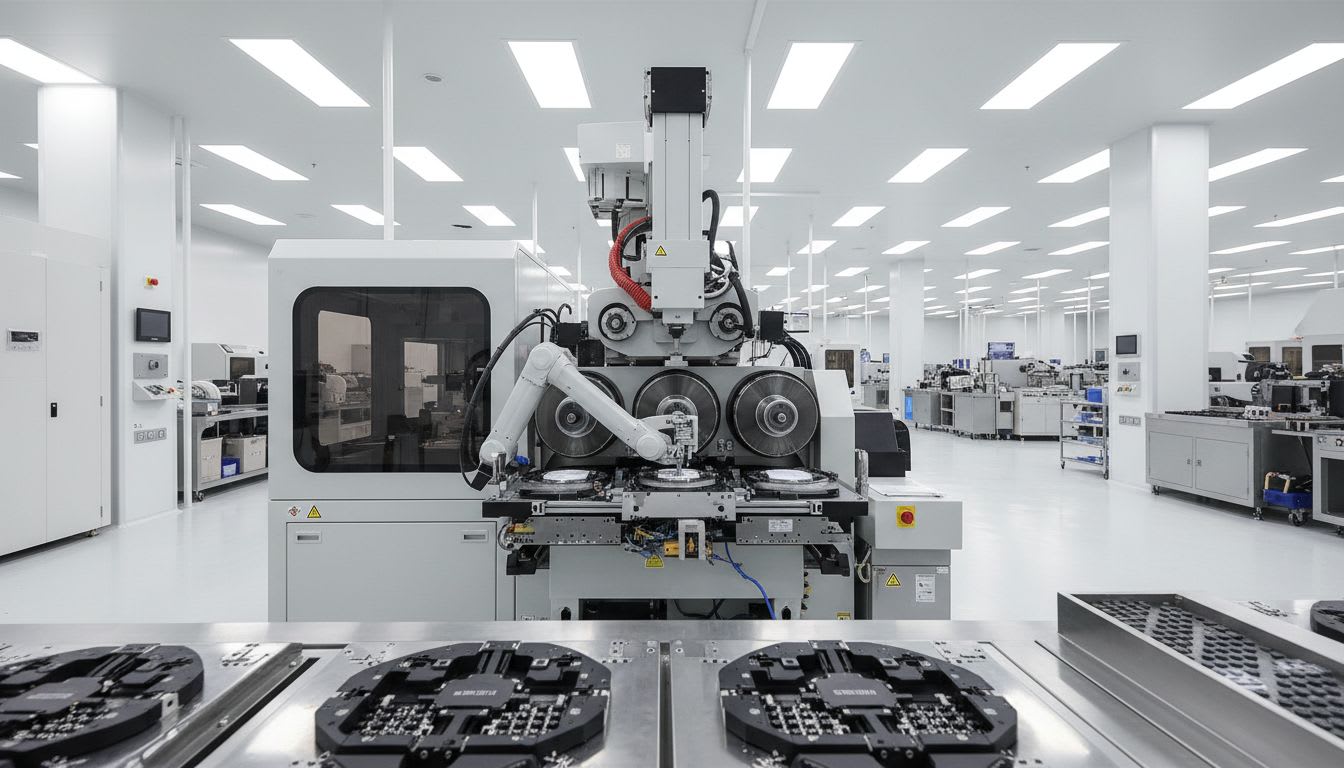
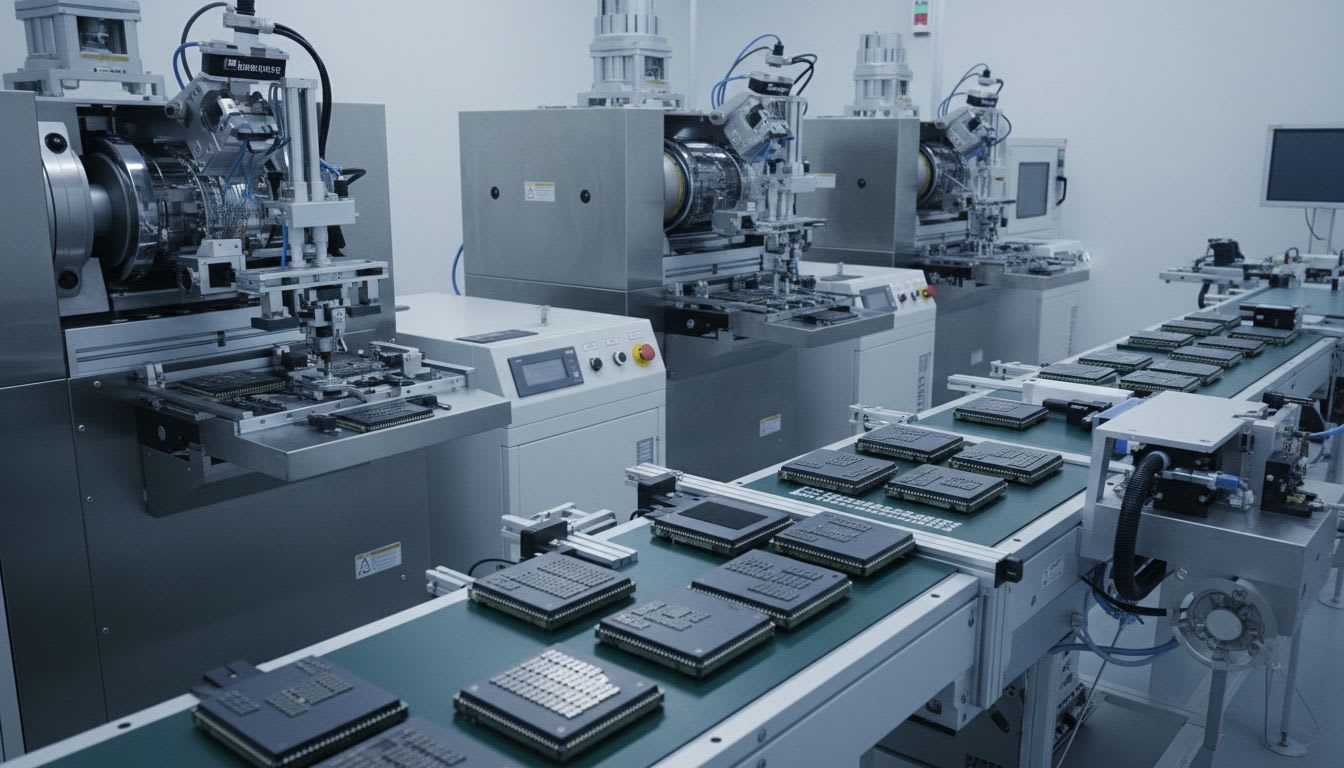
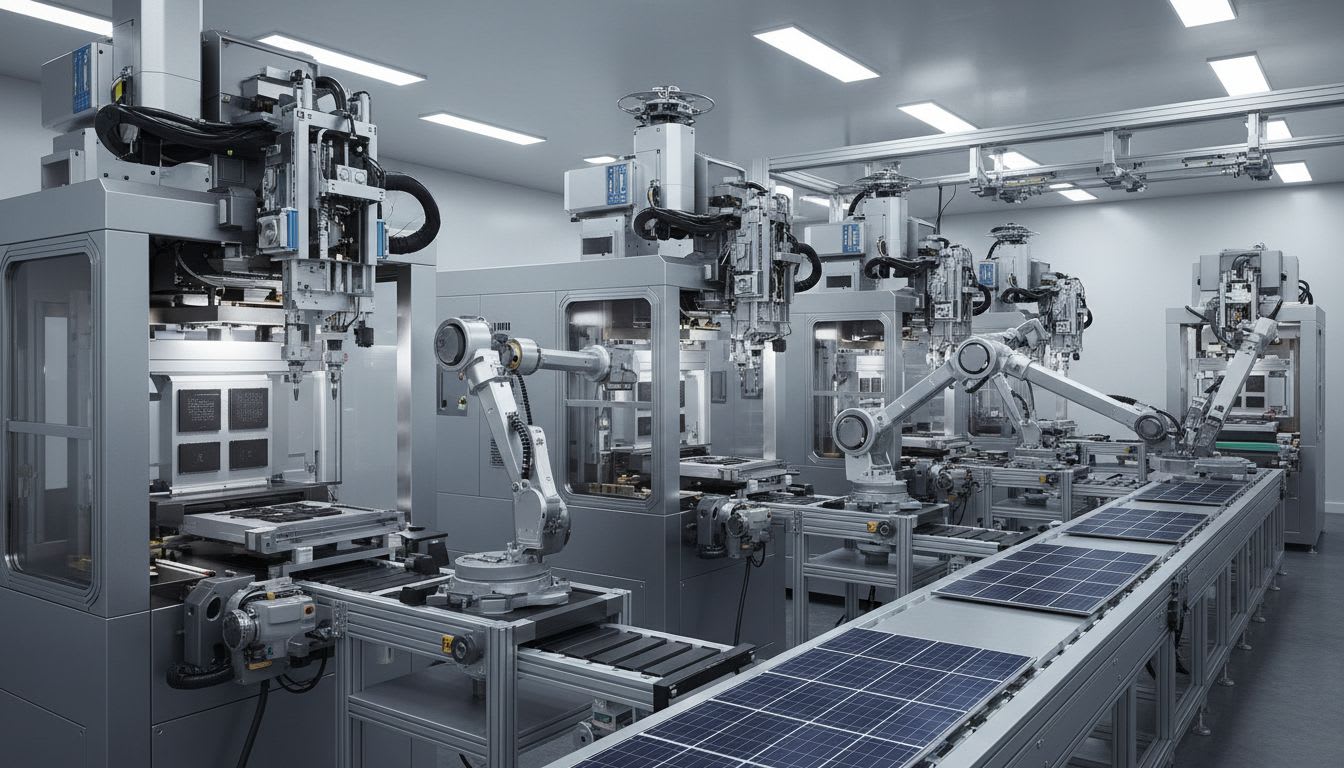
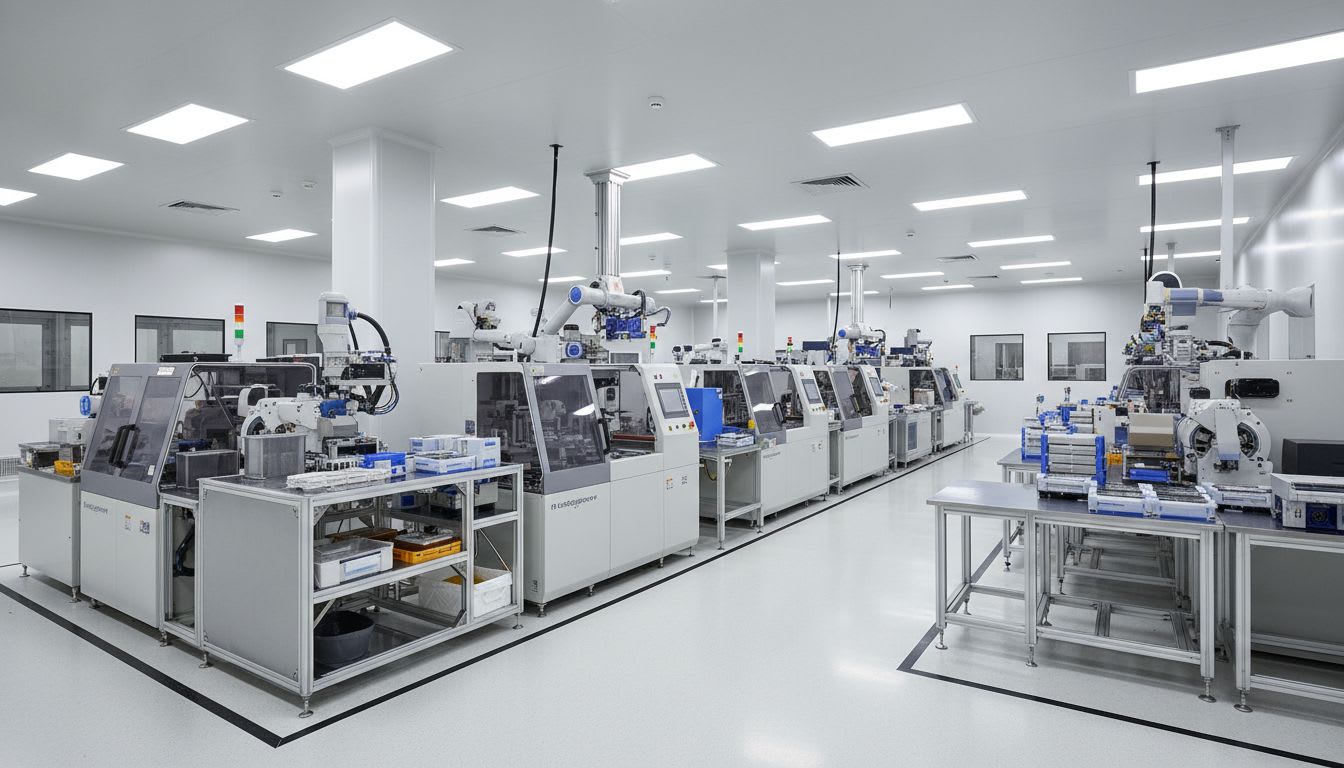
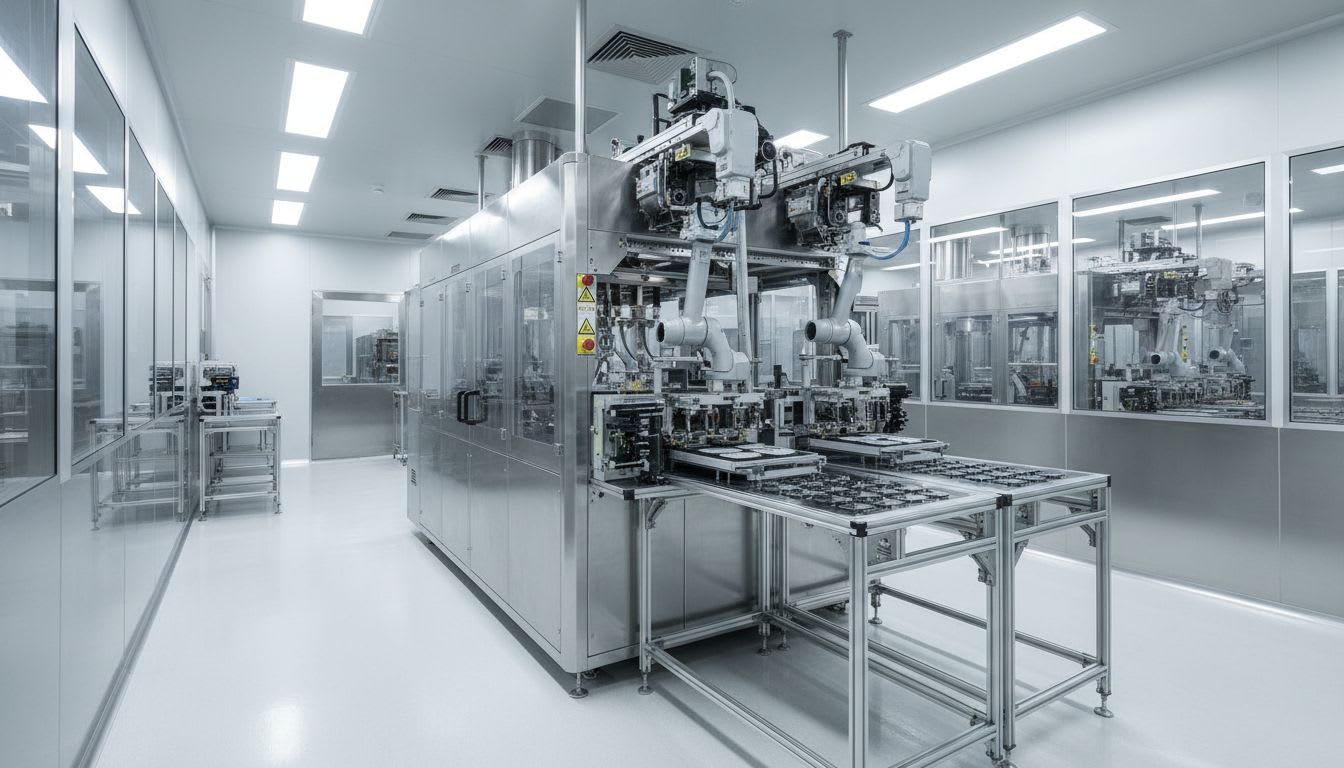
    At the end of the research and development journey that began this way, Huvics decided to establish a proprietary One-Stop Lamination System that encompasses the entire process, from Expander to UV Curing. This was an ambitious goal to change the paradigm of the entire process rather than simply adding one more piece of equipment. The vision was to simplify the process, drastically reduce Tact Time to maximize productivity, and bring quality stability to the highest level. Of course, this process was not smooth from the start. They were often hindered by unforeseen technical obstacles and numerous trials and errors. However, the Huvics research team never gave up. Based on their accumulated high-precision processing technology and know-how from years of experience, they persistently tackled each complex issue one by one. After sleepless nights of research and endless testing, their efforts finally shone through. The defect rate began to drop astonishingly and eventually recorded an astounding figure close to zero, astonishing everyone. This was not merely a numerical feat, but a triumph indicating that Huvics had set a new standard in semiconductor process automation.

    Limitations and Crisis of Manual Process

    Once, the semiconductor lamination process was akin to a ‘quagmire of manual labor’ for Huvics. This task, which involves meticulously wrapping the sensitive surface of semiconductor chips with protective films, relied heavily on the ‘divine hands’ of skilled workers. Quality could vary with a speck of dust, a slight pressure difference, or even the worker’s fatigue level. While veteran workers produced excellent results, the process was inefficient and fraught with unpredictable variables. Although individual masterpieces akin to ceramics crafted by a skilled artisan over decades could be produced, it was challenging to achieve consistent quality and speed demanded by a mass-production system. The worsening manpower shortage and the deep dependence on a limited number of skilled workers threatened the entire production line.

    In particular, due to the inherent nature of the laminating process, any defect once occurred required the chip to be discarded or subjected to a complex reworking process, leading to astronomical losses. Complaints from customers about delivery delays and quality variance flooded in, placing Huvics at a critical juncture of survival. The pride built in the field of precision processing began to waver, and an urgent voice arose internally, proclaiming, “We cannot continue like this; something revolutionary is needed.” For Huvics, automating the lamination process was no longer an option but a necessity for survival and a journey towards quality innovation that could not be avoided. Overcoming this crisis and emerging as a leader in the field of semiconductor process automation solutions was the decisive driver that led Huvics to invest everything into its newly developed laminator system.

    Building an Integrated Smart Automation System

    In this desperate situation, the answer Huvics came up with was to build an ‘integrated smart automation system.’ Going beyond merely adding automated equipment to existing processes, they designed a One-Stop Lamination System that organically links all processes, from Expander to UV Curing, as a single entity. This was the culmination of precise technological advancements aimed at fundamentally solving all issues stemming from manual work. Firstly, the Expander, which unfolds the film precisely, prepares the film perfectly without any minute wrinkles or air bubbles. Previously, the defect rate before film attachment was determined by the worker’s skill level, but now the Expander eliminates these initial error possibilities by expanding the film under consistent tension and optimal conditions.

    Tape Mounter to Increase Precision

    Next, the Tape Mounter, which accurately attaches the film to the chip, is crucial in providing the precise alignment of the Huvics Laminator System. The automated system solves the slight positional errors or pressure imbalances easily occurring during manual work, ensuring micron-level accuracy through ultra-precise stage control. The design also allows flexibility in responding to various product types and production scales, marked by the Semi Auto and Manual options, showcasing Huvics’ technological prowess.

    UV Curing Process for Final Quality

    Lastly, the UV Curing process, which optimizes the adhesive strength of the attached film, determines the final quality of lamination. By precisely controlling the temperature and curing time through Lamp or LED-based UV curing systems, it secures the stable binding force of the film, ensuring long-term product reliability. By organically integrating and automating each process stage in this way, Huvics could complete an innovative solution that minimizes defect rates, maximizes productivity, and ultimately contributes to extending the lifespan of semiconductor chips.

    Enhancing Customer Competitiveness

    The Huvics Laminator System now goes beyond being mere equipment, serving as the ‘invisible guardian’ of semiconductor production lines. Freeing customers from the previously unpredictable quagmire of defect rates, it provides robust competitiveness through reliable quality and overwhelming production efficiency. Like a conductor meticulously orchestrating a symphony without discord, Huvics’ laminator creates a harmonious production flow by perfectly harmonizing all process stages. As a result, customers can secure reliable quality from the early product development stage, reducing R&D time and accelerating market launch. The reduction in defective products directly impacts the minimization of raw material losses, significantly contributing to reduced manufacturing costs, which, in turn, leads to increased profitability for companies.

    A New Horizon for the Semiconductor Industry

    Moreover, the productivity improvement achieved through Tact Time reduction provides the capability to flexibly respond to the rapidly evolving demands of the semiconductor market. In the swiftly changing market landscape, the ability to ‘supply high-quality products promptly’ has become a crucial factor determining a company’s success or failure, and Huvics has positioned itself as an unparalleled partner in this field. The success of the laminator system has set a milestone proving that Huvics is not just a follower but a leading innovator in the semiconductor process automation solutions field. Huvics will continue to contribute to the development of the semiconductor industry by continuously providing relentless technological innovations and customer-centric tailored solutions. Huvics’ challenge of achieving zero defects is not just the completion of a single goal but a current journey opening a new horizon for the future semiconductor industry.

    The innovation showcased by Huvics through its laminator system has significant meaning beyond merely reducing defect rates; it has transitioned the area once reliant on ‘human hands’ to a realm of ‘automated precision.’ While artisanally crafted products infused with the hands of masters are commendable, consistent quality and efficiency have become more important in the era of mass production. Huvics has continuously strived to capture both values, and as a result, has proposed new possibilities for semiconductor process automation. Perhaps Huvics’ journey offers us a clue to the question, ‘How can we escape outdated conventions and achieve innovation?’

    Huvics is a cutting-edge technology company that develops and manufactures automation equipment and
    production systems across the semiconductor, LED, Mobile, and Cosmetic industries.
    With the best talents and continuous technological innovations,
    we support customers in enhancing productivity and securing quality competitiveness.

    Contact Huvics Co., Ltd.

    Phone: 031-374-8285
    Email: cdpark@huvics.com

    Contact Huvics

  • Successful Semiconductor Equipment Implementation: Are You Following the 3-Stage Roadmap?

    Successful Semiconductor Equipment Implementation: Are You Following the 3-Stage Roadmap?

    According to a report by the Korea Semiconductor Industry Association in 2023, semiconductor equipment investment increased by 15% compared to the previous year. This shows the proactive efforts of companies for productivity improvement and technological innovation. However, the implementation of semiconductor equipment is a complex and challenging process that can feel daunting without a systematic approach. Huvics aims to be your trusted navigator on this complex journey.

    Successful Semiconductor Equipment Implementation with a 3-Stage Roadmap

    Introducing new equipment into the vast semiconductor industry is like being the captain of a ship navigating uncharted seas. Knowing where to head, which routes are safe and fast, and which equipment will be the compass that navigates the rough waves is important. Huvics offers a clear and systematic 3-stage roadmap for semiconductor equipment implementation. This roadmap goes beyond simple equipment selection, providing an integrated solution journey to maximize ultra-precision machining, process efficiency, and quality reliability. Our 3-stage approach simplifies the implementation process and ultimately leads to increased productivity. It’s a process of creating optimal solutions together so that customers can achieve the best results and lead the innovation of the semiconductor industry.

    Stage 1: Setting Production Goals and Understanding Process Characteristics

    Goal Setting and Process Understanding

    The first step in semiconductor equipment implementation starts with clear goal setting and process understanding. Questions like “What products will we make?”, “How much will we produce?”, and “What process will this product undergo?” are the criteria for equipment selection. For example, let’s assume a small-to-medium-sized semiconductor packaging company recently aimed for high-density, high-performance memory module production.

    Tailored Analysis Case by Huvics

    This company realized that it was difficult to meet the required yield and quality with their existing processes and considered new equipment implementation. However, they faced significant challenges in identifying which equipment among countless laminators, expanders, and cleaner systems was most suitable for their production goals and process characteristics. At this point, Huvics offered not just a list of equipment but undertook an in-depth analysis of the company’s production goals, expected production volumes, and their current and future process roadmaps.

    As a result, we identified that high-precision film attachment and stable UV curing were key, and proposed that Huvics’ laminator system was the optimal choice for securing both production efficiency and quality stability. Additionally, by emphasizing the importance of removing contaminants during the process, we helped achieve both a reduction in defect rates and an improvement in final quality by incorporating a multi-stage cleaning technology-based cleaner system. Huvics focuses on understanding the essence of the process from the customer’s perspective and finding the most suitable equipment combination.

    Stage 2: Comparing & Analyzing Ideal Equipment Options

    Choice Crossroads for Equipment Options

    In Stage 2, we face the crossroads of concrete equipment selection. What is the best-suited laminator among many options for our company? For instance, even among laminator systems, a careful review is required to determine which option is more advantageous from a long-term perspective between Semi Auto and Manual options and between Lamp and LED types for UV Curing systems. A semiconductor post-processing company aimed to increase production volume while reducing quality variations depending on worker skill levels.

    Data-Driven Optimization Analysis

    Initially, they considered Manual equipment for cost efficiency. Still, through in-depth consultations with Huvics, they concluded that the Semi Auto equipment would provide much greater benefits in terms of long-term productivity and labor cost savings, considering the expected production volume and automation goals. Also, regarding the UV Curing method, based on comprehensive consideration of adhesive strength requirements, energy efficiency, and lamp replacement cycles of the existing process, they received specific data indicating that a certain wavelength-optimized LED UV Curing system would improve quality and maintenance convenience. Huvics goes beyond simply listing product specifications and presents how each option would impact the customer’s actual production line and contribute to productivity and quality improvement with clear data and real-life application cases. This is a distinct approach by Huvics to help clients make the most rational decisions for their success while not losing their way in confusing options.

    Stage 3: Seamless Integration & Optimization of the Production Line

    Importance and Challenges of Equipment Integration

    Completing the selection and purchase of equipment is not the end of the process. Many companies face challenges recovering initial investment costs due to improper integration into production lines or unexpected issues even after introducing expensive semiconductor equipment. A start-up semiconductor module manufacturer faced a situation where their initial yield fell short of expectations due to interface issues with existing process lines and lack of worker proficiency, despite introducing an advanced laminator system. The equipment’s performance was excellent, but there was a lack of consideration on ‘how’ to integrate it into the existing environment and ‘fully’ utilize it.

    Integration & Optimization Support by Huvics

    At this time, Huvics went beyond simply supplying equipment to analyze the company’s production goals and line characteristics, initiating the establishment of an optimal equipment integration strategy. Huvics experts were stationed on-site to support customized firmware updates for interfacing with existing systems and provided systematic on-site training programs for workers to fully master the equipment. Furthermore, Huvics offered ongoing technical support and proactive maintenance strategies after the equipment introduction to prevent potential issues. When unforeseen errors occurred, they quickly resolved the problem through swift remote diagnosis and on-site visits, minimizing production downtime. In this way, Huvics provides a total solution that takes responsibility for the entire process of equipment introduction and stable operation thereafter, continuously partnering with clients to help them establish a stable production environment through new equipment and achieve their ultimate business success.

    Semiconductor equipment implementation, now, envision a clear picture instead of feeling overwhelmed. By following Huvics’s 3-stage roadmap and thoroughly reviewing the ‘Why’ to ‘How’ of equipment implementation, your production line is already prepared for innovation. As a single component can determine the performance of the entire system, accurate equipment implementation is a crucial factor that determines a company’s competitiveness. As your trusted partner, Huvics will continue to find optimal solutions and create innovation together with you.

    Huvics is a high-tech company that develops and manufactures automation equipment and production systems across the semiconductor, LED, Mobile, and Cosmetic industries.
    By employing top talent and continuous technological innovation, we support our clients in enhancing productivity and securing quality competitiveness.

    Contact Huvics Inc.

    Phone: 031-374-8285
    Email: cdpark@huvics.com
    Huvics Inquiry

  • Reasons Why Semiconductor Equipment Localization is Necessary: All About Huvics Cleaner System

    Reasons Why Semiconductor Equipment Localization is Necessary: All About Huvics Cleaner System

    Localizing semiconductor equipment is akin to tending to ‘your own garden.’ You can initially sprout a plant with seeds (equipment) obtained from overseas, but to bloom flowers that are suited to your land’s climate and soil, you must improve the seeds yourself and nurture them with care. It’s essential to create a ‘fertile soil’ consisting of technology optimized for our environment, quick problem resolution, and a stable supply chain that isn’t swayed by external changes in order to yield a beautiful harvest in the ‘garden’ of the semiconductor industry. So how does Huvics provide the ‘seeds’ and ‘tools’ necessary to tend to this ‘personal garden’?

    Importance of Localization for National Economic Security

    Semiconductors are the ‘nervous system’ of modern industry and the ‘heart’ of a nation’s economy. What if this heart could easily stop from even a slight external shock? This describes the current state of the semiconductor equipment industry, which is highly dependent on foreign sources. Relying on technology and supply chains from specific countries or a few companies is akin to building a ‘glass castle’ that is vulnerable to external conditions.

    With unforeseeable international political changes, trade disputes, or even a simple supply disruption, the entire domestic semiconductor industry is perpetually exposed to potential crises. In this context, localizing semiconductor equipment goes beyond patriotism and becomes a necessary defense strategy to reinforce national economic security and future protection, building a ‘solid technological independence barrier.’ Establishing a stable supply chain that isn’t swayed by external factors and securing sovereignty over core technologies are foundational to genuinely boosting national competitiveness.

    Huvics’ Contribution to Technological Independence

    Huvics stands at the forefront of innovation when facing these national challenges. By offering integrated solutions that maximize ultra-precision processing ability, superior process efficiency, and, most importantly, quality reliability, the company contributes to South Korea’s technological independence in the semiconductor and advanced electronics component industries. By meticulously analyzing each client’s unique needs to design custom equipment and significantly enhancing productivity and yield, Huvics incorporates these proprietary technologies into its ‘Cleaner System.’ This effort surpasses mere equipment supply, representing a solid step towards a better future for South Korea’s semiconductor industry. At this point, Huvics fulfills its role as a ‘reliable partner’ for the sustainable growth of the domestic semiconductor industry.

    Customized Technology Development and Huvics Cleaner System

    Optimization for Domestic Environment and Quick Response

    Why is the localization of semiconductor equipment so crucial? The answer lies in two core values: ‘customized technology development’ and ‘rapid onsite response.’ While overseas equipment is developed to general standards, equipment produced with domestic technology can reflect designs optimized for local manufacturing environments and production line characteristics. Just as one finds maximum comfort and functionality when wearing a tailored suit rather than off-the-rack, Huvics develops equipment tailored to the unique production processes and requirements of domestic semiconductor manufacturers. This customized approach elevates equipment performance to a new level and ensures immediate technical support and resolution when unexpected issues arise, maximizing production efficiency. Localizing equipment mitigates time delays, language barriers, and limitations in technical support experienced with foreign equipment, securing much higher performance and stability.

    Unique Technology of Huvics Cleaner System

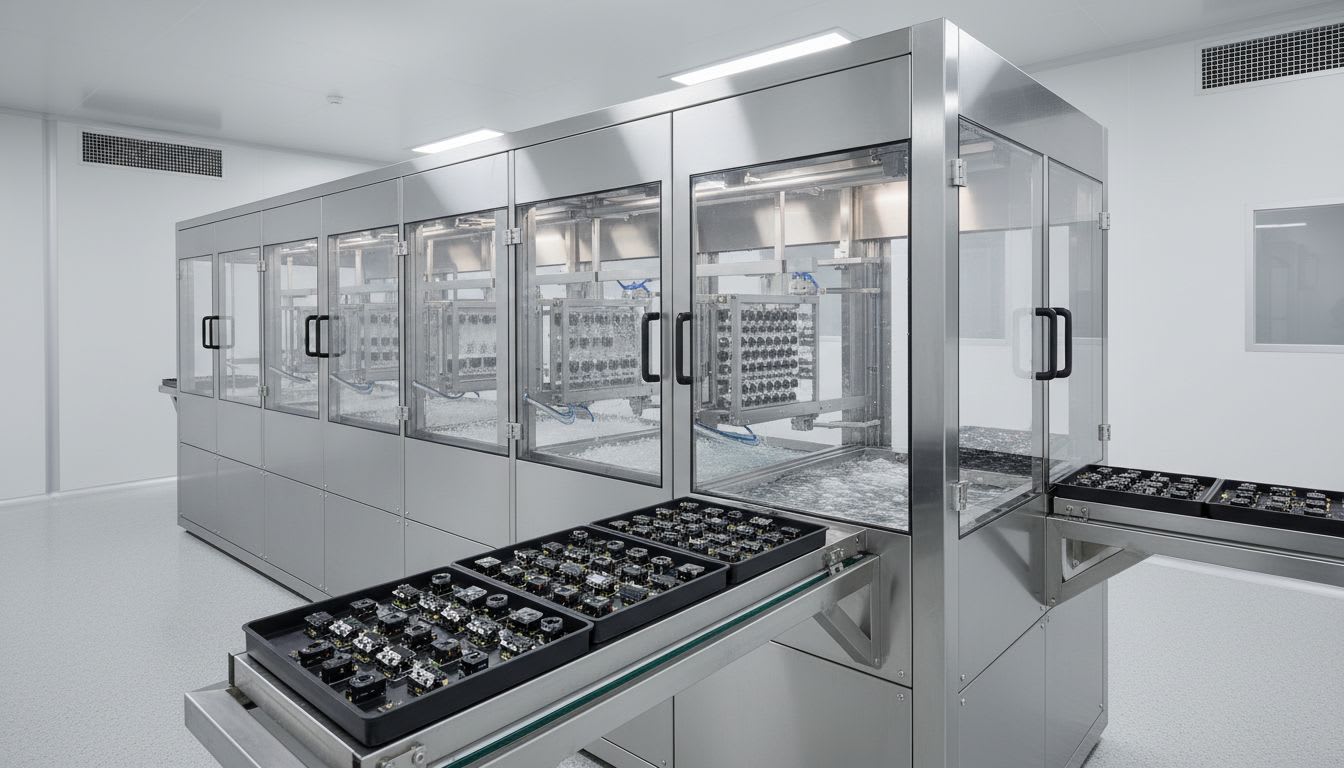
    Huvics’ ‘Cleaner System’ distinctly showcases the strengths of localization. In semiconductor manufacturing, even a micro-level contaminant particle can lead to severe defects, a problem that Huvics resolves with its unique multi-stage cleaning technology. By organically combining Micro Bubble, Water Jet, and Air Knife technologies, the system boasts precision in thoroughly eliminating contaminants from product surfaces in layers. It is specially optimized for cleaning various advanced electronic components such as camera modules, sensors, VCM motors, and trays, achieving cleanliness levels that are hard to attain with general equipment.

    Going beyond, the system also features an Oven Dry functionality that fundamentally eradicates moisture issues post-cleaning, responsible for a flawless drying process. Its adaptable system, offering both Full Auto and Manual options, delivers optimal operational efficiency according to the client’s process automation level and maintenance environment, eventually leading to reduced defect rates and secured quality stability of the final product. Huvics continually advances its technology with the ultimate goal of becoming a true partner for customer success, surpassing mere equipment provision.

    Securing Long-Term Competitiveness and Maximizing Cost Efficiency

    Risks of Foreign Dependence and Strategic Value

    Semiconductor equipment localization goes beyond mere temporary slogans like ‘Let’s make it ours.’ It is a strategic investment to secure long-term competitiveness and drive sustainable growth for companies and the nation. The higher the dependence on foreign equipment, the more vulnerable companies become to unpredictable external factors like exchange rate fluctuations, rising international shipping costs, and supply instability for parts. Such situations directly translate into increased production costs and delayed delivery times, hindering company profitability and market competitiveness. Should a specific overseas company unexpectedly cease equipment supply or restrict exports of key components, domestic production lines could face a dire halt.

    Economic Impact of Localization with Huvics

    Huvics focuses on eliminating potential risks and establishing a stable economic foundation. By resolving all costs associated with buying and maintaining expensive foreign equipment, as well as travel expenses and time for technical support, domestically, cost efficiency is maximized. For instance, when a domestic semiconductor manufacturer used foreign cleaning equipment, unexpected breakdowns led to parts procurement taking weeks, with significant expenses and time consumed for visits from overseas engineers. However, after adopting Huvics’ Cleaner System, prompt onsite visits and part replacements by domestic engineers significantly reduced downtime and maintenance costs.

    Furthermore, localizing equipment enhances domestic engineer and technical workforce capabilities, stimulates the related industrial ecosystem, and positively impacts job creation. If domestically-made equipment like Huvics’ Cleaner System is exported beyond the local market, it goes beyond mere foreign currency acquisition to become an opportunity to showcase South Korea’s technological prowess worldwide, fostering an economic virtuous cycle that enhances the overall value of our industry. Huvics strives tirelessly to be a solid partner in boosting customer productivity while growing alongside clients in the long term, contributing to South Korea’s economic development.

    Leading Future Technologies and Ongoing R&D Investments

    Future Competitiveness Through Technological Independence

    The true value of semiconductor equipment localization lies beyond resolving current issues. It is about planting ‘seeds’ that ensure future generations’ technological competitiveness and enable South Korea to maintain a leading role in the global semiconductor market. Today’s localized technology forms a robust foundation for tomorrow’s innovations and is a crucial driver in advancing domestic research and development (R&D) capabilities to the next level. Relying solely on foreign technologies limits us to always ‘following,’ but developing our own technology and accumulating expertise allows us to establish new standards independently and pioneer uncharted technological domains. Just as planting young trees results in a lush forest, each localized technology contributes to forming a broader ecosystem of innovation.

    Leading Next-Generation Technology with Huvics

    From this future-oriented perspective, Huvics commits to continuous R&D investments, ensuring unceasing technological evolution. Beyond merely responding to current market demands, it leaves no stone unturned in leading next-generation technologies such as ultra-fine processes, complex new material handling, and AI-based automation. For instance, developing ultra-precision cleaning technology for increasingly miniaturized semiconductor devices or new technologies maximizing contamination removal efficiency for complex multilayer package structures is a major focus at Huvics’ R&D center. This intent is to ensure that our clients’ production lines not only achieve stability but also maintain cutting-edge competitiveness amidst future technological transformations. Huvics is dedicated to cooperating closely with clients, instantly incorporating onsite feedback into technology development, fulfilling its role as a ‘technology innovation partner’ that grows together. Ultimately, Huvics is confident that its localized technologies will significantly contribute to the ongoing development of South Korea’s semiconductor industry and reinforce global leadership, paving the way for a brighter and more prosperous future.

    In conclusion, semiconductor equipment localization is a ‘long-term investment’ that enriches the ‘garden’ of South Korea’s semiconductor industry, surpassing immediate gains. Just as beautiful fruits are yielded when seeds are sown, watered, and carefully pruned, Huvics will work alongside to construct a bright future for South Korea’s semiconductor industry through continuous technological innovation and close collaboration with customers. Like the resilient vitality of roots anchoring in barren land, Huvics aims to be a steadfast pillar for South Korea’s economy with its unwavering will towards technological independence.

    Huvics is a tech company that develops and manufactures automation equipment and production systems across the semiconductor, LED, Mobile, and Cosmetic industries. With the best personnel and ongoing technological innovation, we support improved productivity and quality competitiveness for our customers.

    Contact Huvics Co., Ltd.

    Phone: 031-374-8285
    Email: cdpark@huvics.com
    Huvics Inquiry

  • Why is Uniformity Technology in Semiconductor UV Curing Systems Important?

    Why is Uniformity Technology in Semiconductor UV Curing Systems Important?

    According to a 2023 report by the Korea Semiconductor Industry Association, defects due to uneven illumination in the UV Curing process of semiconductor manufacturing amounted to about 5% of total production. This signifies that millions of chips could either be discarded or enter the market with potential defects. Based on a profound understanding of this critical issue, Huvics significantly enhances client productivity and product reliability through its illumination uniformity technology in UV Curing systems. How does Huvics’ solution tackle these challenges?

    Within the heart of semiconductor manufacturing, minute differences can determine the fate of the entire product. Much like a watchmaker must precision-fit every component in a watch, every element on a semiconductor wafer must function without the slightest error. Specifically, ‘illumination uniformity technology’ in UV Curing systems is a key element impacting such precision. This technology ensures even curing by uniformly irradiating UV light across the entire wafer surface, which is crucial for determining the core performance and reliability of semiconductor devices beyond just hardening adhesives. What happens if UV light intensity isn’t uniform across the wafer surface? Some areas may under-cure, leading to adhesive failures, while others may over-cure, causing internal stresses. This could directly translate to electrical inconsistency, reduced physical durability, and ultimately, a shortened product lifespan for semiconductor devices. Small illumination inconsistencies can compromise the quality of hundreds or thousands of semiconductor chips, leading to reduced production yields and significant cost losses. Huvics provides optimal solutions, leveraging advanced technology and deep understanding at precisely this point. Huvics’ UV Curing systems guarantee perfectly uniform UV light distribution throughout the wafer using cutting-edge illumination uniformity technology, promising increased production yield, maintained product performance consistency, and ultimately strengthened customer competitiveness. Huvics focuses not only on selling equipment but also on providing total solutions to help customers achieve optimal quality and productivity.

    The importance of illumination uniformity technology in semiconductor UV Curing systems becomes clearer upon closer examination. Distributing light energy evenly across the wafer maximizes adhesive curing quality and significantly reduces final product defect rates, representing one of the most fundamental yet crucial elements. When illumination uniformity isn’t achieved, visualizing the scenario highlights the issue, similar to baking where specific oven parts might be too hot or too cold. Like bread burning or being undercooked, parts of a wafer can over-cure, undergoing material property changes, while others may under-cure, leading directly to adhesive failures and reduced product reliability. Consider semiconductors used in essential control devices of smartphones or autonomous vehicles being inadequately adhered—though initially undetected, these components may fail unexpectedly due to slight temperature changes or external shocks in real-world environments. Such field failures severely damage a manufacturer’s brand image, involve significant recall costs, and could directly impact customer safety. Recognizing this critical point, Huvics deeply understands the ultra-precise manufacturing environment demands of semiconductor fabrication, which permits no defects, emphasizing precision processing, efficient processes, and, above all, reliable quality. Huvics focuses all efforts on incorporating various technologies into UV Curing systems to significantly improve productivity and yield through customized equipment design that embraces specific customer requirements. Enhancing adhesive strength and process stability through Lamp/LED UV Curing systems is Huvics’ commitment, and maintaining uniform illumination reflects Huvics’ technical philosophy to produce stronger and longer-lasting products.

    The crucial importance of illumination uniformity in semiconductor UV Curing systems is due to its direct impact on the final product quality. Uniform illumination ensures consistent UV energy delivery across the wafer, signifying optimal curing under identical conditions for all semiconductor devices. Acknowledging this significance, Huvics focuses on providing innovative technical solutions for illumination uniformity, seamlessly integrating three key technological elements necessary to achieve it. Firstly, the optimized arrangement of lamp or LED arrays is crucial. Mere abundance of UV light sources does not guarantee uniform illumination. Huvics identified the optimal type (Lamp or LED), quantity, and configuration of UV light through years of precise R&D and simulations, eliminating dead zones or excessive areas on the wafer. Much like each instrument finding its perfect spot for harmonious orchestra play, Huvics ensures optimal placements. Secondly, sophisticated optical system design is essential. The path UV energy takes from the light source to the wafer surface is critical. Huvics employs cutting-edge optical systems comprising specially designed lenses, mirrors, and diffusers to control UV energy and uniformly distribute it across the wafer surface. This represents the pinnacle of technical understanding and control over light characteristics, extending beyond just shining light. Thirdly, a real-time monitoring and feedback system comes into play. Despite perfect system design, slight environmental shifts or equipment thermal changes during operation might cause illumination inconsistencies. Equipping Huvics’ systems with precise sensors that monitor real-time UV energy distribution reaching the wafer adjusts lamp output, exposure time, or other parameters instantly to guarantee uniform curing over the entire wafer. Thus, Huvics’ UV Curing systems deliver unmatched value by precisely controlling UV energy distribution and achieving perfect curing on the wafer surface, translating into improved production yields, increased product reliability, and ultimately enhanced competitive edge for customers. Huvics continually contributes to the progress of the semiconductor industry through ongoing innovative technology development.

    The importance of illumination uniformity technology in semiconductor UV Curing systems spans beyond mere technical perfection, influencing productivity, profitability, and market competitiveness. Fine defects from uneven illumination are sometimes hard to detect visually, often noticed only during final processes or post-market release, resulting in much greater losses. These issues increase product rework, defect rates, escalate production costs, and prolong delivery timelines, severely impairing business efficiency. Mr. A, a team leader at a mid-sized semiconductor packaging company, faced chronic problems stemming from sporadic failures post-UV curing, hard to accurately diagnose. Especially, visually undetectable minor adhesive failures continued emerging in final test phases, causing substantial financial losses. Skeptical yet hopeful, he decided to try Huvics’ UV Curing system with illumination uniformity technology. Within weeks, remarkable changes emerged—a dramatic defect rate drop, notably fewer field-reported initial failures, convincing Mr. A of having achieved a stable production line. It marked a transformative improvement across the processes, not merely an equipment replacement. Huvics’ illumination uniformity technology contributes decisively to not only visibly enhanced yields but also the long-term reliability of products, enhancing customer brand value and securing a competitive market edge. Committed to customer success as aligned with Huvics’ own success, Huvics promises to remain a reliable partner growing together through continuous technological innovations and tailored solution offerings.
    To uphold this promise of customer success, Huvics relentlessly pursues technological innovation and the development of customer-specific solutions. Acknowledging the enormous outcomes small differences bring in semiconductor UV Curing system illumination uniformity, Huvics commits to stand by customers as a reliable success partner, supporting a journey towards stronger and longer-lasting products, higher productivity, and profitability with Huvics at their side.

    Huvics is an advanced technology company developing and manufacturing automation equipment and production systems across the semiconductor, LED, Mobile, and Cosmetic industries.
    With top human resources and continuous technological innovation, we support improved productivity and quality competitiveness for our clients.

    Contact Huvics

    Phone: 031-374-8285
    Email: cdpark@huvics.com

    Huvics Contact

  • Semiconductor Tape Mounting Process Defect Rate: How Company A Successfully Overcame It with Huvics Laminator

    Semiconductor Tape Mounting Process Defect Rate: How Company A Successfully Overcame It with Huvics Laminator

    In the semiconductor Tape Mounting process, we all know how even the smallest mistake can lead to immense anxiety. At the critical moment of attaching tape to the wafer, we hold our breath, focused on preventing even the slightest speck of dust or misalignment. Remember those sleepless nights spent searching for solutions in case of defects or line halts? Huvics completely understands that concern, that frustration.

    A Company’s Tape Mounting Process Issues

    In the heart of the semiconductor industry, Tape Mounting is one of the processes that requires precision with zero tolerance for minute errors. Tiny particles or minuscule inconsistencies can dictate the overall product yield and quality, making a ‘mistake’ here more than just a failure; it spells catastrophic loss. In reality, Company A faced ongoing difficulties in this delicate process. The task of attaching protective tape to semiconductor wafers was plagued by recurrent issues like microscopic bubbles, tape twisting, and adhesion inconsistencies that were barely noticeable to the naked eye. The staff toiled day and night to pinpoint the problem’s origins, but the limits of manual processes and inefficient equipment integration simply amplified defect rates, creating a vicious cycle. Like a finely woven web threatened by invisible cracks, a small flaw could jeopardize the entire process. Consequently, production lines frequently halted, the time and costs of rework ballooned, and the pressure from delayed delivery deadlines forced Company A’s technical and management teams into deep deliberation. However, these challenges were dramatically resolved through the adoption of Huvics’ laminator system, allowing Company A to stabilize productivity and secure superior quality, thus setting the stage for a new leap forward.

    Root Causes and Huvics Integrated Solution

    The defect rate issue in Company A’s semiconductor Tape Mounting process stemmed from complex structural inefficiencies rather than merely ‘frequent mistakes’. In the existing process, as each stage such as lamination, tape attachment, and UV curing operated independently, slight errors piled up, often resulting in final defects. The high reliance on manual operations required significant worker skill, resulting in drastic quality variations and unexpected variables that made production planning challenging. These issues were akin to a meticulous clock being stopped by one misaligned component. No matter how exquisite the clock, it won’t function unless each small cog fits perfectly. Lamination irregularities, tape adhesion failures, and incomplete UV curing gravely impacted Company A’s productivity. Yet, Huvics’ laminator system addressed these chronic problems fundamentally, delivering remarkable changes to Company A. By integrating the entire lamination process from the expander to UV curing into a single organic flow, Huvics dramatically reduced process steps and maximized synergy between each stage. Through ultra-precise attachment processes and advanced UV curing technology demanded by the semiconductor and cutting-edge electronics sectors, they ensured uniform and stable quality beyond what human hands could achieve, effectively capturing both defect rate reduction and productivity enhancement. The semi-auto and manual options operated as bespoke solutions adaptable to various product lines and production volumes, robustly supporting Company A’s production line to maintain optimal efficiency without falter, regardless of external environment changes.

    Effects of Huvics System Introduction and Customer Satisfaction

    Introducing the Huvics laminator system brought transformative changes to Company A’s Tape Mounting process. Previously frequent damage and rework due to fine air pockets or tape slippage during wafer tape attachment were fundamentally eliminated by the Huvics system. For instance, the critical issue of tape adhesion failure was addressed through Huvics’ precision attachment mechanism that uniformly and powerfully secured the tape onto the wafer surface. Additionally, streamlining the process into one-stop operations for lamination, tape mounting, and UV curing significantly lowered the potential for errors at each stage and substantially reduced operation time. Company A’s production manager expressed satisfaction, stating, “After implementing the Huvics system, the quality variations due to operator skill disparities have all but disappeared, leading to an unrivaled reduction in defect rates.” Particularly, Huvics’ renowned lamp/LED UV curing system optimized adhesive strength and maximized the curing process’s stability, even mitigating potential quality degradation from unforeseen external influences. It’s akin to having advanced medical systems supporting every pre-and post-surgery process, beyond just using basic tools for precise surgery. Huvics not only provides equipment sales but also offers thorough consulting to meticulously analyze Company A’s production environment and identify the most suitable configurations, ensuring that Company A could achieve stable process operations and enhance final product quality. Huvics’ customer-centered philosophy and technical prowess provided a pivotal milestone, setting new efficiency standards for the semiconductor industry well beyond Company A’s success.

    Value of Huvics Integrated Solution

    Company A’s success story goes beyond a single firm’s improvement to offering a clear solution to common issues in the semiconductor Tape Mounting process. In the semiconductor industry, where ultra-precision is essential, a ‘mistake’ directly equates to yield reduction, critically impacting a company’s competitiveness. Huvics understands these industrial requirements and clients’ specific challenges deeply, offering integrated solutions that secure both process efficiency and quality reliability through technological innovations. The laminator system focuses on minimizing defects arising from various causes like lamination non-uniformity, tape adhesion failures, and UV curing issues, beyond automating the operation of attaching tape to wafers. Perfectly synchronized one-stop processes from the expander to UV curing reduce potential errors at each step and assure stable quality for the final product. It’s like all instruments in a complex orchestra harmoniously creating a beautiful melody under the conductor’s lead. Huvics strives to provide the best solutions based on in-depth understanding of each process’s characteristics and the client’s production environment, acting as the ‘conductor’ of semiconductor production.

    Continuous Technological Innovation and Partnerships

    Going forward, Huvics will continue to develop ultra-precise processing technologies and process optimization solutions through relentless research, development, and field applications. This commitment shows Huvics’ firm resolve to not only solve customer problems but also contribute to the innovation and growth of the entire semiconductor industry, aiding numerous companies like Company A in achieving higher productivity and quality competitiveness as a reliable partner.
    Beyond innovating Tape Mounting processes, plan your future with the perfect partner, Huvics, for your successful business journey.

    Huvics is a high-tech company that develops and manufactures automation equipment and production systems for the semiconductor, LED, mobile, and cosmetics industries.
    We support the improvement of productivity and securing of quality competitiveness through the best personnel and continuous technological innovation.

    Huvics Co., Ltd. Contact

    Phone: 031-374-8285
    Email: cdpark@huvics.com
    Huvics Contact

  • Why Cleaner Equipment Management Determines Productivity and Quality

    Why Cleaner Equipment Management Determines Productivity and Quality

    In the semiconductor and advanced electronic component industries, cleaner equipment is like an essential facility that requires meticulous management. It is because they are sensitive to even tiny dust particles, minor temperature changes, and changes in the concentration of cleaning solutions, which can impact the quality of the entire production line.

    Just as a baby’s health requires meticulous care, cleaner equipment also needs regular inspections and maintenance to maintain optimal performance. This not only extends the life of the equipment but also contributes to enhancing the overall stability and efficiency of the production process. Let us now delve deeper into understanding cleaner equipment and reveal key management methods to boost productivity.

    Core Component Management: The Importance of Regular Health Checkups

    Managing the core components of cleaner equipment is like conducting health checkups for our bodies. Just as early detection and management of abnormal signs can prevent major illnesses, periodically inspecting and cleaning the main components of the equipment can extend its life and maintain optimal performance.

    For example, failing to replace a car’s engine oil on time can damage the entire engine. Similarly, if you do not replace filters or nozzles on cleaner equipment at the right time, the cleaning effect can decrease, and it could cause malfunction. Setting regular inspection cycles and learning how to clean and replace each part is the most fundamental first step in equipment management.

    Cleaning Solution Management: The Recipe for Best Results

    Cleaning solution management is like a chef meticulously adjusting the freshness and ratios of ingredients to achieve the best taste. No matter how good the ingredients, if the ratios are incorrect or freshness declines, a great dish cannot be made. Similarly, cleaner equipment also struggles to perform at its best if cleaning solution management is neglected.

    The concentration, temperature, and pH concentration of the cleaning solution are key factors that directly impact cleaning quality. If these conditions aren’t maintained in an optimal state, the cleaning power may decrease, leading to a higher defect rate in products. Therefore, regularly inspecting and managing the cleaning solution plays a crucial role in enhancing the efficiency and quality of the entire production process.

    Identifying Abnormal Symptoms: Listening to the Signals from Equipment

    Small noises or changes occurring in cleaner equipment are like subtle pain signals from our bodies. Strange noises, vibrations, or sudden temperature changes may indicate an issue inside the equipment.

    If you ignore and neglect these signals, a minor problem can escalate into major damage that halts the entire production line. Just as a skilled mechanic pays attention to minor sounds in a car to identify potential problems, it is important not to overlook small changes in equipment. This is a wise method to extend the equipment’s life and maintain stable production.

    The management of cleaner equipment requires consistent attention, much like caring for a delicate baby, but it rewards with definite results. The core component management, cleaning solution management, and identifying abnormal symptoms discussed today are essential elements in extending equipment life and maximizing productivity. With this systematic management, we hope the cleaner equipment always maintains the best condition and becomes a reliable partner for your company.

    Huvics is a high-tech innovation company that develops and manufactures automation equipment and production systems across semiconductor, LED, Mobile, and Cosmetic industries.
    We support enhancing customer productivity and securing quality competitiveness through outstanding talent and continuous technological innovation.

    Contact Huvics Co., Ltd.

    Phone: 031-374-8285
    Email: huvics01@gmail.com

    Contact Huvics

  • Semiconductor Process Automation, 3 Key Reasons Why Laminator System is Ideal

    Semiconductor Process Automation, 3 Key Reasons Why Laminator System is Ideal

    Still focusing only on the ‘partial optimization’ of individual equipment in semiconductor process automation? Did you know that this approach limits productivity gains? Similar to musicians playing separately, when each process operates independently, the overall flow is disrupted and unnecessary time is wasted. Huvics’ Laminator System integrates key processes from Expander to UV Curing into one cohesive system, solving inefficiencies and unlocking the hidden potential of semiconductor production lines. Discover now the 3 key reasons why the Laminator System is ideal for semiconductor process automation.

    The semiconductor industry is constantly evolving, demanding extreme precision and efficiency in its core process technologies. In such an environment, automation is no longer optional but essential, with the Laminator System becoming a critical driver of productivity innovation. Like a conductor leading a well-tuned orchestra into harmony, semiconductor process automation requires the capability to integrate and control numerous intricate processes without error. Huvics’ Laminator System plays the role of this conductor, serving as the critical solution that binds complex semiconductor manufacturing processes into a coherent flow. In a semiconductor environment where each micro process critically impacts overall production speed and quality, the Laminator System goes beyond simply reducing repetitive tasks to elevate the stability and efficiency of the entire process to a new level.

    Maximize Productivity with One-Stop Integrated Processes

    In complex semiconductor processes, one of the largest sources of inefficiency is unnecessary transportation and waiting times between processes. Just as a logistic system would collapse with excessive human intervention and procedures for every item moved, Huvics’ Laminator System fundamentally addresses these inefficiencies by integrating every step of key Lamination processes from Expander to UV Curing into a ‘One-Stop’ system. In practice, this integrated process brings about revolutionary changes. For instance, a mid-sized semiconductor packaging company previously performed lamination, tape mounting, and UV curing on separate equipment, consuming significant time in transferring and adjusting product positions. This process was fraught with the risk of minor contamination or misalignment. After adopting Huvics’ One-Stop Laminator System, products, once loaded, progressed through an automated continuous flow where inter-process transit time drastically reduced, shortening Tact Time by an average of 25% and resulting in a remarkable 30% increase in production output. By minimizing unnecessary resource waste and focusing solely on key processes, the company not only saved time and costs but also significantly enhanced market competitiveness.

    Adapt to Market Changes with Flexible Custom Solutions

    In the volatile semiconductor market, companies must flexibly respond to unpredictable product demands and production volume changes. A rigid production line for specific products can quickly lead to lost opportunities. It’s akin to a driver restricted to highways during a long trip, helplessly stuck in unexpected construction or traffic jams. A system lacking flexibility is ill-suited to adapt to rapidly changing situations. Understanding this reality, Huvics has engineered the Laminator System with ‘flexibility’ as a core value, allowing for system optimization tailored to various customer needs. For example, Mr. Park, who runs a small to mid-sized semiconductor component manufacturing company, constantly faced challenges. The nature of his business—producing small quantities of diverse products—made huge investments in fully automated lines daunting, yet relying solely on manual labor posed quality discrepancies and production speed issues. Mr. Park found a solution with Huvics’ Laminator System, offering Semi Auto and Manual options. He could enhance efficiency for key product lines in Semi Auto mode, and switch to Manual mode for precise craftsmanship on samples or minimal quantities of special products. As a result, Mr. Park’s company is able to quickly and flexibly meet various customer demands and has created new business opportunities while securing production efficiency and quality without excessive initial investment.

    Ensure Quality Stability with Lamp/LED UV Curing

    The quality and reliability of semiconductor products rely heavily on adhesive strength and process stability. Regardless of production speed, if adhesive failure shortens product life or degrades performance, all efforts are wasted. It’s like quickly building a structure on a shaky foundation that may collapse at any moment. Huvics’ Laminator System addresses these fundamental quality issues by innovatively enhancing adhesive strength and process stability with a Lamp/LED UV Curing system. Specifically, this system uses highly controlled ultraviolet (UV) energy to precisely and uniformly cure adhesives. Previously, curing quality might have been inconsistent due to the lifespan or output variations of UV lamps, or certain areas may have been excessively cured. However, Huvics minimizes these instabilities with its advanced Lamp/LED UV Curing technology. Particularly with LED UV Curing, specific UV wavelengths can be precisely applied, leading to less heat production, improved energy efficiency, and longer lifespan. This ensures minimal impact on sensitive parts of a product while guaranteeing strong and stable adhesion. A high-performance sensor manufacturer significantly reduced adhesive process defect rates to below 0.5% after adopting Huvics’ system. Thus, beyond merely boosting production speed, Huvics significantly contributes to enhancing the overall quality and reliability of final products, consequently boosting customer brand value.

    The One-Stop Integrated Process, Flexible Custom Solutions, and Robust Quality Stability provided by Huvics’ Laminator System go beyond mere equipment superiority to offer strategic advantages to businesses. The rapidly changing semiconductor market resembles an intricate maze evolving by the minute. It is not enough to merely find a path; the fastest, safest, and most efficient route must be pioneered to stay at the forefront. Huvics’ Laminator System acts as a compass and powerful propulsion engine to guide you in forging this route, shortening product development cycles through process integration, flexibly adapting to diverse market demands to swiftly launch new products, and securing customer trust with overwhelming quality. This ultimately forms a virtuous cycle that builds a firm foundation for businesses to be responsive to market changes and grow as leading innovators. More than just enhancing production line efficiency, Huvics’ Laminator System asserts itself as a vital partner influencing the growth momentum and future competitiveness of companies.

    Key Strengths and Partnership with Huvics

    In conclusion, Huvics’ Laminator System clearly outlines the direction for semiconductor process automation. As technology evolves rapidly and competition intensifies in today’s world, companies seek more than just equipment installation; they want a ‘true partnership.’ Huvics meets these client expectations by not just selling equipment, but serving as a ‘Productivity Architect’—thoroughly analyzing the client’s production environment, proposing optimal solutions, and providing ongoing technical support and consulting even after equipment installation. Just like an architect takes responsibility from design to construction and post-management to realize sturdy structures, Huvics stands as a steadfast ally in building successful business infrastructures for clients. Through the core strengths of process simplification, flexible customization, and quality stability, Huvics’ Laminator System aims to maximize client production efficiency and ultimately contribute to leading innovation in the semiconductor industry. With the belief that client success is Huvics’ own success, we pledge ongoing efforts to provide the best solutions.

    Huvics Commitment for Client Success

    Huvics’ Laminator System is more than just equipment—it is a custom solution for every client’s business success and a constant companion in innovation. In the complex maze-like semiconductor market, Huvics promises to continuously research and support so that clients can choose the right path and achieve excellent results. Huvics will be with you every step of the way on your successful business journey.

    Huvics develops and manufactures automation equipment and production systems
    across the semiconductor, LED, mobile, and cosmetic industries.
    We support improved productivity and competitive quality assurance
    through top talent and continuous technological innovation.

    For inquiries about Huvics

    Phone: 031-374-8285
    Email: cdpark@huvics.com
    Huvics Inquiry

  • Three Key Technologies to Enhance the Efficiency of Laminator Adhesive Processes

    Three Key Technologies to Enhance the Efficiency of Laminator Adhesive Processes

    The laminator adhesive process might feel like a routine repeated daily. However, even the slightest dust or minor temperature changes can drastically alter the results, leaving a constant sense of unease. “Will it be okay this time?” Amidst this recurring question, we have prepared three key technologies to maximize production efficiency. It’s time to explore the hidden world of technology and ease your worries.

    Essential Technologies to Enhance the Efficiency of Laminator Adhesive Processes

    In the semiconductor and advanced electronic components industry, integrated solutions that maximize precision machining, process efficiency, and quality reliability are essential. This is why technology that aids in improving productivity and yield is needed alongside custom equipment design that reflects customer needs. Here, we introduce three key technologies to maximize efficiency in laminator adhesive processes.

    1. Laminator System that Achieves Process Optimization

    The laminator system focuses on maximizing production efficiency. By integrating key processes like Lamination, Tape Mounting, and UV Curing into one system, it has realized ‘One-Stop Lamination’.

    The most significant feature of this system is integrating the entire process from Expander to UV Curing, reducing operation time and remarkably enhancing productivity. Beyond merely providing equipment, it aims to optimize the entire production line for customers, helping achieve higher quality and output.

    Furthermore, it offers Semi Auto and Manual options tailored to diverse demands, adding flexibility. As the market constantly evolves and new products are continually launched, line flexibility is crucial. Designed to adjust to various product sizes and shapes, it allows for swift and easy reconfiguration of the production line.

    The Lamp/LED UV curing system is the hidden key technology in the laminator adhesive process. It not only cures adhesives but also maximizes bonding strength and significantly enhances the overall process’s stability. The UV curing technology shortens curing times, increasing production speed while simultaneously strengthening adhesion to enhance product durability. This directly correlates to product lifespan extension and is a crucial factor in boosting customer satisfaction.

    2. A Cleaner System, The Epitome of High-Performance Cleaning Technology

    One often overlooked aspect in the laminator adhesive process is ‘cleanliness’. No matter how advanced the adhesive technology, if minute contaminants remain on the surface, perfect adhesion is hard to achieve. The Cleaner System addresses this by applying multi-step cleaning technology to effectively remove contaminants from product surfaces.

    • Micro Bubble
    • Water Jet
    • Air Knife

    Especially for precise components like camera modules, sensors, and VCM motors, even one tiny contaminant can significantly impact overall performance. This system captures fine contaminants, reducing defect rates and ensuring final product quality stability. Additionally, it implements a perfect drying process with the Oven Dry function, preventing issues caused by moisture. Full Auto and Manual selections are available, simplifying process automation and maintenance.

    3. Grinder System Based on Ultra Precision Grinding Technology

    Ultra precision grinding technology is like the unsung hero of the laminator adhesive process. The PKG Grinder processes various packages uniformly and precisely to the desired thickness through high-precision grinding technology. It is applicable to various packages such as FCBGA, WLCSP, QFN/DFN, and Solar Cell, achieving precision machining at the micron level using a high-precision Stage and Diamond Wheel.

    In semiconductor packaging processes, thickness is a crucial element directly linked to performance. To meet these demands, the PKG Grinder supports flexible production line configuration with Full Auto and Manual options. It ensures stable quality even in high-speed processes, achieving high yield. It is not merely about refining product appearances but technologies that maximize product potential.

    Remember that laminator adhesive technology is not just listing some equipment but the harmony of delicate science. With the belief that small improvements can bring significant changes, we will continue to strive to provide innovative solutions to maximize our customers’ production efficiency. Discover the hidden potential in adhesive processes and build a successful business.

    Huvics is a cutting-edge technology company that develops and manufactures automation equipment and production systems across the semiconductor, LED, Mobile, and Cosmetic industries.
    With the best workforce and continuous technological innovation, we support enhancing our clients’ productivity and quality competitiveness.

    Huvics Contact Info

    Phone: 031-374-8285
    Email: huvics01@gmail.com

    Contact Huvics

  • Quality Management After Semiconductor UV Curing: A Step-by-Step 3-Stage Key Checklist

    Quality Management After Semiconductor UV Curing: A Step-by-Step 3-Stage Key Checklist

    Semiconductor quality experts often say, “Defects always start from the smallest part.” This means that meticulous quality testing for managing even the invisible micro-defects is essential to reduce the defect rate of the final product after the UV curing process. Focusing on this aspect, we propose a systematic 3-stage quality testing checklist. Shall we start the journey toward zero defect rate together?

    The journey to ensuring stable quality in the semiconductor UV curing process is like exploring a treasure hunt with a delicate map. Each step should be carefully taken to discover hidden defects and achieve near-perfect quality. It is important to support successful quality management with ultra-precision processing technology and customer-oriented solutions as reliable partners on this journey. The goal is not just to provide equipment but to become the optimal partner for improving customer production efficiency and quality.

    Stage 1: Thorough Preparation for a Perfect Start

    The semiconductor UV curing process is like weaving a delicate lace. Just as a single mistake in a thread can damage the entire artwork, small defects in the preparation stage can lead to defects in the final product. The first step towards perfect quality begins with thorough preliminary checks.

    • Key Equipment Inspection: Like a skilled craftsman examining tools, the precision and operational status of the laminator system, expander, and tape mounter must be meticulously checked.
    • Process Parameter Setting: Like a precise dyeing recipe, the precise setting of exposure and time for the lamp/LED UV Curing system according to product specifications is essential for uniform curing.
    • Optimizing the Work Environment: Just like delicate temperature control, maintaining stable temperature and humidity in the work space is crucial for ensuring uniform quality throughout the curing process.

    Through thorough preparation, customers should be supported to ensure the highest quality.

    Stage 2: Intermediate Inspection to Block Potential Issues

    Intermediate inspection after UV curing is like checking the state of freshly baked bread in the oven. Though it might look fine on the outside, it could be undercooked inside. This stage focuses on preemptively blocking potential problems and maintaining optimal curing conditions.

    • Adhesion Strength Measurement: Like checking the elasticity of bread, measure the adhesion strength of the cured surface. This is a crucial element directly linked to product durability.
    • Visual and Microscopic Inspection: Like checking for foreign substances in bread, inspect for micro-bubbles or foreign substance inclusion. Even small defects can shorten product lifespan and cause performance deterioration.
    • Precise Sample Analysis: Like checking if the bread is fully baked by looking inside, perform precise analysis through sampling and finely adjust the parameters of the UV Curing system to maintain optimal curing conditions.

    If issues are found, quickly identify and resolve the cause. Like an experienced chef adjusting the recipe to make perfect bread, it is essential to support the stable production of high-quality products.

    Stage 3: Precise Analysis to Ensure Final Quality

    The semiconductor UV curing process is like the precision making of a watch. Numerous parts must be assembled accurately to complete a perfect watch, and quality management at each stage determines the success of the final result. Stage 3 quality testing is the final review stage. Using cleaner systems and high-magnification microscopes to thoroughly analyze micro-contaminations and defects on the cured product surface is like a watchmaker using a magnifying glass to spot even the smallest scratch.

    Also, systematically analyze measurement data to optimize the UV curing process and use the accumulated data to prevent potential future issues. This is like continuously researching to reduce errors in a watch. Huvics focuses beyond merely providing equipment, offering optimal solutions for improving customer production efficiency and quality.

    Conclusion: Beyond Quality Management to Customer Satisfaction

    Marketing experts emphasize, “Quality management that does not improve customer experience is meaningless.” This means that the quality testing of the semiconductor UV curing process must strive for the greater goal of customer satisfaction beyond merely reducing defect rates. Through the 3-stage quality testing checklist, Huvics will maximize customer experience and continue to provide technical support and customized solutions after equipment introduction, becoming a reliable partner for successful quality management. Ultimately, near-perfect quality will be the key to gaining customer trust and opening new possibilities.

    Huvics is an advanced technology company that develops and manufactures automated equipment and production systems across the semiconductor, LED, mobile, and cosmetic industries.
    With top personnel and continuous technological innovation, we support customers’ productivity improvement and quality competitiveness secures.

    Contact Huvics Co., Ltd.

    Phone: 031-374-8285
    Email: huvics01@gmail.com

    Inquiries to Huvics

  • How to Improve Productivity: Learning from Laminator System Implementation

    How to Improve Productivity: Learning from Laminator System Implementation

    Grinder High-Speed Processing Issue Resolution for Productivity Innovation Success Story

    The high-speed processing industry continuously seeks higher productivity and quality advancements. The Grinder, essential for precision surface finishing and material removal, is widely used across various sectors. However, several issues arising when operating the Grinder at high speed have impeded production efficiency. In a scenario demanding innovative technologies and solutions, one company garnered industry attention by adopting the Laminator System to overcome Grinder high-speed processing challenges and significantly enhance productivity. By streamlining inefficiencies in existing processes and proactively integrating new technologies, the company successfully bolstered its competitiveness. This case provides practical assistance and inspiration to many companies facing similar challenges by detailing innovative approaches to solving Grinder high-speed processing issues and their effects. The Laminator System’s one-stop lamination process, in particular, played a crucial role in reducing Tact Time and improving productivity by simplifying processes. Furthermore, the Lamp/LED UV Curing system enhanced adhesive strength and process stability, thereby contributing to overall production efficiency. Such technological innovations support the company’s efforts to maximize the potential of Grinder high-speed processing, with a positive impact anticipated across the industry.

    Problem Awareness and Challenges

    High-speed processing with a Grinder offers benefits like improved surface roughness and increased material removal efficiency but also presents several challenges. Firstly, the vibrations and noise from high rotations worsen the workplace environment and increase worker fatigue. Secondly, the heat generated during processing can cause material deformation, degrading precision and potentially leading to defective products. Thirdly, fine particles produced during high-speed processing pollute the work environment and pose health risks to workers. These issues create additional time and costs in production, hindering overall efficiency — particularly critical for processing precision components. Traditional solutions concentrating on post-problem actions offered no fundamental solutions. For instance, installing anti-vibration setups or additional cooling systems provides temporary effects but complicates equipment and increases maintenance costs. Ventilation systems for removing fine particles increase energy consumption and alter the workplace temperature, lowering working efficiency. Therefore, fundamentally addressing these issues for productivity improvement necessitated new approaches with innovative technologies. The company explored various solutions but found it challenging to achieve satisfactory results with existing methods. Ultimately, they reassessed the entire process, deciding to aggressively incorporate new technologies into their strategy.

    Company Approach and Solutions Offered

    In this situation, the company succeeded in solving Grinder high-speed processing issues and drastically improving productivity by adopting the Laminator System. The Laminator System offers a one-stop lamination process from the Expander to UV Curing, achieving process simplification for Tact Time reduction and productivity improvement. At the heart of this system is Lamp/LED UV Curing technology, which plays a pivotal role in enhancing adhesive strength and strengthening process stability. Previously, separate bonding and curing processes followed Grinder machining, but by implementing the Laminator System, these steps became consolidated, saving time and expenses. Notably, the Lamp/LED UV Curing system surpasses traditional thermal curing methods with better energy efficiency and reduced curing time. Additionally, UV Curing minimizes material deformation and improves adhesion, enhancing product quality. Another feature of the Laminator System is its Semi Auto and Manual options, allowing flexible responses to diverse products and production requirements, helping companies maintain production efficiency across various product outputs. For example, the Manual option quickly adapts to small-scale production, while the Semi Auto option accelerates large-scale production. The Laminator System also offers a user-friendly interface, enabling operators to easily control and manage the system, regardless of skill level, thus reducing operational errors. The company succeeded in resolving Grinder high-speed processing issues and significantly improving productivity through the Laminator System, a crucial factor in strengthening their competitiveness.

    Post-Implementation Results and Customer Feedback

    After implementing the Laminator System, the company achieved remarkable outcomes. Most notably, they shortened production time: Tact Time decreased by over 30% from previous processes, leading to an increase in overall production volume. Moreover, defect rates significantly dropped. With enhanced adhesive strength and increased process stability thanks to the Lamp/LED UV Curing system, product quality improved. The workplace environment also improved. Designed to minimize vibration, noise, and fine particle generation, the Laminator System contributed to reduced fatigue and health protection for workers. Workers responded positively to these changes:

    “Thanks to this product, process time has shortened, and defect rates have decreased, greatly boosting production efficiency.”
    “Previously, working was difficult due to vibration and noise, but now I can work in a much more comfortable environment.”
    “I can feel the improvement in product quality thanks to increased adhesive strength from the UV Curing system.”

    These positive customer responses are crucial evidence of the Laminator System’s effectiveness. The company achieved three goals simultaneously — productivity enhancement, quality improvement, and workspace enhancement — significantly boosting competitiveness. Additionally, the Laminator System implementation case positively impacts other companies. Many firms benchmark this success to improve their production processes, potentially advancing the entire industry.

    The results extend beyond mere production increases, directly influencing the company’s profitability. Reduced production time and defect rates translate into cost savings, leading to increased profits. Furthermore, improved product quality boosts customer satisfaction and attracts new customers. Equipped with the competitive edge from the Laminator System, the company could explore new markets and expand business areas.

    Future Implications and Lessons

    This Laminator System implementation case provides significant insights into the high-speed processing industry. Firstly, the integration of innovative technology for problem-solving plays a decisive role in productivity enhancement. New technologies can overcome issues previously difficult to resolve and achieve significant productivity improvements. Secondly, integrating and simplifying entire processes is crucial. The Laminator System’s one-stop lamination process reduced unnecessary steps, conserving time and boosting productivity. Thirdly, enhancing the work environment directly links to productivity improvement. By reducing vibration and noise and suppressing fine particle generation, the Laminator System alleviated worker fatigue and protected health, aiding productivity. Based on these insights, companies should scrutinize and improve their production processes. They should actively consider adopting new technologies and invest in improving work environments.

    Notably, this case emphasizes the strategic importance of technology integration. The Laminator System introduction meant more than just an equipment replacement, fundamentally transforming the company’s production strategies and operational dynamics. With the competitive edge from new technology, the company can more proactively respond to market changes and pursue sustainable growth.

    Moreover, the case shows that companies can fulfill social responsibilities beyond mere profit-seeking. Improving the work environment protects workers’ health and safety, enhances quality of life, and positively impacts the company’s social image.

    In conclusion, the Laminator System implementation case is an excellent example of how innovative technology integration and strategic approaches can strengthen company competitiveness and enable sustained growth in the high-speed processing industry. We hope many companies draw inspiration from this case to innovate their production processes and craft a more advanced future. Notably, from a performance perspective, post-Laminator System implementation saw over 30% production growth and more than 50% defect reduction, achieving impressive results. This progress implies that the company could explore new markets and expand business areas, leveraging the competitive strength attained through the Laminator System.


    With importance on stability and productivity in the Grinder high-speed processing field, the Laminator System combining process simplification and UV Curing technology is a practical choice. Huvics effectively supports customers’ diverse production environments with reliable solutions for process efficiency enhancement.

    Huvics is a high-tech company developing and manufacturing automated equipment and
    production systems across the semiconductor, LED, Mobile, and Cosmetic industries.
    Our top talent and continuous technological innovation support enhancing customer productivity and
    securing quality competitiveness.

    Contact Huvics Co., Ltd.

    Phone: 031-374-8285
    Email: huvics01@gmail.com

    Huvics Contact