In the past, the hands and eyes of skilled operators were the key variables that determined quality on semiconductor manufacturing sites. However, as chip integration has increased and package structures have become more complex, the microscopic errors that occur in processes involving human intervention have emerged as issues that can affect overall yield. As process precision requirements have moved below the micron level, manual-centered production methods have gradually begun to reveal their limits. Within this trend, semiconductor automation equipment is becoming not an option, but the starting point of process design.
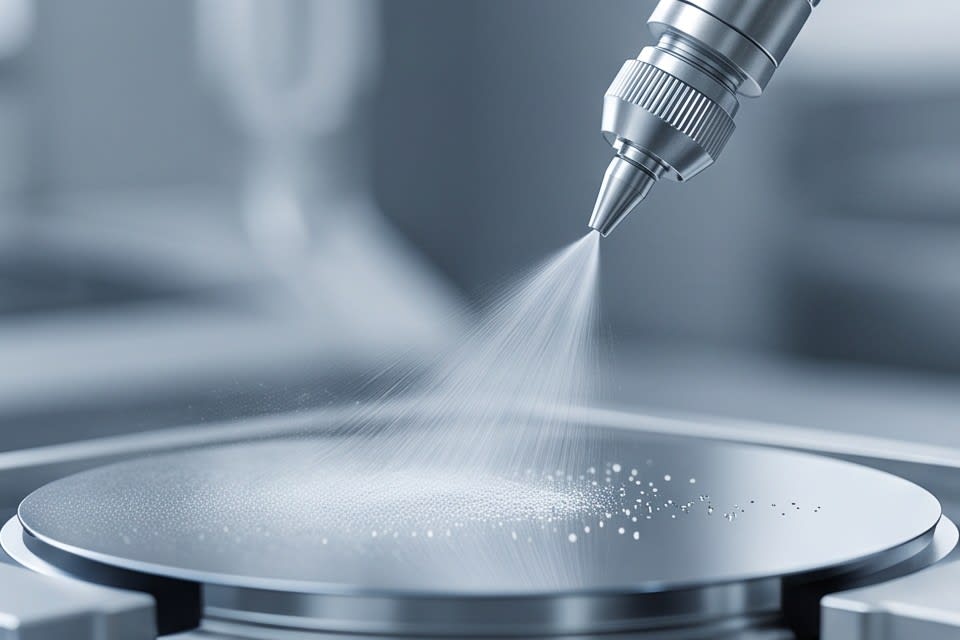
The Beginning of Process Defects, Automation That Blocks Contaminant Particles
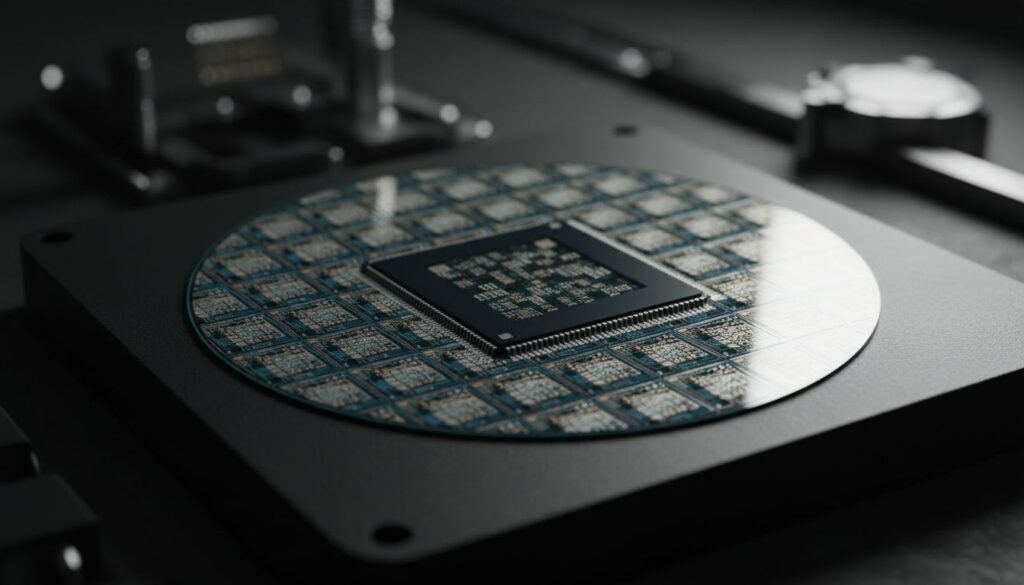
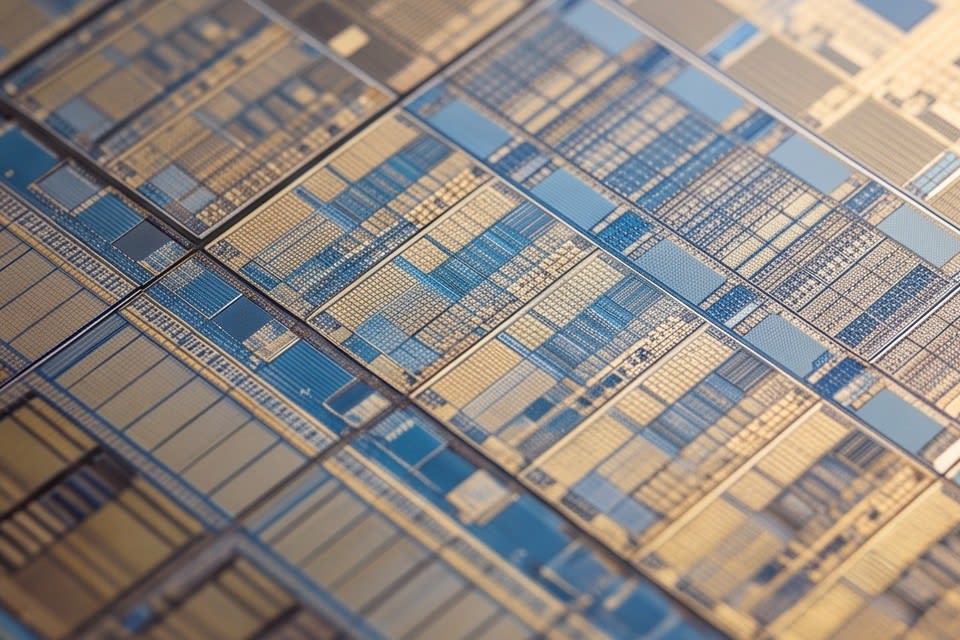
In semiconductor manufacturing processes, many defects begin with contaminant particles that are invisible to the eye. A single fine particle left on the surface of a wafer or package can cause an electrical short or lead to bonding defects. Research on cleaning processes confirms that the mechanical force generated when a PVA brush contacts the surface can effectively remove particles without cross-contamination, even with low-concentration chemical solutions. In this way, the principle of particle removal is not simply the use of detergent, but a combination of physical force and chemical action.
Comparative data showing that error rates appear at 1 to 2% or higher in manual work environments, while they drop to around 0.01% on automated lines, clearly demonstrates how significant this difference is. For components with diverse shapes and materials, such as camera modules, sensors, VCM motors, and trays, maintaining consistent cleaning conditions becomes more difficult, and the more often human hands are involved, the more contamination inflow paths increase. When automation equipment is introduced into the process, these variables can be kept within a controlled range. Across advanced manufacturing sites, there is a growing recognition that blocking the starting point of defects is the first condition for yield management.
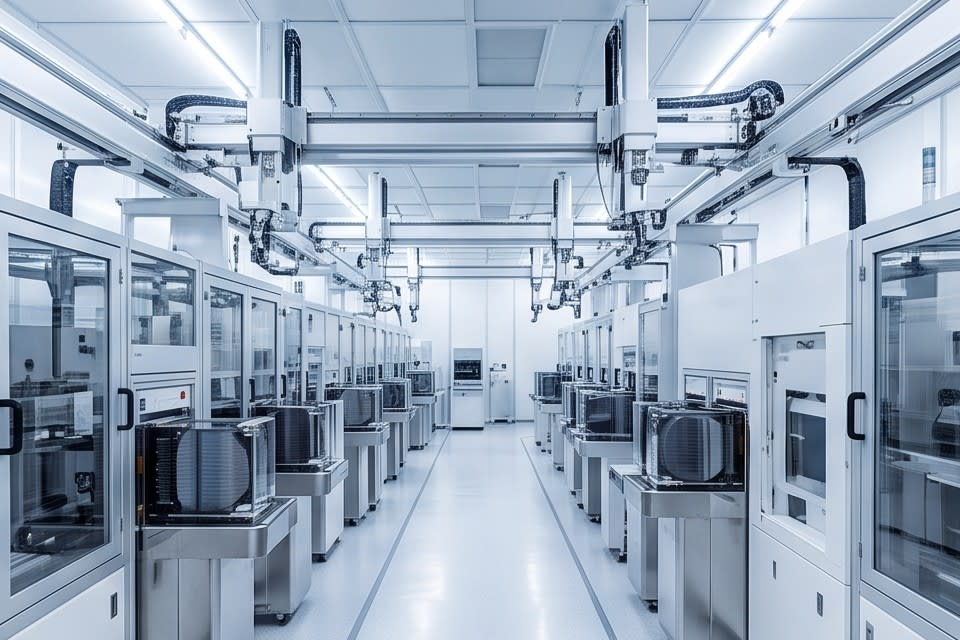
How Should the Level of Automation Be Judged for Each Process
Introducing automation equipment does not mean the same method can be applied to every process. Cleaning, lamination, and grinding each require different levels of automation and equipment configurations. A full-auto line can achieve a production speed about twice as fast as a semi-auto line, but it requires large initial capital investment and precise system tuning as a prerequisite. In contrast, the semi-auto method has a lower initial cost burden, but requires continuous manpower input and a separate management system to maintain consistency between processes.
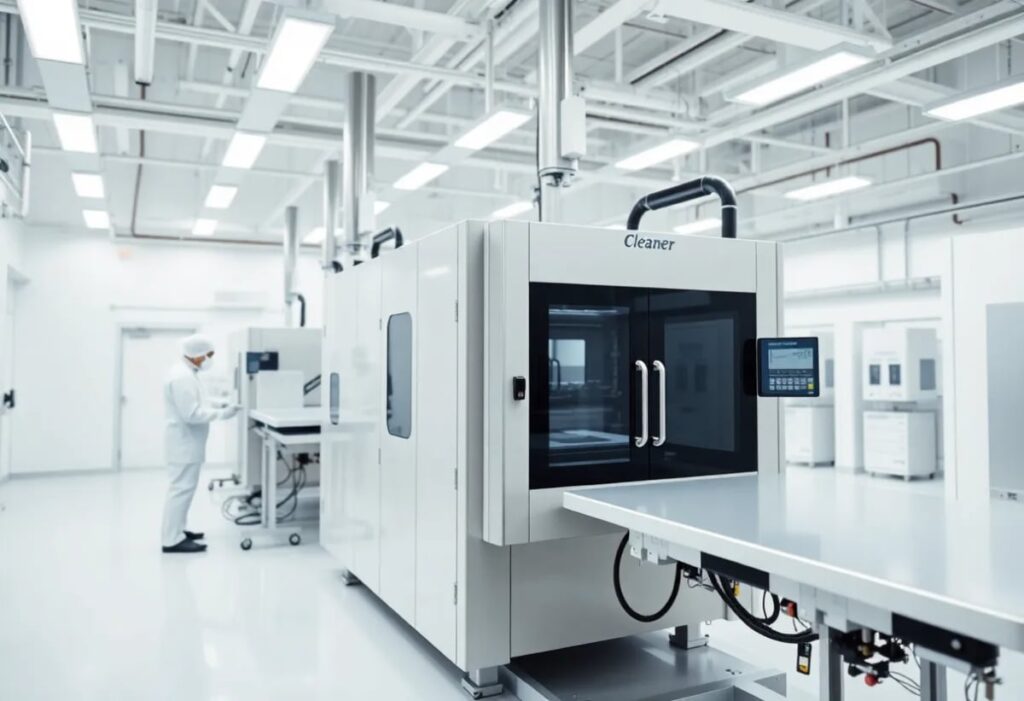
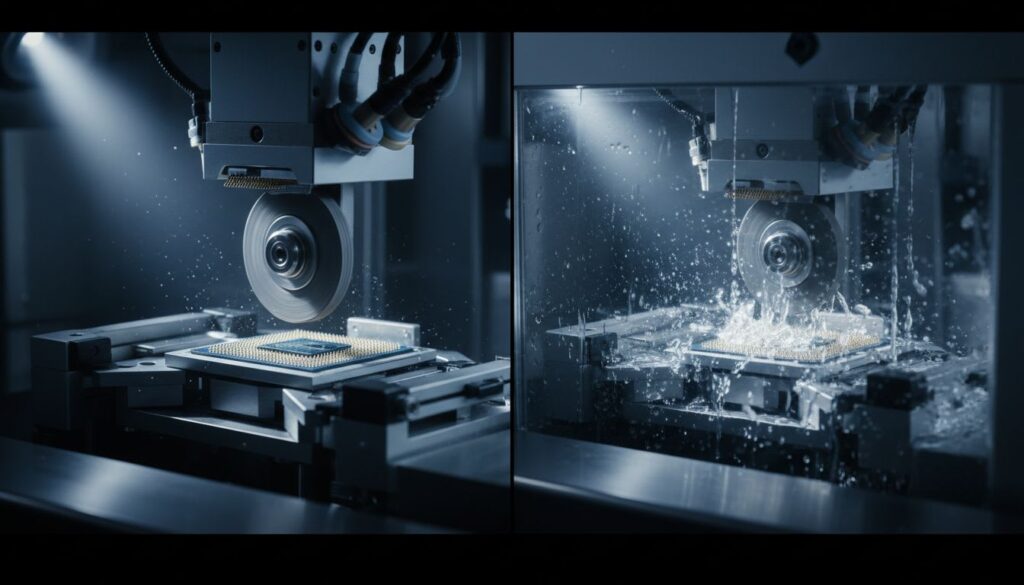
In the cleaning process, a multi-stage method combining Micro Bubble·Water Jet·Air Knife offers higher surface contaminant removal efficiency than a single cleaning method, and when the Oven Dry function is added, the drying process can also be completed in one continuous flow. In the lamination process, equipment configured as a one-stop flow from Expander to UV Curing is advantageous for reducing process steps and shortening takt time. The Cleaner System and Laminator System from Huvics support both Full Auto and Manual options, and are designed to be configured flexibly according to the scale of the production line and product characteristics.
Choosing full auto based only on production speed, or remaining with semi auto based only on cost, can disrupt the balance of the entire process. The key to equipment implementation is to first establish the criteria for deciding what level of automation should be applied to each process.
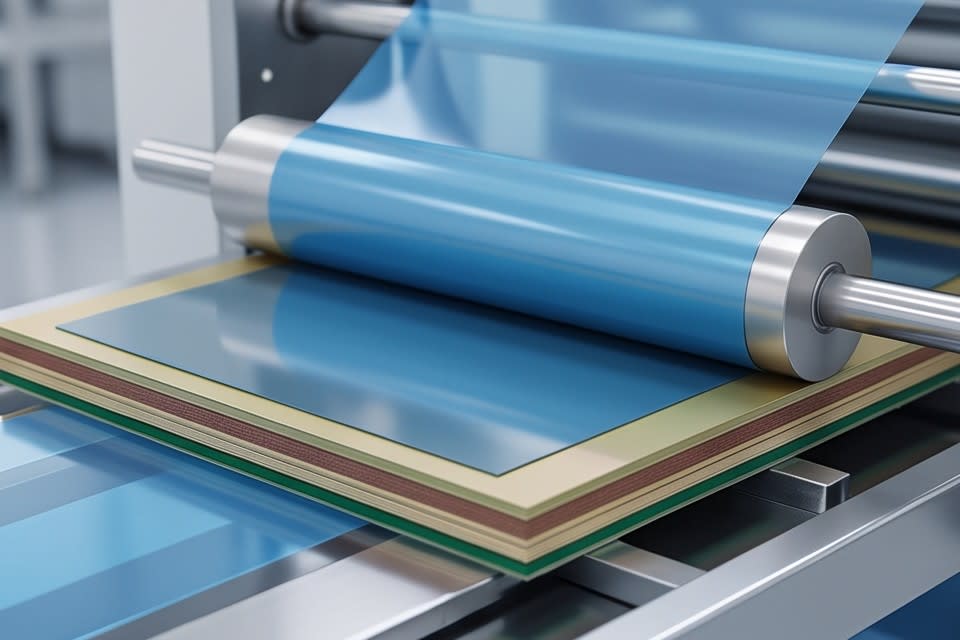
The Moment Yield Changes, Combining Process Design and Equipment
The effect of automation equipment becomes clearest when it is verified through numbers. According to semiconductor cleaning process research published on ResearchGate, there was a reported case in which process improvement reduced the defect rate from 20% to 5%. This figure shows that changing even one cleaning process can create a meaningful change in yield.
Huvics has a track record of analyzing chronic defect issues that occurred in semiconductor tape bonding processes and resolving them by redesigning the overall process flow. In camera module processes as well, there have been cases where defect rates were reduced by precisely adjusting cleaning conditions, and this was not simply the result of replacing equipment, but of examining the process structure itself.
However, defects do not automatically disappear simply by introducing automation equipment. If you do not review together where contamination occurs in the process, whether the cleaning conditions match product characteristics, and whether there are residual issues after drying, the effect of equipment investment may be reduced. This confirms that automation equipment becomes a practical tool for reducing process defects when equipment selection, process design, and adjustments based on on-site data are carried out together.
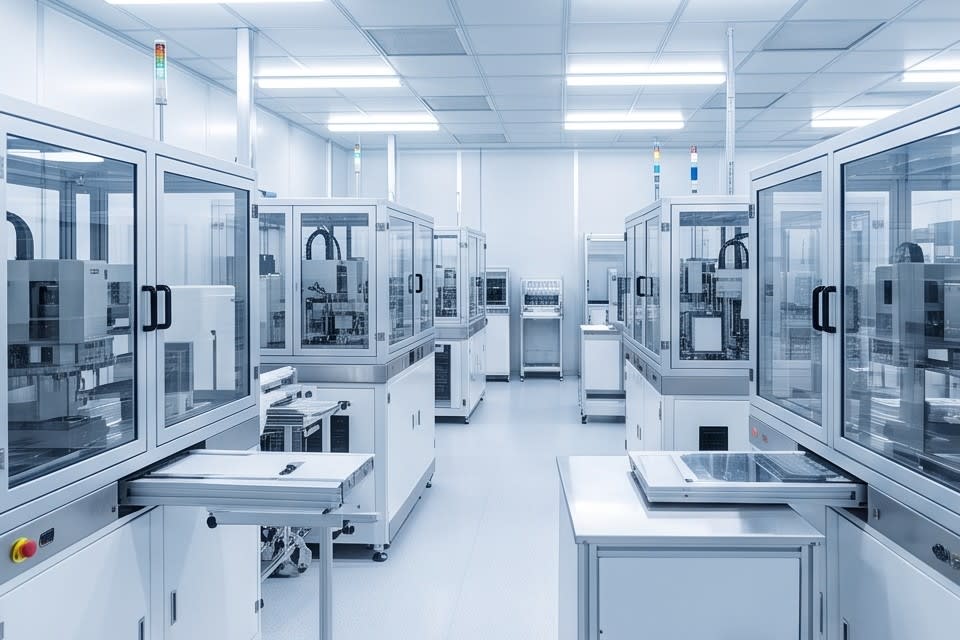
As semiconductor manufacturing environments become more complex, reducing process defects is no longer simply a matter of selecting good equipment. Yield begins to change only when you evaluate together where contamination starts in the process, how far the level of automation should be raised, and whether the equipment fits actual production conditions. Whether the process is cleaning, lamination, or grinding, when the starting point is the fact that each process requires a different level of precision and automation method, equipment implementation becomes an investment rather than a cost.
Huvics is an advanced technology company that develops and manufactures automation equipment and
production systems across the Semiconductor, LED, Mobile, and Cosmetic industries.
With top talent and continuous technological innovation, we support customers in improving productivity and
securing quality competitiveness.
Huvics Contact
Tel: 031-374-8285
Email: cdpark@huvics.com