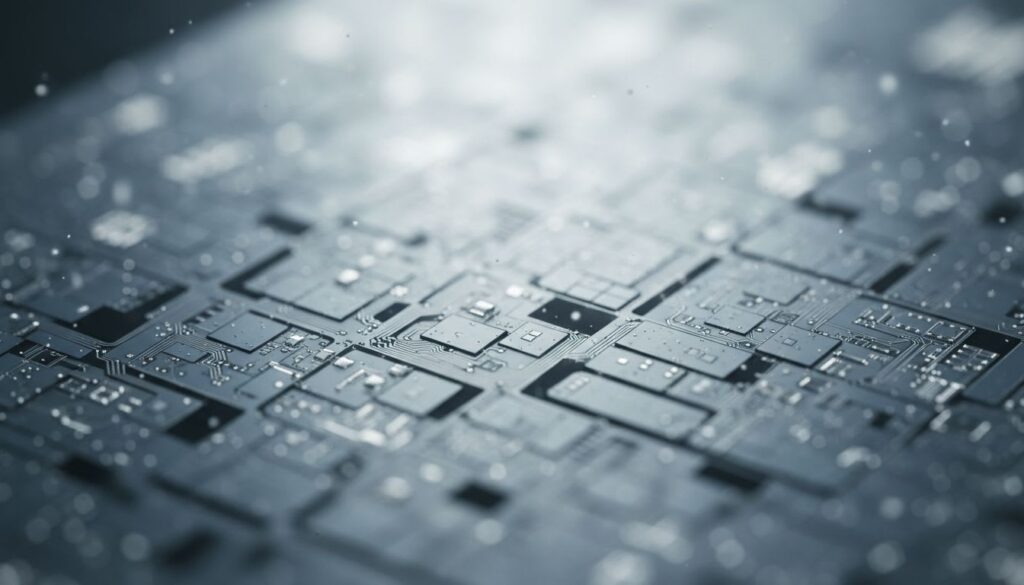
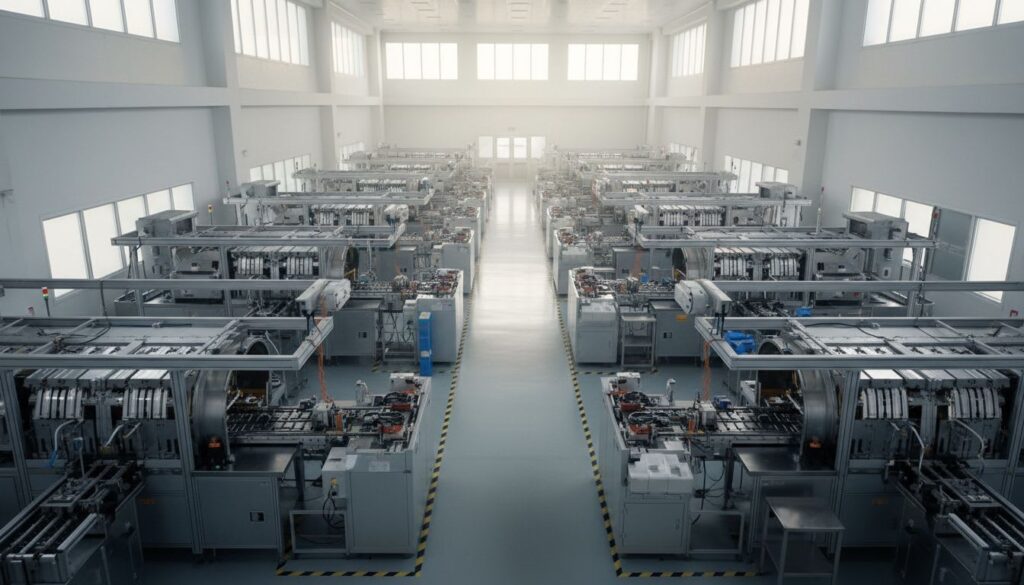
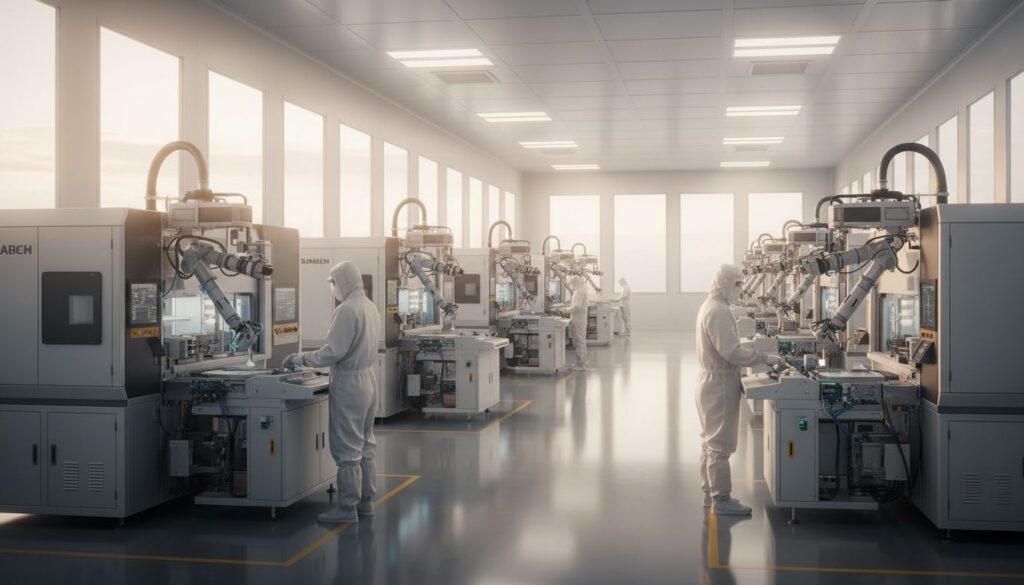
When considering the introduction of custom automation equipment, it is natural to feel unsure about where to begin. Each process has different requirements, and although there are many types of equipment, few sources clearly explain the criteria for choosing the right one. Add technical terms such as micron-level precision and yield, and it can easily feel overwhelming for those encountering them for the first time. It is completely normal for this to feel difficult. From here, we will break down that complex context step by step.
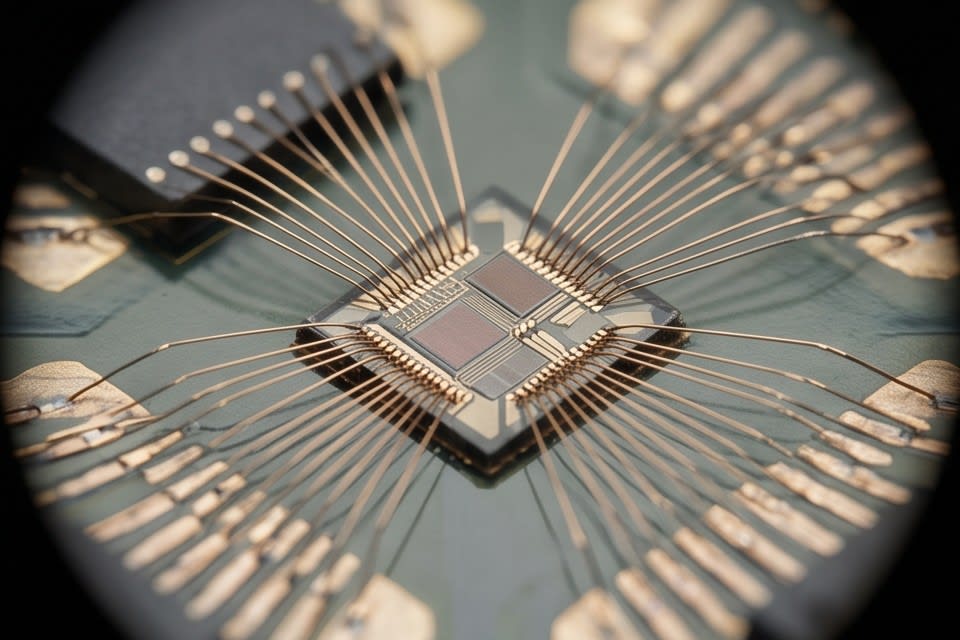
Why custom automation equipment has become essential
Today, manufacturing sites that produce ultra-precision components such as semiconductors, camera modules, and autonomous driving sensors operate under conditions completely different from just a few years ago. Components are becoming smaller, stacked structures are growing more complex, and the required precision at each process stage is becoming increasingly narrow.
In semiconductor packaging processes, component placement and alignment accuracy is required at the level of 10 to 50 microns. This figure is not just a simple benchmark, but a condition that determines the reliability of the entire product. Because even a slight deviation in one process can affect all subsequent processes, it has become difficult for a single-purpose piece of equipment to handle this complex process flow.
As process types, materials, and production methods differ from customer to customer, equipment must also be designed to match those conditions. The fact that standardized equipment does not fit every site has already become a common understanding across the industry. It is within this trend that custom automation equipment has become a basic requirement rather than an option.
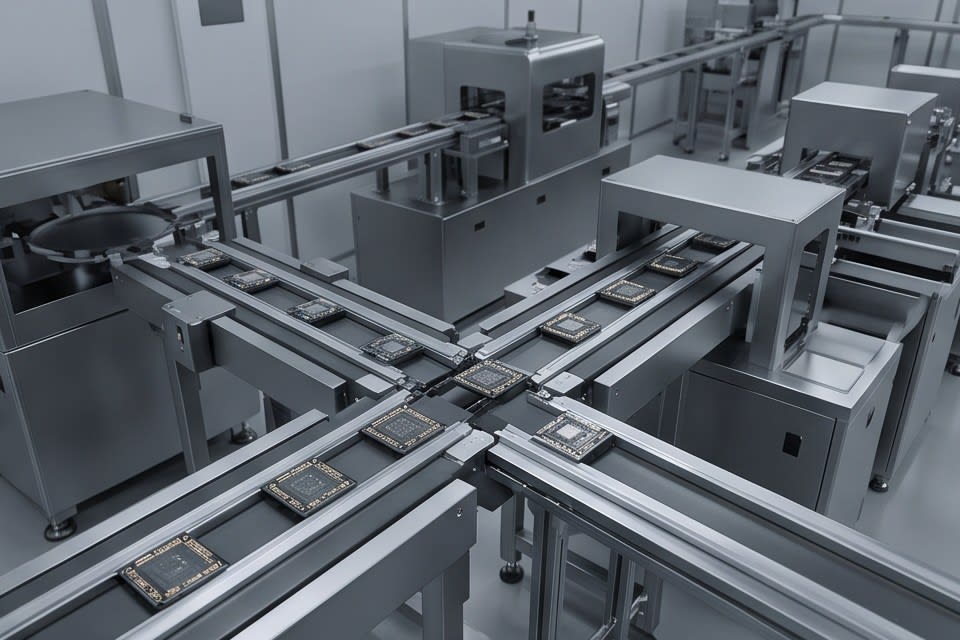
How the Laminator·Cleaner System works
Automation equipment that substantially improves process efficiency differs not only in the performance of individual machines, but in how processes are connected.
Laminator System
The Laminator System handles the process from tape attachment to UV curing within a single line. As Expander, Lamination, Tape Mounter, and UV Curing are connected in sequence, waiting time and handling errors that occur between process stages are reduced.
UV Curing can be selected in either lamp type or LED type, allowing adhesive strength and process stability to be adjusted according to product characteristics. Since both Semi Auto and Manual options are available, it can respond flexibly to both mass production lines and small-batch, multi-product lines.
Cleaner System
The Cleaner System uses a multi-stage cleaning method that combines Micro Bubble, Water Jet, and Air Knife to gradually remove contaminant particles remaining on the product surface. It is designed to be applied to products with different shapes and materials, such as camera modules, VCM motors, sensors, and trays, and it is equipped with an Oven Dry function that continues through the drying process after cleaning.
There have been reported cases in the industry where total process time was reduced by approximately 40% after the introduction of automated processes. This is why simplifying processes leads to reduced defects and improved yield.
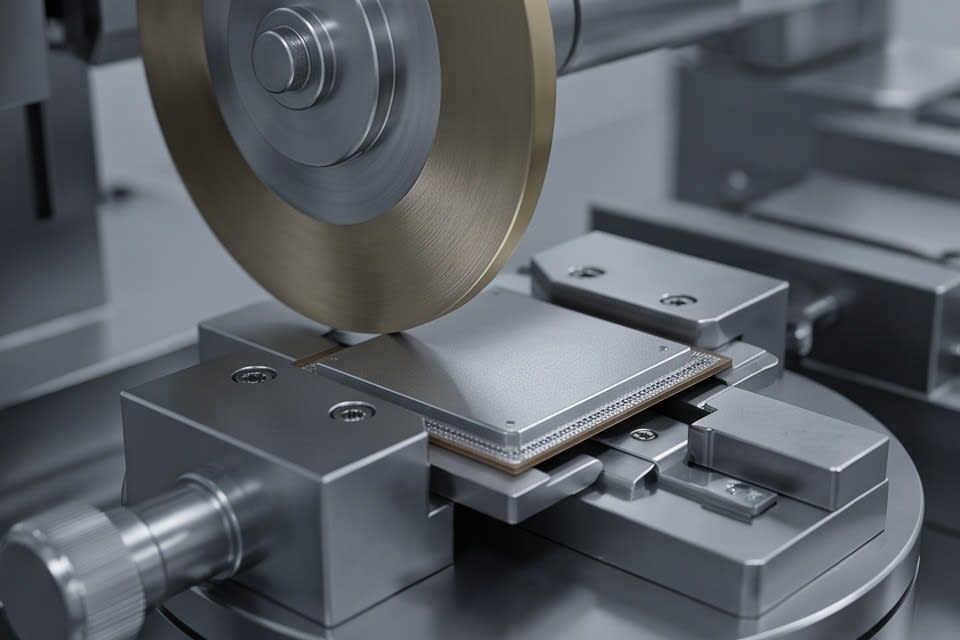
PKG Grinder and ultra-precision grinding technology
Huvics PKG Grinder is ultra-precision grinding equipment that controls the thickness uniformity and flatness of semiconductor packages at the micron level. Even for different package types such as FCBGA, WLCSP, QFN/DFN, and Solar Cell, it processes uniformly according to the thickness target specified by the customer, while maintaining quality in high-speed processes through the combination of a high-precision stage and a diamond wheel.
The ultra-precision tolerance required in manufacturing semiconductor equipment components is at the level of ±1 to 5 microns. If this range is exceeded, the reliability of the stacked structure itself becomes unstable. For products that require chips to be stacked in multiple layers, such as AI semiconductors or high-performance memory, thickness variations in each layer directly affect final performance.
Because both Full Auto and Manual Type configurations are available, the equipment can be selected according to the automation level and operating method of the production line. As seen in cases where defects occurring in semiconductor tape bonding processes or recurring challenges in tray cleaning processes were resolved, equipment precision becomes a practical means of solving specific process problems.
Ultimately, the question of which equipment to choose is the same as asking what level of quality standard to set. When selecting precision processing equipment, the key is not simply comparing specifications, but first identifying which stage of your own process is the most vulnerable.
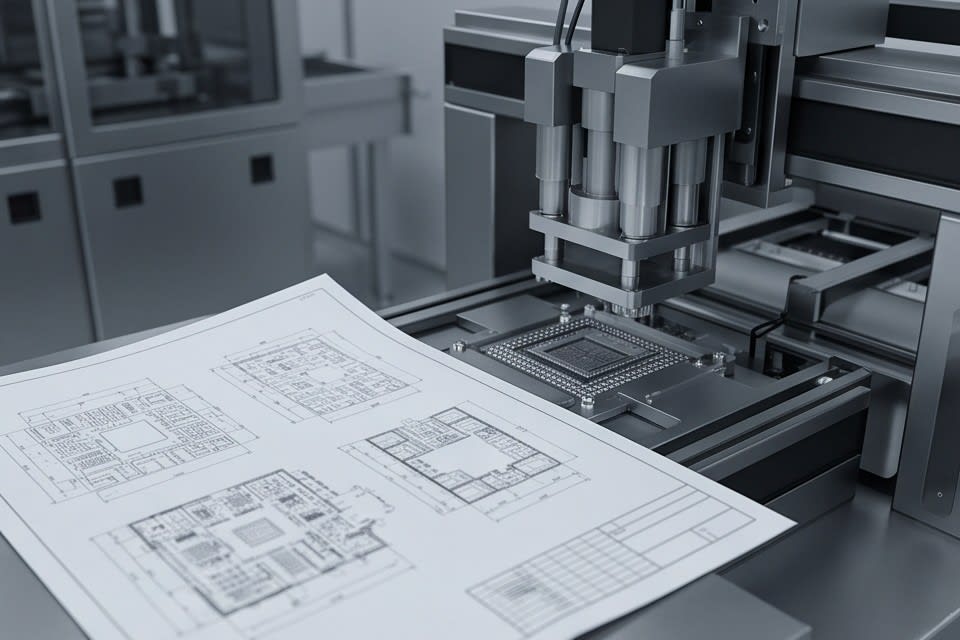
When reviewing custom automation equipment for the first time, it may feel difficult not because there are too many options, but because it is hard to clearly understand what your process actually needs. Whether it is a Laminator, Cleaner, or PKG Grinder, what matters first is not the equipment itself, but what role that equipment plays at which point in your process. The more specifically you examine the conditions of your process, the clearer the right equipment becomes.
Huvics is an advanced technology company that develops and manufactures automation equipment and
production systems across the semiconductor, LED, Mobile, and Cosmetic industries.
With top talent and continuous technological innovation, we support customers in improving productivity and
securing quality competitiveness.
Huvics Contact
Phone: 031-374-8285
Email: cdpark@huvics.com